Lead Toxicity and the Blood-Brain Barrier: Mechanism of Junctional Protein Degradation
An in-depth exploration of the biochemical pathways by which lead (Pb) disrupts the blood-brain barrier, focusing on the degradation of tight junction proteins and the role of calcium mimicry.
# Lead Toxicity and the Blood-Brain Barrier: Mechanism of Junctional Protein Degradation
Lead (Pb) is a potent, non-essential heavy metal that has been recognised as a major environmental pollutant for centuries. Despite extensive public health efforts, lead exposure remains a critical concern, particularly due to its profound neurotoxicity. One of the most insidious ways lead exerts its damage is by compromising the blood-brain barrier (BBB)—the brain's primary defence system. Understanding the root-cause mechanisms of how lead degrades the structural integrity of this barrier is essential for developing effective therapeutic interventions.
The Blood-Brain Barrier: A Selective Fortress
The BBB is a highly selective semi-permeable border of endothelial cells that prevents solutes in the circulating blood from non-selectively crossing into the central nervous system (CNS). It is composed of a complex 'neurovascular unit' involving endothelial cells, pericytes, astrocytes, and a basement membrane. The integrity of this barrier is maintained by junctional complexes, primarily Tight Junctions (TJs) and Adherens Junctions (AJs).
TJs, located at the apical end of the inter-endothelial space, are the primary determinants of paracellular permeability. They consist of transmembrane proteins such as occludin and claudins (specifically claudin-5 in the brain), which are anchored to the actin cytoskeleton by cytoplasmic proteins like Zonula Occludens-1 (ZO-1). When these proteins are degraded or displaced, the barrier becomes 'leaky', allowing neurotoxins, inflammatory cytokines, and pathogens to enter the brain.
Molecular Mimicry: The Trojan Horse Mechanism
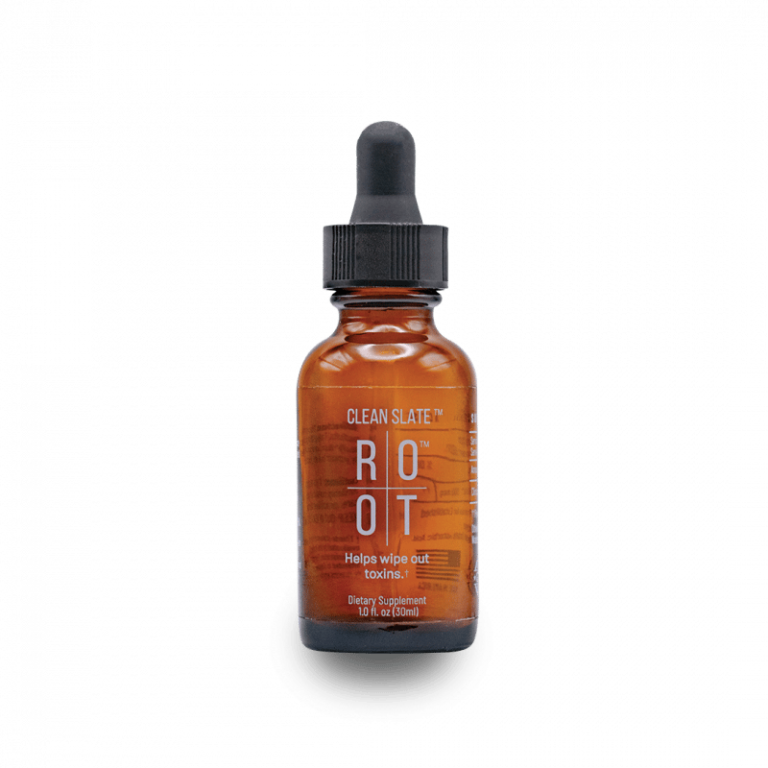
Clean Slate – Detoxes thousands of chemicals,heavy metals, pesticides, allergens, mold spores and fungus
Clean Slate is a cellular-level detoxifier that targets heavy metals, pesticides, and environmental toxins to unblock your body's natural defense pathways. It helps reduce systemic inflammation and restores the nutrient absorption sites often compromised by modern toxicity.
Vetting Notes
Pending
The fundamental root of lead's toxicity lies in its ability to mimic divalent cations, most notably calcium (Ca2+). Because lead has a similar ionic radius and charge to calcium, it can bypass cellular transporters and interfere with calcium-dependent signalling pathways.
In the context of the BBB, lead uses this mimicry to enter the endothelial cells and activate Protein Kinase C (PKC). Specifically, lead stimulates the PKC-alpha isoform, which triggers a cascade that increases the phosphorylation of junctional proteins. Phosphorylation of occludin and ZO-1 causes them to disengage from the actin cytoskeleton and redistribute away from the cell membrane, effectively 'opening' the gates of the BBB.
Activation of Matrix Metalloproteinases (MMPs)
One of the most destructive mechanisms by which lead degrades the BBB is through the induction and activation of Matrix Metalloproteinases, particularly MMP-2 and MMP-9. These are zinc-dependent endopeptidases that are responsible for the degradation of the extracellular matrix and basement membrane components.
Lead exposure significantly upregulates the expression of MMP-9. Once activated, MMP-9 targets and enzymatically digests the extracellular loops of occludin and claudin-5. This is not merely a displacement but a literal breakdown of the protein structures that hold the endothelial cells together. As the basement membrane is weakened by MMP activity, the structural support for the microvasculature collapses, leading to increased paracellular leakage and, in severe cases, microhaemorrhages and cerebral oedema.
Oxidative Stress and the Depletion of Antioxidant Defences
Lead is a pro-oxidant. It induces the formation of Reactive Oxygen Species (ROS) and Reactive Nitrogen Species (RNS) while simultaneously depleting the cell's endogenous antioxidant stores, such as Glutathione (GSH) and Superoxide Dismutase (SOD).
The resulting oxidative stress state initiates a pro-inflammatory cycle. ROS can directly damage the lipid membranes of the endothelial cells (lipid peroxidation) and activate the nuclear factor-kappa B (NF-̀B) pathway. The activation of NF-̀B further drives the production of inflammatory cytokines like TNF-alpha and IL-1beta, which are known to downregulate the gene expression of claudin-5. This creates a feedback loop: lead decreases the production of new junctional proteins while increasing the degradation of existing ones.
Cytoskeletal Disruption and the F-Actin Remodelling
The stability of tight junctions is entirely dependent on their tethering to the actin cytoskeleton. Lead interferes with the polymerisation of G-actin into F-actin (filamentous actin). By disrupting the actin filaments, lead causes the junctional proteins to lose their anchor point. This results in the formation of 'stress fibres' and cell contraction, which physically pulls the endothelial cells apart, creating gaps in the barrier that did not previously exist.
The Clinical Consequences: From Neuroinflammation to Cognitive Decline
The degradation of junctional proteins and the subsequent breach of the BBB have far-reaching clinical implications. Once lead enters the CNS, it accumulates in the hippocampus and prefrontal cortex, areas vital for learning and memory. The 'leaky brain' allows for the infiltration of peripheral immune cells, leading to chronic neuroinflammation and the activation of microglia. This environment is highly neurotoxic, contributing to the cognitive deficits, behavioural issues, and motor impairments seen in both childhood lead poisoning and adult occupational exposure.
Root-Cause Support: Mitigating the Damage
From a nutritional and biochemical perspective, addressing lead-induced BBB degradation requires a multi-faceted approach:
- —Mineral Competition: Maintaining optimal levels of calcium, zinc, and iron can help reduce the uptake of lead, as these minerals compete for the same transporters.
- —Antioxidant Support: Enhancing glutathione levels through precursors like N-Acetyl Cysteine (NAC) can help neutralise the ROS that drive MMP activation.
- —MMP Inhibition: Certain polyphenols and nutrients, such as Vitamin C and curcumin, have been studied for their ability to modulate MMP activity and support junctional integrity.
- —Chelation: In clinical settings, chelation therapy (using agents like EDTA or DMSA) is used to remove lead from the bloodstream, though its ability to repair an already compromised BBB is limited, highlighting the importance of prevention.
Conclusion
The degradation of junctional proteins by lead is a complex biochemical process involving molecular mimicry, enzymatic digestion by MMPs, and oxidative stress. The blood-brain barrier is a resilient but vulnerable interface; when its protein architecture is compromised by lead, the resulting influx of toxins sets the stage for permanent neurological damage. By understanding these specific mechanisms at the molecular level, we can better appreciate the necessity of environmental protection and targeted nutritional support to preserve the integrity of the human brain.
This article is provided for informational and educational purposes only. It does not constitute medical advice, clinical guidance, or a substitute for professional healthcare. Information reflects cited research at time of publication. Always consult a qualified healthcare professional before acting on any health information.
RESEARCH FOUNDATIONS
Biological Credibility Archive
Citations provided for educational reference. Verify via PubMed or institutional databases.
Medical Disclaimer
The information in this article is for educational purposes only and does not constitute medical advice, diagnosis, or treatment. Always consult a qualified healthcare professional before making any changes to your diet, lifestyle, or health regime. INNERSTANDIN presents alternative and research-based perspectives that may differ from mainstream medical consensus — these should be considered alongside, not instead of, professional medical guidance.
Read Full DisclaimerReady to learn more?
Continue your journey through our classified biological research.
DISCUSSION ROOM
Members of THE COLLECTIVE discussing "Lead Toxicity and the Blood-Brain Barrier: Mechanism of Junctional Protein Degradation"
SILENT CHANNEL
Be the first to discuss this article. Your insight could help others understand these biological concepts deeper.
THE ARSENAL
Based on Lead Toxicity — products curated by our research team for educational relevance and biological support.
Clean Slate – Detoxes thousands of chemicals,heavy metals, pesticides, allergens, mold spores and fungus
INNERSTANDING may earn a commission on purchases made through these links. All products are selected based on rigorous educational relevance to our biological research.
RABBIT HOLE
Follow the biological thread deeper