
The Cadmium Connection: How Heavy Metals and Xenoestrogens Disrupt Prostatic Homeostasis
Published April 2026
The prostate gland is uniquely sensitive to environmental toxins, particularly the metalloestrogen cadmium, which mimics estrogen at the receptor level. Modern exposure to endocrine-disrupting chemicals (EDCs) in the food chain and environment triggers precancerous changes long before clinical symptoms appear. This investigation details the pathways of bioaccumulation and the necessity of targeted detoxification for long-term prostate integrity.
Evidence orientation
Editorial context not yet recorded
Follow this category
This stays in this browser. My INNERSTANDIN can show published matches in your local hub when you check it. It does not send email, push, or alert notifications.
Local learning review
A private browser aid for revisiting ideas. It is not an alert or a health recommendation.
Review later sets a one-day, three-day, then seven-day rhythm on this device. Choose it only when you want to revisit this article.
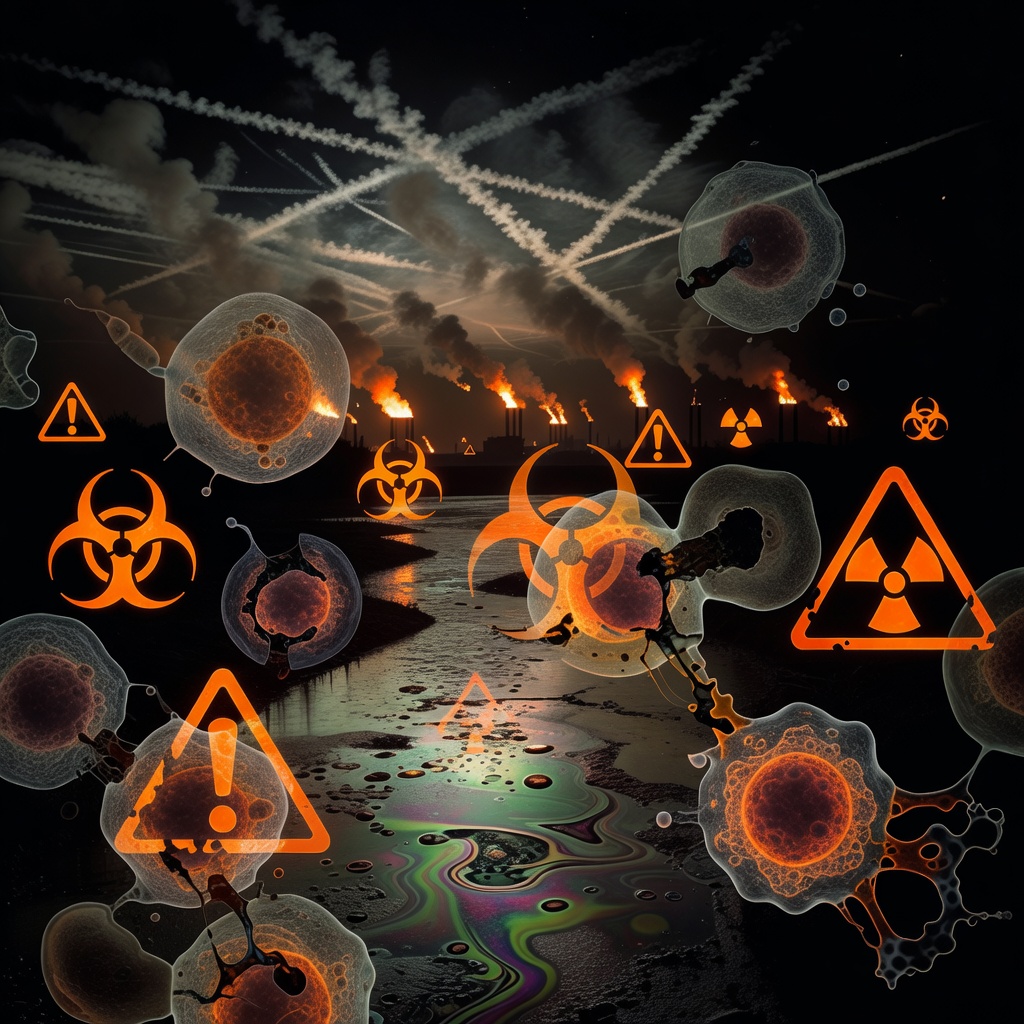
The prostate is often referred to as a 'sponge' for environmental toxins. Its highly vascularized nature and specific receptor density make it a prime target for the accumulation of heavy metals, most notably cadmium. Cadmium is a toxic metal that enters the human body primarily through cigarette smoke, industrial pollution, and contaminated food grown in phosphate-rich fertilizers. Biologically, cadmium is classified as a 'metalloestrogen.' It possesses the uncanny ability to bind to estrogen receptors (ER-alpha) and trigger the same proliferative signals as estradiol, but with much higher persistence. Because the body has no efficient way to excrete cadmium, it bioaccumulates in the prostate over decades, leading to chronic oxidative stress and DNA damage.
Conventional medicine rarely screens for heavy metal toxicity in prostate patients, focusing instead on the end-stage symptoms of the damage. However, research from the 'Environmental Health Perspectives' journal has linked even low-level cadmium exposure to an increased risk of prostate cancer and BPH. Alongside cadmium, the prostate must contend with xenoestrogens like Atrazine (a common herbicide) and Bisphenol-A. These substances disrupt the delicate feedback loops between the pituitary gland and the testes, leading to altered gonadotropin secretion and further hormonal imbalance. The biological mechanism of damage involves the displacement of essential minerals like zinc.
The prostate contains the highest concentration of zinc in any human organ; zinc is vital for maintaining the integrity of the blood-prostate barrier and inhibiting the enzyme 5-alpha reductase. When cadmium or other toxins displace zinc, the gland's primary defense mechanism is compromised. To protect the prostate, one must adopt an aggressive strategy of environmental avoidance and detoxification. This includes eating organic to avoid pesticide-derived xenoestrogens, using high-quality water filtration (Reverse Osmosis) to remove heavy metals, and supplementing with zinc and selenium, which act as antagonists to cadmium. Practical takeaways include using infrared saunas to promote the excretion of heavy metals through sweat, increasing intake of glutathione precursors like N-Acetyl Cysteine (NAC), and avoiding 'new car smell' or cheap plastics which are high in volatile organic compounds (VOCs).
Environmental detoxification is no longer optional; it is a foundational requirement for male biological health in the 21st century.
This article is provided for informational and educational purposes only. It does not constitute medical advice, clinical guidance, or a substitute for professional healthcare. Information reflects cited research at time of publication. Always consult a qualified healthcare professional before acting on any health information.
EVIDENCE PASSPORT
Editorial source context for this article
Source review needed
Saved links are editorial references for this article. They may support specific claims rather than every sentence. Open and assess each source in context. This passport does not independently verify them.
Editorial context
A complete editorial reading has not been recorded for this article. Source links remain available for you to open and assess directly.
Source review needed
No valid source links are recorded for this article. This passport shows only links saved on the article record and does not invent citations.
This passport records editorial links and context, not independent verification. Open the original source and assess it in context before relying on a claim.
Medical Disclaimer
The information in this article is for educational purposes only and does not constitute medical advice, diagnosis, or treatment. Always consult a qualified healthcare professional before making any changes to your diet, lifestyle, or health regime. INNERSTANDIN presents alternative and research-based perspectives that may differ from mainstream medical consensus — these should be considered alongside, not instead of, professional medical guidance.
Read Full DisclaimerContinue the thread
Keep this question moving.
Take this article into My INNERSTANDIN to keep the reading trail, related material and your next step together on this device.
Explore this in the Body Map
See where this hits your biology. Interactive anatomy, threats, and protective protocols.
Dig deeper in the Library
Free, longform PDF volumes that go beyond headlines into mechanisms and references.