Glutathione Depletion and Nephrotoxicity: The Role of Oxidative Stress in Mercury-Induced Renal Failure
An in-depth exploration of the biochemical mechanisms by which mercury exposure depletes glutathione, triggers systemic oxidative stress, and leads to acute and chronic renal failure, focusing on the root-cause interactions within the proximal tubules.
# Glutathione Depletion and Nephrotoxicity: The Role of Oxidative Stress in Mercury-Induced Renal Failure\n\nMercury remains one of the most potent non-radioactive neurotoxins and nephrotoxins known to modern science. While public health discussions often focus on the neurological impact of methylmercury from seafood, the renal system—specifically the kidneys—serves as the primary site of accumulation for inorganic mercury. At the heart of this toxicity lies a catastrophic disruption of the body's most critical antioxidant system: glutathione (GSH). Understanding the relationship between glutathione depletion and mercury-induced nephrotoxicity is essential for any root-cause approach to heavy metal detoxification and renal recovery.\n\n## The Kidney as a Primary Target\n\nThe kidneys are disproportionately susceptible to mercury toxicity due to their physiological role in filtering, concentrating, and excreting metabolic wastes and toxins. Inorganic mercury (Hg2+) has a high affinity for the renal cortex.
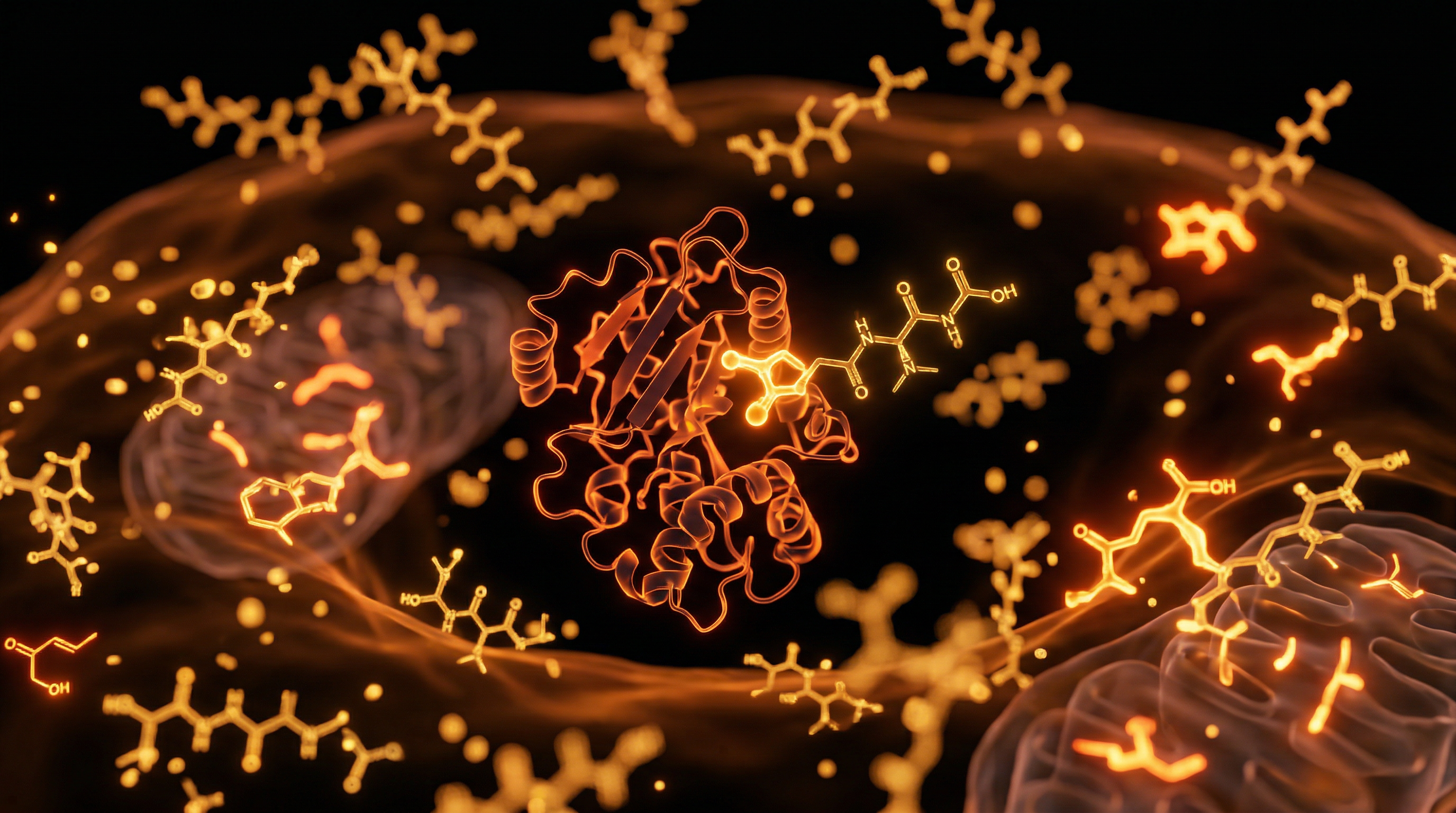
Once mercury enters the bloodstream, it is rapidly taken up by the proximal tubule cells, specifically the S1, S2, and S3 segments. These cells are responsible for the reabsorption of essential nutrients and the secretion of waste products. Because the proximal tubules possess a high density of mitochondria and rely heavily on aerobic metabolism, they are uniquely vulnerable to the oxidative disturbances triggered by mercury.\n\n## The Master Antioxidant: Glutathione (GSH)\n\nTo understand why mercury is so destructive, one must first understand glutathione. Often referred to as the 'master antioxidant,' glutathione is a tripeptide composed of three amino acids: glutamic acid, cysteine, and glycine. Its primary function is to protect cells from oxidative damage by neutralising reactive oxygen species (ROS) and facilitating the detoxification of xenobiotics.\n\nIn the kidneys, glutathione acts as a first-line defence.
It maintains the redox state of the cell and protects the thiol-containing proteins of the mitochondrial membrane. However, the very mechanism that allows glutathione to protect the body—its high affinity for binding to heavy metals—is also the mechanism that leads to its exhaustion in the presence of mercury.\n\n## The Mechanism of Glutathione Depletion\n\nMercury is a 'thiol-seeking' element. It possesses an extraordinary affinity for sulphhydryl (-SH) groups, which are found in abundance on the glutathione molecule. When mercury ions enter the renal cells, they undergo a process of spontaneous conjugation with GSH, forming mercuric-glutathione complexes (such as Hg(SG)2). While this conjugation is a legitimate detoxification pathway intended to render the mercury water-soluble for excretion, the sheer volume of mercury in a toxic exposure event can rapidly overwhelm the cell's ability to regenerate GSH.\n\nThis depletion occurs through two primary avenues:\n\n1. Direct Sequestration: Mercury binds directly to the available GSH pool, preventing it from performing its usual antioxidant duties.\n2. Enzymatic Inhibition: Mercury inhibits the enzymes responsible for recycling glutathione, such as glutathione reductase (GR), and those involved in its de novo synthesis, such as gamma-glutamylcysteine synthetase.
This creates a 'pincer movement' where the supply of glutathione is blocked while the demand is exponentially increased.\n\n## Oxidative Stress: The Path to Renal Failure\n\nOnce the glutathione levels in the proximal tubule cells drop below a critical threshold—typically 20% to 30% of normal levels—the cell enters a state of severe oxidative stress. Without the protective shield of GSH, the reactive oxygen species produced during normal mitochondrial respiration are no longer neutralised. These ROS, including superoxide anions and hydroxyl radicals, begin to attack the structural integrity of the cell.\n\n### Lipid Peroxidation\nOne of the most damaging consequences of this oxidative stress is lipid peroxidation. The polyunsaturated fatty acids in the renal cell membranes are oxidised, leading to a loss of membrane fluidity and integrity. This 'rancidification' of the cell membrane eventually leads to cell lysis and death.\n\n### Mitochondrial Dysfunction\nMercury also targets the mitochondria directly.
By binding to the thiols within the mitochondrial respiratory chain, mercury disrupts the electron transport chain, leading to a further burst of ROS production. This creates a vicious cycle: mercury causes mitochondrial damage, which produces more ROS, which further depletes the remaining glutathione, leading to more mitochondrial damage. This eventually triggers the opening of the mitochondrial permeability transition pore, initiating apoptosis (programmed cell death) or necrosis in the renal tissue.\n\n## The Transition to Renal Failure\n\nThe clinical manifestation of this biochemical cascade is often acute tubular necrosis (ATN). As the proximal tubule cells die, they slough off into the tubular lumen, causing obstructions and a precipitous drop in the glomerular filtration rate (GFR). In acute high-level exposures, this results in acute renal failure.
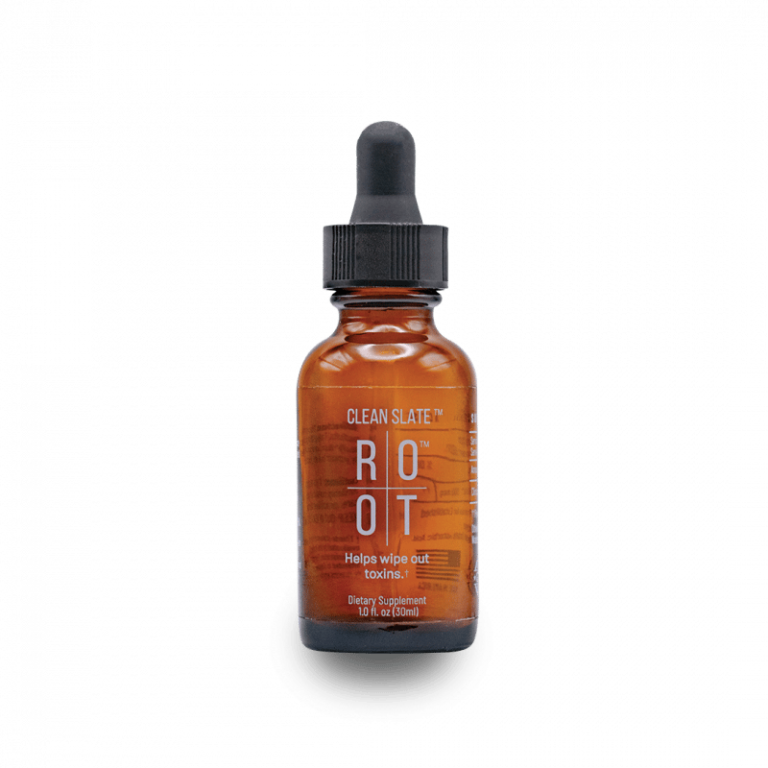
Clean Slate – Detoxes thousands of chemicals,heavy metals, pesticides, allergens, mold spores and fungus
Clean Slate is a cellular-level detoxifier that targets heavy metals, pesticides, and environmental toxins to unblock your body's natural defense pathways. It helps reduce systemic inflammation and restores the nutrient absorption sites often compromised by modern toxicity.
Vetting Notes
Pending
However, even in cases of chronic, low-level exposure—such as that from dental amalgams or environmental pollution—the persistent depletion of glutathione and the resulting 'smouldering' oxidative stress can lead to chronic kidney disease (CKD) and interstitial fibrosis.\n\n## Root-Cause Considerations and Protective Strategies\n\nFrom an educational standpoint, addressing mercury-induced nephrotoxicity requires more than just removing the source of exposure. It requires a strategic restoration of the renal redox environment. Because mercury hijacks the body's sulphur-based detoxification pathways, support must be focused on replenishing the thiol pool.\n\n* N-Acetylcysteine (NAC): As a precursor to glutathione, NAC provides the rate-limiting amino acid (cysteine) needed to rebuild GSH levels. Research has shown that NAC can significantly reduce the renal burden of mercury by facilitating its excretion through the urine while protecting the tubular cells from oxidative damage.\n* Alpha-Lipoic Acid (ALA): ALA is a powerful dithiol antioxidant that can cross the cell membrane and regenerate other antioxidants, including glutathione and Vitamin C. However, in the context of mercury, ALA must be used with caution and specific timing to avoid redistributing the metal.\n* Selenium: Selenium has a higher affinity for mercury than even glutathione.
It binds with mercury to form a highly stable, non-toxic mercury-selenide complex, effectively 'neutralising' the mercury and sparing the glutathione pool.\n\n## Conclusion\n\nThe nephrotoxicity of mercury is not merely a result of the metal's physical presence, but a consequence of the biochemical vacuum it creates by exhausting glutathione. The transition from exposure to renal failure is paved with oxidative damage that the body is no longer equipped to quench. By focusing on the root cause—the preservation and restoration of the glutathione system and the mitigation of oxidative stress—practitioners and patients can better navigate the complexities of mercury toxicity and protect the vital filtration systems of the body. Innerstanding the delicate balance of renal thiols is the first step toward true metabolic recovery.
This article is provided for informational and educational purposes only. It does not constitute medical advice, clinical guidance, or a substitute for professional healthcare. Information reflects cited research at time of publication. Always consult a qualified healthcare professional before acting on any health information.
RESEARCH FOUNDATIONS
Biological Credibility Archive
Citations provided for educational reference. Verify via PubMed or institutional databases.
Medical Disclaimer
The information in this article is for educational purposes only and does not constitute medical advice, diagnosis, or treatment. Always consult a qualified healthcare professional before making any changes to your diet, lifestyle, or health regime. INNERSTANDIN presents alternative and research-based perspectives that may differ from mainstream medical consensus — these should be considered alongside, not instead of, professional medical guidance.
Read Full DisclaimerReady to learn more?
Continue your journey through our classified biological research.
DISCUSSION ROOM
Members of THE COLLECTIVE discussing "Glutathione Depletion and Nephrotoxicity: The Role of Oxidative Stress in Mercury-Induced Renal Failure"
SILENT CHANNEL
Be the first to discuss this article. Your insight could help others understand these biological concepts deeper.
THE ARSENAL
Based on Mercury Toxicity — products curated by our research team for educational relevance and biological support.
Clean Slate – Detoxes thousands of chemicals,heavy metals, pesticides, allergens, mold spores and fungus
INNERSTANDING may earn a commission on purchases made through these links. All products are selected based on rigorous educational relevance to our biological research.
RABBIT HOLE
Follow the biological thread deeper