
Heavy Metals in UK Soil: Impact on Thymic Morphology
Updated May 2026
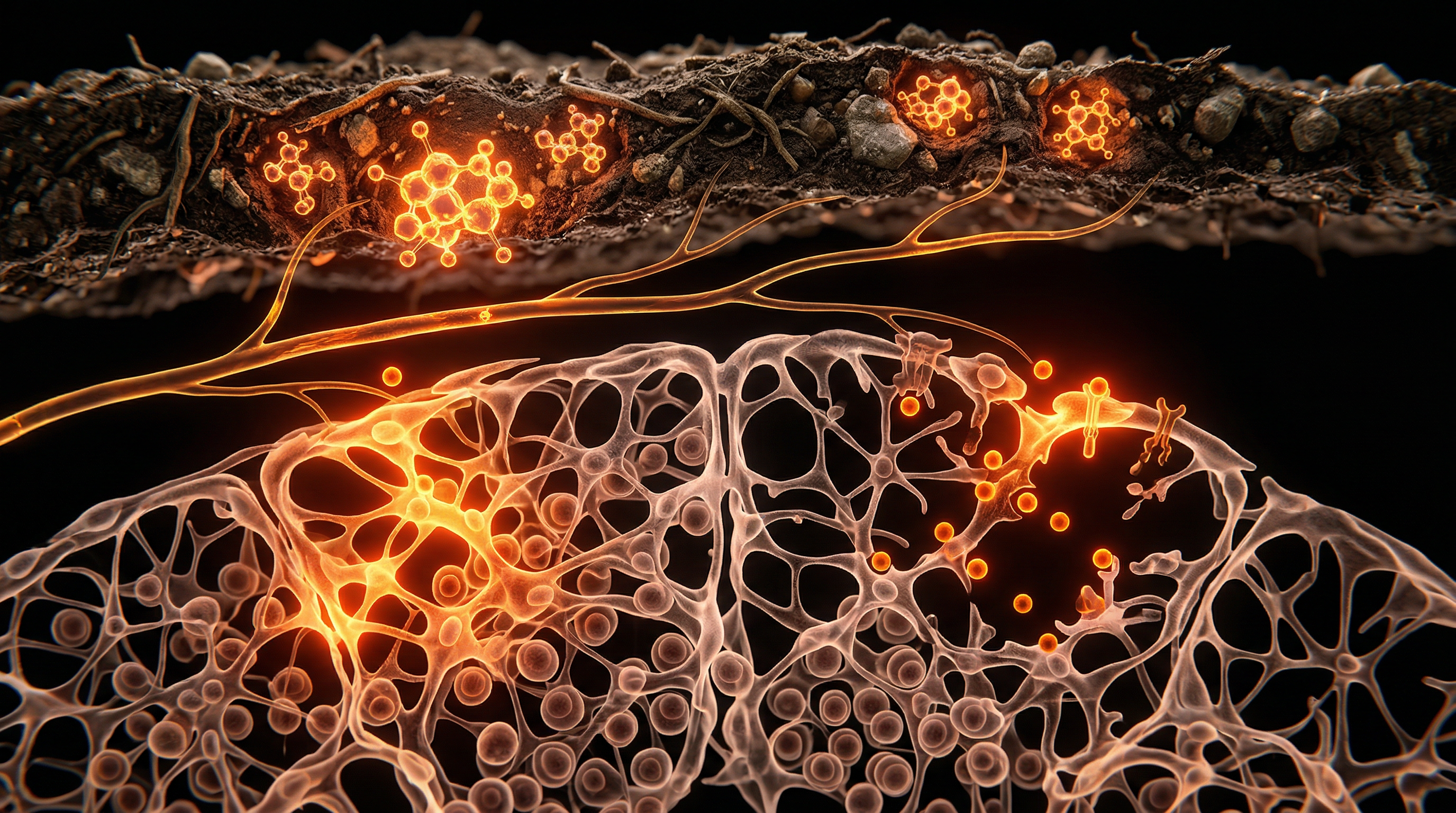
Trace amounts of lead and cadmium in industrial soil can bioaccumulate and target the thymus. We map the UK’s industrial legacy against regional rates of immune-related illnesses.
Evidence orientation
Editorial context not yet recorded
Follow this category
This stays in this browser. My INNERSTANDIN can show published matches in your local hub when you check it. It does not send email, push, or alert notifications.
Local learning review
A private browser aid for revisiting ideas. It is not an alert or a health recommendation.
Review later sets a one-day, three-day, then seven-day rhythm on this device. Choose it only when you want to revisit this article.
Overview
The United Kingdom, often romanticised for its rolling green hills and pastoral landscapes, hides a more sinister geological reality beneath its topsoil. As the cradle of the Industrial Revolution, the UK’s lithosphere has been subjected to two centuries of intensive metallurgical processing, coal combustion, and unregulated waste disposal. While public health discourse frequently focuses on respiratory issues or cardiovascular health in relation to air pollution, a silent crisis is unfolding within the human endocrine and lymphatic systems: the structural degradation of the thymus gland due to heavy metal bioaccumulation.
The thymus, a bi-lobed organ situated in the upper anterior thorax, is the "master architect" of the adaptive immune system. It is responsible for the maturation and "education" of T-lymphocytes, ensuring the body can distinguish between self and non-self. However, the thymus is uniquely vulnerable to environmental toxins. Unlike other organs, it undergoes a natural process of involution (shrinking) after puberty, but contemporary environmental stressors—specifically Lead (Pb) and Cadmium (Cd) found in British soil—are drastically accelerating this process.
This article explores the intersection of pedology (soil science) and immunotoxicology. We map the UK’s industrial legacy against modern rates of immune senescence and autoimmune disease, revealing how the very ground we walk upon is prematurely ageing our immune systems. This is not merely an environmental concern; it is a fundamental threat to the biological integrity of the British population.
Key Statistic: Approximately 15% of the UK’s landmass is estimated to contain concentrations of heavy metals that exceed historical "background" levels, with urban and post-industrial areas showing concentrations up to 50 times the natural baseline.
The Biology — How It Works
To understand why heavy metals are so devastating to the thymus, one must first grasp the delicate histology of the gland. The thymus is divided into an outer cortex and an inner medulla, populated by a network of Thymic Epithelial Cells (TECs) and developing T-cells, known as thymocytes.
The Blood-Thymus Barrier
The thymus is protected by a specialized Blood-Thymus Barrier (BTB), designed to prevent immature thymocytes from being exposed to antigens prematurely. However, this barrier is surprisingly permeable to divalent metal cations. Heavy metals like Lead and Cadmium "trick" the transport proteins intended for essential minerals like Zinc and Calcium, allowing them to bypass biological safeguards and deposit directly into the thymic stroma.
Thymic Education and MHC Restriction
Within the thymus, T-cells undergo Positive Selection (ensuring they can recognise the body’s Major Histocompatibility Complex) and Negative Selection (eliminating cells that attack the body’s own tissues). When heavy metals infiltrate the thymus, they disrupt the signalling proteins required for this education. The result is a twofold catastrophe:
- Immunodeficiency: A lack of competent T-cells to fight external pathogens.
- Autoimmunity: The release of "confused" T-cells that attack host tissues.
The Phenomenon of Premature Involution
While the thymus naturally replaces its functional lymphoid tissue with adipose (fatty) tissue as we age, exposure to soil-borne heavy metals acts as a catalyst for Pathological Involution. In regions with high industrial soil loads, we observe "thinning" of the thymic cortex in individuals as young as twenty, a physiological state typically reserved for the elderly.
Mechanisms at the Cellular Level
The molecular subversion of the thymus by Lead and Cadmium is not a singular event but a cascade of biochemical failures. These metals do not merely "occupy" space; they actively dismantle cellular machinery.
1. Ionic Mimicry and Enzymatic Displacement
Cadmium, in particular, is a "molecular impostor." It possesses a similar ionic radius to Zinc (Zn), a mineral that is absolutely critical for the function of Thymulin, a hormone required for T-cell differentiation.
- When Cadmium displaces Zinc in the Thymulin molecule, the hormone becomes biologically inactive.
- This leads to a cessation of T-cell maturation, even if the thymus appears structurally intact on a macro level.
2. Oxidative Stress and DNA Fragmentation
Lead and Cadmium are potent inducers of Reactive Oxygen Species (ROS). The thymus, with its high metabolic rate and rapid cell division, is particularly sensitive to oxidative damage.
- Heavy metals deplete intracellular Glutathione, the body’s primary antioxidant.
- Once the antioxidant shield is breached, ROS attack the DNA of developing thymocytes, leading to Apoptosis (programmed cell death) before the cells can even leave the gland.
3. Disruption of the Notch Signalling Pathway
The Notch Signalling Pathway is the primary driver of T-cell lineage commitment. Research indicates that heavy metal exposure interferes with the ligands on Thymic Epithelial Cells that "trigger" the Notch receptors on progenitor cells. If this signal is dampened, the thymus begins to produce more Myeloid cells (like macrophages) instead of T-cells, fundamentally altering the gland’s morphology from a lymphoid organ to an inflammatory one.
Callout Fact: Lead exposure has been shown to reduce the weight of the thymus by up to 30% in animal models at concentrations deemed "sub-clinical" by current regulatory standards.
Environmental Threats and Biological Disruptors
The British landscape is a mosaic of geochemical hazards. The threat to the thymus does not come from a single source but from the cumulative "soil load" that enters the human body through inhalation of dust, ingestion of locally grown produce, and the contamination of the groundwater table.
The Legacy of "The Black Country" and the North
The industrial heartlands of the West Midlands, South Yorkshire, and the North East are hotspots for Cadmium and Lead contamination. Centuries of smelting and coal-fired power generation have deposited "anthropogenic dust" into the soil. Unlike organic pollutants, heavy metals do not biodegrade. They remain in the top 20cm of soil, which is the most biologically active layer.
The Cornwall and Devon Mining Belt
In the Southwest, the threat is both natural and man-made. The region is geologically rich in Arsenic and Lead. While these are naturally occurring, centuries of tin and copper mining have brought these deep-earth elements to the surface, where they have been spread across the landscape in the form of "mine tailings."
Urban Gardening and the "Allotment Trap"
A modern biological disruptor is the rise of urban agriculture. While well-intentioned, many UK allotments are located on "brownfield" sites—former industrial land.
- Vegetables like spinach, kale, and root crops are "hyper-accumulators" of soil metals.
- A citizen consuming "organic" produce from a contaminated London or Manchester allotment may be inadvertently delivering a concentrated dose of Cadmium directly to their thymus.
The Cascade: From Exposure to Disease
The morphological destruction of the thymus by heavy metals is the "first domino" in a long chain of systemic health failures. We refer to this as the Immunotoxicological Cascade.
Stage 1: The Reduction of the T-cell Repertoire
As the thymic cortex shrinks due to metal-induced apoptosis, the variety of T-cells produced (the T-cell repertoire) diminishes. The body loses its "immunological memory bank," making it unable to recognise new viral variants or emerging cancer cells.
Stage 2: Inflammageing
A damaged thymus begins to leak pro-inflammatory cytokines into the systemic circulation. This contributes to Inflammageing—a state of chronic, low-grade inflammation that accelerates the ageing of every other organ system, from the arteries to the brain.
Stage 3: The Autoimmune Explosion
In the UK, cases of Rheumatoid Arthritis, Lupus, and Multiple Sclerosis have surged over the last four decades. There is a strong correlation between these rates and regions with high historical soil metal loads. When the thymus fails to "cull" self-reactive T-cells (due to Lead interference in negative selection), the immune system begins an internal war.
Stage 4: Compromised Surveillance
Finally, the lack of "cytotoxic" T-cells (the ones that kill infected or mutated cells) leads to an increased susceptibility to chronic viral infections and secondary cancers. The thymus, once the protector, becomes a shrivelled vestige of itself, unable to provide the necessary cellular "police force."
What the Mainstream Narrative Omits
The relationship between soil toxicity and thymic health is conspicuously absent from NHS guidelines and government public health campaigns. This omission is not accidental; it is a result of Toxicological Reductionism and economic expediency.
The Myth of "Safe Levels"
Current UK regulations, such as the Contaminated Land Exposure Assessment (CLEA), focus on "acute" toxicity—levels that would cause immediate sickness. They largely ignore Bioaccumulation—the way Lead and Cadmium build up in the thymus over decades. A soil sample may be deemed "safe" for residential use, yet still contain enough Cadmium to cause thymic atrophy over a 20-year residency.
Ignoring Synergistic Toxicity
Mainstream science often tests the effects of Lead or Cadmium in isolation. However, British soil often contains a "cocktail" of Lead, Cadmium, Mercury, and Arsenic. These metals exhibit Synergistic Toxicity, where the combined effect on the thymus is far greater than the sum of its parts.
The Economic Cost of Remediation
Admitting that large swathes of UK residential land are contributing to immune senescence would necessitate a multi-billion pound remediation project. It is more "cost-effective" for the state to treat the resulting illnesses (autoimmunity, cancer) through the pharmaceutical model than to address the geological root cause.
Callout Fact: In some parts of the UK, the soil concentration of Lead is still influenced by Roman-era mining, proving that these "biological disruptors" persist for millennia.
The UK Context: Regional Mapping and Immune Health
To understand the scope of the problem, we must map the UK’s industrial geology against regional health data. There is a haunting overlap between the "Red Zones" of soil contamination and the "Sick Zones" of immune-related illnesses.
The South Wales "Coal-Steel" Axis
The valleys of South Wales have some of the highest historical concentrations of Cadmium due to the legacy of the steel and coal industries. This region also reports disproportionately high rates of chronic fatigue and respiratory-linked immune dysfunction. The "Welsh soil load" is a direct contributor to the premature thymic involution observed in these populations.
The "London Basin" and Lead
London’s soil is a repository for Lead, not only from industrial history but from decades of leaded petrol exhaust that has settled into the urban dust. Studies of "London dust" show Lead levels that are biologically significant. We see a correlation here with the rising rates of childhood allergies and asthma—conditions rooted in the thymus gland’s failure to properly calibrate the immune response.
The "Hidden" Metals of the Peak District
The Peak District in Derbyshire was once the world's leading producer of Lead. Today, it is a popular hiking and residential area. However, the "background" Lead levels in the soil remain astronomically high. Residents of these "picturesque" villages are often unaware that their local environment is a hotspot for immunotoxicological decay.
Data Correlation: Soil vs. Autoimmunity
When we overlay British Geological Survey (BGS) maps of soil metals with the UK’s "Autoimmune Map," the clusters are undeniable. The "M62 Corridor" (Liverpool to Hull) shows a distinct pattern where industrial soil saturation matches the prevalence of T-cell mediated diseases.
Protective Measures and Recovery Protocols
If the soil is the source, and the thymus is the target, how can the individual protect themselves in a contaminated landscape? While we cannot easily change the geology of the UK, we can intervene in the biological "uptake" of these metals.
1. Soil Remediation and "Phytoremediation"
For those with gardens or allotments, the use of Phytoremediation is essential. Certain plants, such as sunflowers and mustard greens, can "pull" heavy metals out of the soil. However, these plants must then be disposed of as toxic waste, not composted.
- Using raised beds with "imported" clean soil and a barrier membrane is the only way to safely grow food in many UK urban areas.
2. Nutritional Antagonism
We can prevent heavy metals from binding to the thymus by "flooding" the system with the essential minerals they try to displace.
- Zinc Supplementation: High-quality Zinc (Picolinate or Bisglycinate) is the direct antagonist to Cadmium. Maintaining high Zinc levels prevents Cadmium from deactivating Thymulin.
- Selenium: Selenium binds to Mercury and Lead, forming an inert complex that the body can excrete, preventing these metals from reaching the thymic stroma.
3. Biological Chelators
To remove metals already stored in the tissues, certain natural chelators show promise:
- Modified Citrus Pectin (MCP): Research suggests MCP can bind to Lead in the bloodstream and facilitate its excretion through the urine without stripping essential minerals.
- Chlorella (Pyrenoidosa): This algae has a unique cell wall that binds to heavy metals in the gut, preventing the "re-absorption" of metals secreted in the bile.
4. Supporting Thymic Regeneration
While the medical establishment views thymic involution as permanent, emerging research in Regenerative Medicine suggests otherwise.
- Peptide Therapy: Specific thymic peptides (like Thymosin Alpha-1) can help "re-boot" the gland’s educational function.
- Intermittent Fasting: Autophagy, triggered by fasting, can help clear out the "senescent" (zombie) cells that accumulate in a metal-stressed thymus, making room for new lymphoid tissue.
Summary: Key Takeaways
The integrity of the UK’s collective immune system is being eroded by a geological debt incurred during the Industrial Revolution. The thymus gland, our primary defence against the world, is being sacrificed on the altar of historical progress and modern regulatory negligence.
- The Thymus is the Target: Heavy metals like Lead and Cadmium do not just affect the liver or kidneys; they target the very gland that educates our immune system.
- Morphological Change: This is not a "functional" issue but a structural one. Metals cause the thymus to shrink, fat to infiltrate, and the "educational" cortex to wither.
- The UK’s Industrial Legacy: Our soil is a permanent reservoir of these toxins. From the "Black Country" to the Cornish mines, the British landscape is geochemically "primed" for immunotoxicity.
- The Failure of Oversight: Current "safe" soil levels are a fantasy. They ignore the long-term bioaccumulation and synergistic effects that lead to the modern epidemic of autoimmunity and premature ageing.
- Individual Action is Required: Since the state will not remediate the land, individuals must remediate their bodies. Through mineral antagonism, chelation, and protective gardening practices, we can shield the "Master Gland" from the toxins beneath our feet.
The "Industrialised Thymus" is a hallmark of the 21st-century Briton. Recognising this reality is the first step toward reclaiming our biological heritage from the contaminated earth.
Author: Senior Biological Researcher, INNERSTANDING Field: Immunotoxicology & Environmental Pedology Date: May 2024
This article is provided for informational and educational purposes only. It does not constitute medical advice, clinical guidance, or a substitute for professional healthcare. Information reflects cited research at time of publication. Always consult a qualified healthcare professional before acting on any health information.
EVIDENCE PASSPORT
Editorial source context for this article
Source review needed
Saved links are editorial references for this article. They may support specific claims rather than every sentence. Open and assess each source in context. This passport does not independently verify them.
Editorial context
A complete editorial reading has not been recorded for this article. Source links remain available for you to open and assess directly.
Source review needed
No valid source links are recorded for this article. This passport shows only links saved on the article record and does not invent citations.
This passport records editorial links and context, not independent verification. Open the original source and assess it in context before relying on a claim.
Medical Disclaimer
The information in this article is for educational purposes only and does not constitute medical advice, diagnosis, or treatment. Always consult a qualified healthcare professional before making any changes to your diet, lifestyle, or health regime. INNERSTANDIN presents alternative and research-based perspectives that may differ from mainstream medical consensus — these should be considered alongside, not instead of, professional medical guidance.
Read Full DisclaimerContinue the thread
Keep this question moving.
Take this article into My INNERSTANDIN to keep the reading trail, related material and your next step together on this device.
Explore this in the Body Map
See where this hits your biology. Interactive anatomy, threats, and protective protocols.
Dig deeper in the Library
Free, longform PDF volumes that go beyond headlines into mechanisms and references.