
Environmental Cadmium Exposure and the Disruption of Cellular Zinc-Copper Homeostasis
This educational deep-dive explores how the toxic heavy metal cadmium mimics and displaces zinc and copper, leading to profound cellular dysfunction, oxidative stress, and chronic systemic health issues.

# Environmental Cadmium Exposure and the Disruption of Cellular Zinc-Copper Homeostasis
Cadmium (Cd) is a non-essential, highly toxic heavy metal that has become an increasingly significant concern in the landscape of environmental medicine. Unlike essential minerals such as zinc and copper, cadmium serves no physiological purpose in the human body. However, due to its unique chemical properties and its persistence in the environment, it acts as a potent metabolic disruptor. At the heart of its toxicity lies its ability to interfere with the delicate homeostatic balance of the zinc-copper axis—a fundamental relationship that governs everything from immune response to neurological health.
The Industrial Shadow: Sources of Cadmium Exposure
While cadmium occurs naturally in the Earth's crust, human activities have dramatically increased its bioavailability. Industrial processes such as smelting, mining, and the manufacturing of nickel-cadmium batteries have released significant amounts of the metal into the soil and water. Furthermore, the use of phosphate fertilizers in agriculture has led to cadmium accumulation in food crops, particularly leafy greens, grains, and tubers.
For the general population, the most significant source of non-occupational exposure is tobacco smoke. The tobacco plant is uniquely efficient at absorbing cadmium from the soil, concentrated in its leaves, and delivering it directly to the lungs, where absorption rates are high (up to 50%). For non-smokers, the primary route is dietary, followed by environmental inhalation in industrial urban areas. Once absorbed, cadmium has an incredibly long biological half-life, ranging from 10 to 30 years, primarily accumulating in the kidneys and liver.
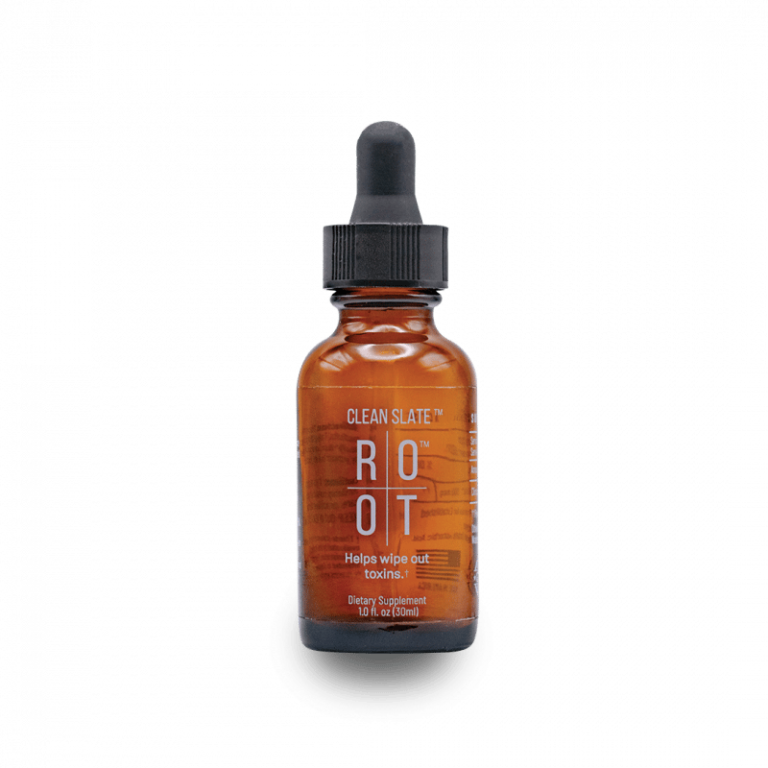
Clean Slate – Detoxes thousands of chemicals,heavy metals, pesticides, allergens, mold spores and fungus
Clean Slate is a cellular-level detoxifier that targets heavy metals, pesticides, and environmental toxins to unblock your body's natural defense pathways. It helps reduce systemic inflammation and restores the nutrient absorption sites often compromised by modern toxicity.
Vetting Notes
Pending
Molecular Mimicry: The Root of Disruption
To understand why cadmium is so damaging, we must look at its atomic structure. Cadmium (Cd2+) shares a similar valence electron configuration and ionic radius with zinc (Zn2+). In the world of cellular biology, this is known as molecular mimicry. The body’s transport systems and enzymes, designed to recognize and utilize zinc, often cannot distinguish between the essential nutrient and the toxic impostor.
This mimicry allows cadmium to 'hijack' the pathways intended for zinc. It gains entry into the cells via zinc-regulated transporters, specifically the ZIP (Zrt- and Irt-like proteins) and ZnT (Zinc Transporter) families. Once inside, cadmium begins its process of displacement, effectively evicting zinc from its rightful place within enzymes and transcription factors.
The Zinc-Copper-Cadmium Triangle
The relationship between zinc and copper is one of the most critical antagonistic pairings in the body. They compete for absorption in the small intestine via the protein metallothionein (MT). Under normal conditions, zinc induces the production of metallothionein, which helps regulate the absorption and distribution of both zinc and copper.
Cadmium, however, has a much higher binding affinity for metallothionein than either zinc or copper. When cadmium enters the system, it aggressively binds to MT, displacing the essential minerals. This leads to a cascade of homeostatic failures:
- —Zinc Displacement: Zinc is a structural component of over 300 enzymes and 2,000 transcription factors (zinc fingers). When cadmium replaces zinc in these structures, the enzymes become inactive or dysfunctional. This affects DNA repair, protein synthesis, and cellular signaling.
- —Copper Sequestration and Dysregulation: By binding to MT and other copper-binding proteins like ceruloplasmin, cadmium disrupts the transport of copper. This can lead to a paradoxical state where there is 'tissue-bound' copper toxicity alongside a functional copper deficiency in other areas, such as the brain or the cardiovascular system.
- —The Disruption of the Zn:Cu Ratio: The healthy balance of zinc to copper is vital for the enzyme Superoxide Dismutase (CuZn-SOD), a primary antioxidant defense. Cadmium exposure typically lowers the functional levels of this enzyme, leading to unmitigated oxidative stress.
Oxidative Stress and DNA Damage
Cadmium is not a redox-active metal in the same way iron or copper are; it does not directly undergo Fenton-like reactions. Instead, it causes oxidative stress indirectly by depleting the body's primary antioxidants. By displacing zinc from SOD and glutathione-related enzymes, it leaves the cell vulnerable to reactive oxygen species (ROS).
Furthermore, cadmium interferes with the DNA mismatch repair (MMR) system. Zinc-finger proteins are essential for identifying and repairing damaged DNA. When cadmium replaces the zinc in these 'fingers,' the proteins lose their shape and functionality. This inhibition of DNA repair, combined with increased ROS, significantly raises the risk of genomic instability and cellular transformation.
Systemic Pathophysiology: Renal and Skeletal Impact
The kidneys are the primary site of cadmium accumulation. The Cd-MT complex is filtered by the glomerulus and reabsorbed by the proximal tubule cells. Once inside these cells, the complex is degraded, releasing free cadmium ions that cause mitochondrial damage and apoptosis. This manifest as chronic kidney disease (CKD) and tubular dysfunction.
There is also a profound impact on bone health. Cadmium interferes with the hydroxylation of Vitamin D in the kidneys and directly interferes with calcium metabolism in the bone matrix. Historically, this was observed in the 'Itai-itai' disease in Japan, where mass cadmium poisoning led to severe osteomalacia and multiple fractures. Even at lower environmental levels, cadmium is linked to reduced bone mineral density, as it displaces the zinc required for osteoblastic activity.
Restoring Homeostasis: A Root-Cause Approach
Addressing cadmium toxicity requires more than just avoiding exposure; it requires a strategic nutritional approach to restore the zinc-copper balance.
- —Zinc Supplementation: Since zinc and cadmium compete for the same binding sites, maintaining optimal zinc status can competitively inhibit the uptake of cadmium and promote its excretion. Zinc acts as a natural antagonist to cadmium toxicity.
- —Copper Monitoring: Because zinc and cadmium both influence copper status, it is essential to monitor copper levels to ensure that attempts to displace cadmium do not inadvertently lead to a copper deficiency.
- —Antioxidant Support: Nutrients that support glutathione production, such as N-acetylcysteine (NAC) and selenium, are vital. Selenium, in particular, forms an insoluble complex with cadmium, reducing its bioavailability.
- —Dietary Fiber and Phytates: Certain plant fibers can bind heavy metals in the gut, reducing their absorption. However, a balanced approach is needed, as excessive phytates can also bind essential zinc.
Conclusion
Environmental cadmium exposure is a silent driver of chronic mineral imbalance. By mimicking zinc and disrupting the zinc-copper axis, cadmium undermines the very foundation of cellular health—enzymatic function, DNA repair, and antioxidant defense. Understanding this relationship is crucial for anyone looking to optimize their health in an increasingly industrialized world. Through environmental awareness and targeted nutritional strategies, we can mitigate the impact of this toxic metal and restore the delicate mineral harmony required for long-term vitality.
This article is provided for informational and educational purposes only. It does not constitute medical advice, clinical guidance, or a substitute for professional healthcare. Information reflects cited research at time of publication. Always consult a qualified healthcare professional before acting on any health information.
RESEARCH FOUNDATIONS
Biological Credibility Archive
Citations provided for educational reference. Verify via PubMed or institutional databases.
Medical Disclaimer
The information in this article is for educational purposes only and does not constitute medical advice, diagnosis, or treatment. Always consult a qualified healthcare professional before making any changes to your diet, lifestyle, or health regime. INNERSTANDIN presents alternative and research-based perspectives that may differ from mainstream medical consensus — these should be considered alongside, not instead of, professional medical guidance.
Read Full DisclaimerReady to learn more?
Continue your journey through our classified biological research.
THE ARSENAL
Based on Zinc & Copper Balance — products curated by our research team for educational relevance and biological support.
Rejuvenation Pack – Essential Vitamins and Minerals for Health Restoration
Magnesium Blend – The Most Important Mineral
Magnesium L-Threonate
INNERSTANDING may earn a commission on purchases made through these links. All products are selected based on rigorous educational relevance to our biological research.