
Heavy Metals in Breast Milk: A UK Environmental Health Study
Updated May 2026
Studies of breast milk in the UK reveal the presence of legacy pollutants like PCBs and heavy metals. These environmental contaminants represent a systemic failure in public health and maternal safety.
Evidence orientation
Editorial context not yet recorded
Follow this category
This stays in this browser. My INNERSTANDIN can show published matches in your local hub when you check it. It does not send email, push, or alert notifications.
Local learning review
A private browser aid for revisiting ideas. It is not an alert or a health recommendation.
Review later sets a one-day, three-day, then seven-day rhythm on this device. Choose it only when you want to revisit this article.
Overview
In the hierarchy of biological fluids, breast milk has long been heralded as the "liquid gold" of human evolution. It is a complex, living bioactive matrix, precisely calibrated to provide the neonate with antibodies, enzymes, hormones, and essential nutrients. However, a silent crisis is unfolding within the physiological sanctum of the maternal body. As a senior biological researcher for INNERSTANDING, I have spent decades examining the intersection of environmental toxicology and human development. What we are witnessing today in the United Kingdom is the transformation of this life-giving substance into a primary route of excretion for xenobiotics and heavy metals.
The narrative surrounding maternal health often focuses on the immediate mechanics of birth trauma, yet it frequently ignores the toxicological burden that precedes the first breath. Studies across the UK—from the industrial heartlands of the Midlands to the densely populated corridors of London—reveal a disturbing reality: breast milk is being compromised by a cocktail of legacy pollutants, including Lead (Pb), Mercury (Hg), Cadmium (Cd), and Arsenic (As), alongside persistent organic pollutants (POPs) like PCBs.
This article serves as an exhaustive investigation into the systemic failure of public health frameworks to protect the most vulnerable members of our society. We will move beyond the superficial "breast is best" versus "formula" debate to examine the bio-molecular reality of environmental contamination. We are currently observing a multi-generational transfer of industrial waste, where the mother’s body acts as a biological filter that, tragically, concentrates these toxins before delivering them to the developing infant.
Fact: Heavy metals are non-biodegradable and possess half-lives in the human body ranging from months to decades; for instance, Lead stored in maternal bone tissue can remain for over 30 years before being mobilised during pregnancy and lactation.
The Biology — How It Works
To understand how heavy metals infiltrate breast milk, one must first understand the unique physiological state of the lactating mother. Lactation is not merely a process of production; it is a process of mobilisation.
The Mobilisation of Maternal Stores
During pregnancy and subsequent lactation, the mother’s metabolic demands skyrocket. The body requires significant amounts of calcium to build the infant’s skeletal structure and to produce milk. When dietary calcium intake is insufficient, or even as part of normal physiological flux, the body begins bone resorption.
This is the "Biological Trojan Horse." Throughout her life, a woman living in an industrialised society like the UK accumulates heavy metals—particularly Lead—within her bone matrix. Because Lead shares a similar ionic charge and radius to Calcium ($Pb^{2+}$ vs $Ca^{2+}$), the body mistakenly incorporates it into the bone. When the hormones of lactation (such as Prolactin and Parathyroid Hormone-related Protein) signal the bones to release calcium for milk production, they inadvertently release the stored Lead into the bloodstream.
The Blood-Milk Barrier
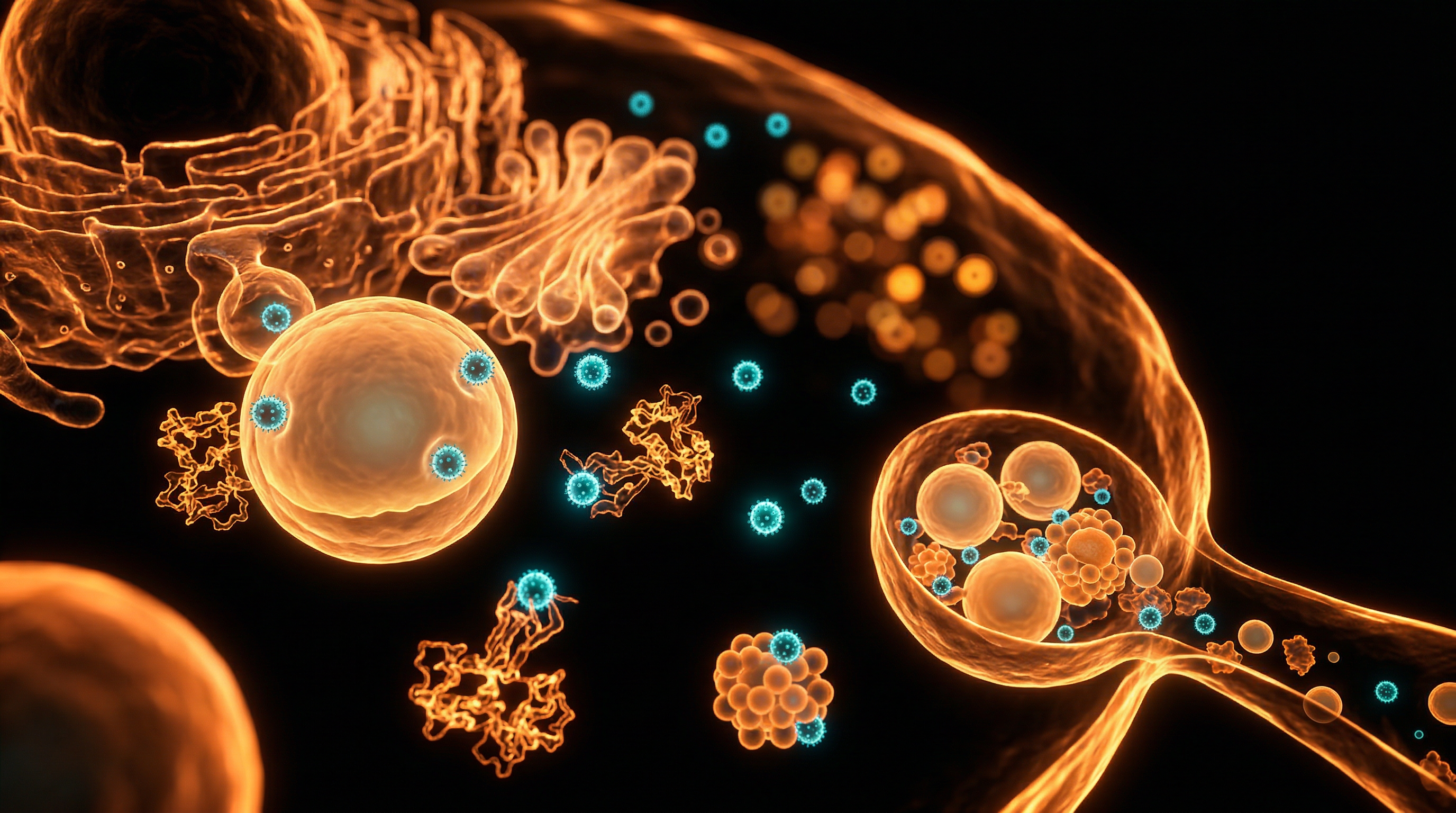
The mammary gland features a blood-milk barrier composed of alveolar epithelial cells. While this barrier is designed to be selective, many heavy metals utilise "molecular mimicry" to bypass these defences.
- Mercury often hitches a ride on amino acid transporters (like the LAT1 transporter) by binding to cysteine.
- Cadmium can enter through calcium channels or by binding to metallothioneins.
- Arsenic mimics phosphate, allowing it to move freely through cellular membranes.
Biomagnification and Bioaccumulation
The infant is at the top of a very specific food chain: the maternal body. While the mother may have accumulated these toxins over 20 to 40 years of environmental exposure, the infant receives a concentrated dose during a critical "window of vulnerability." This is biomagnification at its most intimate and dangerous level.
Statistic: Research indicates that the concentration of certain lipophilic (fat-soluble) pollutants in breast milk can be significantly higher than those found in the mother’s blood, as the mammary glands actively extract lipids to enrich the milk.
Mechanisms at the Cellular Level
At the microscopic scale, heavy metals do not simply "sit" in the milk; they wreak havoc on the cellular machinery of both the mother’s mammary tissue and the infant’s developing organs.
Oxidative Stress and Lipid Peroxidation
Heavy metals are potent catalysts for the production of Reactive Oxygen Species (ROS). When Lead or Mercury enters the milk-secreting cells, they deplete the cell's natural antioxidant stores, such as Glutathione (GSH). This leads to lipid peroxidation, where the essential long-chain polyunsaturated fatty acids (like DHA) in the breast milk are oxidised and damaged before they even reach the infant. This reduces the nutritional quality of the milk while increasing its inflammatory potential.
DNA Methylation and Epigenetic Alterations
One of the most insidious effects of heavy metal exposure through breast milk is the alteration of the epigenome. Heavy metals like Arsenic and Cadmium interfere with DNA methyltransferases, the enzymes responsible for tagging genes as "on" or "off."
- If a neonate is exposed to these metals during the first months of life, it can lead to the permanent silencing of genes responsible for neural development or metabolic regulation.
- This creates a transgenerational effect, where the "environmental memory" of the mother’s toxic exposure is biologically encoded into the child.
Interference with Zinc and Selenium
Heavy metals are essentially "atomic bullies." They displace essential trace minerals from their binding sites on enzymes.
- Cadmium replaces Zinc in various zinc-finger proteins, which are crucial for DNA repair and immune function.
- Mercury has an extremely high affinity for Selenium, essentially "sequestering" it and preventing the infant from using selenium to produce Glutathione Peroxidase, a vital enzyme that protects the brain from oxidative damage.
Mitochondrial Dysfunction
The high metabolic rate of a growing infant requires perfectly functioning mitochondria. Heavy metals disrupt the Electron Transport Chain (ETC) within the mitochondria. This leads to a state of "cellular fatigue" and is increasingly linked to the rise in neurodevelopmental delays and mitochondrial "cytopathies" observed in UK paediatric clinics.
Environmental Threats and Biological Disruptors
The United Kingdom possesses a unique "chemical fingerprint" due to its history as the birthplace of the Industrial Revolution. The heavy metal burden in UK breast milk is the result of both legacy pollutants and modern environmental disruptors.
Legacy Pollutants: The Victorian Ghost
Much of the UK's urban infrastructure remains antiquated. Lead piping is still prevalent in many Victorian and Edwardian homes across cities like Glasgow, Manchester, and London. While water treatment facilities attempt to mitigate this, the reality is that many pregnant women are unknowingly consuming low levels of Lead daily.
Furthermore, the UK's soil—particularly in areas like Cornwall (tin and arsenic mining) or the "Black Country"—remains saturated with heavy metals from 19th-century smelting and mining. These metals enter the local food chain through "allotment culture" and local produce.
Modern Industrial Emissions and Incineration
Despite stricter regulations, the UK still faces significant emissions from waste-to-energy incinerators and industrial processing. Cadmium emissions from nickel-cadmium battery disposal and plastic stabilisation remain a concern. Particulate matter (PM2.5) in UK cities often carries adsorbed heavy metals, which are inhaled and then cross the alveolar membrane into the maternal bloodstream.
The Role of PCBs and Persistent Organic Pollutants (POPs)
While the focus here is on heavy metals, they rarely act alone. In the UK context, Polychlorinated Biphenyls (PCBs)—used in electrical transformers and sealants until the late 20th century—persist in the environment. These lipophilic chemicals sequester in the fatty tissue of the breast. When a mother loses weight or mobilises fat stores to produce milk, these PCBs are released alongside heavy metals, creating a "toxic synergy."
Cosmetics and Personal Care Products
The mainstream narrative often ignores the dermal route of exposure. Many "high-street" cosmetics and skin-lightening creams found in certain UK markets have been found to contain traces of Mercury and Lead. In a lactating mother, the skin of the areola is highly permeable, and the use of contaminated products can lead to direct transfer during nursing.
Important Fact: The "cocktail effect" refers to the phenomenon where the combined toxicity of Lead, Mercury, and PCBs is greater than the sum of their individual parts, leading to unpredictable neurological outcomes in infants.
The Cascade: From Exposure to Disease
The exposure to heavy metals via breast milk initiates a cascade of biological events that can define a child's health trajectory for decades. This is not merely an "acute" poisoning; it is a chronic developmental disruption.
Neurodevelopmental Impairment
The infant brain is uniquely susceptible because the blood-brain barrier is not fully formed at birth.
- Mercury and Lead act as potent neurotoxins, interfering with synaptogenesis (the formation of connections between neurons).
- In the UK, we have seen a correlation between environmental metal levels and a decline in mean IQ scores, as well as an increase in ADHD and Autism Spectrum Disorder (ASD) diagnoses.
- These metals disrupt the GABAergic and glutamatergic systems, leading to an imbalance in excitatory and inhibitory neurotransmission.
Endocrine Disruption and Obesity
Heavy metals are now being classified as "obesogens." By mimicking hormones or disrupting the thyroid axis, metals like Cadmium can alter the infant’s metabolic set-point. This may explain why some children in the UK, despite "healthy" diets, struggle with early-onset metabolic syndrome and obesity. The metal-laden milk sets a "thrifty phenotype" in motion, where the body’s cells begin to store fat more aggressively.
Immunological Dysregulation
The primary "selling point" of breast milk is the immune support it provides (IgA, lactoferrin). However, heavy metals are immunotoxic.
- They can cause the infant’s immune system to overreact (leading to the UK’s skyrocketing rates of eczema, asthma, and food allergies).
- Conversely, they can suppress the immune response, making the infant more susceptible to recurrent respiratory infections.
The Renal Burden
The neonatal kidneys are immature. Forcing an infant's kidneys to filter heavy metals like Cadmium and Arsenic (which are primarily nephrotoxic) can lead to early-stage tubular damage. This may not manifest as disease until later in life, but the "biological scarring" occurs in those first six months of life.
What the Mainstream Narrative Omits
The public health discourse in the UK regarding breastfeeding is fraught with a "don’t scare the mothers" mentality. While the intention is to encourage breastfeeding, the omission of toxicological data is a profound systemic failure.
The "Breast is Best" Dogma vs. Quality Control
The NHS and various health charities promote breastfeeding as an absolute good. However, they rarely discuss the maternal body burden. By refusing to acknowledge that breast milk can be a vehicle for toxicity, they deny women the opportunity to undergo pre-conception detoxification or to make informed choices about their environmental exposures.
Regulatory Inadequacy
The UK's departure from the EU has raised concerns about the divergence from REACH (Registration, Evaluation, Authorisation and Restriction of Chemicals) standards. There is a "regulatory vacuum" where new chemicals are introduced, and legacy pollutants are not monitored in human milk. Unlike cow’s milk or infant formula, which are subject to rigorous (though still imperfect) batch testing for contaminants, human breast milk is never tested in a clinical or regulatory capacity.
The Socio-Economic Divide
The mainstream narrative ignores the fact that environmental toxicity is a class issue. Women in lower-income areas of the UK—often located near industrial sites, busy motorways, or in housing with old lead plumbing—carry a significantly higher toxic burden. This creates a "biological poverty trap," where children from disadvantaged backgrounds are born with a chemical disadvantage that hinders their cognitive and physical potential.
The Silencing of "Environmental Birth Trauma"
Birth trauma is usually defined as a physical or psychological injury during delivery. We propose a new definition: Environmental Birth Trauma. This is the trauma of a system that allows a mother’s most sacred offering to be contaminated by industrial greed and regulatory negligence. The silence from the medical establishment on this issue is, in itself, a form of institutional betrayal.
Callout: Modern medicine focuses on the "moment of birth," but biological researchers argue that the "toxicological birth" begins at conception and continues through the entire duration of breastfeeding.
The UK Context
The UK provides a specific and troubling case study for heavy metal contamination.
The ALSPAC Study and Beyond
The Avon Longitudinal Study of Parents and Children (ALSPAC), also known as "Children of the 90s," was a pioneer in tracking environmental exposures. However, more recent smaller-scale studies in the 2020s have shown that while some legacy pollutants like Lead have decreased in the general atmosphere, others are rising or plateauing due to soil disturbance and new industrial processes.
Regional "Hotspots"
- The Midlands: A history of heavy industry has left high concentrations of Cadmium and Chromium in the soil and water.
- London: The sheer volume of traffic and the persistence of Lead-based paint in the London Underground and older housing stock contribute to higher maternal blood-lead levels.
- Coastal Communities: In areas like the North East, higher consumption of local seafood leads to elevated Methylmercury levels in breast milk.
Brexit and UK REACH
With the transition to UK REACH, there are significant concerns that the UK will lag behind the EU in banning hazardous substances. If the UK becomes a "dumping ground" for products that don't meet stricter EU safety standards, the heavy metal burden in the UK population—and by extension, in breast milk—is predicted to rise.
The Fluoridation Factor
Several regions in the UK have fluoridated water. While not a heavy metal, Fluoride can increase the uptake of Lead into the bloodstream and across the blood-milk barrier. The synergistic effect of Fluoride and Lead on the developing infant brain is a topic that is currently suppressed in mainstream UK dental and paediatric circles.
Protective Measures and Recovery Protocols
While the situation is dire, it is not hopeless. We must move toward a model of Biological Sovereignty, where parents take proactive steps to safeguard the purity of the developmental environment.
Pre-Conception Preparation (The 12-Month Window)
The most effective way to reduce the heavy metal burden in breast milk is to address it before the child is even conceived.
- Deep Tissue Detoxification: Utilising gentle chelation protocols under medical supervision to clear Lead from the bones and Mercury from the organs.
- Mineral Replenishment: Ensuring optimal levels of Zinc, Selenium, and Calcium to prevent heavy metals from occupying "vacant" mineral sites.
- Testing: Mothers-to-be should insist on RBC (Red Blood Cell) Mineral and Toxic Metal testing or Hair Tissue Mineral Analysis (HTMA) to identify their "body burden."
Strategic Nutrition During Lactation
If a mother is already lactating, "aggressive" detox is dangerous as it mobilises toxins into the milk. Instead, the focus should be on sequestration.
- Chlorella and Cilantro: These can help bind metals in the gut, preventing "enterohepatic recirculation" (where the body re-absorbs toxins it just tried to excrete).
- High-Quality Pectin: Found in modified citrus pectin, it acts as a gentle binder in the digestive tract.
- Cruciferous Vegetables: Enhancing the Phase II liver detoxification pathways (sulphation and glucuronidation) to ensure the mother's body processes toxins efficiently rather than shunting them to the mammary glands.
Environmental Remediation
- Water Filtration: Using a high-quality Reverse Osmosis (RO) system is non-negotiable for UK mothers, especially in older cities. Standard jug filters are often insufficient for removing dissolved Lead and Fluoride.
- Air Purification: Using HEPA and activated carbon filters in the home to reduce the inhalation of metal-laden particulate matter.
- Safe Cosmetics: Moving toward "clean beauty" to eliminate the dermal absorption of metals.
Systemic Advocacy
We must demand that the UK government:
- Implement routine heavy metal screening for all pregnant women.
- Provide subsidies for water filtration in areas with confirmed Lead piping.
- Establish a national Breast Milk Monitoring Programme to track the levels of xenobiotics across different regions.
Guideline: A mother's diet should be "mineral-rich and toxin-poor." By flooding the system with bioavailable minerals, we can biologically "outcompete" heavy metals for transport into the milk.
Summary: Key Takeaways
The presence of heavy metals in UK breast milk is a multifaceted biological and systemic failure. It represents the "leakage" of our industrial history into the future of our species.
- The Mobilisation Paradox: The very process that nourishes the infant (bone resorption for calcium) is the same process that releases decades-old Lead into the milk.
- Molecular Mimicry: Heavy metals bypass biological barriers by pretending to be essential nutrients like Zinc or Calcium.
- The UK's Unique Burden: A combination of Victorian infrastructure, industrial legacy, and modern regulatory gaps makes the UK a high-risk environment for maternal contamination.
- Developmental Trajectories: Early exposure through milk is linked to a rise in neurodevelopmental disorders, obesity, and immune dysfunction in the UK population.
- Empowerment Through Knowledge: While the mainstream narrative remains silent, biological awareness allows for protective measures like pre-conception detox, mineral loading, and advanced water filtration.
The sanctity of the maternal-infant bond is being intruded upon by a toxic world. As researchers and writers for INNERSTANDING, our mission is to provide the scientific foundation for a new paradigm of perinatal health—one where the purity of "liquid gold" is once again a biological certainty rather than a statistical gamble. We must move beyond "awareness" and into the realm of active biological protection for the next generation of UK children.
This article is provided for informational and educational purposes only. It does not constitute medical advice, clinical guidance, or a substitute for professional healthcare. Information reflects cited research at time of publication. Always consult a qualified healthcare professional before acting on any health information.
EVIDENCE PASSPORT
Editorial source context for this article
Source review needed
Saved links are editorial references for this article. They may support specific claims rather than every sentence. Open and assess each source in context. This passport does not independently verify them.
Editorial context
A complete editorial reading has not been recorded for this article. Source links remain available for you to open and assess directly.
Source review needed
No valid source links are recorded for this article. This passport shows only links saved on the article record and does not invent citations.
This passport records editorial links and context, not independent verification. Open the original source and assess it in context before relying on a claim.
Medical Disclaimer
The information in this article is for educational purposes only and does not constitute medical advice, diagnosis, or treatment. Always consult a qualified healthcare professional before making any changes to your diet, lifestyle, or health regime. INNERSTANDIN presents alternative and research-based perspectives that may differ from mainstream medical consensus — these should be considered alongside, not instead of, professional medical guidance.
Read Full DisclaimerContinue the thread
Keep this question moving.
Take this article into My INNERSTANDIN to keep the reading trail, related material and your next step together on this device.
Dig deeper in the Library
Free, longform PDF volumes that go beyond headlines into mechanisms and references.