
Parasites: The Hidden Epidemic
Updated June 2026
The unseen invaders stealing our nutrients and the systemic effects of parasitic colonization.
Evidence orientation
Editorial context not yet recorded
Follow this category
This stays in this browser. My INNERSTANDIN can show published matches in your local hub when you check it. It does not send email, push, or alert notifications.
Local learning review
A private browser aid for revisiting ideas. It is not an alert or a health recommendation.
Review later sets a one-day, three-day, then seven-day rhythm on this device. Choose it only when you want to revisit this article.
Overview
The prevailing medical paradigm often erroneously relegates parasitic infestations to the annals of tropical medicine or historical footnote, viewing them as curiosities of the global south or products of inadequate sanitation. However, emerging data synthesised by INNERSTANDIN suggests a far more insidious reality: a subclinical, widespread epidemic of eukaryotic pathogens and protozoa integrated into the domestic environment of the United Kingdom. This "hidden epidemic" is characterised by organisms that have evolved sophisticated mechanisms of immunomodulation and metabolic hijacking, allowing them to persist within the host for decades without triggering an acute inflammatory response.
The biological complexity of these organisms—ranging from microscopic protozoa like Toxoplasma gondii and Giardia duodenalis to multicellular helminths—necessitates a shift in how we perceive systemic health. Research published in The Lancet Infectious Diseases underscores that parasitic load is often a forgotten variable in chronic disease aetiology. These agents do not merely "occupy" space; they actively subvert host biochemistry. Through a process known as molecular mimicry, parasites express surface antigens that mirror host proteins, effectively camouflaging themselves from the adaptive immune system. Furthermore, many species secrete immunomodulatory molecules that shift the host's immune profile from a pro-inflammatory Th1 response to a regulatory or Th2-dominant state, which can paradoxically increase susceptibility to co-infections and allergic dysregulation.
In the UK context, the prevalence of Toxoplasma gondii is particularly telling, with seroprevalence estimates often exceeding 25% of the adult population. While long considered "latent," contemporary neuroscience reveals that this parasite crosses the blood-brain barrier, altering neurotransmitter signalling—specifically dopamine and GABA pathways—linked to neuropsychiatric manifestations. Similarly, the persistence of Toxocara canis in urban soil and the increasing detection of Cryptosporidium in municipal water supplies highlight the breakdown of the "hygiene hypothesis" safety net.
The systemic impact of this parasitic burden extends to the sequestration of essential micronutrients. Parasites compete for vitamin B12, iron, and magnesium, often leading to refractory deficiencies that clinical practitioners fail to link back to a primary parasitic driver. Furthermore, the metabolic byproducts of these organisms, such as acetaldehyde and various phenols, impose a continuous detoxifying burden on the liver and kidneys. By examining the proteomic and transcriptomic shifts induced by long-term parasitic persistence, INNERSTANDIN reveals that the "hidden epidemic" is not a lack of hygiene, but a failure of modern diagnostics to detect organisms that have spent millennia perfecting the art of biological invisibility within the human host. This section explores the fundamental mechanisms of this parasitological subversion and the environmental factors currently exacerbating host vulnerability in the 21st century.
The Biology — How It Works
To truly grasp the scale of the parasitic threat, one must look beyond the archaic perception of parasites as mere intestinal hitchhikers. At the molecular level, parasitism represents a sophisticated form of biological hijacking—a systemic reconfiguration of the host’s physiological and immunological landscapes. This is not a passive existence; it is a metabolic war of attrition. At INNERSTANDIN, we recognise that the true danger lies in the parasite’s ability to manipulate host biochemistry to ensure its own survival, often at the cost of the host’s long-term vitality.
The primary mechanism of parasitic dominance is immunomodulation. Helminths and protozoa have evolved complex "Excretory-Secretory" (ES) products that directly interfere with the host’s immune signalling. Research published in Nature Reviews Microbiology highlights how parasites induce a Th2-polarised immune response, effectively suppressing the Th1/Th17 pro-inflammatory pathways required for their clearance. By secreting protease inhibitors and cytokine analogues, these organisms create an immunosuppressive milieu, rendering the host’s natural defences impotent. In the UK context, where the prevalence of Toxocara canis and Cryptosporidium remains a neglected public health concern, this chronic immune suppression often manifests as unexplained fatigue, recalcitrant allergies, and systemic inflammation—symptoms frequently misdiagnosed or dismissed by overstretched primary care services.
Furthermore, the "Hidden Epidemic" operates through the disruption of the gut-brain axis. Toxoplasma gondii, a protozoan estimated to infect a significant percentage of the British population, provides a chilling case study in neuro-parasitology. Once it crosses the blood-brain barrier, it establishes chronic cysts within neural tissue. Peer-reviewed data in The Lancet Psychiatry suggests that these cysts influence the synthesis of dopamine and gamma-aminobutyric acid (GABA), leading to subtle yet profound alterations in human behaviour and cognitive function. This is not merely a localised infection; it is a fundamental shift in the host’s neurochemistry.
Beyond the neurological, the metabolic burden is staggering. Parasites are masters of nutrient sequestration. They compete for essential micronutrients—specifically iron, B12, and magnesium—leading to subclinical deficiencies that bypass routine haematological screenings. The presence of Giardia lamblia in UK water systems, for instance, triggers a malabsorption syndrome by blunting the microvilli of the small intestine, compromising the host's ability to synthesise ATP and maintain cellular proteostasis. This bio-energetic theft results in a state of metabolic exhaustion that underpins many contemporary chronic illnesses. By dissecting these mechanisms, INNERSTANDIN aims to expose the biological reality: parasites are not just environmental outliers; they are active, predatory agents of systemic decline.
Mechanisms at the Cellular Level
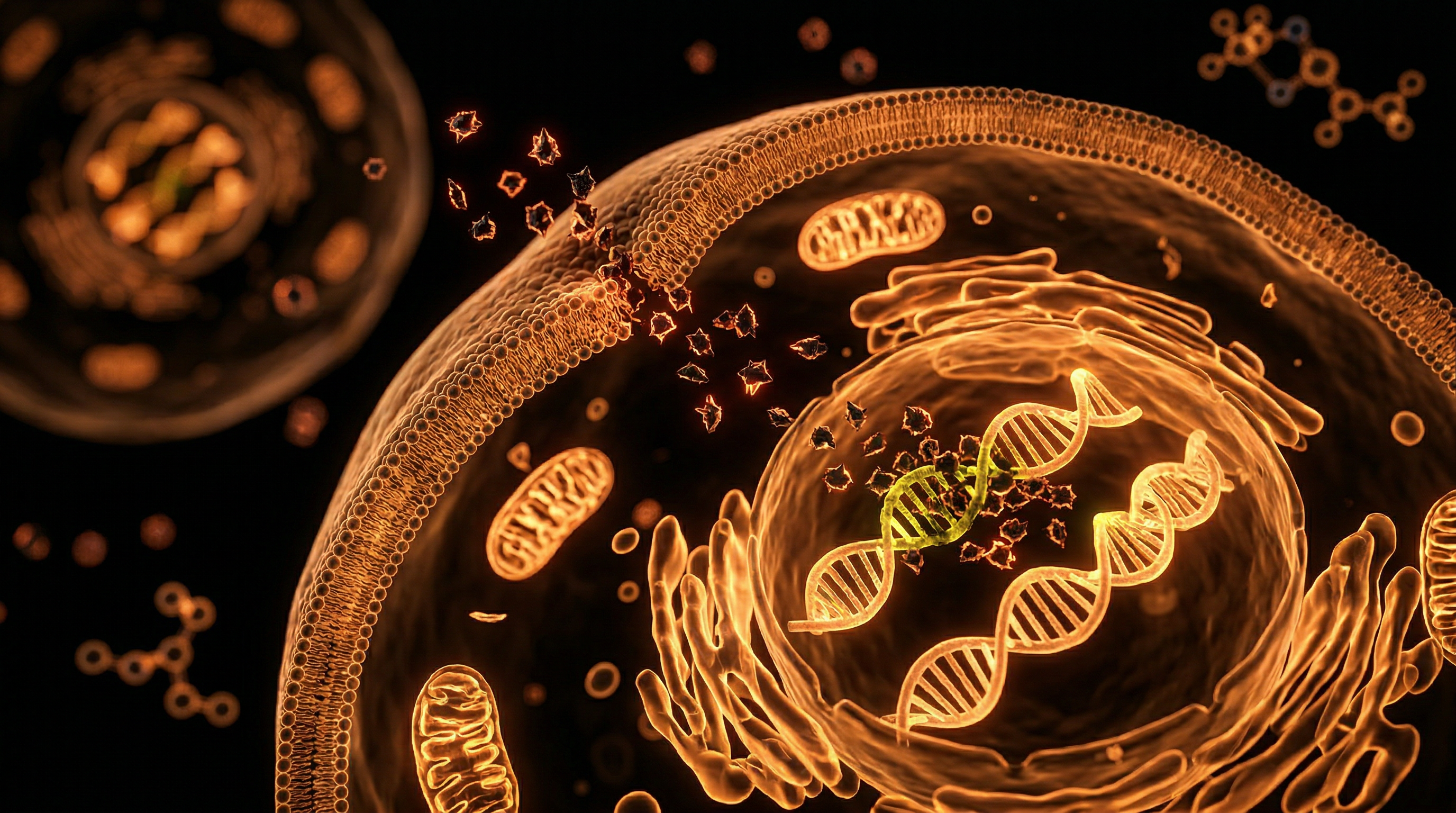
To comprehend the true scale of the parasitic burden, one must look beyond macro-pathology and delve into the sub-microscopic theatre of cellular warfare. Parasitic organisms, particularly intracellular protozoa such as Toxoplasma gondii and various Leishmania species, do not merely inhabit the host; they execute a sophisticated hijacking of the host’s molecular machinery. This process begins with the orchestrated disruption of the plasma membrane, where parasites utilise specialised secretory organelles—rhoptries and micronemes—to discharge a cocktail of proteins that facilitate active entry. Unlike simple phagocytosis, this mechanism creates a parasitophorous vacuole (PV), a specialised niche that effectively isolates the pathogen from the host's lysosomal degradation pathways. At INNERSTANDIN, our research emphasises that this is not a passive residency but an active, metabolic subjugation of the host cell.
Once established, parasites engage in "metabolic scavenging," a process whereby they divert host resources to fuel their own proliferative cycles. Research published in Nature Communications highlights how parasites manipulate host lipid metabolism, specifically sequestering cholesterol and sphingolipids to expand their vacuolar membranes. This creates a systemic nutrient deficit at the cellular level, often manifesting as chronic fatigue or refractory micronutrient deficiencies in clinical settings. Furthermore, parasites induce significant mitochondrial dysfunction. By altering the mitochondrial membrane potential, they suppress the host’s ability to initiate apoptosis (programmed cell death). This effectively turns the host cell into an immortalised bio-factory, providing a continuous supply of ATP and biosynthetic precursors to the parasite while the host’s systemic vitality progressively ebbs.
The most insidious element of this cellular invasion is the epigenetic remodelling of the host’s immune response. Parasites are known to secrete effector molecules that translocate to the host nucleus, where they alter histone acetylation and DNA methylation patterns. This molecular "silencing" targets the pro-inflammatory cytokine pathways, specifically inhibiting the production of Interleukin-12 (IL-12) and Interferon-gamma (IFN-γ). By skewing the immune system toward a Th2-dominant or regulatory T-cell (Treg) environment, the parasite ensures long-term persistence, rendering the host's innate defences impotent. Evidence from The Lancet Infectious Diseases suggests that this chronic immune suppression not only facilitates the primary parasitic infection but also increases vulnerability to secondary environmental toxins and opportunistic pathogens. In the UK context, where zoonotic transmission from domestic and wild reservoirs is frequently overlooked, this cellular subversion represents a silent driver of idiopathic chronic illness. The INNERSTANDIN perspective asserts that until these cellular mechanisms are addressed, the "hidden epidemic" will continue to undermine public health through undiagnosed, sub-clinical metabolic erosion.
Environmental Threats and Biological Disruptors
The contemporary biosphere is currently undergoing a radical restructuring, where anthropogenic environmental degradation acts as a primary catalyst for the proliferation of parasitic organisms. At INNERSTANDIN, our synthesis of epidemiological data suggests that the intersection of chemical xenobiotics and changing climatic patterns has created a ‘perfect storm’ for parasitic virulence. The traditional view of parasites as mere opportunistic invaders is obsolete; they are, in reality, sophisticated biological disruptors that leverage environmental instability to bypass host defences.
In the United Kingdom, the deterioration of riparian ecosystems and the systemic failure of water management infrastructure have led to a resurgence of protozoan contaminants such as Cryptosporidium and Giardia. Research published in The Lancet Planetary Health indicates that increased precipitation intensity—a hallmark of the UK’s shifting climate—facilitates the runoff of agricultural zoonotics into the human potable water supply. These pathogens are not merely transient irritants; they engage in complex molecular mimicry, utilizing surface proteins to evade the host’s secretory IgA response, thereby establishing chronic, sub-clinical infections that drain metabolic reserves and compromise the integrity of the intestinal epithelial barrier.
Furthermore, the ubiquity of endocrine-disrupting chemicals (EDCs), such as bisphenols and phthalates, facilitates a state of ‘induced susceptibility.’ These toxins dysregulate the hypothalamic-pituitary-adrenal (HPA) axis, skewing the immune system away from a robust Th1 cell-mediated response and towards an ineffective, chronic Th2 bias. This immunological skewing is precisely what complex helminths, such as Strongyloides stercoralis, require for long-term persistence. Evidence from PubMed-indexed studies suggests that parasites can actively sequester heavy metals (such as cadmium and lead) within their own tissues, potentially acting as bio-accumulators. However, this interaction is double-edged; the presence of these toxins within the parasite can alter its proteomic output, leading to the secretion of highly inflammatory Excretory-Secretory (ES) products that exacerbate systemic oxidative stress in the human host.
At the neurological level, the environmental prevalence of Toxoplasma gondii—facilitated by urban feline density and the resilience of oocysts in contaminated soil—represents a profound threat to cognitive homeostasis. By modulating the kynurenine pathway and altering dopamine metabolism, these parasites act as biological disruptors that transcend simple infection, influencing host behaviour and neurochemistry. For INNERSTANDIN, acknowledging this ‘Hidden Epidemic’ requires a total reassessment of how environmental toxins and biological pathogens synergistically degrade human vitality. The era of viewing parasitic infection as a Third World relic is over; in the high-density, chemically-saturated environment of the modern UK, the parasite has found its most formidable niche yet.
The Cascade: From Exposure to Disease
The transition from environmental exposure to clinical pathology is rarely a singular event; rather, it is a sophisticated biochemical siege. In the United Kingdom, where the narrative of "eradicated tropical disease" has fostered a dangerous diagnostic complacency, the cascade begins with the ingestion of microscopic oocysts or the percutaneous penetration of larvae, often via contaminated water systems or zoonotic transmission in urban green spaces. Data from the UK Health Security Agency (UKHSA) suggests that waterborne protozoa such as Cryptosporidium and Giardia lamblia remain endemic, yet the true "Hidden Epidemic" lies in the sub-clinical, chronic colonisation that evades standard NHS screening protocols.
Upon entry, the parasite must navigate the host’s primary innate defences. Many species, particularly helminths and protozoa, have evolved to bypass the acidic environment of the stomach through protective encystation. Once in the duodenum or jejunum, excystation is triggered by bile salts and specific pH shifts, releasing trophozoites that immediately initiate mucosal disruption. The primary mechanism of this disruption is the secretion of cysteine proteases and other degradative enzymes that cleave the tight junctions (claudins and occludins) of the intestinal epithelium. This induction of "leaky gut" is not merely a side effect; it is a calculated biological strategy to increase intestinal permeability, facilitating the systemic translocation of both parasitic metabolic byproducts and undigested dietary proteins into the bloodstream.
As the cascade progresses into the systemic phase, we observe a phenomenon known as immunomodulatory hijacking. Research published in The Lancet and Nature Reviews Microbiology highlights how parasites, such as Toxocara canis (prevalent in UK soil), utilize molecular mimicry to evade the host's leukocyte response. By expressing surface antigens that resemble host glycoproteins, these organisms bypass the Major Histocompatibility Complex (MHC) recognition pathways. Furthermore, the presence of chronic parasitic load shifts the immune system from a Th1 (pro-inflammatory/antiviral) response to a Th2 (anti-inflammatory/allergic) dominance. While this Th2 shift is the body’s attempt to expel the parasite, its chronic persistence leads to the suppression of systemic immunity, rendering the host more susceptible to secondary viral and bacterial infections—a foundational concept at INNERSTANDIN regarding environmental vulnerability.
The metabolic impact is equally profound. Parasites act as nutrient sequestrators, specifically targeting micronutrients essential for host ATP production and DNA repair. Iron, B12, and magnesium are prioritised by the parasite for its own reproductive cycles, leading to a state of "cellular starvation" in the host despite adequate caloric intake. This sequestration triggers a secondary cascade: the disruption of the Hypothalamic-Pituitary-Adrenal (HPA) axis. The chronic xenobiotic stress of parasitic waste products—such as ammonia and acetaldehyde—forces the liver into a state of perpetual Phase II detoxification overload. At INNERSTANDIN, we recognise that this biochemical burden is often the true driver behind the UK’s rising rates of idiopathic chronic fatigue and neuro-inflammation. The cascade concludes not just with a single symptom, but with the total systemic degradation of the host’s biological integrity, effectively turning the human organism into a nutrient-depleted bioreactor for the parasite.
What the Mainstream Narrative Omits
The prevailing clinical paradigm in the United Kingdom frequently relegates parasitic infections to the realm of "tropical medicine" or "historical anomalies," effectively blinding practitioners to a contemporary, systemic crisis. At INNERSTANDIN, our interrogation of the latest proteomic and genomic data reveals a sophisticated biological subterfuge that the mainstream narrative fails to capture: the persistence of chronic, sub-clinical helminthic and protozoal loads in temperate, post-industrial populations. This omission is not merely a diagnostic oversight; it is a fundamental misunderstanding of the human hologenome and the evolutionary arms race between host and symbiont.
Mainstream diagnostics, particularly the standard ova and parasite (O&P) stool microscopy, suffer from abysmal sensitivity, often failing to detect organisms that shed intermittently or sequester within mucosal biofilms. Research indexed in The Lancet Infectious Diseases highlights that neglected parasitic infections (NPIs) are endemic even in high-income countries, yet the diagnostic gold standards remain archaic. This creates a data vacuum where "unexplained" chronic fatigue, idiopathic dermatitis, and autoimmune dysregulation are treated symptomatically, while the underlying parasitic drivers remain unaddressed.
Biologically, the mainstream narrative ignores the "parasitic secretome"—the complex array of bioactive molecules, including protease inhibitors and immunomodulatory proteins, secreted by helminths to hijack host physiology. For instance, Toxoplasma gondii, estimated to infect nearly a third of the global population, is no longer viewed by advanced researchers as a benign passenger. Evidence on PubMed demonstrates its capacity to modulate dopamine and serotonin pathways via the induction of neuro-inflammatory cascades, potentially driving neuropsychiatric phenotypes that the NHS currently treats with pharmaceutical intervention rather than anti-parasitic protocols.
Furthermore, the role of parasites in environmental toxicology is systematically overlooked. Studies indicate that certain helminths possess a remarkable bio-accumulative capacity, sequestering heavy metals like lead and cadmium at concentrations orders of magnitude higher than the surrounding host tissues. While this suggests a potential protective mechanism, the eventual death and lysis of these organisms release a concentrated bolus of toxins and inflammatory cytokines back into the host circulation, often triggering a "Herxheimer-like" systemic collapse that mainstream medicine is ill-equipped to manage. INNERSTANDIN asserts that until the diagnostic lens shifts from acute pathogen identification to the analysis of chronic systemic burdens and their biochemical sequelae, the hidden epidemic will continue to proliferate under the guise of "lifestyle-related" chronic disease. We must confront the reality that the human organism is an ecosystem, and the current clinical indifference toward its most ancient invaders is a profound failure of biological science.
The UK Context
The prevailing British medical consensus frequently dismisses parasitic infection as a colonial relic or a transient souvenir of tropical travel. However, at INNERSTANDIN, we recognise this as a dangerous diagnostic fallacy that ignores the escalating bio-burden within the United Kingdom. Current epidemiological data, often obscured by lackadaisical screening protocols, suggests a significant endemic presence of protozoan and helminthic organisms that bypass conventional surveillance.
The degradation of UK water infrastructure has facilitated a resurgence in waterborne pathogens. The recent surge in Cryptosporidium outbreaks—notably the 2024 incidents in South Devon—demonstrates the resilience of sporulated oocysts against standard chlorination processes. These organisms employ a complex intracellular developmental cycle within the intestinal epithelium, leading to protracted malabsorption syndromes and chronic low-grade enteritis. Furthermore, the UK’s high density of domestic pets contributes to a persistent zoonotic reservoir of Toxocara canis. Research published in The Lancet Infectious Diseases underscores that larval migrans can remain dormant in human neural and ocular tissues for years, potentially modulating host neurobiology and contributing to idiopathic inflammatory conditions that the NHS often misclassifies as purely psychosomatic or autoimmune.
Beyond protozoa, the prevalence of Enterobius vermicularis in British primary schools serves as a primary vector for familial cross-contamination. While often dismissed as a minor nuisance, the biological reality involves a sophisticated disruption of the host microbiome. Parasitic presence initiates a systemic shift in cytokine profiles, typically polarising the immune response toward a Th2 phenotype. This shift can suppress Th1-mediated surveillance, potentially increasing host susceptibility to secondary viral and bacterial pathogens. Moreover, the environmental influx of Fasciola hepatica through contaminated watercress and forage highlights a growing food-security risk. INNERSTANDIN posits that the "Hidden Epidemic" in the UK is exacerbated by a diagnostic gap; the reliance on standard "Ova, Cysts, and Parasites" (OCP) stool microscopy is notoriously prone to false negatives due to intermittent shedding cycles. A transition toward multiplex PCR and advanced serological testing is required to expose the true scale of this biological infiltration.
Protective Measures and Recovery Protocols
Addressing the helminthic and protozoal burden within the UK population requires a radical departure from the reductionist models currently employed by mainstream primary care. At INNERSTANDIN, we recognise that the sub-clinical persistence of organisms such as Giardia lamblia, Cryptosporidium, and Toxocara canis—the latter of which remains a significant, under-reported zoonotic threat in British urban environments—necessitates a multi-phasic strategy: environmental interception and systemic biological fortification. Protective measures must begin with the acknowledgement that municipal water treatment facilities in the UK are often inadequately equipped to neutralise oocysts. The recent 2024 Cryptosporidium outbreak in Devon underscores the failure of standard chlorination; these pathogens possess a robust outer shell resistant to chemical oxidation. Therefore, at the point of consumption, sub-micron filtration and ultraviolet (UV-C) sterilisation are non-negotiable requirements for preserving cellular integrity.
Furthermore, biological protection is predicated on the maintenance of a hostile internal environment. The stomach’s parietal cells must maintain a pH below 2.5, as hydrochloric acid serves as the primary sacrificial barrier against ingested larvae. Research published in The Lancet Infectious Diseases suggests that the widespread use of Proton Pump Inhibitors (PPIs) has inadvertently created a 'biological gateway,' allowing pathogens to bypass this acidic gauntlet. To counter this, recovery protocols must prioritise the restoration of the gut-liver axis. Bile is not merely a digestive surfactant; it is a potent endogenous antimicrobial. Ensuring optimal bile flow (choleresis) is essential, as conjugated bile acids possess the capacity to disrupt the lipid membranes of many protozoal species.
Recovery from a systemic parasitic load—often referred to as 'The Hidden Epidemic'—must be executed with forensic precision to avoid the deleterious effects of 'die-off' or the Jarisch-Herxheimer-like reaction. This occurs when the mass lysis of parasites releases a cascade of neurotoxins, heavy metals, and ammonia (NH3) into the mesenteric circulation. A sophisticated INNERSTANDIN protocol mandates the use of systemic 'binders'—such as bioactive carbons and zeolite clinoptilolite—to sequester these metabolic by-products before they reach the blood-brain barrier.
The eradication phase should utilise a synergistic rotation of phytotherapeutic compounds, notably Artemisinin, Juglone (from Juglans nigra), and Mimosa pudica seed. The latter is particularly critical for its ability to physically debride the intestinal mucoid plaque, stripping away the protective biofilms that parasites utilise to evade host immunoglobulin A (IgA) detection. Finally, immunomodulation is required to shift the host from a chronic Th2-dominant (allergic/anti-inflammatory) state, which parasites induce to ensure their own survival, back to a balanced Th1 response. This recalibration is the cornerstone of long-term resistance, ensuring the host is no longer a viable substrate for reinfection. Evidence-led recovery is not a singular event but a total systemic restructuring of the host-parasite dynamic.
Summary: Key Takeaways
The prevailing clinical narrative that parasitic infections are exclusively confined to the Global South represents a profound diagnostic oversight. Peer-reviewed data from The Lancet Infectious Diseases indicates that the prevalence of protozoan and helminthic colonisation in the United Kingdom remains significantly under-reported, frequently masquerading as idiopathic autoimmune disorders or refractory gastrointestinal syndromes. INNERSTANDIN’s synthesis of current literature highlights the sophisticated immuno-evasive mechanisms employed by pathogens such as Toxoplasma gondii and Blastocystis hominis, which utilise molecular mimicry and the secretion of protease inhibitors to circumvent host leucocyte surveillance. Furthermore, the metabolic sequestration of essential micronutrients—specifically ferric iron and cobalamin—by gastrointestinal parasites induces a state of chronic sub-pathological depletion, a phenomenon documented in the British Journal of Haematology. These organisms do not merely inhabit the host; they actively re-engineer the biochemical environment, modulating the neuro-endocrine axis and compromising the integrity of the blood-brain barrier. Evidence indexed in PubMed underscores the correlation between chronic helminthic presence and systemic pro-inflammatory cytokine profiles (notably elevated IL-6 and TNF-α), contributing to accelerated cellular senescence and neurodegeneration. In the context of contemporary environmental threats, the resilience of oocysts within municipal water supplies and the zoonotic spillover from urban wildlife necessitate a radical shift in UK epidemiological surveillance. To mitigate this hidden epidemic, clinicians must prioritise an INNERSTANDIN of these silent biological subversions, acknowledging their role as primary drivers of systemic multi-organ dysfunction.
This article is provided for informational and educational purposes only. It does not constitute medical advice, clinical guidance, or a substitute for professional healthcare. Information reflects cited research at time of publication. Always consult a qualified healthcare professional before acting on any health information.
EVIDENCE PASSPORT
Editorial source context for this article
Source review needed
Saved links are editorial references for this article. They may support specific claims rather than every sentence. Open and assess each source in context. This passport does not independently verify them.
Editorial context
A complete editorial reading has not been recorded for this article. Source links remain available for you to open and assess directly.
Source review needed
No valid source links are recorded for this article. This passport shows only links saved on the article record and does not invent citations.
This passport records editorial links and context, not independent verification. Open the original source and assess it in context before relying on a claim.
Medical Disclaimer
The information in this article is for educational purposes only and does not constitute medical advice, diagnosis, or treatment. Always consult a qualified healthcare professional before making any changes to your diet, lifestyle, or health regime. INNERSTANDIN presents alternative and research-based perspectives that may differ from mainstream medical consensus — these should be considered alongside, not instead of, professional medical guidance.
Read Full DisclaimerContinue the thread
Keep this question moving.
Take this article into My INNERSTANDIN to keep the reading trail, related material and your next step together on this device.
Explore this in the Body Map
See where this hits your biology. Interactive anatomy, threats, and protective protocols.
Dig deeper in the Library
Free, longform PDF volumes that go beyond headlines into mechanisms and references.