
Renal Filtration Challenges: Processing Viral Proteins Through the Kidneys
Updated May 2026
Exploring the impact of circulating protein loads on kidney function and the risk of acute injury. This piece focuses on supporting the body's primary filtration organs during recovery.
Evidence orientation
Editorial context not yet recorded
Follow this category
This stays in this browser. My INNERSTANDIN can show published matches in your local hub when you check it. It does not send email, push, or alert notifications.
Local learning review
A private browser aid for revisiting ideas. It is not an alert or a health recommendation.
Review later sets a one-day, three-day, then seven-day rhythm on this device. Choose it only when you want to revisit this article.
Overview
The human renal system is a marvel of biological engineering, a sophisticated filtration apparatus designed to maintain the delicate homeostasis of the internal environment. However, in the contemporary era of novel pathogens and synthetic biotechnologies, the kidneys are facing an unprecedented challenge: the processing of high-titre, persistent viral proteins. For years, the scientific community focused primarily on the respiratory and cardiovascular impacts of post-viral syndromes. Yet, as a senior researcher at INNERSTANDING, it has become increasingly clear that the renal system is the silent site of significant pathological accumulation and long-term dysfunction.
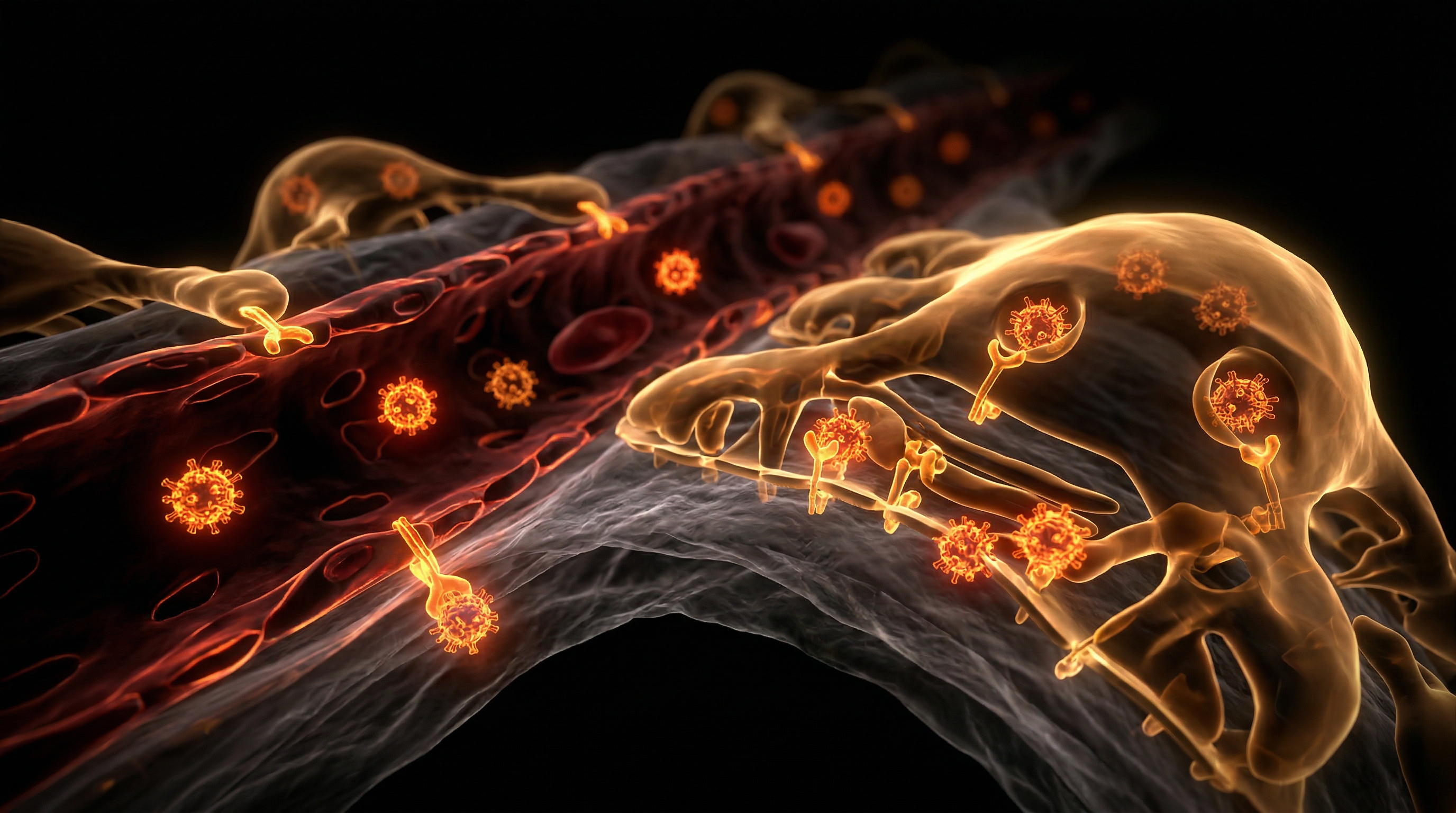
The kidneys filter approximately 180 litres of blood every day. Their primary role is to distinguish between essential nutrients and metabolic waste. This process is now being disrupted by the presence of the spike protein—whether derived from natural infection or modern mRNA-based interventions. These proteins are not merely inert debris; they are biologically active ligands that interact with delicate renal structures, leading to a cascade of inflammation, microvascular damage, and potential organ failure.
As we delve into the complexities of renal filtration, we must move beyond the surface-level explanations offered by public health authorities. We are witnessing a surge in subclinical Acute Kidney Injury (AKI) and a worrying trend toward chronic renal decline in populations previously considered low-risk. This article serves as a comprehensive exploration of how these pathogenic proteins navigate the nephron, the damage they leave in their wake, and the vital strategies required to support renal recovery in a toxicological landscape that has shifted beneath our feet.
Global rates of Chronic Kidney Disease (CKD) are projected to rise significantly by 2030, with emerging research suggesting that persistent viral protein exposure may be a primary, yet overlooked, driver of this trend.
The Biology — How It Works
To understand the challenge of viral protein filtration, one must first grasp the intricate architecture of the nephron, the functional unit of the kidney. Each kidney contains roughly one million nephrons, each consisting of a glomerulus (the filter) and a tubule (the processor).
The Glomerular Filtration Barrier (GFB)
The GFB is a highly selective, three-layered sieve consisting of the fenestrated endothelium, the glomerular basement membrane (GBM), and the podocytes. Podocytes are specialised epithelial cells with "foot processes" that wrap around the capillaries. Under normal physiological conditions, large proteins like albumin are repelled by the negative charge of the GFB and kept within the bloodstream.
However, viral proteins, particularly the S1 subunit of the spike protein, possess unique biophysical properties. Their size and charge allow them to interact with the GFB in ways that traditional metabolic waste does not. When these proteins enter the filtrate, they put an immense strain on the secondary filtration mechanism: the proximal tubules.
Tubular Reabsorption and Megalin/Cubilin Receptors
Once a protein bypasses the initial glomerular filter, the proximal convoluted tubule (PCT) attempts to reclaim it. This is facilitated by two endocytic receptors: megalin and cubilin. These receptors are designed to "scavenge" useful proteins to prevent nutrient loss. When the blood is saturated with synthetic or viral proteins, these receptors become overwhelmed.
This "protein overload" leads to tubular toxicity. Unlike natural metabolic byproducts, certain viral proteins are resistant to proteolysis (the breakdown of proteins into amino acids). Instead of being recycled, they accumulate within the tubular cells, triggering oxidative stress and disrupting the mitochondria—the powerhouses of the renal cells.
The Role of the Renin-Angiotensin-Aldosterone System (RAAS)
The kidneys are also the primary regulators of the RAAS, the system that controls blood pressure and fluid balance. The ACE2 receptor, which serves as the primary entry point for the SARS-CoV-2 spike protein, is expressed at high levels in the proximal tubule cells. When the spike protein binds to ACE2 in the kidneys, it downregulates the receptor's protective functions, leading to an imbalance in the RAAS. This results in vasoconstriction, inflammation, and further damage to the renal microvasculature.
Mechanisms at the Cellular Level
The damage caused by viral proteins is not merely mechanical; it is a complex biochemical assault on the cellular integrity of the kidney.
Podocyte Effacement and Apoptosis
Podocytes are terminally differentiated cells, meaning they have a limited capacity to regenerate. When viral proteins interact with the podocyte glycocalyx, they trigger a process known as effacement—the flattening of the foot processes. This compromises the filtration slits, leading to proteinuria (the leaking of protein into the urine). If the protein load remains high, the podocytes undergo apoptosis (programmed cell death), leading to irreversible scarring of the glomerulus, a condition known as glomerulosclerosis.
Mitochondrial Dysfunction and Ferroptosis
The proximal tubules are among the most metabolically active cells in the human body, requiring vast amounts of ATP to power the active transport of ions and nutrients. Viral proteins have been shown to localise within the mitochondria of these cells, disrupting the electron transport chain.
Furthermore, recent evidence suggests that the accumulation of iron-containing proteins and the depletion of glutathione in the presence of the spike protein can trigger ferroptosis—a form of regulated cell death driven by iron-dependent lipid peroxidation. This is particularly devastating in the kidneys, as it leads to the rapid loss of tubular function and the onset of AKI.
The Cytokine Storm and Local Inflammation
The presence of viral proteins in the renal tissue acts as a potent "danger signal" to the innate immune system. The NLRP3 inflammasome is activated within renal macrophages and tubular cells, leading to the release of pro-inflammatory cytokines such as IL-1β and IL-18. This creates a localised "cytokine storm" that further degrades the filtration barrier and promotes the deposition of extracellular matrix, leading to fibrosis (scarring).
Environmental Threats and Biological Disruptors
The challenge of processing viral proteins does not occur in a vacuum. The modern human is subjected to a "toxic soup" of environmental pollutants that synergise with biological threats to compromise renal health.
Glyphosate and Heavy Metal Synergy
Glyphosate, the most widely used herbicide in the UK and globally, is a known chelator that can carry heavy metals like arsenic and cadmium directly into the proximal tubules. When a patient with a high glyphosate load is also exposed to persistent viral proteins, the kidneys face a dual assault. The glyphosate weakens the tight junctions of the gut and renal barriers, while the viral proteins initiate the inflammatory cascade.
Microplastics and Nanoparticles
Recent autopsies have revealed the presence of microplastics and lipid nanoparticles (LNPs) within human kidney tissue. These synthetic materials can act as "carriers" for viral proteins, allowing them to bypass traditional immune clearance and deposit deep within the renal parenchyma. The interaction between LNPs used in mRNA technologies and the renal filtration system is a burgeoning area of concern that remains largely ignored by regulatory bodies.
Fluoridation and Renal Stress
In many parts of the UK and the US, water fluoridation remains a standard practice. Fluoride is primarily excreted through the kidneys. In the presence of reduced glomerular filtration rates (GFR) caused by protein overload, fluoride can accumulate in the renal tubules, exacerbating oxidative stress and inhibiting the enzymes required for DNA repair within the nephron.
Studies have shown that even a 10% reduction in GFR can lead to a significant increase in the systemic retention of environmental toxins, creating a feedback loop of declining health.
The Cascade: From Exposure to Disease
How does a single exposure to a viral protein translate into chronic disease? The process is a "slow-motion" cascade of physiological failures.
Stage 1: The Acute Phase (Subclinical AKI)
Immediately following exposure, the kidneys experience a surge in protein load. Many individuals may not notice symptoms beyond fatigue or dark urine. However, at the cellular level, the Kim-1 (Kidney Injury Molecule-1) biomarker begins to rise. This stage is often missed by standard blood tests like Creatinine, which only show abnormalities after significant damage has already occurred.
Stage 2: Microclotting and Fibrinoid Deposition
One of the most insidious effects of the spike protein is its ability to induce microclotting. These "amyloid-like" fibrinoid aggregates are resistant to the body’s natural fibrinolysis (clot-breaking) mechanisms. These microclots can lodge in the glomerular capillaries, cutting off blood flow to individual nephrons and causing localized tissue death (infarction).
Stage 3: Chronic Renal Insufficiency
As nephrons are lost to scarring and ischemia, the remaining nephrons must work harder to compensate. This hyperfiltration leads to further wear and tear. Over months or years, this progresses to Chronic Kidney Disease (CKD). Patients may begin to experience:
- Hypertension (due to RAAS dysregulation)
- Peripheral oedema (swelling of the ankles and face)
- Electrolyte imbalances (potassium and sodium fluctuations)
Stage 4: Systemic Failure
Because the kidneys are responsible for activating Vitamin D and producing erythropoietin (which signals red blood cell production), renal decline leads to secondary issues: brittle bones, chronic anaemia, and profound immune suppression.
What the Mainstream Narrative Omits
The discourse surrounding post-viral syndromes has been carefully curated to avoid addressing the persistence and toxicity of synthetic biological products.
The Persistence of the Spike Protein
The mainstream narrative initially claimed that the spike protein produced by mRNA vaccines would remain at the injection site and disappear within days. We now know this is demonstrably false. Peer-reviewed research has identified the spike protein in the blood and urine of individuals months after the final dose. The kidneys are the primary organs tasked with clearing this persistent bio-hazard, yet there is no official guidance on monitoring renal health post-intervention.
The Failure of Standard Diagnostics
The medical establishment relies heavily on Serum Creatinine and eGFR (estimated Glomerular Filtration Rate) to assess kidney function. However, these are "lagging indicators." They do not reveal the early stages of tubular damage or podocyte loss. By the time Creatinine rises, 50% of kidney function may already be gone. The omission of more sensitive markers like Cystatin C or Urinary NGAL from routine screening is a significant failure in the management of post-viral recovery.
The Ig4 Shift
Recent studies have highlighted a "class switch" in antibodies toward IgG4 after repeated exposure to certain viral proteins via mRNA platforms. IgG4 is a non-inflammatory antibody, which might sound positive, but in the context of the kidneys, it is associated with IgG4-related disease (IgG4-RD), a condition characterised by inflammatory fibrosis that can strike the kidneys specifically. This potential link is almost never discussed in public health briefings.
The UK Context
In the United Kingdom, the challenge of renal health is reaching a tipping point. The NHS is currently grappling with a massive backlog of patients with "unexplained" chronic conditions.
The Rising Burden on the NHS
According to recent data, there are approximately 3.5 million people in the UK living with CKD. However, since 2021, renal units across the country have reported an uptick in patients presenting with rapid-onset nephrotic syndrome and AKI. The cost of providing dialysis and kidney transplants is a massive burden on the UK economy, yet the preventative conversation regarding viral protein clearance is non-existent.
The "Excess Death" Mystery
The UK has seen significant excess mortality figures in 2022 and 2023. While cardiovascular events are often cited, a significant portion of these deaths involves multi-organ failure where renal collapse was a contributing factor. The refusal to investigate the link between widespread biotechnological uptake and these renal trends is a dereliction of duty by the UK's health regulatory bodies, such as the MHRA.
Water Quality and Policy
The UK's ageing infrastructure means that many citizens are exposed to high levels of lead and copper from old pipes, as well as pharmaceutical residues in the water supply that the current filtration systems cannot remove. When combined with the biological load of viral proteins, the British public is facing a "renal perfect storm."
Protective Measures and Recovery Protocols
Recovery from viral protein-induced renal stress requires a multi-faceted approach focused on clearing the protein load, reducing inflammation, and supporting the cellular architecture of the nephron.
1. Enzymatic Degradation of Persistent Proteins
To assist the kidneys in processing resilient proteins like the spike protein, systemic enzymes can be utilised.
- Nattokinase: A fibrinolytic enzyme derived from natto. It has been shown in in vitro studies to degrade the spike protein and dissolve the amyloid-like microclots that clog glomerular capillaries.
- Bromelain: Derived from pineapple stems, bromelain can assist in the breakdown of circulating immune complexes that strain the renal filter.
2. Autophagy Induction
Autophagy is the body's cellular "housekeeping" process. By inducing autophagy, we can encourage renal cells to break down and recycle the accumulated proteins within their cytoplasm.
- Intermittent Fasting: Restricting the eating window to 6-8 hours a day is the most effective way to trigger systemic autophagy.
- Spermidine and Resveratrol: These compounds mimic the effects of fasting and support mitochondrial health within the proximal tubules.
3. Botanical Support for Filtration
Certain herbs have a long history of use in supporting "renal drainage" and protecting the nephron.
- Dandelion Leaf (Taraxacum officinale): A potent but potassium-sparing diuretic that helps flush the tubules without depleting essential electrolytes.
- Nettle Leaf (Urtica dioica): Rich in minerals, it supports the glomerular basement membrane and helps in the excretion of uric acid.
- Goldenrod (Solidago): Known for its anti-inflammatory effects on the urinary tract and its ability to support the GFR.
4. Neutralising Oxidative Stress
To prevent ferroptosis and mitochondrial collapse, the kidneys require a robust antioxidant defence.
- N-Acetyl Cysteine (NAC): The precursor to glutathione, the body's master antioxidant. NAC is specifically protective against "contrast-induced" and "protein-induced" kidney injury.
- Molecular Hydrogen (H2): Emerging research suggests that hydrogen-rich water can selectively neutralise the hydroxyl radicals that cause the most damage to podocytes.
5. Avoiding Nephrotoxins
During the recovery phase, it is essential to minimise the "background noise" of renal stress:
- Avoid NSAIDs (like Ibuprofen), which reduce blood flow to the kidneys.
- Filter all drinking water using high-quality reverse osmosis to remove fluoride and heavy metals.
- Limit intake of high-oxalate foods (like spinach and beetroot), which can form crystals that further irritate the damaged tubules.
Protocol Note: Always consult with a qualified health professional before beginning a detox regimen, especially if you have a pre-existing diagnosis of CKD or are on medication for hypertension.
Summary: Key Takeaways
The kidneys are at the frontline of the body's struggle to process the biological legacy of the last few years. The "Renal Filtration Challenge" is not a temporary hurdle but a significant shift in the landscape of human biology.
- The Spike Protein is a Renal Pathogen: Whether from infection or mRNA, this protein interacts with ACE2 receptors and the glomerular barrier, causing mechanical and biochemical damage.
- Standard Tests are Insufficient: Creatinine and eGFR do not catch the early signs of tubular distress. We must push for more sensitive diagnostics like Cystatin C.
- Synergy of Toxins: Environmental pollutants like glyphosate and fluoride exacerbate the damage caused by viral proteins.
- The UK faces a crisis: Rising renal failure rates in the UK require an immediate shift in public health focus toward detoxification and preventative renal care.
- Recovery is Possible: Through the use of systemic enzymes, the induction of autophagy, and targeted botanical support, we can assist our kidneys in the vital task of restoration.
At INNERSTANDING, we believe that the first step to health is the courage to look at the mechanisms of harm without blinkers. The kidneys are resilient organs, but they are currently being asked to perform an impossible task. By providing them with the right tools and reducing the systemic toxic load, we can navigate these challenges and emerge with a deeper understanding of our own biological sovereignty.
This article is provided for informational and educational purposes only. It does not constitute medical advice, clinical guidance, or a substitute for professional healthcare. Information reflects cited research at time of publication. Always consult a qualified healthcare professional before acting on any health information.
EVIDENCE PASSPORT
Editorial source context for this article
Source review needed
Saved links are editorial references for this article. They may support specific claims rather than every sentence. Open and assess each source in context. This passport does not independently verify them.
Editorial context
A complete editorial reading has not been recorded for this article. Source links remain available for you to open and assess directly.
Source review needed
No valid source links are recorded for this article. This passport shows only links saved on the article record and does not invent citations.
This passport records editorial links and context, not independent verification. Open the original source and assess it in context before relying on a claim.
Medical Disclaimer
The information in this article is for educational purposes only and does not constitute medical advice, diagnosis, or treatment. Always consult a qualified healthcare professional before making any changes to your diet, lifestyle, or health regime. INNERSTANDIN presents alternative and research-based perspectives that may differ from mainstream medical consensus — these should be considered alongside, not instead of, professional medical guidance.
Read Full DisclaimerContinue the thread
Keep this question moving.
Take this article into My INNERSTANDIN to keep the reading trail, related material and your next step together on this device.
Explore this in the Body Map
See where this hits your biology. Interactive anatomy, threats, and protective protocols.
Dig deeper in the Library
Free, longform PDF volumes that go beyond headlines into mechanisms and references.