
Renal Burden: The Impact of Water Chemicals on Kidney Function
Updated May 2026
As the primary organ for fluoride excretion, the kidneys are highly susceptible to chemical damage. This article reviews the data on fluoride’s role in accelerating chronic kidney disease progression.
Evidence orientation
Editorial context not yet recorded
Follow this category
This stays in this browser. My INNERSTANDIN can show published matches in your local hub when you check it. It does not send email, push, or alert notifications.
Local learning review
A private browser aid for revisiting ideas. It is not an alert or a health recommendation.
Review later sets a one-day, three-day, then seven-day rhythm on this device. Choose it only when you want to revisit this article.
Overview
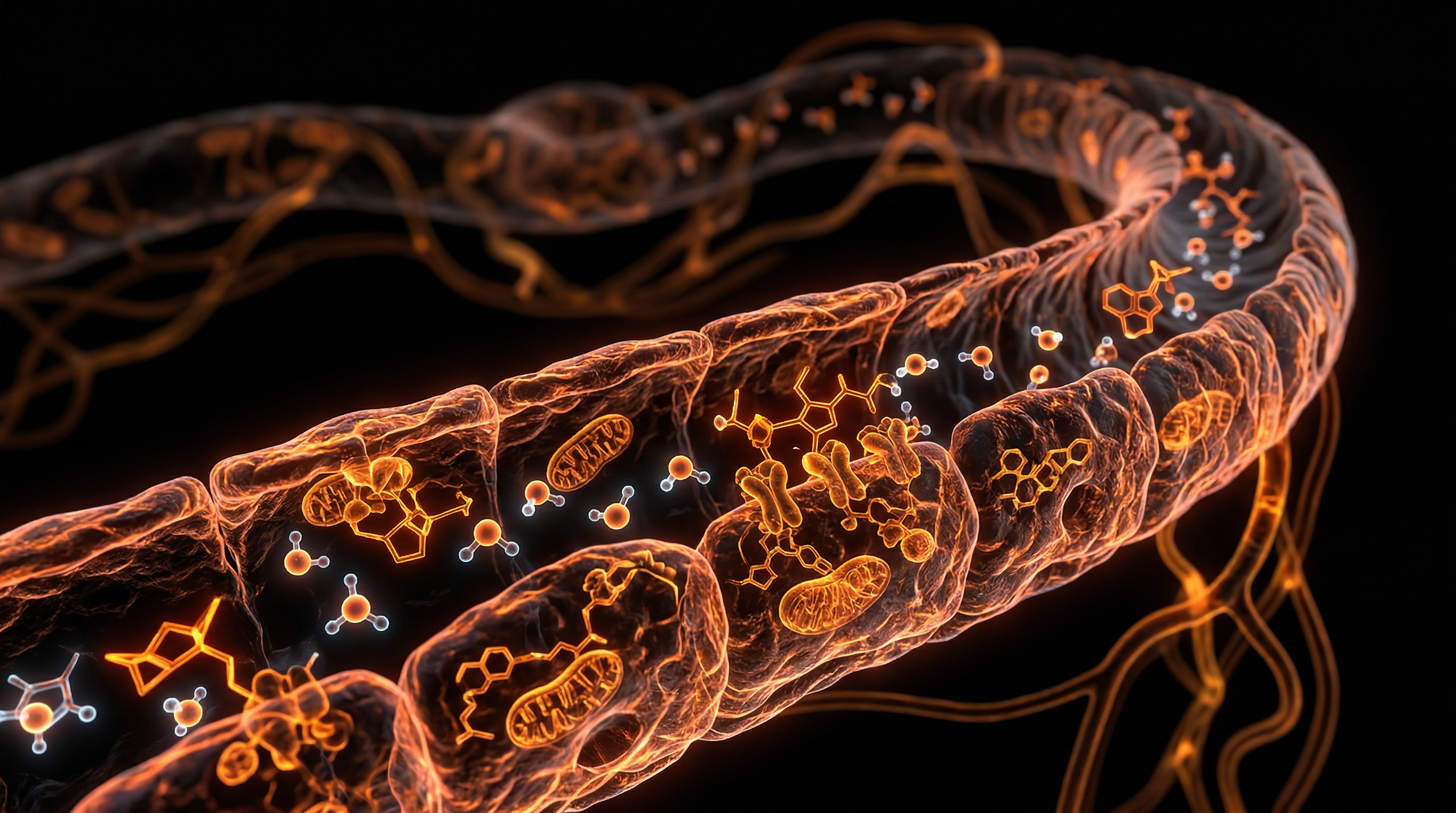
The human kidney is a masterpiece of biological engineering. Tasked with the continuous filtration of the entire blood volume approximately 40 times a day, these bean-shaped organs serve as the primary arbiters of our internal chemistry. However, in the modern industrialised world, the kidney has moved from being a regulator of natural metabolic by-products to a frontline casualty in an undeclared chemical war. Central to this conflict is the systemic ingestion of waterborne chemicals, most notably fluoride, which presents a unique and escalating threat to renal integrity.
For decades, the discourse surrounding water additives has been dominated by dental hygiene, effectively compartmentalising a systemic toxin as a localised benefit. This narrow focus has ignored a fundamental physiological reality: the kidneys are the primary route for the excretion of fluoride. Consequently, they are exposed to higher concentrations of this halogen than almost any other soft tissue in the body. As we face a global surge in Chronic Kidney Disease (CKD)—often labelled "idiopathic" or attributed solely to lifestyle factors like diabetes—the role of the chemical burden in our municipal water supplies demands a rigorous, unshielded re-examination.
This article serves as a deep dive into the nephrotoxicity of fluoride and associated water contaminants. We will explore the delicate architecture of the nephron, the molecular mechanisms of cellular apoptosis triggered by fluoride ions, and the inconvenient data that suggests our current "safety" standards are facilitating a slow-motion public health crisis.
Fact: The kidneys are responsible for the clearance of approximately 50% of the daily fluoride intake in adults. In children, who sequester more fluoride into their developing bones, the renal burden is slightly lower, yet their developing tissues are significantly more sensitive to chemical disruption.
The Biology — How It Works
To understand why the kidneys are so vulnerable, we must first look at the process of renal clearance. The kidney functions through a complex interplay of filtration, reabsorption, and secretion. The fundamental functional unit is the nephron, consisting of the glomerulus (the filter) and the tubule system (the processor).
When fluoride enters the bloodstream—whether through drinking water, processed foods, or dental products—it exists as a free ion ($F^-$). Unlike many other minerals, fluoride is not tightly regulated by a homeostatic feedback loop; it is either sequestered into calcified tissues (bones and teeth) or excreted via the urine.
The Filtration and Concentration Gradient
As blood enters the glomerulus, fluoride ions are easily filtered into the primary urine. However, the unique danger lies in the renal medulla, the inner part of the kidney where urine is concentrated. As the body reabsorbs water to prevent dehydration, the concentration of fluoride within the renal tubules can rise to levels significantly higher than those found in the blood plasma.
- Glomerular Filtration Rate (GFR): This is the primary measure of kidney function. Research indicates that even at "optimal" water fluoridation levels (0.7–1.0 mg/L), individuals with already reduced GFR are at an immediate disadvantage.
- Tubular Reabsorption: Approximately 10% to 90% of the fluoride filtered by the glomerulus is reabsorbed back into the blood, depending heavily on the pH of the urine. Acidic urine promotes the formation of hydrogen fluoride (HF), which easily crosses cell membranes, increasing systemic toxicity.
The Vulnerability of the Proximal Tubule
The cells lining the proximal convoluted tubule are the most metabolically active in the kidney. They require massive amounts of energy (ATP) to transport ions and nutrients. This high metabolic demand makes them "the canary in the coal mine." When fluoride accumulates in these cells, it interferes with the very enzymes required for energy production, leading to a state of cellular exhaustion and, eventually, necrosis.
Mechanisms at the Cellular Level
The damage fluoride inflicts on the kidneys is not merely mechanical; it is deeply biochemical. As a senior researcher, I must emphasise that fluoride is a known pro-oxidant and an enzyme inhibitor. When fluoride concentrations in the renal tubules reach a critical threshold, several pathological pathways are activated.
1. Oxidative Stress and ROS Generation
Fluoride triggers the overproduction of Reactive Oxygen Species (ROS) within the mitochondria of renal cells. Under normal conditions, antioxidants like glutathione neutralise these molecules. However, fluoride actively depletes glutathione levels while simultaneously inhibiting superoxide dismutase (SOD).
- Lipid Peroxidation: ROS attack the fatty acids in the cell membranes, a process called lipid peroxidation. This compromises the integrity of the renal cell wall, leading to "leaky" cells and loss of function.
- Protein Carbonylation: The oxidation of proteins leads to structural changes that render essential renal enzymes useless.
2. Mitochondrial Dysfunction
The mitochondria are the powerhouses of the renal cells. Fluoride is a notorious mitochondrial toxin. It disrupts the Electron Transport Chain (ETC) by inhibiting Cytochrome C Oxidase. When the mitochondria fail, the cell enters a "bioenergetic crisis." Without ATP, the kidney cannot maintain the electrolyte gradients necessary for life, leading to the accumulation of sodium and water in the tissues—a precursor to hypertension and further renal decline.
3. Disruption of G-Protein Signalling
Fluoride ions mimic phosphate groups. In the complex world of cellular signalling, G-proteins act as switches. Fluoride can "trip" these switches prematurely, sending false signals to the cell nucleus. In the kidneys, this can lead to the inappropriate activation of pathways that promote fibrosis (scarring). Once renal tissue becomes fibrotic, it is permanently lost to the filtration process.
4. Induction of Apoptosis
Apoptosis is programmed cell death. While necessary for health in some contexts, fluoride induces premature apoptosis in the podocytes—specialised cells in the glomerulus that act as the final sieve for blood filtration. When podocytes die, the filter develops holes, leading to proteinuria (protein in the urine), a hallmark of advancing kidney disease.
Key Term: Nephrotoxicity refers to the rapid or gradual decrease in kidney function due to the toxic effects of chemicals or medications. Fluoride is increasingly recognised as a chronic nephrotoxicant at levels previously deemed safe.
Environmental Threats and Biological Disruptors
While fluoride is a primary concern due to its deliberate addition to water supplies, it does not act in a vacuum. The kidney must contend with a "chemical cocktail" that creates a synergistic effect, where the total damage is greater than the sum of its parts.
Chlorine and Disinfection By-products (DBPs)
Most municipal water is treated with chlorine or chloramines. When these react with organic matter in the water, they form Trihalomethanes (THMs).
- THMs are known carcinogens and have been linked to bladder and kidney cancers.
- The oxidative stress caused by chlorine compounds compounds the damage initiated by fluoride, further taxing the kidney’s antioxidant reserves.
Heavy Metals: Lead and Cadmium
Despite "safe" levels at the treatment plant, many older distribution systems (particularly in the UK and US) still utilise lead piping.
- Lead is a potent nephrotoxin that causes tubulointerstitial disease.
- Cadmium, often found in agricultural runoff that enters the water table, accumulates in the renal cortex with a half-life of over 20 years.
PFAS: The "Forever Chemicals"
Per- and Polyfluoroalkyl Substances (PFAS) are a family of man-made chemicals found in everything from non-stick cookware to firefighting foam. They are now ubiquitous in water supplies.
- PFAS are highly resistant to breakdown and are primarily excreted by the kidneys.
- Recent studies have shown a direct correlation between PFAS blood levels and reduced GFR, suggesting they interfere with the kidney’s ability to filter waste.
The Synergistic "Perfect Storm"
When a patient is exposed to fluoride, lead, and PFAS simultaneously, the renal burden becomes exponential. Fluoride’s ability to increase the permeability of biological membranes can actually enhance the uptake of other toxins, making the kidney more susceptible to the entire chemical spectrum present in the water supply.
The Cascade: From Exposure to Disease
The progression from "normal" water consumption to clinical kidney disease is often a silent, multi-decade journey. The cascade generally follows a predictable pathological trajectory.
Stage 1: Compensatory Hyperfiltration
In the early stages of chemical insult, the remaining healthy nephrons work harder to compensate for those being damaged. This is known as hyperfiltration. On standard blood tests, the GFR may appear normal or even slightly elevated, masking the underlying destruction.
Stage 2: Impaired Excretion and Bioaccumulation
As renal function begins to dip—even slightly—the kidney’s ability to clear fluoride decreases. This creates a dangerous positive feedback loop:
- Reduced kidney function leads to higher systemic fluoride levels.
- Higher fluoride levels cause further damage to the renal tubules.
- This damage further reduces the kidney’s ability to excrete fluoride.
Stage 3: The Rise of Albuminuria
As the glomerulus becomes compromised, small amounts of the protein albumin leak into the urine. This is often the first clinical sign of "Renal Burden." At this point, the patient is often told they have "early-stage CKD" but is rarely asked about their fluoride or chemical intake.
Stage 4: Systemic Complications
The kidneys regulate blood pressure via the Renin-Angiotensin-Aldosterone System (RAAS). When the kidneys are under chemical stress, this system goes haywire, leading to secondary hypertension. This hypertension, in turn, causes mechanical damage to the delicate renal vasculature, accelerating the descent toward end-stage renal failure.
Statistic: Research published in the journal Archives of Toxicology has indicated that even low-level fluoride exposure is associated with alterations in serum creatinine and uric acid levels, both of which are markers of renal distress.
What the Mainstream Narrative Omits
The refusal of regulatory bodies to acknowledge the renal risks of water fluoridation is one of the most significant oversights in modern medicine. The mainstream narrative relies on several outdated or flawed premises.
The "Therapeutic Dose" Fallacy
Mainstream health policy is based on the assumption that "the dose makes the poison." However, with water chemicals, there is no controlled dose. A manual labourer drinking six litres of fluoridated water a day receives six times the "dose" of an office worker drinking one litre. Regulatory bodies set "average" safety levels that completely fail to protect high-water consumers or those with pre-existing renal vulnerabilities.
The Exclusion of the "Vulnerable Sub-population"
When the UK or US governments claim water fluoridation is safe, they are often looking at the "general population." However, the National Research Council (NRC) noted as early as 2006 that people with kidney disease are a "vulnerable sub-population" that is more susceptible to fluoride toxicity.
- Those with Stage 3 CKD or higher can retain up to 100% of the fluoride they ingest, as their kidneys are too weak to clear it.
- By continuing to fluoridate the water of these individuals, the state is effectively prescribing a known nephrotoxin to people whose primary organ of detoxification is already failing.
The Suppression of Modern Data
Recent large-scale epidemiological studies, such as those conducted in Canada and Mexico (the MOCAN and ELEMENT cohorts), have linked fluoride exposure to markers of kidney and liver damage in adolescents. These studies are often dismissed by "mainstream" dental organisations because they challenge the 70-year-old dogma of fluoridation's safety.
The Focus on Teeth vs. Systemic Health
The "dental first" mentality prioritises a small reduction in dental caries (which can be achieved via topical application) over the systemic health of the internal organs. The biological reality is that a tooth can be replaced; a kidney cannot. The mainstream narrative refuses to perform the necessary cost-benefit analysis that weighs a questionable dental benefit against the certain renal burden.
The UK Context
In the United Kingdom, the situation regarding water chemicals is reaching a critical juncture. Unlike much of continental Europe, which has largely rejected water fluoridation, the UK government has recently moved to centralise and expand the practice.
The Health and Care Act 2022
The passage of the Health and Care Act 2022 transferred the power to mandate water fluoridation from local authorities directly to the Secretary of State for Health. This move was designed to bypass local democratic opposition and facilitate a nationwide rollout of fluoridation schemes.
- Current Coverage: Currently, approximately 6 million people in England (mainly in the West Midlands and North East) receive fluoridated water.
- Proposed Expansion: Plans are underway to expand this to millions more, despite the UK's rising rates of CKD.
The Burden on the NHS
The NHS is currently under immense pressure from a surge in chronic diseases. Chronic Kidney Disease costs the UK economy an estimated £7 billion per year and accounts for significant NHS expenditure through dialysis and transplant programmes.
- It is estimated that 10% of the UK population has some form of CKD.
- If even a small percentage of these cases are being driven or accelerated by water fluoridation, the economic and human cost is staggering.
The Conflict of Interest
In the UK, the Department of Health and Social Care (DHSC) is the same body that promotes fluoridation and the body that manages the NHS. This creates a profound conflict of interest. Acknowledging that a state-mandated water additive is contributing to the kidney disease epidemic would open the door to massive legal and political liability. Consequently, the UK scientific establishment has remained largely silent on the nephrotoxic potential of the very water they authorise.
Protective Measures and Recovery Protocols
For those living in fluoridated areas or those already concerned about their renal health, waiting for a change in government policy is not an option. Protective measures must be taken at the individual and household level.
1. Advanced Filtration
Standard carbon "jug" filters are largely ineffective at removing fluoride. To protect the kidneys, more robust technology is required.
- Reverse Osmosis (RO): This is the gold standard for fluoride removal, capable of stripping up to 95-98% of fluoride ions, as well as PFAS and heavy metals.
- Activated Alumina: Specific filters designed for fluoride removal can be effective, though they must be changed frequently to remain efficient.
- Distillation: This process effectively removes all dissolved solids, including fluoride, though it requires remineralisation of the water for long-term health.
2. Dietary Buffers and Antagonists
Certain nutrients can help the body mitigate the effects of fluoride and support renal function.
- Magnesium: Fluoride has a high affinity for magnesium. Ensuring adequate magnesium levels can help "bind" fluoride in the digestive tract, preventing its absorption into the bloodstream.
- Selenium: A potent antioxidant that has been shown in animal studies to protect the kidneys from fluoride-induced oxidative stress.
- Iodine: Fluoride, as a halogen, competes with iodine for uptake. Maintaining iodine sufficiency can help prevent fluoride from disrupting the endocrine system, which indirectly supports renal health.
3. Urinary Alkalinisation
As noted earlier, acidic urine promotes the reabsorption of fluoride.
- A diet high in alkaline-forming foods (leafy greens, cruciferous vegetables, lemons) can raise urinary pH.
- Higher urinary pH (above 7.0) encourages the kidney to keep fluoride in the urine for excretion rather than reabsorbing it into the blood.
4. Avoiding "Hidden" Fluoride
The kidneys process fluoride from all sources, not just water. To reduce the renal burden:
- Switch to fluoride-free toothpaste.
- Avoid mechanically deboned meat (where bone dust increases fluoride content).
- Be cautious with black and green teas, which naturally accumulate high levels of fluoride from the soil (especially if brewed with fluoridated water).
Summary: Key Takeaways
The kidneys are the silent sentinels of our health, yet they are increasingly overwhelmed by the chemical realities of the 21st century. The "Renal Burden" is not a theoretical risk; it is a physiological certainty for those exposed to chronic, low-level toxins in their drinking water.
- The Kidney as Target: Because the kidneys are the primary route for fluoride excretion, they are exposed to higher concentrations than most other organs, leading to cumulative damage over time.
- Cellular Poisoning: Fluoride induces oxidative stress, destroys mitochondria, and triggers apoptosis in the vital filtration units of the kidney.
- The CKD Feedback Loop: Once kidney function begins to decline, the body’s ability to clear fluoride drops, leading to faster bioaccumulation and accelerated disease progression.
- The Policy Failure: Current "safety" standards ignore the needs of vulnerable populations, particularly those with existing renal impairment, who cannot safely process the state-mandated "dose."
- Individual Action: In the face of regulatory capture, the only way to ensure renal safety is through high-quality water filtration and a proactive approach to metabolic health.
The protection of our kidneys is the protection of our internal environment. It is time for the biological reality of renal science to take precedence over outdated and dogmatic public health policies. The burden on our kidneys is a burden on our future.
"References & Further Reading"
- National Research Council (2006): Fluoride in Drinking Water: A Scientific Review of EPA's Standards.
- Malin, A. J., et al. (2019): "Fluoride exposure and kidney and liver function among adolescents in the United States: NHANES 2013-2015." Environment International.
- Perumal, E., et al. (2013): "A brief review on fluoride toxicity. Physicochemical and biological effects." Toxicology Letters.
- The Lancet: Global, regional, and national burden of chronic kidney disease, 1990–2017: a systematic analysis for the Global Burden of Disease Study 2017.
This article is provided for informational and educational purposes only. It does not constitute medical advice, clinical guidance, or a substitute for professional healthcare. Information reflects cited research at time of publication. Always consult a qualified healthcare professional before acting on any health information.
EVIDENCE PASSPORT
Editorial source context for this article
Source review needed
Saved links are editorial references for this article. They may support specific claims rather than every sentence. Open and assess each source in context. This passport does not independently verify them.
Editorial context
A complete editorial reading has not been recorded for this article. Source links remain available for you to open and assess directly.
Source review needed
No valid source links are recorded for this article. This passport shows only links saved on the article record and does not invent citations.
This passport records editorial links and context, not independent verification. Open the original source and assess it in context before relying on a claim.
Medical Disclaimer
The information in this article is for educational purposes only and does not constitute medical advice, diagnosis, or treatment. Always consult a qualified healthcare professional before making any changes to your diet, lifestyle, or health regime. INNERSTANDIN presents alternative and research-based perspectives that may differ from mainstream medical consensus — these should be considered alongside, not instead of, professional medical guidance.
Read Full DisclaimerContinue the thread
Keep this question moving.
Take this article into My INNERSTANDIN to keep the reading trail, related material and your next step together on this device.
Explore this in the Body Map
See where this hits your biology. Interactive anatomy, threats, and protective protocols.