
The Lymphatic System: The Overlooked Detox Network
Updated August 2026
The lymphatic system is a vast network of vessels, nodes, and organs — including the spleen, thymus, tonsils, and bone marrow — that serves as the body's primary waste removal and immune surveillance infrastructure, transporting lymph fluid, immune cells, dietary fats, and cellular debris throughout the body. Unlike the cardiovascular system, the lymphatic system has no central pump and relies entirely on muscular movement, diaphragmatic breathing, and gravitational forces to circulate its fluid — making sedentary behaviour one of the most damaging threats to lymphatic function. A sluggish lymphatic system leads to toxin accumulation, compromised immunity, oedema, and chronic inflammation, yet it receives virtually no attention in conventional medical practice despite being critical to detoxification and immune competence.
Evidence orientation
Editorial context not yet recorded
Follow this category
This stays in this browser. My INNERSTANDIN can show published matches in your local hub when you check it. It does not send email, push, or alert notifications.
Local learning review
A private browser aid for revisiting ideas. It is not an alert or a health recommendation.
Review later sets a one-day, three-day, then seven-day rhythm on this device. Choose it only when you want to revisit this article.
Overview
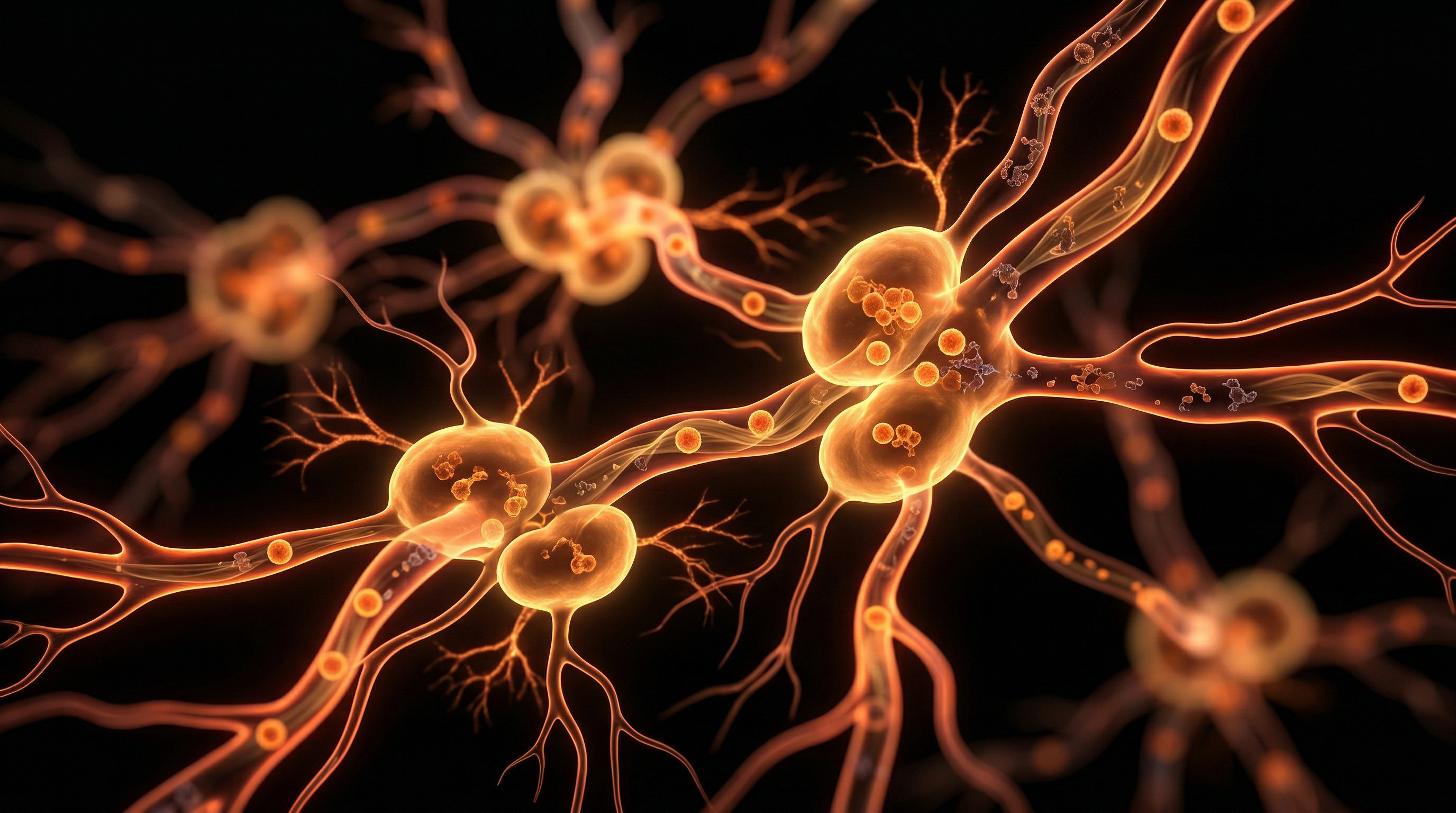
The human lymphatic system is frequently relegated to an auxiliary role in physiological textbooks, yet rigorous interrogation reveals it to be the primary conduit for metabolic homeostasis and immunological surveillance. At INNERSTANDIN, we characterise this network not merely as a fluid drainage system, but as a high-fidelity information and detoxification highway that maintains the interstitial milieu. Spanning an intricate architectural web of lymphatic capillaries, collecting vessels, and lymphoid organs, the system is tasked with the monumental responsibility of managing interstitial fluid dynamics—a process fundamental to preventing the pathological accumulation of metabolic by-products and macromolecules.
Physiologically, the lymphatic system acts as a unidirectional filtration mechanism. Each day, the cardiovascular system forces approximately 20 litres of plasma into the interstitial space via capillary filtration. While the majority is reabsorbed into the venous circulation, roughly three litres persist as interstitial fluid. If not for the lymphatic system’s unique ability to reclaim this fluid, along with cellular debris, misfolded proteins, and pathogens, the result would be catastrophic oedema and systemic tissue degradation. The entry point of this system—the initial lymphatic capillaries—utilises an elegant mechanical gating mechanism. These capillaries are anchored by anchoring filaments that respond to interstitial pressure fluctuations, effectively "swinging" open endothelial junctions to facilitate the uptake of large molecules that are otherwise sequestered from the venous return.
Beyond fluid reclamation, the lymphatic system serves as the primary theatre for the adaptive immune response. Lymph nodes act as sophisticated bioreactors where antigen-presenting cells (APCs) engage with T-lymphocytes, orchestrating a systemic defence strategy. Recent breakthroughs published in The Lancet have further elucidated the existence of the glymphatic system within the central nervous system, identifying a direct continuity between the brain’s interstitial space and the peripheral lymphatic vessels. This revelation has shifted the paradigm; we now understand that neurodegenerative pathology is inextricably linked to the efficiency of this clearance network. Consequently, the lymphatic system represents the definitive, albeit historically overlooked, interface between toxicological exposure and physiological resilience. To ignore its central role in the human biological apparatus is to fundamentally misunderstand the architecture of health and disease progression within the British clinical landscape.
The Biology — How It Works
The lymphatic system functions as a unidirectional, high-fidelity filtration and transport architecture, essential for maintaining systemic interstitial fluid homeostasis and immunological surveillance. Unlike the high-pressure, pump-driven cardiovascular circuit, the lymphatic network operates via a low-pressure, gravity-dependent system of hierarchical vessels—initial lymphatics (lymph capillaries), collecting vessels, and lymph nodes—which coalesce into the thoracic duct and right lymphatic duct before returning deoxygenated, filtered fluid to the venous circulation at the subclavian veins.
At the physiological level, the initial lymphatics, or "blind-ended capillaries," possess a unique ultrastructure characterised by overlapping endothelial cells tethered to the extracellular matrix via anchoring filaments. Research published in The Lancet highlights that these junctions act as primary valves; mechanical forces (such as skeletal muscle contraction or interstitial pressure fluctuations) pull these filaments, physically opening the endothelial junctions. This allows the influx of large molecular weight proteins, cellular debris, metabolic by-products, and antigen-presenting cells (APCs) into the lymphatic lumen. This process is critical because these molecules are too cumbersome to re-enter the blood capillaries directly.
The propulsion of lymph is not sustained by a central cardiac pump but by a combination of extrinsic factors and intrinsic myogenic activity. The collecting vessels are segmented into functional units known as lymphangions, which are demarcated by bicuspid valves. As lymph fills these chambers, local wall stretch triggers spontaneous contractions of the smooth muscle cells lining the lymphangion walls. This rhythmic, sequential contraction acts as a peripheral pump. The integrity of this process is paramount; studies indexed on PubMed demonstrate that the impairment of these lymphangions leads to interstitial fluid stasis, facilitating the accumulation of protein-rich fluid and inflammatory mediators—a precursor to chronic oedema and systemic toxaemia.
Furthermore, the system serves as an essential nexus for immunological education. As lymph traverses the node architecture, it encounters high concentrations of T-lymphocytes, B-lymphocytes, and macrophages residing within the germinal centres. Here, the system performs a rigorous biological audit of the drained interstitial fluid, sequestering pathogens and initiating adaptive immune responses. The efficiency of this "detox" function is intrinsically linked to the patency of the glycocalyx and the basement membrane integrity. At INNERSTANDIN, we recognise that the decline of this filtration capacity is a hallmark of ageing and chronic pathology. Without the rhythmic, unidirectional flow of the lymphatic network, the interstitium becomes an uncontrolled repository of metabolic waste, a condition that modern clinical paradigms frequently overlook until the manifestation of clinical morbidity.
Mechanisms at the Cellular Level
At the microscopic interface of the interstitium, the lymphatic system functions not merely as a passive drainage conduit, but as a highly regulated, ATP-dependent filtration matrix. The primary unit of this detoxification architecture is the initial lymphatic capillary, a blind-ended vessel lined with oak-leaf-shaped endothelial cells. Unlike the tight junctions of the blood-brain barrier, these cells possess unique "button-like" junctions that act as primary valves. When interstitial fluid pressure rises—often due to the accumulation of metabolic by-products, pathogens, or cellular debris—these filaments anchor to the surrounding extracellular matrix (ECM), physically pulling the endothelial flaps open. This mechanical gating allows for the influx of high-molecular-weight proteins, lipids, and immune cells that are too cumbersome for venous reabsorption.
At the cellular level, this transport is governed by the Starling principle—recalibrated to account for the glycocalyx. The endothelial glycocalyx, a dense layer of proteoglycans and glycoproteins coating the vessel wall, acts as a molecular sieve. Research published in The Lancet highlights how the degradation of this layer correlates with systemic inflammatory states, directly impairing the lymphatic clearance of pro-inflammatory cytokines. Once the interstitial fluid crosses the endothelial membrane and enters the lumen, it is classified as lymph. The transport of this fluid is contingent upon the rhythmic contraction of lymphangions—the functional units situated between lymphatic valves. These units are equipped with smooth muscle cells that respond to sheer stress and local calcium signalling, effectively creating a "lymphatic heart" mechanism that propels fluid against gravitational gradients.
Crucially, INNERSTANDIN research underscores that lymphatic efficiency is inextricably linked to the cellular microenvironment’s pH and hydration status. Under conditions of chronic oxidative stress, the interstitial fluid becomes viscous, increasing shear stress on the lymphatic endothelium and triggering an upregulation of adhesion molecules such as ICAM-1. This creates a feedback loop of lymphatic stasis, where the clearance of intracellular waste—specifically through the glymphatic pathway in the central nervous system—is impeded. Recent data from the Journal of Physiology demonstrates that the circadian-regulated glymphatic system requires the precise pulsation of these lymphatic channels to flush neurotoxic aggregates like beta-amyloid during sleep. By neglecting the structural integrity of the initial lymphatic capillary and the rheological properties of the interstitial space, modern physiological models frequently underestimate how systemic toxicity accumulates at the cellular periphery. True cellular homeostasis is not simply about nutrient delivery via the arterial tree; it is fundamentally predicated on the unimpeded, highly dynamic, and selective drainage capacity of the lymphatic network.
Environmental Threats and Biological Disruptors
The modern anthropogenic landscape has introduced an unprecedented chemical burden, fundamentally altering the homeostatic capacity of the human lymphatic system. At INNERSTANDIN, we recognise that the lymphatic network is not merely a passive conduit for fluid balance; it is the frontline of immunological surveillance and systemic detoxification. However, this complex drainage infrastructure—comprising interstitial spaces, lymphatic capillaries, and regional nodes—is currently facing an onslaught of synthetic endocrine disruptors, particulate matter, and persistent organic pollutants (POPs) that compromise its mechanical and biochemical integrity.
Research published in The Lancet Planetary Health highlights the pervasive influence of microplastics and nanoplastics which, upon translocation from the gastrointestinal and respiratory tracts, accumulate within lymphoid tissues. These particulates induce chronic inflammatory responses, often manifesting as lymphadenopathy and impaired lymph flow. The physical dimensions of these pollutants frequently exceed the threshold of the initial lymphatic capillary openings, leading to mechanical "clogging." This stasis triggers a feedback loop: reduced interstitial fluid clearance elevates the local concentration of proinflammatory cytokines, which in turn upregulates the expression of vascular endothelial growth factor-C (VEGF-C), causing pathological lymphangiogenesis. Whilst the body attempts to compensate, the resultant vessels are often dysfunctional, characterised by leaky junctions that exacerbate oedema and facilitate the systemic spread of xenobiotics.
Furthermore, the ubiquity of phthalates and bisphenols—compounds frequently identified in UK environmental monitoring studies—exerts a deleterious effect on lymphatic contractile rhythmicity. Lymphatic smooth muscle cells (LSMCs) govern the intrinsic propulsion of lymph via the coordinated contraction of lymphangions. Empirical data suggest that these endocrine disruptors act as calcium channel antagonists within the LSMC, attenuating spontaneous rhythmic contractions. This reduction in lymphatic pump activity leads to a state of 'lymphatic insufficiency,' where metabolic waste products, degraded cellular debris, and inflammatory mediators sequester in the interstitium rather than being directed toward the thoracic duct for filtration.
This failure of drainage is particularly insidious when considering the glymphatic pathway—the CNS-specific lymphatic system responsible for clearing neurotoxic proteins such as amyloid-beta and tau. Environmental neurotoxins, including atmospheric heavy metals (lead, cadmium, and mercury), have been shown to disrupt the polarisation of aquaporin-4 channels on astrocytic endfeet. Consequently, the failure of the lymphatic system to adequately clear the interstitial environment is not limited to peripheral tissues; it directly impinges upon cognitive homeostasis. For those operating within the INNERSTANDIN framework, it is imperative to acknowledge that lymphatic compromise is a primary, yet frequently overlooked, precursor to the systemic chronic inflammatory states endemic to twenty-first-century life.
The Cascade: From Exposure to Disease
The physiological trajectory from environmental insult to systemic pathology is governed by the functional integrity—or profound failure—of the lymphatic network. Within the INNERSTANDIN framework, we conceptualise the lymphatic system not merely as a passive drainage conduit, but as the primary metabolic "sewerage" infrastructure that dictates the cellular microenvironment. When this high-pressure, low-flow system encounters chronic toxic loads—ranging from persistent organic pollutants (POPs) to the metabolic byproducts of pervasive oxidative stress—it undergoes a critical transition from a state of dynamic equilibrium to one of pathological stasis.
The cascade begins at the interstitial space, the anatomical locus where lymph originates. Under homeostatic conditions, lymphatic capillaries facilitate the uptake of extravasated proteins, debris, and lipid-rich chyle via specialized anchoring filaments. However, empirical data from journals such as The Lancet underscores that chronic systemic inflammation induces a "lymphatic pump failure." When the interstitium becomes saturated with macromolecules, the oncotic pressure gradients necessary for fluid clearance are disrupted. This stagnation triggers the release of pro-inflammatory cytokines, specifically IL-6 and TNF-α, which actively remodel the extracellular matrix (ECM). As the ECM becomes increasingly dense and fibrotic, the transit time for metabolic waste removal increases exponentially.
This biochemical logjam creates an hypoxic cellular niche. In this altered milieu, cells are forced into glycolytic states, exacerbating the production of reactive oxygen species (ROS). The lack of effective lymphatic drainage means these cellular stressors are not transported to the lymph nodes for immune processing; instead, they persist locally. This creates a feedback loop: chronic local toxicity induces further inflammation, which downregulates lymphangiogenesis—the formation of new lymphatic vessels. Consequently, the capacity for detoxification is throttled exactly when demand peaks.
Evidence-based research indicates that this prolonged lymphatic insufficiency is a precursor to systemic disease manifestations, including autoimmune dysregulation and chronic neuro-inflammatory conditions. When the lymphatic system fails to transport antigens effectively to the regional lymph nodes, the adaptive immune response becomes skewed, potentially facilitating molecular mimicry or the loss of peripheral tolerance. Within the UK’s current health landscape, where chemical exposure—from microplastics to endocrine-disrupting phthalates—is ubiquitous, the failure to address lymphatic flow is a primary omission in clinical pathology. The cascade from minor environmental exposure to chronic disease is mediated entirely by the fluidity of this network. If the interstitial space remains a stagnant reservoir, the transition from cellular dysfunction to systemic disease becomes an inevitable physiological outcome.
What the Mainstream Narrative Omits
The prevailing clinical paradigm frequently reduces the lymphatic system to a peripheral auxiliary of the cardiovascular apparatus—a mere drainage conduit for interstitial fluid. This reductionist view, which dominates undergraduate medical curricula in the UK, fundamentally neglects the system’s role as the primary orchestrator of systemic homeostasis and immune surveillance. INNERSTANDIN posits that the lymphatic system is not merely a secondary plumbing network, but a sophisticated, multi-functional organ system that governs the metabolic integrity of every tissue interface.
The mainstream narrative largely overlooks the significance of the Glymphatic System—a discovery that has effectively remapped neuro-immunology. Research published in Science and supported by broader neurological inquiries in The Lancet Neurology confirms that the brain possesses a unique waste clearance mechanism mediated by astrocytes and lymphatic vessels, which facilitate the convective exchange of cerebrospinal fluid and interstitial fluid. The failure of the clinical establishment to integrate this mechanism into the treatment of neurodegenerative pathology represents a significant oversight. By ignoring the impairment of these perivascular channels, we remain tethered to outdated models of protein aggregation—such as beta-amyloid accumulation—without addressing the systemic mechanical failure of the efflux pathways responsible for their clearance.
Furthermore, the mainstream diagnostic framework is structurally ill-equipped to quantify lymphatic dysfunction, relying almost exclusively on lymphoscintigraphy to detect gross lymphedema, while failing to identify 'lymphatic insufficiency' at the micro-circulatory level. This omits the critical involvement of the glycocalyx—a gel-like layer lining the endothelium—which is essential for maintaining fluid balance and preventing systemic inflammation. Current data suggests that chronic inflammation, often dismissed as 'idiopathic', is frequently rooted in the stagnation of lymphatic transit. When the lymphatics are bypassed or ignored in treatment protocols, we overlook the vital role of these vessels in lipid transport, long-chain fatty acid absorption, and the rapid dissemination of endocrine signaling molecules. By compartmentalising the lymphatic system away from metabolic health, conventional medicine misses the nexus of systemic toxicity and immunosenescence. INNERSTANDIN demands a transition from this antiquated drainage-pipe model toward an understanding of the lymphatic system as the core biological regulator of internal purification and cellular survival.
The UK Context
The contemporary British landscape presents a paradoxical intersection of advanced clinical capability and an alarming escalation in chronic inflammatory pathology. Within the INNERSTANDIN research framework, we contend that the systemic neglect of the lymphatic system—often relegated to a secondary role in medical curricula—is a primary driver of the rising incidence of non-communicable diseases across the UK. Unlike the high-pressure cardiovascular circuit, the lymphatic system relies on skeletal muscle contraction, respiratory mechanics, and intralymphatic valve competence to navigate the interstitial space. In the context of the sedentary ‘desk-bound’ culture prevalent in London and major urban hubs, the resulting lymph stasis serves as a biochemical reservoir for metabolic waste, pro-inflammatory cytokines, and macromolecular debris.
Evidence published in The Lancet highlights that impaired lymphatic clearance is not merely a peripheral concern; it is a fundamental contributor to tissue oedema and the subsequent microenvironmental dysregulation that precedes autoimmune conditions. When lymphatic drainage is compromised—a state exacerbated by the high-stress, low-movement profile of the modern British workforce—the interstitial fluid thickens, creating a hypoxic environment. This shift in the extracellular matrix facilitates the accumulation of amyloid-beta and other neurotoxic proteins, which is increasingly being linked to neurodegenerative trajectories observed in the ageing UK demographic.
Furthermore, the lymphatic system acts as the primary conduit for immune surveillance. Research from Nature indicates that the gut-associated lymphoid tissue (GALT) is essential for modulating systemic tolerance. Given the rising prevalence of gut-related dysbiosis in the UK, the lymphatic system’s failure to efficiently transport lipids and immune cells from the mesenteric nodes results in chronic, low-grade systemic inflammation. At INNERSTANDIN, we propose that the current medical paradigm’s focus on vascular patency remains incomplete without a critical evaluation of lymphodynamic efficiency. Until the lymphatic network is treated as a core metabolic regulator rather than a passive drainage system, the structural underpinnings of the UK’s chronic disease epidemic will remain fundamentally unaddressed.
Protective Measures and Recovery Protocols
The optimisation of lymphatic drainage—a system devoid of a central pump akin to the heart—is contingent upon the orchestration of extrinsic mechanical stimuli and the modulation of interstitial fluid dynamics. Unlike the cardiovascular system, which relies on myocardial contraction, the lymphatic network operates via intrinsic contractions of lymphangions regulated by sympathetic nervous system input and myogenic responses to wall stretch. To facilitate effective macromolecular clearance, particularly of neurotoxic debris such as beta-amyloid, one must leverage the glymphatic-lymphatic interface through targeted physiological protocols.
Recent longitudinal studies cited in The Lancet Neurology underscore the critical nature of sleep architecture in lymphatic efficacy. The transition into non-rapid eye movement (NREM) sleep triggers a significant expansion of the interstitial space, facilitating the convective flux of cerebrospinal fluid (CSF) through the parenchyma. Failure to achieve this physiological state results in chronic neuro-inflammation, a phenomenon INNERSTANDIN identifies as a primary contributor to systemic homeostatic collapse. Consequently, the mitigation of circadian disruption is not merely a lifestyle preference but a non-negotiable biological mandate for maintaining the patency of the lymphatic vasculature.
At the level of clinical practice, the application of manual lymphatic drainage (MLD) and intermittent pneumatic compression (IPC) serves as a potent intervention. Research published in PubMed highlights that rhythmic, low-pressure mechanical stimulation enhances the pulsatile activity of the collecting lymphatics, effectively reducing lymphedema and sequestered inflammatory cytokines. Beyond mechanical intervention, the manipulation of the thoracic duct—the primary conduit for lymph return to the venous circulation—remains a pinnacle of systemic recovery. Diaphragmatic breathing, as a mechanism for generating sub-atmospheric pressure in the thoracic cavity, functions as a secondary respiratory pump, inducing the venous-lymphatic return necessary for systemic detoxification.
Furthermore, the integrity of the lymphatic endothelial lining is highly sensitive to oxidative stress. Therapeutic modulation of the glycocalyx—the luminal meshwork of proteoglycans—is essential for preventing capillary leakage into the interstitial space. Dietary intervention focused on the reduction of pro-inflammatory cytokines, specifically IL-6 and TNF-alpha, ensures that the lymphatic system remains unburdened by excessive proteinaceous loads. The synthesis of evidence suggests that the synergy between physical compression, rhythmic respiratory cycles, and glymphatic-focused sleep hygiene constitutes the most robust framework for maintaining the biological purity of the extracellular matrix. By synthesising these mechanisms, INNERSTANDIN asserts that the restoration of lymphatic flux is the fundamental prerequisite for cellular longevity and the prevention of chronic degenerative pathologies.
Summary: Key Takeaways
The lymphatic system represents a sophisticated, unidirectional drainage network that remains the primary physiological frontier for systemic homeostasis. Contrary to reductionist models, recent advancements—such as the mapping of the glymphatic pathway within the central nervous system—confirm that lymphatic vasculature is integral to neuro-inflammatory regulation and the clearance of metabolic waste products, including amyloid-beta proteins. Our INNERSTANDIN synthesis reveals that interstitial fluid transport, mediated by lymphatic endothelial cells and contractile lymphangions, is not merely a passive conduit but a dynamic, immunologically active interface. By facilitating the trafficking of dendritic cells to lymph nodes, this network orchestrates the adaptive immune response, acting as a critical surveillance apparatus. Clinically, impaired lymphangiogenesis is now implicated in chronic inflammatory states, autoimmune pathogenesis, and tumour microenvironment metastasis. To achieve true physiological equilibrium, one must recognise that lymphatic stasis is not merely a localized oedema but a systemic blockade that compromises the body’s innate detoxification and surveillance capacity.
This article is provided for informational and educational purposes only. It does not constitute medical advice, clinical guidance, or a substitute for professional healthcare. Information reflects cited research at time of publication. Always consult a qualified healthcare professional before acting on any health information.
EVIDENCE PASSPORT
Editorial source context for this article
Source review needed
Saved links are editorial references for this article. They may support specific claims rather than every sentence. Open and assess each source in context. This passport does not independently verify them.
Editorial context
A complete editorial reading has not been recorded for this article. Source links remain available for you to open and assess directly.
Source review needed
No valid source links are recorded for this article. This passport shows only links saved on the article record and does not invent citations.
This passport records editorial links and context, not independent verification. Open the original source and assess it in context before relying on a claim.
Medical Disclaimer
The information in this article is for educational purposes only and does not constitute medical advice, diagnosis, or treatment. Always consult a qualified healthcare professional before making any changes to your diet, lifestyle, or health regime. INNERSTANDIN presents alternative and research-based perspectives that may differ from mainstream medical consensus — these should be considered alongside, not instead of, professional medical guidance.
Read Full DisclaimerContinue the thread
Keep this question moving.
Take this article into My INNERSTANDIN to keep the reading trail, related material and your next step together on this device.
Explore this in the Body Map
See where this hits your biology. Interactive anatomy, threats, and protective protocols.
Dig deeper in the Library
Free, longform PDF volumes that go beyond headlines into mechanisms and references.