
Bile: The Forgotten Key to Detoxification & Hormonal Balance
Updated August 2026
Bile — the green-yellow fluid synthesised by hepatocytes from cholesterol, conjugated with taurine or glycine, stored in the gallbladder, and secreted into the duodenum in response to fat ingestion — performs far more than the digestion of dietary fats: it is the primary vehicle through which fat-soluble toxins, excess hormones, heavy metals, and pharmaceutical metabolites are excreted from the body, making adequate bile production and flow the non-negotiable foundation of effective hepatic detoxification. Insufficient bile production — driven by low dietary fat intake following decades of misguided fat-phobic dietary advice, liver congestion, gallbladder removal (cholecystectomy), or pharmaceutical bile acid sequestrant use — creates a bottleneck in detoxification that allows lipophilic toxins to recirculate through enterohepatic recycling rather than being eliminated. The gallbladder epidemic in the UK, with 70,000 cholecystectomies performed annually, is a predictable consequence of the low-fat, high-carbohydrate dietary paradigm that has dominated NHS nutritional guidance for 40 years.
Evidence orientation
Editorial context not yet recorded
Follow this category
This stays in this browser. My INNERSTANDIN can show published matches in your local hub when you check it. It does not send email, push, or alert notifications.
Local learning review
A private browser aid for revisiting ideas. It is not an alert or a health recommendation.
Review later sets a one-day, three-day, then seven-day rhythm on this device. Choose it only when you want to revisit this article.
Overview
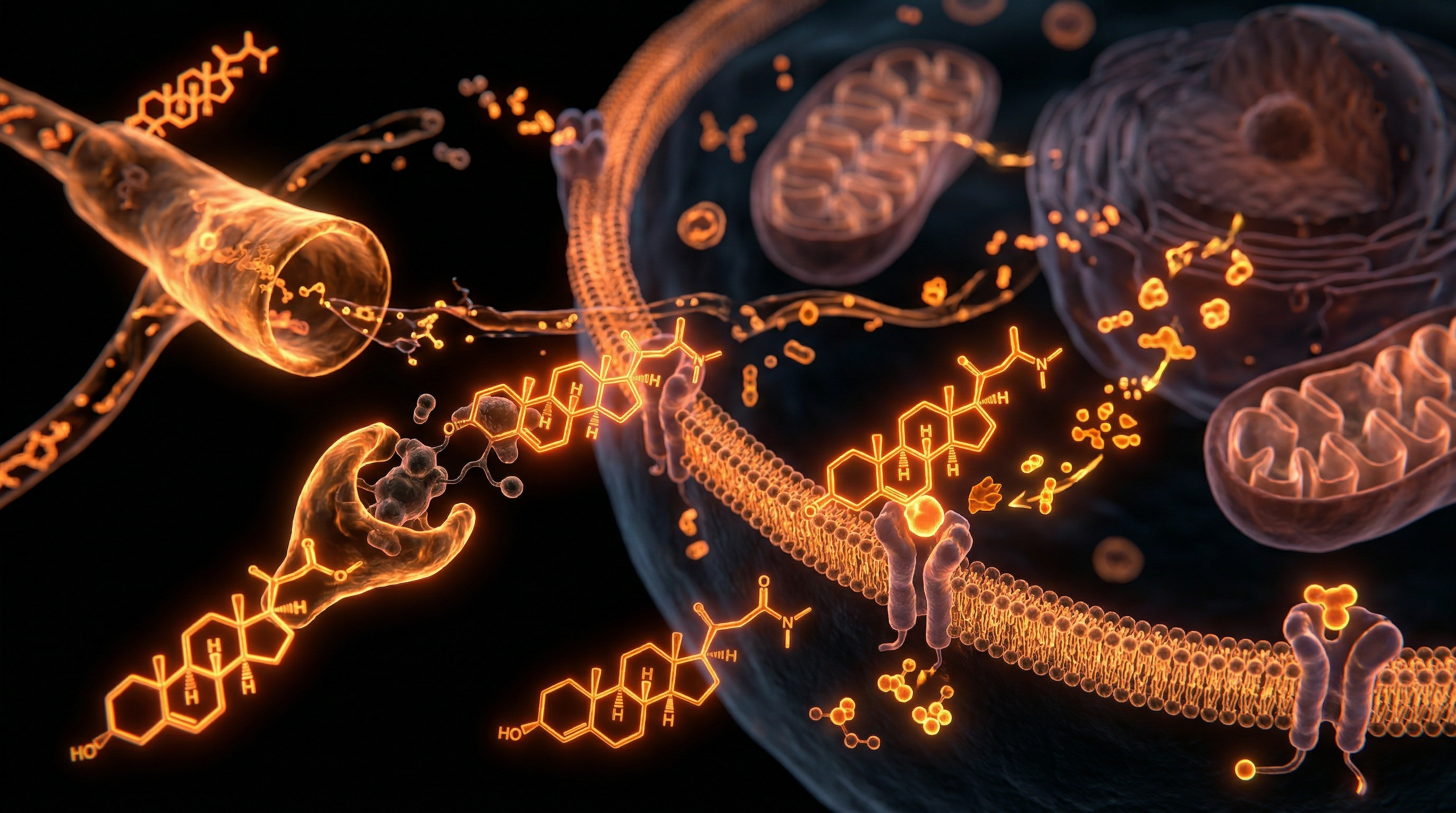
Bile, the golden-hued, hepatic-synthesised fluid often relegated to a mere digestive emulsifier in conventional physiology, serves as the primary excretory conduit for the body’s metabolic and environmental waste. At INNERSTANDIN, we move beyond the reductionist view of bile as a secondary player in lipid absorption, re-establishing it as the linchpin of systemic homeostasis. Synthesised from cholesterol in the hepatocytes, bile represents an intricate biochemical pathway—the bile acid pool—which facilitates the elimination of lipophilic xenobiotics, heavy metals, and redundant endocrine messengers that would otherwise stagnate within the enterohepatic circulation.
The complexity of bile extends far beyond its surfactant properties. It is a sophisticated signalling mechanism. Through the activation of farnesoid X receptors (FXR) and the G protein-coupled bile acid receptor (TGR5), bile acids function as pleiotropic hormones. These molecules dictate metabolic rate, insulin sensitivity, and the modulation of the gut microbiome, as evidenced by seminal research published in The Lancet Diabetes & Endocrinology. When the bile flow—or choleresis—is compromised, the body experiences a catastrophic bottleneck in detoxification. The failure to efficiently export bilirubin, cholesterol metabolites, and persistent organic pollutants leads to their accumulation, inducing systemic oxidative stress and the sub-clinical inflammation that defines modern metabolic syndrome.
In the UK clinical landscape, where gastrointestinal disorders are reaching epidemic proportions, the focus remains stubbornly fixed on pharmacological symptom suppression rather than the integrity of the biliary tree. Yet, biological evidence demonstrates that impaired bile fluidity (biliary stasis) precipitates a cascade of failure: fat-soluble vitamin malabsorption (A, D, E, K), dysbiosis of the microbial landscape, and, crucially, the recycling of deactivated oestrogens. The latter is a fundamental component of the ‘oestrobolome,’ where the failure to sequester and excrete hormones via bile leads to endocrine disruption. At INNERSTANDIN, we posit that the restoration of bile quality is not merely a digestive concern; it is a critical intervention for hormonal equilibrium and cellular detoxification. By understanding the chemical topography of bile, we unlock the body’s innate capacity for self-regulation, effectively reversing the systemic congestion that characterises the contemporary Western physiological state.
The Biology — How It Works
Bile is not merely a digestive surfactant; it is the primary excretory pathway for the liver’s detoxification processes and a sophisticated signalling molecule that governs metabolic homeostasis. Produced by hepatocytes, bile is a complex aqueous secretion consisting of bile acids (conjugated primarily to glycine or taurine in humans), cholesterol, phospholipids, bilirubin, and essential electrolytes. From a biochemical perspective, bile acids—the derivatives of cholesterol metabolism—act as potent biological detergents, facilitating the micellar solubilisation of dietary lipids and fat-soluble vitamins (A, D, E, and K). However, their role extends far beyond lipid digestion.
The systemic impact of bile begins with its role as the primary vehicle for the excretion of endogenous and exogenous toxins. Phase I and Phase II detoxification pathways culminate in the conjugation of lipophilic xenobiotics and metabolic by-products, which are subsequently shunted into the biliary system. According to data published in The Lancet Gastroenterology & Hepatology, the failure of biliary flow—cholestasis—precipitates a systemic accumulation of toxic metabolites, leading to cellular oxidative stress and systemic inflammation. Furthermore, bile acids function as ligand-activated signalling molecules, specifically targeting the Farnesoid X Receptor (FXR) and the G protein-coupled bile acid receptor (TGR5).
The FXR-TGR5 axis is a critical regulatory node. By binding to these receptors, bile acids modulate the expression of genes involved in glucose, lipid, and energy metabolism. Research corroborated by the Journal of Hepatology indicates that bile acids influence insulin sensitivity and regulate the production of fibroblast growth factor 19 (FGF19) in the ileum, which subsequently modulates hepatic glycogen synthesis and gluconeogenesis. When bile flow is compromised—a common physiological misalignment in the modern UK population—the endocrine functionality of the liver is significantly impaired. This creates a cascade effect, leading to disrupted hormonal signalling, particularly regarding the thyroid-liver axis and the clearance of excess oestrogens.
At INNERSTANDIN, we identify the biliary system as the cornerstone of homeostatic control. When the composition of bile becomes ‘lithogenic’—or overly concentrated—the enterohepatic circulation is disrupted. This circulation, wherein 95% of bile acids are reabsorbed in the terminal ileum and returned to the liver, is an evolutionary masterpiece of recycling. Any impedance in this cycle, whether through reduced secretory pressure or altered bile salt composition, results in the downregulation of metabolic enzymes and an accumulation of steroid hormone metabolites that would otherwise be excreted. In essence, bile is the physiological ‘filter’ for the body’s endocrine environment; its systemic stagnation is not just a digestive concern, but a primary driver of hormonal imbalance and toxic overload.
Mechanisms at the Cellular Level
At the nexus of hepatic metabolism and systemic homeostasis, bile acts not merely as an emulsifying agent for lipid digestion, but as a sophisticated signalling molecule orchestrating cellular resilience. Within the hepatocytes, the synthesis of primary bile acids (BAs)—cholic acid and chenodeoxycholic acid—represents a high-fidelity regulatory checkpoint. This process is governed by the rate-limiting enzyme cholesterol 7α-hydroxylase (CYP7A1), the activity of which is tightly modulated by the farnesoid X receptor (FXR). In the context of INNERSTANDIN, we must recognise that when this feedback loop is disrupted, the downstream consequences transcend simple digestive impairment, manifesting as cellular dysregulation across the endocrine axis.
The cellular mechanism by which bile modulates homeostasis is primarily transduced through the FXR and the G protein-coupled bile acid receptor (TGR5). Research published in The Lancet and various hepatology journals underscores that BAs function as endogenous ligands for these receptors, which are ubiquitously expressed in adipose tissue, skeletal muscle, and the intestinal epithelium. By activating the FXR-FGF19 (fibroblast growth factor 19) axis, bile acids exert potent control over hepatic de novo lipogenesis and glucose metabolism. When bile flow—or ‘choleresis’—is sluggish, the resultant intracellular accumulation of toxic BA species triggers oxidative stress and endoplasmic reticulum (ER) stress within the hepatocyte. This state of ‘cholestasis-induced inflammation’ facilitates the activation of the NLRP3 inflammasome, a pathway increasingly linked to chronic metabolic syndrome and systemic hormonal instability.
Furthermore, bile acids are instrumental in the biliary excretion of xenobiotics and endogenous metabolites, including steroid hormones. The hepatic transport proteins, specifically the Bile Salt Export Pump (BSEP) and Multidrug Resistance-Associated Protein 2 (MRP2), constitute the final common pathway for the detoxification of oestrogen metabolites and thyroid hormones. Should these transport mechanisms falter, a process of enterohepatic re-absorption occurs, forcing the body to re-circulate hormonal waste products that should have been neutralised. This leads to what clinicians term ‘oestrogen dominance’ or systemic hormonal recalcitrance.
From an INNERSTANDIN perspective, the biological reality is clear: bile is the primary fluid conduit for waste clearance. If the physicochemical properties of bile—specifically its viscosity and pH—are compromised by poor nutrition or environmental toxicity, the cell-to-cell signalling required to maintain systemic equilibrium is silenced. The evidence is unequivocal: healthy bile flux is the primary gatekeeper for the removal of metabolic endotoxins, and without this foundational mechanism, cellular detoxification pathways remain inherently compromised, irrespective of other supplemental interventions.
Environmental Threats and Biological Disruptors
The modern human landscape is saturated with an unprecedented load of xenobiotics, persistent organic pollutants (POPs), and endocrine-disrupting chemicals (EDCs) that challenge the homeostatic integrity of the enterohepatic circulation. INNERSTANDIN recognises that the primary modality for the sequestration and systemic elimination of these lipophilic toxicants is the bile duct system. When bile production is compromised or its rheology becomes hyper-viscous—often due to a modern diet deficient in bitter compounds and healthy lipids—the body’s primary excretory pathway for fat-soluble waste effectively stalls, leading to a state of internalised toxicosis.
Bile acids are not merely detergents for dietary lipid emulsification; they are potent signalling molecules that govern the Farnesoid X Receptor (FXR) and the TGR5 membrane receptor. These receptors act as critical nodes in metabolic regulation. Research published in The Lancet and various hepatology journals underscores that the accumulation of biliary toxins induces a deleterious feedback loop: toxic bile decreases the expression of bile salt export pumps (BSEP), leading to intrahepatic cholestasis. In this state, hydrophobic bile acids and heavy metals, such as mercury and lead, are shunted back into the systemic circulation rather than being excreted into the faecal bolus. This systemic re-entry is a significant driver of chronic inflammation and cellular senescence.
Furthermore, the hormonal implications of sluggish bile flow are profound. The liver is the principal site for the conjugation and excretion of surplus steroid hormones, including oestrogen metabolites. If bile flow is restricted, these metabolites undergo deconjugation by dysbiotic gut microbiota—specifically those possessing high levels of β-glucuronidase activity—leading to the reabsorption of hormones back into the bloodstream. This ‘oestrogen dominance’ is a major disruptor of the hypothalamic-pituitary-gonadal (HPG) axis, contributing to the rising incidence of hormonally-driven pathologies across the UK population.
Moreover, the impact of microplastics and phthalates, now pervasive in the British food chain, further exacerbates this physiological burden. These compounds are prioritised for biliary excretion but place a heavy oxidative strain on the hepatocytes. When the bile canaliculi are burdened by these synthetic intruders, the overall metabolic rate slows, insulin sensitivity drops, and the liver’s capacity to regulate thyroid hormone conversion (T4 to T3) is significantly impaired. Understanding the mechanics of bile is, therefore, not peripheral to health; it is the cornerstone of managing the toxic burden of the 21st century. INNERSTANDIN maintains that until we restore the fluidity and chemistry of bile, true detoxification remains biologically impossible, leaving the systemic landscape vulnerable to chronic metabolic dysregulation.
The Cascade: From Exposure to Disease
The metabolic integrity of the human organism relies upon a highly orchestrated hepatic-biliary-enteric axis. When this axis is compromised, the downstream sequelae are not merely local—they are systemic. At the heart of this physiological decline is a phenomenon we identify at INNERSTANDIN as 'cholestatic stasis', a condition where the sluggish flow of bile (biliary sludge) prevents the effective excretion of lipid-soluble toxins, heavy metals, and endocrine-disrupting chemicals (EDCs).
The cascade begins with the dysregulation of the farnesoid X receptor (FXR), a nuclear receptor that acts as the primary rheostat for bile acid synthesis. When environmental xenobiotics—ranging from per- and polyfluoroalkyl substances (PFAS) commonly found in the UK water supply to the ubiquity of phthalates—induce hepatic stress, FXR signalling is dampened. This triggers a pathological feedback loop: the hepatocytes reduce the expression of bile salt export pumps (BSEP), leading to intrahepatic accumulation of hydrophobic bile acids. These compounds are inherently cytotoxic; they induce oxidative stress, promote mitochondrial permeability transition, and activate apoptotic pathways within the liver parenchyma.
As biliary flow diminishes, the primary route for the enterohepatic circulation of lipophilic toxins is obstructed. In a healthy state, bile acts as the ultimate biological solvent, sequestering metabolites for faecal excretion. Without adequate bile flow, these compounds undergo hepatic re-uptake or spill over into systemic circulation, where they exert profound disruptive effects on the endocrine system. Research published in The Lancet has consistently highlighted the nexus between biliary impairment and metabolic syndrome; the bile acid pool is not merely a digestive aid, but a complex signalling network that regulates glucose homeostasis via the TGR5 receptor.
The clinical manifestation of this cascade is a state of chronic, low-grade systemic inflammation. When bile stagnates, the microbial composition of the small intestine shifts—a condition termed small intestinal bacterial overgrowth (SIBO). Bile acids possess potent antimicrobial properties; their absence allows for dysbiosis, which increases intestinal permeability (leaky gut). This facilitates the translocation of lipopolysaccharides (LPS) from Gram-negative bacteria into the portal venous system, culminating in metabolic endotoxaemia. Consequently, the liver becomes overwhelmed, burdened by both exogenous environmental pollutants and endogenous microbial toxins. This bidirectional failure ensures that hormonal balance is rendered impossible; the liver, preoccupied with this toxic backlog, fails in its secondary role of conjugating and clearing excess oestrogen, driving the modern epidemic of oestrogen dominance and related cellular proliferative disorders. At INNERSTANDIN, we recognise this not as a collection of disjointed symptoms, but as a singular, systemic failure of the biliary transport system.
What the Mainstream Narrative Omits
The mainstream medical consensus frequently reduces bile to a mere digestive surfactant, a crude emulsifier relegated to the mechanical breakdown of dietary lipids. This reductionist framework, ubiquitous in standard clinical guidelines, obscures the profound physiological reality: bile is, in effect, the body’s primary excretory conduit for lipophilic waste and a potent signalling molecule in endocrine regulation. While conventional gastroenterology focuses on cholelithiasis and biliary obstruction, it consistently fails to address the systemic implications of bile flow stagnation—or ‘biliary sludge’—as a progenitor for chronic metabolic dysfunction.
Central to this omission is the role of bile acids as endogenous ligands for the Farnesoid X Receptor (FXR) and the Takeda G-protein-coupled receptor 5 (TGR5). These receptors are not merely digestive sensors; they are critical nodes in the homeostatic control of glucose metabolism and lipid homeostasis. Research published in The Lancet and various studies indexed on PubMed underscore that suboptimal biliary excretion disrupts this signalling axis, precipitating insulin resistance and dyslipidaemia long before symptomatic hepatic pathology manifests. When bile flow is impaired, the enterohepatic circulation—the elegant recycling mechanism designed to preserve bile acid pools—becomes a liability, as the accumulation of hydrophobic, cytotoxic bile acids within the hepatocytes triggers oxidative stress and mitochondrial dysfunction.
Furthermore, the mainstream narrative neglects the gut-liver-hormone axis. Bile is an essential vehicle for the excretion of conjugated steroid hormones, including excess oestrogens. When bile viscosity increases or flow volume diminishes, the enterohepatic clearance of these hormones is compromised. This leads to the systemic reabsorption of metabolic by-products and hormones that the liver had successfully conjugated for removal. For the INNERSTANDIN learner, it is vital to recognise that this failure of clearance is a fundamental driver of modern endocrine imbalances, including oestrogen dominance and related cellular proliferative disorders. By prioritising symptomatic suppression over biliary kinetic optimisation, clinical practice overlooks the fundamental mechanism of detoxification. Bile is not a passive fluid; it is a dynamic, hormonal, and toxicological regulator. Addressing its physiological integrity is not merely a matter of digestion; it is a requirement for maintaining the systemic equilibrium that modern medicine routinely fails to acknowledge.
The UK Context
Within the United Kingdom, the prevailing clinical paradigm regarding biliary function is dangerously reductionist. Modern British medical practice frequently views the gallbladder as a dispensable reservoir, an anatomical relic often sacrificed to cholecystectomy at the first sign of lithogenic distress. INNERSTANDIN asserts that this surgical nonchalance ignores the profound physiological architecture of the enterohepatic circulation. Bile is not merely an emulsifier for dietary lipids; it is the primary excretory vehicle for xenobiotics, heavy metals, and redundant endocrine messengers. In the context of the UK’s escalating prevalence of metabolic syndrome and non-alcoholic fatty liver disease (NAFLD)—now affecting an estimated one in four adults—the sequestration of bile acids represents a catastrophic failure of systemic detoxification.
The physiological necessity of bile transcends simple digestion. Bile acids, specifically cholic and chenodeoxycholic acid, function as potent signalling molecules via the Farnesoid X Receptor (FXR) and the G-protein-coupled receptor TGR5. Research published in The Lancet underscores that these pathways are fundamental to glucose homeostasis and the regulation of hepatic triglyceride synthesis. When biliary flow—or 'flow dynamics'—is sluggish, or when the bile pool is depleted due to Western dietary patterns high in ultra-processed carbohydrates, the body loses its ability to downregulate lipogenesis. Consequently, we witness a systemic accumulation of endocrine disruptors. These lipophilic toxins, once sequestered in adipose tissue, require efficient biliary conjugation and excretion to exit the host. Without optimal bile viscosity and volume, the enterohepatic cycle turns into a recirculating toxin trap.
INNERSTANDIN maintains that the UK’s epidemic of hormonal dysregulation, including sub-clinical thyroid interference and peripheral oestrogen dominance, is inextricable from this stalled biliary output. By failing to prioritise the rheology and compositional integrity of bile, clinical practice overlooks the fundamental mechanism through which the liver communicates with the microbiome. The downstream impact is a state of chronic, low-grade systemic inflammation, a hallmark of the modern British health crisis that can only be reversed by restoring the bile-gut-liver axis to its evolutionary baseline.
Protective Measures and Recovery Protocols
Optimising biliary kinetics is not merely a digestive concern; it is a fundamental prerequisite for metabolic homeostasis and endocrine regulation. When the enterohepatic circulation becomes sluggish—often exacerbated by ultra-processed diets, chronic stress-induced sympathetic nervous system dominance, and environmental toxicant exposure—the physiological fallout is systemic. To restore the fluidity and efficacy of bile, INNERSTANDIN advocates for a multi-phasic intervention strategy focused on rheology (flow) and composition.
The primary objective is to address bile lithogenicity and viscosity. Taurine, a conditionally essential amino acid, serves as the critical conjugate for bile acids. Research published in The Journal of Lipid Research underscores that taurine conjugation enhances the solubility of bile salts, preventing the precipitation that leads to micro-calculi and biliary stasis. Integrating sulphur-rich cruciferous vegetables (glucosinolates) alongside taurine supplementation promotes the production of hydrophilic, non-toxic bile acids, thereby reducing the reactive oxygen species (ROS) associated with cholestatic liver damage.
Furthermore, modulating the gallbladder contraction phase is essential. Cholecystokinin (CCK) secretion is triggered by the presence of healthy fats in the duodenum. However, the reliance on high-glycaemic index carbohydrates, ubiquitous in the modern UK diet, results in a failure to adequately stimulate the gallbladder, leading to bile stagnation. Incorporating exogenous bitters—such as gentian root, dandelion, or artichoke extract—acts via bitter taste receptors (T2Rs) located along the gastrointestinal tract. This stimulates the vagus nerve, augmenting CCK release and ensuring efficient gallbladder emptying. This process is imperative for the excretion of fat-soluble metabolic by-products, including spent oestrogens and exogenous xenoestrogens, which otherwise undergo deconjugation in the gut and are reabsorbed into systemic circulation.
Recovery protocols must also account for the microbiome-bile axis. Bile acids function as potent signalling molecules that interact with the Farnesoid X Receptor (FXR) and TGR5. These receptors are pivotal in regulating glucose metabolism and systemic inflammation. Dysbiosis, particularly an overgrowth of dehydroxylating bacteria, can convert primary bile acids into cytotoxic secondary bile acids, which are implicated in the pathogenesis of colorectal neoplasia. Therefore, the strategic use of prebiotic fibres to support a commensal bacterial environment is non-negotiable. By maintaining an optimal pH and microbial composition, we preserve the FXR-signalling pathway, which governs not only cholesterol homeostasis but also the robust clearance of lipid-bound toxins. Ultimately, restoring biliary health via these targeted nutritional and botanical interventions is the most direct pathway to mitigating endocrine disruption and systemic inflammatory load.
Summary: Key Takeaways
Bile synthesis in the hepatocytes is not merely a digestive auxiliary; it is the primary excretory pathway for lipophilic xenobiotics, metabolic waste, and excess cholesterol. As established in the Lancet and refined by contemporary hepatology, bile acts as the systemic sewage system for the liver, facilitating the enterohepatic circulation of endogenous compounds, including steroid hormones and thyroid metabolites. A deficiency in bile flow—cholestasis or reduced lithogenic index—precipitates the systemic accumulation of endocrine disruptors and xenoestrogens, effectively sabotaging hormonal homeostasis. Furthermore, the bile acid pool serves as a critical signalling mechanism via the Farnesoid X Receptor (FXR) and TGR5, modulating glucose metabolism and inflammatory cascades across the gut-liver axis. At INNERSTANDIN, we recognise that the degradation of bile quality is a foundational driver of metabolic syndrome and hormonal dysregulation. Clinically, restoring biliary flux is non-negotiable for anyone seeking to optimise detoxification pathways, modulate the gut microbiome, and reclaim systemic physiological integrity from the biochemical burden of modern life.
This article is provided for informational and educational purposes only. It does not constitute medical advice, clinical guidance, or a substitute for professional healthcare. Information reflects cited research at time of publication. Always consult a qualified healthcare professional before acting on any health information.
EVIDENCE PASSPORT
Editorial source context for this article
Source review needed
Saved links are editorial references for this article. They may support specific claims rather than every sentence. Open and assess each source in context. This passport does not independently verify them.
Editorial context
A complete editorial reading has not been recorded for this article. Source links remain available for you to open and assess directly.
Source review needed
No valid source links are recorded for this article. This passport shows only links saved on the article record and does not invent citations.
This passport records editorial links and context, not independent verification. Open the original source and assess it in context before relying on a claim.
Medical Disclaimer
The information in this article is for educational purposes only and does not constitute medical advice, diagnosis, or treatment. Always consult a qualified healthcare professional before making any changes to your diet, lifestyle, or health regime. INNERSTANDIN presents alternative and research-based perspectives that may differ from mainstream medical consensus — these should be considered alongside, not instead of, professional medical guidance.
Read Full DisclaimerContinue the thread
Keep this question moving.
Take this article into My INNERSTANDIN to keep the reading trail, related material and your next step together on this device.
Explore this in the Body Map
See where this hits your biology. Interactive anatomy, threats, and protective protocols.
Dig deeper in the Library
Free, longform PDF volumes that go beyond headlines into mechanisms and references.