
Lipid Peroxidation and the Role of Glutathione Peroxidase 4 (GPX4) in Ferroptotic Root-Cause Disease
An in-depth exploration of ferroptosis, a regulated form of cell death driven by iron-dependent lipid peroxidation, and the critical protective role of the GPX4 enzyme in preventing systemic degeneration and chronic disease.
# Understanding Ferroptosis: The Iron-Dependent Path to Cellular Failure. For decades, the scientific community primarily focused on apoptosis as the programmed mechanism of cell death. However, in 2012, researchers identified a distinct, regulated form of cell death known as ferroptosis. At INNERSTANDING, we focus on the root causes of systemic dysfunction, and ferroptosis represents a fundamental breakdown in cellular homeostasis. Unlike apoptosis, which is characterized by caspase activation and cellular shrinkage, ferroptosis is driven by the lethal accumulation of iron-dependent lipid peroxides.
This process is not merely a biological curiosity; it is a primary driver in the pathogenesis of neurodegenerative diseases, cardiovascular failure, and renal dysfunction. To understand how to protect the body at a cellular level, we must first dissect the relationship between lipid peroxidation, iron metabolism, and the guardian of cellular integrity: Glutathione Peroxidase 4 (GPX4). ## The Mechanics of Lipid Peroxidation. The cellular membrane is composed of a phospholipid bilayer, rich in Polyunsaturated Fatty Acids (PUFAs). While these fats are essential for membrane fluidity and signalling, their chemical structure makes them highly susceptible to oxidation. Lipid peroxidation is a chain reaction process where reactive oxygen species (ROS) 'steal' electrons from the lipids in cell membranes, resulting in cell damage.
This process occurs in three stages: initiation, propagation, and termination. In the context of ferroptosis, the presence of 'labile' or unbound iron acts as a catalyst. Through the Fenton reaction, ferrous iron (Fe2+) reacts with hydrogen peroxide to produce hydroxyl radicals, which are among the most reactive species in biology. These radicals target the carbon-double bonds of PUFAs, creating lipid radicals. These radicals then react with oxygen to form lipid peroxyl radicals, which abstract hydrogen from neighbouring lipids, creating a self-sustaining cycle of destruction.
If left unchecked, this 'peroxidative wave' compromises the structural integrity of the mitochondria and the plasma membrane, leading to catastrophic pore formation and eventual cell rupture. ## GPX4: The Frontline Defender. Evolution has provided the human body with a sophisticated defence system to quench this peroxidative fire. At the heart of this system is Glutathione Peroxidase 4 (GPX4). While there are several enzymes in the GPX family, GPX4 is unique because it is the only one capable of reducing lipid hydroperoxides directly within the complex environment of the phospholipid bilayer. GPX4 acts by converting lethal lipid hydroperoxides into non-toxic lipid alcohols.
To perform this feat, the enzyme requires two critical components: Selenium and Glutathione (GSH). GPX4 is a selenoprotein, meaning it incorporates the trace element selenium into its active site as the amino acid selenocysteine. This makes GPX4 exceptionally efficient at processing peroxides. However, its activity is strictly dependent on the availability of Glutathione, the body's 'master antioxidant.' Without sufficient GSH, GPX4 becomes inactive, leaving the cell's membranes vulnerable to the iron-catalysed destruction of ferroptosis. ## The System Xc- and Glutathione Axis. To understand why GPX4 might fail, we must look further 'upstream' at the metabolic pathways that support it.
Energy Blend Supports
Energy Blend is a comprehensive formula designed to fuel your body at a cellular level, promoting sustained physical stamina and mental clarity without synthetic spikes. It targets fundamental metabolic pathways to ensure your nervous system and hormonal activity remain balanced and resilient.
Vetting Notes
Pending
The primary source of the raw materials for Glutathione synthesis is a membrane transporter called System Xc-. This transporter exchanges extracellular cystine for intracellular glutamate. Once inside the cell, cystine is reduced to cysteine, which is the rate-limiting amino acid for GSH production. From a root-cause perspective, many environmental and dietary factors can inhibit System Xc- or deplete cysteine levels. For example, high levels of extracellular glutamate (often associated with excitotoxicity in the brain) or certain pharmacological agents can block this transporter.
When System Xc- is compromised, GSH levels plummet, GPX4 loses its 'ammunition,' and the threshold for ferroptotic cell death is lowered significantly. This is a primary mechanism behind the neuronal loss observed in conditions like stroke and traumatic brain injury. ## Clinical Implications: From Neurodegeneration to Heart Health. The role of ferroptosis in chronic disease is profound. In neurodegenerative conditions such as Alzheimer’s and Parkinson’s, research has consistently shown an accumulation of iron in specific brain regions alongside depleted GSH levels. This 'perfect storm' of high iron and low antioxidant capacity triggers ferroptotic death in neurons, leading to cognitive and motor decline.
In the cardiovascular system, ferroptosis is a key driver of cardiomyopathy and ischaemia-reperfusion injury. When blood flow is restored to the heart after a period of deprivation, the sudden influx of oxygen and iron-mediated ROS can trigger massive lipid peroxidation, leading to the death of cardiomyocytes and permanent heart damage. Furthermore, in the context of cancer, the relationship with ferroptosis is complex. Many cancer cells, particularly those that are drug-resistant or 'mesenchymal' in nature, become highly dependent on GPX4 for survival. This has opened a new frontier in oncology where 'ferroptosis induction' is being used to selectively kill therapy-resistant tumours. ## Addressing the Root Cause: Nutritional and Environmental Cofactors.
Protecting the body from ferroptosis requires a multi-faceted approach to cellular health. First, we must ensure the adequacy of the building blocks for GPX4 and GSH. Selenium supplementation, particularly in the form of selenomethionine or through selenium-rich foods like Brazil nuts, is essential for the synthesis of GPX4. Cysteine status can be supported through adequate protein intake or targeted precursors like N-Acetyl Cysteine (NAC), which bypasses certain transport limitations. Second, managing the 'labile iron pool' is crucial.
Iron is vital for life, but unbound iron is a liability. Supporting healthy iron sequestration through optimal ferritin levels and avoiding excessive supplementation in the absence of deficiency can reduce the substrate for the Fenton reaction. Finally, the role of Vitamin E (alpha-tocopherol) cannot be overlooked. Vitamin E acts as a radical-trapping antioxidant that can halt the propagation phase of lipid peroxidation, providing a secondary line of defence when the GPX4 system is overwhelmed. ## Conclusion. Ferroptosis reveals that cell death is not just a genetic programme, but a biochemical tipping point.
When the balance between iron-dependent oxidation and GPX4-mediated reduction is lost, the resulting lipid peroxidation can devastate tissues and drive chronic disease. By focusing on the root causes—systemic antioxidant depletion, selenium deficiency, and iron dysregulation—we can support the cellular mechanisms that maintain life and prevent the onset of ferroptotic degeneration.
This article is provided for informational and educational purposes only. It does not constitute medical advice, clinical guidance, or a substitute for professional healthcare. Information reflects cited research at time of publication. Always consult a qualified healthcare professional before acting on any health information.
RESEARCH FOUNDATIONS
Biological Credibility Archive
Citations provided for educational reference. Verify via PubMed or institutional databases.
Medical Disclaimer
The information in this article is for educational purposes only and does not constitute medical advice, diagnosis, or treatment. Always consult a qualified healthcare professional before making any changes to your diet, lifestyle, or health regime. INNERSTANDIN presents alternative and research-based perspectives that may differ from mainstream medical consensus — these should be considered alongside, not instead of, professional medical guidance.
Read Full DisclaimerReady to learn more?
Continue your journey through our classified biological research.
THE ARSENAL
Based on Apoptosis & Cellular Death Mechanisms — products curated by our research team for educational relevance and biological support.
Energy Blend Supports
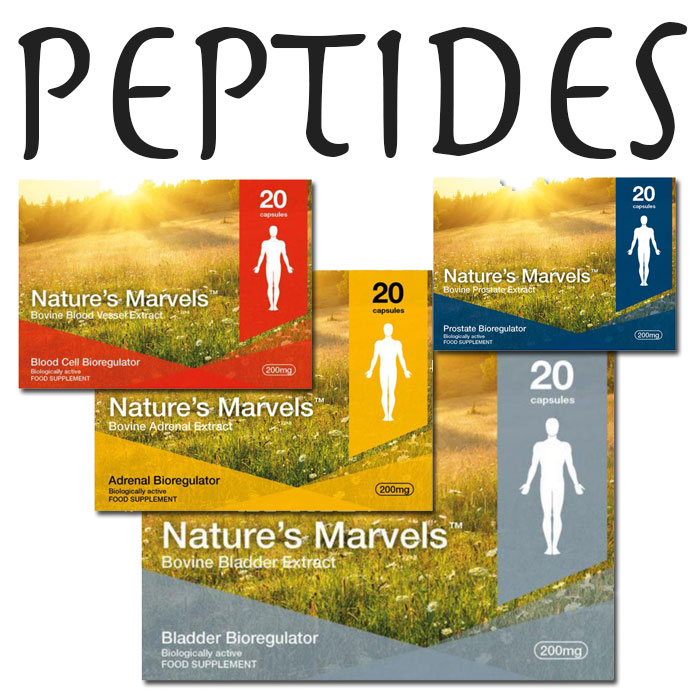
Peptides, one of the secret Russian military health marvels, now available. 40 years research
Clean Slate – Detoxes thousands of chemicals,heavy metals, pesticides, allergens, mold spores and fungus
INNERSTANDING may earn a commission on purchases made through these links. All products are selected based on rigorous educational relevance to our biological research.