All INNERSTANDIN content is for educational purposes only — not medical advice, diagnosis or treatment. Full Disclaimer →

    BACK TO DATABASE
    TAGGED RESEARCH

    #detoxification

    86TRANSMISSIONS FOUND
    L
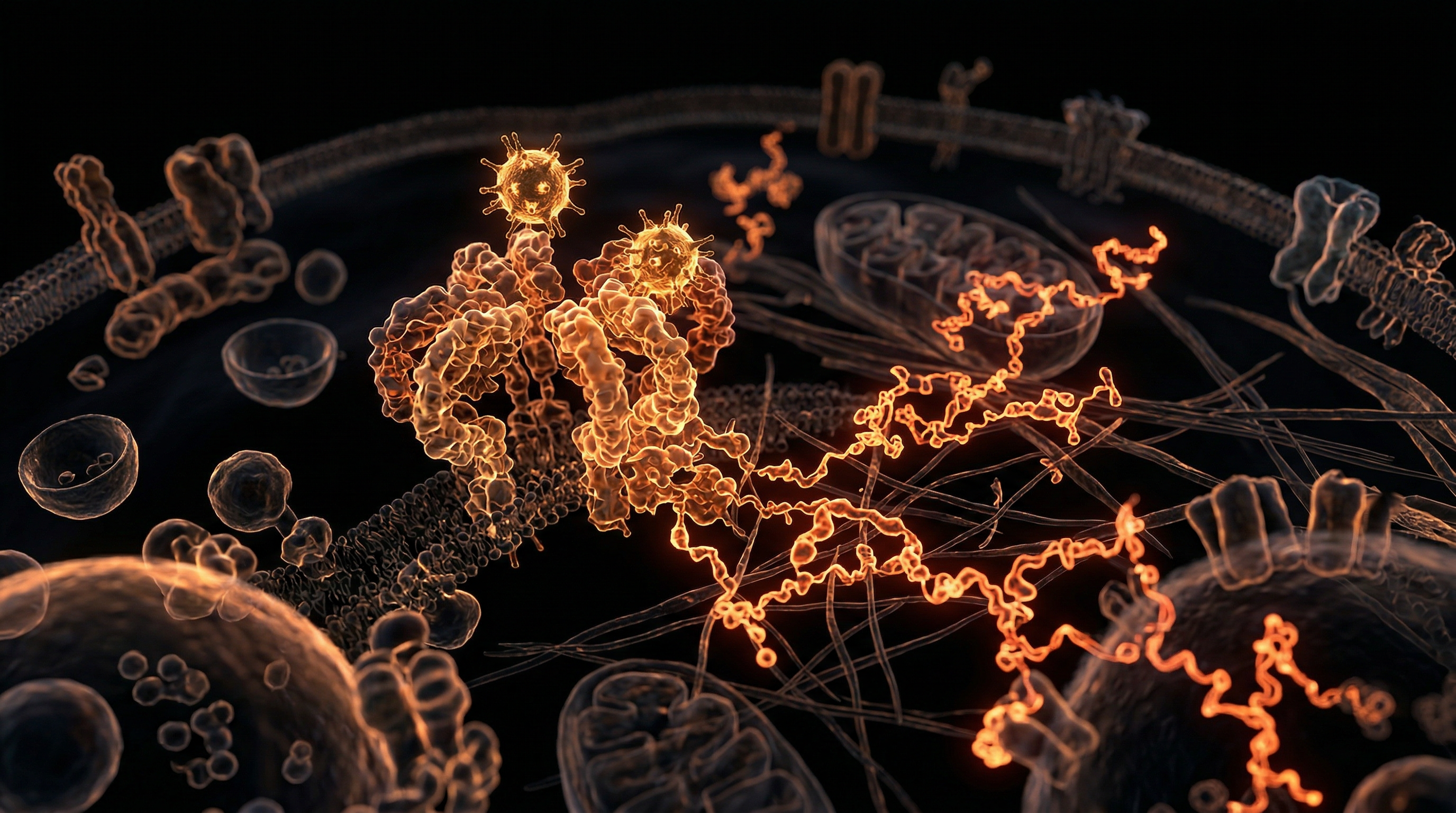
    Scientific illustration for Liver Detoxification: Phase I & Phase II Pathways Explained
    Physiology
    15 MIN READ

    Liver Detoxification: Phase I & Phase II Pathways Explained

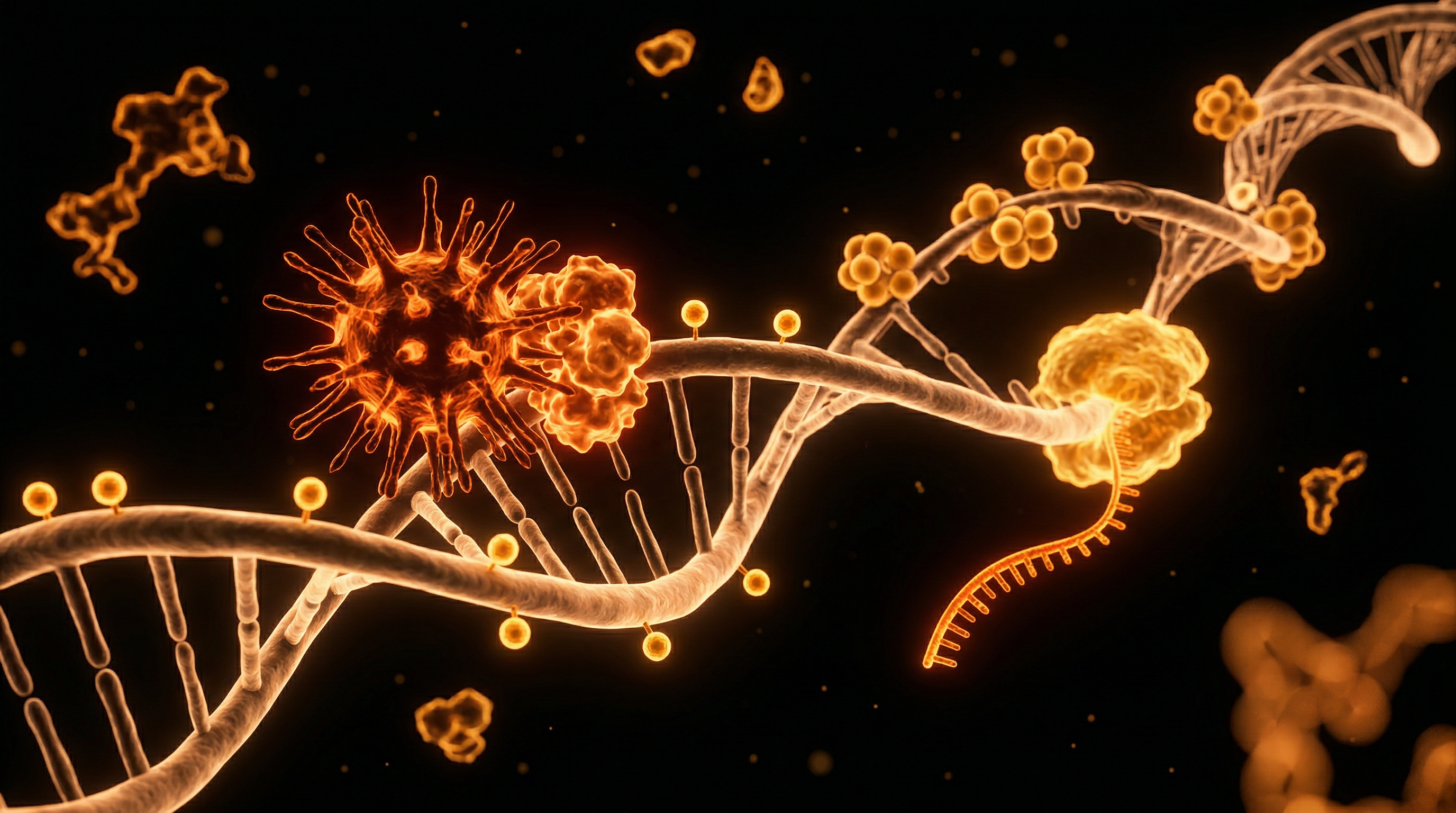
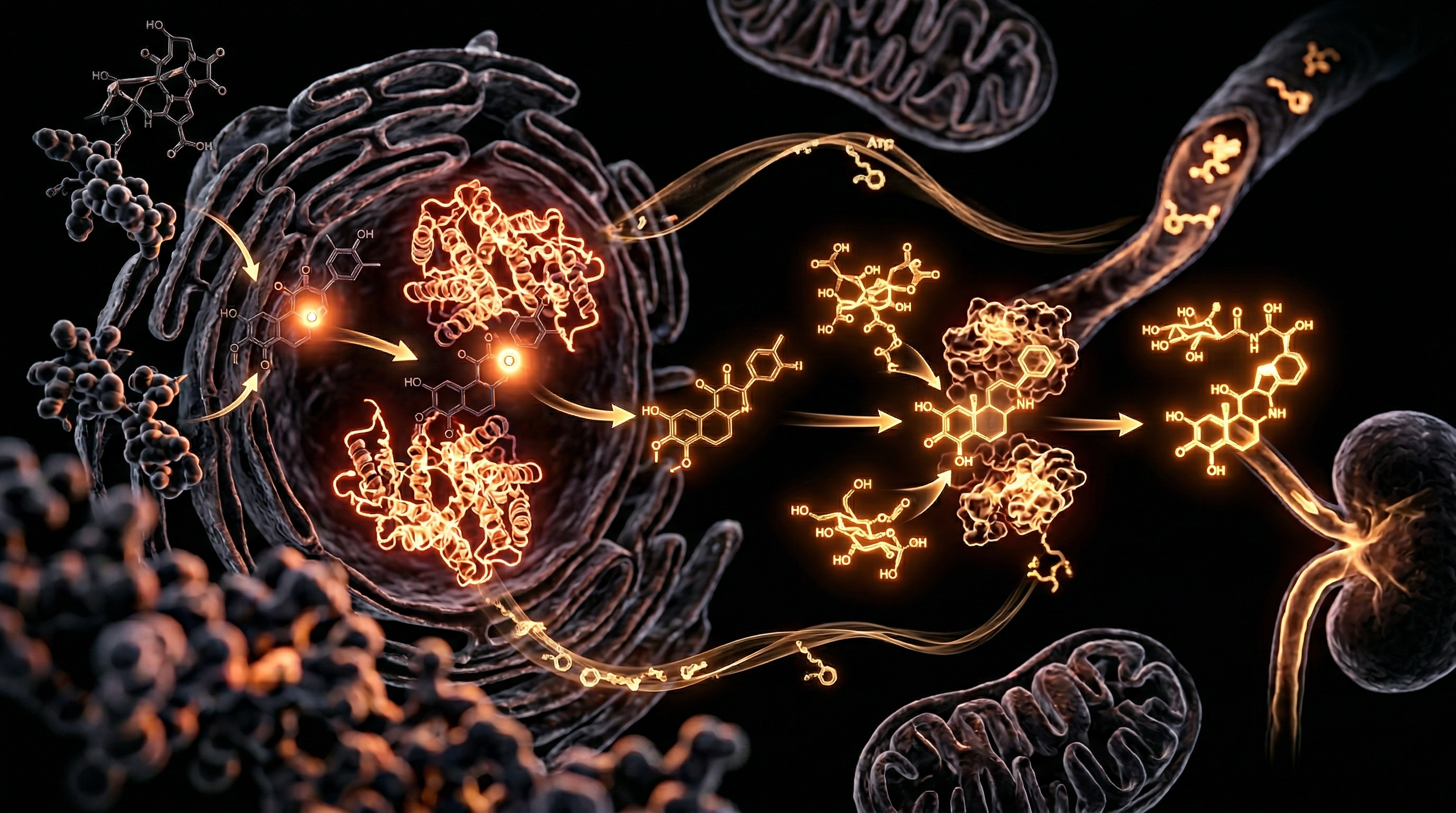
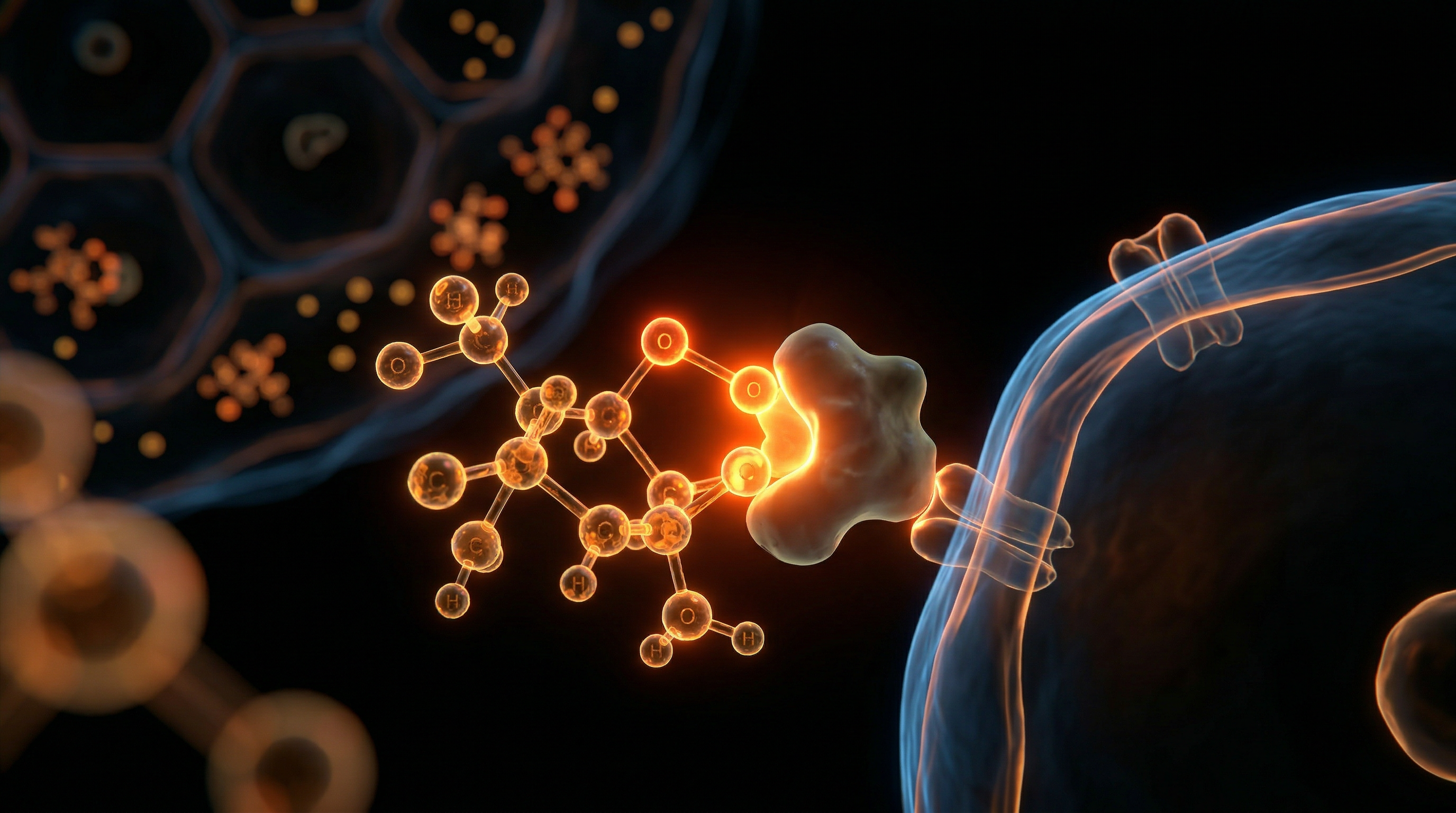
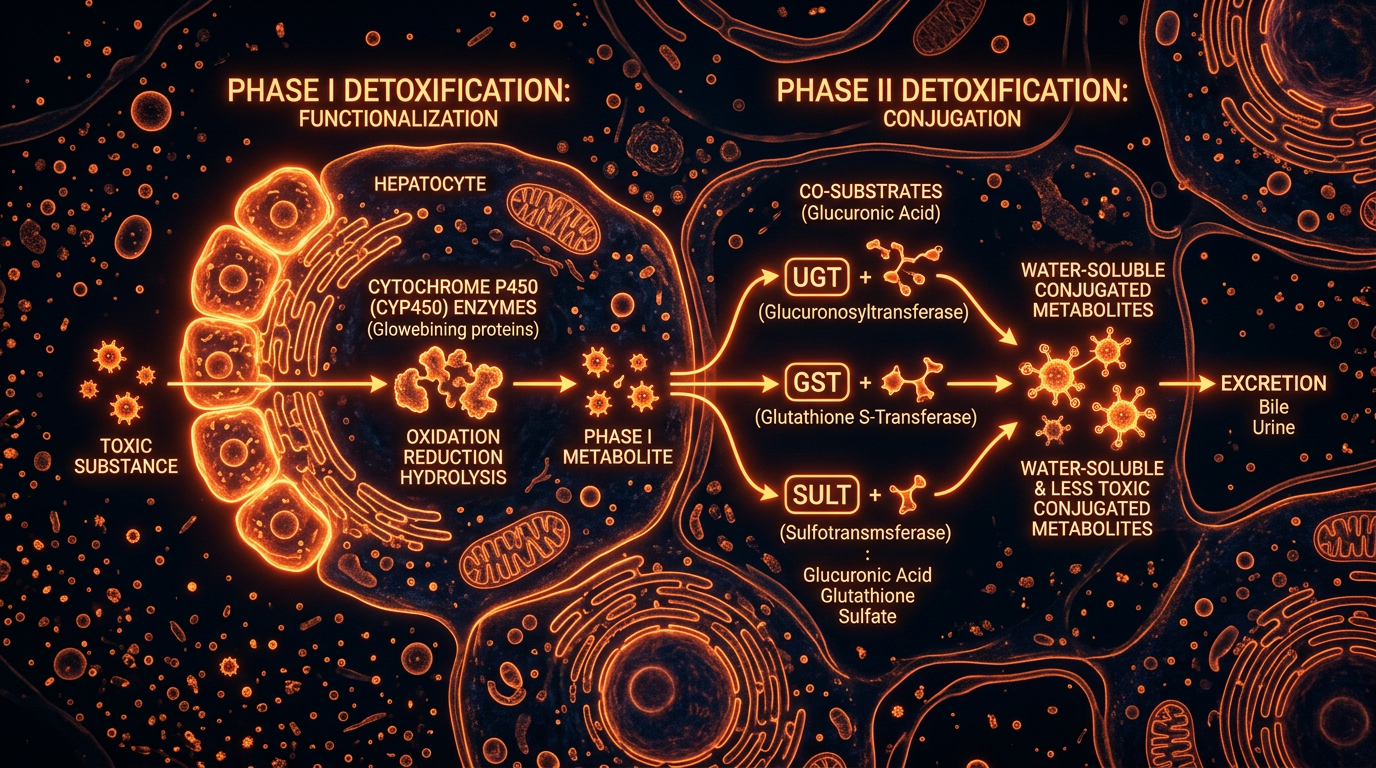
    Hepatic detoxification operates in two sequential phases: Phase I functionalization, mediated by a superfamily of cytochrome P450 enzymes that oxidise, reduce, or hydrolyse toxins into more reactive intermediates; and Phase II conjugation, which attaches glutathione, sulphate, glucuronate, glycine, or methyl groups to these intermediates, rendering them water-soluble for excretion via bile or urine. This elegantly designed system is increasingly overwhelmed by the combined load of pharmaceutical metabolites, industrial xenobiotics, pesticide residues, and heavy metals that characterise modern human toxin exposure, whilst simultaneously being depleted of the nutritional co-factors — glutathione, B vitamins, magnesium, zinc, and sulphur amino acids — required to drive these enzymatic pathways. Optimising liver detoxification capacity is foundational to any genuine approach to chronic disease resolution.

    #liver#detoxification
    X
    Scientific illustration for Xenobiotics & The Liver: What Happens to Industrial Chemicals in Your Body
    Physiology
    14 MIN READ

    Xenobiotics & The Liver: What Happens to Industrial Chemicals in Your Body

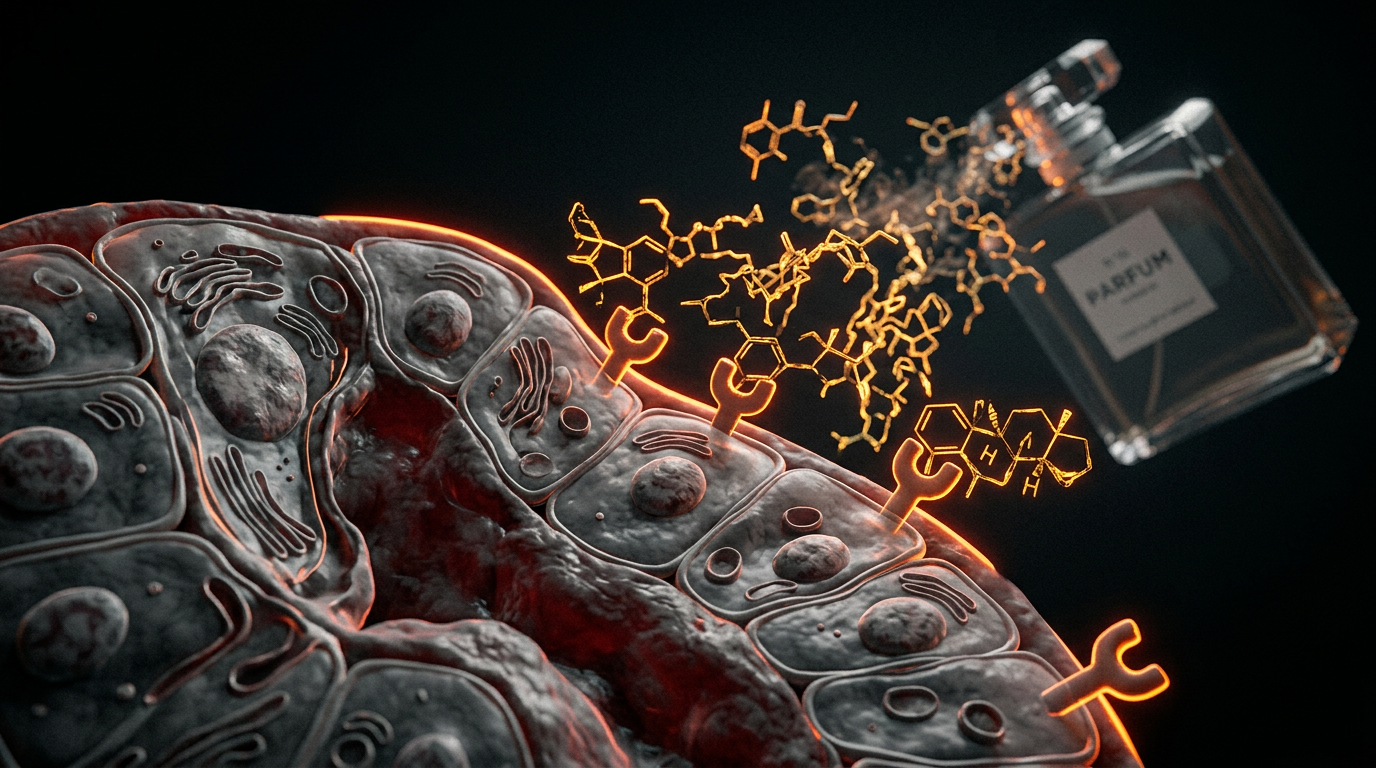
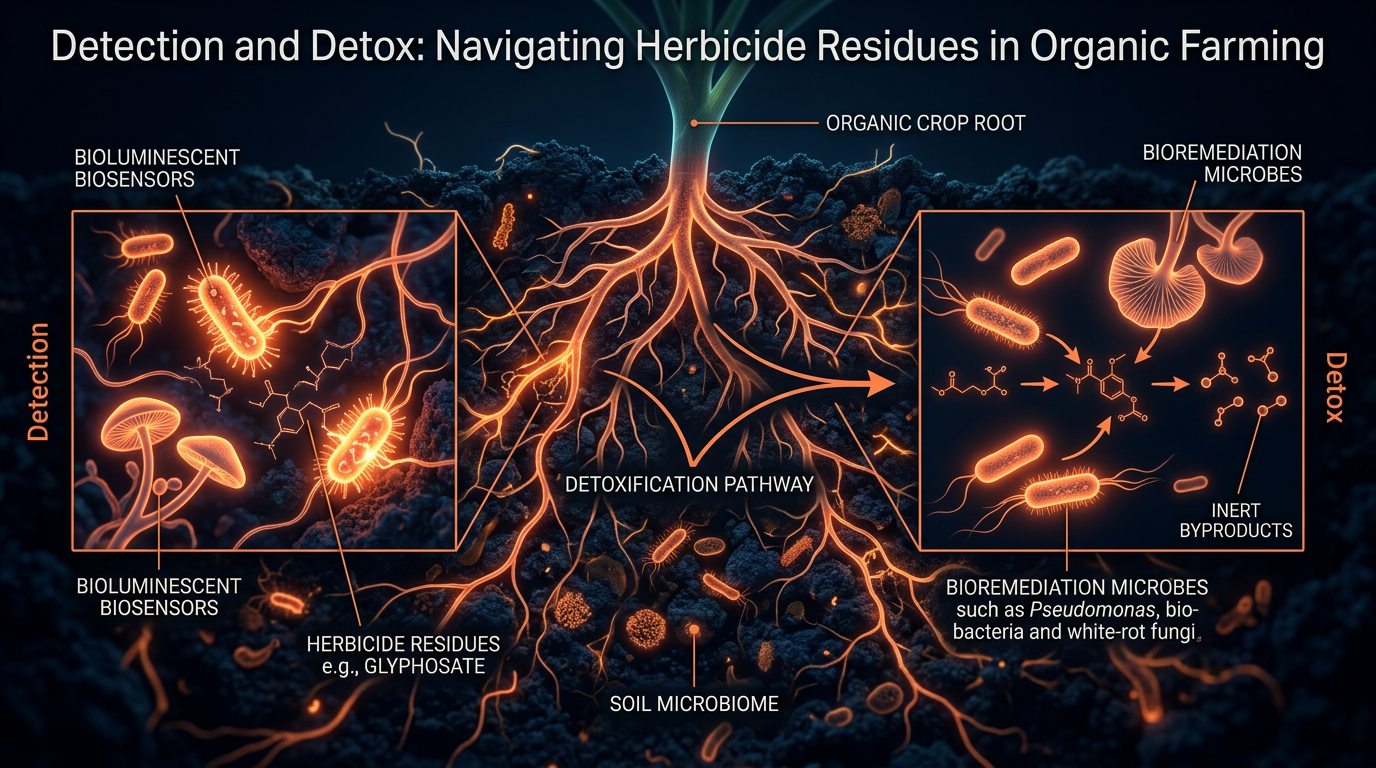
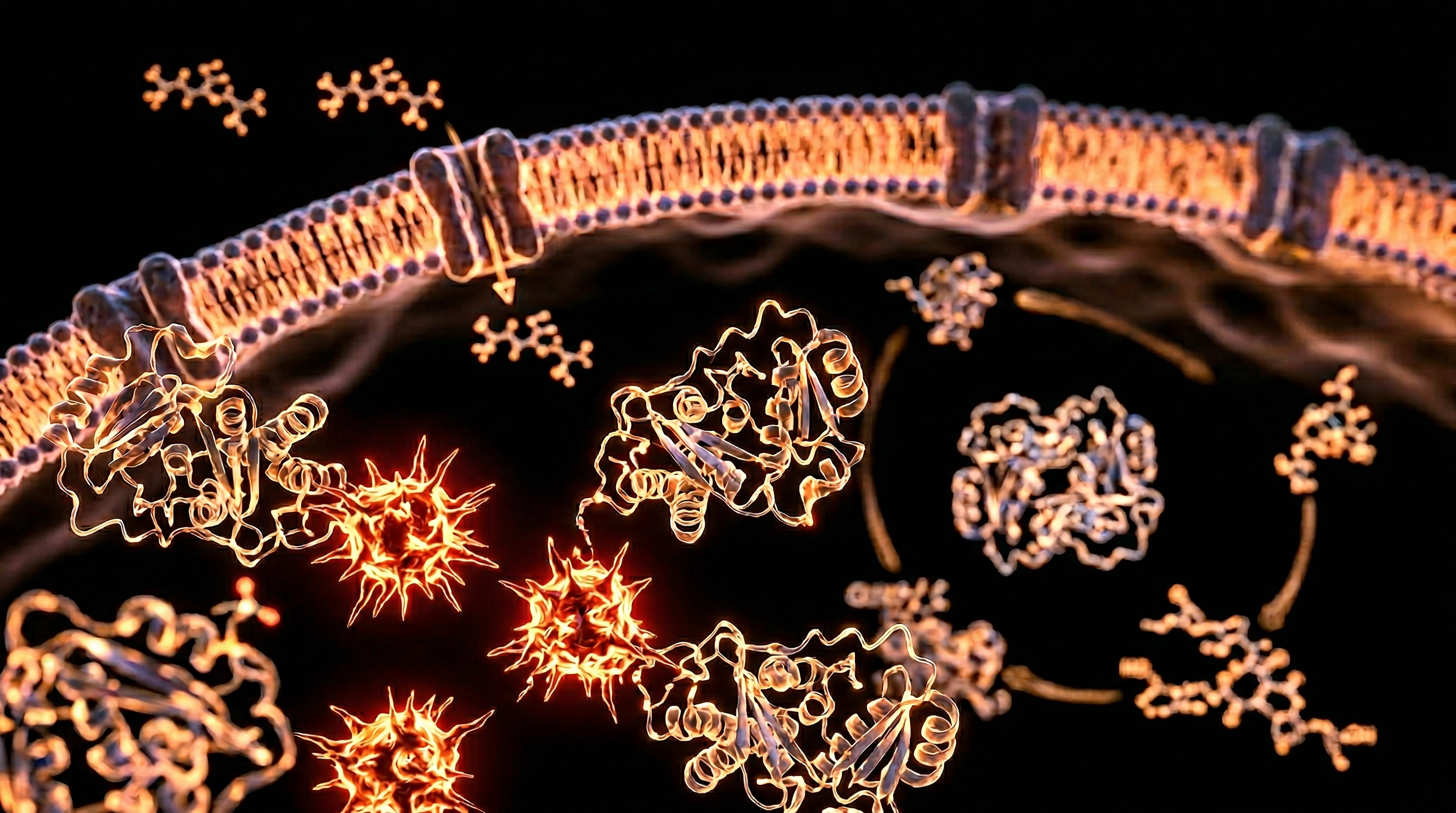
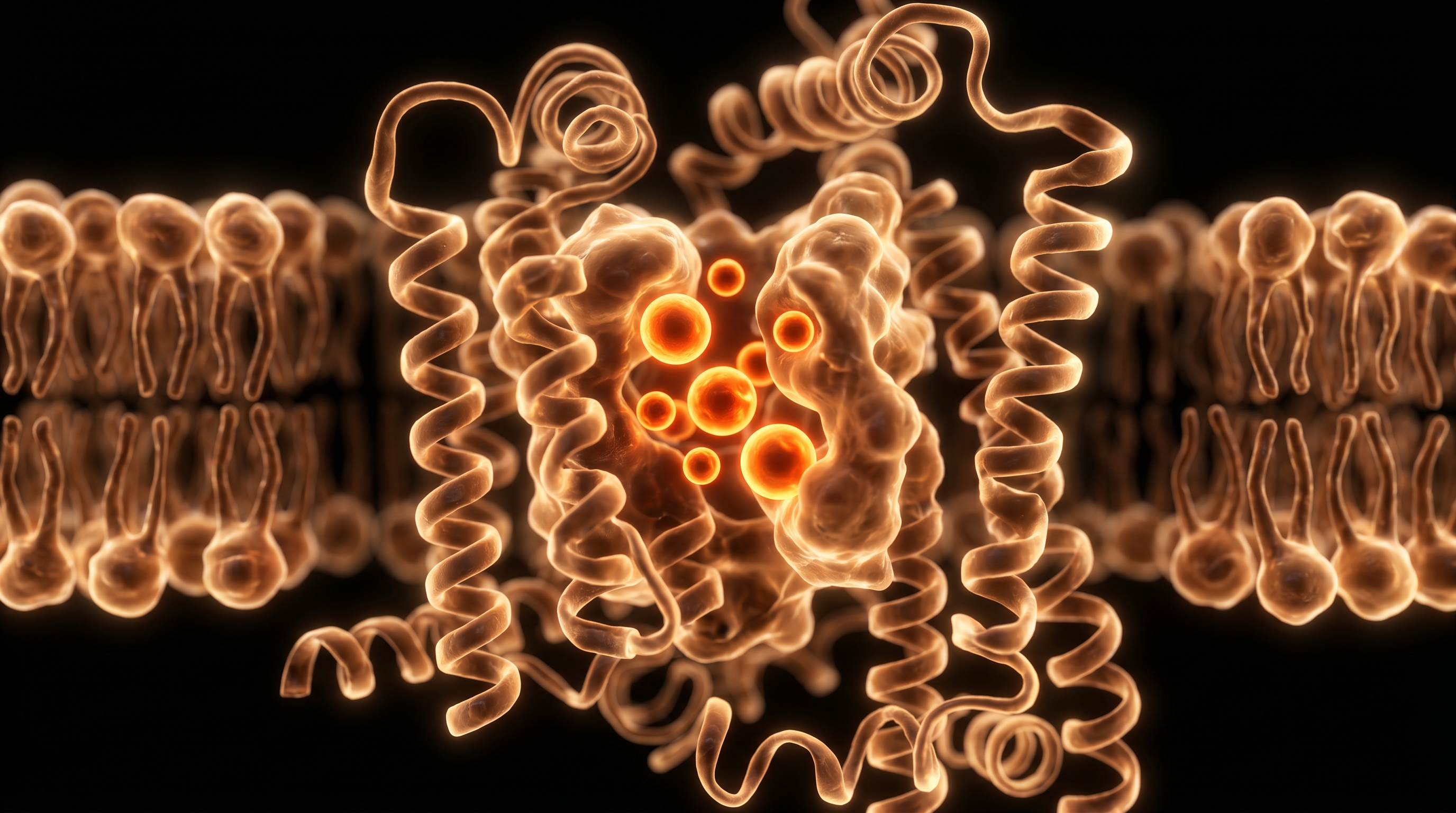
    Xenobiotics — any chemical compound foreign to the biological systems it enters, including synthetic pharmaceuticals, industrial pollutants, pesticide residues, food additives, personal care chemicals, and plasticisers — must be processed and eliminated by the liver's Phase I and Phase II detoxification systems, creating a metabolic burden that modern toxicological science has only begun to quantify at the level of cumulative mixture exposure. The cocktail effect — where chemicals that are individually below regulatory safety thresholds exert synergistic biological effects when combined — is well-documented in research but conspicuously absent from the regulatory frameworks that approve each chemical in isolation. Of particular concern is the xenobiotic disruption of cytochrome P450 enzymes, which not only impairs the detoxification of other chemicals but also alters the metabolism of endogenous hormones, creating the hormonal chaos of the modern endocrine disruption crisis from an unexpected direction.

    #xenobiotics#liver