
Environmental Oestrogens and the Modern Fertile Void
Published April 2026
Modern PCOS is increasingly linked to Endocrine Disrupting Chemicals (EDCs) like BPA and phthalates, which interfere with steroidogenesis. This article details the biological mechanism of 'Xenoestrogens' and how they disrupt the feedback loops between the pituitary and the ovaries. We discuss the failure of regulatory bodies to account for the 'cocktail effect' of daily chemical exposures.
Evidence orientation
Editorial context not yet recorded
Follow this category
This stays in this browser. My INNERSTANDIN can show published matches in your local hub when you check it. It does not send email, push, or alert notifications.
Local learning review
A private browser aid for revisiting ideas. It is not an alert or a health recommendation.
Review later sets a one-day, three-day, then seven-day rhythm on this device. Choose it only when you want to revisit this article.
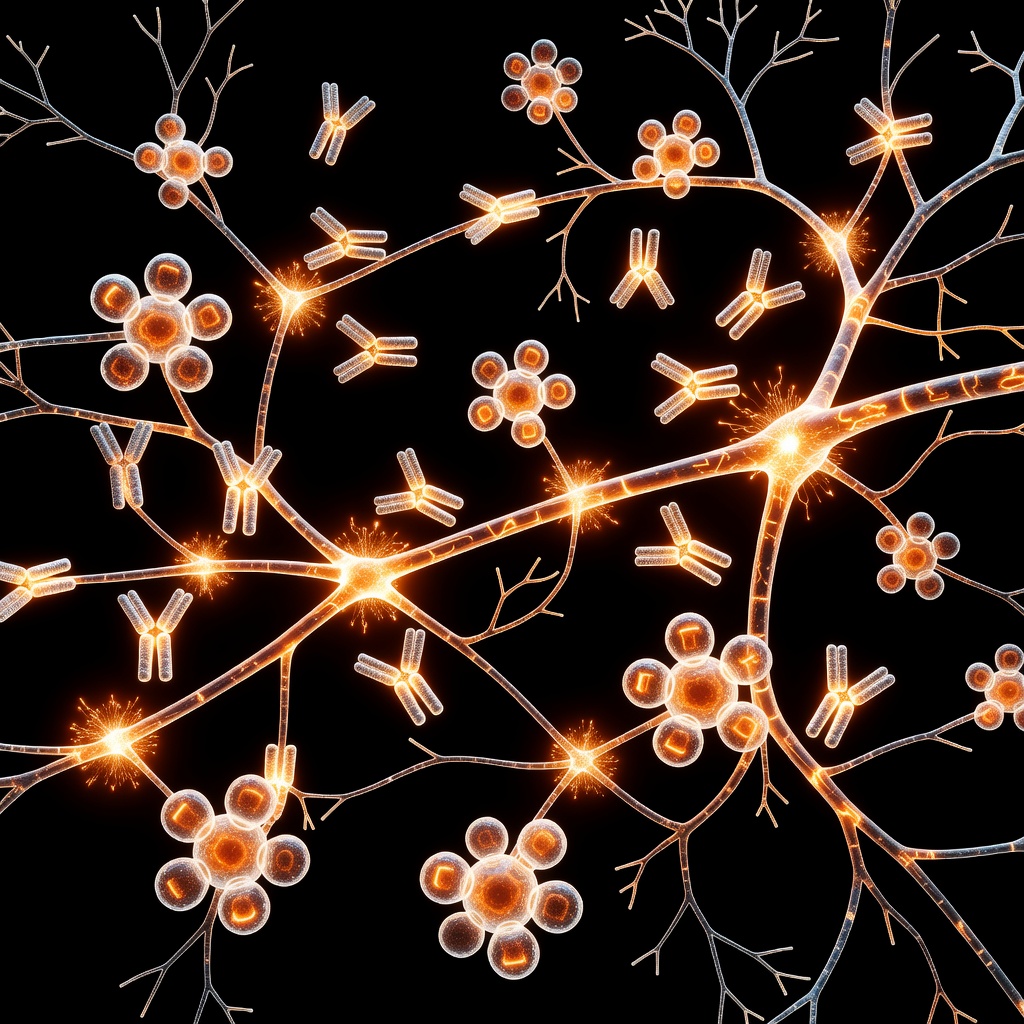
The global rise in PCOS diagnoses cannot be explained by genetics alone; the environment plays a pivotal role. We are currently living in an 'oestrogen-dominant' landscape where synthetic chemicals mimic natural hormones, a phenomenon known as endocrine disruption. Bisphenol A (BPA), phthalates, and per- and polyfluoroalkyl substances (PFAS) are ubiquitous in food packaging, personal care products, and household dust. These chemicals do not just sit passively in the body; they are bioactive. BPA, for instance, has a molecular structure similar enough to oestradiol that it can bind to oestrogen receptors (ER-alpha and ER-beta).
In the context of PCOS, these xenoestrogens disrupt the delicate feedback loop of the Hypothalamic-Pituitary-Gonadal (HPG) axis. When the brain senses a high level of circulating 'pseudo-oestrogen,' it may reduce the production of FSH, the very hormone needed to stimulate follicle development. This contributes to the follicular arrest and anovulation seen in PCOS. Furthermore, research has shown that women with PCOS often have higher serum levels of BPA compared to controls, suggesting either a higher exposure or a reduced capacity for hepatic detoxification. The liver's Phase II detoxification pathway—specifically glucuronidation—is responsible for neutralising these toxins.
When the liver is overwhelmed by a combination of high fructose intake and environmental toxins, these endocrine disruptors recirculate in the blood, prolonging their impact on the ovaries. Conventional medicine rarely asks patients about their environmental exposures, yet the 'cocktail effect'—the cumulative impact of many small doses of different chemicals—is a documented driver of hormonal dysfunction. Protecting the 'fertile void' requires more than just clinical intervention; it requires an investigative approach to one's environment. Reducing plastic use, filtering drinking water to remove PFAS, and choosing paraben-free topical products are not merely 'lifestyle' choices; they are biological necessities for restoring hormonal signal clarity. This article advocates for a precautionary principle: if a chemical is known to disrupt the endocrine systems of wildlife (as seen in amphibians and fish), we must assume it impacts the human ovary with equal potency.
This article is provided for informational and educational purposes only. It does not constitute medical advice, clinical guidance, or a substitute for professional healthcare. Information reflects cited research at time of publication. Always consult a qualified healthcare professional before acting on any health information.
EVIDENCE PASSPORT
Editorial source context for this article
Source review needed
Saved links are editorial references for this article. They may support specific claims rather than every sentence. Open and assess each source in context. This passport does not independently verify them.
Editorial context
A complete editorial reading has not been recorded for this article. Source links remain available for you to open and assess directly.
Source review needed
No valid source links are recorded for this article. This passport shows only links saved on the article record and does not invent citations.
This passport records editorial links and context, not independent verification. Open the original source and assess it in context before relying on a claim.
Medical Disclaimer
The information in this article is for educational purposes only and does not constitute medical advice, diagnosis, or treatment. Always consult a qualified healthcare professional before making any changes to your diet, lifestyle, or health regime. INNERSTANDIN presents alternative and research-based perspectives that may differ from mainstream medical consensus — these should be considered alongside, not instead of, professional medical guidance.
Read Full DisclaimerContinue the thread
Keep this question moving.
Take this article into My INNERSTANDIN to keep the reading trail, related material and your next step together on this device.
Explore this in the Body Map
See where this hits your biology. Interactive anatomy, threats, and protective protocols.
Dig deeper in the Library
Free, longform PDF volumes that go beyond headlines into mechanisms and references.