Renal Recirculation: Why the Human Body Struggles to Excrete Fluorinated Compounds
The half-life of PFOA in the human body is estimated to be between 3 and 7 years, a staggering duration for a non-essential chemical. This article explains the renal mechanism behind this persistence, focusing on the Organic Anion Transporters (OATs) in the kidneys that mistakenly reabsorb PFAS back into the bloodstream. We explore how this chronic renal stress contributes to kidney disease and why the standard 'detox' advice is insufficient.

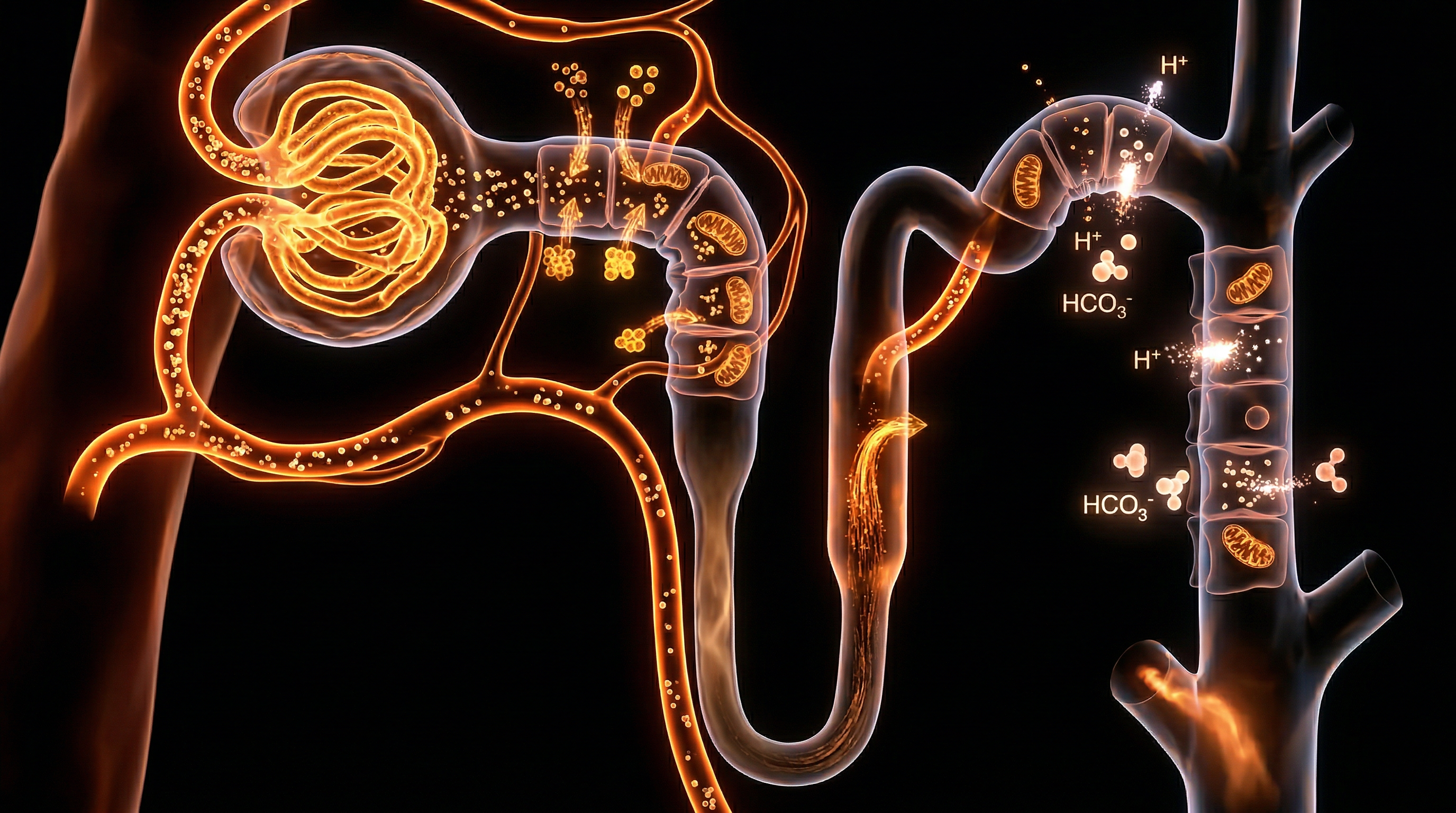
One of the most defining characteristics of PFAS—and the reason they are called 'forever chemicals'—is their extreme biological half-life. While most toxins are processed by the liver and excreted by the kidneys within hours or days, certain PFAS molecules linger in the human body for years. To understand why, we must look at the micro-anatomy of the kidney's proximal tubule. The kidneys are designed to filter waste while reclaiming valuable nutrients like glucose and amino acids. This reclamation process is mediated by Organic Anion Transporters (OATs), specifically OAT1, OAT3, and URAT1.
Because PFAS are essentially long-chain organic anions, the kidney 'mistakes' them for useful metabolites. As the glomerular filtrate passes through the tubule, these OATs grab the PFAS molecules and pump them back into the peritubular capillaries and back into systemic circulation. This is a process known as renal reabsorption. In an evolutionary context, this mechanism was vital for preserving scarce fatty acids; in the modern era, it is a physiological trap. The constant re-exposure of the renal tissue to high concentrations of PFAS leads to chronic oxidative stress within the nephrons.
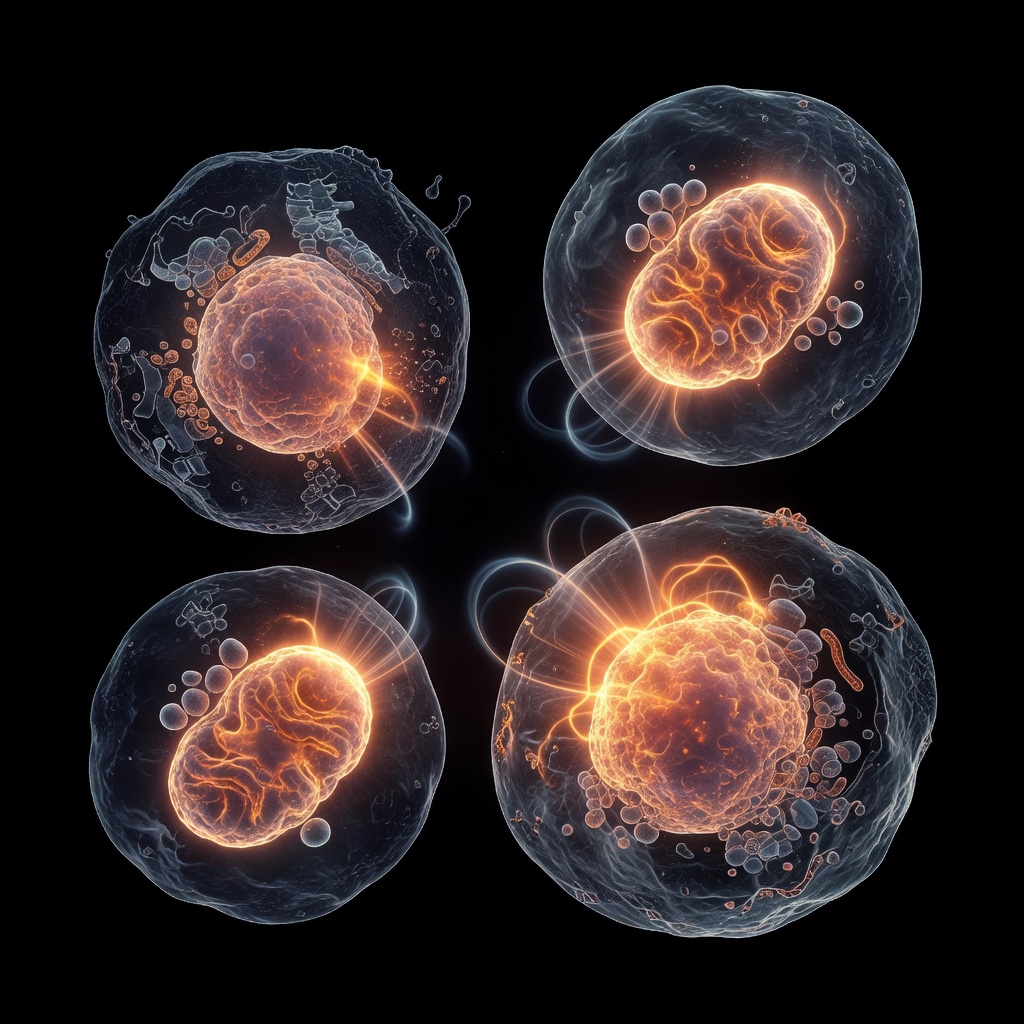
Clinical studies have correlated serum PFOA levels with reduced Glomerular Filtration Rate (eGFR) and an increased risk of chronic kidney disease (CKD). Conventional nephrology rarely considers environmental surfactants as a primary driver of renal decline, usually pointing to hypertension or diabetes. However, for the 'mystery' CKD patient, PFAS accumulation may be the missing link. The biological damage occurs as PFAS disrupt the mitochondrial function of the tubular cells, leading to a loss of ATP and eventual cellular apoptosis. Furthermore, because PFAS bind so tightly to albumin (the primary protein in the blood), they are not easily filtered by the glomerulus in the first place.
This two-step hurdle—poor filtration and active reabsorption—makes the body a reservoir for these compounds. To break this cycle, specific therapeutic interventions are required. Some evidence suggests that substances that compete for the OAT transporters, or those that increase the alkalinity of the urine, may slightly alter the excretion rate. However, the most effective 'excretion' method currently identified is actually the donation of blood or plasma, which physically removes the PFAS bound to serum proteins. For those seeking to protect their renal health, it is essential to support the glycocalyx—the protective lining of the kidney's filtration barrier—and to ensure maximal hydration with water that is strictly verified to be PFAS-free.
Without addressing the renal recirculation loop, the body remains locked in a state of permanent chemical toxicity.
This article is provided for informational and educational purposes only. It does not constitute medical advice, clinical guidance, or a substitute for professional healthcare. Information reflects cited research at time of publication. Always consult a qualified healthcare professional before acting on any health information.
RESEARCH FOUNDATIONS
Biological Credibility Archive
Citations provided for educational reference. Verify via PubMed or institutional databases.
Medical Disclaimer
The information in this article is for educational purposes only and does not constitute medical advice, diagnosis, or treatment. Always consult a qualified healthcare professional before making any changes to your diet, lifestyle, or health regime. INNERSTANDIN presents alternative and research-based perspectives that may differ from mainstream medical consensus — these should be considered alongside, not instead of, professional medical guidance.
Read Full DisclaimerReady to learn more?
Continue your journey through our classified biological research.
DISCUSSION ROOM
Members of THE COLLECTIVE discussing "Renal Recirculation: Why the Human Body Struggles to Excrete Fluorinated Compounds"
SILENT CHANNEL
Be the first to discuss this article. Your insight could help others understand these biological concepts deeper.
THE ARSENAL
Based on PFAS & Forever Chemicals — products curated by our research team for educational relevance and biological support.
Canadian Pine Needle and Spruce Tip Tincture – Wild Harvested
C60 Charcoal – Supports Healthy Digestion and Detoxification.
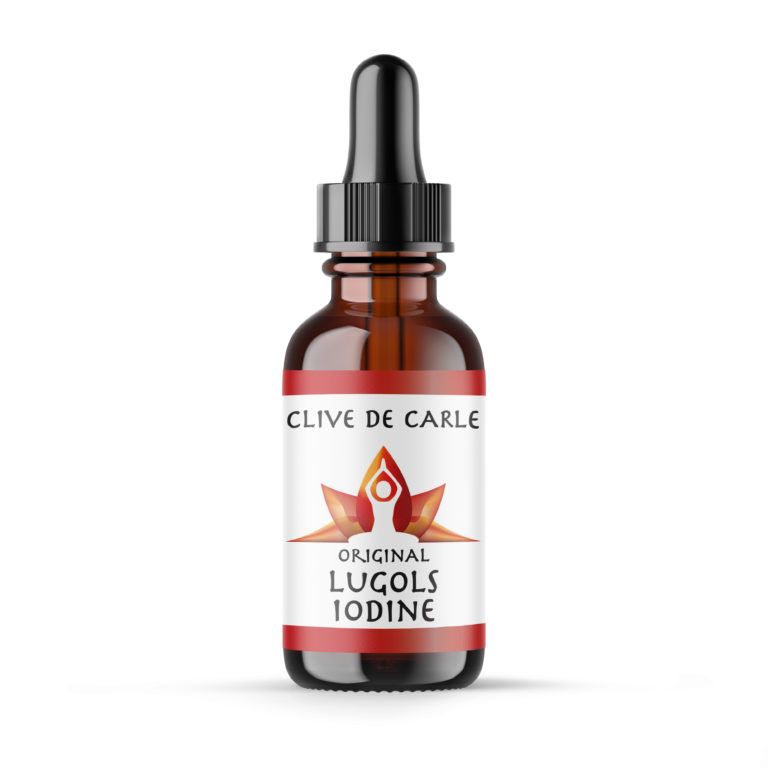
Lugol’s Iodine – Hormonal Issues, Menopause, Immune System, Brain Fog, Memory, Thyroid, Dry Skin
INNERSTANDING may earn a commission on purchases made through these links. All products are selected based on rigorous educational relevance to our biological research.
RABBIT HOLE
Follow the biological thread deeper