
Epigenetic Shifts: How Inorganic Mercury Exposure Modulates DNA Methylation and Gene Expression
An in-depth exploration of the molecular mechanisms by which inorganic mercury disrupts DNA methylation, interferes with one-carbon metabolism, and alters gene expression, leading to chronic systemic health challenges.
# Epigenetic Shifts: How Inorganic Mercury Exposure Modulates DNA Methylation and Gene Expression\n\nIn the landscape of modern environmental health, few elements carry the toxicological weight of mercury. While traditional medicine often focuses on the acute symptoms of heavy metal poisoning, the educational philosophy of INNERSTANDING emphasizes a deeper, root-cause perspective. This involves looking beyond immediate cellular damage to the very instructions that govern cellular behavior: the epigenome. Recent scientific inquiry has revealed that inorganic mercury (Hg2+) is not merely a passive toxin but a potent modulator of DNA methylation, capable of rewriting gene expression patterns that can persist for a lifetime.\n\n## The Biotransformation of Mercury: From Organic to Inorganic\n\nTo understand the epigenetic impact, we must first distinguish between the forms of mercury. Most human exposure occurs through methylmercury (MeHg) via seafood consumption or elemental mercury vapor from dental amalgams.
However, once methylmercury or elemental vapor enters the body, it undergoes a critical biotransformation. In the brain, kidneys, and liver, these forms are dealkylated or oxidized into inorganic mercury (Hg2+). \n\nUnlike organic mercury, which can be excreted more readily, inorganic mercury has an exceptionally long half-life in human tissues. It binds with high affinity to thiol (sulfur-containing) groups, particularly those found in glutathione and various enzymes. It is this persistent, reactive pool of inorganic mercury that poses the greatest threat to the epigenetic stability of the cell.\n\n## DNA Methylation: The Software of Life\n\nEpigenetics refers to the study of heritable changes in gene expression that do not involve alterations to the underlying DNA sequence. The most well-studied epigenetic mechanism is DNA methylation.
This process involves the addition of a methyl group (\u2013CH3) to the 5' carbon of the cytosine ring, typically occurring at CpG sites (regions where a cytosine is followed by a guanine). \n\nWhen a promoter region of a gene is heavily methylated, the gene is typically \u201csilenced,\u201d meaning it is not transcribed into protein. Conversely, hypomethylation (a lack of methyl groups) can lead to the inappropriate activation of genes. Inorganic mercury disrupts this delicate balance through three primary molecular pathways.\n\n## Mechanism I: Interference with One-Carbon Metabolism\n\nThe primary way mercury modulates DNA methylation is by sabotaging the one-carbon metabolism cycle. This biochemical pathway is responsible for producing S-adenosylmethionine (SAM), the universal methyl donor for DNA methyltransferases (DNMTs). \n\nMercury has an intense affinity for the enzymes and cofactors within this cycle. It interferes with the conversion of homocysteine to methionine by inhibiting the enzyme methionine synthase.
Since methionine is the precursor to SAM, a mercury-laden system quickly becomes \u201cmethyl depleted.\u201d Without sufficient SAM, DNMT enzymes cannot apply methyl groups to DNA, resulting in global DNA hypomethylation. This state of hypomethylation is often associated with the activation of pro-inflammatory genes and the expression of retrotransposons (\u201cjumping genes\u201d) that can cause genomic instability.\n\n## Mechanism II: Direct Inhibition of DNA Methyltransferases (DNMTs)\n\nBeyond depleting the supply of methyl groups, inorganic mercury directly attacks the machinery of methylation. DNA methyltransferases (DNMT1, DNMT3a, and DNMT3b) are the enzymes responsible for maintaining and establishing methylation patterns. These enzymes contain cysteine residues in their catalytic domains.\n\nBecause mercury is thiophilic (sulfur-loving), it binds to these cysteine residues, effectively deactivating the enzyme. Research has shown that even low-level, chronic exposure to inorganic mercury can lead to a significant reduction in DNMT activity.
When these enzymes are inhibited, the cell loses its ability to maintain its identity during cell division, leading to aberrant gene expression in daughter cells.\n\n## Mechanism III: Oxidative Stress and 8-OHdG Formation\n\nMercury is a powerful inducer of oxidative stress. It depletes glutathione, the body's master antioxidant, and increases the production of reactive oxygen species (ROS). This oxidative environment leads to the formation of 8-hydroxy-2'-deoxyguanosine (8-OHdG), a common marker of DNA damage. \n\nWhen 8-OHdG is present within a CpG site, it physically hinders the binding of DNMTs. This creates a localized area of hypomethylation. Furthermore, oxidative stress can alter the activity of TET (Ten-eleven translocation) enzymes, which are responsible for DNA demethylation.
By shifting the balance toward demethylation, mercury-induced oxidative stress creates a chaotic epigenetic landscape that impairs the body's ability to regulate stress responses and immune function.\n\n## Clinical Implications: The Health Legacy of Mercury\n\nThe epigenetic shifts triggered by mercury are not just theoretical; they manifest in profound clinical ways. Research has linked mercury-induced DNA methylation changes to:\n\n1. Neurodevelopmental Disorders: Altered methylation of genes like BDNF (Brain-Derived Neurotrophic Factor) can impair synaptic plasticity and cognitive development in children exposed prenatally.\n2. Autoimmunity: Hypomethylation of genes involved in T-cell function can lead to the loss of self-tolerance, triggering autoimmune conditions like Lupus or Multiple Sclerosis.\n3. Cardiovascular Disease: Mercury-induced changes in the methylation of genes regulating vascular tone and inflammation contribute to hypertension and atherosclerosis.\n\n## The Root-Cause Solution: A Path to Epigenetic Restoration\n\nAt INNERSTANDING, we believe that understanding the mechanism is the first step toward healing. If mercury causes damage by depleting methyl donors and inducing oxidative stress, the path to restoration must address these specific deficits.\n\n- Methylation Support: Supplementing with bioactive folate (5-MTHF), methylcobalamin (B12), and trimethylglycine (TMG) can help restore the pool of SAM, providing the resources necessary for proper DNA methylation.\n- Sulfur and Glutathione: Since mercury targets thiols, increasing the intake of sulfur-rich foods (cruciferous vegetables, garlic, onions) and supporting glutathione production through N-acetylcysteine (NAC) and alpha-lipoic acid is crucial.\n- Selenium Co-factor: Selenium has a unique relationship with mercury, forming an inert mercury-selenide complex that prevents the metal from interacting with sulfur groups and enzymes. Maintaining optimal selenium levels is a primary defense against epigenetic modulation.\n- Detoxification Pathways: Supporting the liver and kidneys to safely mobilize and excrete stored inorganic mercury is essential for stopping the ongoing epigenetic disruption.\n\n## Conclusion\n\nThe realization that inorganic mercury can alter our genetic software is a sobering reminder of the impact of environmental toxins. However, it also empowers us with the knowledge to intervene.
By supporting the one-carbon metabolism cycle and mitigating oxidative damage, we can work toward stabilizing the epigenome and reclaiming health from the root level. Understanding the epigenetic shifts caused by mercury is not just a study in toxicity; it is a blueprint for cellular recovery.
This article is provided for informational and educational purposes only. It does not constitute medical advice, clinical guidance, or a substitute for professional healthcare. Information reflects cited research at time of publication. Always consult a qualified healthcare professional before acting on any health information.
RESEARCH FOUNDATIONS
Biological Credibility Archive
Citations provided for educational reference. Verify via PubMed or institutional databases.
Medical Disclaimer
The information in this article is for educational purposes only and does not constitute medical advice, diagnosis, or treatment. Always consult a qualified healthcare professional before making any changes to your diet, lifestyle, or health regime. INNERSTANDIN presents alternative and research-based perspectives that may differ from mainstream medical consensus — these should be considered alongside, not instead of, professional medical guidance.
Read Full DisclaimerReady to learn more?
Continue your journey through our classified biological research.
THE ARSENAL
Based on Mercury Toxicity — products curated by our research team for educational relevance and biological support.
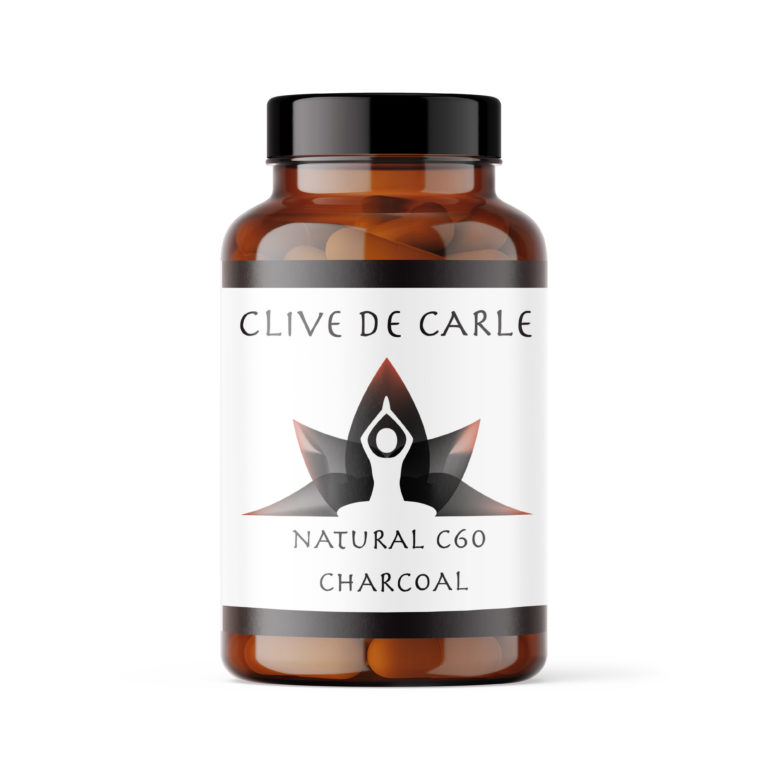
C60 Charcoal – Supports Healthy Digestion and Detoxification.
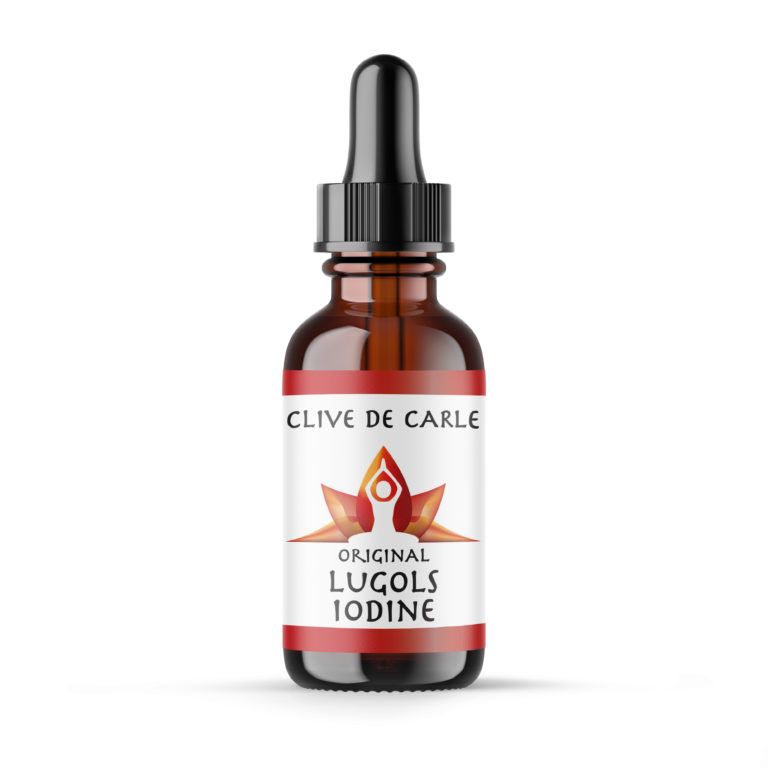
Lugol’s Iodine – Hormonal Issues, Menopause, Immune System, Brain Fog, Memory, Thyroid, Dry Skin
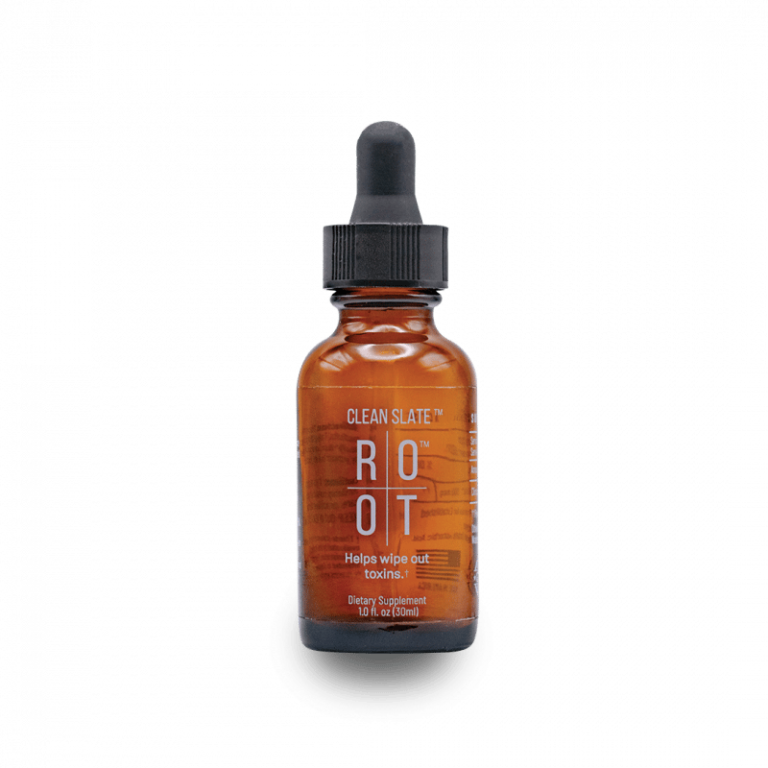
Clean Slate – Detoxes thousands of chemicals,heavy metals, pesticides, allergens, mold spores and fungus
INNERSTANDING may earn a commission on purchases made through these links. All products are selected based on rigorous educational relevance to our biological research.