The Sentinel of the Breast: The Axillary Lymphatic System and EDC Sequestration
An in-depth exploration of how the axillary lymph nodes act as a filtration site for environmental toxins and the impact of EDC sequestration on long-term breast health and hormonal balance.
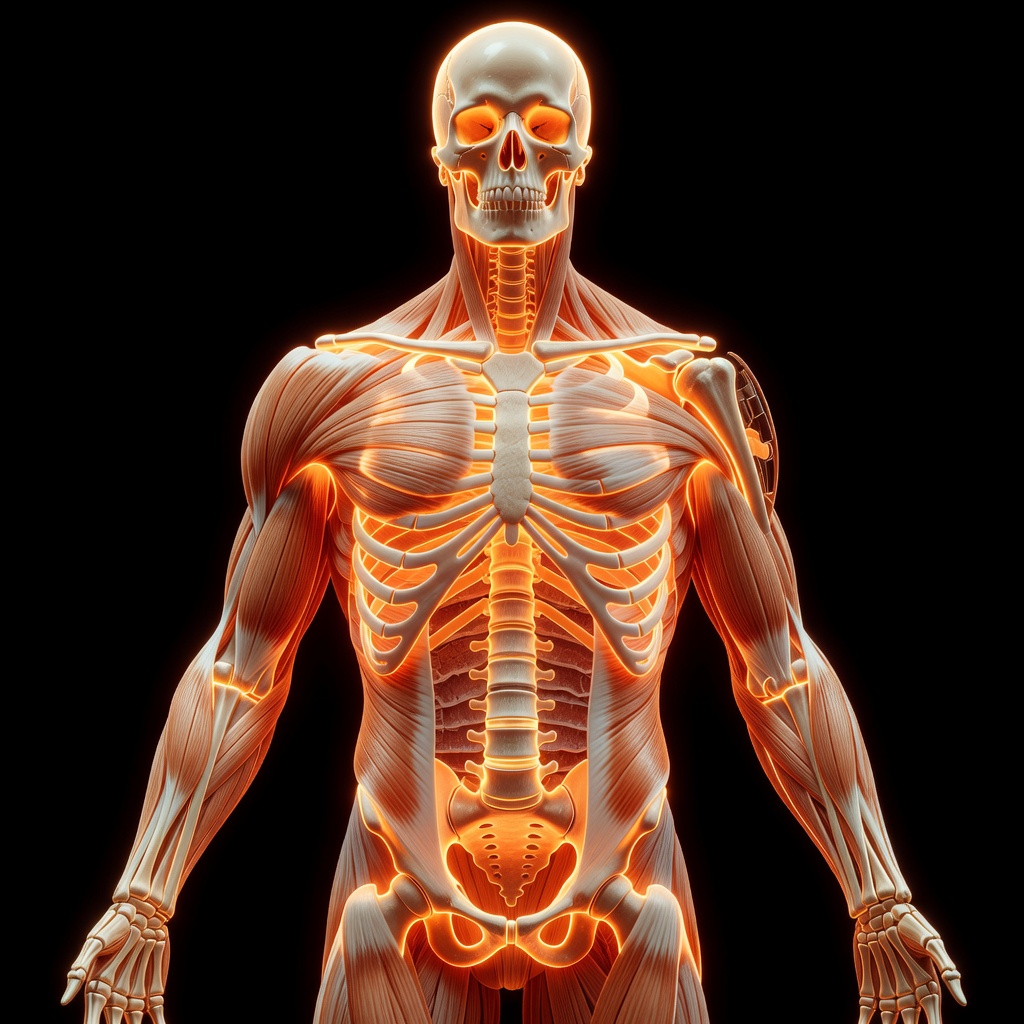
# The Role of the Axillary Lymphatic System in Sequestrating Endocrine-Disrupting Chemicals. In the landscape of women's health, the axillary lymphatic system (ALS) stands as a sentinel, a complex network of nodes and vessels responsible for the immunological surveillance and fluid homeostasis of the breast and upper extremities. While often overlooked until a clinical issue arises, the ALS plays a pivotal role in the sequestration—the isolation and storage—of Endocrine-Disrupting Chemicals (EDCs). To understand breast health at a root-cause level, one must investigate how these external compounds interact with our internal filtration systems. ## The Anatomy of Filtration: The Axillary Nodes. The axillary region contains between 20 to 40 lymph nodes, divided into several groups: lateral, pectoral, subscapular, central, and apical.
These nodes receive approximately 75% of the lymph drainage from the breast tissue, particularly from the upper outer quadrant. This specific anatomical pathway is of paramount importance because it creates a direct conduit between the external environment (via the skin) and the body's internal immune network. Lymph fluid carries cellular waste, proteins, and foreign antigens through these nodes, where macrophages and lymphocytes attempt to neutralise threats. However, the system was not evolutionarily designed to handle the sheer volume of synthetic chemicals present in the 21st century. ## Defining Endocrine-Disrupting Chemicals (EDCs). EDCs are exogenous substances or mixtures that interfere with any aspect of hormone action.
Common examples include parabens, phthalates, bisphenol A (BPA), and certain heavy metals like aluminium. These compounds are ubiquitous in personal care products—deodorants, lotions, and perfumes—applied directly to the axillary skin. Because the skin in the underarm is thin and highly vascularised, these chemicals bypass the digestive system's first-pass metabolism and enter the interstitial fluid and lymphatic vessels directly. This creates a high local concentration of toxins before they ever reach the liver for detoxification. ## The Mechanism of Sequestration. Sequestration occurs when the lymphatic system, unable to immediately break down or excrete a substance, traps it within the lymph nodes or the surrounding adipose (fat) tissue.
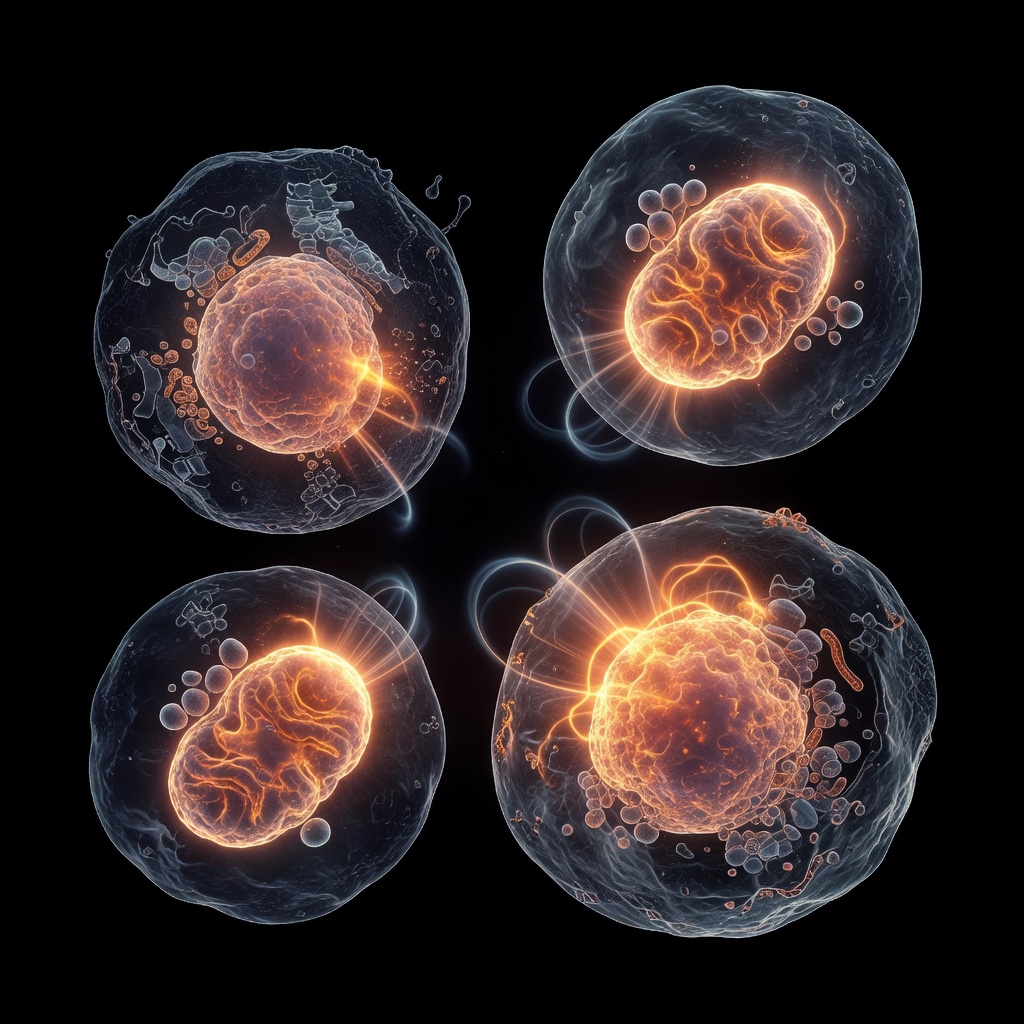
Many EDCs are lipophilic, meaning they have an affinity for fat. Given that the breast is primarily composed of adipose tissue and is serviced by a dense lymphatic network, it becomes a prime site for the bioaccumulation of these toxins. The axillary lymph nodes act as a 'sieve'. When the toxic load exceeds the capacity of the lymphatic fluid to transport these chemicals to the liver and kidneys for excretion, they can become stagnant within the nodal architecture. This stagnation leads to a state of chronic low-grade inflammation and tissue congestion, often manifesting as tenderness or swelling in the armpit area. ## The Oestrogen Connection and Breast Health.
The most concerning aspect of EDC sequestration in the axilla is the ability of these chemicals to mimic oestrogen. Many EDCs are 'xenoestrogens', which bind to oestrogen receptors (ERs) in breast tissue. Because the axillary nodes are so close to the ER-rich epithelial cells of the breast, the local concentration of sequestered xenoestrogens can be significantly higher than systemic levels. This creates a localised state of 'oestrogen dominance' regardless of the circulating hormone levels measured in a blood test. This hormonal disruption can trigger abnormal cellular proliferation and interfere with the natural apoptosis (programmed cell death) necessary for maintaining healthy breast tissue.
By sequestrating these chemicals, the lymph nodes are attempting to protect the rest of the body, but in doing so, they create a 'toxic depot' right at the doorstep of the mammary glands. ## Sluggish Drainage: The Impact of Modern Life. Several factors contribute to the sequestration of toxins in the axillary system. The use of traditional antiperspirants is a primary concern; by design, these products use aluminium salts to block sweat glands, which are closely linked to lymphatic exit points. Furthermore, the lack of movement in the upper body, the wearing of restrictive underwired bras, and poor posture can all lead to 'lymphatic stasis'. When lymph flow slows, the concentration of EDCs in the axillary nodes increases, lengthening the time these tissues are exposed to harmful compounds.
In a healthy system, lymph is moved by muscular contraction and pressure changes from deep breathing. Without these, the 'trash' simply sits in the nodes. ## Root-Cause Solutions: Optimising Axillary Clearance. To address the sequestration of EDCs, Innerstanding advocates for a multi-faceted approach focusing on the root cause of stagnation. 1. Chemical Transition: The most immediate step is the removal of the primary source of EDCs. Switching to aluminium-free, paraben-free, and phthalate-free personal care products reduces the daily 'toxic hit' to the axillary nodes. 2.
Manual Lymphatic Drainage
(MLD): Specific, gentle massage techniques can stimulate the contraction of the lymphangions (the functional units of lymph vessels), encouraging the movement of stagnant fluid out of the axilla and toward the thoracic duct for systemic clearance. 3.
Dry Brushing: A daily practice of dry brushing towards the axillary and supraclavicular nodes can improve microcirculation and support the primary drainage pathways. 4. Hydration and Micronutrients: Lymph fluid is primarily water; thus, adequate hydration is essential for maintaining fluid viscosity. Furthermore, nutrients such as iodine, selenium, and cruciferous vegetable extracts (like DIM) support the liver's ability to process the toxins once they are successfully moved from the lymph into the bloodstream. 5. Movement and Breath: Dynamic arm movements and diaphragmatic breathing act as a 'pump' for the axillary nodes, facilitating the natural flow of lymph. ## Conclusion. The axillary lymphatic system is not merely a passive drain; it is a dynamic organ of detoxification and immunological defense.
When we understand the role of the axilla in sequestrating endocrine-disrupting chemicals, we can move from a reactive model of breast health to a proactive, root-cause approach. By reducing chemical exposure, supporting manual drainage, and ensuring the health of the lymphatic vessels, we can prevent the toxic accumulation that so often underlies hormonal imbalances and breast tissue changes. Protecting the axilla is, ultimately, protecting the heart of feminine health and ensuring the longevity of our biological systems.
This article is provided for informational and educational purposes only. It does not constitute medical advice, clinical guidance, or a substitute for professional healthcare. Information reflects cited research at time of publication. Always consult a qualified healthcare professional before acting on any health information.
RESEARCH FOUNDATIONS
Biological Credibility Archive
Citations provided for educational reference. Verify via PubMed or institutional databases.
Medical Disclaimer
The information in this article is for educational purposes only and does not constitute medical advice, diagnosis, or treatment. Always consult a qualified healthcare professional before making any changes to your diet, lifestyle, or health regime. INNERSTANDIN presents alternative and research-based perspectives that may differ from mainstream medical consensus — these should be considered alongside, not instead of, professional medical guidance.
Read Full DisclaimerReady to learn more?
Continue your journey through our classified biological research.
DISCUSSION ROOM
Members of THE COLLECTIVE discussing "The Sentinel of the Breast: The Axillary Lymphatic System and EDC Sequestration"
SILENT CHANNEL
Be the first to discuss this article. Your insight could help others understand these biological concepts deeper.
THE ARSENAL
Based on Breast Health & Lymphatic Drainage — products curated by our research team for educational relevance and biological support.
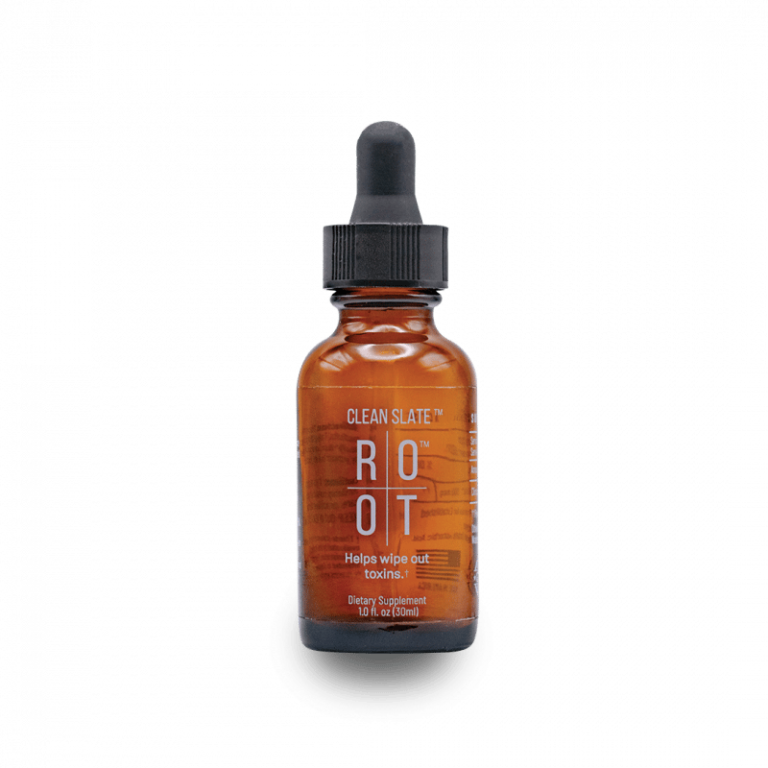
Clean Slate – Detoxes thousands of chemicals,heavy metals, pesticides, allergens, mold spores and fungus
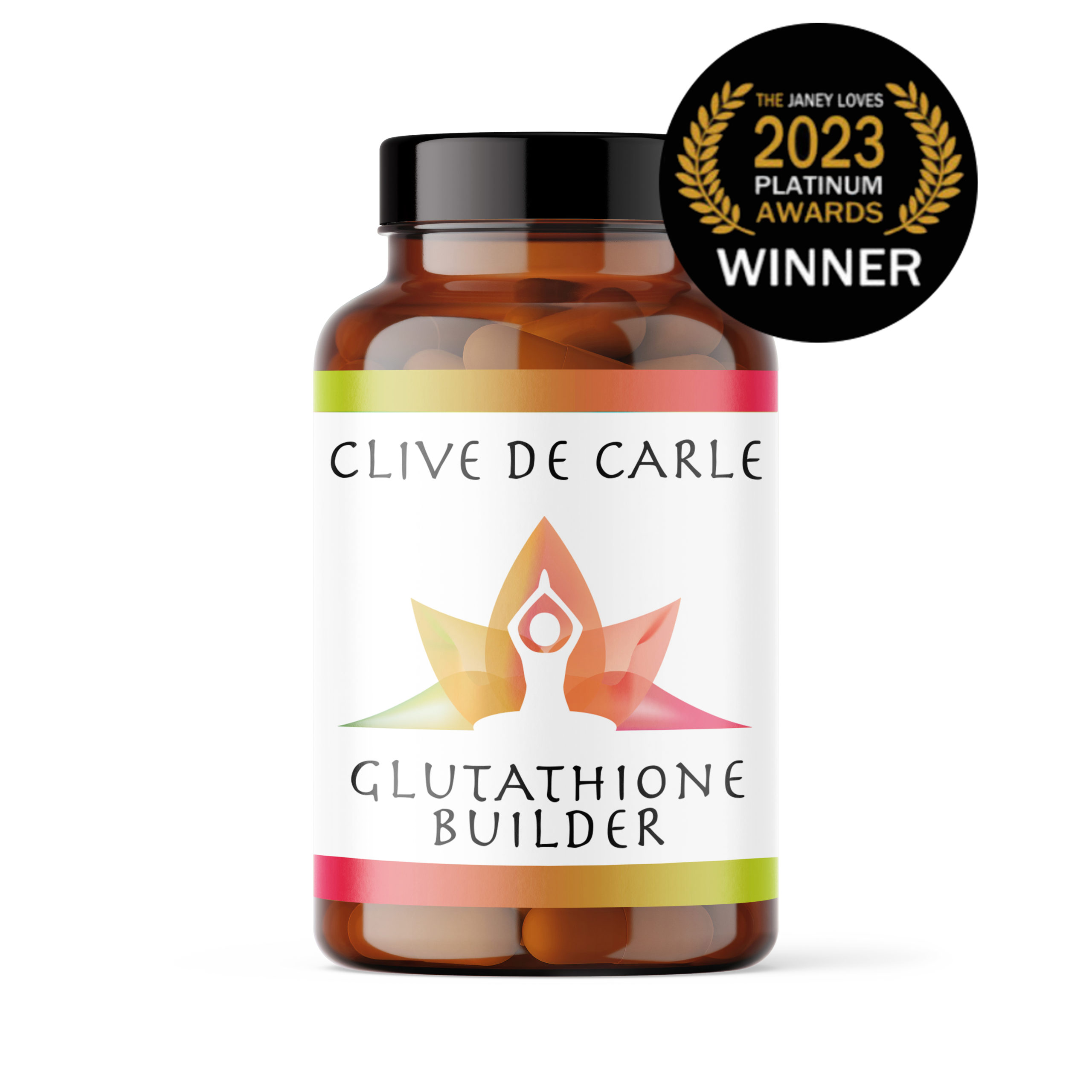
Glutathione Builder – Advanced Amino Acid Formula
MSM Sulphur – Nature’s Forgotten Mineral
INNERSTANDING may earn a commission on purchases made through these links. All products are selected based on rigorous educational relevance to our biological research.
RABBIT HOLE
Follow the biological thread deeper