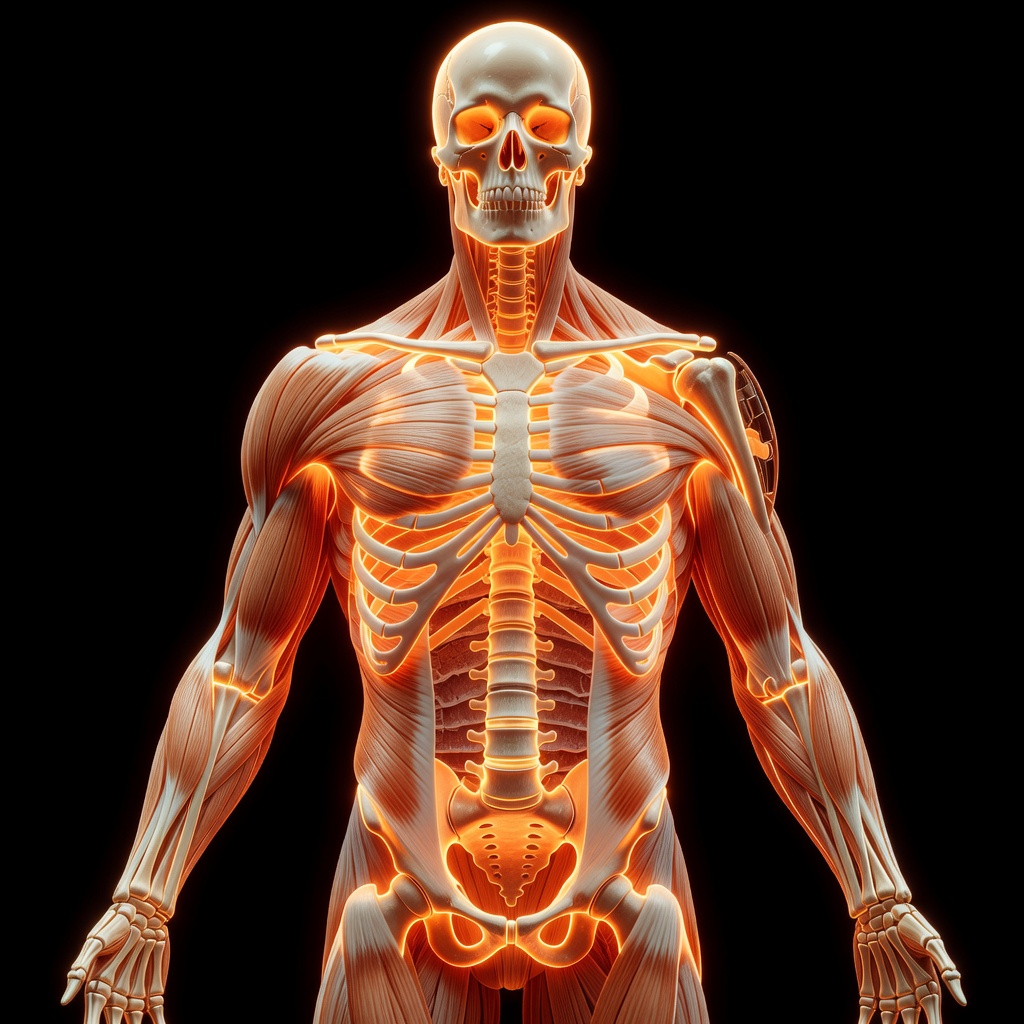
Xenoestrogens and Lymphatic Clearance: The Bioaccumulation of Parabens in Human Mammary Epithelium
An in-depth exploration of how parabens from personal care products bypass metabolic filtration, accumulate in breast tissue via dermal absorption, and the critical role of lymphatic clearance in mitigating endocrine disruption.

# Xenoestrogens and Lymphatic Clearance: The Bioaccumulation of Parabens in Human Mammary Epithelium
Introduction
In the landscape of modern preventative health, few topics are as critical yet misunderstood as the relationship between environmental toxins and endocrine function. At INNERSTANDING, we focus on the root causes of physiological dysfunction rather than merely managing symptoms. Today, we examine xenoestrogens—specifically parabens—and their propensity to accumulate in the mammary epithelium, a process deeply influenced by the efficiency of the lymphatic system.
Understanding Xenoestrogens
Xenoestrogens are a sub-category of endocrine-disrupting chemicals (EDCs) that molecularly mimic the natural hormone 17β-estradiol. Because their chemical structure is sufficiently similar to endogenous estrogen, they can bind to estrogen receptors (ERα and ERβ) throughout the body. While their binding affinity may be lower than that of natural hormones, our cumulative exposure—the 'cocktail effect'—leads to significant biological signalling disruption. In the context of breast health, this mimicry is particularly concerning as it can stimulate pathways associated with cellular proliferation and hormonal imbalance.
The Ubiquity of Parabens
Parabens (esters of p-hydroxybenzoic acid) are the most widely used preservatives in the personal care industry. You will find them on labels as methylparaben, ethylparaben, propylparaben, and butylparaben. Their purpose is to prevent microbial growth in shampoos, lotions, and, most crucially, underarm deodorants. In the UK and Europe, although regulations are stricter than in some other regions, parabens remain a staple in many mainstream and 'clinical-grade' hygiene products. Their low cost and high efficacy as preservatives have made them ubiquitous, yet their long-term impact on the bio-terrain of the breast is often overlooked.
Dermal Absorption: Bypassing the Body’s Sentinels
The primary concern regarding parabens in breast health is the route of administration. When we ingest a substance, it undergoes 'first-pass metabolism' in the liver. The liver’s enzymatic pathways (specifically Phase I and Phase II detoxification) work to break down these compounds into water-soluble metabolites before they enter systemic circulation. However, dermal application provides a direct entry point into the bloodstream and underlying tissues. When parabens are applied to the skin of the underarm or breast area, they penetrate the stratum corneum and enter the local interstitial fluid, effectively bypassing the liver’s initial filtration. This results in the presence of intact, unmetabolised paraben esters within the breast tissue—a form that is significantly more potent than their metabolised counterparts.
The Science of Bioaccumulation in the Mammary Epithelium
Groundbreaking research, notably the extensive work of Dr. Philippa Darbre and colleagues, has demonstrated that parabens are not merely transient visitors in the human body. Studies analysing human breast tumour tissue found measurable concentrations of at least one paraben in 99% of the samples. Crucially, these parabens were found in their intact ester form, confirming they had not been processed by the liver.
The lipophilic (fat-loving) nature of parabens means they have a high affinity for the adipose (fatty) tissue that makes up a significant portion of the human breast. The mammary epithelium, the layer of cells lining the milk ducts, is particularly sensitive to these chemical signals. Once embedded in the mammary epithelium, these xenoestrogens can exert 'estrogen-like' effects, promoting cellular proliferation—a known risk factor in the development of breast abnormalities and tissue density changes.
The Lymphatic Connection: Clearance vs. Congestion
To understand why these chemicals stay in the breast tissue, we must look at the lymphatic system. The breast is serviced by an intricate network of lymphatic vessels that primarily drain into the axillary lymph nodes (located in the armpit). The lymphatic system is the body’s 'sewerage' network; it is responsible for transporting cellular waste, large proteins, and foreign toxins away from the tissues and back into the circulatory system for eventual filtration.
However, the lymphatic system is not a pressurized circuit like the cardiovascular system. It relies on muscular movement, deep breathing, and external stimulation to flow. When lymphatic flow is sluggish—a condition often exacerbated by sedentary lifestyles, restrictive clothing (such as underwired bras), and dehydration—the clearance of xenoestrogens from the mammary interstitial fluid is significantly impaired. This 'lymphatic stagnation' allows parabens to linger in the breast tissue for longer periods, increasing the duration of endocrine receptor contact. If the 'drainage pipes' are blocked or slow, the toxic burden in the breast tissue inevitably rises.
The Proximity Problem: The Axillary Link
The highest concentration of both breast tissue and lymphatic drainage points is in the 'upper outer quadrant' of the breast, near the axilla. Coincidentally, this is the area most frequently exposed to topically applied parabens via deodorants and body lotions. The close proximity of application to the major drainage pathways means that if the lymphatic system is congested, the concentration of these chemicals in the local tissue can reach levels that far exceed systemic averages. This creates a localised environment of high oestrogenicity, right in the area where the majority of breast issues are clinically observed.
Addressing the Root Cause: A Holistic Strategy
At INNERSTANDING, we believe that health is an active pursuit. To mitigate the risks associated with xenoestrogen bioaccumulation, we must adopt a two-pronged approach: reducing the chemical input and optimising the body's output pathways.
1. Eliminating the Source
The most effective way to reduce the paraben burden is to switch to 'paraben-free' personal care products. Look for natural deodorants that use magnesium, arrowroot, or bicarbonate of soda instead of chemical preservatives. Be wary of 'greenwashing'—always read the full ingredient list for any word ending in '-paraben'. Reducing the daily 'top-up' of these chemicals is the first step in allowing the body to clear existing stores.
2. Stimulating Lymphatic Clearance
To support the removal of existing toxins, we must encourage lymphatic motility:
- —Dry Brushing: A traditional technique using a natural bristle brush to gently stroke the skin toward the heart, specifically around the axillary and breast area, to stimulate initial lymph collectors.
- —Movement and Rebounding: Exercises that involve vertical movement, such as jumping on a mini-trampoline (rebounder), are highly effective at 'pumping' the lymph.
- —Hydrotherapy: Alternating warm and cool water in the shower can stimulate vascular and lymphatic contraction, aiding in the movement of stagnant fluids.
3. Supporting Systemic Detoxification
While the goal is to prevent parabens from reaching the liver, supporting the liver is essential for processing the chemicals that do enter the bloodstream. A diet rich in cruciferous vegetables (broccoli, kale, cauliflower) provides sulforaphane and indole-3-carbinol, which support the Phase II glucuronidation pathway, the specific liver process required to neutralise oestrogen-like compounds.
Conclusion
The bioaccumulation of parabens in the human mammary epithelium is a clear example of how environmental exposure and internal drainage systems interact to influence our health. By understanding that our skin is a semi-permeable membrane and our lymphatic system is a vital clearance pathway, we can make informed choices about the products we use and the lifestyle habits we cultivate. Protecting breast health is not just about screening; it is about creating an internal environment where toxins cannot take root. Through conscious product selection and active lymphatic support, we reclaim agency over our biological terrain.
This article is provided for informational and educational purposes only. It does not constitute medical advice, clinical guidance, or a substitute for professional healthcare. Information reflects cited research at time of publication. Always consult a qualified healthcare professional before acting on any health information.
RESEARCH FOUNDATIONS
Biological Credibility Archive
Citations provided for educational reference. Verify via PubMed or institutional databases.
Medical Disclaimer
The information in this article is for educational purposes only and does not constitute medical advice, diagnosis, or treatment. Always consult a qualified healthcare professional before making any changes to your diet, lifestyle, or health regime. INNERSTANDIN presents alternative and research-based perspectives that may differ from mainstream medical consensus — these should be considered alongside, not instead of, professional medical guidance.
Read Full DisclaimerReady to learn more?
Continue your journey through our classified biological research.
THE ARSENAL
Based on Breast Health & Lymphatic Drainage — products curated by our research team for educational relevance and biological support.
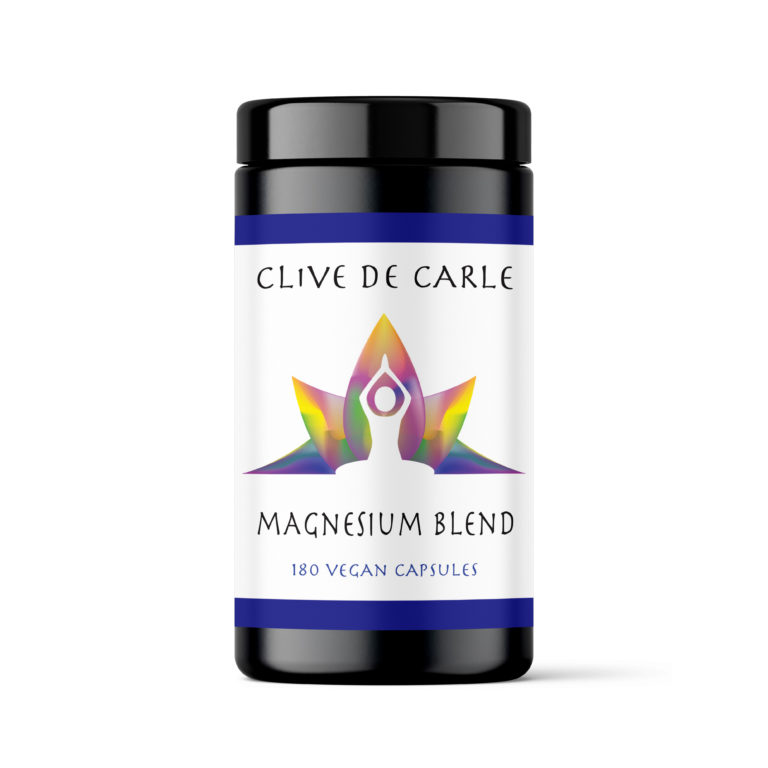
Magnesium Blend – The Most Important Mineral
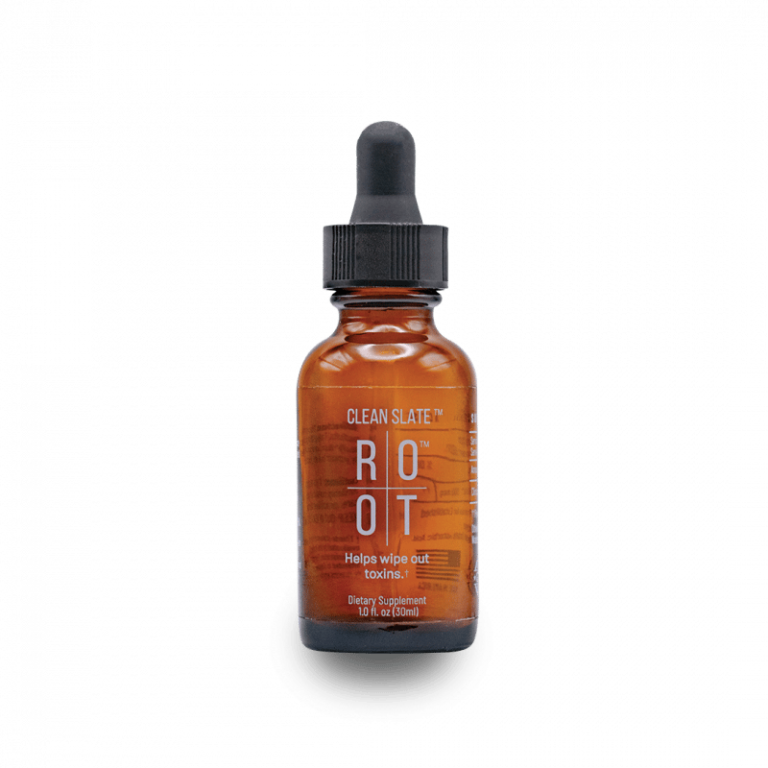
Clean Slate – Detoxes thousands of chemicals,heavy metals, pesticides, allergens, mold spores and fungus
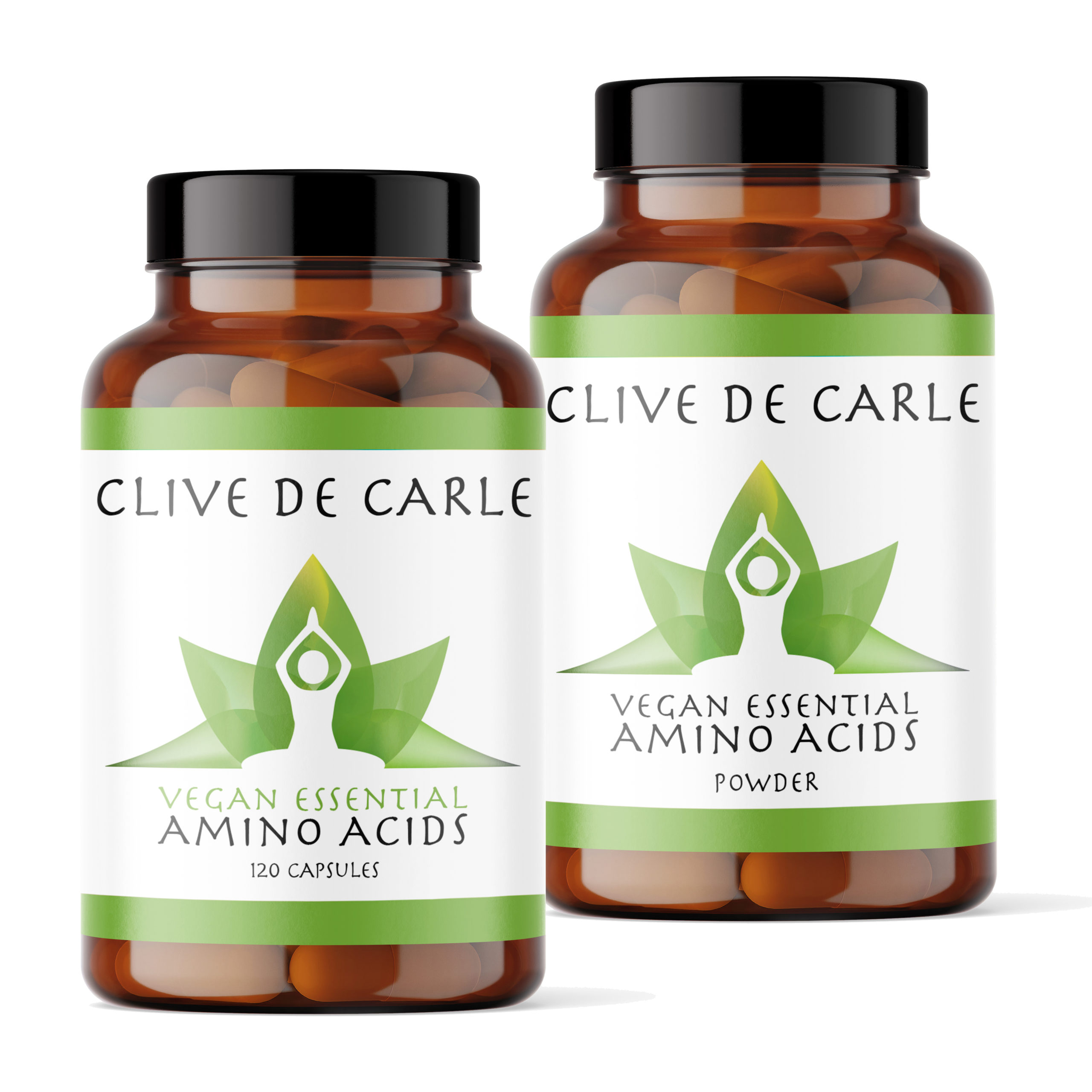
Vegan Essential Amino Acids – Plant-Powered Protein Building
INNERSTANDING may earn a commission on purchases made through these links. All products are selected based on rigorous educational relevance to our biological research.
RABBIT HOLE
Follow the biological thread deeper