
Epigenetic Modulation of Breast Tissue: How Lymphatic Stagnation Influences Oncogenic Signaling Pathways
A comprehensive analysis of the biochemical and epigenetic consequences of lymphatic congestion in breast tissue, detailing how fluid stasis promotes pro-carcinogenic gene expression and disrupts cellular homeostasis.

# Epigenetic Modulation of Breast Tissue: How Lymphatic Stagnation Influences Oncogenic Signaling Pathways ## Introduction: Moving Beyond Genetic Determinism In the landscape of modern UK healthcare, the narrative surrounding breast health has long been dominated by genetic determinism—the idea that our health outcomes are written unchangeably in our DNA. However, the emerging field of epigenetics is rewriting this script. Epigenetics refers to the study of functional changes to the genome that do not involve a change in the nucleotide sequence but rather how genes are expressed. At INNERSTANDING, we focus on the root causes that influence these expressions. One of the most significant, yet frequently overlooked, factors in breast tissue epigenetics is the health of the lymphatic system.
When lymphatic flow is compromised, the resulting stagnation creates a microenvironment that can 'flip' epigenetic switches toward oncogenic (cancer-promoting) signaling pathways. ## The Lymphatic System: The Interstitial Waste Management The breast is a highly glandular organ, rich in lymphatic vessels that serve as the primary drainage system for interstitial fluid, metabolic waste, and immune surveillance. In a healthy state, the lymphatic system removes 'spent' hormones, environmental toxins (xenobiotics), and cellular debris from the breast tissue, transporting them to the axillary and internal mammary lymph nodes for filtration. However, unlike the circulatory system, the lymphatic system has no central pump. It relies on movement, breath, and tissue pressure. In our sedentary, high-stress modern environment, lymphatic stagnation is increasingly common.
When the drainage of the breast becomes sluggish, the 'milieu intérieur'—the internal environment of the tissue—becomes congested, toxic, and acidic. ## The Epigenetic Impact of Fluid Stagnation Epigenetic modulation occurs through several mechanisms, primarily DNA methylation and histone modification. These processes act like a volume knob, turning gene expression up or down. Lymphatic stagnation influences these knobs through several key pathways: ### 1. Accumulation of Oestrogen Metabolites The breast is an oestrogen-sensitive tissue. Oestrogen is naturally broken down into various metabolites.
Some, like 2-hydroxyestrone, are protective, while others, like 16-alpha-hydroxyestrone, are highly proliferative and potentially genotoxic. In a stagnant lymphatic environment, these 'dirty' oestrogen metabolites are not efficiently cleared. Their prolonged presence in the interstitial space leads to increased binding with oestrogen receptors, triggering epigenetic shifts that downregulate tumor suppressor genes and upregulate growth-promoting genes. ### 2. Hypoxia and the Activation of HIF-1α Stagnant fluid increases interstitial fluid pressure (IFP). This pressure can compress small blood vessels, leading to localized hypoxia (low oxygen).
Hypoxia is a potent epigenetic trigger. It activates Hypoxia-Inducible Factor 1-alpha (HIF-1α), a transcription factor that orchestrates a suite of epigenetic changes designed to help cells survive in low-oxygen environments. Unfortunately, these changes include the promotion of angiogenesis (new blood vessel growth to feed potential tumors) and the silencing of genes responsible for DNA repair. ### 3. Chronic Inflammation and NF-kB Signaling Lymphatic congestion leads to an accumulation of pro-inflammatory cytokines such as TNF-alpha and IL-6. This chronic inflammatory state activates the Nuclear Factor-kappa B (NF-kB) pathway.
NF-kB is a master regulator of the immune response, but when chronically elevated, it enters the nucleus and alters the epigenetic landscape. It can cause the hypermethylation of the promoter regions of tumor suppressor genes like BRCA1. This means that even if a woman has a perfectly healthy BRCA1 gene, the 'stagnation-induced' epigenetic marks can effectively silence it, rendering the tissue as vulnerable as if a mutation were present. ## Oncogenic Signaling Pathways: The PI3K/AKT/mTOR Axis The intersection of lymphatic health and epigenetics is perhaps most visible in the activation of the PI3K/AKT/mTOR pathway. This is a critical intracellular signaling pathway that regulates the cell cycle. When the breast microenvironment is flooded with stagnant waste and inflammatory markers, it sends a continuous 'growth' signal to the cells.
This chronic stimulation leads to epigenetic modifications that keep the PI3K pathway in a permanent 'on' position. This drives excessive cellular proliferation and inhibits apoptosis (programmed cell death), which are the hallmarks of oncogenesis. Furthermore, the stiffness of the tissue caused by chronic lymphatic congestion (fibrosis) activates mechanotransduction pathways. Cells sense the physical stiffness of their environment through integrins on their surface, which then transmit signals to the nucleus to further alter gene expression in favour of malignancy. ## The Root-Cause Solution: Restoring Fluid Dynamics To support long-term breast health, we must shift our focus from mere detection to proactive prevention by addressing the epigenetic environment. Restoring lymphatic flow is a primary intervention.
Manual Lymphatic Drainage
(MLD) and Self-Care Specialized techniques like
Manual Lymphatic Drainage
(the Vodder method) are designed to manually move lymph through the initial lymphatics.
By reducing interstitial pressure and clearing metabolic waste, MLD can help 'reset' the tissue microenvironment, potentially reversing some of the stress-induced epigenetic marks. ### Movement and Diaphragmatic Breathing The deep lymphatic ducts are stimulated by the movement of the diaphragm. Deep, belly breathing acts as a pump for the cisterna chyli and the thoracic duct, facilitating global lymphatic return. Combined with regular movement, this prevents the stagnation that leads to oncogenic signaling. ### Nutritional Support for Epigenetic Health Nutrients such as sulforaphane (from cruciferous vegetables), iodine, and methyl donors (like B12 and folate) play a vital role in maintaining healthy DNA methylation patterns. When combined with a clear lymphatic system, these nutrients can effectively reach the breast tissue and support the expression of protective genes. ## Conclusion The health of the breast is inextricably linked to the flow of the fluids that surround its cells. Lymphatic stagnation is not merely a localized swelling issue; it is a systemic failure of waste management that reaches into the very heart of the cell—the epigenome.
By understanding that we can modulate our oncogenic signaling through movement, manual therapy, and environmental awareness, we move from a state of fear to a state of empowerment. At INNERSTANDING, we believe that maintaining the 'internal hygiene' of the breast through robust lymphatic health is one of the most powerful tools we have for epigenetic resilience.
This article is provided for informational and educational purposes only. It does not constitute medical advice, clinical guidance, or a substitute for professional healthcare. Information reflects cited research at time of publication. Always consult a qualified healthcare professional before acting on any health information.
RESEARCH FOUNDATIONS
Biological Credibility Archive
Citations provided for educational reference. Verify via PubMed or institutional databases.
Medical Disclaimer
The information in this article is for educational purposes only and does not constitute medical advice, diagnosis, or treatment. Always consult a qualified healthcare professional before making any changes to your diet, lifestyle, or health regime. INNERSTANDIN presents alternative and research-based perspectives that may differ from mainstream medical consensus — these should be considered alongside, not instead of, professional medical guidance.
Read Full DisclaimerReady to learn more?
Continue your journey through our classified biological research.
DISCUSSION ROOM
Members of THE COLLECTIVE discussing "Epigenetic Modulation of Breast Tissue: How Lymphatic Stagnation Influences Oncogenic Signaling Pathways"
SILENT CHANNEL
Be the first to discuss this article. Your insight could help others understand these biological concepts deeper.
THE ARSENAL
Based on Breast Health & Lymphatic Drainage — products curated by our research team for educational relevance and biological support.
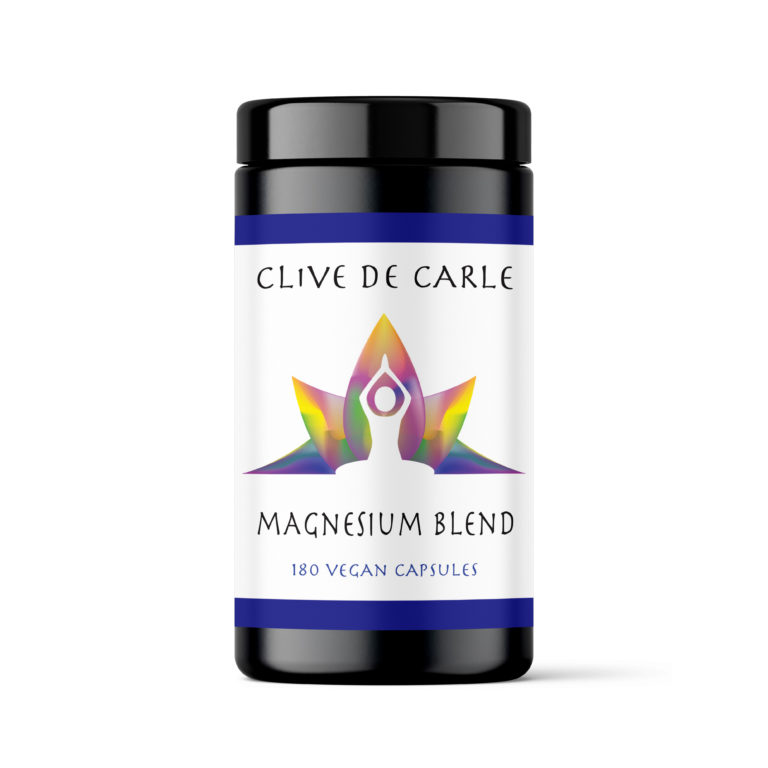
Magnesium Blend – The Most Important Mineral

Clean Slate – Detoxes thousands of chemicals,heavy metals, pesticides, allergens, mold spores and fungus

Vegan Essential Amino Acids – Plant-Powered Protein Building
INNERSTANDING may earn a commission on purchases made through these links. All products are selected based on rigorous educational relevance to our biological research.