
Hidden Switches: How Household Toxins and Endocrine Disruptors Alter Your Gene Expression
Updated May 2026
Environmental chemicals like BPA and phthalates don't just affect hormones; they act as epigenetic switches that can turn off health-protective genes. Learning to identify these toxins in your home is vital for maintaining long-term genetic integrity.
Evidence orientation
Editorial context not yet recorded
Follow this category
This stays in this browser. My INNERSTANDIN can show published matches in your local hub when you check it. It does not send email, push, or alert notifications.
Local learning review
A private browser aid for revisiting ideas. It is not an alert or a health recommendation.
Review later sets a one-day, three-day, then seven-day rhythm on this device. Choose it only when you want to revisit this article.
Overview
For decades, the prevailing scientific dogma suggested that our health was a direct result of the genetic hand we were dealt at conception. We were told that DNA was an unchangeable blueprint—a locked vault of instructions that dictated our susceptibility to disease, our metabolic rate, and our ultimate lifespan. This deterministic view offered a convenient excuse for the rising tide of chronic illness: "It’s just bad genetics."
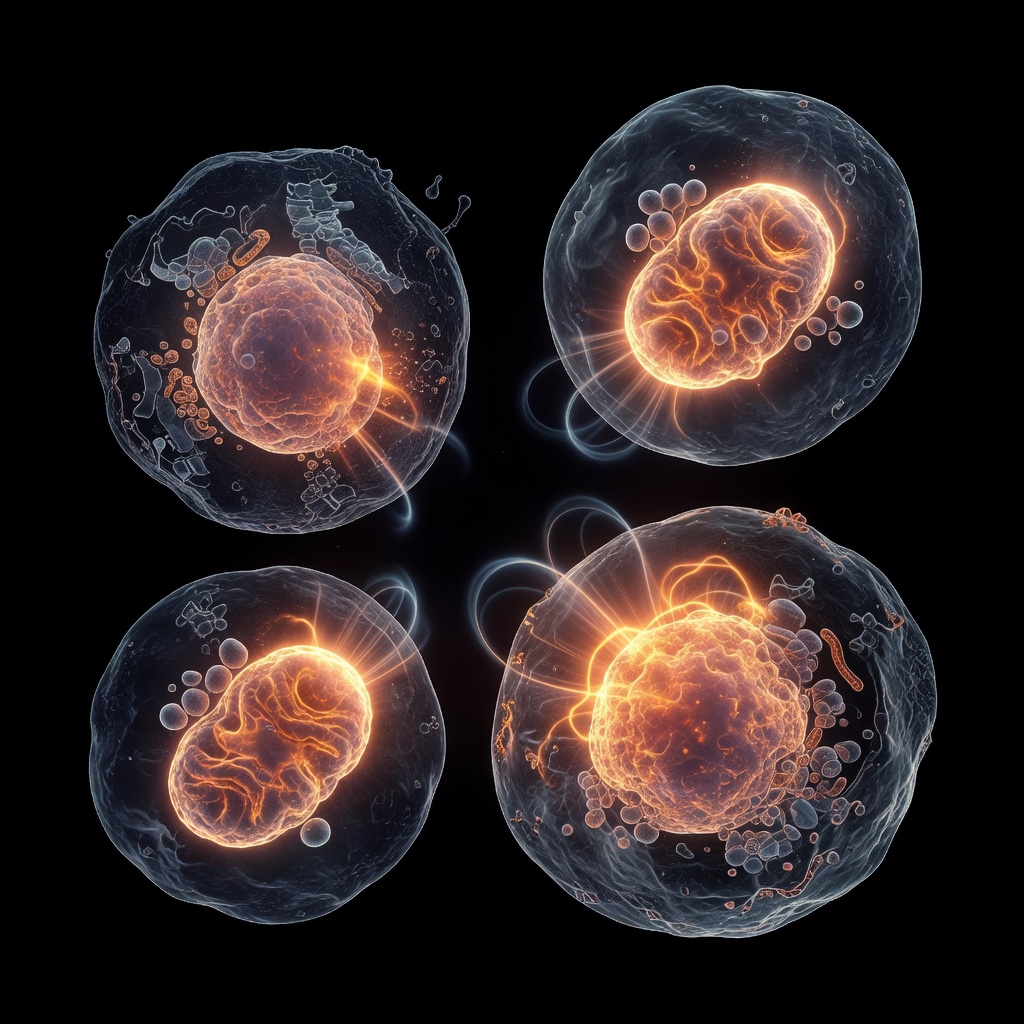
However, the emerging field of epigenetics has shattered this paradigm, revealing a far more complex and alarming reality. Your DNA is not a static blueprint; it is a dynamic keyboard, and the environment is the player. The music—your health—is determined by which keys are pressed and which are silenced. At the heart of this biological orchestration are "hidden switches" known as epigenetic modifications. These switches determine whether a protective, anti-cancer gene is expressed or whether a pro-inflammatory pathway is ignited.
The most unsettling discovery of the modern era is that our homes, once considered sanctuaries, have become primary sources of chemical interference. We are currently submerged in a "chemical soup" of synthetic compounds that do not merely float harmlessly in our bloodstreams. Instead, substances like Bisphenol A (BPA), phthalates, and polyfluoroalkyl substances (PFAS) act as molecular hackers. They infiltrate the cell nucleus and forcibly toggle our genetic switches, often bypassing the body’s natural regulatory defences.
This article exposes the mechanisms by which household toxins rewrite your genetic expression. We will move beyond the superficial "toxins are bad" narrative and delve into the specific enzymatic pathways and molecular interactions that facilitate this internal sabotage. Understanding these hidden switches is not just a matter of academic interest; it is a fundamental requirement for maintaining biological integrity in a chemically saturated world.
##
The Biology — How It Works
To understand how a plastic bottle or a scented candle can alter your DNA, we must first understand the architecture of the epigenome. If the DNA is the hardware of a computer, the epigenome is the software that tells the computer which programmes to run and when.
Every cell in your body contains the exact same DNA sequence. The reason a heart cell looks and functions differently from a skin cell is due to epigenetic programming. This programming is achieved through three primary mechanisms: DNA methylation, histone modification, and non-coding RNA interference.
DNA Methylation: The Molecular Silence
DNA methylation is the most well-studied epigenetic mechanism. It involves the addition of a methyl group (one carbon atom and three hydrogen atoms) to a specific location on the DNA strand, typically at a CpG island (a region where a cytosine nucleotide is followed by a guanine nucleotide). When a methyl group attaches to the promoter region of a gene, it acts like a physical barrier or a "lock." It prevents the cellular machinery from reading the gene, effectively turning it off.
Fact: Excessive methylation of "Tumour Suppressor Genes" is a hallmark of almost every known human cancer, effectively disabling the body's natural ability to kill off mutated cells.
Histone Modification: The Spooling Effect
DNA does not float loosely in the nucleus; it is wrapped around proteins called histones, like thread around a spool. The tightness of this wrapping determines gene accessibility. Enzymes known as Histone Acetyltransferases (HATs) add acetyl groups to the histones, loosening the "thread" and allowing genes to be "read" (gene activation). Conversely, Histone Deacetylases (HDACs) remove these groups, causing the DNA to wrap tightly and silencing the genes. Household toxins have been shown to disrupt the balance between HATs and HDACs, leading to the "locking" of essential metabolic and immune genes.
Non-coding RNA: The Genetic Censors
While only about 2% of our genome codes for proteins, the rest produces various forms of non-coding RNA (ncRNA). These molecules act as a secondary layer of regulation, hovering over the genetic landscape and degrading messenger RNA before it can be translated into protein. Environmental toxins can trigger the overproduction of specific ncRNAs that target and neutralise health-protective signals.
##
Mechanisms at the Cellular Level
When we consume food from a plastic container or inhale "fragrance" from a plug-in air freshener, we are introducing Endocrine Disrupting Chemicals (EDCs) into our internal environment. The cellular mechanisms by which these EDCs alter our epigenetics are both sophisticated and sinister.
Hormonal Mimicry and Nuclear Receptors
Many household toxins are "molecular mimics." Bisphenol A (BPA), for example, is structurally similar to the hormone estradiol. Because of this similarity, BPA can bind to Estrogen Receptors (ER-alpha and ER-beta) within the cell. Once bound, the BPA-receptor complex migrates into the nucleus and sits directly on the DNA.
This is where the epigenetic shift occurs. Once docked, these toxin-receptor complexes recruit enzymes like DNA Methyltransferases (DNMTs) to the site. These DNMTs then begin adding methyl groups to the surrounding DNA, silencing genes that should be active. This is not a temporary effect; it is a structural change to the way the cell functions.
Oxidative Stress as an Epigenetic Trigger
Many household chemicals, particularly heavy metals (like lead and cadmium found in some old paints and cheap ceramics) and pesticides, induce chronic oxidative stress. This process creates an abundance of reactive oxygen species (ROS) that damage cellular components.
Critically, ROS can interfere with the availability of S-adenosylmethionine (SAMe), the body’s universal methyl donor. When the body is under high oxidative stress, it diverts methyl groups away from DNA regulation to assist in the production of glutathione, the body’s master antioxidant. This results in "global DNA hypomethylation"—a state where genes that should be silenced (such as pro-inflammatory cytokines or "jumping genes" called transposons) become active, leading to systemic inflammation and genomic instability.
The Peroxisome Proliferator-Activated Receptors (PPARs)
Toxins like phthalates (found in PVC, floorings, and personal care products) target a specific class of nuclear receptors called PPARs. These receptors are the master regulators of fat metabolism and insulin sensitivity. When phthalates "flip" the switch on PPAR-gamma, they can epigenetically program stem cells to turn into fat cells rather than bone or muscle cells. This is the biological mechanism behind the "obesogen" hypothesis: the idea that chemical exposure is physically rewiring our metabolism to store fat, regardless of caloric intake.
##
Environmental Threats and Biological Disruptors
The modern home is an obstacle course of epigenetic disruptors. To protect genetic integrity, we must identify the specific compounds that act as the most potent "switch-flippers."
The Plasticizers: BPA, BPS, and Phthalates
While "BPA-Free" has become a popular marketing term, the reality is a classic case of corporate "greenwashing." Manufacturers have largely replaced BPA with Bisphenol S (BPS) or Bisphenol F (BPF). Recent research suggests that BPS may be even more potent than BPA in its ability to alter DNA methylation patterns in the brain, potentially linked to neurodevelopmental issues.
Phthalates, used to make plastics flexible and to make fragrances last longer, are equally insidious. They are known anti-androgens, meaning they interfere with male sex hormones. At a genetic level, phthalates have been shown to alter the methylation of genes involved in spermatogenesis, contributing to the precipitous decline in male fertility observed across the UK and the Western world.
PFAS: The "Forever Chemicals"
Per- and polyfluoroalkyl substances (PFAS) are used in non-stick cookware (Teflon), water-repellent clothing, and stain-resistant carpets. They are termed "forever chemicals" because they do not break down in the environment or the human body.
Statistic: According to various biomonitoring studies, PFAS are detectable in the blood of over 98% of the population. These chemicals have been linked to the epigenetic silencing of genes responsible for cholesterol metabolism and thyroid function.
Flame Retardants (PBDEs)
Found in mattresses, sofas, and electronics, Polybrominated Diphenyl Ethers (PBDEs) migrate out of products and settle in household dust. When inhaled or ingested, they interfere with thyroid hormone signaling. Studies have demonstrated that PBDE exposure during pregnancy alters the DNA methylation of the BDNF (Brain-Derived Neurotrophic Factor) gene in the foetus, which is crucial for brain development and synaptic plasticity.
Volatile Organic Compounds (VOCs) and Fragrance
The "clean" smell of most household detergents and air fresheners is actually a complex mixture of hundreds of unlisted chemicals, including benzene and formaldehyde. These VOCs are known to induce histone modifications in lung tissue, potentially switching on pathways that lead to chronic obstructive pulmonary disease (COPD) and asthma, even in non-smokers.
##
The Cascade: From Exposure to Disease
The epigenetic changes triggered by these toxins do not remain localized; they initiate a physiological cascade that manifests as chronic disease years, or even decades, after the initial exposure.
The Barker Hypothesis and Developmental Programming
The most vulnerable window for epigenetic "hacking" is during foetal development and early childhood. This is known as the Barker Hypothesis or the Developmental Origins of Health and Disease (DOHaD). If a pregnant mother is exposed to high levels of endocrine disruptors, the "switches" in the foetus are set to a state of high-stress reactivity or metabolic efficiency.
For example, exposure to phthalates in utero can methylate genes involved in the HPA (Hypothalamic-Pituitary-Adrenal) axis, the body’s stress response system. The child may be born with a genetic switch "stuck" in the ON position for cortisol production, leading to a lifetime of anxiety, sleep disorders, and metabolic syndrome.
The Silence of the Guardians: Cancer Initiation
Cancer is often described as a genetic disease, but it is increasingly understood as an epigenetic one. Our DNA contains Tumour Suppressor Genes (TSGs) like p53 and BRCA1. These are our genetic guardians; their job is to repair DNA damage or force a damaged cell to self-destruct (apoptosis).
Household toxins like glyphosate (found in many garden weedkillers used in the UK) and certain heavy metals can trigger the hypermethylation of these TSG promoters. When p53 is silenced, the "guardian" is asleep. Mutations then accumulate unchecked, and the cell begins the rapid, uncontrolled division that characterizes cancer.
Metabolic Inflexibility and "Type 3 Diabetes"
Epigenetic disruption of the insulin receptor substrate (IRS-1) gene via environmental toxins can lead to systemic insulin resistance. This isn't just about blood sugar; it's about the brain. Emerging research suggests that the epigenetic silencing of insulin pathways in the brain—sometimes called Type 3 Diabetes—is a primary driver of Alzheimer’s disease and cognitive decline.
##
What the Mainstream Narrative Omits
The mainstream health narrative, often influenced by industrial lobbyists, frequently downplays the risks of low-level chemical exposure. However, there are three critical biological truths that are systematically omitted from public health advice.
1. The Myth of the "Safe Level" (Non-Linear Dose Response)
Traditional toxicology is built on the principle that "the dose makes the poison." This assumes that at a low enough level, any chemical is safe. This does not apply to endocrine disruptors.
EDCs often exhibit a non-monotonic dose-response curve. This means they can be more active at extremely low concentrations (parts per billion or trillion) than at high concentrations. This is because our hormonal system is designed to respond to minute fluctuations in signaling. A tiny amount of BPA can "jam" a hormone receptor more effectively than a large amount, which might cause the body to simply shut down the receptor entirely (downregulation).
2. The "Cocktail Effect"
Regulatory bodies like the UK Food Standards Agency (FSA) often test chemicals in isolation. However, humans are never exposed to just one chemical. We are exposed to a "cocktail" of hundreds. Research has shown that chemicals which appear harmless at "safe" levels individually can become highly toxic when combined, a phenomenon known as synergistic toxicity. Two chemicals can work together to methylate a gene that neither could affect alone.
3. Transgenerational Epigenetic Inheritance
This is perhaps the most shocking omission. Epigenetic "scars" caused by household toxins can be passed down to your children and grandchildren. In studies on rodents, exposure to the pesticide vinclozolin (used in agriculture) caused changes in DNA methylation in the sperm that were still present four generations later, even though the offspring were never exposed to the chemical.
Callout: We are not just living for ourselves; we are the curators of the genetic heritage of our descendants. The chemical choices you make today could dictate the health of your great-grandchildren.
##
The UK Context
In the United Kingdom, the landscape of chemical regulation has shifted significantly post-Brexit. We have moved from the EU’s REACH (Registration, Evaluation, Authorisation and Restriction of Chemicals) framework to UK REACH.
Regulatory Gaps and the "Environment Agency"
Critics argue that the UK's independent regulatory capacity is struggling to keep pace with the sheer volume of new chemicals entering the market. The Environment Agency has recently raised alarms regarding the levels of PFAS in British waterways, particularly the Thames and the Anglian region. These chemicals, originating from household runoff and industrial waste, are now entering the domestic water supply. While the Drinking Water Inspectorate (DWI) maintains that UK water is "safe," their thresholds for PFAS are often criticized for being significantly higher than the updated, more stringent guidelines suggested by environmental health scientists.
The NHS Burden
The NHS is currently buckleing under the weight of "non-communicable diseases" (NCDs) such as Type 2 diabetes, obesity, and autoimmune conditions. What the mainstream media rarely connects is the link between the UK's high chemical burden and these soaring NHS costs. A study published in The Lancet Diabetes & Endocrinology estimated that the health costs associated with EDCs in the EU (including the UK at the time) were over €157 billion per year. By ignoring the epigenetic "switches" being flipped by household toxins, the UK government is treating the symptoms of a poisoned population while ignoring the source.
The "Fragrance" Loophole
In the UK, manufacturers are not required to list the specific ingredients of "parfum" or "fragrance" on labels, citing "trade secrets." This allows dozens of phthalates and synthetic musks to be hidden in everyday British household staples—from Fairy Liquid to Lenor fabric softeners—without the consumer's knowledge.
##
Protective Measures and Recovery Protocols
While the situation is grave, the beauty of the epigenome is its plasticity. Unlike your DNA sequence, your epigenetic switches can be "re-flipped" through strategic intervention.
1. The "Clean Sweep" Elimination Strategy
The first step is to stop the influx of hackers.
- Water Filtration: Invest in a high-quality water filter that specifically removes PFAS, fluoride, and heavy metals. Standard carbon filters are often insufficient; Reverse Osmosis (RO) or high-grade gravity filters (like Berkey) are superior for chemical removal.
- Cookware: Replace non-stick pans with stainless steel, cast iron, or 100% ceramic.
- Fragrance-Free Living: Eliminate all synthetic fragrances. Use essential oils or simply ensure proper ventilation. Replace chemical cleaners with white vinegar, bicarbonate of soda, and lemon.
- Plastic-Free Food: Never heat food in plastic. Switch to glass or stainless steel storage containers.
2. Supporting the Methylation Cycle
To maintain healthy DNA methylation, your body needs a steady supply of "methyl donors."
- B-Vitamins: Ensure adequate intake of Methylcobalamin (B12) and Methylfolate (B9). Avoid synthetic "folic acid," which can actually clog folate receptors and inhibit proper methylation in some individuals (particularly those with the MTHFR gene variant).
- Choline and Trimethylglycine (TMG): Found in organic egg yolks and beetroot, these compounds provide the raw materials for your genetic switches to function correctly.
3. Activating the Nrf2 Pathway
The Nrf2 pathway is the body’s internal "thermostat" for antioxidant production and detoxification.
- Sulforaphane: Found in cruciferous vegetables (especially broccoli sprouts), sulforaphane is a potent "epigenetic modulator." It has been shown to inhibit HDAC enzymes, effectively "unlocking" protective genes that help the body detoxify carcinogens.
- Curcumin: The active compound in turmeric can help "re-flip" switches associated with chronic inflammation.
4. Thermal Stress and Lipophilic Toxin Clearance
Many household toxins, such as PBDEs and phthalates, are lipophilic (fat-loving). They store themselves in your adipose tissue, making them difficult to excrete.
- Infrared Saunas: Regular use of an infrared sauna encourages the mobilization of these toxins from fat stores into the sweat.
- Epsom Salt Baths: The sulphate in Epsom salts (magnesium sulphate) is absorbed through the skin and supports the "sulfation" pathway in the liver—a key route for the elimination of BPA and other phenols.
5. Biological "Grounding" and Circadian Rhythm
Epigenetic expression is also influenced by your internal clock (circadian rhythms). Exposure to "blue light" from devices and LED bulbs at night can disrupt the methylation of genes involved in melatonin production. Prioritise natural sunlight in the morning and total darkness at night to keep your genetic switches synchronized with the natural world.
##
Summary: Key Takeaways
The reality of modern biology is that we are in a constant dialogue with our environment. Every chemical we touch, inhale, or ingest is a message to our DNA. Household toxins like BPA, phthalates, and PFAS are not just "pollution"; they are biological instructions that tell our bodies to store fat, promote inflammation, and silence our natural defences against cancer.
"Key points to remember:"
- The Epigenome is the Software: Your genes are the hardware, but environmental toxins act as "hackers" that alter the software’s code through methylation and histone modification.
- Low Doses Matter: Endocrine disruptors do not follow the "dose makes the poison" rule. Even minute amounts can have profound effects on gene expression.
- The Home is the Source: From non-stick pans to scented candles, the modern home is the primary site of chemical exposure.
- Generational Impact: These epigenetic changes can be inherited, meaning our choices today affect the biological integrity of future generations.
- Action is Possible: Through rigorous elimination of toxins, support of the methylation cycle with B-vitamins, and activation of detoxification pathways like Nrf2, we can reclaim control over our genetic switches.
The transition from a state of "genetic determinism" to "epigenetic sovereignty" is the most empowering shift a person can make in their health journey. You are not a victim of your genes; you are the architect of their expression. By identifying and removing these hidden switches, you can ensure that your genetic music remains a symphony of health rather than a discordance of disease. The "truth" exposed here is that while the system may be slow to protect you, the biological tools for your own defence are already within your reach. Focus on the switches you can control, and the body will follow.
This article is provided for informational and educational purposes only. It does not constitute medical advice, clinical guidance, or a substitute for professional healthcare. Information reflects cited research at time of publication. Always consult a qualified healthcare professional before acting on any health information.
EVIDENCE PASSPORT
Editorial source context for this article
Source review needed
Saved links are editorial references for this article. They may support specific claims rather than every sentence. Open and assess each source in context. This passport does not independently verify them.
Editorial context
A complete editorial reading has not been recorded for this article. Source links remain available for you to open and assess directly.
Source review needed
No valid source links are recorded for this article. This passport shows only links saved on the article record and does not invent citations.
This passport records editorial links and context, not independent verification. Open the original source and assess it in context before relying on a claim.
Medical Disclaimer
The information in this article is for educational purposes only and does not constitute medical advice, diagnosis, or treatment. Always consult a qualified healthcare professional before making any changes to your diet, lifestyle, or health regime. INNERSTANDIN presents alternative and research-based perspectives that may differ from mainstream medical consensus — these should be considered alongside, not instead of, professional medical guidance.
Read Full DisclaimerContinue the thread
Keep this question moving.
Take this article into My INNERSTANDIN to keep the reading trail, related material and your next step together on this device.
Explore this in the Body Map
See where this hits your biology. Interactive anatomy, threats, and protective protocols.
Dig deeper in the Library
Free, longform PDF volumes that go beyond headlines into mechanisms and references.