
Navigating the MTHFR Variant: A Guide to Genetic Expression and Methylation
Updated May 2026
Unpack the complexities of the MTHFR gene mutation and its role in the body's methylation cycle. Gain practical insights into supporting your biochemistry through targeted nutrition and lifestyle changes tailored for the UK population.
Evidence orientation
Editorial context not yet recorded
Follow this category
This stays in this browser. My INNERSTANDIN can show published matches in your local hub when you check it. It does not send email, push, or alert notifications.
Local learning review
A private browser aid for revisiting ideas. It is not an alert or a health recommendation.
Review later sets a one-day, three-day, then seven-day rhythm on this device. Choose it only when you want to revisit this article.
Overview
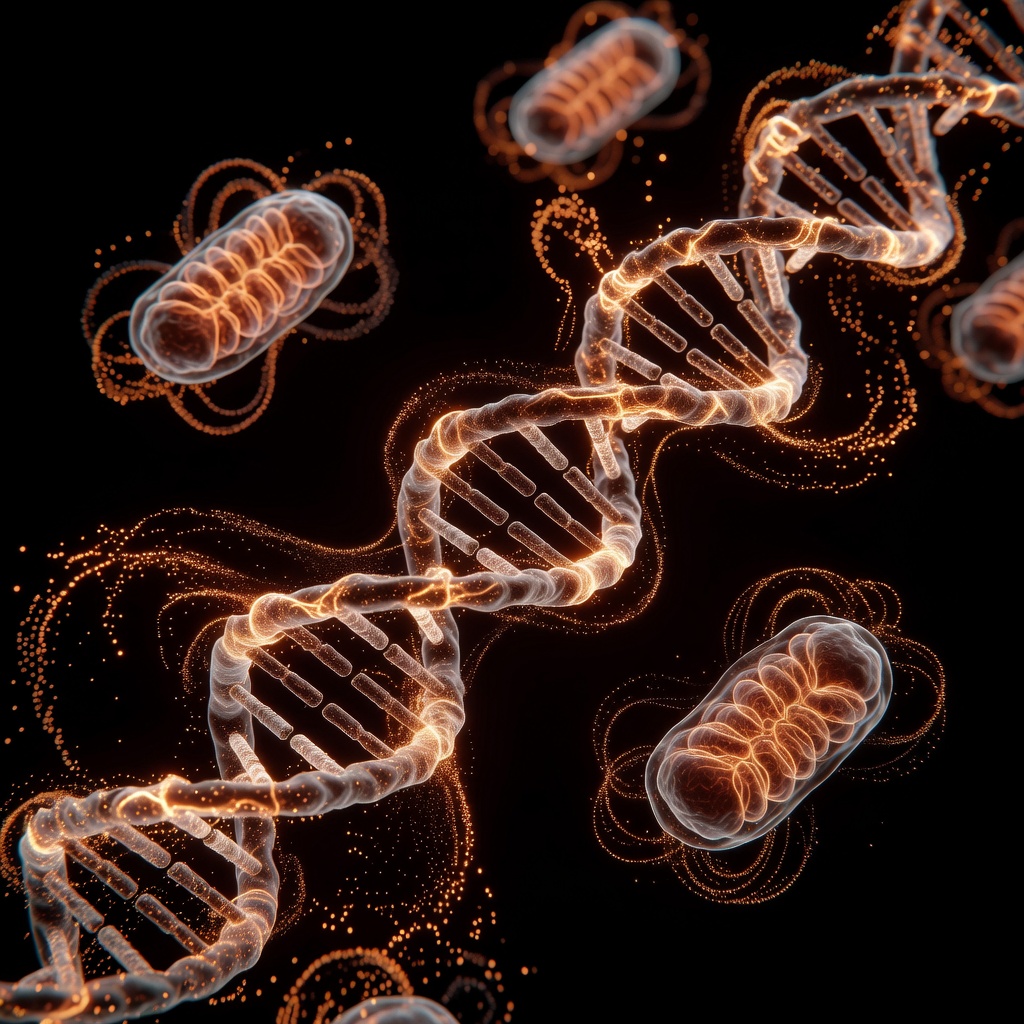
In the realm of modern genomic science, few topics have been as misrepresented, misunderstood, or dismissed by the medical establishment as the MTHFR (Methylenetetrahydrofolate Reductase) genetic variant. For decades, the mainstream narrative has treated genetics as a static blueprint—a fatalistic script written at birth that dictates our destiny. However, the emerging field of epigenetics has shattered this dogma, revealing that our genes are not our masters, but rather a complex set of switches that are flicked on or off by our environment, nutrition, and lifestyle choices.
The MTHFR gene is a critical instruction manual for the production of a specific enzyme of the same name. This enzyme is the primary driver of the Methylation Cycle, a foundational biochemical process that occurs billions of times every second in nearly every cell of the human body. When this gene possesses certain variants—often colloquially but incorrectly termed "mutations"—the resulting enzyme can be significantly less efficient. This inefficiency creates a biological bottleneck, a metabolic "traffic jam" that ripples through every system, from the detoxification of heavy metals to the synthesis of neurotransmitters like serotonin and dopamine.
In the United Kingdom, where the Food Standards Agency (FSA) and Public Health England have historically prioritised broad-spectrum fortification over bio-individual precision, the MTHFR conversation is more urgent than ever. Approximately 30% to 50% of the British population carries at least one variant of the MTHFR gene. For these individuals, the "standard" dietary advice is not just unhelpful—it is potentially toxic. This article serves as a comprehensive exposé and guide, stripping away the clinical obfuscation to reveal how you can navigate your genetic heritage to achieve optimal biological expression.
Biological Reality: An estimated 40-60% of the global population possesses a variant in the MTHFR gene that reduces the enzyme's efficiency by 30% to 70%, yet it remains largely untested in routine NHS screenings.
The Biology — How It Works
To understand MTHFR, one must first understand the One-Carbon Metabolism pathway. This is the body’s primary system for moving methyl groups (one carbon atom and three hydrogen atoms: CH3) from one molecule to another. Think of methylation as a universal "biological currency" that the body uses to pay for vital functions.
The MTHFR gene is located on Chromosome 1. It provides the instructions for making the methylenetetrahydrofolate reductase enzyme. This enzyme's specific job is to convert 5,10-methylenetetrahydrofolate into 5-methyltetrahydrofolate (5-MTHF). This final product, 5-MTHF, is the "active" form of folate that the body can actually use. Without it, the methylation cycle grinds to a halt.
The Two Primary Variants
There are two main locations (SNPs—Single Nucleotide Polymorphisms) on the MTHFR gene where variants typically occur:
- C677T: This is the most researched variant. If you are heterozygous (one copy from one parent), your enzyme efficiency drops by roughly 30-40%. If you are homozygous (two copies, one from each parent), your enzyme efficiency can plummet by 70-80%. This variant is heavily linked to elevated homocysteine levels and cardiovascular risk.
- A1298C: While this variant is less likely to significantly raise homocysteine, it is deeply involved in the production of BH4 (Tetrahydrobiopterin). BH4 is a crucial cofactor for the synthesis of nitric oxide (vasodilation) and neurotransmitters. Those with A1298C variants often present with neurological or "brain-based" symptoms rather than cardiovascular ones.
The Methionine Connection
The active folate produced by the MTHFR enzyme (5-MTHF) hands off its methyl group to Vitamin B12 (Cobalamin). B12 then delivers this methyl group to Homocysteine, converting it back into Methionine. Methionine is then converted into SAMe (S-Adenosylmethionine), which is the body’s "universal methyl donor."
If the MTHFR enzyme is sluggish, 5-MTHF is scarce. If 5-MTHF is scarce, homocysteine cannot be recycled into methionine. The result is a dual disaster: a toxic buildup of homocysteine (which shreds arterial walls) and a critical shortage of SAMe (which leaves the body unable to repair DNA or regulate gene expression).
Mechanisms at the Cellular Level
At the microscopic scale, the MTHFR enzyme is the gatekeeper of the Folate Cycle. When this gate is narrowed by genetic variance, the cellular consequences are profound and systemic.
DNA Synthesis and Repair
Methylation is the process that "silences" certain genes and "activates" others. This is the essence of epigenetics. Without adequate methyl donors from a high-functioning MTHFR enzyme, the body struggles to repair broken DNA strands. This leads to genomic instability, a precursor to various forms of cellular mutation and oncogenesis. Furthermore, methylation is responsible for the protection of the Telomeres—the protective caps on the ends of our chromosomes. Accelerated telomere shortening is the hallmark of biological ageing.
The Neurotransmitter Factory
The A1298C variant, in particular, affects the Biopterin (BH4) Cycle. BH4 is necessary for the enzyme Tryptophan Hydroxylase to convert tryptophan into serotonin, and for Tyrosine Hydroxylase to convert tyrosine into dopamine and norepinephrine.
When the MTHFR enzyme is compromised:
- Serotonin levels drop, leading to depression and anxiety.
- Dopamine levels fluctuate, contributing to ADHD and addictive behaviours.
- Melatonin production (derived from serotonin) fails, causing chronic insomnia.
The Transsulfuration Pathway
The body has a "backup" route for homocysteine if it cannot be recycled via the MTHFR/B12 pathway. This is called the Transsulfuration Pathway, which requires Vitamin B6 (P5P). This pathway leads to the production of Glutathione, the body’s "Master Antioxidant." However, in many MTHFR-compromised individuals, this pathway is either overactive (leading to sulfur sensitivity) or under-supported, leading to a catastrophic drop in glutathione. Without glutathione, the cells cannot neutralise reactive oxygen species (ROS), leading to systemic oxidative stress.
Crucial Detail: The MTHFR enzyme requires Riboflavin (Vitamin B2) as a cofactor. Even without a genetic variant, a B2 deficiency can mimic MTHFR dysfunction by starving the enzyme of its fuel.
Environmental Threats and Biological Disruptors
For an individual with an MTHFR variant, the environment is a minefield. What the mainstream medical community considers "safe levels" of exposure are often calculated based on a person with 100% enzyme efficiency. For those with a 70% reduction in methylation capacity, these exposures become cumulative poisons.
The Folic Acid Paradox
Perhaps the most egregious "truth" suppressed by standard nutritional guidelines is the danger of Folic Acid. Folic acid is a synthetic, man-made compound found in "fortified" flour, cereals, and cheap multivitamins. It does not exist in nature.
The body must convert synthetic folic acid into active 5-MTHF via the DHFR (Dihydrofolate Reductase) enzyme and then the MTHFR enzyme. In people with MTHFR variants, this conversion is incredibly slow. As a result, Unmetabolised Folic Acid (UMFA) begins to circulate in the bloodstream. UMFA is dangerous because it binds to folate receptors, blocking the few bits of natural folate you might have from entering the cells. It effectively "clogs" the biological machinery.
Heavy Metals and Xenobiotics
Methylation is the primary mechanism for "tagging" toxins so the liver and kidneys can excrete them. Heavy metals like Mercury (found in dental amalgams and certain fish), Aluminium (vaccine adjuvants and cookware), and Lead require methyl groups for detoxification.
If you have an MTHFR variant, you are a "poor detoxifier." Metals accumulate in the fatty tissues of the brain and nervous system. Similarly, Glyphosate, the active ingredient in many UK weedkillers, has been shown to disrupt the gut microbiome—where much of our B-vitamin synthesis occurs—further exacerbating the MTHFR bottleneck.
Endocrine Disruptors
Chemicals like BPA (Bisphenol A) and Phthalates mimic oestrogen. The body must methylate excess oestrogen to remove it. If the methylation cycle is weak, "dirty" oestrogen metabolites (like 4-OH oestrogens) circulate, increasing the risk of oestrogen-dominant cancers and reproductive issues.
The Cascade: From Exposure to Disease
The failure of the MTHFR enzyme does not result in a single "disease." Instead, it creates a cascade of systemic failures that manifest differently depending on the individual’s other genetic predispositions.
Cardiovascular Devastation
Elevated homocysteine is a potent pro-thrombotic factor. It creates microscopic abrasions on the inner lining of the arteries (the endothelium). The body responds by "patching" these wounds with cholesterol and calcium, leading to atherosclerosis.
Alarming Statistic: Individuals with the homozygous MTHFR C677T variant have a significantly higher risk of stroke and early-onset heart disease, yet homocysteine testing is rarely included in standard UK "Heart Age" check-ups.
Pregnancy and Development
The link between folate and Neural Tube Defects (NTDs) like spina bifida is well-known. However, the "folic acid" solution is a blunt instrument. For a mother with MTHFR, high doses of synthetic folic acid may actually contribute to pregnancy complications, including Preeclampsia and recurrent early miscarriages, due to the buildup of UMFA and the failure of DNA methylation in the developing foetus.
Mental Health and "Brain Fog"
Because methylation controls the production of the protective Myelin Sheath around nerves and the synthesis of neurotransmitters, MTHFR variants are strongly correlated with:
- Treatment-Resistant Depression: Where SSRIs fail because the body lacks the raw materials to make serotonin in the first place.
- Anxiety and Panic Disorders: Often linked to the inability to clear catecholamines (adrenalin/noradrenalin) due to a lack of methyl groups.
- Autism Spectrum Disorders: Research increasingly points to impaired methylation and heavy metal accumulation as significant epigenetic triggers.
What the Mainstream Narrative Omits
The UK’s National Health Service (NHS) and various professional bodies often downplay the significance of MTHFR. The common argument is that "nearly everyone has a variant, so it's not clinically significant." This is a reductive fallacy. While many carry the variant, the expression of that variant depends entirely on the Total Toxic Burden and nutritional status of the individual.
The Reference Range Lie
Standard blood tests for "Folate" do not distinguish between synthetic folic acid and active 5-MTHF. A patient may have "high-normal" folate on a lab report while their cells are actually starving for active methyl-folate. This creates a false sense of security.
The Resistance to Genomic Medicine
The mainstream medical model is built on the "one pill for every ill" philosophy. Genomic medicine requires time, nuance, and a deep understanding of biochemistry—luxuries that the current 10-minute consultation model does not allow. Acknowledging MTHFR would require a radical overhaul of the UK’s food fortification policies and a move away from the highly profitable "maintenance" drugs for cholesterol and depression.
The "Over-Methylation" Scare
While most of the focus is on under-methylation, the mainstream often ignores the nuance of Over-Methylation. Some individuals, particularly those with COMT (Catechol-O-methyltransferase) variants alongside MTHFR, can react poorly to methyl-donors, experiencing "niacin-like" flushes, racing thoughts, or irritability. The mainstream narrative fails to provide the sophisticated guidance needed to balance these delicate pathways.
The UK Context
In the United Kingdom, we face unique challenges regarding methylation and the MTHFR variant. Our regulatory landscape and environmental factors create a "perfect storm" for those with genetic vulnerabilities.
The Folic Acid Mandate
In September 2021, the UK government announced that non-wholemeal wheat flour would be legally required to be fortified with folic acid to prevent NTDs. While well-intentioned, this policy is a biological disaster for the 15-20% of the UK population who are homozygous for MTHFR. These individuals are now being force-fed a synthetic compound that their bodies cannot process, without any requirement for labelling on prepared foods like bread or crumpets.
Environmental Exposures in the UK
- Water Fluoridation: Many parts of the UK (particularly the West Midlands and North East) have fluoride added to the water. Fluoride can interfere with enzyme function and thyroid health, which is closely linked to the methylation cycle.
- The "Post-Industrial" Legacy: Regions of the UK with a history of heavy industry (the "Black Country," parts of Yorkshire and Scotland) often have higher levels of environmental lead and cadmium, which further tax the methylation capacity of local residents.
- The Lack of Sunlight: Vitamin D is a potent epigenetic modulator. The UK's chronic lack of UVB radiation for most of the year means that the majority of the population is Vitamin D deficient. Vitamin D helps regulate the MTHFR gene expression; without it, the genetic bottleneck becomes even tighter.
The NHS Gap
Currently, the NHS does not routinely test for MTHFR or Homocysteine unless a patient has already suffered multiple miscarriages or a significant cardiovascular event. This is "reactive" medicine at its worst. For the British public, the burden of discovery falls on the individual through private functional testing.
Protective Measures and Recovery Protocols
If you carry an MTHFR variant, you are not "broken." You simply have a different set of operating instructions. By tailoring your environment and intake, you can bypass the genetic bottleneck and achieve vibrant health.
1. The Nutritional Pivot: Quality Over Quantity
The first and most non-negotiable step is the total elimination of synthetic Folic Acid.
- Avoid: "Enriched" flour, fortified breakfast cereals, and multivitamins containing "Folic Acid."
- Embrace: Natural folates found in dark leafy greens (Spinach, Kale, Chard), Asparagus, and Broccoli. The word "folate" comes from the Latin folium, meaning leaf.
- Organ Meats: Organic beef liver is the most concentrated source of natural, highly bioavailable B-vitamins, including folate and B12.
2. Strategic Supplementation
You cannot simply "supplement your way out" of a poor lifestyle, but targeted nutrients are essential for bypassing the MTHFR bottleneck.
- 5-MTHF (Methylfolate): Instead of folic acid, use the active form. Start with low doses (400mcg) to avoid "methyl-detox" reactions.
- Methylcobalamin (B12): Use the methylated form of B12. Avoid Cyanocobalamin, which is B12 attached to a cyanide molecule—another toxin the MTHFR-compromised body must then work to remove.
- Riboflavin (B2): As the primary cofactor for the MTHFR enzyme, B2 is often the "missing link" in restoring methylation.
- TMG (Trimethylglycine): Also known as Betaine, TMG provides an "alternative" pathway for recycling homocysteine into methionine, taking the pressure off the MTHFR enzyme.
- Choline: Essential for the "Phosphatidylcholine" pathway of methylation. Found in egg yolks.
3. Support the "Drainage" Pathways
Because MTHFR variants impair detoxification, you must ensure your "exits" are open.
- Hydration: Filtered water (reverse osmosis or high-quality carbon block) to avoid fluoride and chlorine.
- Sweat: Regular use of an infrared sauna helps mobilise heavy metals and xenobiotics that the methylation cycle is struggling to process.
- Binders: Use substances like Activated Charcoal or Modified Citrus Pectin periodically to "mop up" toxins released during the detoxification process.
- Glutathione Support: Consider Liposomal Glutathione or the precursor NAC (N-Acetyl Cysteine) to boost your primary antioxidant defence.
4. Lifestyle and Stress Management
High levels of Cortisol (the stress hormone) consume vast amounts of methyl groups for the production and eventual breakdown of adrenalin. Chronic stress "burns through" your methyl donors faster than you can replace them.
- Circadian Rhythm: Ensure exposure to morning sunlight to set the "master clock" in the brain, which regulates the enzymes involved in the Biopterin cycle.
- Reduced Toxic Load: Switch to "clean" personal care products and household cleaners. If you can't eat it, don't put it on your skin.
Biological Fact: Alcohol is a major "methylation thief." It inhibits the MTHFR enzyme directly and depletes B-vitamins, making it particularly harmful for those with the C677T variant.
Summary: Key Takeaways
The MTHFR variant is not a disease; it is an evolutionary adaptation that requires a specific environment to flourish. In our ancestral past, where greens were abundant and synthetic chemicals non-existent, these variants may have offered certain advantages. In the toxic, over-fortified modern world, they represent a significant vulnerability.
To navigate the MTHFR landscape successfully, you must adopt the mindset of a biological engineer:
- Recognise the Bottleneck: Understand that your body’s ability to methylate—and therefore to heal, detoxify, and feel joy—is genetically throttled.
- Reject the Synthetic: Folic acid is the primary enemy. Read labels with a "detective’s eye" and reject the UK’s misguided fortification of the food supply.
- Test, Don't Guess: Seek out private functional testing (genomic panels and homocysteine levels) to understand your specific SNPs (C677T, A1298C, COMT, etc.).
- Prioritise Cofactors: Methylation does not happen in a vacuum. You need B2, B6, B12, Magnesium, and Zinc to keep the gears turning.
- Clean Your Environment: Reduce the "Total Toxic Burden." The fewer poisons your body has to methylate, the more methyl groups are available for DNA repair and neurotransmitter synthesis.
The "mainstream" narrative will likely continue to lag behind the science for decades. You do not have the luxury of waiting for the NHS to update its protocols. By understanding the intricate dance of the methylation cycle and the MTHFR enzyme, you take the power of genetic expression back into your own hands. Your genes may load the gun, but your environment and nutrition pull the trigger. It is time to choose a different path.
This article is provided for informational and educational purposes only. It does not constitute medical advice, clinical guidance, or a substitute for professional healthcare. Information reflects cited research at time of publication. Always consult a qualified healthcare professional before acting on any health information.
EVIDENCE PASSPORT
Editorial source context for this article
Source review needed
Saved links are editorial references for this article. They may support specific claims rather than every sentence. Open and assess each source in context. This passport does not independently verify them.
Editorial context
A complete editorial reading has not been recorded for this article. Source links remain available for you to open and assess directly.
Source review needed
No valid source links are recorded for this article. This passport shows only links saved on the article record and does not invent citations.
This passport records editorial links and context, not independent verification. Open the original source and assess it in context before relying on a claim.
Medical Disclaimer
The information in this article is for educational purposes only and does not constitute medical advice, diagnosis, or treatment. Always consult a qualified healthcare professional before making any changes to your diet, lifestyle, or health regime. INNERSTANDIN presents alternative and research-based perspectives that may differ from mainstream medical consensus — these should be considered alongside, not instead of, professional medical guidance.
Read Full DisclaimerContinue the thread
Keep this question moving.
Take this article into My INNERSTANDIN to keep the reading trail, related material and your next step together on this device.
Explore this in the Body Map
See where this hits your biology. Interactive anatomy, threats, and protective protocols.
Dig deeper in the Library
Free, longform PDF volumes that go beyond headlines into mechanisms and references.