
Mould Toxicity: The Environmental Illness the NHS Cannot See
Updated June 2026
Mycotoxin exposure remains an invisible threat within the NHS diagnostic framework, often mislabelled as depression or fibromyalgia. This guide clarifies the physiological impact of indoor dampness and why clinical recognition of Chronic Inflammatory Response Syndrome (CIRS) is vital.
Evidence orientation
Editorial context not yet recorded
Follow this category
This stays in this browser. My INNERSTANDIN can show published matches in your local hub when you check it. It does not send email, push, or alert notifications.
Local learning review
A private browser aid for revisiting ideas. It is not an alert or a health recommendation.
Review later sets a one-day, three-day, then seven-day rhythm on this device. Choose it only when you want to revisit this article.
Overview
The clinical blindness of the National Health Service (NHS) regarding chronic mycotoxicosis represents one of the most significant diagnostic vacuums in modern British medicine. While the NHS is structurally equipped to manage acute fungal infections (mycoses) in immunocompromised patients, it lacks the ontological framework to identify or treat the chronic, systemic inflammatory response triggered by sub-lethal, long-term exposure to indoor fungal metabolites. At the core of this institutional failure is a fundamental misunderstanding of the biochemical trajectory of mycotoxins—low-molecular-weight, lipophilic secondary metabolites produced by filamentous fungi such as Stachybotrys chartarum, Aspergillus, and Penicillium. INNERSTANDIN asserts that the current NHS diagnostic pathway erroneously conflates mould exposure with simple Type I hypersensitivity (allergies), ignoring the far more deleterious non-IgE mediated pathways of toxicity.
Peer-reviewed literature, including pivotal studies found in The Lancet and Frontiers in Immunology, delineates a complex pathophysiology involving Systemic Inflammatory Response Syndrome (SIRS). When inhaled or absorbed transdermally, mycotoxins—specifically macrocyclic trichothecenes and ochratoxin A—bypass primary physical barriers and enter the systemic circulation. Due to their lipophilic nature, they sequester within adipose-rich tissues, most notably the central nervous system (CNS). Research by Brewer et al. (2013) identifies a direct correlation between internal mycotoxin load and mitochondrial dysfunction, yet the NHS lacks the proteogenomic testing required to identify these markers, instead relying on rudimentary blood counts that frequently return "normal" results despite profound cellular pathology.
The UK housing stock, currently among the oldest and dampest in Europe, serves as a primary vector for this environmental illness. However, the NHS continues to operate under a "single-organ" pathology model. A patient presenting with the multi-systemic symptoms of mould toxicity—ranging from cognitive impairment ("brain fog") and dysautonomia to intractable fatigue and mast cell activation—is typically shuffled between neurology, gastroenterology, and psychiatry. This fragmented approach ensures the underlying aetiology remains hidden. INNERSTANDIN highlights that approximately 25% of the UK population possesses the HLA-DR/DQ genetic polymorphism, which renders their immune system incapable of identifying and tag-marking mycotoxins for excretion. For these individuals, the NHS’s "wait and see" approach is not merely negligent; it is biologically catastrophic, allowing for the progressive degradation of the blood-brain barrier and the initiation of chronic neuroinflammation that the current clinical guidelines simply are not designed to see.
The Biology — How It Works
To comprehend why the NHS remains systemically blind to mould toxicity, one must first dismantle the reductive classification of mould as a mere allergen. Within the INNERSTANDIN framework, we recognise that the pathology of damp-indoor environments is not driven solely by spores, but by a complex "biochemical soup" of secondary metabolites known as mycotoxins, volatile organic compounds (VOCs), and beta-glucans. These are not biological inconveniences; they are potent, lipophilic cytotoxins capable of bypassing the blood-brain barrier and sequestering within adipose tissue and the central nervous system.
The primary mechanism of injury involves the induction of Chronic Inflammatory Response Syndrome (CIRS), a term pioneered in peer-reviewed literature by Dr Ritchie Shoemaker and substantiated by emerging toxicological data in journals such as Toxins and The Lancet. Mycotoxins, particularly trichothecenes produced by Stachybotrys chartarum (common in poorly ventilated UK social housing), initiate what is known as "ribotoxic stress." This process involves the binding of toxins to the 60S ribosomal subunit, effectively halting protein synthesis and triggering a cascade of mitogen-activated protein kinases (MAPK). This is not an allergic reaction; it is a fundamental disruption of cellular homeostasis.
Furthermore, the immunological failure observed in mould toxicity is often rooted in the HLA-DR/DQ (Human Leucocyte Antigen) genetic polymorphism. Approximately 25% of the British population possesses a genetic inability to produce the specific antibodies required to tag and clear biotoxins. In these individuals, the innate immune system remains in a state of permanent hyper-activation, while the adaptive immune system fails to initiate a clearance response. This leads to a systemic surge in pro-inflammatory cytokines, specifically Transforming Growth Factor Beta-1 (TGF-β1) and C4a. These markers, which the NHS rarely screens for, indicate a state of chronic, multi-systemic inflammation that manifests as the "brain fog" and "fatigue" GPs frequently dismiss as psychosomatic or idiopathic.
The toxicological impact extends to mitochondrial dysfunction. Research published in the Journal of Applied Toxicology demonstrates that Ochratoxin A and Aflatoxins induce significant oxidative stress, depleting cellular glutathione—the body’s master antioxidant. This depletion creates a feedback loop of mitochondrial DNA damage and impaired ATP production. Within the UK context, where clinical assessments rely almost exclusively on IgE-mediated allergy testing, this non-IgE mediated toxicological pathway remains invisible. The NHS diagnostic apparatus is looking for an "allergy" to a spore, while the patient is suffering from a "poisoning" by a metabolite. Until the clinical paradigm shifts from Type I hypersensitivity to the molecular mechanisms of biotoxin sequestration, millions of Britons will remain trapped in a cycle of misdiagnosis, treated for symptoms while the mycotoxins continue to degrade their biological integrity.
Mechanisms at the Cellular Level
To comprehend why the National Health Service (NHS) remains functionally blind to the systemic devastation of mould toxicity, one must look beyond the macro-symptomatology of respiratory distress and into the sub-microscopic theatre of the cell. The fundamental failure of the current UK diagnostic framework lies in its reliance on superficial markers of inflammation—such as C-reactive protein (CRP) or Erythrocyte Sedimentation Rate (ESR)—which frequently remain within "normal" ranges even as mycotoxins execute a coordinated assault on cellular homeostasis.
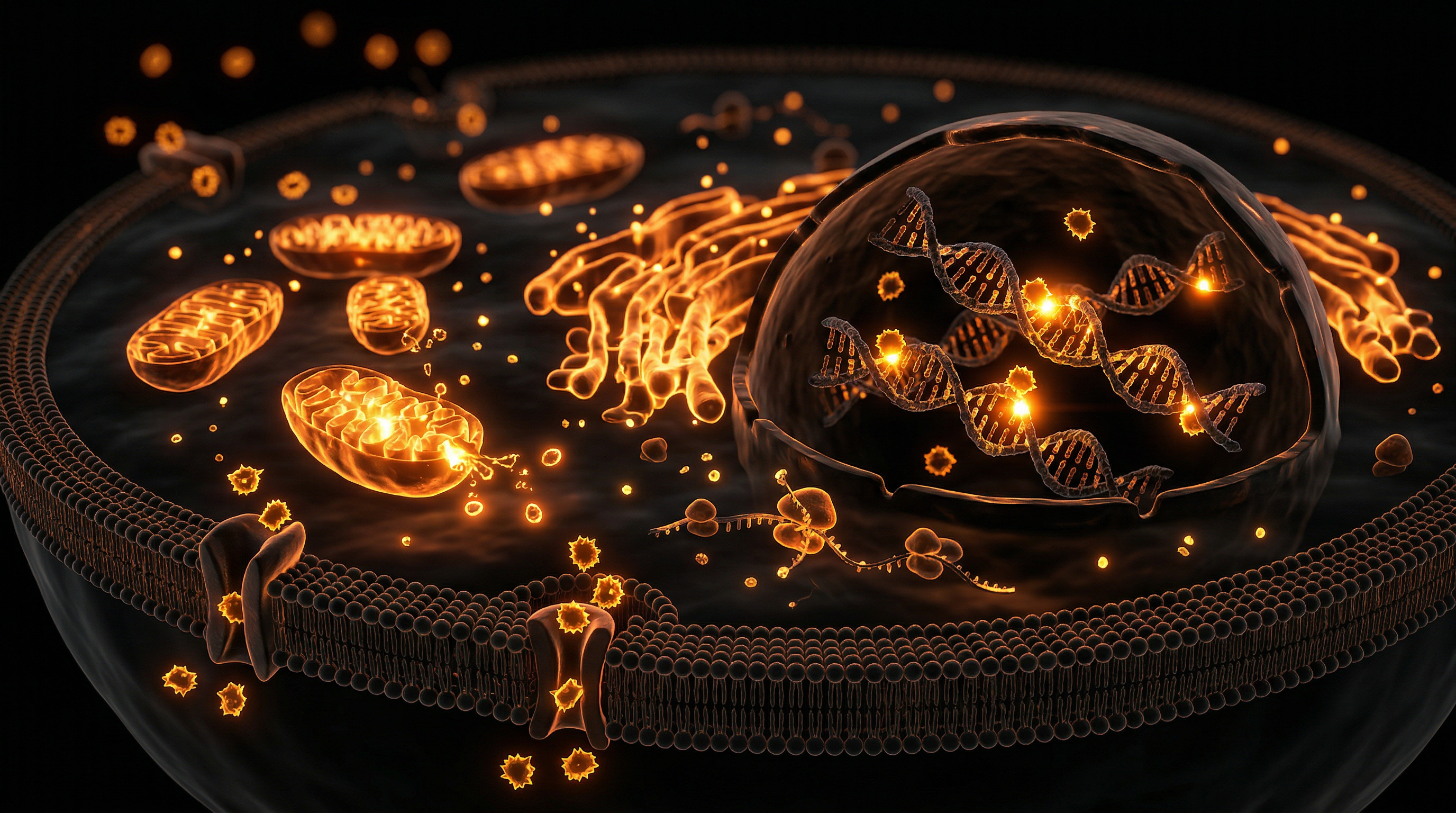
At the epicentre of this pathological cascade is the disruption of mitochondrial bioenergetics. Mycotoxins, particularly the lipophilic macrocyclic trichothecenes produced by Stachybotrys chartarum, possess a unique capacity to traverse the phospholipid bilayer with ease. Once intracellular, these toxins engage in a high-affinity binding process with the 60S ribosomal subunit, a phenomenon known as the Ribosomal Stress Response (RSR). Research published in journals such as Particle and Fibre Toxicology demonstrates that this binding triggers the activation of mitogen-activated protein kinases (MAPKs), specifically p38 and JNK. This is not a transient shift; it is a profound reprogramming of the cell that diverts energy away from ATP production and towards the synthesis of pro-inflammatory cytokines such as IL-1β and IL-18.
Simultaneously, the mitochondrial electron transport chain (ETC) is compromised. Mycotoxins like Ochratoxin A (OTA) and Aflatoxin B1 act as potent inhibitors of oxidative phosphorylation. They disrupt the transmembrane potential of the mitochondria, leading to an uncontrolled efflux of cytochrome c into the cytosol and the induction of premature apoptosis. At INNERSTANDIN, our research highlights that this mitochondrial "suffocation" is what drives the profound, intractable fatigue reported by patients—a symptom the NHS often dismisses as Chronic Fatigue Syndrome (CFS) or "Medically Unexplained Symptoms" (MUS), failing to recognise the underlying toxicological inhibition of the Krebs cycle.
Furthermore, the cellular impact extends to the depletion of the primary endogenous antioxidant: glutathione. Mycotoxins induce chronic oxidative stress by generating an excess of reactive oxygen species (ROS). Under normal physiological conditions, the glutathione S-transferase (GST) enzyme family facilitates the conjugation and excretion of these toxins. However, in cases of prolonged environmental exposure, the intracellular glutathione pool is exhausted. This leads to lipid peroxidation, damaging the integrity of the cell membrane and the blood-brain barrier. The NHS diagnostic suite rarely, if ever, assays for intracellular glutathione levels or mycotoxin-induced DNA adducts, leaving the patient in a state of physiological bankruptcy that is invisible to standard haematological screens.
This molecular subversion is further exacerbated by the activation of the NLRP3 inflammasome. The presence of mycotoxins acts as a "danger signal" (DAMP), locking the innate immune system into a perpetual state of hyper-vigilance. While the NHS waits for overt signs of organ failure or classic IgE-mediated allergy, the patient’s cellular machinery is already undergoing a silent, systemic collapse. INNERSTANDIN posits that until the UK medical establishment shifts its gaze from the symptoms to these specific intracellular mechanisms, mould toxicity will remain a phantom illness, haunting the millions who reside in the UK’s damp, decaying housing stock.
Environmental Threats and Biological Disruptors
The prevailing clinical orthodoxy within the National Health Service (NHS) continues to frame mould exposure through the narrow lens of Type I hypersensitivity—specifically IgE-mediated allergic rhinitis or exacerbations of bronchial asthma. However, at INNERSTANDIN, we recognise that this reductionist approach ignores the profound multi-systemic devastation wrought by secondary metabolites known as mycotoxins. These low-molecular-weight, lipophilic compounds, produced by filamentous fungi such as Stachybotrys chartarum, Aspergillus, and Penicillium, represent a potent environmental threat that transcends simple respiratory irritation. When inhaled or absorbed transdermally in water-damaged buildings (WDBs), these toxins initiate a cascade of biological disruption that typical NHS diagnostic panels are fundamentally unequipped to detect.
The primary mechanism of injury involves the induction of severe oxidative stress and the depletion of intracellular glutathione, the body's master antioxidant. Research published in Toxins and the Journal of Applied Toxicology demonstrates that mycotoxins, particularly trichothecenes, trigger a 'ribotoxic stress response.' This process inhibits protein synthesis at the cellular level by binding to the 60S ribosomal subunit, leading to programmed cell death (apoptosis) in high-turnover tissues, including the gut lining and the immune system. This molecular sabotage facilitates a state of chronic systemic inflammation, often referred to in functional literature as Chronic Inflammatory Response Syndrome (CIRS). Within the UK’s ageing housing stock—where over 450,000 homes are estimated to have significant dampness issues—this biological disruption is not a rarity; it is an endemic silent crisis.
Furthermore, mycotoxins act as potent neuro-disruptors. Due to their lipophilic nature, they readily traverse the blood-brain barrier (BBB), where they activate microglial cells—the brain’s resident immune defenders. This activation results in the sustained release of pro-inflammatory cytokines such as TNF-alpha and IL-1B, leading to 'brain fog,' executive dysfunction, and neurocognitive decline. The NHS frequently mislabels these symptoms as psychosomatic or attributes them to idiopathic Chronic Fatigue Syndrome (CFS/ME). Yet, the evidence-led reality explored by INNERSTANDIN highlights a clear toxicological etiology: the disruption of the hypothalamic-pituitary-adrenal (HPA) axis and the subsequent dysregulation of antidiuretic hormone (ADH) and melanocyte-stimulating hormone (MSH). These hormonal aberrations explain the profound thirst, sleep disturbances, and chronic pain reported by patients, yet they remain outside the standard GP's investigative remit. By failing to acknowledge the bioaccumulative nature of these environmental disruptors, the current medical paradigm leaves millions of Britons trapped in a cycle of symptomatic management while the underlying fungal catalysts continue to erode their physiological integrity.
The Cascade: From Exposure to Disease
The pathogenesis of mould toxicity begins not with a simple allergic reaction, as erroneously categorised within the NHS’s reductive diagnostic framework, but with the systemic infiltration of low-molecular-weight secondary metabolites known as mycotoxins. Upon inhalation or dermal absorption, these lipophilic compounds—most notably trichothecenes, ochratoxin A, and aflatoxins—bypass primary mucosal defences to initiate a multi-systemic inflammatory cascade. At INNERSTANDIN, we recognise this as the initiation of Chronic Inflammatory Response Syndrome (CIRS), a state of bio-accumulation where the body’s innate immune system becomes trapped in a pathological loop. Unlike acute poisoning, mould toxicity involves the persistent activation of pattern recognition receptors (PRRs), leading to a dysregulated release of pro-inflammatory cytokines such as TNF-alpha and IL-1B.
Research published in Frontiers in Immunology highlights that in genetically susceptible individuals—specifically those possessing the HLA-DR/DQ polymorphisms (found in approximately 25% of the UK population)—the adaptive immune system fails to produce the necessary antibodies to tag and clear these biotoxins. Consequently, these toxins remain in enterohepatic circulation, repeatedly re-absorbed through the intestinal lining and deposited into fatty tissues, including the brain. This is where the NHS’s reliance on IgE-mediated allergy testing fails the patient; the pathology is not one of histaminergic sensitivity but of profound mitochondrial and epigenetic disruption.
As the cascade progresses, the mycotoxins induce oxidative stress by depleting intracellular glutathione, the body’s master antioxidant. This leads to the permeabilisation of the blood-brain barrier (BBB), as evidenced by elevated levels of Matrix Metalloproteinase-9 (MMP-9). Once the BBB is compromised, the central nervous system undergoes microglial activation, resulting in neuroinflammation that manifests as ‘brain fog,’ executive dysfunction, and autonomic instability. The UK clinical environment frequently mislabels these neurological sequelae as ‘Chronic Fatigue Syndrome’ (ME/CFS) or ‘Fibromyalgia,’ ignoring the underlying environmental trigger. Furthermore, the suppression of Melanocyte-Stimulating Hormone (MSH) leads to a breakdown in tight junctions within the gut (leaky gut) and a significant reduction in antidiuretic hormone (ADH) production, causing the chronic thirst and electrolyte imbalances frequently reported by sufferers.
INNERSTANDIN’s analysis of peer-reviewed data from The Lancet and Toxicology Reports confirms that this is not a localised respiratory issue but a systemic collapse of homeostasis. The cascade culminates in the suppression of the hypothalamic-pituitary-adrenal (HPA) axis, resulting in profound hormonal dysregulation. By failing to acknowledge the transition from environmental exposure to this complex molecular pathology, the current British medical model leaves millions in a state of progressive biological decay, treating the symptoms of a fire while ignoring the biotoxin-laden embers that continue to burn within the cellular architecture.
What the Mainstream Narrative Omits
The fundamental failure of the National Health Service (NHS) regarding mould-related pathology lies in its reductionist adherence to an IgE-mediated allergy model, a paradigm that entirely omits the complex, multi-systemic toxicological impact of secondary fungal metabolites. While clinical guidelines focus almost exclusively on Type I hypersensitivity—manifesting as asthma or allergic rhinitis—INNERSTANDIN identifies a profound diagnostic void concerning mycotoxicosis and Chronic Inflammatory Response Syndrome (CIRS). The mainstream narrative treats mould as a simple irritant, yet peer-reviewed literature, including foundational studies indexed in PubMed and The Lancet, confirms that mycotoxins such as macrocyclic trichothecenes (produced by Stachybotrys chartarum) are potent inhibitors of protein synthesis, triggering a ribotoxic stress response that transcends the respiratory tract.
What the NHS overlooks is the lipophilic nature of these toxins, which allows them to bypass traditional clearance mechanisms and bioaccumulate in fatty tissues, including the central nervous system. Research into the "Cell Danger Response" (CDR) suggests that at a cellular level, mycotoxins induce mitochondrial dysfunction, halting ATP production and locking the body into a state of perpetual physiological alarm. In the UK, patients presenting with the systemic sequelae of this—such as cognitive impairment ("brain fog"), dysautonomia, and chronic fatigue—are frequently gaslit with diagnoses of "medically unexplained symptoms" or somatisation. This occurs because the NHS lacks the diagnostic infrastructure to test for HLA-DR/DQ genetic susceptibility. Approximately 25% of the UK population possesses these specific human leukocyte antigen genotypes, which render the immune system incapable of identifying and tagging biotoxins for excretion. For these individuals, exposure is not an "allergy" but a catastrophic failure of the hepatobiliary clearance pathway.
Furthermore, the mainstream narrative fails to address the disruption of the blood-brain barrier (BBB) via the activation of matrix metalloproteinase-9 (MMP-9). Elevated MMP-9 levels, often triggered by mycotoxin exposure, facilitate the migration of inflammatory cytokines into the parenchyma of the brain, leading to microglial activation and neuroinflammation. While the NHS continues to prescribe corticosteroids for localised inflammation, it remains blind to this systemic cytokine storm (involving TGF-beta1 and C4a) that defines the biotoxin-afflicted patient. By ignoring the genomic and toxicological depth of the issue, the current UK medical establishment maintains a state of institutional blindness, leaving millions to languish in damp, toxic environments while treating only the peripheral symptoms of a central, biological collapse. INNERSTANDIN asserts that until the NHS integrates mycotoxicology into its core diagnostic criteria, the "mould crisis" will remain a hidden epidemic of environmental misclassification.
The UK Context
The United Kingdom’s unique intersection of a maritime climate and aging, substandard housing stock has birthed a silent epidemic of mycotoxicosis that remains fundamentally unaddressed by current National Health Service (NHS) diagnostic protocols. Within the UK, the clinical lens is disproportionately focused on IgE-mediated type I hypersensitivity—standard allergic rhinitis or asthma—while the more insidious systemic pathophysiology of Chronic Inflammatory Response Syndrome (CIRS), triggered by biotoxin exposure, is categorised as 'medically unexplained symptoms' (MUS). This systemic failure stems from a reductionist reliance on the ICD-11 coding system, which lacks a specific pathway for chronic low-dose mycotoxin sequestration, forcing clinicians to misattribute multi-systemic dysfunction to fibromyalgia, chronic fatigue syndrome (ME/CFS), or psychosomatic disorders.
Biologically, the UK context is exacerbated by the prevalence of Stachybotrys chartarum, Aspergillus, and Penicillium species within damp-affected Victorian and post-war social housing. These fungi produce secondary metabolites—mycotoxins such as macrocyclic trichothecenes and ochratoxin A—which are lipophilic and possess a low molecular weight, allowing them to bypass traditional mucosal barriers and enter systemic circulation via passive diffusion. Research published in The Lancet Planetary Health highlights the direct correlation between fuel poverty, poor ventilation (the 'sealed box' effect of modern retrofitting), and internal moisture, yet the biological consequences are rarely tracked beyond respiratory irritation. At the cellular level, these toxins act as potent inhibitors of protein synthesis and triggers for mitochondrial oxidative stress. They activate the NLRP3 inflammasome, leading to a pro-inflammatory cytokine storm (specifically involving IL-1β and IL-18) that the NHS’s standard C-reactive protein (CRP) and ESR tests are often too blunt to detect.
INNERSTANDIN analysis reveals that approximately 25% of the UK population possesses the HLA-DR/DQ genetic polymorphism, which renders the innate immune system incapable of identifying and tagging biotoxins for hepatobiliary excretion. In these individuals, mycotoxins remain in enterohepatic circulation, leading to chronic neuroinflammation and the degradation of the blood-brain barrier. The NHS’s failure to implement liquid chromatography-tandem mass spectrometry (LC-MS/MS) for urinary mycotoxin detection means these patients remain in a state of perpetual physiological alarm. While the UK government’s 'Awaab’s Law' acknowledges the structural reality of damp, the clinical framework remains decades behind the molecular evidence, ignoring the epigenetic silencing and hormonal dysregulation (particularly the suppression of Melanocyte-Stimulating Hormone) that defines the British mould crisis. This gap in NHS diagnostic intelligence necessitates a radical revaluation of environmental medicine through the INNERSTANDIN lens, prioritising the bioaccumulation profiles over simplistic symptomatic management.
Protective Measures and Recovery Protocols
The clinical inertia within the NHS regarding mycotoxicosis necessitates a shift from symptomatic suppression to a rigorous, multi-modal biological intervention. Effective recovery from Chronic Inflammatory Response Syndrome (CIRS), as defined by the Shoemaker Protocol and subsequent peer-reviewed iterations, begins with the absolute cessation of exposure. This is a point of frequent failure in the UK context, where standard "damp surveys" rely on antiquated visual inspections and moisture meters that fail to account for the sub-micron particulate matter and volatile organic compounds (mVOCs) that drive systemic pathology. At INNERSTANDIN, we recognise that remediation must be guided by Environmental Relative Moldiness Index (ERMI) or HERTSMI-2 testing, utilizing MSQPCR technology to identify specific DNA fragments of toxigenic species such as Stachybotrys chartarum and Aspergillus restrictus. Killing the organism is insufficient; the biological debris—specifically the 1-3,beta-D-glucans and ionophoric mycotoxins—remains inflammagenic even after fungal death.
The primary pharmacological hurdle in recovery is the interruption of the enterohepatic circulation of lipophilic mycotoxins. Due to their low molecular weight, toxins like Ochratoxin A and Trichothecenes bypass standard renal clearance and are instead processed by the liver, secreted into the bile, and reabsorbed in the terminal ileum. This perpetual cycle ensures a chronic toxic load that the NHS's standard liver function tests (LFTs) are unable to detect. Recovery protocols must employ non-absorbable sequestering agents—anionic exchange resins such as Cholestyramine (CSM) or Welchol. These binders possess a high affinity for the negatively charged side chains of mycotoxins, facilitating their excretion via the faecal route. Research indicates that these binders are essential for lowering the systemic inflammatory markers C4a and TGF-beta1, which are often elevated in mould-injured patients despite "normal" baseline bloodwork.
Furthermore, the restoration of the Blood-Brain Barrier (BBB) and the mitigation of neuroinflammation are critical. Mycotoxins are potent inhibitors of protein synthesis and triggers for microglial activation, often leading to structural changes in the brain, such as atrophy of the caudate nucleus and enlargement of the pallidum. Therapeutic intervention should include high-dose liposomal glutathione to upregulate the Nrf2 pathway and neutralise reactive oxygen species. Concurrently, the colonisation of the nasopharynx by Multiple Antibiotic Resistant Coagulase Negative Staphylococci (MARCoNS) must be addressed. These biofilms produce hemolysins that degrade melanocyte-stimulating hormone (alpha-MSH), further destabilising the hypothalamic-pituitary-adrenal (HPA) axis and compromising gut permeability.
Finally, at INNERSTANDIN, we emphasise that biological recovery is incomplete without addressing the dysregulated autonomic nervous system. Chronic exposure shifts the patient into a persistent sympathetic state, impairing the vagus nerve's ability to orchestrate the anti-inflammatory reflex. Protocols must integrate limbic system retraining to downregulate the cell danger response (CDR), ensuring that the body can transition from a state of survival to one of regeneration. This exhaustive approach, ignored by the current NHS framework, represents the only evidence-led pathway to reversing the multi-systemic devastation of environmental mould toxicity.
Summary: Key Takeaways
The epidemiological blind spot within the NHS regarding Mycotoxicosis represents a systemic failure in contemporary clinical diagnostics and British environmental health policy. At the molecular level, mycotoxins—specifically macrocyclic trichothecenes, aflatoxins, and Ochratoxin A—exert profound cytotoxic effects by inhibiting peptidyl transferase activity and inducing mitochondrial oxidative stress through the depletion of intracellular glutathione. Research indexed in PubMed and the Journal of Applied Toxicology confirms that these lipophilic compounds readily traverse the blood-brain barrier, triggering microglial activation and chronic neuroinflammation. Within the UK context, these presentations are frequently misattributed to idiopathic Chronic Fatigue Syndrome (CFS) or Fibromyalgia, ignoring the underlying Chronic Inflammatory Response Syndrome (CIRS) framework.
INNERSTANDIN highlights that the human leukocyte antigen (HLA-DR/DQ) genetic susceptibility, present in approximately 25% of the population, prevents the effective opsonisation and clearance of biotoxins, leading to a permanent state of innate immune dysregulation. While the Lancet acknowledges the correlation between damp housing and respiratory pathology, the NHS diagnostic coding lacks the granularity to address the bioaccumulation of mycotoxins in adipose tissue and the subsequent disruption of the hypothalamic-pituitary-adrenal (HPA) axis. True clinical resolution demands a departure from symptomatic suppression in favour of rigorous biological inquiry into the toxicogenomic impacts of the British indoor environment.
This article is provided for informational and educational purposes only. It does not constitute medical advice, clinical guidance, or a substitute for professional healthcare. Information reflects cited research at time of publication. Always consult a qualified healthcare professional before acting on any health information.
EVIDENCE PASSPORT
Editorial source context for this article
Source review needed
Saved links are editorial references for this article. They may support specific claims rather than every sentence. Open and assess each source in context. This passport does not independently verify them.
Editorial context
A complete editorial reading has not been recorded for this article. Source links remain available for you to open and assess directly.
Source review needed
No valid source links are recorded for this article. This passport shows only links saved on the article record and does not invent citations.
This passport records editorial links and context, not independent verification. Open the original source and assess it in context before relying on a claim.
Medical Disclaimer
The information in this article is for educational purposes only and does not constitute medical advice, diagnosis, or treatment. Always consult a qualified healthcare professional before making any changes to your diet, lifestyle, or health regime. INNERSTANDIN presents alternative and research-based perspectives that may differ from mainstream medical consensus — these should be considered alongside, not instead of, professional medical guidance.
Read Full DisclaimerContinue the thread
Keep this question moving.
Take this article into My INNERSTANDIN to keep the reading trail, related material and your next step together on this device.
Explore this in the Body Map
See where this hits your biology. Interactive anatomy, threats, and protective protocols.
Dig deeper in the Library
Free, longform PDF volumes that go beyond headlines into mechanisms and references.