
Glutathione: The Intravenous Master Antioxidant Mechanism
Updated May 2026
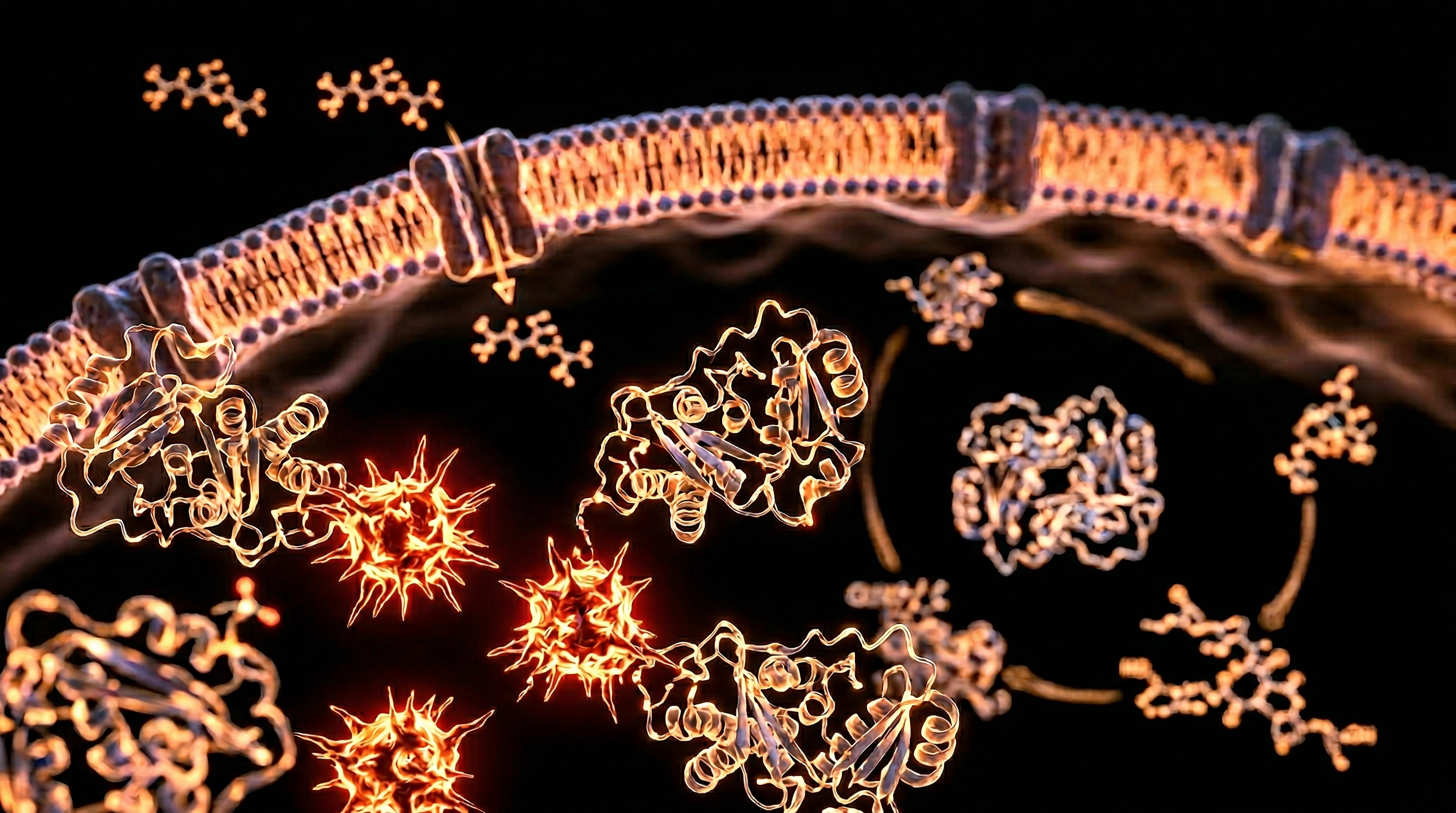
Investigate the intracellular role of glutathione when delivered directly into the bloodstream. This piece exposes the biological necessity of high-concentration infusions for oxidative stress reduction.
Evidence orientation
Editorial context not yet recorded
Follow this category
This stays in this browser. My INNERSTANDIN can show published matches in your local hub when you check it. It does not send email, push, or alert notifications.
Local learning review
A private browser aid for revisiting ideas. It is not an alert or a health recommendation.
Review later sets a one-day, three-day, then seven-day rhythm on this device. Choose it only when you want to revisit this article.
Overview
In the modern epoch, the human biological terrain is under a state of constant siege. We exist in a chemical landscape that our evolutionary precursors could never have envisioned. From the omnipresence of microplastics to the persistent load of heavy metals and industrial xenobiotics, the metabolic machinery of the human cell is being pushed to its functional limits. At the centre of this struggle for homeostasis is a single, elegant molecule: Glutathione (GSH).
Often referred to by clinicians and researchers as the ‘Master Antioxidant,’ glutathione is not merely a supplement; it is a fundamental biological necessity. It is the primary endogenous antioxidant found in every cell of the body, tasked with the Herculean labour of neutralising reactive oxygen species (ROS), maintaining the redox state of the cell, and facilitating the detoxification of a myriad of environmental poisons.
However, a critical problem has emerged. The endogenous production of glutathione—the body's ability to manufacture its own supply—is being outpaced by the sheer volume of oxidative stress we encounter daily. Furthermore, the standard medical model frequently overlooks the efficacy of Intravenous (IV) Glutathione therapy, opting instead for palliative pharmaceutical interventions that often further deplete the body's natural antioxidant reserves.
This article serves as a comprehensive investigation into the intracellular role of glutathione when delivered directly into the systemic circulation. We will explore why oral supplementation often fails to meet the threshold of biological necessity and why high-concentration IV infusions are the primary tool for restoring cellular integrity and reversing the cascade of oxidative damage.
Key Statistic: Approximately 70% of the energy produced in the human body is directed toward maintaining the antioxidant systems, with glutathione acting as the primary buffer against cellular death.
The Biology — How It Works
To understand why glutathione is so pivotal, one must first understand its molecular architecture. Glutathione is a tripeptide, a small protein molecule composed of three specific amino acids: L-glutamic acid, L-cysteine, and glycine.
The secret to its potency lies in its sulfhydryl (SH) group, derived from the cysteine component. This sulphur atom acts as a molecular ‘sticky trap.’ It possesses an extra electron that it can donate to unstable molecules—free radicals—thereby neutralising them before they can damage DNA, mitochondria, or the cellular membrane.
The Endogenous Production Trap
The body synthesises glutathione within the cytosol of the cell. However, this process is strictly rate-limited by the availability of L-cysteine. In an environment saturated with toxins, the liver (the body’s primary glutathione manufacturing plant) quickly exhausts its cysteine stores.
Moreover, as we age, our natural synthesis of glutathione declines precipitously. By the time the average adult reaches 50, their glutathione levels may be 30% to 50% lower than during their youth. When combined with the escalating environmental load, this creates a ‘biological deficit’ that oral capsules simply cannot rectify.
The Bioavailability Hurdle
The mainstream health industry often promotes oral glutathione supplements. However, from a strictly biological perspective, the gastrointestinal tract is a hostile environment for tripeptides. The enzyme gamma-glutamyl transpeptidase in the digestive system breaks down glutathione into its constituent amino acids before it can reach the portal vein.
Callout Fact: Studies have shown that oral glutathione has a bioavailability of less than 20%, whereas Intravenous delivery bypassing the digestive tract ensures 100% systemic absorption, allowing for immediate intracellular uptake.
Mechanisms at the Cellular Level
When glutathione is administered intravenously, it enters the bloodstream in its reduced (active) form. Once it reaches the interstitial fluid, it is transported across cellular membranes to perform its vital functions.
Mitochondrial Protection
The mitochondria are the powerhouses of the cell, responsible for generating Adenosine Triphosphate (ATP). This process, known as the electron transport chain, naturally produces free radicals as a byproduct. Under normal conditions, glutathione neutralises these byproducts.
However, when glutathione levels drop, the mitochondria become damaged. This leads to mitochondrial dysfunction, the precursor to chronic fatigue, neurodegeneration, and metabolic collapse. IV glutathione provides an immediate influx of electrons to the mitochondria, stabilising the organelle and restoring energy production.
The Redox Cycle
Glutathione exists in two states:
- GSH (Reduced): The active, ‘loaded’ form ready to neutralise toxins.
- GSSG (Oxidised): The ‘spent’ form that has donated its electron.
A healthy cell maintains a ratio of GSH to GSSG of over 100:1. When this ratio drops, the cell enters a state of oxidative stress. High-dose IV infusions act as a ‘reset’ button for this ratio, flooding the system with reduced GSH and allowing the enzyme glutathione reductase to catch up with the recycling process.
Phase II Liver Detoxification
The liver processes toxins in two phases. Phase I breaks down toxins into intermediate metabolites, which are often more toxic than the original substance. Phase II—specifically Glutathione Conjugation—involves the liver attaching a glutathione molecule to these metabolites to make them water-soluble so they can be excreted via urine or bile.
Without sufficient glutathione, these Phase I intermediates accumulate, leading to hepatotoxicity and systemic inflammation.
Environmental Threats and Biological Disruptors
We are living through a period of unprecedented biological interference. The human body is currently being forced to process compounds that did not exist 80 years ago. These environmental threats are the primary drivers of glutathione depletion.
Glyphosate and Agricultural Chemicals
Glyphosate, the most widely used herbicide globally, has been shown to interfere with the shikimate pathway in the gut microbiome and deplete the body’s stores of sulphur-bearing amino acids. This directly inhibits the synthesis of glutathione, leaving the body defenceless against other environmental insults.
Heavy Metal Accumulation
Mercury (from dental amalgams and certain fish), lead (from old infrastructure), and aluminium (from various consumer products) have a high affinity for the sulfhydryl groups of glutathione. These metals ‘bind’ to glutathione, effectively removing it from the antioxidant pool. This is why individuals with high heavy metal loads often suffer from profound glutathione deficiency.
EMF and Non-Ionising Radiation
Emerging research suggests that constant exposure to Electromagnetic Fields (EMF) from mobile devices and wireless infrastructure can trigger the opening of Voltage-Gated Calcium Channels (VGCCs). This leads to an influx of calcium into the cell, which increases the production of peroxinitrite—a potent and damaging free radical that rapidly consumes glutathione.
Important Fact: Peroxinitrite is one of the most destructive ROS in human biology; glutathione is one of the few molecules capable of neutralising it effectively.
The Cascade: From Exposure to Disease
The depletion of glutathione is not a static state; it is a progressive biological cascade. When the Master Antioxidant is exhausted, the body loses its ability to repair DNA and maintain protein structure.
Neurodegeneration
The brain is particularly vulnerable to oxidative stress because it consumes 20% of the body’s oxygen and contains high levels of polyunsaturated fatty acids. Low glutathione levels are a hallmark of Parkinson’s Disease, Alzheimer’s, and Multiple Sclerosis. In Parkinson's specifically, the substantia nigra (the region of the brain that produces dopamine) shows a nearly complete depletion of glutathione in the early stages of the disease.
Chronic Inflammation and ‘Inflammaging’
Oxidative stress triggers the activation of NF-kB, a protein complex that controls the transcription of DNA and the production of pro-inflammatory cytokines. Chronic depletion of glutathione keeps the NF-kB pathway ‘turned on,’ leading to systemic, low-grade inflammation—the root cause of most modern lifestyle diseases.
The Breakdown of the Blood-Brain Barrier
Glutathione is essential for maintaining the integrity of the blood-brain barrier (BBB). When GSH levels are low, the BBB becomes ‘leaky,’ allowing circulating toxins and inflammatory markers to enter the central nervous system, further accelerating neurological decline.
What the Mainstream Narrative Omits
The mainstream medical establishment and large-scale pharmaceutical interests often relegate glutathione to the category of "alternative" or "complementary" medicine. This is a strategic omission that deserves scrutiny.
The ‘RDA’ Fallacy
The concept of Recommended Daily Allowances (RDAs) was designed to prevent acute deficiency diseases (like scurvy), not to optimise biological function in a toxic environment. The mainstream narrative suggests that a ‘balanced diet’ provides enough antioxidants. This ignores the reality that modern soil is depleted of minerals like selenium (a cofactor for glutathione peroxidase) and that the toxic load of the 21st century exceeds the evolutionary capacity of our diet.
The Pharmaceutical Preference
The pharmaceutical industry thrives on managing chronic symptoms rather than addressing the underlying cellular cause. Glutathione is a natural molecule that cannot be patented. Therefore, there is zero financial incentive for large pharmaceutical firms to fund the massive clinical trials required to make IV Glutathione a ‘standard of care.’
By focusing on drugs that inhibit specific enzymes (like statins or ACE inhibitors), the medical model ignores the mitochondrial bioenergetics that glutathione supports.
Suppressed Clinical Efficacy
In many integrative and functional medicine settings, clinicians have seen remarkable reversals of chronic conditions using high-dose IV protocols. However, these outcomes are often dismissed as ‘anecdotal’ by mainstream journals, despite the well-understood biochemical mechanisms that explain why they work.
Callout Fact: In Italy and parts of Eastern Europe, glutathione is more commonly used as a pharmaceutical intervention for liver disease and mercury poisoning, yet in the UK and US, it remains largely outside the conventional insurance-based system.
The UK Context
In the United Kingdom, the landscape of healthcare is dominated by the NHS, which is an institution currently facing an unprecedented crisis. Within this framework, preventative nutrient therapy is almost non-existent.
The NHS and the "Sick-Care" Model
The NHS is designed as a reactive 'sick-care' system. Patients are generally not eligible for nutrient testing or IV therapy unless they are in a state of advanced, acute organ failure. This leaves a massive segment of the British population in a "grey zone"—not yet clinically diseased, but suffering from the sub-clinical symptoms of glutathione depletion: brain fog, chronic lethargy, and poor recovery.
The Rise of Private IV Clinics
As a result of this vacuum, the UK has seen an explosion in private IV therapy clinics, particularly in London and other major metropolitan centres. While this provides access to life-changing treatments, it also creates a divide in health equity. Those who are "in the know" regarding biological sovereignty are increasingly opting out of the NHS model in favour of private biohacking and nutrient optimisation.
Regulatory Challenges
The Medicines and Healthcare products Regulatory Agency (MHRA) and the Care Quality Commission (CQC) maintain strict oversight of IV administration. While this ensures safety, it also prevents many practitioners from making direct health claims about glutathione, even when the biochemical evidence is overwhelming.
Protective Measures and Recovery Protocols
For those looking to restore their biological terrain, a strategic approach to glutathione replenishment is required. It is not enough to simply have a single infusion; one must address the factors that lead to depletion.
The IV Protocol: Loading and Maintenance
For individuals suffering from chronic oxidative stress or toxicity, a "Loading Phase" is often recommended. This typically involves:
- Phase 1: High-dose IV Glutathione (1200mg to 2500mg) twice weekly for 4 to 6 weeks. This saturates the tissues and begins the process of intracellular repair.
- Phase 2: Maintenance infusions once every two weeks or monthly, depending on lifestyle and environmental exposure.
Synergistic Nutrients
Glutathione does not work in a vacuum. To maximise the effectiveness of IV therapy, several co-factors must be present:
- Vitamin C: Works to "recharge" spent glutathione, keeping it in its reduced state.
- Alpha-Lipoic Acid (ALA): A powerful antioxidant that can cross the blood-brain barrier and help regenerate glutathione levels.
- Selenium: A vital trace mineral required for the enzyme glutathione peroxidase.
- NAC (N-Acetyl Cysteine): An oral precursor that can help maintain levels between IV sessions.
Lifestyle Modification
Infusions must be coupled with the reduction of the "toxic bucket." This includes:
- Filtering drinking water to remove heavy metals and fluoride.
- Choosing organic produce to avoid glyphosate.
- Utilising sauna therapy to assist the skin in the detoxification process, thereby reducing the burden on the liver's glutathione stores.
Summary: Key Takeaways
The investigation into Intravenous Glutathione reveals a fundamental truth about modern health: we are only as resilient as our antioxidant systems.
- Glutathione is the primary line of defence against the oxidative stress that drives aging and chronic disease.
- Intravenous delivery is the only method that bypasses the limitations of the digestive tract to provide 100% bioavailability and immediate intracellular support.
- Modern environmental threats, from glyphosate to heavy metals, have created a global deficiency that traditional dietary approaches cannot solve.
- The mainstream medical narrative ignores the necessity of GSH, focusing instead on pharmaceutical symptom management.
- Restoring glutathione levels through IV therapy can lead to profound improvements in mitochondrial function, neurological health, and systemic detoxification.
In an age of biological disruption, reclaiming your glutathione levels is more than a wellness trend; it is an act of biological sovereignty. By ensuring the master antioxidant is present in sufficient concentrations, we provide our cells with the tools they need to not just survive, but to thrive in a hostile environment.
The science is clear, the mechanism is undeniable, and the necessity has never been greater. High-concentration glutathione infusions are the cornerstone of 21st-century cellular medicine.
This article is provided for informational and educational purposes only. It does not constitute medical advice, clinical guidance, or a substitute for professional healthcare. Information reflects cited research at time of publication. Always consult a qualified healthcare professional before acting on any health information.
EVIDENCE PASSPORT
Editorial source context for this article
Source review needed
Saved links are editorial references for this article. They may support specific claims rather than every sentence. Open and assess each source in context. This passport does not independently verify them.
Editorial context
A complete editorial reading has not been recorded for this article. Source links remain available for you to open and assess directly.
Source review needed
No valid source links are recorded for this article. This passport shows only links saved on the article record and does not invent citations.
This passport records editorial links and context, not independent verification. Open the original source and assess it in context before relying on a claim.
Medical Disclaimer
The information in this article is for educational purposes only and does not constitute medical advice, diagnosis, or treatment. Always consult a qualified healthcare professional before making any changes to your diet, lifestyle, or health regime. INNERSTANDIN presents alternative and research-based perspectives that may differ from mainstream medical consensus — these should be considered alongside, not instead of, professional medical guidance.
Read Full DisclaimerContinue the thread
Keep this question moving.
Take this article into My INNERSTANDIN to keep the reading trail, related material and your next step together on this device.
Explore this in the Body Map
See where this hits your biology. Interactive anatomy, threats, and protective protocols.
Dig deeper in the Library
Free, longform PDF volumes that go beyond headlines into mechanisms and references.