
Kombucha’s Glucuronic Acid: Detoxifying the Modern Liver
Updated May 2026
Fermentation converts sugar and tea into glucuronic acid, a potent detoxifier that binds to environmental toxins. This article explores how kombucha supports phase II liver detoxification in polluted urban environments.
Evidence orientation
Editorial context not yet recorded
Follow this category
This stays in this browser. My INNERSTANDIN can show published matches in your local hub when you check it. It does not send email, push, or alert notifications.
Local learning review
A private browser aid for revisiting ideas. It is not an alert or a health recommendation.
Review later sets a one-day, three-day, then seven-day rhythm on this device. Choose it only when you want to revisit this article.
Overview
In the contemporary era, the human biological system is under a form of chemical siege unprecedented in evolutionary history. We reside within a biosphere saturated with synthetic polymers, endocrine disruptors, and heavy metals—substances for which our ancestral physiology is ill-equipped to process. At the centre of this physiological struggle is the liver, an organ of staggering metabolic complexity now forced to operate at its absolute threshold. While modern allopathic medicine frequently dismisses the concept of 'detoxification' as a pseudoscientific marketing term, the biochemical reality of Phase II conjugation tells a different story.
One of the most potent, yet systemically overlooked, tools in the arsenal of metabolic defence is Glucuronic Acid (GlcA). While the human body produces this organic acid endogenously, the sheer volume of environmental pollutants in the 21st century often exhausts our natural supply. Enter Kombucha, an ancient fermented tea that serves as more than just a probiotic beverage; it is a bio-available delivery system for Glucuronic Acid. Through the symbiotic fermentation of sugared tea by a SCOBY (Symbiotic Culture of Bacteria and Yeast), a complex biochemical transformation occurs, synthesising high concentrations of GlcA.
This article provides an exhaustive examination of how Kombucha-derived Glucuronic Acid facilitates the neutralisation of environmental toxins, the specific cellular mechanisms at play, and why the mainstream nutritional narrative has purposefully obscured the therapeutic potential of traditional fermentation in the face of an increasingly toxic world.
The Biology — How It Works
To understand the efficacy of Kombucha, one must first understand the metabolic labour of the liver. The liver handles detoxification through two primary phases. Phase I (Bioactivation) involves the Cytochrome P450 enzyme system, which breaks down toxins into intermediate metabolites. Frequently, these intermediates are more reactive and dangerous than the original toxin. Phase II (Conjugation) is where the actual neutralisation occurs. Here, the liver attaches a specific molecule to the toxin to make it water-soluble, allowing it to be excreted via bile or urine.
The Role of Glucuronidation
The most significant pathway within Phase II is glucuronidation. In this process, the liver utilises UDP-glucuronic acid to bind to lipophilic (fat-soluble) toxins. By 'masking' the reactive groups of the toxin with a highly polar sugar acid, the body transforms a deadly pollutant into a harmless, transportable waste product.
Key Fact: Glucuronidation is responsible for the metabolism of up to 40-70% of all pharmaceutical drugs and an even higher percentage of environmental xenobiotics.
The Fermentation Miracle
Kombucha is produced through the aerobic fermentation of tea (usually Camellia sinensis) and sucrose. The yeast components of the SCOBY break down sucrose into glucose and fructose. Subsequently, acetic acid bacteria, primarily from the genus Komagataeibacter (formerly Gluconacetobacter), oxidise the glucose. While much of this glucose becomes acetic acid or gluconic acid, a specific metabolic bypass results in the production of Glucuronic Acid.
Unlike many 'health drinks' that are merely flavoured water, authentic Kombucha is a living laboratory. The concentration of GlcA in the final ferment is a direct indicator of the SCOBY's health and the duration of the fermentation cycle. This exogenous source of GlcA provides the liver with the raw materials needed to maintain the glucuronidation pathway even when internal reserves are depleted by chronic exposure to pollutants.
Mechanisms at the Cellular Level
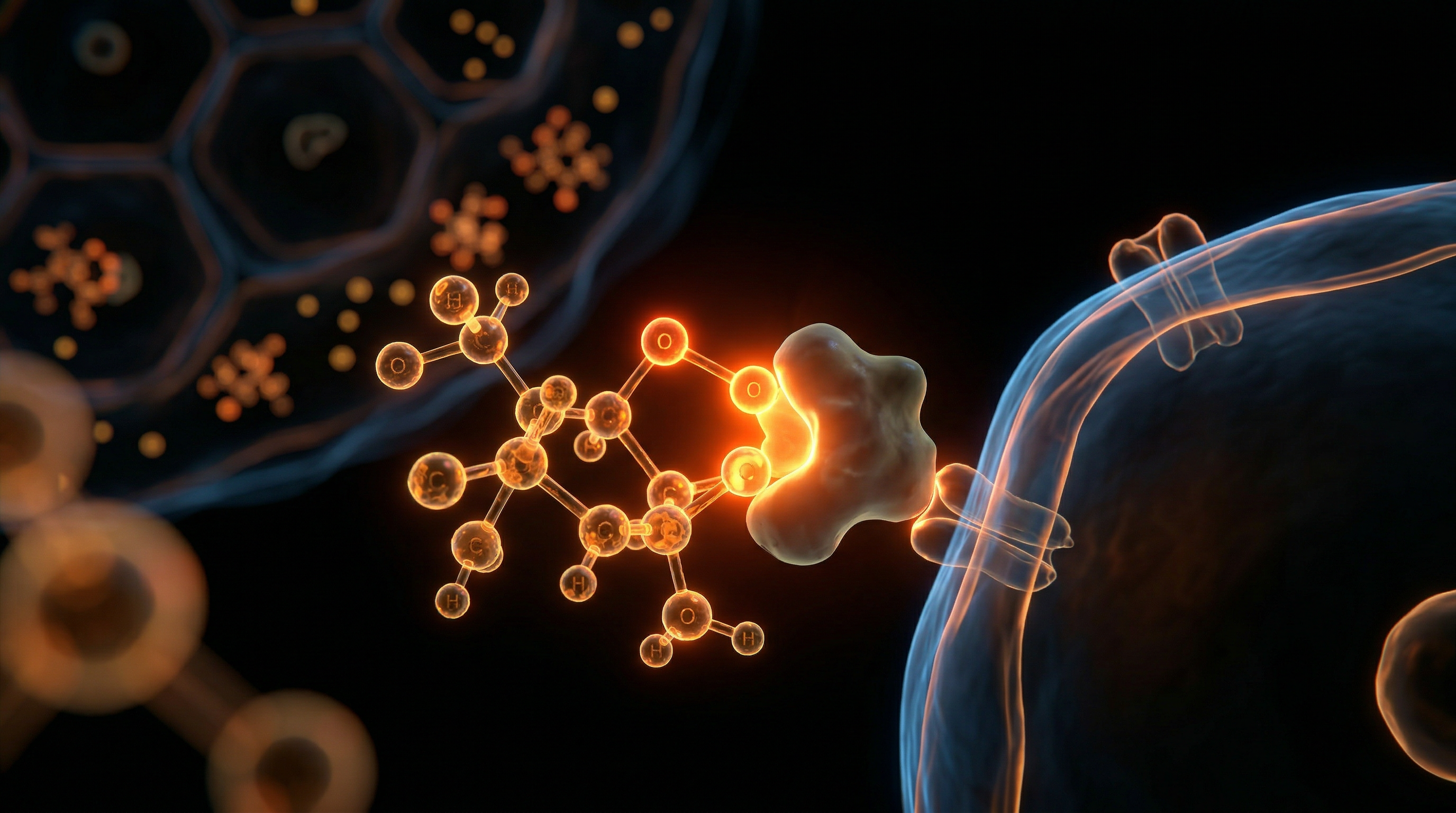
At the microscopic scale, the interaction between Glucuronic Acid and cellular toxins is a masterpiece of molecular engineering. The process centres on the enzyme family known as UDP-glucuronosyltransferases (UGTs), located within the endoplasmic reticulum of hepatocytes (liver cells).
The Conjugation Process
- Toxin Identification: A lipid-soluble toxin (such as a pesticide residue or a plasticiser) enters the liver cell.
- Activation: The body uses ATP to create a high-energy donor molecule, UDP-glucuronic acid.
- Binding: The UGT enzymes catalyse the transfer of the glucuronic acid moiety from the UDP-donor to the toxin.
- Transformation: The once-toxic molecule is now a glucuronide conjugate. Its chemical properties have been fundamentally altered; it is now highly polar and water-soluble.
- Excretion: The conjugate is pumped out of the cell into the bile duct or back into the bloodstream for filtration by the kidneys.
The Problem of Beta-Glucuronidase
A significant hurdle in the body’s detox protocol is an enzyme produced by certain pathogenic gut bacteria called beta-glucuronidase. This enzyme acts as a biochemical saboteur; it can 'un-snip' the bond between the glucuronic acid and the toxin while the conjugate is in the intestines. This allows the toxin to be reabsorbed into the bloodstream—a process known as enterohepatic recirculation.
Kombucha’s secondary benefit lies here. The presence of Glucaric acid (also found in properly fermented Kombucha) and the shifts in gut microbiota caused by the drink's probiotic content inhibit the activity of beta-glucuronidase. This ensures that once a toxin is bound for export, it actually leaves the body rather than being recycled back into circulation.
Environmental Threats and Biological Disruptors
The modern inhabitant of an urban environment is exposed to a 'chemical cocktail' that would have been unimaginable a century ago. These substances are not merely passive irritants; they are active biological disruptors that interfere with hormonal signalling and DNA integrity.
The Xenoestrogen Onslaught
Bisphenol A (BPA) and phthalates, common in food packaging and urban dust, act as xenoestrogens. They mimic natural oestrogen, binding to receptors and triggering inappropriate cellular responses. The liver relies heavily on glucuronidation to clear these endocrine disruptors. Without sufficient GlcA, these compounds accumulate in adipose tissue, leading to reproductive issues and metabolic dysfunction.
Persistent Organic Pollutants (POPs)
PFAS (the 'forever chemicals') and various flame retardants are now ubiquitous in water supplies. These compounds are notoriously difficult for the body to break down. Glucuronic acid is one of the few biochemical tools capable of facilitating their clearance, provided the liver is not already overwhelmed by other metabolic tasks.
Heavy Metal Sequestration
While heavy metals like lead, mercury, and cadmium are primarily handled via chelation, research suggests that the organic acids in Kombucha, including GlcA, play a supportive role in the renal clearance of these elements by forming soluble complexes that prevent tissue re-deposition.
Statistic: Recent studies indicate that the average adult carries over 200 synthetic chemicals in their blood at any given time, many of which are known to be processed via the glucuronidation pathway.
The Cascade: From Exposure to Disease
When the liver's capacity for Phase II detoxification is exceeded, the body enters a state of Toxicant-Induced Loss of Tolerance (TILT). This is not a sudden collapse, but a gradual cascade of physiological failures that often present as vague, chronic symptoms before manifesting as 'diagnosable' diseases.
Phase 1: Oxidative Stress
When toxins cannot be conjugated, they remain in the liver in their Phase I intermediate state. These intermediates are often highly reactive free radicals. They attack the mitochondrial membranes of the hepatocytes, leading to a drop in cellular energy production (ATP). This is the biological root of the 'brain fog' and chronic fatigue so prevalent in modern society.
Phase 2: Systemic Inflammation
The presence of circulating glucuronide-deficient toxins triggers the innate immune system. Macrophages identify these foreign substances as threats, releasing pro-inflammatory cytokines like TNF-alpha and IL-6. This systemic inflammation is now recognised as the precursor to almost all modern chronic illnesses, including cardiovascular disease and Type 2 diabetes.
Phase 3: Non-Alcoholic Fatty Liver Disease (NAFLD)
As the liver becomes overwhelmed, it begins to store these lipophilic toxins within new fat cells created within the liver itself. This is NAFLD, an epidemic currently affecting nearly 25% of the global population. It is essentially a storage strategy for a system that can no longer keep up with the demand for detoxification. Kombucha's GlcA helps prevent this by ensuring the 'exit doors' of the liver remain open and functional.
What the Mainstream Narrative Omits
The suppression of the therapeutic benefits of fermented foods is not an accident of history; it is a byproduct of the industrialisation of health. The 'Mainstream Narrative' frequently labels the benefits of Kombucha as 'anecdotal' despite centuries of traditional use and a growing body of molecular evidence.
The De-legitimisation of 'Detox'
By redefining 'detox' as a marketing scam, the pharmaceutical and processed food industries protect themselves from the reality that their products increase the toxic load on the human body. If the public understands that the liver requires specific substrates like Glucuronic Acid to function, they might begin to question the nutrient-void diet provided by industrial agriculture.
The Stability Argument
Critics often point to the variability of GlcA levels in home-brewed Kombucha as a reason to avoid it. While it is true that fermentation conditions (temperature, tea type, sugar source) affect the final output, this variability is a hallmark of living medicine. Unlike a static pharmaceutical pill, a fermented beverage is a complex ecosystem that provides synergistic co-factors—such as B-vitamins and polyphenols—that a singular synthetic acid cannot replicate.
Regulatory Capture
In many jurisdictions, the health claims allowed for fermented foods are strictly limited by agencies heavily influenced by the food industry. You will rarely see a bottle of Kombucha in a supermarket labelled as a 'Phase II Detox Support' because such a claim would require millions of dollars in clinical trials—a cost prohibitive for traditional producers but easily met by pharmaceutical giants selling synthetic alternatives.
The UK Context
In the United Kingdom, the need for enhanced detoxification pathways is particularly acute. As one of the most densely populated and historically industrialised nations, the environmental burden on the British public is significant.
The Urban Air Crisis
London, Birmingham, and Manchester consistently exceed World Health Organisation (WHO) limits for particulate matter (PM2.5) and nitrogen dioxide (NO2). These airborne pollutants enter the bloodstream via the lungs and must eventually be processed by the liver. The 'London Smog' may have gone, but the 'Invisible Smog' of nano-plastics and combustion byproducts remains.
Water Quality and 'Forever Chemicals'
Recent investigations into the UK's water infrastructure have revealed alarming levels of 'forever chemicals' (PFAS) in the drinking water of millions. With the UK's departure from certain EU environmental monitoring frameworks, there is increasing concern among biologists that the regulatory oversight of pesticide and chemical runoff is weakening.
The British Diet and Gut Dysbiosis
The UK has one of the highest rates of ultra-processed food consumption in Europe. This diet not only lacks the enzymes necessary for health but actively promotes the growth of the aforementioned beta-glucuronidase-producing bacteria. This creates a 'perfect storm' for the British liver: a high intake of environmental toxins coupled with a gut microbiome that prevents those toxins from being excreted.
Protective Measures and Recovery Protocols
To harness the power of Kombucha's Glucuronic Acid effectively, one must move beyond the occasional consumption of a 'health soda' and adopt a targeted biological protocol.
1. The Quality Mandate
Most 'Kombucha' found on supermarket shelves is pasteurised or diluted with carbonated water to ensure shelf stability and consistent taste. Pasteurisation kills the living bacteria and can degrade the delicate organic acids.
- Protocol: Seek out 'Raw', 'Unpasteurised', and 'Traditionally Fermented' labels. Better yet, brew your own using a proven SCOBY to ensure maximum GlcA concentration.
2. The Long-Ferment Advantage
Glucuronic Acid levels typically peak later in the fermentation cycle (between day 14 and 21). Many commercial brands stop fermentation early to keep the sugar content high and the taste 'soda-like'.
- Protocol: If brewing at home, allow for a longer fermentation period until the beverage has a distinct 'vinegar-like' bite. This ensures the glucose has been fully converted into the beneficial organic acids.
3. Synergistic Support
The liver does not work in isolation. To maximise the effect of GlcA, you must provide the co-factors required for the UGT enzymes to function.
- Magnesium: Essential for the production of UDP (the 'carrier' for GlcA).
- Sulphur-rich Foods: Crucial for the sulphation pathway, which works alongside glucuronidation. Consume cruciferous vegetables like broccoli and kale.
- Hydration: Since glucuronide conjugates are water-soluble, adequate fluid intake is mandatory to flush them through the kidneys.
4. Strategic Consumption
Timing can influence the liver's processing efficiency.
- Protocol: Consume 150ml to 200ml of raw Kombucha on an empty stomach in the morning. This allows the organic acids to prime the liver's Phase II pathways before the day's primary toxic loads (food, environmental exposure) are introduced.
Callout: For those in high-pollution areas, a 'double-dose' of long-fermented Kombucha in the evening may assist the body during its natural nocturnal detoxification and repair cycle.
Summary: Key Takeaways
The modern liver is a biological masterpiece under siege. The transition from an agrarian society to an industrialised, chemical-centric one has occurred too rapidly for human evolution to adapt. We are essentially operating 10,000-year-old hardware in a 21st-century toxic environment.
- Glucuronic Acid is a Metabolic Bridge: It is the primary molecule used in Phase II liver detoxification to neutralise environmental pollutants, xenoestrogens, and drugs.
- Kombucha is a Bio-available Source: Through the unique fermentation process of the SCOBY, tea is transformed into a rich source of exogenous GlcA, augmenting the body’s limited internal production.
- Combating Reabsorption: The presence of glucaric acid and probiotics in Kombucha inhibits beta-glucuronidase, preventing toxins from being reabsorbed into the bloodstream.
- The Mainstream Omission: Despite the clear biochemical mechanisms, the importance of GlcA is often ignored in favour of pharmaceutical interventions that often add to the liver's workload.
- UK Specificity: Residents of the UK face unique challenges from urban air pollution and water contaminants, making the regular intake of detox-supporting ferments a biological necessity rather than a lifestyle choice.
In conclusion, Kombucha should not be viewed merely as a trendy beverage. It is a sophisticated, ancient technology—a biochemical intervention that provides the liver with the specific tools required to maintain homeostasis in an increasingly hostile world. By prioritising the production and consumption of authentic, long-fermented Kombucha, we can begin to reclaim our biological sovereignty and protect our internal landscape from the industrial onslaught.
This article is provided for informational and educational purposes only. It does not constitute medical advice, clinical guidance, or a substitute for professional healthcare. Information reflects cited research at time of publication. Always consult a qualified healthcare professional before acting on any health information.
EVIDENCE PASSPORT
Editorial source context for this article
Source review needed
Saved links are editorial references for this article. They may support specific claims rather than every sentence. Open and assess each source in context. This passport does not independently verify them.
Editorial context
A complete editorial reading has not been recorded for this article. Source links remain available for you to open and assess directly.
Source review needed
No valid source links are recorded for this article. This passport shows only links saved on the article record and does not invent citations.
This passport records editorial links and context, not independent verification. Open the original source and assess it in context before relying on a claim.
Medical Disclaimer
The information in this article is for educational purposes only and does not constitute medical advice, diagnosis, or treatment. Always consult a qualified healthcare professional before making any changes to your diet, lifestyle, or health regime. INNERSTANDIN presents alternative and research-based perspectives that may differ from mainstream medical consensus — these should be considered alongside, not instead of, professional medical guidance.
Read Full DisclaimerContinue the thread
Keep this question moving.
Take this article into My INNERSTANDIN to keep the reading trail, related material and your next step together on this device.
Explore this in the Body Map
See where this hits your biology. Interactive anatomy, threats, and protective protocols.
Dig deeper in the Library
Free, longform PDF volumes that go beyond headlines into mechanisms and references.