
The Biochemistry of Therapeutic Chelation for Metal Detoxification
Updated May 2026
Chelation is a complex biochemical process used to remove heavy metals from the body. While it is a lifesaving medical intervention for acute poisoning, its role in treating chronic low-level toxicity requires a nuanced understanding of ligand chemistry.

The Concept of the 'Claw' The word 'chelation' is derived from the Greek word 'chele,' meaning a crab's claw. In biochemistry, a chelator is a molecule that can form multiple bonds with a single metal ion, essentially surrounding it and 'clipping' onto it so it can be safely transported out of the body. These molecules are known as ligands. The goal of therapeutic chelation is to introduce ligands that have a higher affinity for toxic metals like lead, mercury, or cadmium than the body's own tissues do. Once the metal is bound to the chelator, it becomes water-soluble and can be excreted via the kidneys or bile.
In the UK, clinical chelation is a standard of care for acute heavy metal poisoning, but there is growing interest in its application for 'sub-clinical' toxicity and cardiovascular health. ## Ligands and Their Specificity Not all chelators are the same; they vary in their 'selectivity' and 'affinity' for different metals. For example, EDTA (Ethylenediaminetetraacetic acid) is highly effective at binding lead and calcium, which is why it has been used in trials for treating atherosclerosis (by potentially removing calcium from arterial plaques). DMSA (Dimercaptosuccinic acid), on the other hand, is more effective for mercury and arsenic and is often preferred because it is less likely to deplete essential minerals like zinc compared to more aggressive chelators. The danger of 'DIY' chelation or poorly managed protocols is the risk of redistribution. If a chelator grabs a metal but isn't strong enough to hold onto it, the metal may be moved from a storage site (like fat or bone) and redeposited in a more sensitive area, such as the brain or kidneys, causing acute damage. ## The Importance of Nutritional Support Chelation is an inherently taxing process for the body.
As chelators move through the system, they inevitably pick up some 'innocent bystanders'—essential minerals like magnesium, zinc, and manganese. Without proper supervision and mineral replacement, chelation can lead to severe nutrient deficiencies and cardiac arrhythmias. Furthermore, the body's natural detoxification organs, the liver and kidneys, must be in optimal health to handle the increased load of mobilized metals. This is why a 'food first' approach to detoxification is often recommended before moving to pharmaceutical chelators. Sulfur-rich foods, such as garlic, onions, and eggs, provide the raw materials for glutathione and other natural chelating agents within the body, offering a gentler, more sustainable way to manage metal burdens. ## What You Can Do If you suspect you have a high heavy metal burden, the first step is professional testing—typically through blood, urine, or hair tissue mineral analysis (HTMA)—conducted by a qualified practitioner.
Never attempt to use industrial or 'gray market' chelating agents on your own. Instead, focus on supporting your body's natural chelation systems. Increase your intake of fiber, which can bind metals in the gut and prevent their reabsorption (a process called enterohepatic recirculation). Ensure you are replete in essential minerals like selenium and zinc, which provide a natural 'buffer' against metal toxicity. Finally, stay hydrated to support renal clearance.
Chelation should be viewed as a precise medical tool, not a casual 'detox' trend, and it requires careful monitoring of electrolytes and kidney function to be performed safely and effectively.
This article is provided for informational and educational purposes only. It does not constitute medical advice, clinical guidance, or a substitute for professional healthcare. Information reflects cited research at time of publication. Always consult a qualified healthcare professional before acting on any health information.
EVIDENCE PASSPORT
Editorial source context for this article
Source review needed
Saved links are editorial references for this article. They may support specific claims rather than every sentence. Open and assess each source in context. This passport does not independently verify them.
Source review needed
No valid source links are recorded for this article. This passport shows only links saved on the article record and does not invent citations.
This passport records editorial links, not independent verification. Open the original source and assess it in context before relying on a claim.
Medical Disclaimer
The information in this article is for educational purposes only and does not constitute medical advice, diagnosis, or treatment. Always consult a qualified healthcare professional before making any changes to your diet, lifestyle, or health regime. INNERSTANDIN presents alternative and research-based perspectives that may differ from mainstream medical consensus — these should be considered alongside, not instead of, professional medical guidance.
Read Full DisclaimerReady to learn more?
Continue your journey through our classified biological research.
THE ARSENAL
Based on Heavy Metal Toxicity — products curated by our research team for educational relevance and biological support.
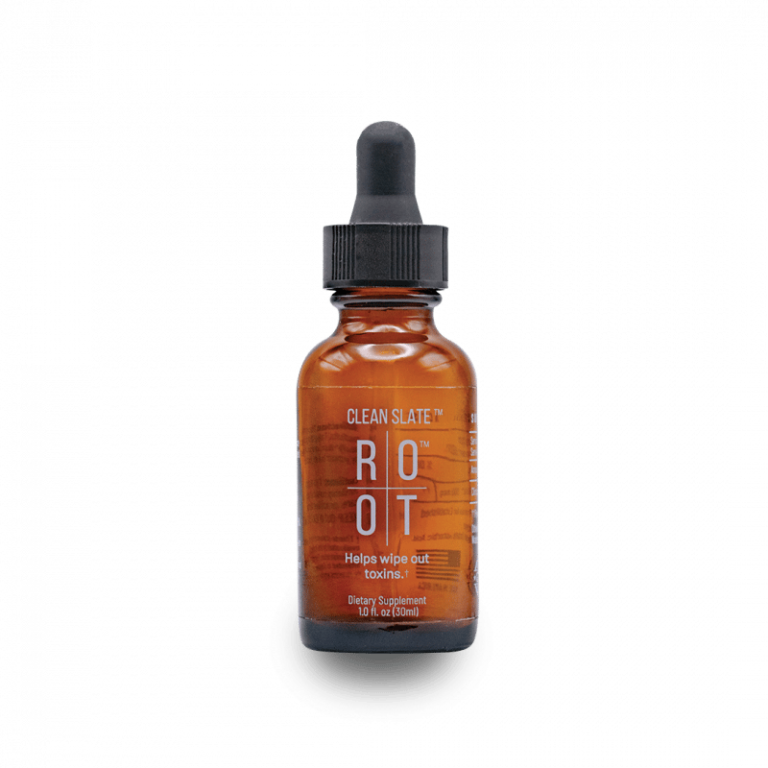
Clean Slate – Detoxes thousands of chemicals,heavy metals, pesticides, allergens, mold spores and fungus
Rejuvenation Pack – Essential Vitamins and Minerals for Health Restoration
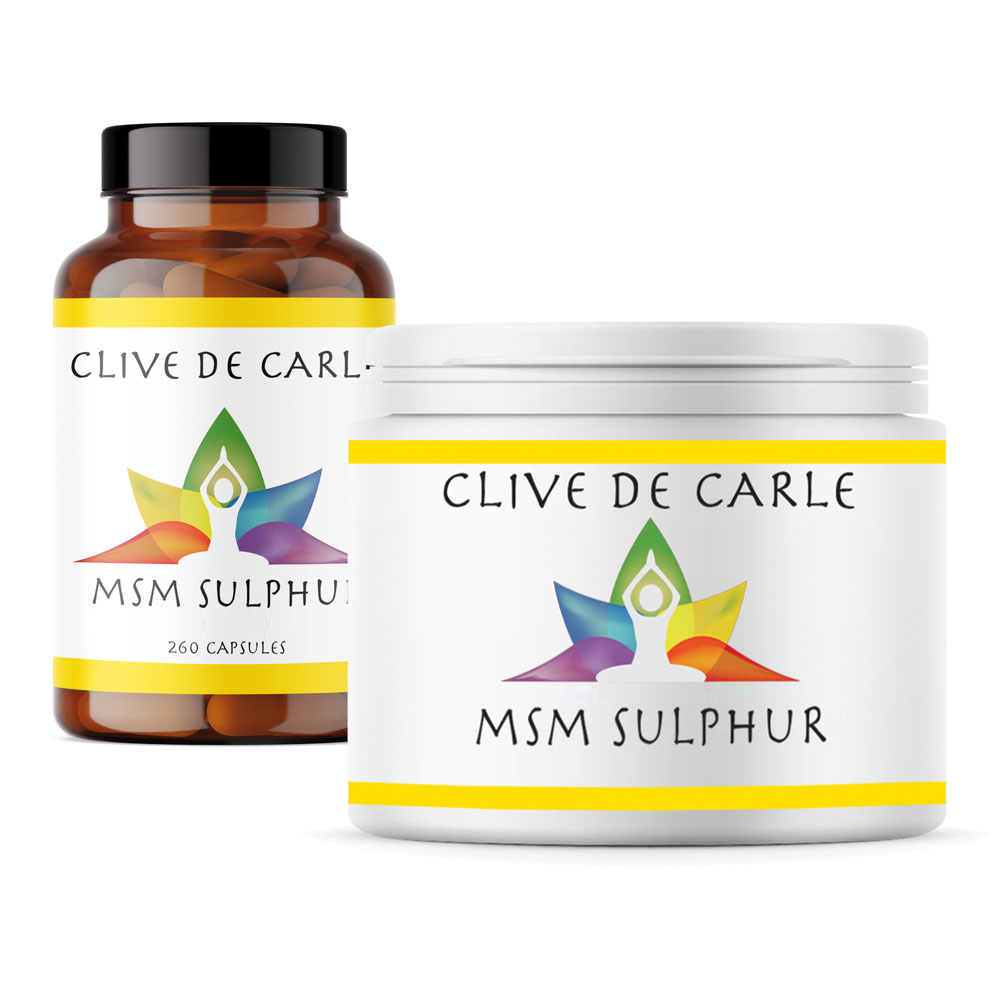
MSM Sulphur – Nature’s Forgotten Mineral
INNERSTANDING may earn a commission on purchases made through these links. All products are selected based on rigorous educational relevance to our biological research.
Explore this in the Body Map
See where this hits your biology. Interactive anatomy, threats, and protective protocols.
Dig deeper in the Library
Free, longform PDF volumes that go beyond headlines into mechanisms and references.