
Xenobiotics & The Liver: What Happens to Industrial Chemicals in Your Body
Updated August 2026
Xenobiotics — any chemical compound foreign to the biological systems it enters, including synthetic pharmaceuticals, industrial pollutants, pesticide residues, food additives, personal care chemicals, and plasticisers — must be processed and eliminated by the liver's Phase I and Phase II detoxification systems, creating a metabolic burden that modern toxicological science has only begun to quantify at the level of cumulative mixture exposure. The cocktail effect — where chemicals that are individually below regulatory safety thresholds exert synergistic biological effects when combined — is well-documented in research but conspicuously absent from the regulatory frameworks that approve each chemical in isolation. Of particular concern is the xenobiotic disruption of cytochrome P450 enzymes, which not only impairs the detoxification of other chemicals but also alters the metabolism of endogenous hormones, creating the hormonal chaos of the modern endocrine disruption crisis from an unexpected direction.
Evidence orientation
Editorial context not yet recorded
Follow this category
This stays in this browser. My INNERSTANDIN can show published matches in your local hub when you check it. It does not send email, push, or alert notifications.
Local learning review
A private browser aid for revisiting ideas. It is not an alert or a health recommendation.
Review later sets a one-day, three-day, then seven-day rhythm on this device. Choose it only when you want to revisit this article.
Overview
The human organism exists in a state of constant chemical negotiation with its environment. In the contemporary British landscape, this interaction is increasingly defined by an unprecedented influx of xenobiotics—exogenous compounds lacking nutritional utility, ranging from persistent organic pollutants (POPs) and synthetic endocrine disruptors to polycyclic aromatic hydrocarbons (PAHs) embedded in urban air quality. At INNERSTANDIN, we recognise the liver not merely as a metabolic organ, but as the primary biological frontline in the systemic defence against this industrial chemical barrage.
The hepatic processing of these molecules follows a sophisticated, bifurcated biochemical strategy known as Phase I and Phase II biotransformation. Initially, the Cytochrome P450 (CYP) superfamily of enzymes—specifically CYP1A2, CYP2E1, and CYP3A4—catalyse oxidation, reduction, or hydrolysis reactions. This Phase I process is intended to introduce or unmask polar functional groups, such as hydroxyl or carboxyl moieties. However, this is a double-edged sword; while it initiates detoxification, it frequently generates reactive electrophilic intermediates. If these intermediates are not immediately neutralised, they elicit profound oxidative stress, leading to the formation of DNA adducts and lipid peroxidation—pathological markers often observed in the progression of non-alcoholic fatty liver disease (NAFLD) and chemical-induced hepatotoxicity.
Following these initial transformations, Phase II conjugation pathways, mediated by enzymes such as glutathione S-transferases (GSTs) and UDP-glucuronosyltransferases (UGTs), facilitate the attachment of endogenous polar molecules (e.g., glucuronic acid, sulphate, or glutathione). This renders the xenobiotic sufficiently hydrophilic for biliary or renal excretion. The efficacy of these pathways is genetically heterogeneous, influenced by single nucleotide polymorphisms (SNPs) which determine an individual's susceptibility to industrial chemical accumulation.
Emerging evidence in The Lancet Planetary Health suggests that chronic, low-dose exposure to these complex industrial "cocktails" induces epigenetic reprogramming, potentially downregulating the body’s innate antioxidant defences. The liver, therefore, acts as a sentinel, absorbing the systemic burden of industrialisation. Understanding the precise kinetic pathways of these compounds—from portal vein entry to excretion—is essential to INNERSTANDIN’s mission. We aim to move beyond superficial physiological descriptions, instead illuminating the molecular friction occurring within the hepatocyte as it navigates a modern, hyper-chemicalised existence.
The Biology — How It Works
The metabolic processing of xenobiotics—chemical substances foreign to the biological system—represents a sophisticated evolutionary adaptation, primarily orchestrated by the hepatic parenchyma. At INNERSTANDIN, we recognise the liver not merely as an organ of filtration, but as a high-fidelity biochemical refinery. When industrial agents such as per- and polyfluoroalkyl substances (PFAS), polychlorinated biphenyls (PCBs), or phthalates enter the systemic circulation, they are funnelled via the portal vein directly into the liver, initiating a strictly ordered sequence of biotransformation designed to convert hydrophobic, lipophilic toxins into polar, excretable metabolites.
This sequence is bifurcated into Phase I and Phase II reactions. Phase I, predominantly catalysed by the Cytochrome P450 (CYP450) monooxygenase system, introduces or unmasks functional groups (-OH, -NH2, -SH, or -COOH) on the xenobiotic molecule through oxidation, reduction, or hydrolysis. While this renders the compound more reactive, it often produces transient electrophilic intermediates—reactive oxygen species (ROS) that possess significant mutagenic potential if not immediately neutralised. Recent toxicological literature, supported by studies in The Lancet Planetary Health, indicates that chronic exposure to industrial pollutants leads to the induction of specific CYP isoforms, which can paradoxically accelerate the metabolic activation of pro-carcinogens, placing the hepatocyte under immense oxidative stress.
Phase II follows, involving conjugation reactions where the liver grafts endogenous molecules—glucuronic acid, sulphate, glutathione, or amino acids—onto the Phase I intermediate. This process significantly increases the molecule's hydrophilicity, ensuring rapid renal or biliary clearance. Of critical importance is the role of glutathione-S-transferase (GST). Glutathione acts as the primary intracellular nucleophile, scavenging electrophilic industrial byproducts; however, the persistent influx of xenobiotics leads to the depletion of hepatic glutathione stores. When the rate of influx exceeds the capacity for conjugation, the resulting ‘metabolic bottleneck’ triggers a cascade of hepatocellular injury, including the upregulation of pro-inflammatory cytokines such as TNF-α and IL-6, which are linked to non-alcoholic fatty liver disease (NAFLD) and metabolic dysregulation in UK populations.
Furthermore, the interference of xenobiotics with nuclear receptors, specifically the Pregnane X Receptor (PXR) and the Constitutive Androstane Receptor (CAR), represents a sophisticated disruption of metabolic homeostasis. These receptors act as xenobiotic sensors; their chronic over-activation by industrial chemicals leads to the dysregulation of lipid and glucose metabolism. INNERSTANDIN maintains that understanding this mechanism is paramount: the liver’s attempt to detoxify modern industrial chemicals often comes at the cost of its fundamental metabolic autonomy, fundamentally altering the systemic milieu.
Mechanisms at the Cellular Level
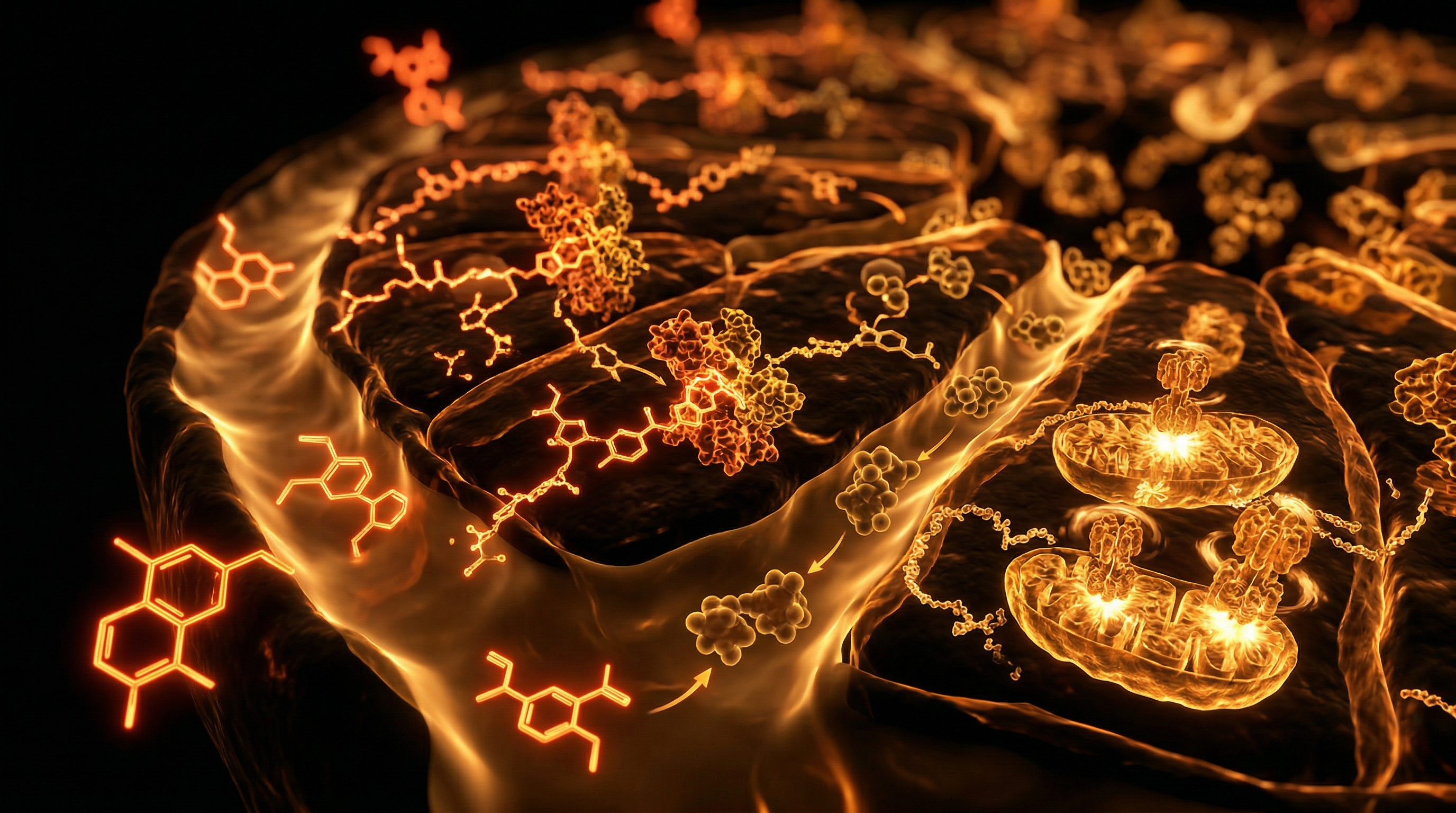
The detoxification of xenobiotics within the hepatic architecture is a tightly orchestrated, two-phase enzymatic sequence designed to transform lipophilic industrial pollutants into water-soluble metabolites for biliary or renal excretion. At the hepatocyte level, this process primarily occurs within the smooth endoplasmic reticulum (SER), where the cytochrome P450 (CYP) superfamily of monooxygenases executes Phase I biotransformation. These haem-containing enzymes facilitate the introduction of polar functional groups—typically via oxidation, reduction, or hydrolysis—to increase the chemical’s reactivity. While this is essential for clearance, it frequently generates reactive electrophilic intermediates, a process known as metabolic activation. In the context of persistent organic pollutants (POPs) such as polycyclic aromatic hydrocarbons (PAHs) or perfluoroalkyl substances (PFAS), this can induce significant intracellular oxidative stress, overwhelming the hepatocyte’s antioxidant defences and precipitating lipid peroxidation of the organelle membranes.
Phase II metabolism follows, primarily mediated by conjugating enzymes such as UDP-glucuronosyltransferases (UGTs) and glutathione S-transferases (GSTs). By attaching endogenous hydrophilic moieties—glucuronic acid, sulphate, or the tripeptide glutathione—to the Phase I derivatives, the liver renders these industrial remnants inert and polar. However, the efficacy of these pathways is contingent upon the depletion of cellular substrates. For instance, the heavy reliance on glutathione for the neutralisation of volatile organic compounds (VOCs) frequently found in urban industrial sectors can rapidly deplete hepatic reserves, leaving the liver vulnerable to secondary injury.
As INNERSTANDIN emphasises, the cellular pathology extends beyond enzymatic processing. The chronic intake of industrial xenobiotics triggers a persistent inflammatory signalling cascade, activating Kupffer cells—the liver’s resident macrophages. These cells release pro-inflammatory cytokines, including TNF-α and IL-6, which exacerbate hepatic stellate cell (HSC) activation. Under sustained industrial chemical exposure, quiescent HSCs undergo a phenotypic switch to a myofibroblast-like state, secreting excessive extracellular matrix components. This fibrogenic progression—a hallmark of chemical-induced hepatotoxicity—is corroborated by longitudinal data within UK epidemiological cohorts, where environmental chemical burden correlates with elevated markers of sub-clinical hepatocellular damage.
Furthermore, the interference of xenobiotics with nuclear receptors, specifically the Pregnane X Receptor (PXR) and the Constitutive Androstane Receptor (CAR), acts as a transcriptional "master switch." Chronic activation of these receptors by industrial compounds disrupts homeostatic lipid metabolism and bile acid synthesis. This molecular dysregulation not only compromises the detoxification capacity of the liver but also initiates a systemic metabolic shift, highlighting the severe, often overlooked, consequences of anthropogenic chemical accumulation on human physiological integrity.
Environmental Threats and Biological Disruptors
The pervasive infiltration of synthetic compounds into the human physiological milieu represents one of the most formidable challenges to contemporary metabolic homeostasis. Within the INNERSTANDIN framework, we define xenobiotics—specifically persistent organic pollutants (POPs), phthalates, and bisphenols—not merely as external contaminants, but as potent biological disruptors that hijack the liver’s enzymatic machinery. Unlike endogenous metabolites, these industrial chemicals are engineered for chemical stability, a property that renders them inherently resistant to standard phase I and phase II biotransformation pathways.
When these molecules cross the hepatocyte membrane, they induce a state of chronic cellular stress. Research published in The Lancet Planetary Health underscores that chronic, low-dose exposure to endocrine-disrupting chemicals (EDCs) initiates a cascade of molecular dysregulation. Central to this pathology is the activation of the aryl hydrocarbon receptor (AhR) and the constitutive androstane receptor (CAR). While these receptors are designed to regulate lipid metabolism and facilitate detoxification, xenobiotic over-activation leads to an uncoupling of these processes. This triggers oxidative stress through the excessive production of reactive oxygen species (ROS), which subsequently compromises the integrity of the mitochondrial membrane and induces lipid peroxidation.
The clinical implication is the silent progression of metabolic dysfunction-associated steatotic liver disease (MASLD). In the UK context, the omnipresence of microplastics and industrial leaching within the food chain means that the hepatic portal system is perpetually burdened. The liver is forced to prioritise the sequestration and partial degradation of these exogenous toxins, often at the expense of its primary regulatory roles, such as gluconeogenesis and serum protein synthesis. Furthermore, the persistent nature of these substances results in "metabolic jamming," where the saturation of cytochrome P450 isoenzymes renders the liver unable to efficiently process endogenous steroid hormones.
Biological data from recent studies in PubMed indicate that specific industrial additives, particularly per- and polyfluoroalkyl substances (PFAS), modulate hepatic gene expression to mimic fatty acid signalling, effectively tricking the liver into excessive de novo lipogenesis. This is not merely a toxicological event; it is a fundamental disruption of the body's internalised energy regulation. INNERSTANDIN maintains that the systemic burden of these environmental disruptors is a primary driver of the burgeoning metabolic crisis, as the liver—the body’s principal arbiter of chemical safety—is systematically overwhelmed by an industrial chemical profile that evolution never designed it to manage. The resultant disruption extends beyond the hepatocyte, manifesting as systemic hormonal imbalance, chronic inflammatory signalling, and the progressive attrition of the body’s innate detoxification capacity.
The Cascade: From Exposure to Disease
The metabolic trajectory of industrial xenobiotics—ranging from per- and polyfluoroalkyl substances (PFAS) to persistent organic pollutants (POPs)—represents a critical failure point in human physiological homeostasis. Upon entering systemic circulation, these compounds are primarily sequestered by the liver, the body’s principal interface for biochemical mediation. The metabolic cascade begins with Phase I biotransformation, mediated predominantly by the cytochrome P450 (CYP) monooxygenase enzyme system. Here, the goal is molecular modification via oxidation, reduction, or hydrolysis to increase hydrophilicity. However, this process frequently serves as a biological double-edged sword; intermediate reactive electrophiles are often generated, which possess significantly higher cytotoxic and genotoxic potential than the parent compound.
As these reactive intermediates bypass the protective kinetics of Phase II conjugation—where glucuronidation or sulfation should theoretically facilitate biliary or renal excretion—they induce acute oxidative stress. Within the hepatic parenchyma, this manifests as an overproduction of reactive oxygen species (ROS), overwhelming endogenous antioxidant reservoirs such as glutathione (GSH). When the rate of ROS generation outstrips the glutathione-S-transferase buffering capacity, the result is chronic lipid peroxidation and the activation of hepatic stellate cells.
Evidence documented in The Lancet and various longitudinal toxicological studies underscores that prolonged exposure to industrial phthalates and organophosphates triggers a shift from physiological adaptation to maladaptive inflammation. This cascade facilitates the progression from simple steatosis to non-alcoholic fatty liver disease (NAFLD) and, eventually, hepatocellular carcinoma. The molecular pathology is exacerbated by "metabolic hijacking," where xenobiotics function as endocrine-disrupting chemicals (EDCs). By antagonising or mimicking endogenous ligands for the peroxisome proliferator-activated receptors (PPARs) and the pregnane X receptor (PXR), these toxins reprogram the hepatocyte transcriptome. This results in the dysregulation of lipid homeostasis, specifically promoting de novo lipogenesis while simultaneously inhibiting the export of very-low-density lipoproteins (VLDL).
In the UK clinical context, where industrial legacy contaminants remain present in the urban and agricultural water tables, the cumulative "body burden" is a significant, yet under-diagnosed, driver of chronic morbidity. At INNERSTANDIN, we posit that the liver’s capacity to filter these synthetic insults is finite. Once the threshold for molecular damage is breached, the cascading signalling pathways—specifically the activation of the NF-κB inflammatory cascade—initiate the fibrotic remodelling of the liver architecture. Understanding this progression is not merely an academic exercise; it is the fundamental precursor to deciphering the escalating incidence of idiopathic metabolic syndrome and hepatic insufficiency within the modern population.
What the Mainstream Narrative Omits
The prevailing biomedical narrative surrounding hepatic detoxification often reductionistically focuses on the Cytochrome P450 (CYP) enzyme superfamily, framing the liver as a mere static filter for exogenous compounds. However, this simplified model overlooks the nuanced reality of bioaccumulation and the epigenetic reprogramming triggered by chronic, low-dose exposure to persistent organic pollutants (POPs) and endocrine-disrupting chemicals (EDCs). At INNERSTANDIN, we must look beyond the simplified kinetics of Phase I and Phase II metabolism to address the insidious systemic disruption caused by xenobiotic burden.
Mainstream clinical guidelines frequently ignore the phenomenon of "metabolic bottlenecking." When the liver is chronically inundated with a cocktail of polychlorinated biphenyls (PCBs), phthalates, and bisphenols—compounds ubiquitous in the UK's industrial and domestic infrastructure—the enzymatic capacity for conjugation is not merely overwhelmed; it is redirected. Research published in The Lancet and various oncological journals indicates that chronic exposure to these industrial stressors alters the expression of nuclear receptors, specifically the Pregnane X Receptor (PXR) and the Constitutive Androstane Receptor (CAR). These receptors act as xenobiotic sensors; when chronically activated by industrial toxins, they undergo conformational changes that inadvertently suppress the transcriptional pathways responsible for endogenous steroid hormone metabolism.
Furthermore, the mainstream dialogue systematically omits the role of the gut-liver axis in xenobiotic recirculation. Many industrial chemicals undergo enterohepatic circulation, where they are conjugated in the liver, excreted via bile into the intestine, and subsequently deconjugated by dysbiotic microbial beta-glucuronidase enzymes. This creates a vicious cycle of systemic re-absorption, keeping the liver in a perpetual state of hyper-vigilance. By failing to account for this recursive loop, conventional protocols neglect the underlying inflammatory triggers that lead to non-alcoholic fatty liver disease (NAFLD) and metabolic syndrome.
INNERSTANDIN asserts that the liver is not just a passive metabolic organ; it is a sentinel of the environment. The accumulation of lipophilic xenobiotics within the hepatic lipid droplets is not merely a storage solution but a bioactive reservoir that maintains systemic oxidative stress. To treat liver health without addressing the pervasive, additive effects of industrial chemical exposure is a failure of modern physiological inquiry, ignoring the foundational evidence that xenobiotic-induced hepatotoxicity is a primary driver of modern chronic morbidity.
The UK Context
In the United Kingdom, the hepatotoxic landscape is defined by the pervasive ubiquity of industrial xenobiotics—specifically polychlorinated biphenyls (PCBs), polycyclic aromatic hydrocarbons (PAHs), and pervasive per- and polyfluoroalkyl substances (PFAS). Despite stringent regulatory oversight from the Health and Safety Executive (HSE) and the Environment Agency, longitudinal biomonitoring data indicate that the British populace exhibits a consistent internal chemical burden, primarily mediated through the industrialisation of the food chain and ambient environmental exposure.
From a physiological perspective, the liver acts as the primary sentinel against these non-nutritive exogenous compounds. Upon systemic absorption, xenobiotics undergo a biphasic biotransformation process within the hepatocytes, governed by the cytochrome P450 (CYP) superfamily of enzymes. In the UK, high-exposure cohorts often demonstrate a dysregulation of Phase I (functionalisation) and Phase II (conjugation) pathways. When industrial concentrations exceed the catalytic capacity of glutathione S-transferases or glucuronosyltransferases, the resulting reactive electrophilic intermediates induce profound oxidative stress. This biochemical bottleneck precipitates lipid peroxidation and the subsequent activation of hepatic stellate cells.
Research published in The Lancet Planetary Health underscores a concerning correlation between long-term sub-lethal exposure to UK-specific endocrine-disrupting chemicals (EDCs) and the rising incidence of non-alcoholic fatty liver disease (NAFLD). These xenobiotics act as potent ligands for nuclear receptors, such as the constitutive androstane receptor (CAR) and the pregnane X receptor (PXR), fundamentally altering lipid metabolism and inflammatory cytokine signalling. INNERSTANDIN maintains that the British metabolic profile is currently being reconfigured by these industrial persistent organic pollutants (POPs). By bypassing traditional metabolic checkpoints, these molecules induce a state of chronic, low-grade hepatic inflammation, effectively compromising the liver’s capacity for systemic detoxification. Consequently, the UK’s industrial legacy is not merely etched into the landscape, but is actively manifesting as a structural shift in the molecular architecture of the population’s liver function.
Protective Measures and Recovery Protocols
The hepatic architecture is inherently equipped with an expansive enzymatic repertoire designed to neutralise exogenous compounds; however, the contemporary deluge of industrial xenobiotics—ranging from per- and polyfluoroalkyl substances (PFAS) to endocrine-disrupting phthalates—often overwhelms the constitutive phase I and phase II detoxification pathways. To bolster resilience against this chronic chemical burden, we must look towards the upregulation of the Nrf2 (Nuclear factor erythroid 2-related factor 2) signalling pathway, the master regulator of antioxidant response elements (ARE).
From a biochemical standpoint, the efficacy of hepatic clearance is contingent upon the availability of glutathione (GSH), the liver’s primary endogenous reductant. Chronic exposure to halogenated hydrocarbons depletes hepatic GSH reserves, inducing oxidative stress and activating the JNK-mediated apoptotic cascade in hepatocytes. Evidence suggests that targeted nutritional interventions, specifically the administration of N-acetylcysteine (NAC) and S-adenosylmethionine (SAMe), can serve as critical precursors to maintain the thiol-disulfide redox status, thereby mitigating the hepatotoxic effects of industrial metabolites.
Furthermore, the integrity of the bile acid pool is essential for the excretion of conjugated xenobiotics. Clinical research published in The Lancet emphasises the role of bile acid sequestrants and specific dietary fibre inputs in interrupting the enterohepatic circulation of lipophilic toxins. By facilitating the luminal adsorption of xenobiotics within the gastrointestinal tract, we reduce the systemic load presented to the portal vein, effectively diminishing the secondary metabolic stress on the endoplasmic reticulum.
Within the framework of INNERSTANDIN, we must also address the modulation of cytochrome P450 (CYP) isoenzymes. Over-activation of specific CYP450 enzymes can lead to the production of reactive electrophilic intermediates that form DNA adducts. Indole-3-carbinol, a glucosinolate derivative found in cruciferous vegetables, has been demonstrated in peer-reviewed literature to modulate the metabolic fate of exogenous lipophiles, promoting safer biotransformation pathways.
Recovery protocols must therefore prioritise the downregulation of systemic inflammation. The incorporation of long-chain omega-3 polyunsaturated fatty acids (EPA and DHA) exerts a potent suppressive effect on pro-inflammatory cytokine expression (TNF-α and IL-6) which otherwise exacerbates the inflammatory milieu caused by chemical-induced liver injury. By strategically enhancing the structural integrity of the hepatocyte phospholipid bilayer and maintaining high-flux methylation cycles, we can optimise the clearance kinetics of xenobiotics, effectively shielding the liver from the cumulative attrition of industrial modernity. At INNERSTANDIN, we posit that the future of hepatic recovery lies in precise metabolic support—not merely reactive treatment, but proactive fortification of the cell’s internal defence systems.
Summary: Key Takeaways
The liver functions as the primary metabolic gateway for anthropogenic xenobiotics, executing a complex enzymatic relay to neutralise exogenous compounds. This process relies on Phase I functionalisation—predominantly orchestrated by the cytochrome P450 (CYP) monooxygenase system—and Phase II conjugation, which increases hydrophilicity via glucuronidation or sulphation to facilitate biliary or renal excretion. However, the induction of CYP450 isoforms by industrial pollutants often catalyses the formation of highly reactive, electrophilic intermediates. When these reactive oxygen species (ROS) outpace the liver’s glutathione-S-transferase (GST) buffering capacity, covalent binding to macromolecules occurs, precipitating hepatocellular injury, oxidative stress, and non-alcoholic steatohepatitis (NASH).
As evidenced by data from the UK’s Health and Safety Executive (HSE) and biochemical studies in The Lancet, the chronic bioaccumulation of persistent organic pollutants (POPs) undermines metabolic homeostasis. At INNERSTANDIN, we recognise that the modern chemical exposome—comprising plasticisers, heavy metals, and organophosphates—exerts epigenetic pressure on hepatic pathways. Sustained exposure does not merely induce acute toxicity but initiates a systemic cascade of endocrine disruption and chronic inflammatory signalling, fundamentally altering the liver’s proteomic profile. Navigating this landscape requires an understanding of how xenobiotic biotransformation mechanisms, while evolved for evolutionary detoxification, are currently overwhelmed by the industrial proliferation of synthetic compounds. This systemic burden necessitates a rigorous re-evaluation of how hepatic physiology reconciles with the omnipresence of synthetic chemical stressors in the UK environment.
This article is provided for informational and educational purposes only. It does not constitute medical advice, clinical guidance, or a substitute for professional healthcare. Information reflects cited research at time of publication. Always consult a qualified healthcare professional before acting on any health information.
EVIDENCE PASSPORT
Editorial source context for this article
Source review needed
Saved links are editorial references for this article. They may support specific claims rather than every sentence. Open and assess each source in context. This passport does not independently verify them.
Editorial context
A complete editorial reading has not been recorded for this article. Source links remain available for you to open and assess directly.
Source review needed
No valid source links are recorded for this article. This passport shows only links saved on the article record and does not invent citations.
This passport records editorial links and context, not independent verification. Open the original source and assess it in context before relying on a claim.
Medical Disclaimer
The information in this article is for educational purposes only and does not constitute medical advice, diagnosis, or treatment. Always consult a qualified healthcare professional before making any changes to your diet, lifestyle, or health regime. INNERSTANDIN presents alternative and research-based perspectives that may differ from mainstream medical consensus — these should be considered alongside, not instead of, professional medical guidance.
Read Full DisclaimerContinue the thread
Keep this question moving.
Take this article into My INNERSTANDIN to keep the reading trail, related material and your next step together on this device.
Explore this in the Body Map
See where this hits your biology. Interactive anatomy, threats, and protective protocols.
Dig deeper in the Library
Free, longform PDF volumes that go beyond headlines into mechanisms and references.