Endocrine Disruption: Aluminium's Role as a Metalloestrogen in Mammary Tissue Proliferation
An in-depth exploration of how aluminium acts as a xenoestrogen, its mechanisms in breast tissue, and the implications for long-term hormonal health from a root-cause perspective.
# Endocrine Disruption: Aluminium's Role as a Metalloestrogen in Mammary Tissue Proliferation
The Hidden Burden of Modernity
The modern industrial environment exposes the human body to a complex cocktail of xenobiotics, many of which were entirely absent from the pre-industrial human experience. Among these substances, aluminium—a metal long categorized as biologically inert and harmless in low doses—has emerged as a significant focal point for endocrine research. As a UK-based platform dedicated to root-cause education, INNERSTANDING seeks to illuminate the intersection of environmental toxicology and hormonal homeostasis. This article delves into the specific mechanisms by which aluminium acts as a 'metalloestrogen', its specific affinity for mammary tissue, and the subsequent implications for cellular proliferation and long-term health.
Defining the Metalloestrogen
Historically, the term 'endocrine disruptor' was largely reserved for organic compounds such as bisphenol-A (BPA), phthalates, or parabens—molecules that mimic the chemical structure of natural hormones. However, a specialized category known as metalloestrogens has redefined our understanding of how inorganic substances interfere with the body's delicate signalling systems. Metalloestrogens are a group of inorganic metal ions capable of binding to and activating oestrogen receptors (ERs), specifically the ER-alpha subtype, even when the natural ligand, 17̢-oestradiol, is absent.
Aluminium (Al3+) is now recognized as one of the most prevalent metalloestrogens in the modern lifestyle. Unlike organic xenoestrogens, aluminium does not necessarily mimic the entire physical shape of the oestrogen molecule. Instead, it interacts with the hormone-binding domain of the receptor through sophisticated coordination chemistry. This interaction triggers a conformational change in the receptor, effectively 'switching on' the same gene transcription pathways that regulate cell growth, tissue development, and reproductive function. The result is a hormonal signal that the body did not initiate, and which it cannot easily regulate.
Mammary Tissue: A Primary Site of Accumulation
The vulnerability of mammary tissue to aluminium is not merely a consequence of systemic exposure but is heavily influenced by localized application and anatomical proximity. The widespread daily use of aluminium-based antiperspirants represents a significant and chronic dermal route of entry. Aluminium salts, most commonly aluminium chlorohydrate or aluminium zirconium, function by precipitating inside the sweat ducts to form physical plugs that prevent perspiration.
However, clinical research, most notably the work led by Dr. Philippa Darbre, has consistently demonstrated that a portion of this aluminium is absorbed through the skin and accumulates in the underlying breast tissue. Biopsy studies have revealed that aluminium concentrations are significantly higher in the outer quadrants of the breast—the specific region closest to the site of antiperspirant application—compared to the inner quadrants. This localized 'body burden' is particularly concerning because the mammary gland is a highly sensitive, hormone-dependent structure. The proximity of the axilla (underarm) to the breast's lymphatic drainage pathways provides a direct route for the metal to infiltrate the interstitial fluid of the mammary environment.
Mechanisms of Proliferation and Genomic Instability
Once aluminium permeates the mammary environment and engages the oestrogen receptors, it facilitates several pathological processes. The primary concern is the promotion of cellular proliferation. In a healthy physiological state, cell division in the breast is a tightly regulated process, rising and falling with the menstrual cycle and balanced by apoptosis (programmed cell death). Aluminium disrupts this homeostatic balance by providing a continuous 'survival signal' to mammary epithelial cells.
Laboratory studies using human breast epithelial cell lines have shown that chronic exposure to low levels of aluminium leads to increased rates of proliferation and the bypass of normal cell-cycle checkpoints. Essentially, cells that should be resting or undergoing repair are forced into a state of continuous division.
Furthermore, aluminium's impact is not limited to hormonal mimicry; it is also associated with genomic instability. Aluminium has been shown to induce DNA double-strand breaks and interfere with the enzymes responsible for DNA repair. When genetic mutations occur within a highly proliferative environment—fuelled by aluminium's oestrogenic effects—the risk of malignant transformation increases significantly. This 'two-hit' model, where the metal acts as both a hormonal trigger and a genotoxic agent, provides a compelling root-cause explanation for the biological risks associated with chronic aluminium accumulation.
Epigenetic and Metabolic Disruptions
The interference caused by aluminium extends into the epigenetic landscape of the cell. Aluminium exposure has been linked to alterations in DNA methylation patterns. These epigenetic changes can effectively 'silence' tumour-suppressor genes that would otherwise identify and destroy damaged cells. Additionally, while aluminium is not a transition metal in the traditional sense, it is a potent pro-oxidant. It facilitates the Fenton reaction, leading to the generation of reactive oxygen species (ROS). This oxidative stress causes lipid peroxidation within cellular membranes and further compromises the structural and functional integrity of the mammary tissue. This oxidative environment also promotes inflammation, creating a feedback loop that further drives abnormal tissue growth.
Addressing the Root Cause: Prevention and Mitigation
From the INNERSTANDING perspective, the goal is to shift from reactive concern to proactive health management. Regulatory standards often focus on acute toxicity—the amount of a substance required to cause immediate harm. However, these standards rarely account for the bioaccumulative nature of metals in glandular tissue over thirty or forty years of daily use. To mitigate the risks of aluminium as a metalloestrogen, we must focus on three primary areas:
- —Eliminating the Source: The most effective way to reduce the mammary aluminium burden is to stop the localized application of aluminium salts. Transitioning to truly aluminium-free deodorants is a critical first step. Consumers should be wary of 'natural' crystal deodorants containing potassium alum, as this is still a form of aluminium. Truly safe alternatives use magnesium, bicarbonate of soda, or botanical extracts to manage odour without blocking pores.
- —Supporting Lymphatic Clearance: The lymphatic system is the 'waste management' system of the breast. Stagnation in lymph flow can allow toxins and metals to remain in the interstitial space for longer periods. Practices such as dry skin brushing, manual lymphatic drainage, and regular physical movement can help facilitate the clearance of metabolic waste and environmental toxins from the mammary region.
- —Nutritional Antagonism and Excretion: Certain nutrients can assist the body in protecting against metal-induced damage. Silica (orthosilicic acid) is a powerful antagonist to aluminium; research suggests that drinking silica-rich mineral water can promote the urinary excretion of aluminium and reduce its systemic availability. Furthermore, ensuring adequate levels of antioxidants like selenium and glutathione helps the body counteract the oxidative stress generated by accumulated metals.
Conclusion
The role of aluminium as a metalloestrogen represents a vital frontier in environmental health and endocrine science. By mimicking oestrogen and promoting aberrant tissue proliferation, aluminium bypasses the body's natural regulatory mechanisms. Understanding this relationship is not about fostering fear, but about empowering individuals with the knowledge to make informed, root-cause-based decisions. By reducing environmental exposure and supporting the body's natural detoxification pathways, we can preserve the delicate hormonal integrity of the mammary tissue and promote long-term systemic health.
This article is provided for informational and educational purposes only. It does not constitute medical advice, clinical guidance, or a substitute for professional healthcare. Information reflects cited research at time of publication. Always consult a qualified healthcare professional before acting on any health information.
RESEARCH FOUNDATIONS
Biological Credibility Archive
Citations provided for educational reference. Verify via PubMed or institutional databases.
Medical Disclaimer
The information in this article is for educational purposes only and does not constitute medical advice, diagnosis, or treatment. Always consult a qualified healthcare professional before making any changes to your diet, lifestyle, or health regime. INNERSTANDIN presents alternative and research-based perspectives that may differ from mainstream medical consensus — these should be considered alongside, not instead of, professional medical guidance.
Read Full DisclaimerReady to learn more?
Continue your journey through our classified biological research.
THE ARSENAL
Based on Aluminium Toxicity & Accumulation — products curated by our research team for educational relevance and biological support.
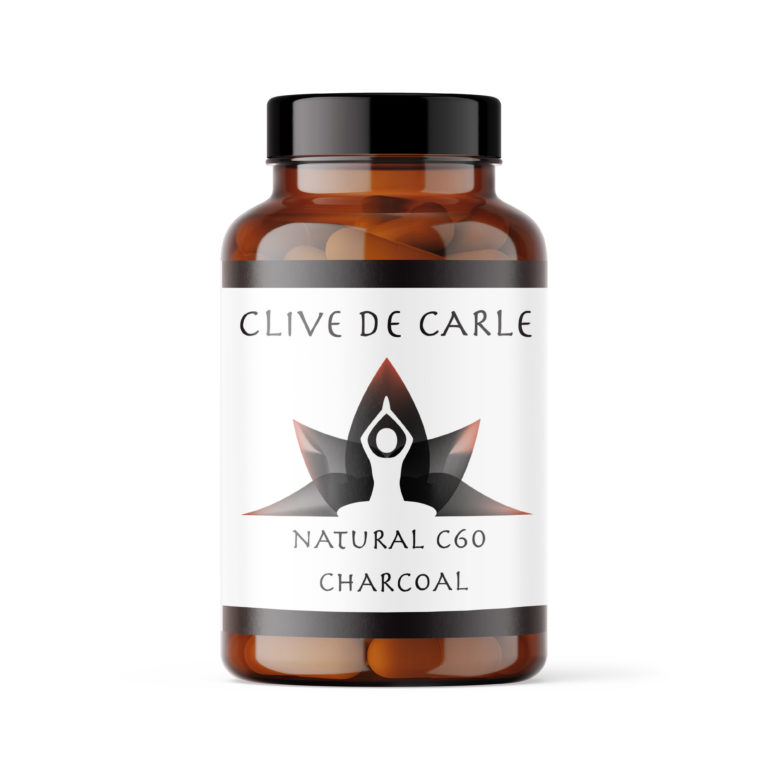
C60 Charcoal – Supports Healthy Digestion and Detoxification.
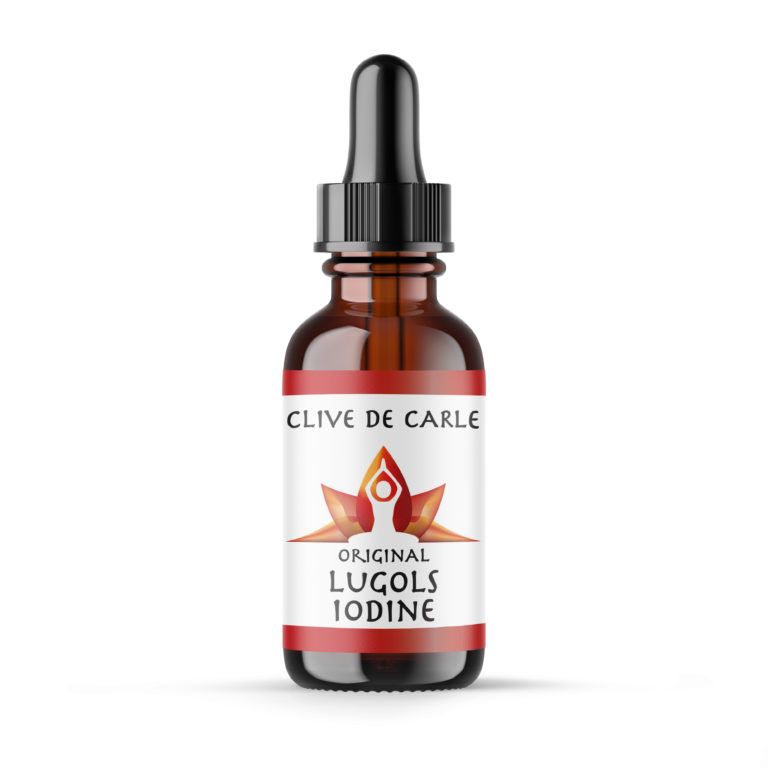
Lugol’s Iodine – Hormonal Issues, Menopause, Immune System, Brain Fog, Memory, Thyroid, Dry Skin
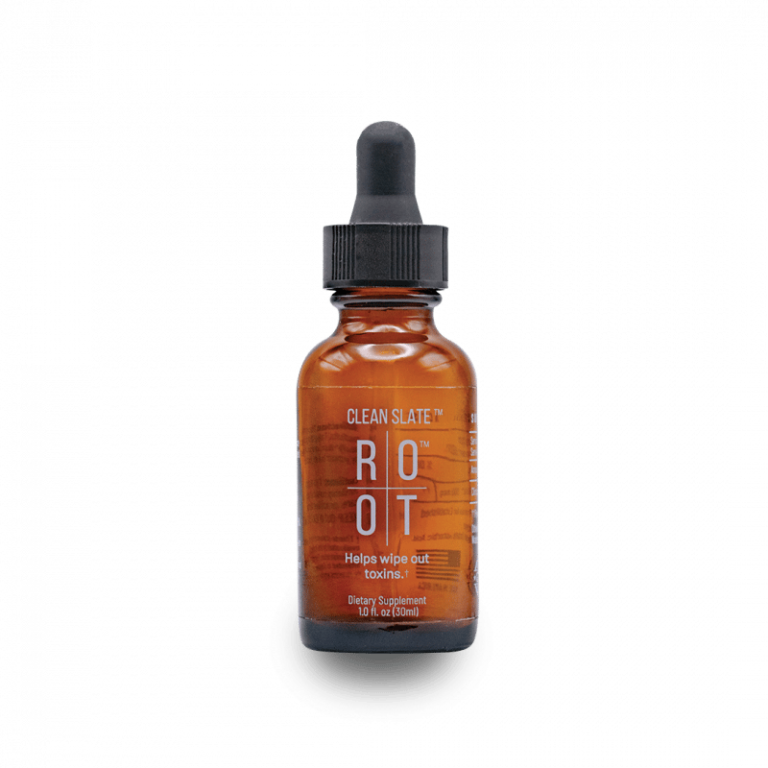
Clean Slate – Detoxes thousands of chemicals,heavy metals, pesticides, allergens, mold spores and fungus
INNERSTANDING may earn a commission on purchases made through these links. All products are selected based on rigorous educational relevance to our biological research.
RABBIT HOLE
Follow the biological thread deeper