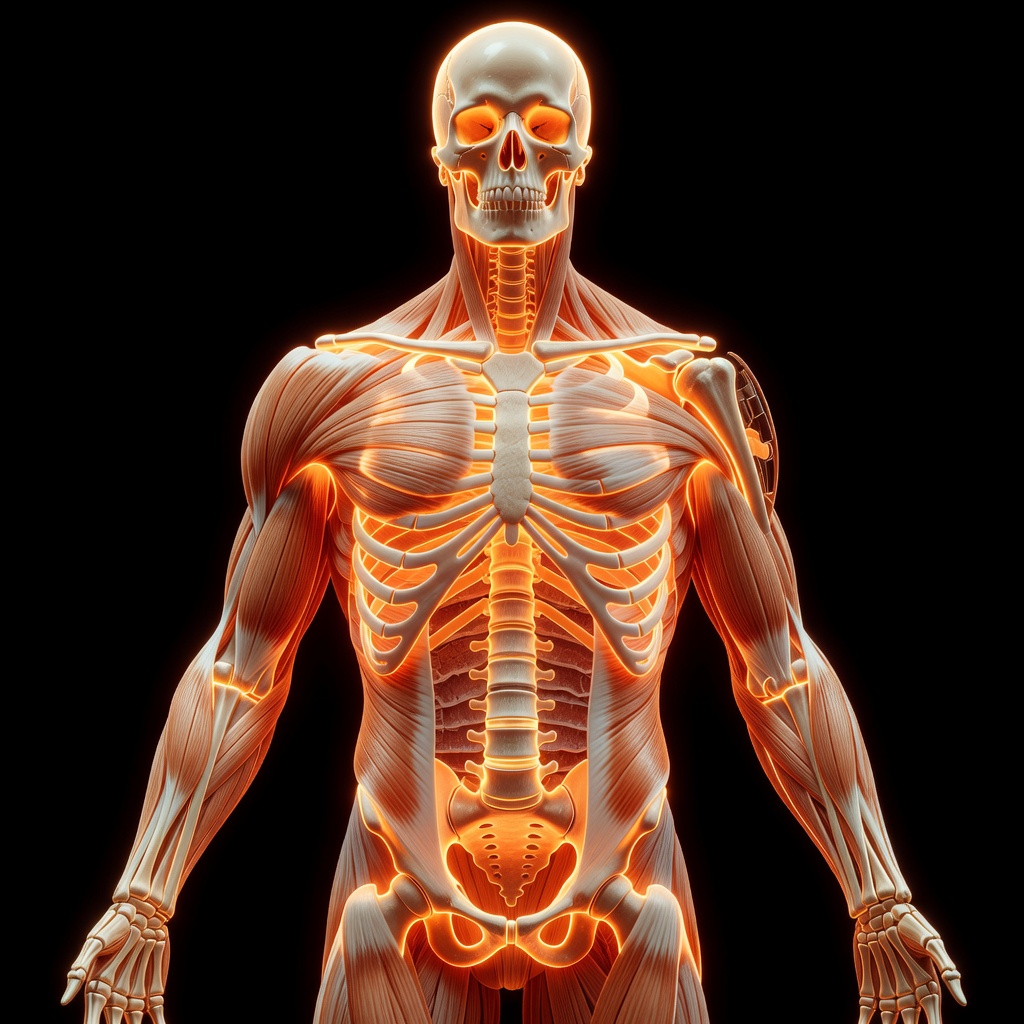
Anthropogenic Aerosols: The Pulmonary Bioavailability of Particulate Aluminium in Urban Environments
A comprehensive analysis of how inhaled particulate aluminium from urban pollution bypasses natural physiological barriers to accumulate in the human body, focusing on the pulmonary and olfactory routes of entry and their long-term neurological impacts.
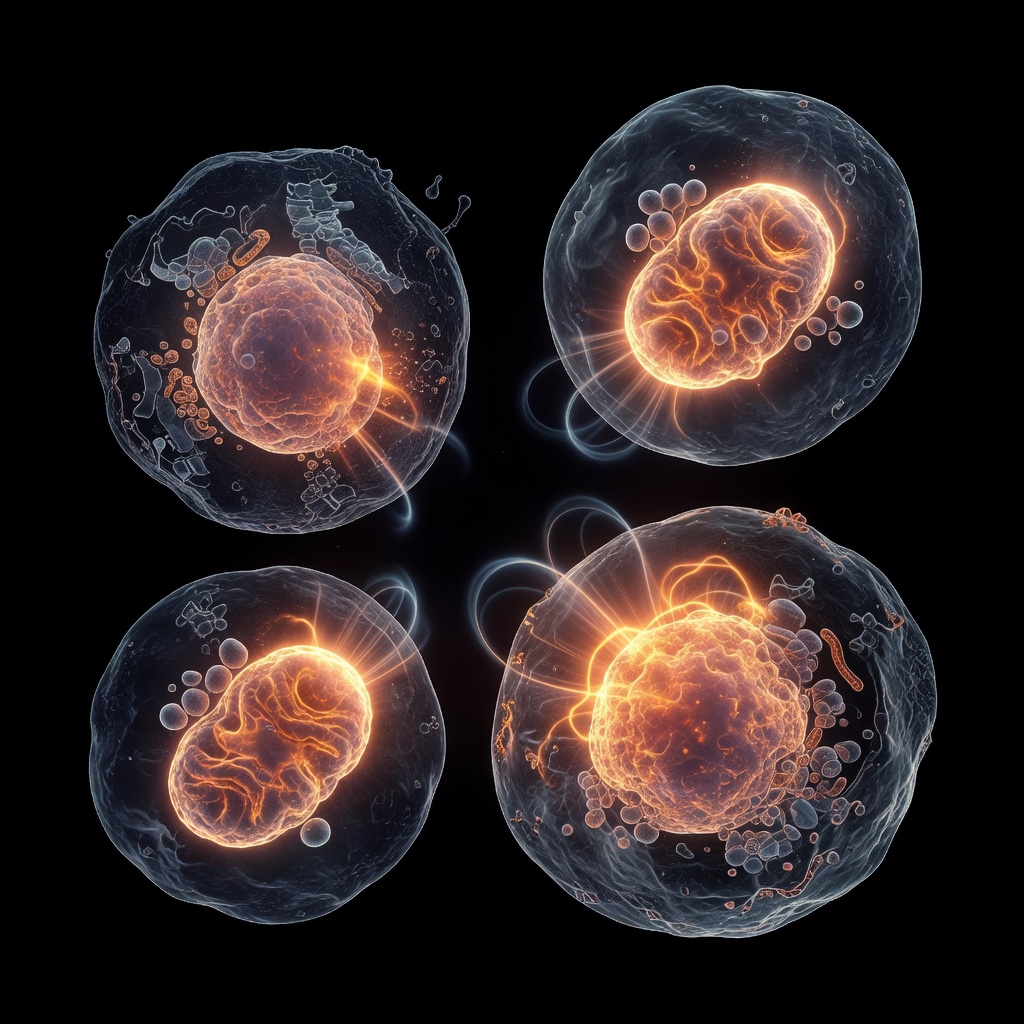
# Anthropogenic Aerosols: The Pulmonary Bioavailability of Particulate Aluminium in Urban Environments. In the modern era, the air we breathe within metropolitan landscapes is far from a simple mixture of nitrogen and oxygen. It is a complex, chemically reactive suspension of particulates known as anthropogenic aerosols. Among the most concerning components of this urban haze is aluminium. While historically viewed as a harmless metal with limited bioavailability through the digestive tract, recent research has unveiled a more sinister reality: the pulmonary route.
Unlike the gut, which filters out most ingested aluminium, the lungs provide a direct and highly efficient conduit for particulate aluminium to enter the systemic circulation and, crucially, the central nervous system. This article explores the root causes of urban aluminium pollution, the physics of its inhalation, and the profound health implications of its accumulation in the human body. ## The Invisible Metallic Shroud: An Introduction. For decades, public health discourse surrounding aluminium toxicity focused almost exclusively on dietary sources such as antacids, cookware, and processed foods. However, the rise of industrialization and the densification of urban environments have shifted the primary threat profile toward the atmosphere. Anthropogenic aerosols, defined as particles generated by human activity, have become a dominant source of chronic aluminium exposure.
In high-density UK urban centres like London, Manchester, and Birmingham, the combustion of fuels and the mechanical wear of infrastructure release microscopic aluminium particles into the air. These particles are not merely 'dust'; they are bioactive agents capable of penetrating deep into the human physiology. The root cause of this exposure lies in our reliance on high-friction transportation and industrial processes that use aluminium-intensive alloys in an unregulated atmospheric commons. ## The Sources of Urban Aluminium Aerosols. Where does this aluminium come from? The primary contributors are multi-faceted.
Automotive brake pads, for instance, frequently contain aluminium-based friction modifiers. As vehicles decelerate, intense heat and mechanical force shave off fine particles that are subsequently aerosolized. Furthermore, the aviation industry, a heavy user of aluminium alloys, contributes significant particulate matter through engine exhaust and atmospheric wear. Industrial emissions from smelting, metal-working, and even the incineration of waste add to the atmospheric load. These particles are often smaller than 2.5 micrometres (PM2.5), a size threshold that allows them to bypass the upper respiratory defenses and settle in the alveolar regions of the lungs.
Unlike larger particles that are trapped by mucus and cleared through the mucociliary escalator, these fine aerosols remain suspended in the air longer and penetrate deeper into the body. ## The Physics of Pulmonary Deposition. The human respiratory system is designed to filter out natural dust and debris, but it is ill-equipped for the sheer volume and size of modern industrial aerosols. When we inhale, the air travels through the trachea and bronchi, eventually reaching the alveoli—the tiny air sacs where gas exchange occurs. Aluminium particulates in the PM2.5 and PM0.1 (ultrafine) categories exhibit 'Brownian motion,' allowing them to collide with and adhere to the alveolar walls. This region of the lung is characterized by an incredibly thin membrane, only one or two cells thick, designed to allow oxygen to pass into the blood.
This very efficiency is what makes the lungs a vulnerable entry point for aluminium. Once deposited, the aluminium particles interact with the pulmonary surfactant—a lipoprotein complex that coats the alveoli. The chemical environment of the surfactant can promote the dissolution of aluminium from the particle surface, releasing Al3+ ions. These ions are then free to cross the blood-gas barrier, entering the systemic circulation with nearly 100% bioavailability compared to the 0.3% typically seen in the gastrointestinal tract. ## The Olfactory Pathway: Bypassing the Blood-Brain Barrier. Perhaps the most alarming aspect of inhaled aluminium is the olfactory route.
The olfactory nerves, located at the top of the nasal cavity, provide a direct anatomical link between the external environment and the brain. Research has shown that ultrafine aluminium particles can be taken up by the olfactory bulb and transported via axonal transport directly into the frontal cortex. This pathway effectively bypasses the blood-brain barrier (BBB), which is usually highly selective about what it allows into the brain. In urban environments, this means that every breath potentially delivers a sub-clinical dose of neurotoxic aluminium directly to the brain's most sensitive regions. This 'direct-to-brain' mechanism explains why elevated concentrations of aluminium are frequently found in the brain tissue of individuals living in highly polluted cities, even in the absence of high dietary intake. ## Biochemical Toxicity and Cellular Accumulation.
Once aluminium enters the cellular environment, its primary mode of damage is the induction of oxidative stress. Aluminium is not a redox-active metal in itself, but it is a potent pro-oxidant when it interacts with iron. It stabilizes the ferrous (Fe2+) state of iron, promoting the Fenton reaction which generates highly reactive hydroxyl radicals. These radicals cause lipid peroxidation, damaging the fatty membranes of cells and organelles. In the brain, this is particularly devastating, as neurons are rich in lipids and have high metabolic demands.
Furthermore, aluminium has a high affinity for phosphate groups, leading it to interfere with ATP (adenosine triphosphate) metabolism. By binding to ATP, aluminium disrupts the energy production cycle of the mitochondria, leading to cellular fatigue and, eventually, apoptosis. This mitochondrial dysfunction is a hallmark of various neurodegenerative conditions. ## From Accumulation to Neurodegeneration. The long-term accumulation of aluminium in the brain is increasingly linked to the pathogenesis of Alzheimer's disease and other forms of dementia. Aluminium promotes the aggregation of amyloid-beta plaques and the formation of neurofibrillary tangles, the two primary indicators of Alzheimer's.
Beyond the brain, systemic aluminium accumulation can lead to pulmonary fibrosis, impaired immune responses, and chronic inflammation. For the residents of UK urban centres, this represents a cumulative, lifelong burden. The body has very limited mechanisms for excreting aluminium once it has been sequestered in tissues like the brain or bone. Therefore, the goal must be the reduction of exposure at the source and the enhancement of metabolic clearance. ## Root Cause Mitigation and Protection. Addressing the issue of anthropogenic aerosols requires both systemic change and individual action.
On a systemic level, there is a dire need for stricter regulations on industrial emissions and the composition of automotive components. Transitioning to 'clean' transportation is not just about reducing carbon; it is about reducing the metallic burden of our air. For individuals, particularly those living in high-traffic areas, the use of high-quality HEPA air filtration in the home can significantly reduce the intake of PM2.5. Furthermore, supporting the body's natural detoxification pathways through adequate hydration and the intake of silicic acid (found in certain mineral waters), which binds to aluminium to form non-toxic hydroxyaluminosilicates, facilitating its excretion, may offer some protection. ## Conclusion. The bioavailability of particulate aluminium in urban environments is a silent public health crisis.
By understanding that our lungs are a primary gateway for this neurotoxin, we can begin to take the necessary steps to protect ourselves and advocate for cleaner, safer cities. INNERSTANDING is committed to shedding light on these environmental stressors, moving beyond surface-level symptoms to address the root causes of chronic ill-health in the 21st century.
This article is provided for informational and educational purposes only. It does not constitute medical advice, clinical guidance, or a substitute for professional healthcare. Information reflects cited research at time of publication. Always consult a qualified healthcare professional before acting on any health information.
RESEARCH FOUNDATIONS
Biological Credibility Archive
Citations provided for educational reference. Verify via PubMed or institutional databases.
Medical Disclaimer
The information in this article is for educational purposes only and does not constitute medical advice, diagnosis, or treatment. Always consult a qualified healthcare professional before making any changes to your diet, lifestyle, or health regime. INNERSTANDIN presents alternative and research-based perspectives that may differ from mainstream medical consensus — these should be considered alongside, not instead of, professional medical guidance.
Read Full DisclaimerReady to learn more?
Continue your journey through our classified biological research.
RABBIT HOLE
Follow the biological thread deeper