Epigenetic Alterations: Aluminium-Mediated DNA Methylation and Its Link to Neurodegenerative Progression
This comprehensive analysis explores how chronic aluminium exposure disrupts DNA methylation patterns, acting as a root-cause driver for gene dysregulation in Alzheimer's and other neurodegenerative conditions.
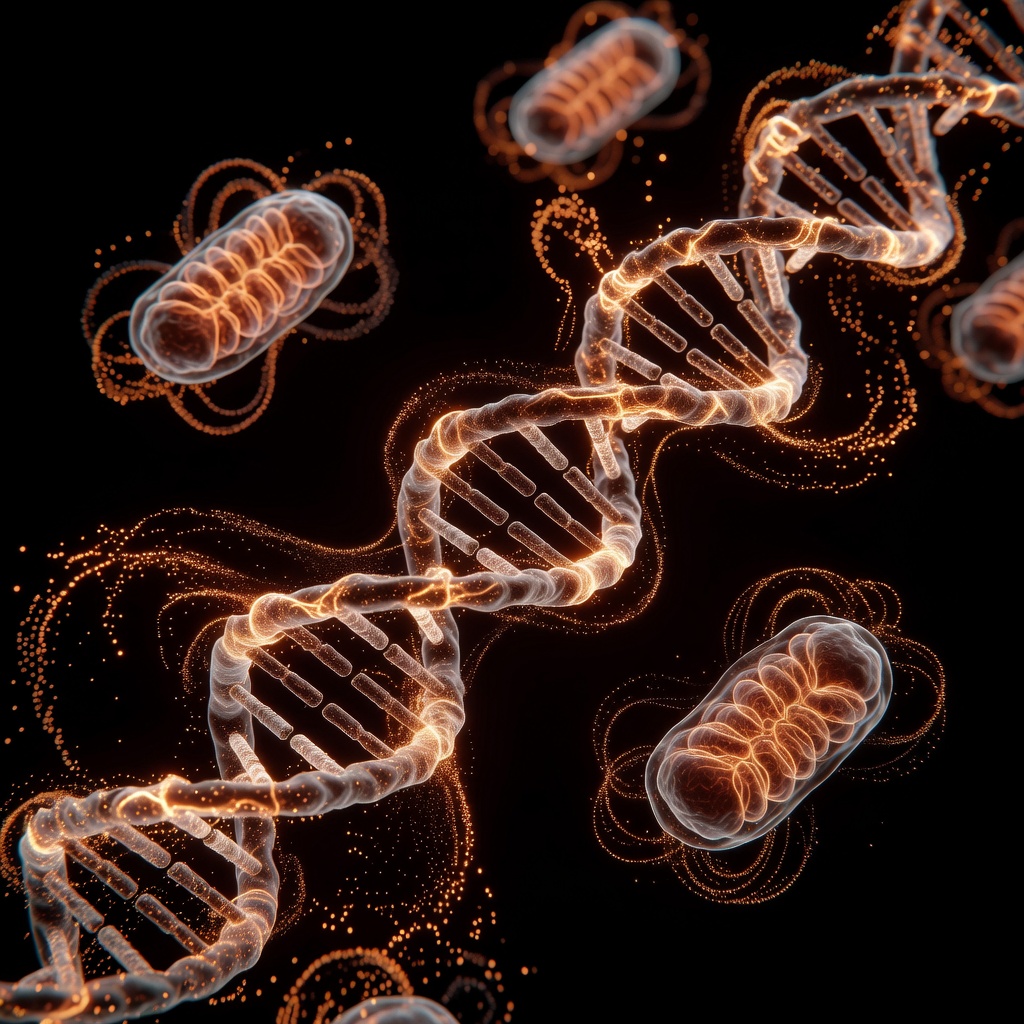
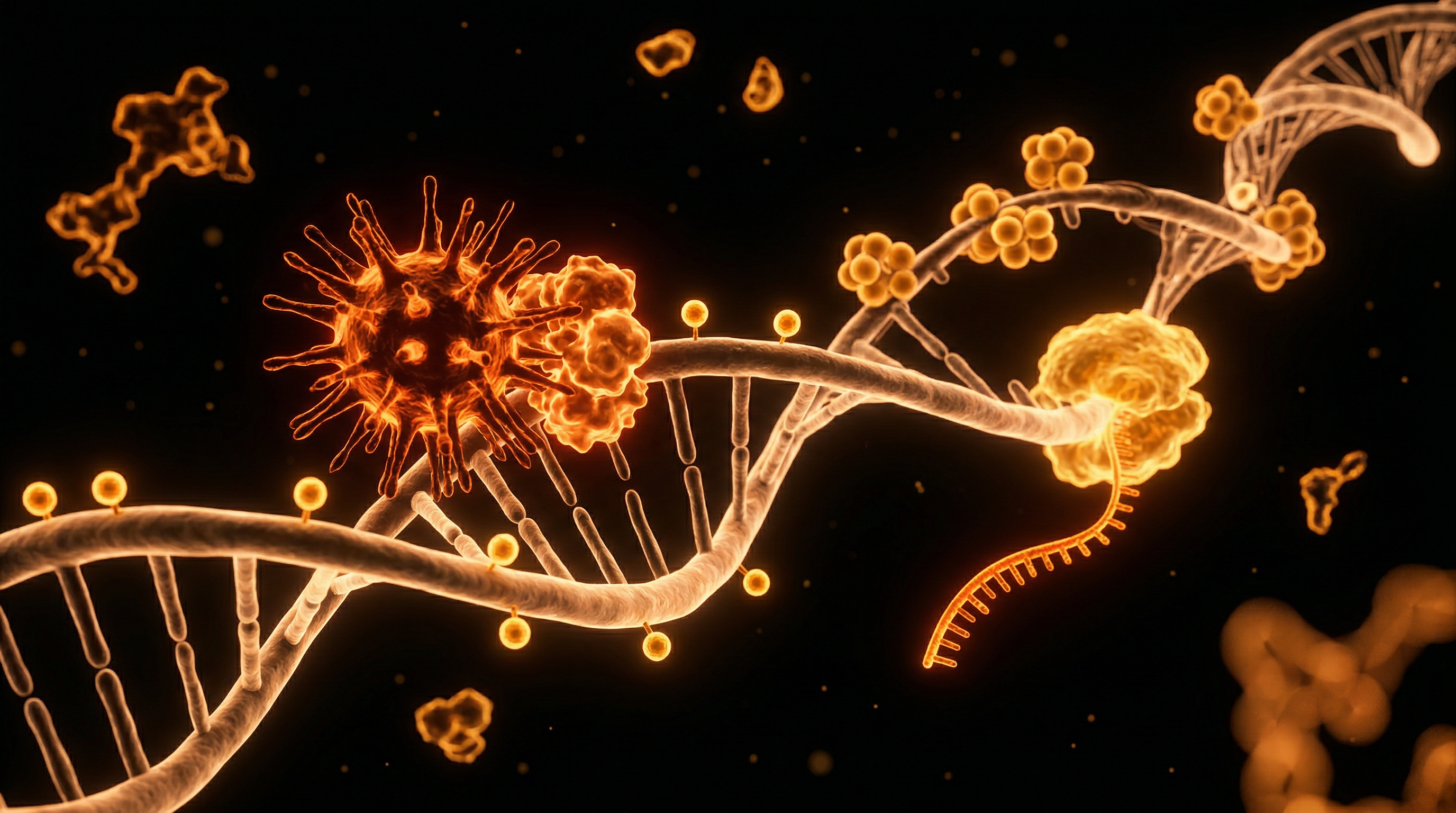
# Epigenetic Alterations: Aluminium-Mediated DNA Methylation and Its Link to Neurodegenerative Progression\n\nAt INNERSTANDING, our mission is to peel back the layers of environmental toxicity to reveal the fundamental biological disruptions that lead to chronic illness. Among the various heavy metals and metalloids that infiltrate our biology, aluminium (Al) stands out as a uniquely pervasive neurotoxin. While traditional toxicology has focused on aluminium’s ability to induce oxidative stress and protein aggregation, emerging research into the field of epigenetics—specifically DNA methylation—is providing a more profound understanding of how this metal fundamentally rewires our genetic expression to facilitate neurodegeneration.\n\n## The Epigenetic Landscape: DNA Methylation as a Master Regulator\n\nTo understand the impact of aluminium, we must first understand the mechanism of DNA methylation. This is a biochemical process where a methyl group (-CH3) is added to the DNA molecule, typically at the 5-carbon position of a cytosine ring within a CpG dinucleotide. In the context of the human brain, DNA methylation acts as a molecular 'switch' or 'dimmer,' regulating gene expression without altering the underlying genetic code.
When a gene’s promoter region is highly methylated (hypermethylation), the gene is typically silenced; when it is under-methylated (hypomethylation), the gene is expressed.\n\nIn a healthy state, methylation patterns are meticulously maintained by enzymes known as DNA methyltransferases (DNMTs). However, when environmental toxins like aluminium bypass the blood-brain barrier and accumulate in neural tissues, they interfere with these enzymatic processes, leading to what is known as 'epigenetic drift' or 'epigenetic dysregulation.'\n\n## Aluminium as an Epigenetic Disruptor\n\nAluminium is a trivalent cation (Al3+) with a high affinity for negatively charged phosphate groups in the DNA backbone. This affinity allows aluminium to bind directly to chromatin, the material that packages DNA into chromosomes. Once integrated into the nuclear environment, aluminium exerts its influence in several key ways:\n\n1. Inhibition of DNMT Activity: Research suggests that aluminium can bind to the active sites of DNA methyltransferase enzymes. By inhibiting their function, aluminium promotes global DNA hypomethylation—a state where genes that should remain silenced are suddenly activated. \n\n2. Chromatin Structural Changes: By binding to DNA phosphate groups, aluminium can induce a more condensed chromatin state in some areas while loosening it in others.
This physical alteration changes the accessibility of DNA to transcription factors and methylation enzymes.\n\n3. Induction of Oxidative Stress: Aluminium is a potent catalyst for the Fenton reaction, leading to the production of reactive oxygen species (ROS). Oxidative damage to DNA, specifically the formation of 8-hydroxy-2'-deoxyguanosine (8-OHdG), can physically block the attachment of methyl groups, further driving hypomethylation.\n\n## The Pathological Link: Alzheimer’s Disease and the APP Gene\n\nA hallmark of Alzheimer’s Disease (AD) is the accumulation of amyloid-beta plaques. At the root of this accumulation is the Amyloid Precursor Protein (APP) gene. In a balanced epigenetic environment, the expression of the APP gene is tightly controlled. However, studies in both human cell lines and animal models have demonstrated that aluminium exposure leads to the hypomethylation of the APP gene promoter.\n\nWhen the promoter region of the APP gene is hypomethylated, the gene becomes overexpressed, leading to an overproduction of the amyloid precursor protein.
This protein is then cleaved into toxic amyloid-beta peptides, which aggregate to form the plaques that disrupt neuronal communication. By influencing the epigenetic status of the APP gene, aluminium acts as a primary driver of the amyloid cascade, moving the pathology beyond simple 'wear and tear' into a state of chronic, genetically driven overproduction of toxins.\n\nFurthermore, aluminium has been linked to the hypomethylation of pro-inflammatory genes, such as those encoding for Interleukin-6 (IL-6) and Tumor Necrosis Factor-alpha (TNF-α). This ensures that once the brain enters a state of inflammation, the genetic 'brakes' meant to slow that inflammation are effectively disabled, leading to the chronic neuro-inflammation characteristic of Parkinson's and Motor Neuron Disease (MND).\n\n## Synergistic Toxicity: Aluminium and the Methylation Cycle\n\nThe impact of aluminium extends beyond the DNA molecule itself and into the systemic methylation cycle. DNA methylation relies on a steady supply of methyl donors, such as S-adenosylmethionine (SAMe). Aluminium exposure has been shown to deplete intracellular glutathione levels and disrupt the methionine cycle.
When the body is preoccupied with neutralising the oxidative stress caused by aluminium, the availability of methyl groups for DNA maintenance decreases. This creates a vicious cycle where the presence of the metal both inhibits the enzymes responsible for methylation and depletes the raw materials required for the process to occur.\n\n## A Root-Cause Perspective on Neurodegeneration\n\nFrom the INNERSTANDING perspective, addressing neurodegeneration requires more than just managing symptoms; it requires a targeted approach to the root causes of epigenetic instability. If aluminium is allowed to remain in the neural tissues, it will continue to 'edit' the epigenetic code, regardless of what antioxidants or pharmaceutical interventions are applied. This highlights the critical importance of:\n\n- Chelation and Removal: Utilizing specific silica-rich protocols or natural chelators to lower the systemic and cerebral load of aluminium.\n- Methylation Support: Providing the body with the necessary precursors—such as bioactive B-vitamins (methylcobalamin and methylfolate)—to support the DNMT enzymes and counteract aluminium-induced hypomethylation.\n- Environmental Mitigation: Identifying and eliminating sources of aluminium in the diet, personal care products, and environmental exposures to prevent further accumulation.\n\n## Conclusion\n\nThe link between aluminium and neurodegeneration is no longer a matter of mere structural damage; it is a matter of molecular subversion. By altering DNA methylation, aluminium effectively 'reprograms' neurons for dysfunction and premature death.
Understanding these epigenetic alterations allows us to move toward a more sophisticated model of health—one where we protect the integrity of our genetic expression by vigilantly managing the toxicological landscape of the modern world. Through the lens of INNERSTANDING, we recognise that the preservation of our cognitive health is inextricably linked to the purity of our internal biological environment.
This article is provided for informational and educational purposes only. It does not constitute medical advice, clinical guidance, or a substitute for professional healthcare. Information reflects cited research at time of publication. Always consult a qualified healthcare professional before acting on any health information.
RESEARCH FOUNDATIONS
Biological Credibility Archive
Citations provided for educational reference. Verify via PubMed or institutional databases.
Medical Disclaimer
The information in this article is for educational purposes only and does not constitute medical advice, diagnosis, or treatment. Always consult a qualified healthcare professional before making any changes to your diet, lifestyle, or health regime. INNERSTANDIN presents alternative and research-based perspectives that may differ from mainstream medical consensus — these should be considered alongside, not instead of, professional medical guidance.
Read Full DisclaimerReady to learn more?
Continue your journey through our classified biological research.
DISCUSSION ROOM
Members of THE COLLECTIVE discussing "Epigenetic Alterations: Aluminium-Mediated DNA Methylation and Its Link to Neurodegenerative Progression"
SILENT CHANNEL
Be the first to discuss this article. Your insight could help others understand these biological concepts deeper.
RABBIT HOLE
Follow the biological thread deeper