
Sulforaphane and the Epigenetic Power of Cruciferous Vegetables
Updated May 2026
Learn how a simple compound found in broccoli can serve as a potent epigenetic regulator, switching on cancer-fighting genes and enhancing detoxification. Master the 'hack' to maximize this molecule's bioavailability in your diet.
Overview
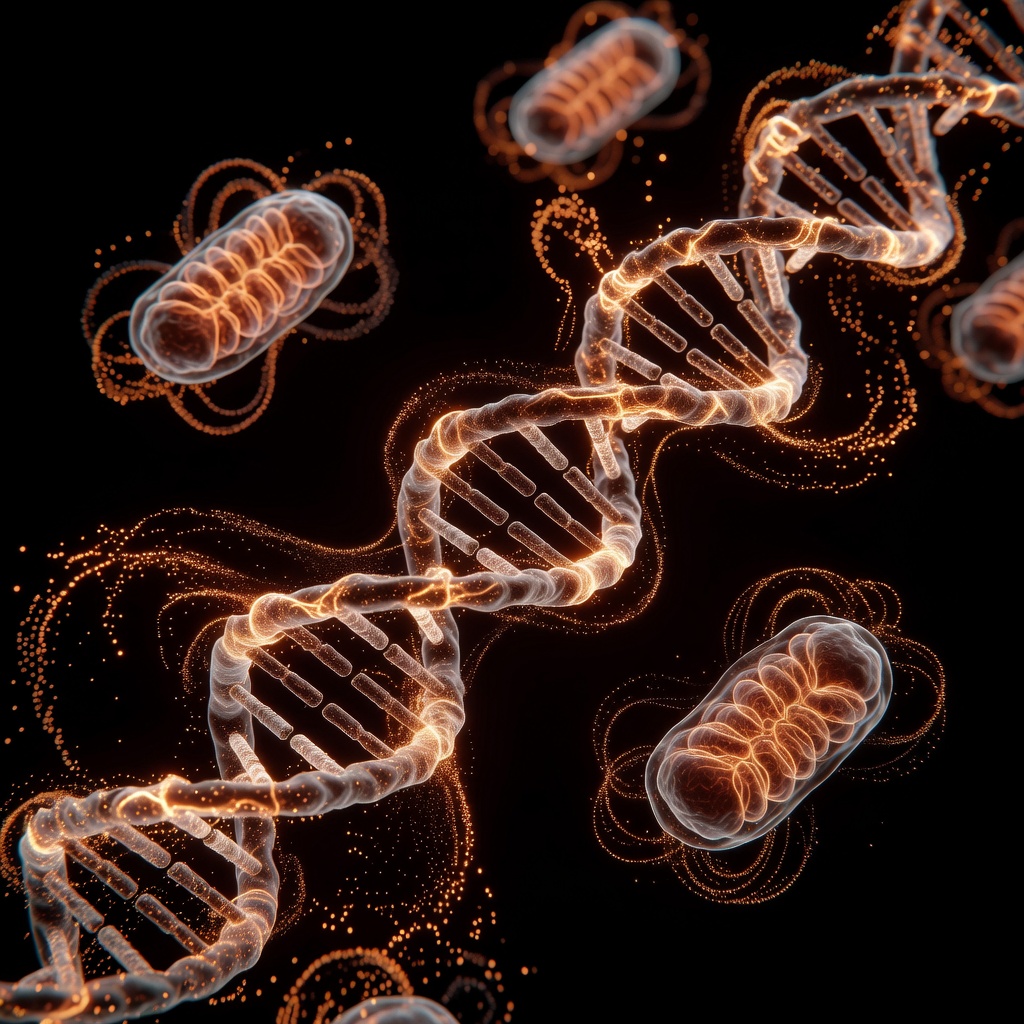
In the modern landscape of biological science, we have moved beyond the simplistic view of DNA as a static blueprint—a "destiny" written in stone at the moment of conception. We now understand that our genetic code functions more like a complex musical score; while the notes remain fixed, the way they are played depends entirely on the conductor. This conductor is epigenetics, the study of heritable changes in gene expression that do not involve alterations to the underlying DNA sequence. At INNERSTANDING, we recognise that the most potent "conductors" of our genetic orchestra are not found in a pharmaceutical laboratory, but in the intricate biochemistry of the natural world. Among these, few molecules possess the transformative power of Sulforaphane.
Sulforaphane is a sulphur-rich compound found in cruciferous vegetables—part of the *Brassicaceae* family, which includes broccoli, Brussels sprouts, cabbage, and kale. However, to label it merely a "nutrient" is to do it a profound disservice. Sulforaphane is a highly potent isothiocyanate that acts as a signal transducer, capable of penetrating the cellular membrane and modulating the expression of hundreds of genes. It is a master regulator of the cellular antioxidant response and a formidable inhibitor of the processes that lead to malignant transformation.
For decades, the mainstream nutritional narrative has focused on the "antioxidant" properties of vegetables as if they were simple scavengers of free radicals, akin to a chemical sponge. This is a rudimentary misunderstanding. Sulforaphane does not work by being an antioxidant itself; rather, it triggers the body’s own sophisticated, endogenous defence systems. It "wakes up" the cell, forcing it to synthesise its own protective enzymes, creating a biological shield that lasts far longer than any exogenous vitamin. This article will expose the mechanics of this process, the environmental forces it combats, and the specific protocols required to harness its full potential within a modern, often toxic, environment.
##
##
The Biology — How It Works
Canadian Pine Needle and Spruce Tip Tincture – Wild Harvested
Harness the power of pristine Canadian forests with this wild-harvested tincture rich in polyphenols and shikimic acid. It provides traditional botanical support for immune resilience and cellular protection in a clean, concentrated format.
Vetting Notes
Pending
To understand Sulforaphane, we must first understand the biological "booby trap" that plants have evolved over millions of years. Crucial vegetables do not actually contain sulforaphane in their intact state. Instead, they contain a precursor molecule called Glucoraphanin (a type of glucosinolate) and a separate enzyme called Myrosinase.
The Mustard Oil Bomb
In nature, these two components are stored in separate compartments within the plant cell. When a predator—be it an insect or a human—chews the vegetable, these compartments are ruptured. The Glucoraphanin and Myrosinase meet, triggering a chemical reaction that produces Sulforaphane. This is essentially a chemical defence mechanism known as the "mustard oil bomb," designed to deter herbivores by creating a pungent, bitter-tasting compound. For humans, however, this "poison" acts as a hormetic stressor.
Hormesis is the biological phenomenon where a low dose of a toxin or stressor induces a beneficial, adaptive response in the organism. By consuming Sulforaphane, we are effectively providing our cells with a "micro-challenge" that stimulates them to bolster their internal defences.
Bioavailability and Conversion
The journey from broccoli on a plate to Sulforaphane in the bloodstream is fraught with biological hurdles. Once consumed, the conversion of glucoraphanin to sulforaphane depends heavily on the presence of active myrosinase. If the vegetable is cooked at high temperatures (boiling or microwaving for extended periods), the heat-sensitive myrosinase enzyme is denatured and destroyed. In this scenario, the individual must rely on their gut microbiota—specifically certain strains of bacteria like *Bacteroides thetaiotaomicron*—to perform the conversion. However, the conversion rate in the gut is notoriously inefficient and highly variable between individuals, often resulting in as little as 5% to 10% bioavailability.
Crucial Fact: The concentration of glucoraphanin is not uniform across the plant's lifecycle. Broccoli sprouts, harvested at just 3 to 4 days old, contain between 10 to 100 times the concentration of glucoraphanin found in mature heads of broccoli, making them the most potent source of sulforaphane precursors known to man.
##
##
Mechanisms at the Cellular Level
The true genius of Sulforaphane lies in its ability to interact with specific molecular pathways that govern cell survival, detoxification, and inflammation. It is a multi-modal agent that operates across several fronts simultaneously.
The Nrf2-Keap1 Pathway: The Master Switch
The primary mechanism through which Sulforaphane exerts its effects is the Nrf2 (Nuclear factor erythroid 2-related factor 2) pathway. In a resting cell, Nrf2 is held captive in the cytoplasm by a protein called Keap1. Keap1 acts as a sensor for oxidative stress and regularly sends Nrf2 to be degraded by the cell's waste disposal system (the proteasome).
When Sulforaphane enters the cell, it reacts with specific cysteine residues on the Keap1 protein. This reaction causes a conformational change in Keap1, which then releases its grip on Nrf2. Once liberated, Nrf2 migrates into the cell nucleus, where it binds to the Antioxidant Response Element (ARE) on the DNA. This binding initiates the transcription of over 200 genes involved in:
- —Phase II Detoxification: Enzymes such as Glutathione S-transferase (GST) and Quinone reductase (NQO1), which neutralise carcinogens and facilitate their excretion.
- —Antioxidant Synthesis: Boosting levels of Glutathione, the body’s "master antioxidant," as well as Superoxide Dismutase (SOD) and Catalase.
- —Mitochondrial Protection: Enhancing the efficiency of energy production and reducing the leak of reactive oxygen species (ROS).
Epigenetic Regulation: HDAC Inhibition
Beyond Nrf2, Sulforaphane acts as a potent Histone Deacetylase (HDAC) inhibitor. To understand this, imagine your DNA is wrapped tightly around proteins called histones. When the wrapping is too tight (due to high HDAC activity), certain genes—particularly tumour suppressor genes like p21 and p53—are "silenced." They cannot be read by the cell.
Sulforaphane inhibits HDAC enzymes, allowing the histones to relax (acetylation). This "opens up" the DNA, allowing the cell to once again express these critical anti-cancer genes. This is a pure epigenetic intervention: Sulforaphane is literally switching back on the protective systems that may have been silenced by age, poor diet, or environmental toxins.
Suppression of NF-κB and Inflammation
Chronic inflammation is the "soil" in which most modern diseases grow. Sulforaphane inhibits NF-κB (Nuclear Factor kappa-light-chain-enhancer of activated B cells), the primary molecular switch for inflammation. By blocking NF-κB, Sulforaphane reduces the production of pro-inflammatory cytokines such as TNF-alpha, IL-1, and IL-6, effectively dampening the systemic fire of inflammation that drives cardiovascular disease and neurodegeneration.
##
##
Environmental Threats and Biological Disruptors
We do not live in the world our ancestors inhabited. The biological "operating system" of the human body is currently being bombarded by an unprecedented array of synthetic chemicals and environmental stressors that were non-existent a century ago.
The Toxic Burden
The modern Briton is exposed to a cocktail of pollutants through air, water, and soil. These include:
- —Polycyclic Aromatic Hydrocarbons (PAHs): Found in vehicle exhaust and charred foods, these are potent carcinogens.
- —Heavy Metals: Cadmium, lead, and mercury, which accumulate in tissues and disrupt enzyme function.
- —Benzene: A ubiquitous industrial pollutant and known human carcinogen found in urban air.
- —Microplastics and Phthalates: Endocrine disruptors that interfere with hormonal signalling.
These substances act as genotoxicants, meaning they directly damage DNA or interfere with the repair mechanisms. They also induce massive amounts of oxidative stress, depleting our endogenous antioxidant stores and leaving the cell vulnerable to mutations.
Glyphosate and Soil Depletion
The intensification of agriculture in the UK and globally has led to the widespread use of Glyphosate, the active ingredient in many herbicides. Glyphosate has been shown to disrupt the Shikimate pathway in the gut microbiome (which humans technically do not have, but our beneficial bacteria do). This disruption can lead to dysbiosis, further impairing our ability to metabolise plant compounds like glucoraphanin. Furthermore, the industrial farming focus on yield over nutrient density has resulted in soil that is depleted of the essential minerals required for plants to synthesise protective secondary metabolites.
Alarming Statistic: According to data from the Environment Agency, a significant portion of UK rivers are contaminated with a "chemical cocktail" of pesticides and industrial runoff, contributing to the bioaccumulation of toxins in the food chain that our internal systems were never evolved to handle.
##
##
The Cascade: From Exposure to Disease
When the body's detoxification systems are overwhelmed by the environmental threats mentioned above, a predictable biological cascade occurs. This is not a sudden event, but a slow, decades-long erosion of cellular integrity.
Stage 1: The Bio-Accumulative Phase
In this stage, toxins enter the body faster than the Phase II enzymes can clear them. Lipid-soluble toxins (such as certain pesticides) are stored in adipose (fat) tissue. Here, they are not inert; they continuously leak back into the bloodstream, creating a state of low-grade, chronic toxicity.
Stage 2: Mitochondrial Dysfunction and Oxidative Stress
As toxins interfere with the electron transport chain in the mitochondria, the cell begins to produce excessive Superoxide and Hydroxyl radicals. This oxidative stress begins to "rust" the cell from the inside out. Lipids in the cell membrane undergo peroxidation, and proteins become misfolded.
Stage 3: Epigenetic Silencing and DNA Damage
Continuous oxidative stress and the presence of adduct-forming toxins lead to direct DNA breaks. Simultaneously, the body’s epigenetic machinery begins to fail. Methylation patterns shift, and Histone Deacetylases become overactive, silencing the very genes meant to repair DNA and trigger apoptosis (programmed cell death) in damaged cells.
Stage 4: Manifest Disease
This is the stage where the NHS usually intervenes—after the damage is done. Whether it manifests as Prostate Cancer, Type 2 Diabetes, Alzheimer’s Disease, or Cardiovascular Disease, the root is often the same: a total failure of the cell’s internal defence and detoxification network. The mainstream medical approach focuses on managing the symptoms of this failure rather than addressing the cellular collapse that preceded it.
##
##
What the Mainstream Narrative Omits
The suppression of the truth regarding Sulforaphane and its epigenetic power is not necessarily a grand conspiracy, but rather a result of the pharmaceutical-industrial complex’s inherent bias.
The Patentability Problem
The primary reason you do not see Sulforaphane being prescribed by GPs as a front-line preventative measure is simple: you cannot patent a broccoli sprout. Pharmaceutical companies require "New Chemical Entities" (NCEs) that can be patented and sold at a high markup to recoup the costs of clinical trials. Because Sulforaphane is a natural compound, there is no financial incentive for "Big Pharma" to fund the massive, multi-centre phase III trials required for formal medical recognition.
The Reductionist Fallacy
Mainstream nutritional science often falls into the trap of "reductionism"—trying to isolate a single vitamin or mineral and expecting it to solve complex health issues. This is why many trials of isolated "antioxidant" supplements (like Vitamin E or Beta-carotene) have failed or even shown harm. They are "passive" antioxidants. Sulforaphane is an "active" signalling molecule. It doesn't just do the job; it teaches the body how to do the job better. The mainstream narrative fails to distinguish between these two fundamentally different biological roles.
The RDA Myth
The Recommended Daily Allowance (RDA) figures provided by bodies like the FSA (Food Standards Agency) are designed to prevent acute deficiency diseases (like scurvy or rickets). They are not designed for optimal biological function or for protection against the modern toxic environment. To rely on the RDA for cruciferous vegetable intake is to settle for the bare minimum of survival, rather than the maximum of cellular vitality.
##
##
The UK Context
The United Kingdom presents a unique set of challenges and opportunities regarding Sulforaphane and public health.
The Burden on the NHS
The NHS is currently under immense pressure from "preventable" chronic diseases. A significant portion of these—specifically cancers and metabolic disorders—have strong epigenetic components. If the UK population were to adopt a strategy of "Epigenetic Fortification" through the widespread use of Sulforaphane-rich foods, the long-term reduction in healthcare costs could be staggering. However, the current NHS model remains predominantly reactive (treating disease) rather than proactive (optimising biological resilience).
Food Quality and the British Soil
The UK has some of the most depleted soils in Europe. Decades of intensive monoculture have reduced the mineral content of our vegetables. This is critical because the synthesis of glucosinolates in plants requires Sulphur and Magnesium. Without these minerals in the soil, even the most "organic" broccoli from a high-street supermarket may be biologically "empty."
Urban Pollution and the "London Lung"
In cities like London, Birmingham, and Manchester, air quality frequently exceeds safe limits. The levels of nitrogen dioxide (NO2) and particulate matter (PM2.5) are among the highest in Europe. Research has specifically shown that Sulforaphane can increase the excretion of air pollutants (like benzene and acrolein) by up to 60%. For the urban Briton, Sulforaphane is not just a health food; it is a vital internal filter against the environment.
##
##
Protective Measures and Recovery Protocols
Knowledge is useless without application. To harness the epigenetic power of Sulforaphane, one must master the "hacks" that bypass the biological barriers to its bioavailability.
The "Chop and Hold" Technique
Because the conversion of glucoraphanin to sulforaphane requires the enzyme myrosinase, and because myrosinase is destroyed by heat, you must never cook your cruciferous vegetables immediately after chopping.
- —Chop your broccoli, kale, or cabbage into small pieces.
- —Wait for at least 40 minutes. This allows the myrosinase and glucoraphanin to interact while the vegetable is still raw, creating the sulforaphane.
- —Cook gently (steaming is best). Once the sulforaphane is formed, it is much more heat-stable than the enzyme that created it.
The Mustard Seed Rescue
If you are eating pre-cooked or frozen broccoli (where the myrosinase has been inactivated by blanching), you can "rescue" the dish. By adding a source of active, raw myrosinase to the cooked vegetable, you can trigger the conversion of the remaining glucoraphanin.
- —The Protocol: Sprinkle half a teaspoon of raw mustard seed powder over your cooked broccoli. Mustard seeds are a potent source of myrosinase. This simple addition can increase sulforaphane bioavailability by over 400%.
The Sprouting Revolution
As mentioned, broccoli sprouts are the undisputed kings of sulforaphane. Growing them at home is the single most cost-effective health intervention available.
- —Protocol: Soak organic broccoli seeds for 8 hours, then rinse and drain them twice daily in a sprouting jar. Harvest on day 3 or 4.
- —Freezing Hack: Research indicates that freezing broccoli sprouts and then consuming them (perhaps in a smoothie) increases the sulforaphane yield even further. Freezing creates ice crystals that puncture the plant cell walls, mimicking the action of chewing and allowing the chemical reaction to occur more completely.
Supplementation: A Minefield
If you choose to supplement, you must be discerning. Most "Broccoli" supplements on the UK market contain only glucoraphanin and no myrosinase. Without the enzyme, you are essentially gambling on your gut bacteria to do the work. Look for supplements that specifically list "active myrosinase" or those that contain "Stabilised Sulforaphane" (Prostaphane). Avoid those that merely list "broccoli powder," which is often biologically inert.
The Detoxification Protocol
For those seeking to detoxify from heavy environmental exposure:
- —Dosage: Aim for 40mg to 60mg of Sulforaphane daily. This is roughly equivalent to 100g of fresh broccoli sprouts or 500g of mature broccoli (if prepared correctly).
- —Synergy: Combine Sulforaphane with Selenium and Curcumin (from turmeric). These compounds work synergistically to further activate Nrf2 and enhance the Phase II detoxification pathway.
##
##
Summary: Key Takeaways
- —Epigenetic Mastery: Sulforaphane is not a passive antioxidant; it is a signalling molecule that switches on tumour-suppressor genes and switches off pro-inflammatory pathways.
- —Nrf2 Activation: It is the most potent naturally occurring inducer of the Nrf2 pathway, which regulates over 200 genes involved in cellular defence and detoxification.
- —The Myrosinase Key: The conversion to Sulforaphane requires the enzyme myrosinase. This enzyme is destroyed by heat, necessitating the "chop and hold" method or the addition of mustard seeds to cooked vegetables.
- —Environmental Shield: Sulforaphane is a critical defence against modern UK environmental threats, including air pollution, heavy metals, and industrial chemicals, significantly increasing their excretion from the body.
- —Sprouts over Mature Veg: Broccoli sprouts contain up to 100 times the precursor concentration of mature broccoli, making them the most efficient source of this compound.
- —Mainstream Neglect: Due to its non-patentable nature, Sulforaphane remains under-utilised in clinical medicine despite overwhelming evidence of its efficacy in preventing the cellular precursors to chronic disease.
The biological reality is clear: we are under constant environmental assault. Our genetic "conductor" is being drowned out by the noise of modern life. By incorporating Sulforaphane into our daily lives—not as a culinary garnish, but as a strategic biological intervention—we can reclaim control of our epigenetic expression and fortify our health against the challenges of the 21st century. This is the truth that INNERSTANDING seeks to expose: that the power to heal and protect the human body is already encoded within our biology, waiting for the right signal to be activated.
This article is provided for informational and educational purposes only. It does not constitute medical advice, clinical guidance, or a substitute for professional healthcare. Information reflects cited research at time of publication. Always consult a qualified healthcare professional before acting on any health information.
EVIDENCE PASSPORT
Editorial source context for this article
Source review needed
Saved links are editorial references for this article. They may support specific claims rather than every sentence. Open and assess each source in context. This passport does not independently verify them.
Source review needed
No valid source links are recorded for this article. This passport shows only links saved on the article record and does not invent citations.
This passport records editorial links, not independent verification. Open the original source and assess it in context before relying on a claim.
Medical Disclaimer
The information in this article is for educational purposes only and does not constitute medical advice, diagnosis, or treatment. Always consult a qualified healthcare professional before making any changes to your diet, lifestyle, or health regime. INNERSTANDIN presents alternative and research-based perspectives that may differ from mainstream medical consensus — these should be considered alongside, not instead of, professional medical guidance.
Read Full DisclaimerReady to learn more?
Continue your journey through our classified biological research.
THE ARSENAL
Based on Epigenetics — products curated by our research team for educational relevance and biological support.
Glutathione Builder – Advanced Amino Acid Formula
Canadian Pine Needle and Spruce Tip Tincture – Wild Harvested

Immuno – Daily Support for the Immune System
INNERSTANDING may earn a commission on purchases made through these links. All products are selected based on rigorous educational relevance to our biological research.
Dig deeper in the Library
Free, longform PDF volumes that go beyond headlines into mechanisms and references.