All INNERSTANDIN content is for educational purposes only — not medical advice, diagnosis or treatment. Full Disclaimer →

    BACK TO DATABASE
    TAGGED RESEARCH

    #mitochondria

    132TRANSMISSIONS FOUND
    E
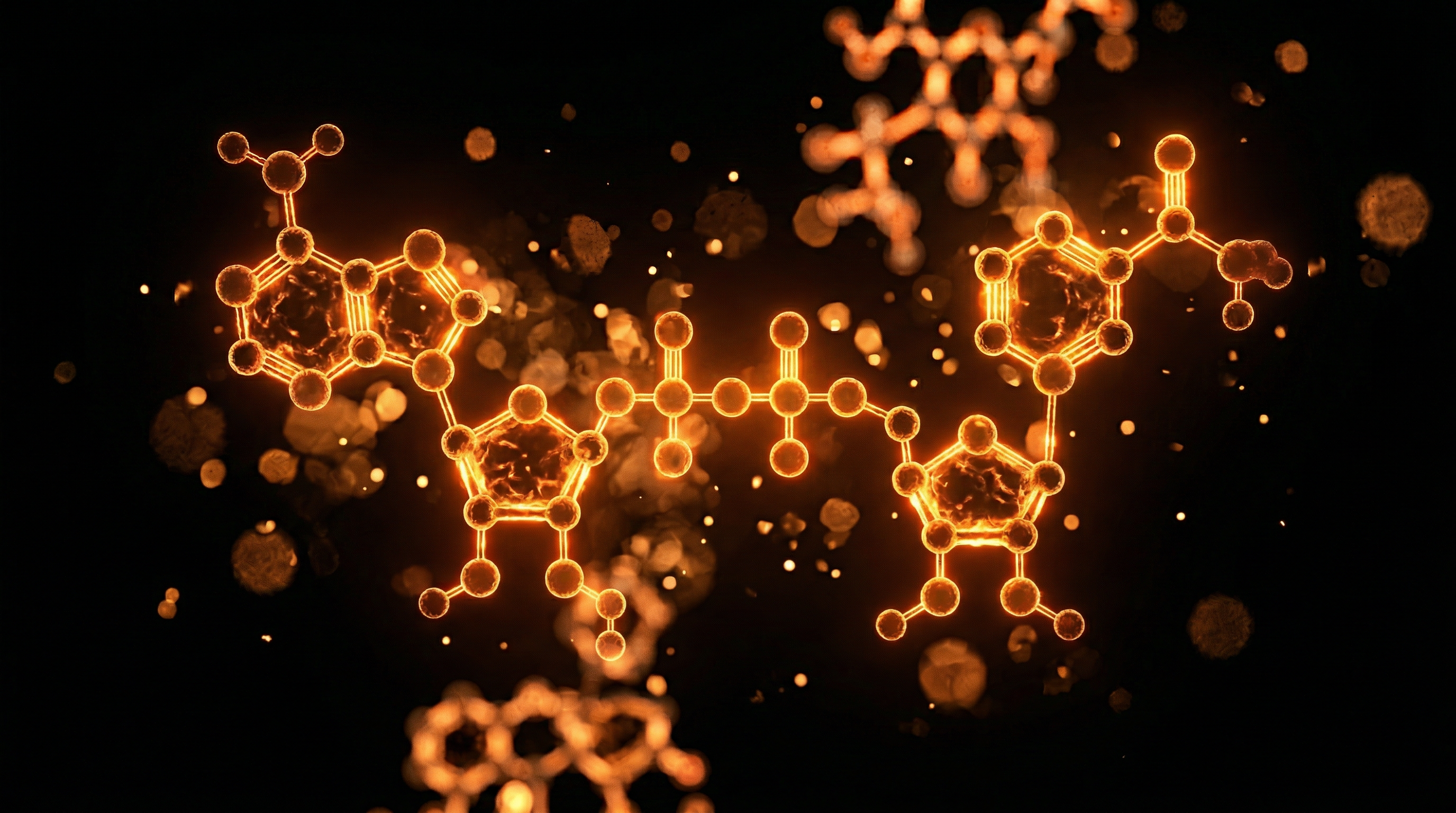
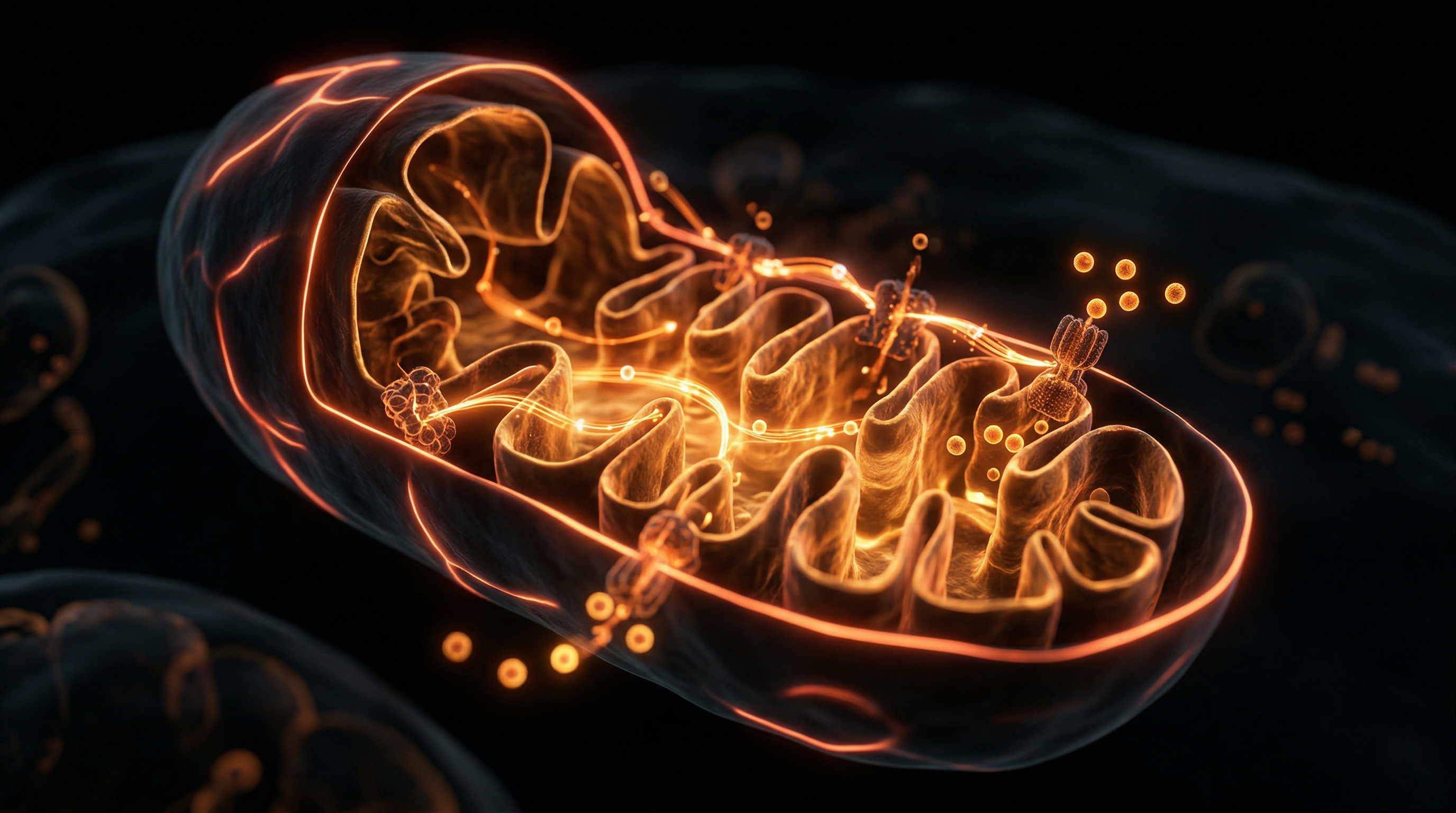
    Scientific illustration for Electron Transport Chain: Where Energy Meets Environmental Toxicity
    Mitochondria
    16 MIN READ

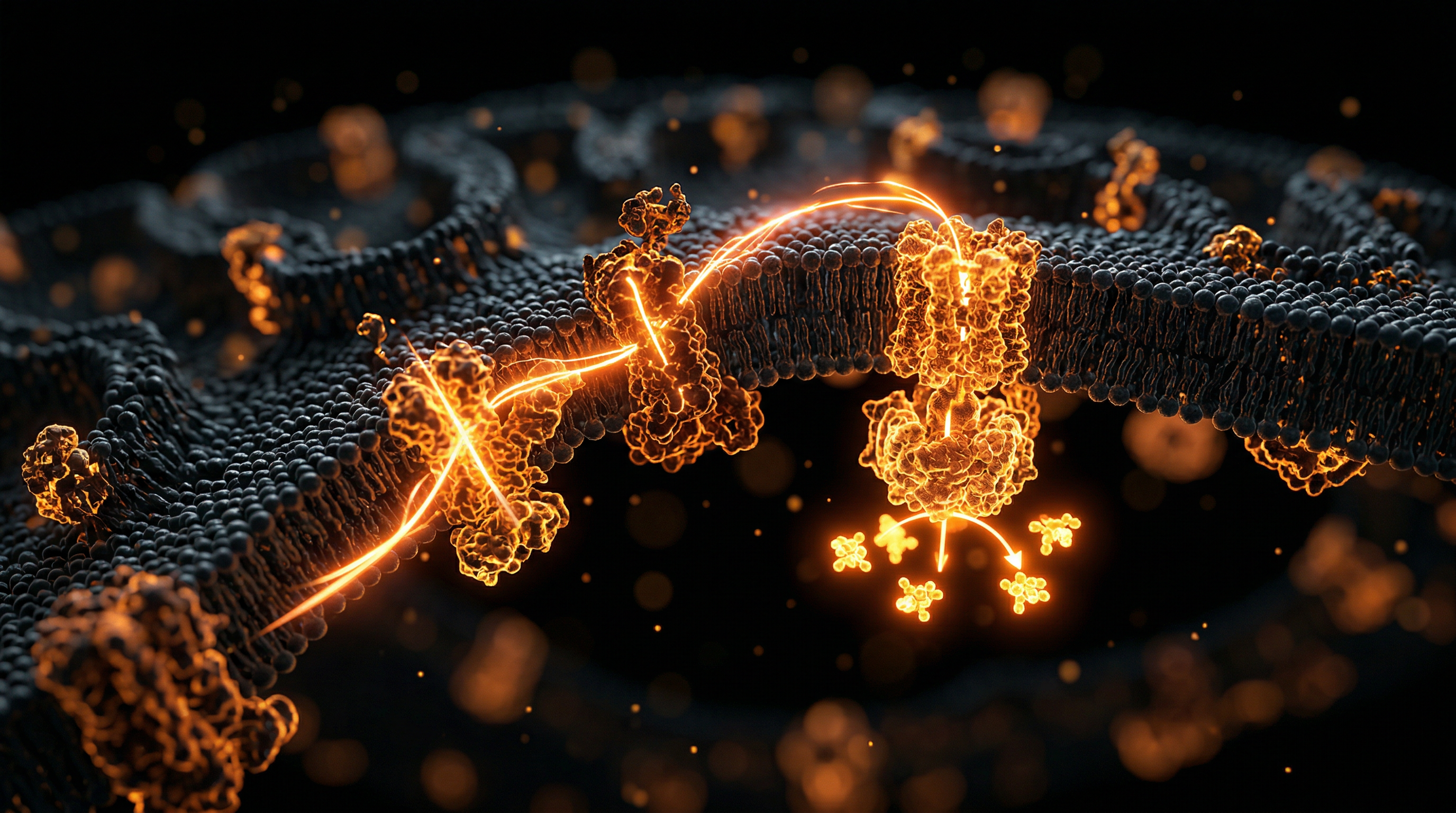
    Electron Transport Chain: Where Energy Meets Environmental Toxicity

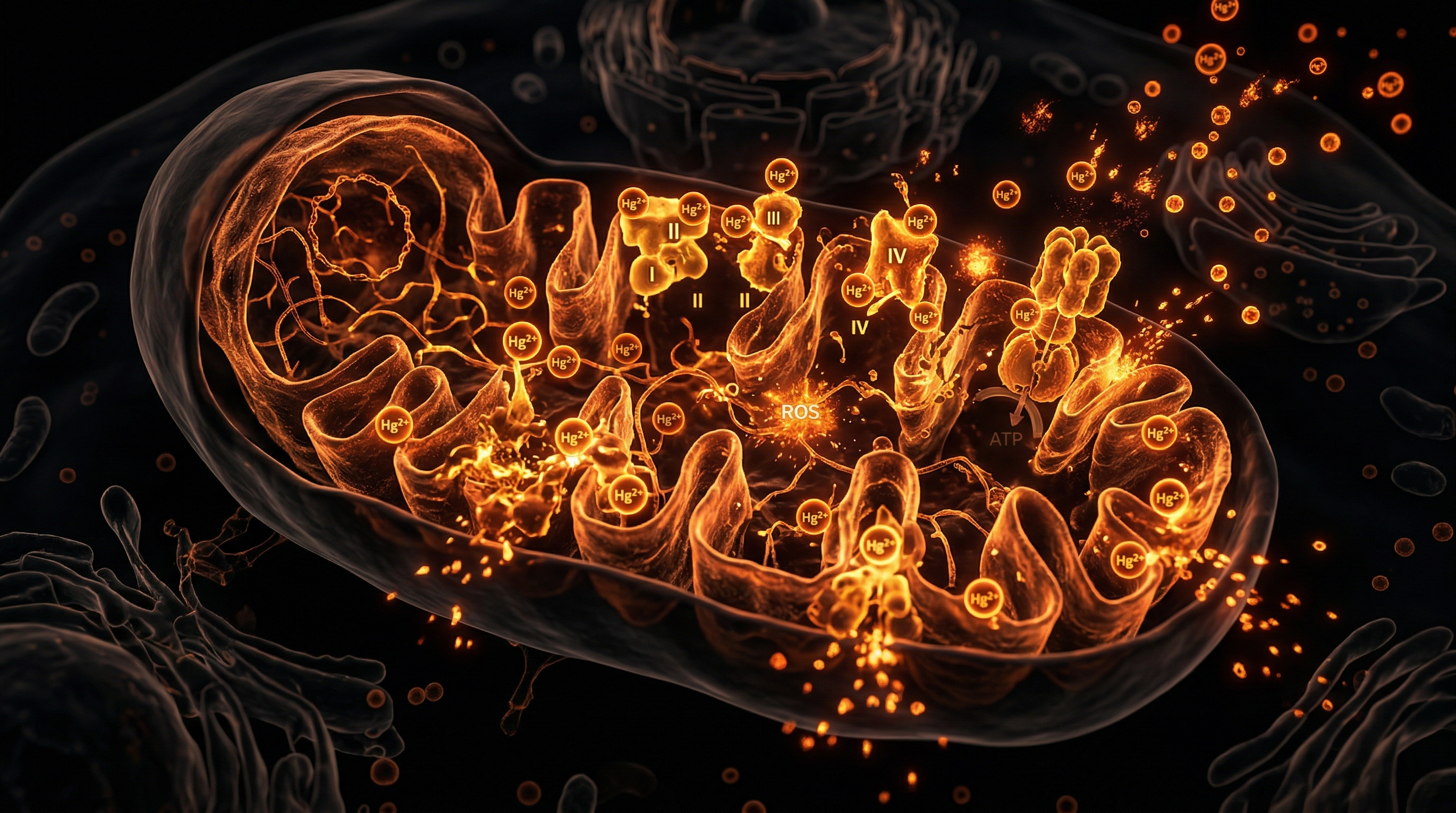
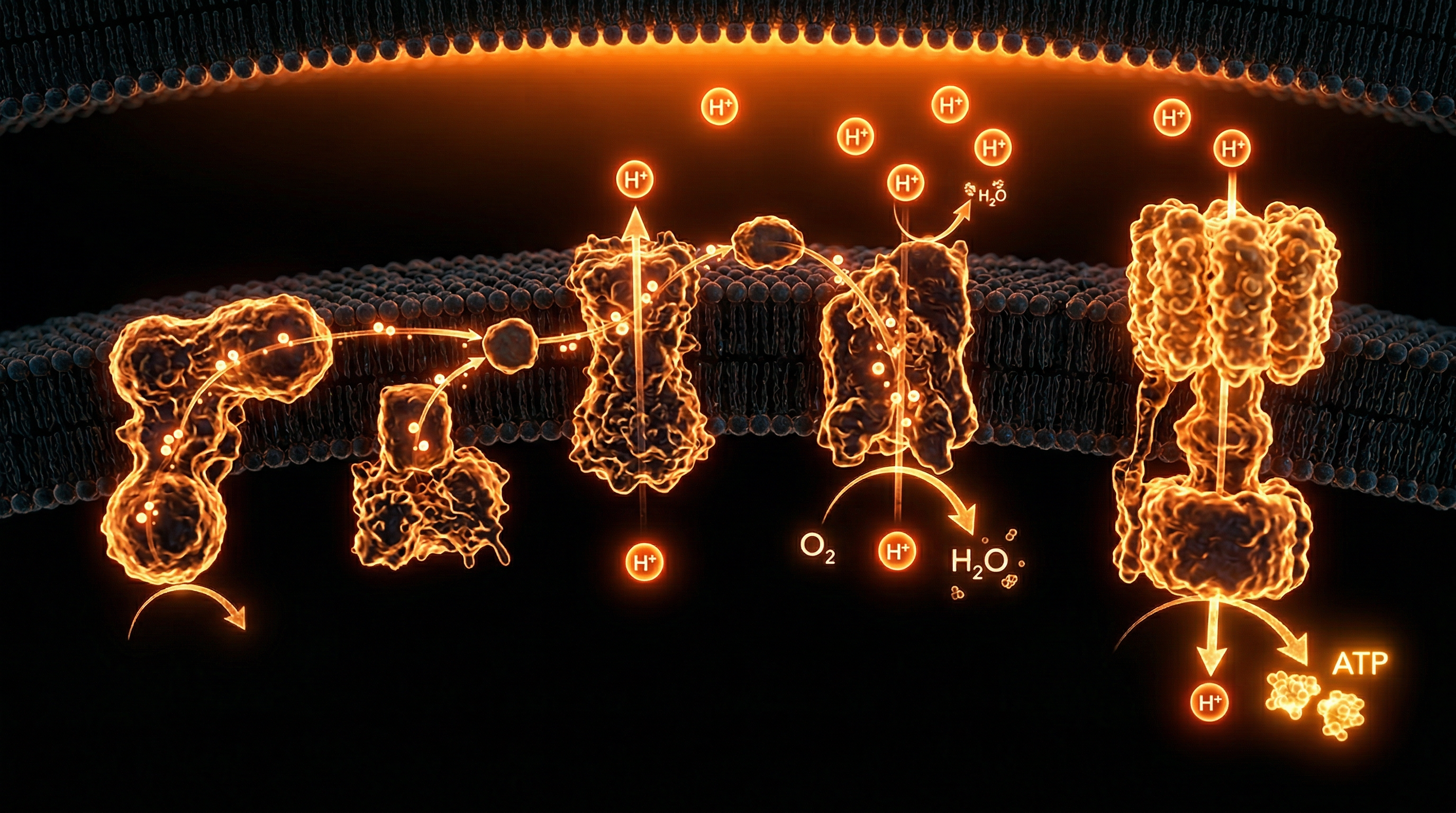
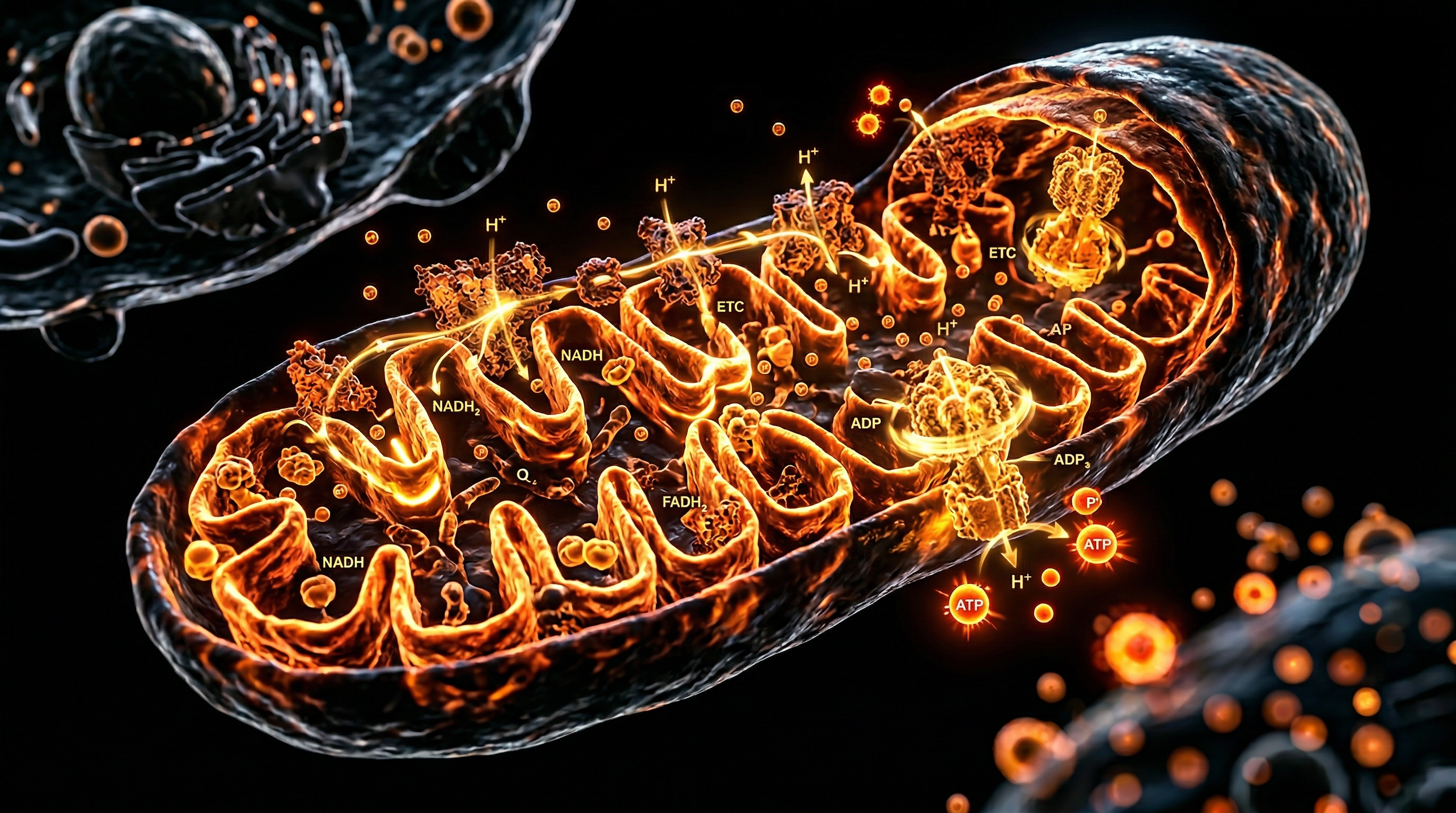
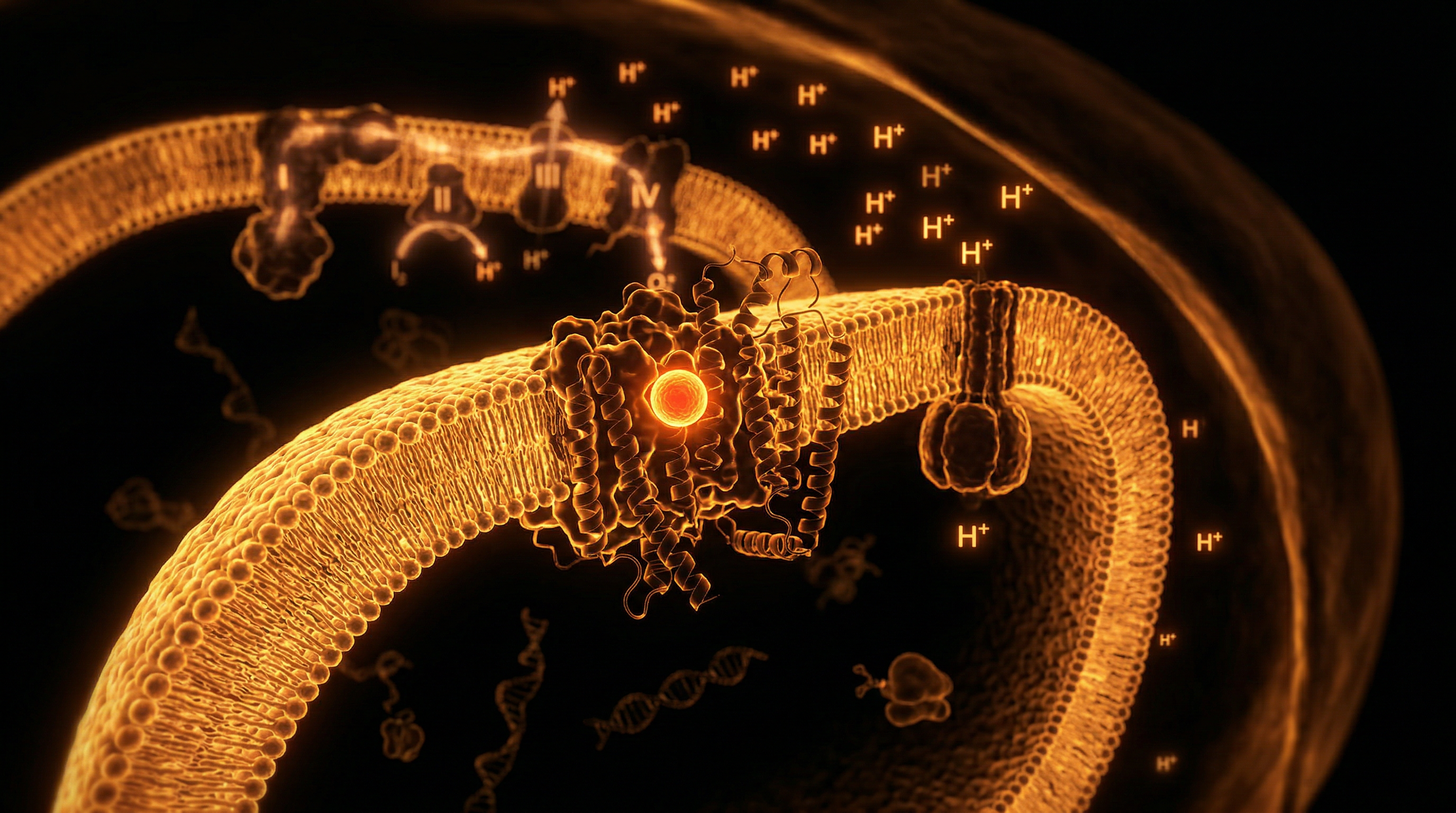
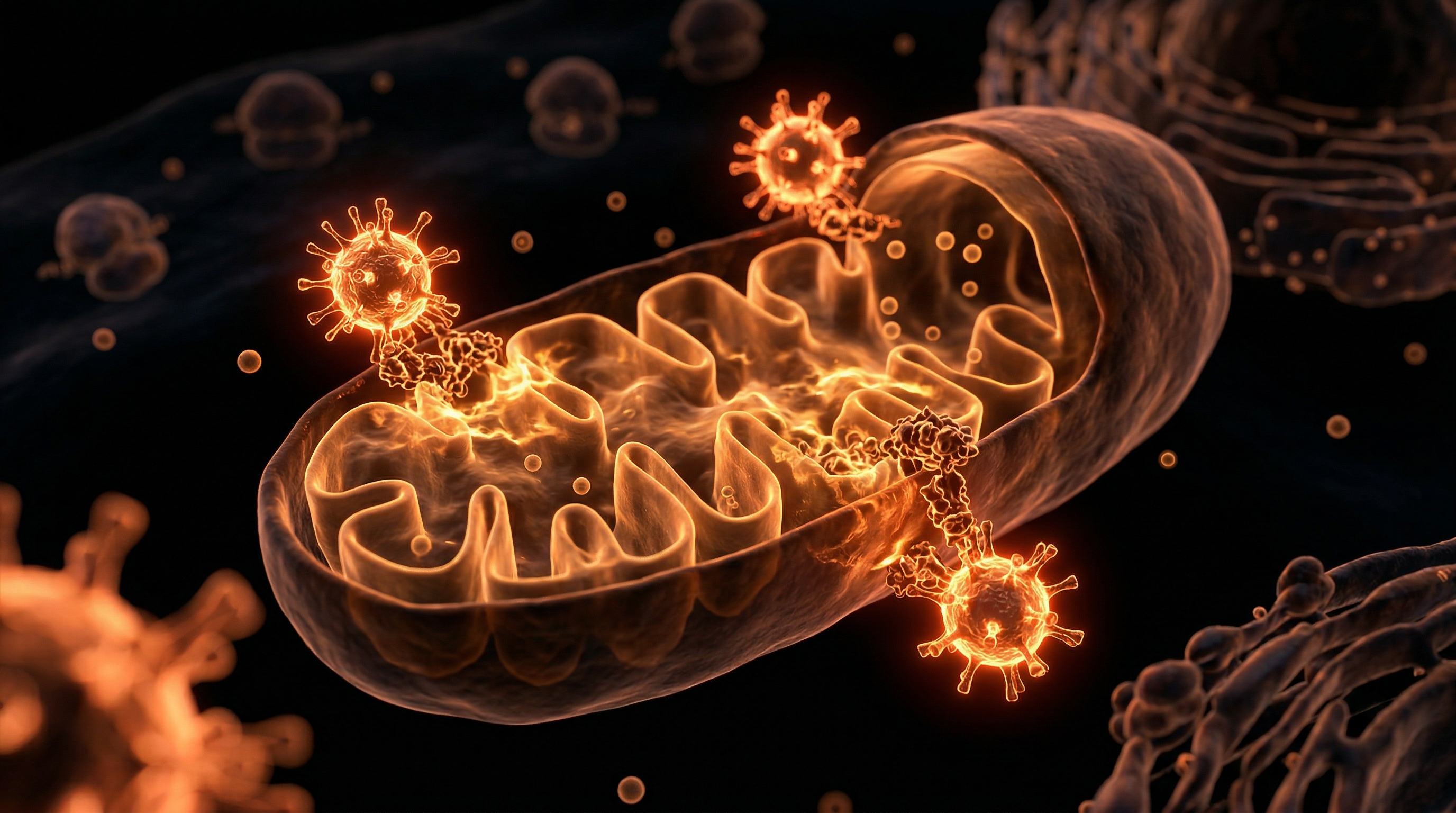
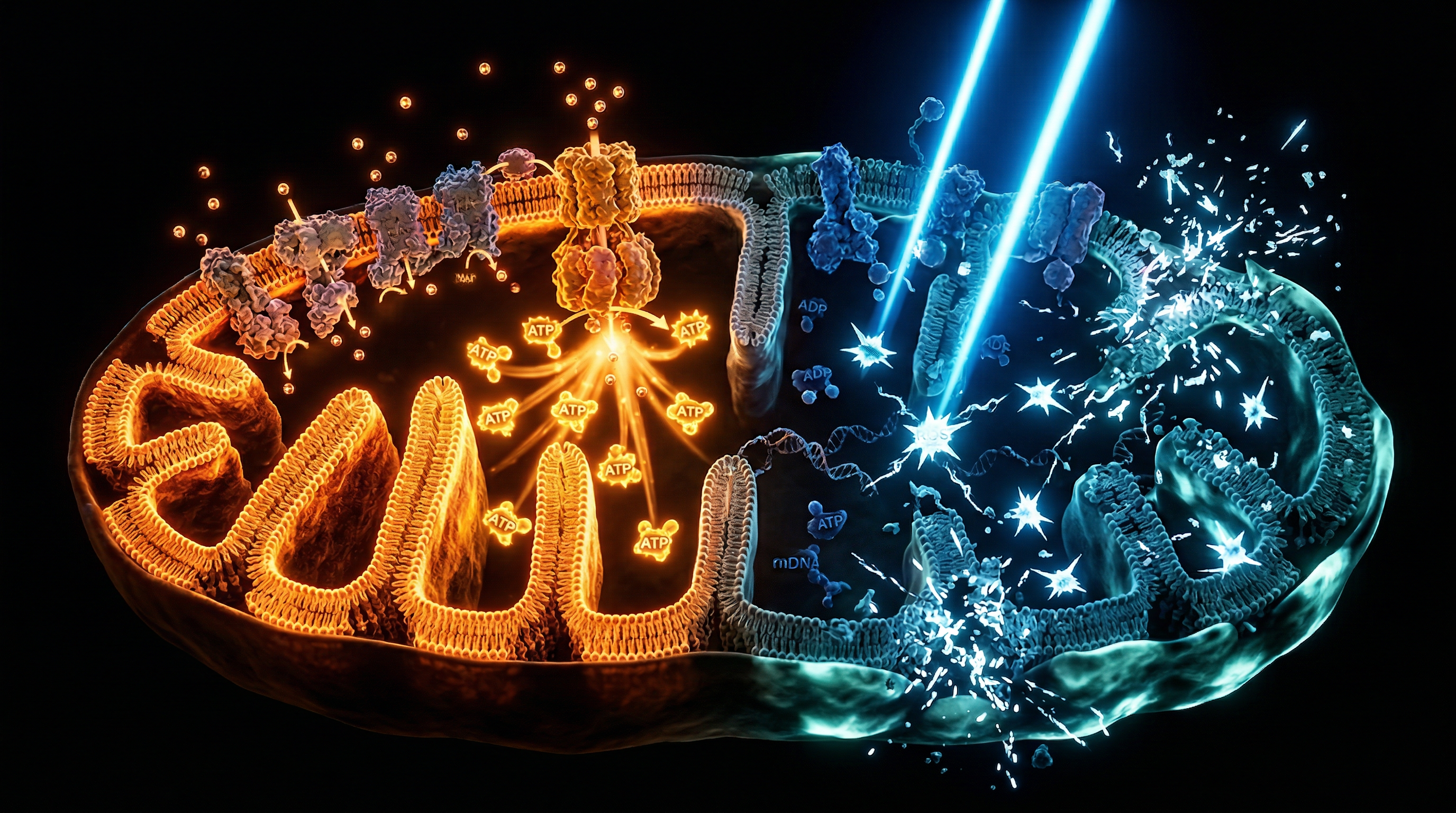
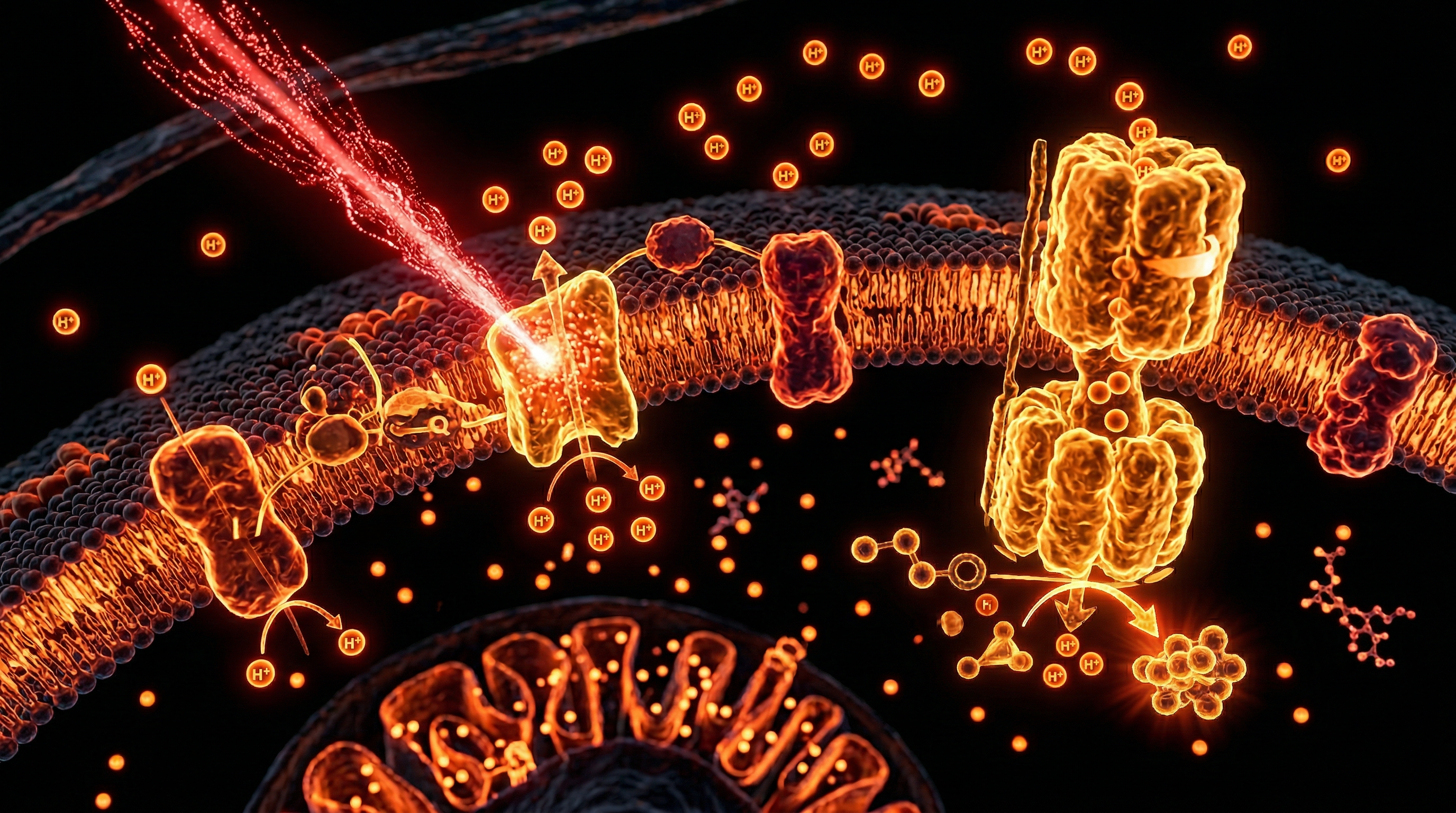
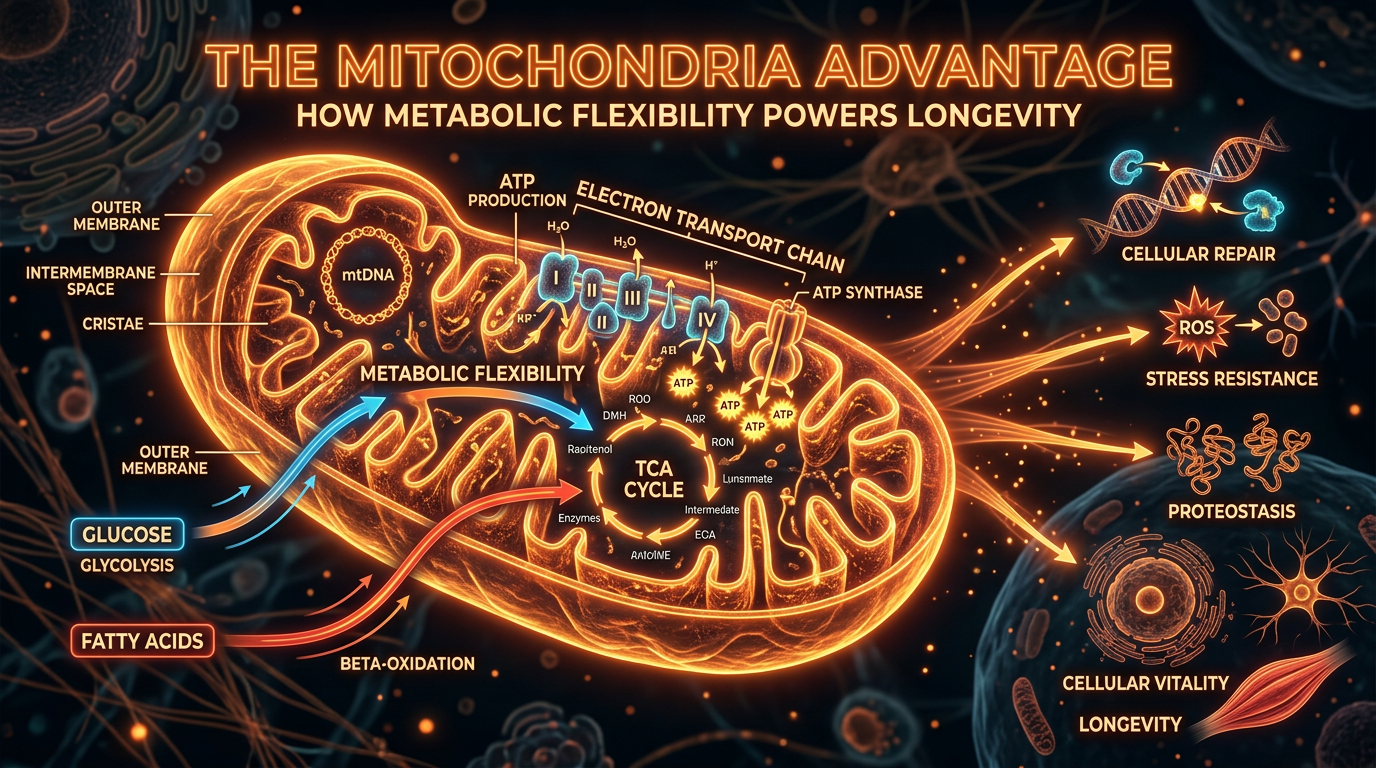
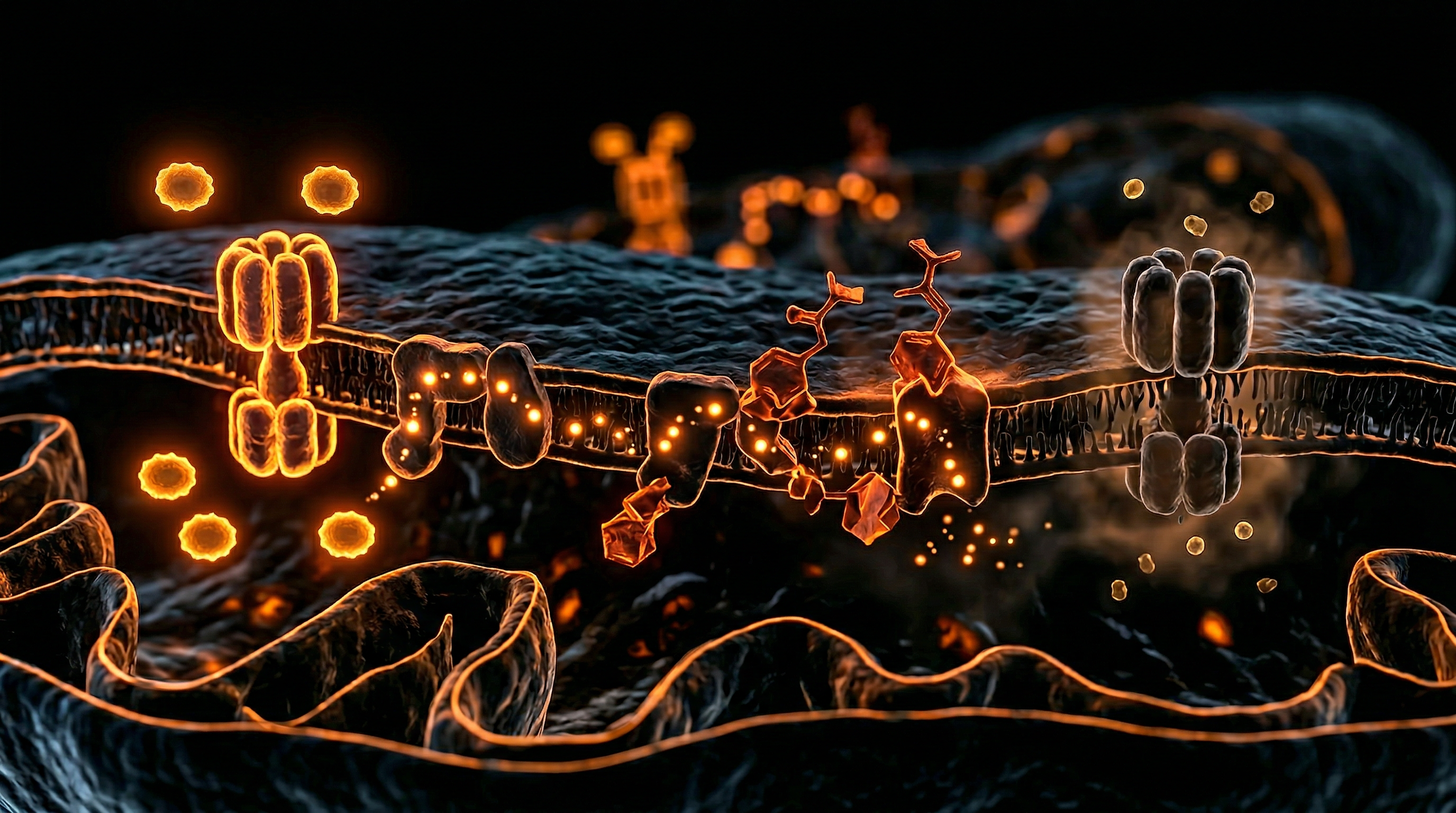
    The electron transport chain (ETC) is a series of four protein complexes embedded in the inner mitochondrial membrane that harness the energy released from the oxidation of NADH and FADH2 to pump protons across the membrane, creating an electrochemical gradient that drives ATP synthase — the rotary molecular machine that synthesises ATP from ADP and inorganic phosphate. This exquisitely engineered biological machinery is the primary target of the most potent mitochondrial toxins known: mercury binds to Complex I and Complex II thiol groups, cyanide blocks Complex IV, rotenone (a common pesticide) inhibits Complex I, and aluminium disrupts Complex IV — collectively representing the mechanism by which environmental toxin exposure directly impairs cellular energy production and drives the cascade of bioenergetic failure that underlies chronic fatigue, neurodegenerative disease, and metabolic dysfunction.

    #electron transport chain#Complex I
    A
    Scientific illustration for ATP Synthesis: The Molecular Engine of Life
    Mitochondria
    16 MIN READ

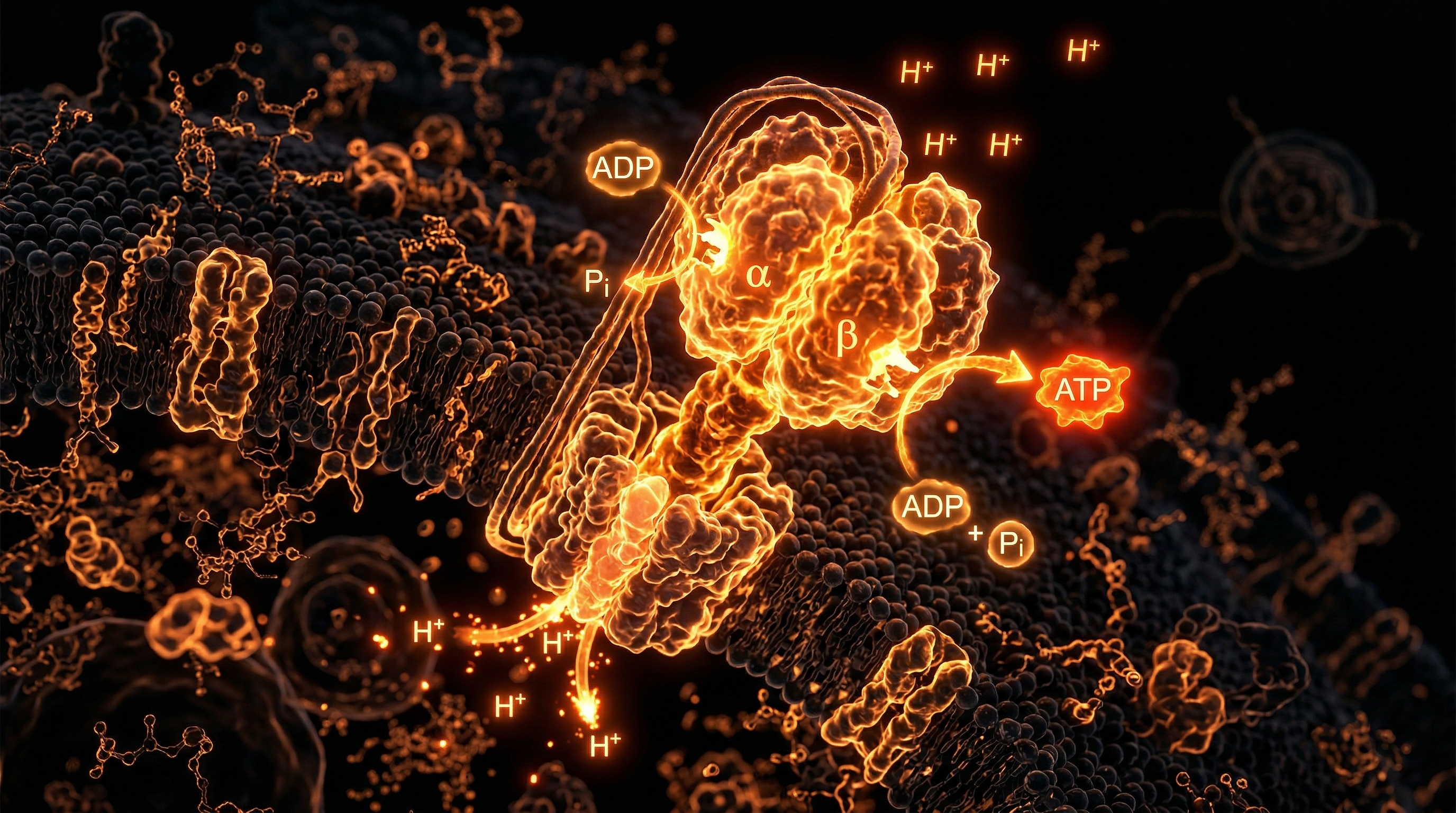
    ATP Synthesis: The Molecular Engine of Life

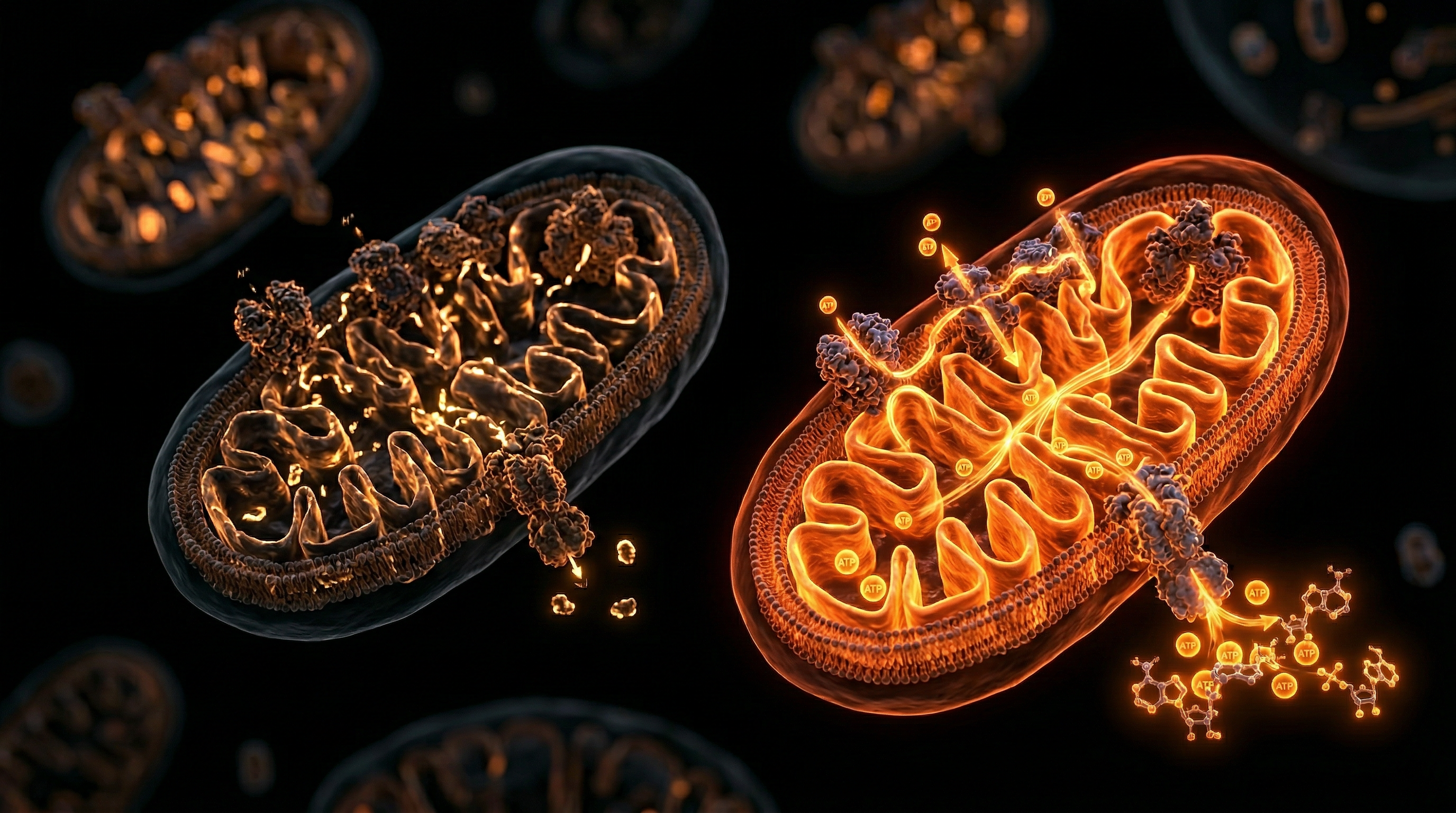
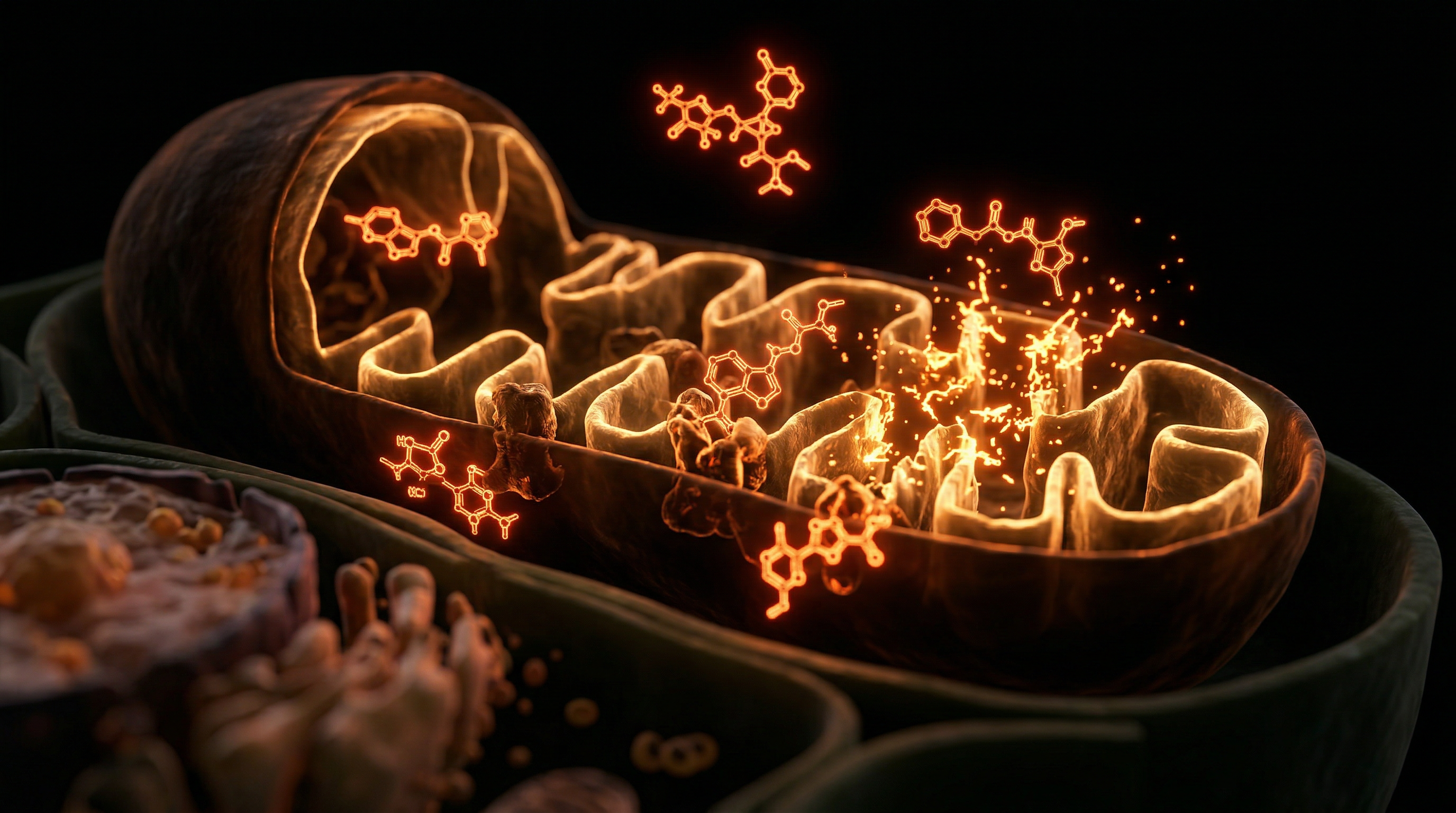
    Adenosine triphosphate (ATP) is the universal energy currency of all living organisms — the molecular fuel that powers every biological process from muscle contraction and nerve impulse transmission to protein synthesis and DNA repair. Each molecule of glucose entering the metabolic pathway can yield up to 38 molecules of ATP through the combined processes of glycolysis, the Krebs cycle, and oxidative phosphorylation within the mitochondrial electron transport chain — a process of extraordinary efficiency that is the foundational target of virtually every mitochondrial toxin. When ATP synthesis is compromised by heavy metal binding, pesticide inhibition, or nutritional deficiency, every energy-dependent process in the body degrades simultaneously — manifesting as the constellation of fatigue, cognitive dysfunction, immune suppression, and organ failure that characterises chronic disease.

    #ATP#mitochondria
    M
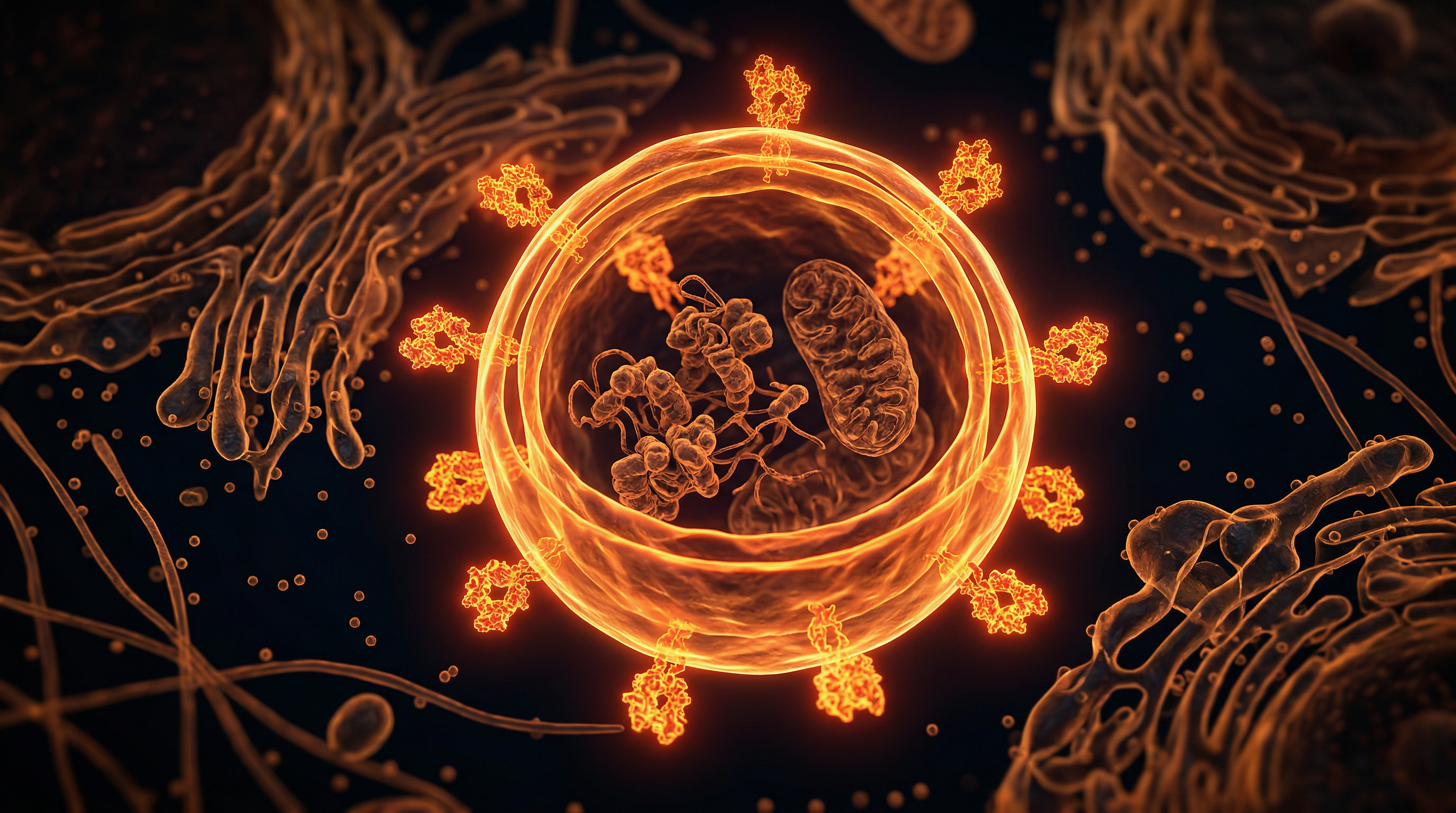
    Scientific illustration for Mitophagy: The Cell's Self-Cleaning System for Damaged Mitochondria
    Mitochondria
    15 MIN READ

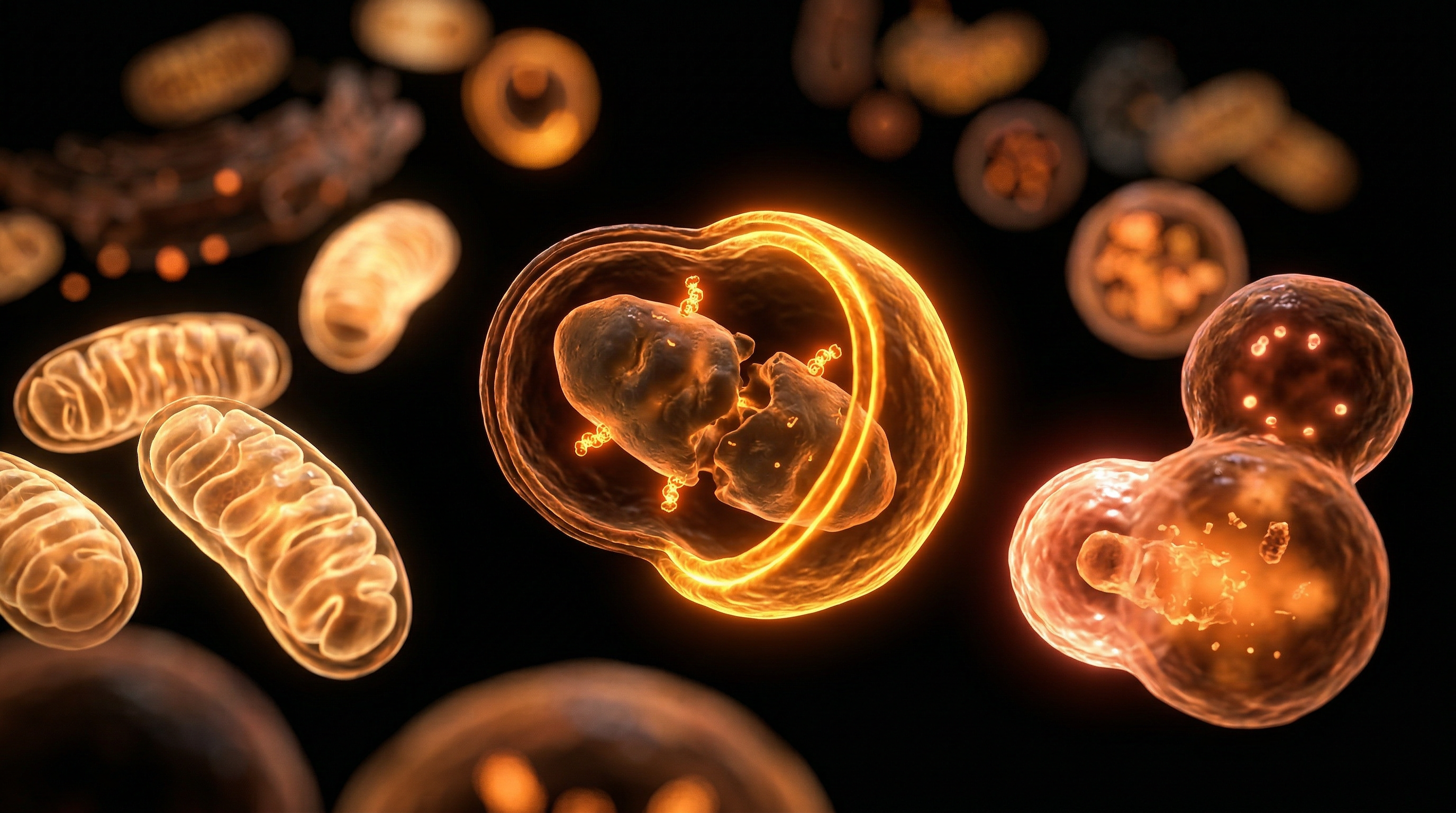
    Mitophagy: The Cell's Self-Cleaning System for Damaged Mitochondria

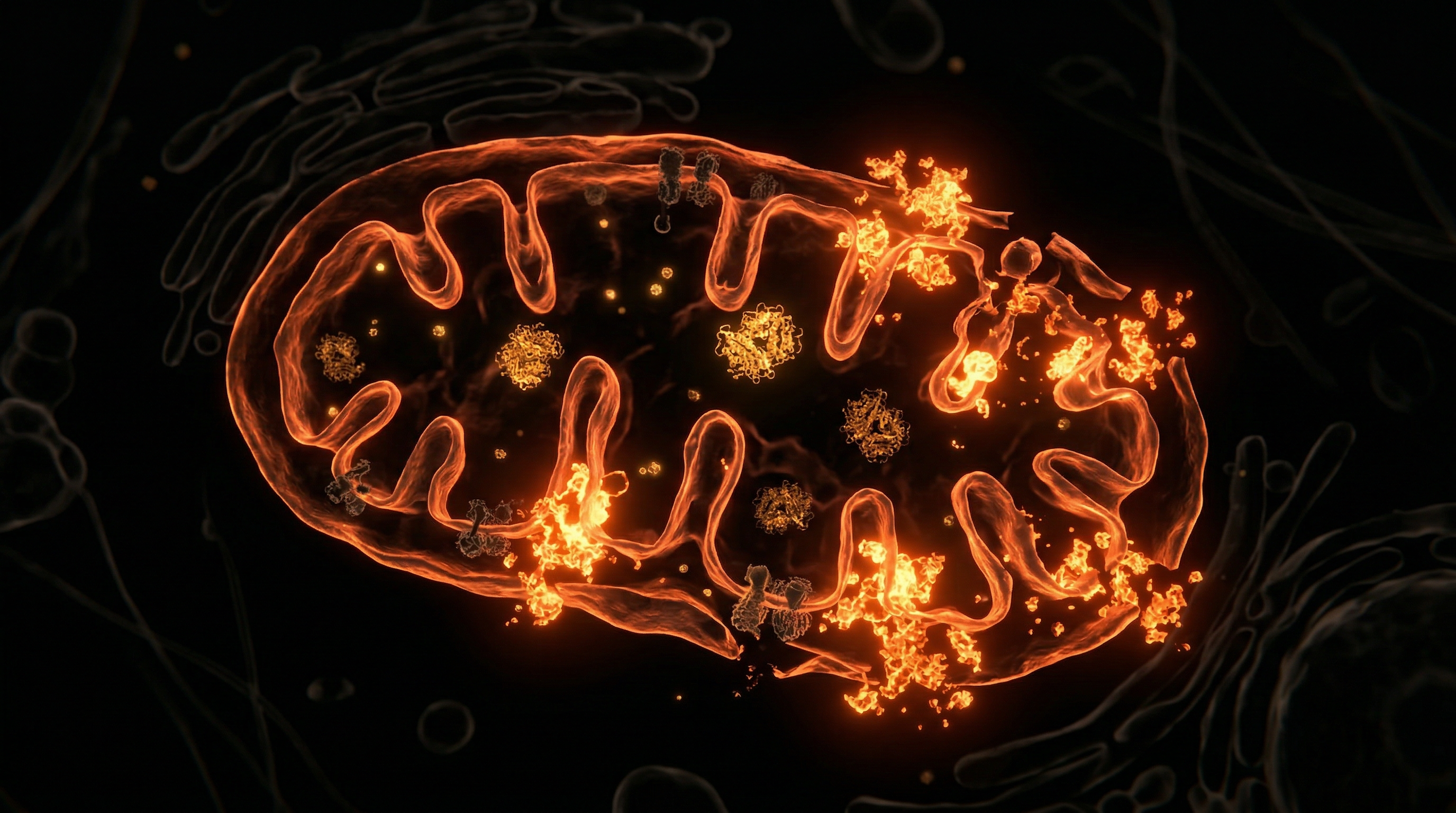
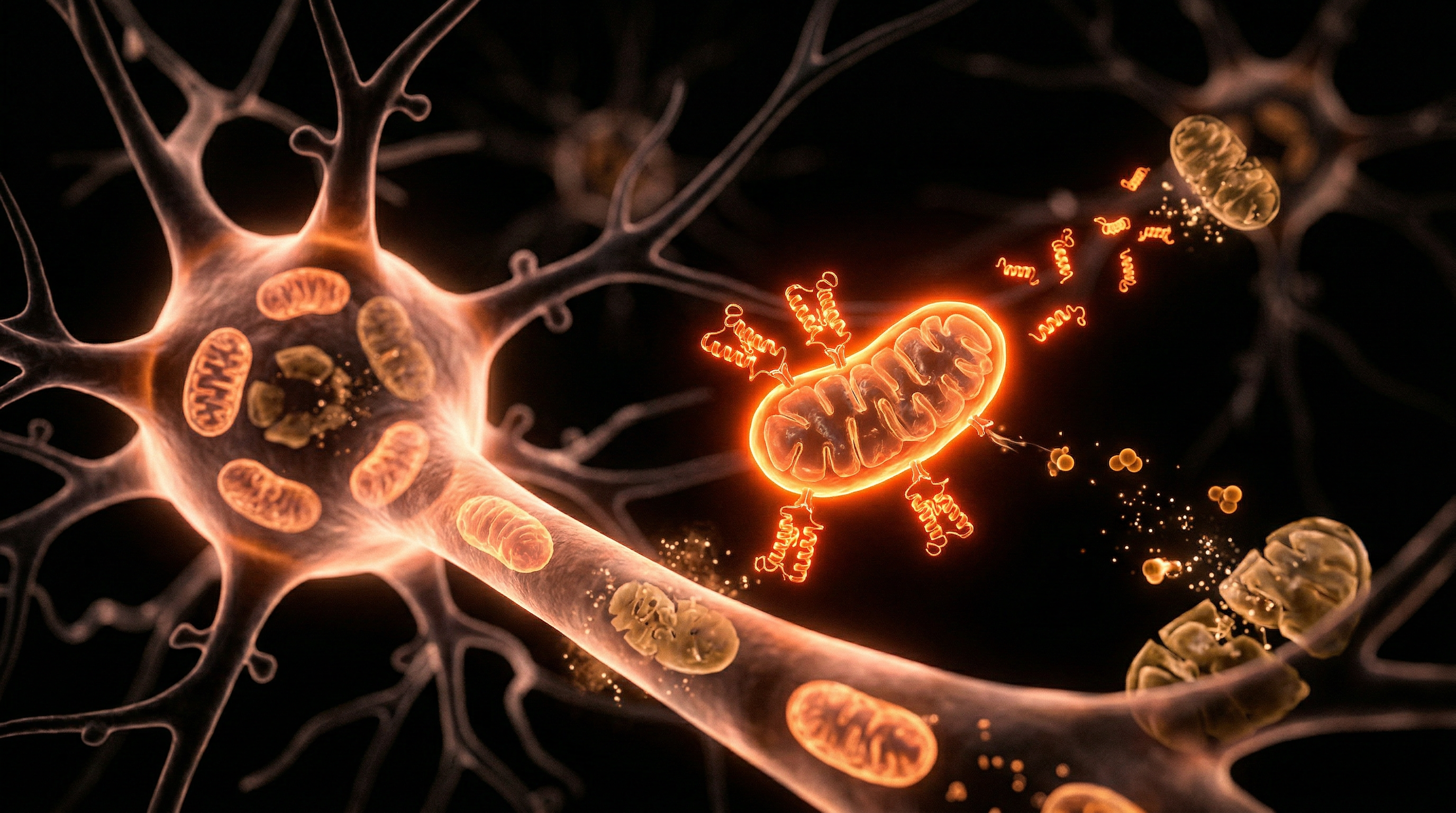
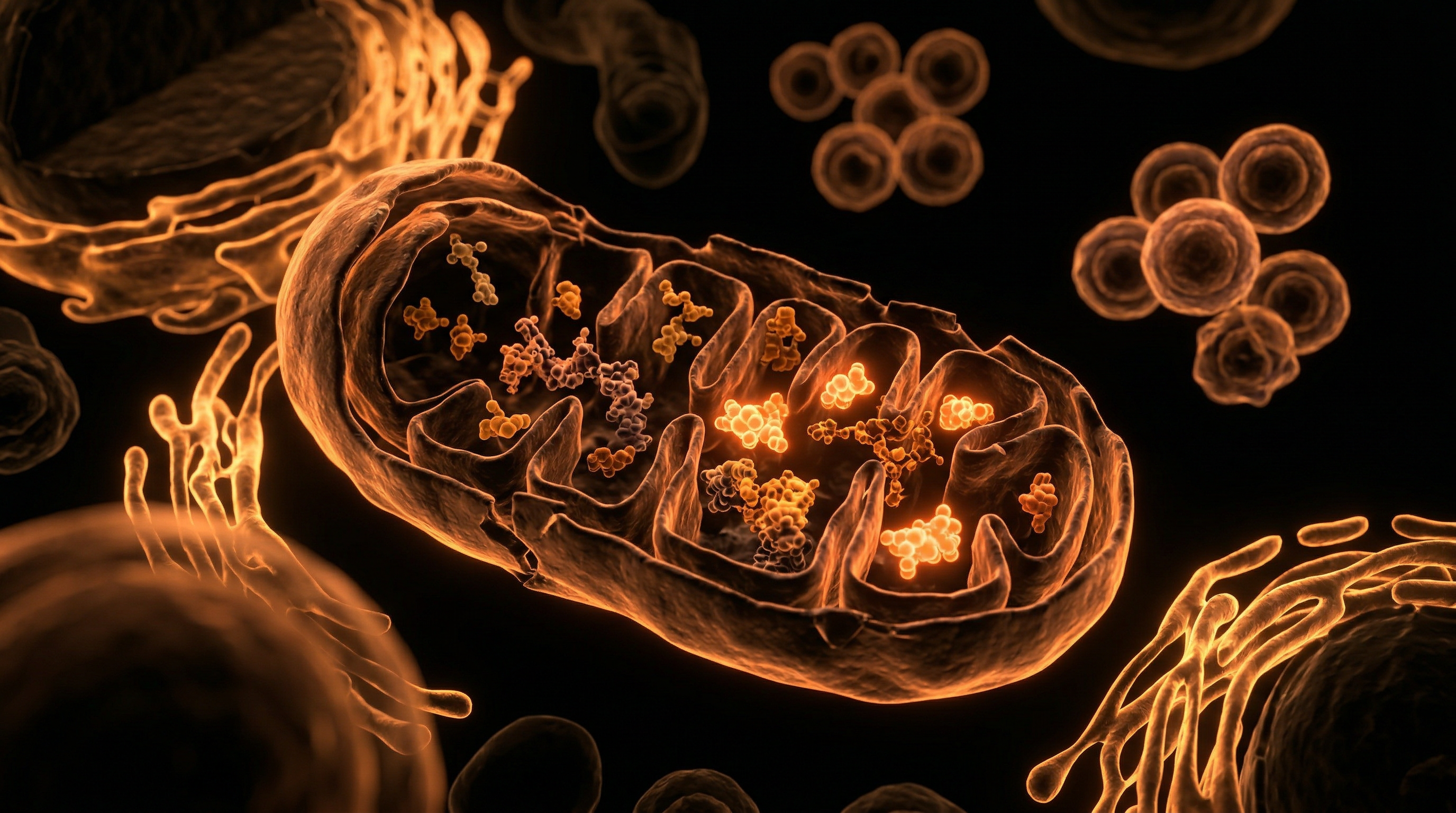
    Mitophagy — the selective autophagy of damaged or dysfunctional mitochondria — is the cell's primary quality control mechanism for maintaining a healthy, high-functioning mitochondrial network, preventing the accumulation of defective organelles that would otherwise generate excessive ROS, impair ATP synthesis, and trigger apoptotic signalling. This process, regulated primarily by the PINK1-Parkin pathway, detects mitochondria with collapsed membrane potential and tags them for lysosomal degradation, effectively recycling their molecular components and preventing the propagation of mitochondrial damage. Critically, mitophagy is impaired by the very conditions that cause mitochondrial damage in the first place — heavy metal accumulation, chronic inflammation, and insulin resistance — creating a vicious cycle in which toxic exposure both damages mitochondria and impairs the cell's capacity to remove them, a central mechanism in the pathogenesis of Parkinson's disease and other neurodegenerative conditions.

    #mitophagy#autophagy
    R
    Scientific illustration for Reactive Oxygen Species: The Double-Edged Chemistry of Breathing
    Mitochondria
    16 MIN READ

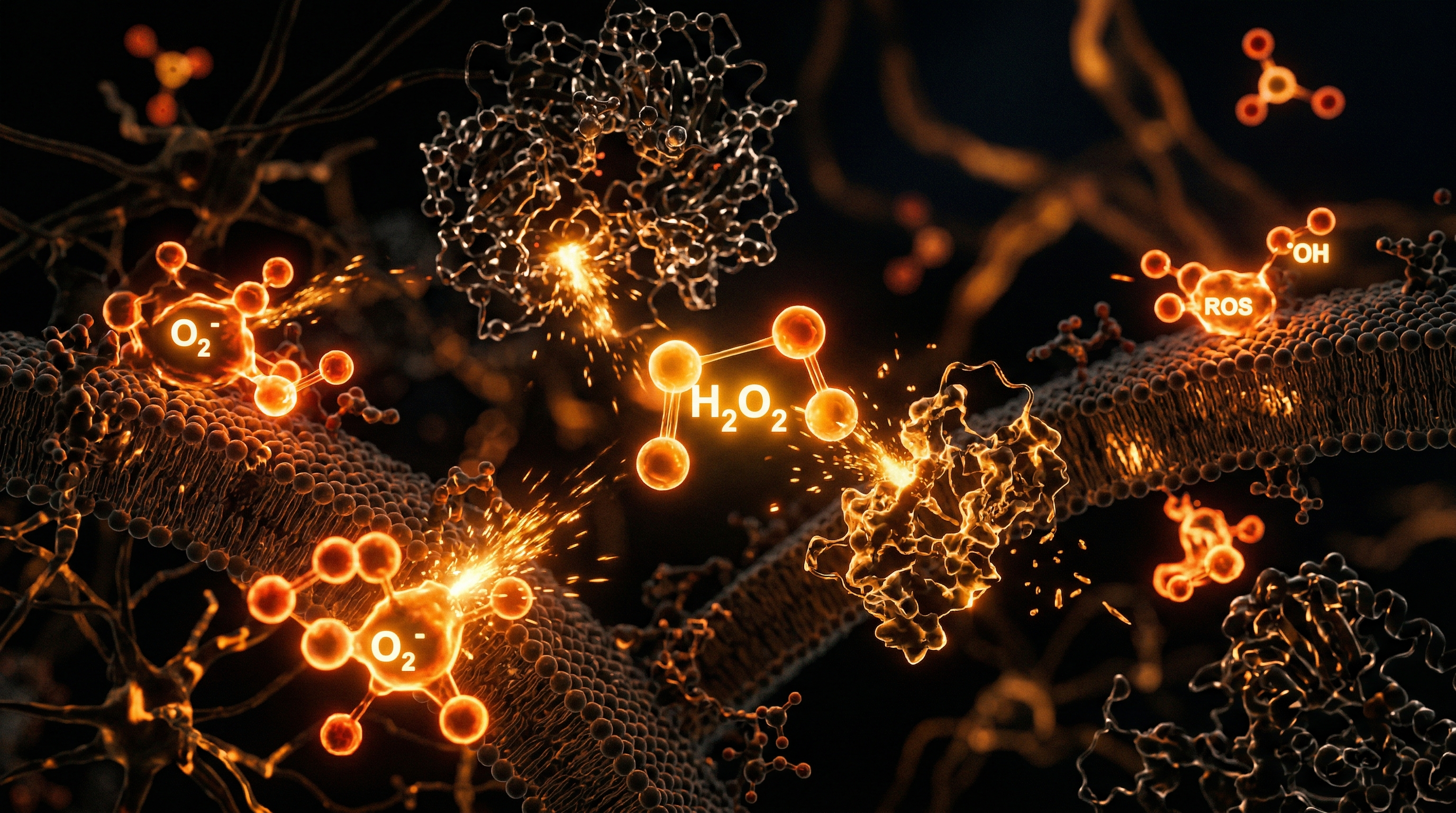
    Reactive Oxygen Species: The Double-Edged Chemistry of Breathing

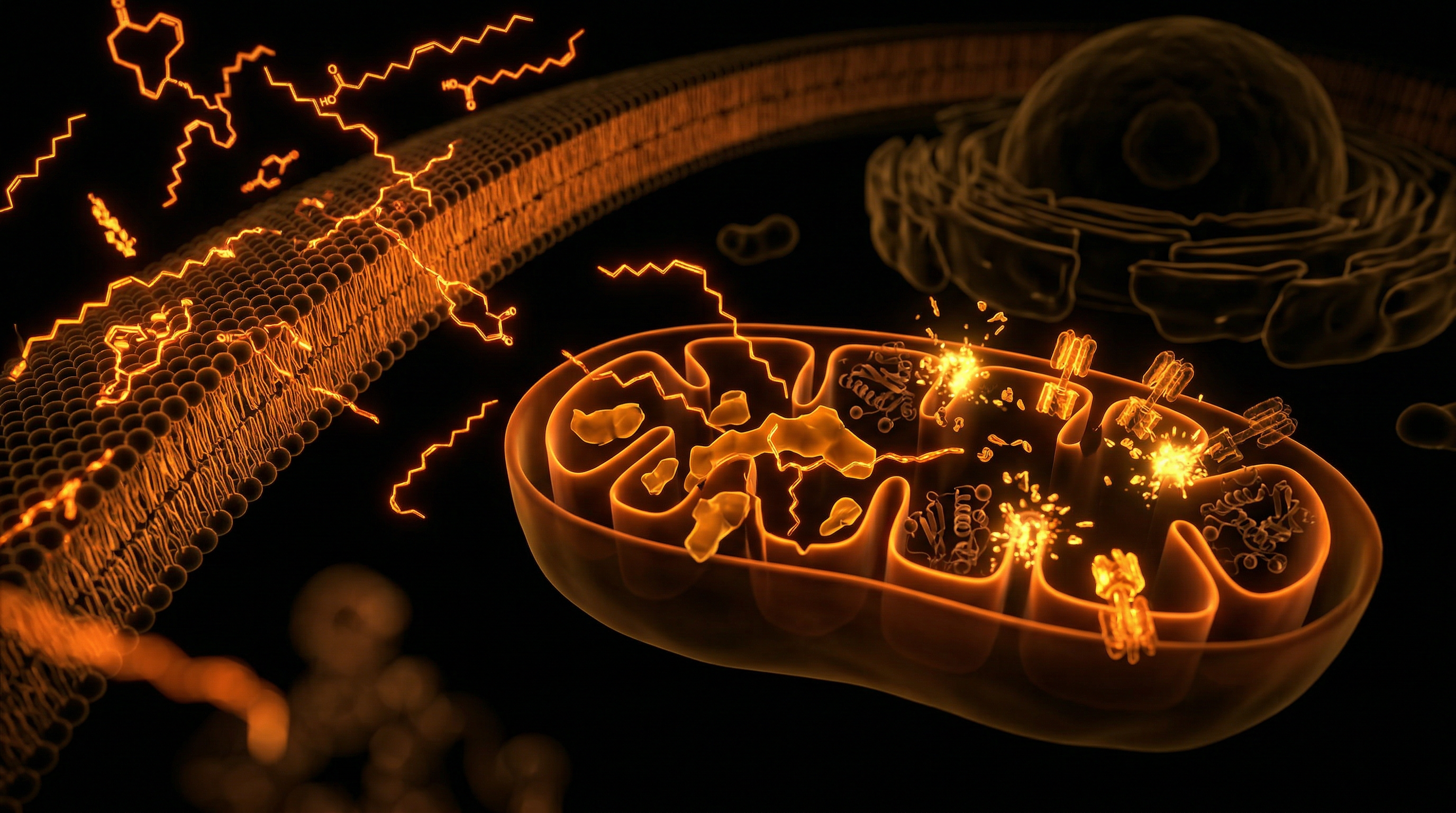
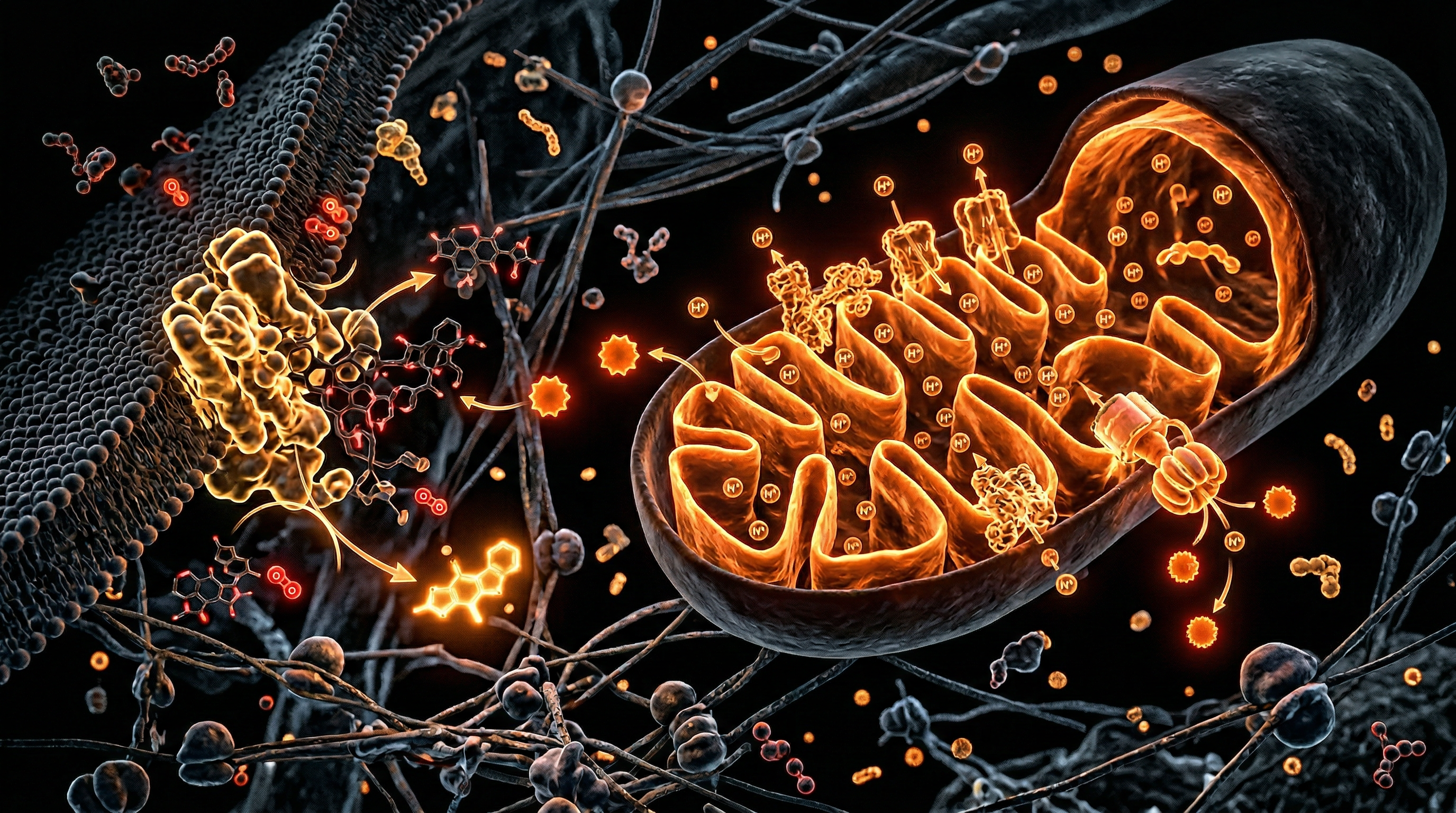
    Reactive oxygen species (ROS) — including superoxide radicals, hydrogen peroxide, and the highly reactive hydroxyl radical — are inevitable byproducts of the oxygen-based metabolism that powers all complex life, generated primarily as electrons leak from the mitochondrial electron transport chain and react with molecular oxygen. At physiological concentrations, ROS serve essential roles in cellular signalling, immune defence (the 'oxidative burst' that destroys pathogens), and hormetic adaptation — but when their production exceeds antioxidant capacity, they initiate a cascade of oxidative damage to cellular lipids, proteins, and DNA that is the molecular root of ageing and chronic degenerative disease. The extraordinary levels of environmental oxidative stress imposed by heavy metal exposure, electromagnetic radiation, pesticide residues, air pollution, and chronic psychological stress in modern life have created a state of systemic oxidative stress that is orders of magnitude beyond what human antioxidant systems evolved to manage.

    #ROS#free radicals
    M
    Scientific illustration for Mercury Poisoning & Mitochondrial Damage: The ME/CFS Connection
    Environmental Threats
    15 MIN READ

    Mercury Poisoning & Mitochondrial Damage: The ME/CFS Connection

    Mercury from NHS-fitted amalgam dental fillings, predatory fish consumption, and thimerosal-containing pharmaceutical products is one of the most potent mitochondrial toxins known, with a specific affinity for the thiol groups of the electron transport chain enzymes responsible for ATP generation. By crippling cellular energy production, mercury creates the bioenergetic collapse that underlies ME/Chronic Fatigue Syndrome, progressive neurological decline, cardiac dysfunction, and immune dysregulation — conditions the NHS frequently misdiagnoses as psychiatric illness. The European Union's 2024 phase-down of dental amalgam, long resisted by UK dental bodies, represents a partial but belated acknowledgement of what independent toxicologists have been demonstrating for decades.

    #mercury#amalgam
    O
    Scientific illustration for Oxidative Stress: The Silent Cellular Destroyer
    Mitochondria
    15 MIN READ

    Oxidative Stress: The Silent Cellular Destroyer

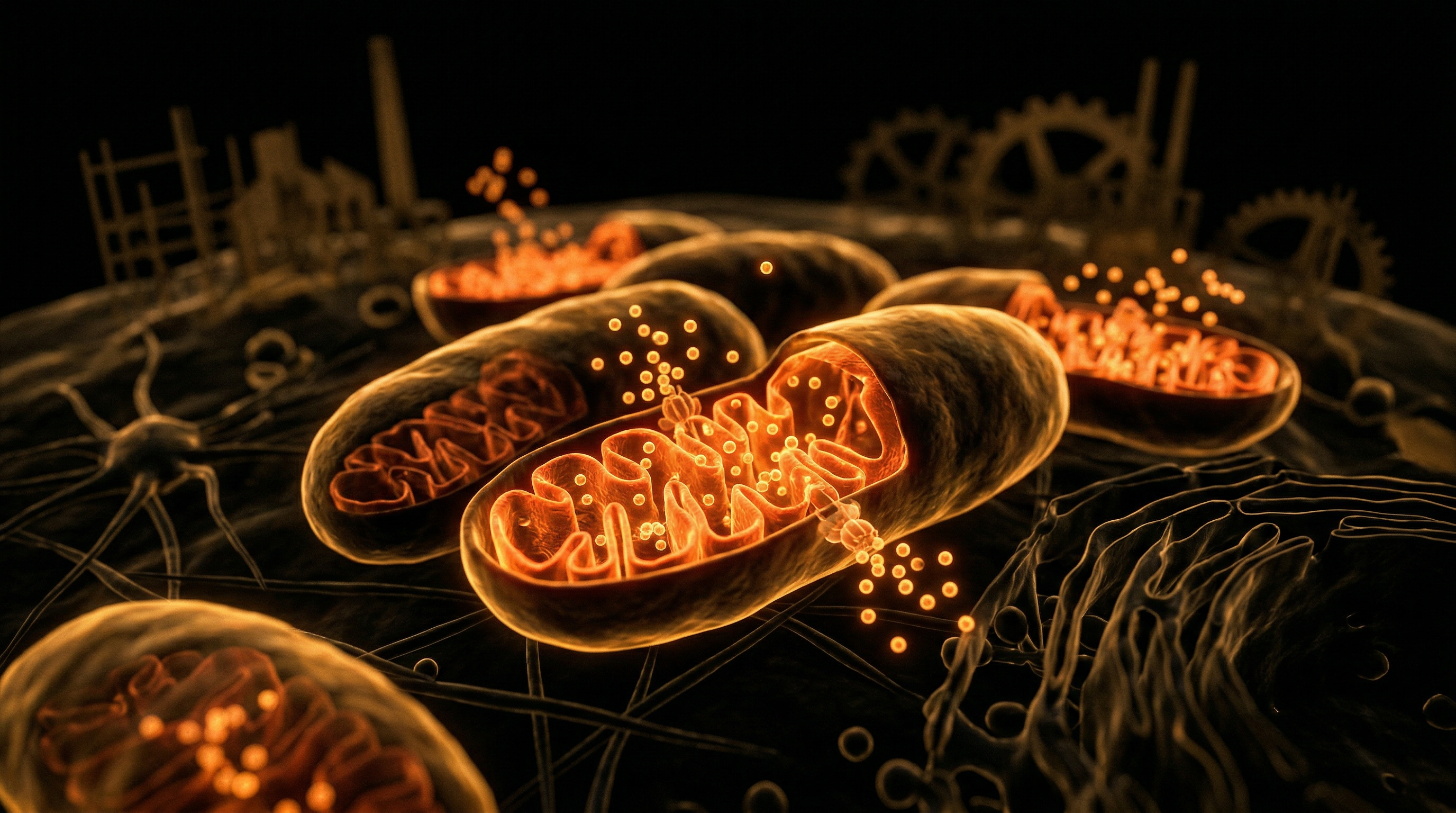
    Reactive oxygen species — superoxide, hydrogen peroxide, and the hydroxyl radical — are generated as inevitable byproducts of mitochondrial respiration and immune function, and in controlled quantities serve essential roles in cellular signalling and pathogen killing. When ROS production exceeds the antioxidant defence capacity of the cell — through environmental toxin exposure, nutritional deficiency, chronic inflammation, or impaired mitochondrial function — oxidative stress occurs, causing indiscriminate damage to lipid membranes, proteins, and DNA that accelerates ageing, drives cancer initiation, destroys neural tissue, and disrupts every aspect of cellular metabolism. The modern lifestyle — high in seed oil linoleic acid, processed carbohydrates, heavy metal exposure, and chronically low in antioxidant nutrients — is a perfect engine for sustained oxidative stress.

    #oxidative stress#ROS
    C
    Scientific illustration for Coenzyme Q10: The Mitochondrial Spark Plug Modern Medicine Depletes
    Mitochondria
    14 MIN READ

    Coenzyme Q10: The Mitochondrial Spark Plug Modern Medicine Depletes

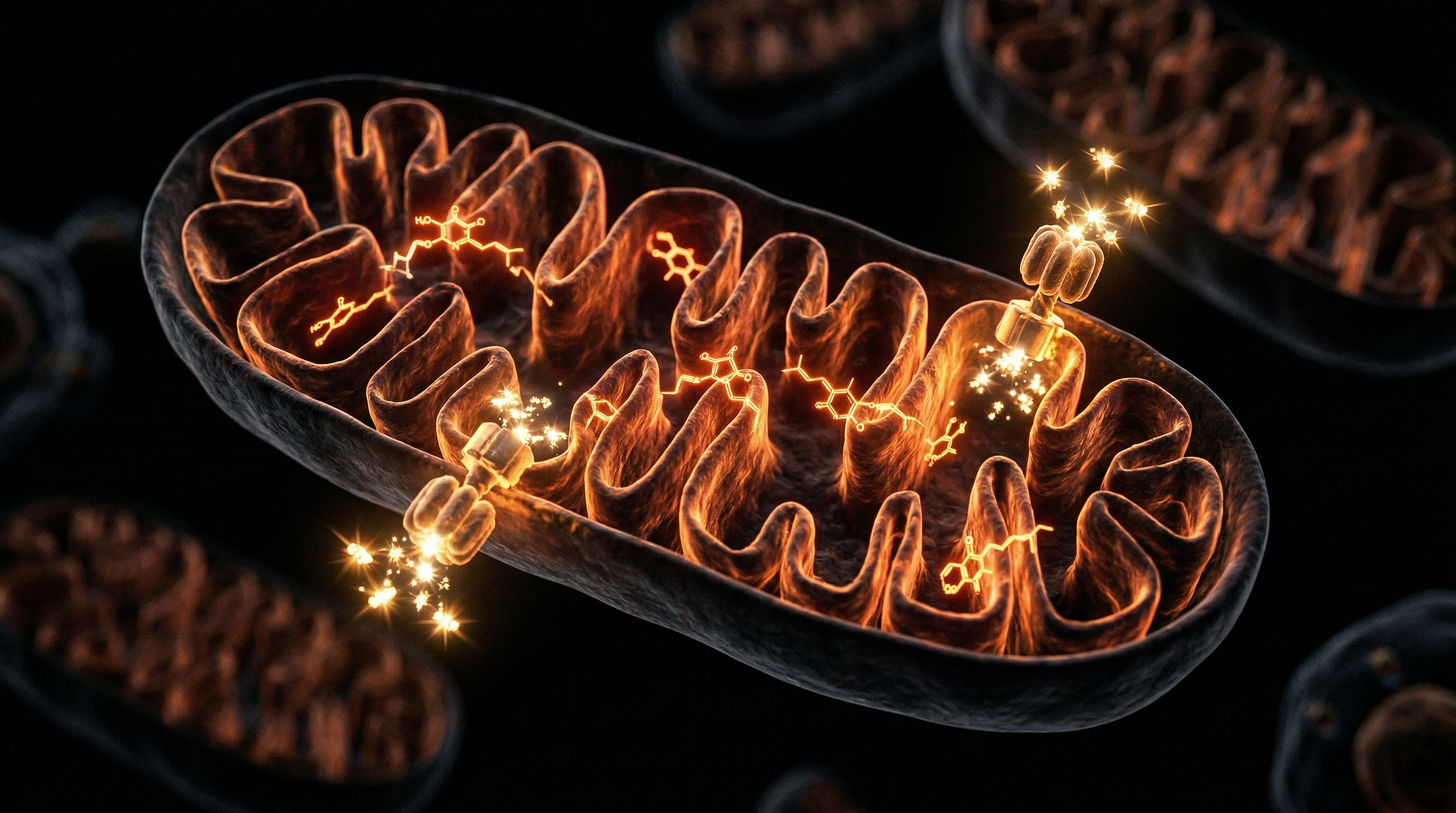
    Coenzyme Q10 (ubiquinol in its active form) is an essential electron carrier in the inner mitochondrial membrane and a potent lipid-soluble antioxidant that protects cell membranes and mitochondrial DNA from oxidative damage — yet it is systematically depleted by statin medications prescribed to millions of UK adults, creating the very mitochondrial dysfunction and cardiac muscle weakness these drugs are purported to prevent. CoQ10 synthesis declines with age and is impaired by numerous pharmaceutical compounds, environmental toxins, and nutrient deficiencies, contributing to the chronic fatigue, cardiac insufficiency, and neurodegenerative conditions that are now endemic in the UK population. Its systematic omission from mainstream cardiovascular medicine represents one of the most consequential oversights in modern pharmaceutical practice.

    #CoQ10#ubiquinol
    E
    Scientific illustration for The Electron Transport Chain: Where Energy Becomes Life
    Mitochondria
    15 MIN READ

    The Electron Transport Chain: Where Energy Becomes Life

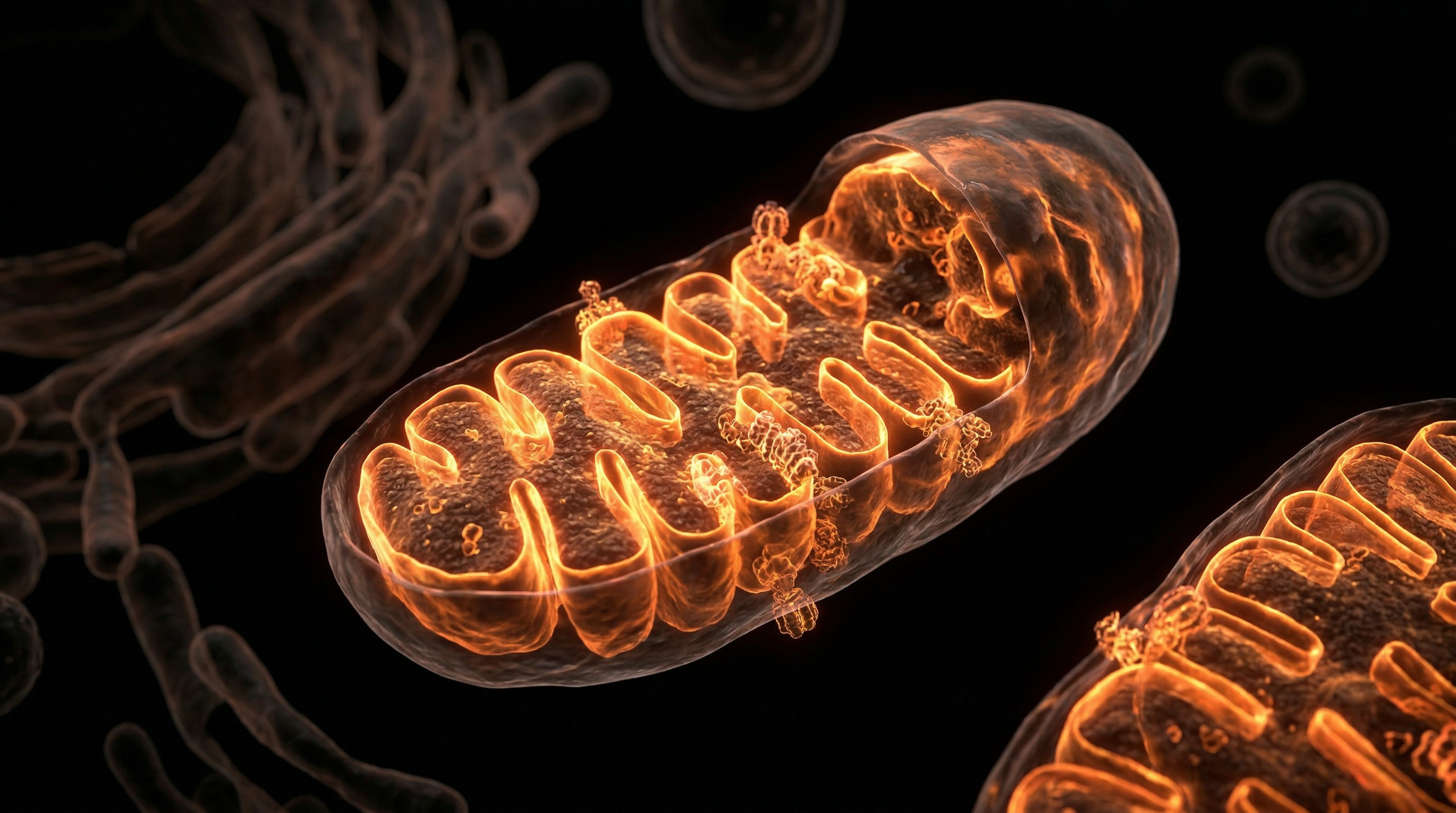
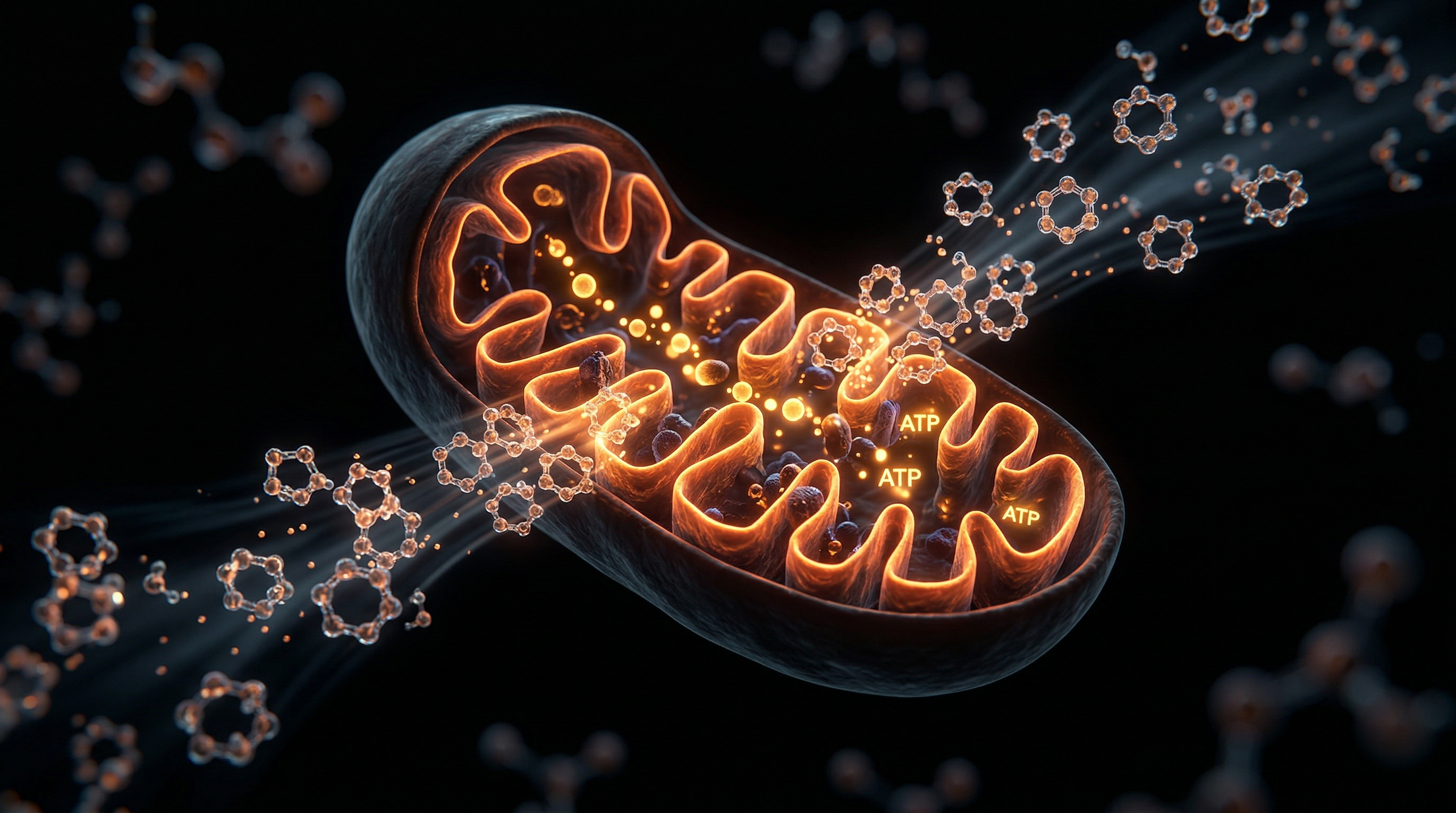
    The mitochondrial electron transport chain — five protein complexes (I through V) embedded in the inner mitochondrial membrane — is the molecular machinery that extracts energy from glucose, fats, and amino acids to drive the synthesis of ATP, the universal energy currency of all biological life. Heavy metals, particularly mercury and lead, have a specific affinity for the thiol groups of Complex I and Complex II, inhibiting electron flow and causing the uncoupled production of superoxide — one of the most damaging reactive oxygen species. Glyphosate, rotenone, and a range of pharmaceutical agents including statins and metformin are documented Complex I inhibitors, creating a bioenergetic deficit that manifests as the fatigue, cognitive decline, and muscle weakness characteristic of modern chronic illness.
    #electron transport chain#ATP
    N
    Scientific illustration for NAD+: The Molecule of Life and Longevity
    Mitochondria
    17 MIN READ

    NAD+: The Molecule of Life and Longevity

    Nicotinamide adenine dinucleotide (NAD+) is a coenzyme present in every cell of the body that serves as the essential electron carrier in the mitochondrial electron transport chain, the substrate for SIRT1 through SIRT7 longevity-associated sirtuins, the fuel for PARP DNA repair enzymes, and a critical regulator of the circadian clock — making it arguably the most important molecule in the biology of ageing, energy production, and disease prevention. NAD+ levels decline precipitously with age, chronic alcohol consumption, inflammatory conditions, and genotoxic exposure, creating a cellular energy and repair deficit that underlies the pathology of neurodegeneration, cancer, metabolic disease, and immunological collapse. The urgent conversation about NAD+ precursors and restoration strategies is one of the most significant developments in functional medicine.

    #NAD+#NMN
    A
    Scientific illustration for Autophagy: The Body's Cellular Self-Cleaning Protocol
    Cellular Biology
    14 MIN READ

    Autophagy: The Body's Cellular Self-Cleaning Protocol

    Autophagy — literally 'self-eating' — is the cell's essential quality control mechanism by which damaged organelles, misfolded proteins, and dysfunctional mitochondria are sequestered in double-membrane autophagosomes and delivered to lysosomes for recycling, a process that is fundamental to cancer prevention, neurological health, immune function, and the cellular rejuvenation that drives longevity. Modern lifestyle factors systematically suppress autophagy: chronic mTOR activation from hyperinsulinaemia driven by processed carbohydrate consumption, excessive protein intake, and near-continuous feeding eliminates the cellular fasting signal required to initiate autophagic processes. Environmental toxins including heavy metals impair lysosomal function and disrupt autophagic flux, contributing to the accumulation of the dysfunctional cellular debris — amyloid, alpha-synuclein, tau — that characterises Alzheimer's and Parkinson's disease.
    #autophagy#fasting
    M
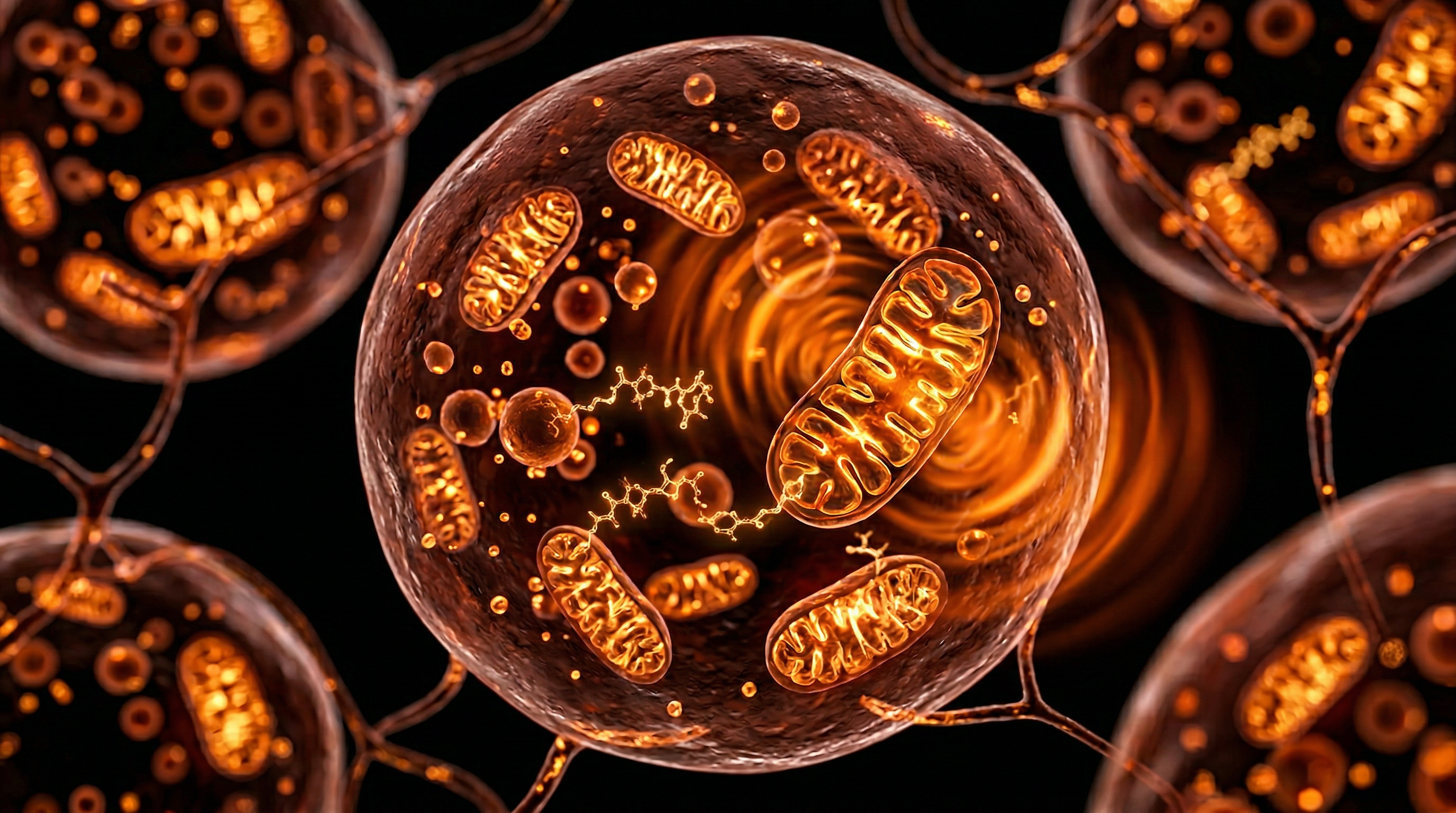
    Scientific illustration for Mitochondria: The Power Station at the Root of All Disease
    Mitochondria
    15 MIN READ

    Mitochondria: The Power Station at the Root of All Disease

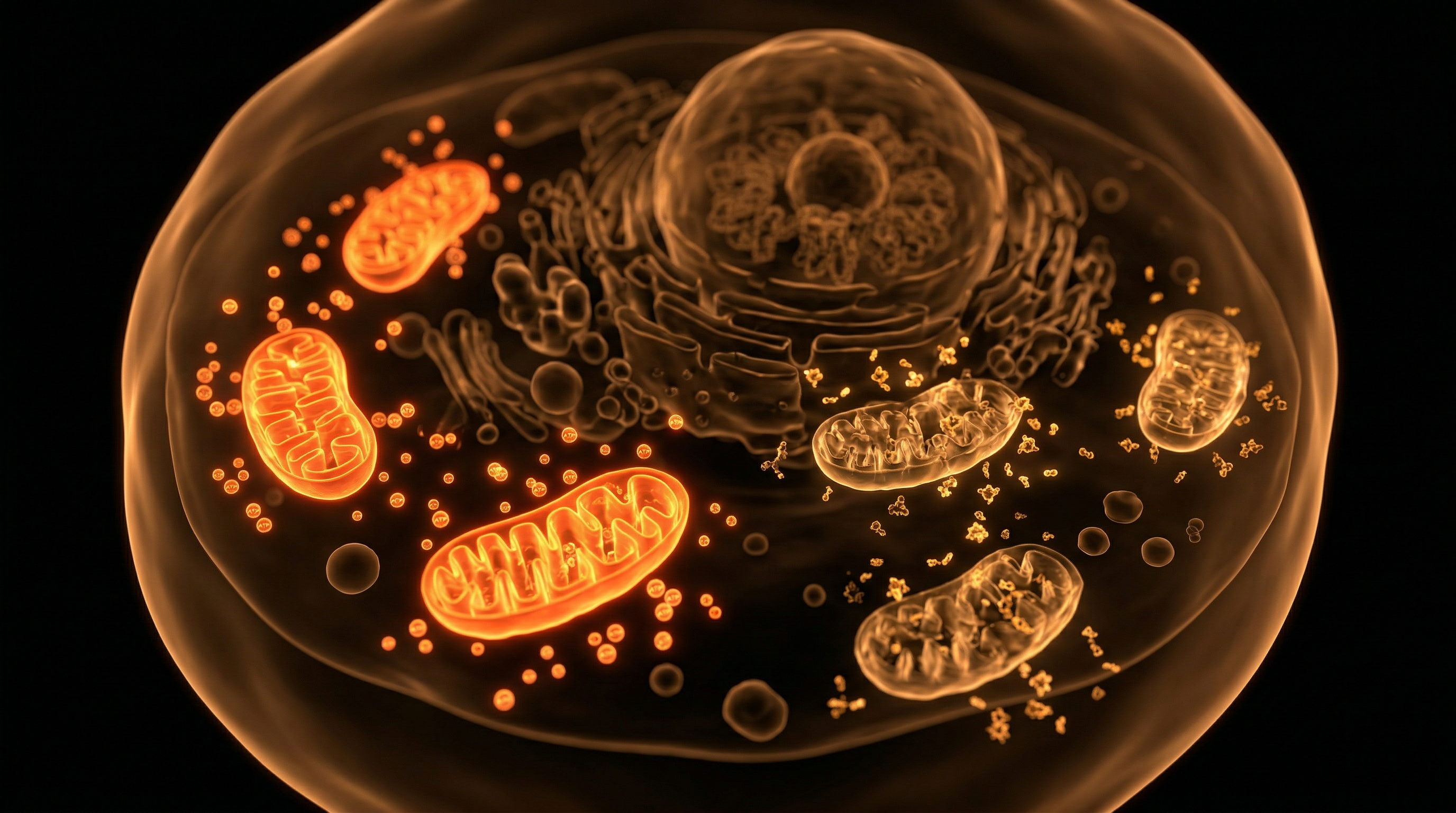
    Mitochondria are not merely the cell's energy producers — they are the ancient bacterial endosymbionts that now govern ATP synthesis, calcium signalling, reactive oxygen species production, immune activation, hormone synthesis, and the decision of every cell to live or die through apoptosis. Their dysfunction — driven by heavy metal exposure, pesticide residues, electromagnetic radiation, nutritional deficiencies, and pharmaceutical mitochondrial toxins — is now recognised as the unifying mechanism underlying cancer, cardiovascular disease, neurodegeneration, autoimmune conditions, chronic fatigue, and metabolic syndrome. Protecting and optimising mitochondrial function is not a biohacking trend — it is the most fundamental intervention in health that modern medicine has systematically ignored.

    #mitochondria#ATP