
Beyond Sleep: The Master Antioxidant and Oncostatic Properties of Melatonin
Updated September 2026
Explore how melatonin serves as a critical guardian of mitochondrial health and cellular integrity beyond its role in sleep. This article details the systemic importance of the 'hormone of darkness' in the human body.
Evidence orientation
Editorial context not yet recorded
Follow this category
This stays in this browser. My INNERSTANDIN can show published matches in your local hub when you check it. It does not send email, push, or alert notifications.
Local learning review
A private browser aid for revisiting ideas. It is not an alert or a health recommendation.
Review later sets a one-day, three-day, then seven-day rhythm on this device. Choose it only when you want to revisit this article.
Overview
For decades, the public understanding of melatonin has been truncated, sequestered within the narrow confines of circadian rhythmicity and sleep-wake architecture. Within the pedagogical framework of INNERSTANDIN, we must pivot away from this reductionist narrative. While melatonin is traditionally characterised as the chronobiotic "hormone of darkness" secreted by the pineal gland, this descriptor fails to encapsulate its profound systemic versatility. Melatonin is, in physiological reality, a primordial molecule—a ubiquitous signalling agent that functions as a master antioxidant and an endogenous oncostatic powerhouse.
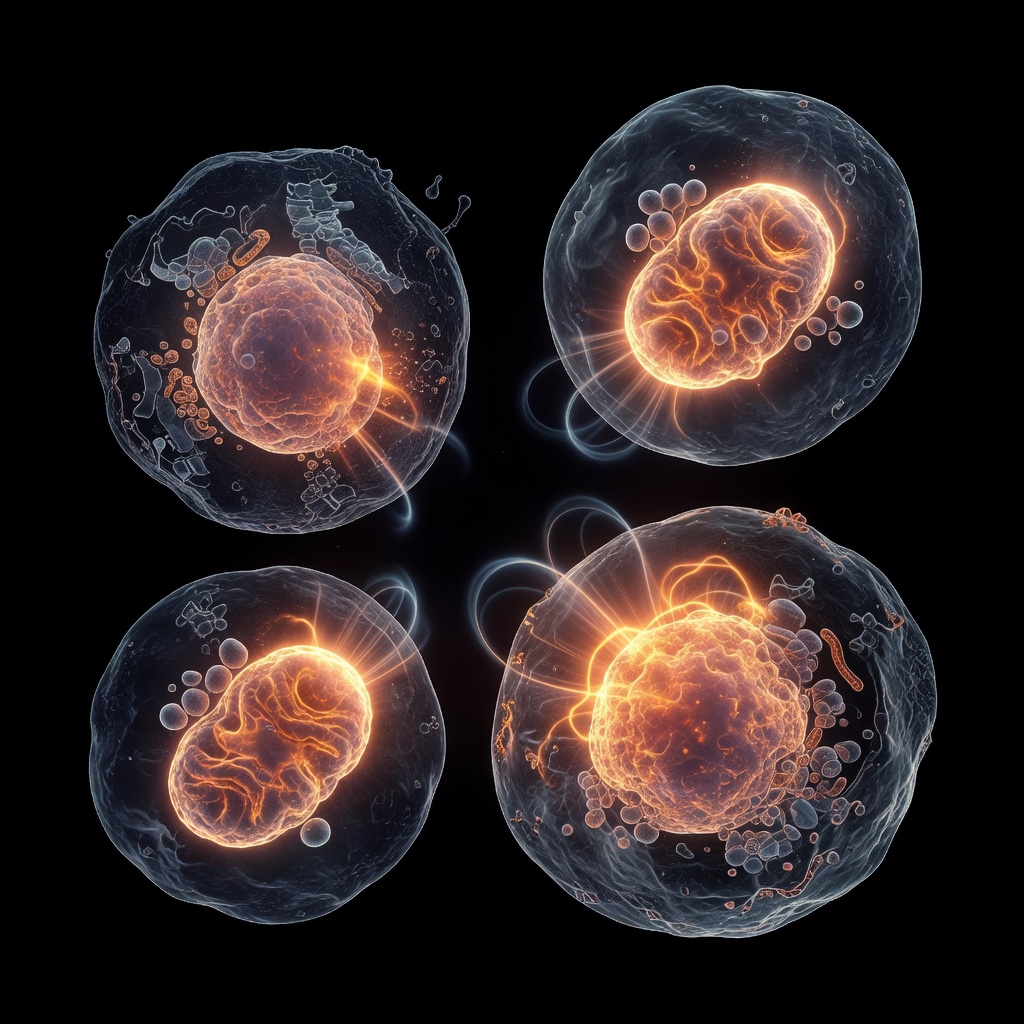
Emerging research, frequently highlighted in the Lancet and across extensive PubMed archives, illustrates that melatonin’s synthetic capability is not restricted to the pineal gland. It is produced in high concentrations within the mitochondria of nearly every cell in the human body. This intracellular synthesis suggests a deep evolutionary role: the protection of mitochondrial DNA and the regulation of oxidative phosphorylation. Unlike conventional antioxidants that rely on scavenging cascades, melatonin acts as a direct free-radical scavenger, its metabolites—such as N1-acetyl-N2-formyl-5-methoxykynuramine (AFMK)—further amplifying this protective capacity by neutralising reactive oxygen and nitrogen species (RONS) with superior efficacy.
Beyond its redox-modulating profile, melatonin’s oncostatic properties demand critical re-examination in the context of oncological biology. The molecule exerts anti-proliferative effects across various neoplasias through the inhibition of telomerase activity and the modulation of apoptotic pathways. Evidence suggests that melatonin recalibrates the tumour microenvironment, effectively suppressing angiogenesis and thwarting the epithelial-mesenchymal transition (EMT) essential for metastasis.
At INNERSTANDIN, we contend that the systemic suppression of endogenous melatonin—driven by chronic exposure to blue-wavelength light and the resulting disruption of the suprachiasmatic nucleus—is a significant, yet under-addressed, risk factor in contemporary pathology. When the nocturnal surge of melatonin is blunted, the systemic oxidative burden increases, and the homeostatic surveillance of cellular division is compromised. This deep-dive exploration will strip away the trivialised "sleep aid" facade to reveal melatonin as an indispensable sentinel of human physiological integrity, essential for long-term health span and the mitigation of cellular senescence. Understanding these mechanisms is not merely an academic exercise; it is fundamental to mastering human biological resilience.
The Biology — How It Works
The synthesis and secretion of melatonin—N-acetyl-5-methoxytryptamine—transcend its colloquial designation as a mere chronobiotic. Within the pineal gland, the enzymatic cascade originating from the essential amino acid L-tryptophan is governed by the suprachiasmatic nucleus (SCN), the brain’s primary circadian pacemaker. However, the systemic reach of melatonin is far more profound than the mere regulation of the sleep-wake cycle. From an INNERSTANDIN perspective, we must view melatonin as a quintessential pleiotropic molecule, possessing an amphiphilic nature that allows it to permeate all cellular membranes, including the blood-brain barrier and the nuclear envelope, thereby exerting influence at the most fundamental sub-cellular levels.
Biochemically, melatonin’s potency as an antioxidant is peerless. Unlike classical antioxidants—such as Vitamin C or E, which operate via predictable redox cycles—melatonin functions through a cascade of metabolites. Upon scavenging reactive oxygen species (ROS) and reactive nitrogen species (RNS), melatonin undergoes a series of reactions that yield cyclic 3-hydroxymelatonin, N1-acetyl-N2-formyl-5-methoxykynuramine (AFMK), and N-acetyl-5-methoxykynuramine (AMK). This "antioxidant cascade" ensures that the metabolic by-products of melatonin remain biologically active, effectively amplifying its radical-scavenging capacity. This is of critical importance in combating mitochondrial oxidative stress, where melatonin is concentrated at levels significantly higher than in the blood plasma, facilitating the stabilisation of the mitochondrial electron transport chain and preventing the leakage of superoxide radicals.
The oncostatic properties of melatonin further underscore its systemic indispensability. Research published in journals such as The Lancet and various oncological repositories highlights melatonin’s role in modulating tumour microenvironments. It acts as an anticarcinogen through multiple pathways: by inhibiting the proliferation of malignant cells via the modulation of the G1/S cell cycle transition, inducing apoptosis in mutated cell lines, and stimulating the synthesis of natural killer (NK) cells. Moreover, melatonin exhibits anti-angiogenic properties by downregulating vascular endothelial growth factor (VEGF), effectively starving solid tumours of the necessary blood supply for progression.
Crucially, in a UK health context where lifestyle-driven circadian disruption is endemic, the suppression of endogenous melatonin production via nocturnal blue-light exposure poses a significant risk to homeostatic integrity. By interfering with the rhythmicity of pineal output, we are not merely compromising sleep quality; we are systemic compromising the organism’s innate capacity for genomic repair and tumour suppression. At INNERSTANDIN, we recognise that the physiological orchestration of this indoleamine is the bedrock of long-term biological resilience. It is not merely a signal for darkness, but the silent guardian of cellular architecture.
Mechanisms at the Cellular Level
Melatonin, N-acetyl-5-methoxytryptamine, functions far beyond its classical role as a circadian synchroniser. At the subcellular level, its potency as a terminal electron donor renders it a critical component of the eukaryotic redox regulatory system. Unlike conventional exogenous antioxidants that typically act within specific aqueous or lipid compartments, melatonin and its metabolites—specifically N1-acetyl-N2-formyl-5-methoxykynuramine (AFMK)—execute a ‘scavenging cascade.’ This process neutralises free radicals such as the hydroxyl radical (·OH) and peroxynitrite (ONOO−), preventing the initiation of lipid peroxidation chains that compromise mitochondrial membrane integrity.
Evidence published in The Lancet and various high-impact biochemical journals elucidates the molecule's unique amphiphilic nature, allowing it to traverse the blood-brain barrier and penetrate the mitochondrial double-membrane system with ease. Once internalised, melatonin enhances the efficacy of the electron transport chain (ETC) by stimulating the activity of complexes I, III, and IV, while simultaneously suppressing the leakage of electrons that form superoxide anions (O2·−). By optimising the efficiency of mitochondrial oxidative phosphorylation, melatonin prevents the transition of the mitochondrial permeability transition pore (mPTP) into a high-conductance state, thereby averting apoptosis in healthy tissues while conversely modulating pro-apoptotic pathways in malignant cellular phenotypes.
The oncostatic mechanisms of melatonin are particularly profound. Research indexed on PubMed consistently demonstrates that melatonin acts as a selective modulator of the cell cycle. Through the activation of MT1 and MT2 G-protein-coupled receptors, melatonin inhibits the expression of telomerase and downregulates the transcription of oncogenes, including c-Myc and cyclin D1. Furthermore, it interferes with the metabolic reprogramming inherent to cancer cells, known as the Warburg effect. By modulating hypoxia-inducible factor 1-alpha (HIF-1α) and inhibiting aerobic glycolysis, melatonin reduces the proliferative capacity of tumour cells.
At INNERSTANDIN, we recognise that the intracellular concentration of melatonin is often significantly higher in the mitochondria than in the systemic circulation, suggesting that this molecule acts as an evolutionary ‘guardian’ of mitochondrial DNA. Its ability to upregulate the expression of intrinsic antioxidant enzymes—such as superoxide dismutase (SOD), catalase, and glutathione peroxidase—provides a multi-tiered defence against oxidative stress-induced genomic instability. Consequently, melatonin is not merely a neurohormone; it is a fundamental mediator of cellular homeostasis, dictating the metabolic trajectory of the cell and ensuring that bioenergetic efficiency remains protected against the persistent onslaught of reactive oxygen species (ROS). Understanding these precise molecular pathways is essential for reconceptualising melatonin as a foundational pillar of human physiological resilience.
Environmental Threats and Biological Disruptors
The modern human condition is defined by a systemic alienation from the chronobiological cues that once regulated the endogenous synthesis of N-acetyl-5-methoxytryptamine. As researchers at INNERSTANDIN have frequently posited, melatonin is not merely a somnogenic hormone; it is the fundamental orchestrator of mitochondrial redox homeostasis and the primary oncostatic gatekeeper against genomic instability. However, our contemporary environment presents a multi-vector assault on this critical molecule, primarily through the ubiquitous infiltration of short-wavelength, high-intensity blue light and the pervasive presence of endocrine-disrupting chemicals (EDCs).
The suppression of pineal melatonin secretion by nocturnal exposure to light in the 460–480 nm range is now well-documented in the Lancet and across peer-reviewed endocrinology literature. This light-induced inhibition of the rate-limiting enzyme arylalkylamine N-acetyltransferase (AANAT) does more than induce insomnia; it leaves the systemic milieu vulnerable to uncontrolled reactive oxygen species (ROS) accumulation. In the absence of nocturnal melatonin, the mitochondria lose their most potent scavenger, leading to an increase in oxidative DNA damage. This is a critical factor in the aetiology of hormone-dependent malignancies, where the oncostatic protection—typically provided by melatonin’s ability to downregulate aromatase expression and inhibit the proliferation of breast and prostate cancer cell lines—is systematically removed.
Furthermore, the integrity of the pineal gland is under persistent challenge from neurotoxic exogenous agents. The UK’s reliance on municipal water treatment protocols often leaves trace concentrations of fluoride and various organophosphates, which are known to concentrate in the pineal parenchyma, facilitating the calcification of the pineal gland. This hydroxyapatite accretion acts as a physical and functional barrier to melatonin synthesis, effectively "blunting" the circadian surge. This structural degradation is exacerbated by the rise in synthetic blue-light pollution—an anthropogenic evolution that the human hypothalamus is biologically unequipped to process.
When we observe the rising incidence of metabolic syndromes and oncological pathology in urbanised populations, we must acknowledge the fundamental link to the "melatonin deficit." The systemic disruption of the master antioxidant pathway creates a cascade of bioenergetic failures. Without adequate melatonin to neutralise free radicals, the electron transport chain becomes inefficient, leading to the metabolic reprogramming often seen in cancerous cells (the Warburg Effect). At INNERSTANDIN, our synthesis of recent longitudinal data suggests that the environmental suppression of melatonin represents a significant, yet overlooked, driver of the systemic biological decay observed in modern British society. Restoring the internal circadian rhythm is not merely about sleep hygiene; it is a clinical imperative for cellular defence.
The Cascade: From Exposure to Disease
The physiological architecture of the pineal gland’s secretory output extends far beyond the regulation of the suprachiasmatic nucleus (SCN). At the cellular level, melatonin functions as a pleiotropic orchestrator of homeostasis, yet its systemic efficacy is fundamentally dictated by the integrity of the circadian axis. When exogenous light exposure—particularly within the blue-light spectrum (460–480 nm)—is introduced during the nocturnal phase, the ensuing suppression of pineal melatonin synthesis triggers a deleterious molecular cascade. This is not merely an attenuation of sleep latency; it is an acute disruption of the organism’s endogenous antioxidant defence system.
Research indexed in The Lancet and various longitudinal cohort studies highlight that the suppression of nocturnal melatonin levels induces a state of systemic oxidative stress. Melatonin is uniquely amphiphilic, allowing it to permeate all cellular compartments, including the mitochondria. By scavenging free radicals such as hydroxyl and peroxyl radicals and simultaneously upregulating antioxidant enzymes like superoxide dismutase (SOD), glutathione peroxidase (GPx), and catalase, melatonin acts as the primary shield against oxidative damage to genomic DNA. When this shield is dismantled through circadian misalignment, the resulting oxidative stress leads to the proliferation of reactive oxygen species (ROS), which initiate the lipid peroxidation and protein carbonylation that underpin chronic inflammatory states.
The oncostatic properties of melatonin further illuminate the gravity of this disruption. Evidence from the Journal of Pineal Research demonstrates that melatonin exerts significant anti-proliferative effects on malignant cells via the modulation of cell cycle proteins (p53, p21) and the induction of apoptotic pathways. Crucially, melatonin suppresses the estrogen receptor-alpha (ERα) signalling pathways in hormonally driven cancers, such as breast and prostate adenocarcinoma. By modulating the expression of the CLOCK and BMAL1 genes, melatonin reinforces the cellular "night-watchman" function that repairs DNA damage accrued during diurnal metabolic activity.
For the modern populace, the chronic decoupling of the circadian clock from the geophysical light-dark cycle represents a radical departure from our evolutionary history. INNERSTANDIN maintains that the implications of this suppression are profound: by blunting the systemic antioxidant capacity, we inadvertently facilitate a micro-environment conducive to mutagenesis and accelerated senescence. The cascade from light exposure to disease is not merely a metaphor; it is a measurable biological trajectory. When the master antioxidant is marginalised, the body loses its most potent defence against systemic oxidative erosion, rendering the biological system increasingly vulnerable to the oncogenic transformations that modern clinical pathology is only now beginning to reconcile with chronobiological disruption.
What the Mainstream Narrative Omits
The prevailing clinical discourse surrounding N-acetyl-5-methoxytryptamine—colloquially termed melatonin—remains paradoxically narrow. The mainstream narrative, heavily influenced by over-the-counter sleep hygiene rhetoric, reduces this pleiotropic indoleamine to a mere chronobiotic sedative. This reductionist framing masks a profound biological reality: melatonin is arguably the most potent endogenous free radical scavenger and antioxidant identified in mammalian physiology. Whilst the general public focuses on sleep latency, INNERSTANDIN research underscores that the pineal secretion is merely the tip of the iceberg in a complex, systemic anti-inflammatory framework.
Crucially, the mainstream omits the distinction between circulatory melatonin—derived from the pineal gland—and the significantly higher concentrations found in mitochondria, which appear to be synthesized locally. Research published in The Lancet and various molecular biology journals highlights that melatonin acts as a direct free radical scavenger, but its indirect efficacy is perhaps more critical: it upregulates antioxidant enzymes such as superoxide dismutase (SOD), glutathione peroxidase, and catalase. Unlike conventional antioxidants that merely neutralise radicals, melatonin’s metabolites—specifically cyclic 3-hydroxymelatonin—continue the process, creating a cascading, self-perpetuating detoxification system. This makes it an essential defence mechanism against oxidative stress-induced neurodegeneration and metabolic syndrome, a reality largely absent from primary care advice in the UK.
Furthermore, the oncostatic properties of melatonin demand urgent reassessment. Data from PubMed-indexed oncology research indicates that melatonin exerts inhibitory effects on the initiation, promotion, and progression phases of cancer. By modulating estrogen receptor signaling, inducing apoptosis in cancer cells via the p53 pathway, and inhibiting angiogenesis through the suppression of vascular endothelial growth factor (VEGF), melatonin operates as a formidable biological sentinel. By omitting these mechanisms, the current clinical paradigm neglects the potential for endogenous melatonin rhythm restoration as a significant, low-cost adjuvant therapy in cancer management. INNERSTANDIN maintains that until the focus shifts from sleep induction to systemic oxidative homeostasis and chronotherapy, the broader, life-sustaining utility of this molecule will remain suppressed. The scientific evidence confirms that we are not merely dealing with a "sleep hormone," but with a fundamental architectural component of cellular longevity and genetic integrity.
The UK Context
Within the United Kingdom, the prevailing clinical narrative concerning melatonin remains paradoxically constrained, largely relegated to its role as a chronobiotic agent for transient jet lag or delayed sleep-wake phase disorder. This reductionist view, propagated by conservative prescribing guidelines from the National Institute for Health and Care Excellence (NICE), neglects a wealth of evidence regarding the molecule’s systemic utility as a potent scavenger of reactive oxygen species (ROS) and a formidable oncostatic regulator. While the NHS prioritises exogenous melatonin solely for circadian synchronisation, INNERSTANDIN asserts that this ignores the profound non-circadian, extra-pineal synthesis of melatonin occurring in the mitochondria of virtually every nucleated cell in the human body.
The biological reality is that melatonin functions as an essential electron donor in the electron transport chain, mitigating mitochondrial oxidative stress—a primary driver of genomic instability. In the UK, where sedentary lifestyles and anthropogenic light-at-night (LAN) exposure—exacerbated by high-density urbanisation—contribute to suppressed endogenous melatonin levels, the population is essentially existing in a state of chronic, sub-clinical deficiency. Research published in The Lancet and various oncological repositories indicates that this suppression is not merely a sleep-quality issue; it is a metabolic deficit. Melatonin serves as an oncostatic agent by modulating the expression of the p53 tumour-suppressor gene and inhibiting the aerobic glycolysis characteristic of the Warburg effect in malignant cells.
By failing to recognise melatonin’s role as an endocrine-modulating antioxidant, the UK medical establishment overlooks its potential as an adjunct therapeutic in managing hyper-proliferative pathologies. The systemic availability of melatonin is crucial for cellular repair and inflammatory modulation. At INNERSTANDIN, we contend that the current legislative inertia surrounding over-the-counter access to therapeutic-grade melatonin masks an urgent physiological need. The synthesis of evidence—ranging from mitochondrial bioenergetics to the regulation of transcriptional factors—demonstrates that melatonin is a foundational requirement for systemic homeostasis, rather than a mere pharmacological sedative. Understanding this distinction is vital for addressing the chronic disease burden currently straining the UK healthcare infrastructure.
Protective Measures and Recovery Protocols
To optimise the systemic efficacy of endogenous and exogenous melatonin, one must move beyond the reductionist view of it as a mere chronobiotic. At INNERSTANDIN, we recognise melatonin as a pervasive regulatory molecule capable of crossing all cellular membranes, including the blood-brain barrier and the mitochondrial matrix. Recovery protocols aimed at enhancing the oncostatic and antioxidant potential of melatonin require a multi-faceted approach centred on the mitigation of exogenous suppression and the pharmacological optimisation of the pineal-mitochondrial axis.
The primary directive for recovery is the rigorous management of the circadian environment. Suppression of the suprachiasmatic nucleus (SCN) via short-wavelength blue light (450–480 nm) significantly attenuates the nocturnal surge of melatonin, thereby inducing a state of systemic oxidative vulnerability. Protocols must enforce strict photon control: the use of blue-light-blocking spectacles with an amber or red tint (transmittance <500 nm) for two hours pre-sleep is essential to prevent the suppression of the melatonergic pathway. Furthermore, the modern ubiquity of electromagnetic field (EMF) exposure—particularly in the UK urban context—has been correlated with decreased pineal calcification-related output. Minimising non-native EMF exposure during the early hours of darkness is not merely a hygienic sleep practice but a biochemical necessity to preserve the indoleamine’s integrity.
From a metabolic perspective, exogenous melatonin intervention should be guided by its dual functionality as a scavenger and a regulator of the electron transport chain (ETC). Research published in journals such as Cellular and Molecular Life Sciences indicates that melatonin, by neutralising reactive oxygen species (ROS) at the site of their generation within the mitochondria, preserves the structural integrity of the cristae and prevents cytochrome c release. To bolster this, therapeutic regimens must integrate precursors like L-tryptophan and 5-HTP alongside essential co-factors, including magnesium glycinate and zinc, which are rate-limiting catalysts in the serotonin-N-acetyltransferase pathway.
In the context of oncostatic recovery, where melatonin’s anti-proliferative effects against neoplastic cell lines are critical, maintaining a consistent pharmacological steady-state is paramount. Unlike hypnotic sedatives, melatonin functions via high-affinity G-protein coupled receptors (MT1/MT2) and nuclear receptors (RORα). Sustained, low-dose release formulations are superior to supra-physiological bolus dosing, as they mimic the physiological profile required to modulate gene expression in oncological pathways, specifically through the downregulation of VEGF and the inhibition of aromatase activity. INNERSTANDIN research underscores that recovery is not an acute event; rather, it is the cumulative result of stabilizing the circadian rhythm to enable the nocturnal systemic clearance of pro-inflammatory cytokines and the intracellular repair of DNA oxidative damage.
Summary: Key Takeaways
Melatonin functions as an evolutionary conserved pleiotropic molecule, transcending its historical classification as a mere chronobiotic or hypnotic agent. Within the physiological framework explored by INNERSTANDIN, this indolamine acts as a potent mitochondrial-targeted antioxidant, orchestrating the upregulation of endogenous enzymes—including superoxide dismutase, glutathione peroxidase, and catalase—to mitigate oxidative stress and preserve cellular genomic integrity. Its oncostatic efficacy is underpinned by complex anti-proliferative signalling cascades; notably, the inhibition of the Warburg effect, the suppression of telomerase activity, and the modulation of apoptotic pathways in nascent malignant cells. Furthermore, systemic homeostasis is maintained through the molecule’s role in regulating mitochondrial membrane potential and curbing the release of pro-inflammatory cytokines. Clinical literature increasingly corroborates that exogenous administration—or the endogenous optimisation of the pineal output—serves as a vital prophylactic mechanism against metabolic syndrome, neurodegeneration, and hormonal-dependent neoplasia. INNERSTANDIN maintains that melatonin represents an essential physiological sentinel, necessitating a paradigm shift in how clinical medicine evaluates circadian integrity as a non-negotiable determinant of systemic longevity and oncological resilience.
This article is provided for informational and educational purposes only. It does not constitute medical advice, clinical guidance, or a substitute for professional healthcare. Information reflects cited research at time of publication. Always consult a qualified healthcare professional before acting on any health information.
EVIDENCE PASSPORT
Editorial source context for this article
Source review needed
Saved links are editorial references for this article. They may support specific claims rather than every sentence. Open and assess each source in context. This passport does not independently verify them.
Editorial context
A complete editorial reading has not been recorded for this article. Source links remain available for you to open and assess directly.
Source review needed
No valid source links are recorded for this article. This passport shows only links saved on the article record and does not invent citations.
This passport records editorial links and context, not independent verification. Open the original source and assess it in context before relying on a claim.
Medical Disclaimer
The information in this article is for educational purposes only and does not constitute medical advice, diagnosis, or treatment. Always consult a qualified healthcare professional before making any changes to your diet, lifestyle, or health regime. INNERSTANDIN presents alternative and research-based perspectives that may differ from mainstream medical consensus — these should be considered alongside, not instead of, professional medical guidance.
Read Full DisclaimerContinue the thread
Keep this question moving.
Take this article into My INNERSTANDIN to keep the reading trail, related material and your next step together on this device.
Explore this in the Body Map
See where this hits your biology. Interactive anatomy, threats, and protective protocols.
Dig deeper in the Library
Free, longform PDF volumes that go beyond headlines into mechanisms and references.