
Melatonin Beyond Sleep: The Crucial Role of Darkness in Cellular Repair
Updated September 2026
Melatonin is a potent antioxidant and signaling molecule whose production is inhibited by artificial light exposure. Learn how preserving your dim light melatonin onset protects genomic integrity and immune function.
Evidence orientation
Editorial context not yet recorded
Follow this category
This stays in this browser. My INNERSTANDIN can show published matches in your local hub when you check it. It does not send email, push, or alert notifications.
Local learning review
A private browser aid for revisiting ideas. It is not an alert or a health recommendation.
Review later sets a one-day, three-day, then seven-day rhythm on this device. Choose it only when you want to revisit this article.
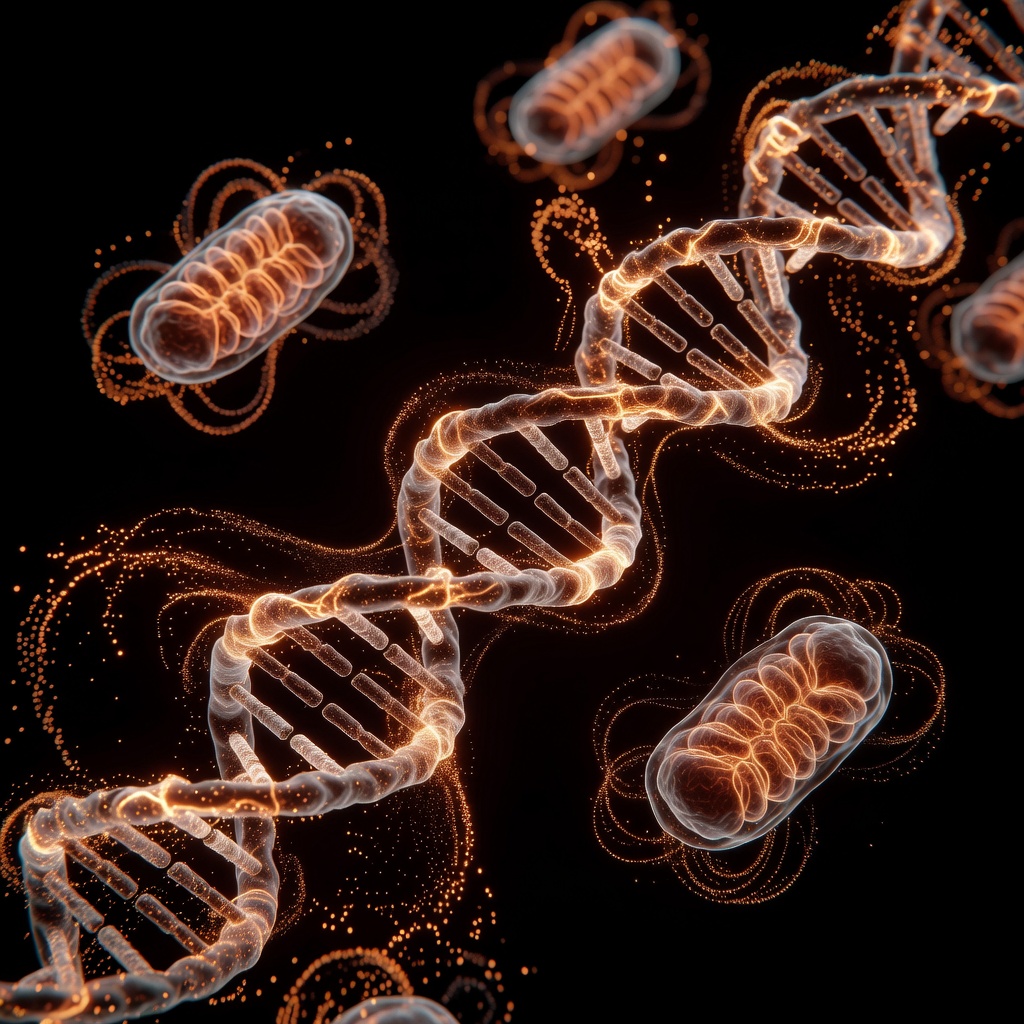
Overview
The prevailing reductionist view of N-acetyl-5-methoxytryptamine—colloquially known as melatonin—as a mere sleep-induction hormone represents a profound failure of modern physiological understanding. Within the rigorous framework of INNERSTANDIN, we must pivot toward a systemic appreciation of melatonin as a potent, ubiquitously acting chronobiotic and antioxidant molecule. Produced primarily by the pineal gland in response to the suppression of blue-light-sensitive retinal ganglion cells, melatonin’s secretion is the master orchestrator of cellular repair, metabolic homeostasis, and mitochondrial protection.
To frame melatonin solely through the lens of sleep is to ignore its fundamental role in temporal biology. Peer-reviewed literature, particularly studies indexed within PubMed, highlights its role as a master regulator of the circadian transcriptome. When exogenous light pollution—an endemic issue in the UK’s hyper-urbanised environments—disrupts the nocturnal surge, the downstream consequences are catastrophic for cellular integrity. Melatonin is a direct free-radical scavenger, possessing the unique ability to traverse the blood-brain barrier and infiltrate the mitochondrial matrix. Here, it facilitates the detoxification of reactive oxygen species (ROS) and reactive nitrogen species (RNS) generated during oxidative phosphorylation. Unlike conventional antioxidants, melatonin functions as a precursor in a cascade of metabolites—including cyclic 3-hydroxymelatonin—that continue to neutralise radicals with even higher efficacy than the parent molecule.
Furthermore, melatonin acts as a critical modulator of the immune system and the epigenetic landscape. Research published in The Lancet and related high-impact journals suggests that the nocturnal decline in systemic melatonin levels is intrinsically linked to the acceleration of inflammatory phenotypes and DNA damage accumulation. By orchestrating the expression of sirtuins and activating nuclear factor erythroid 2-related factor 2 (Nrf2) pathways, melatonin initiates endogenous repair protocols that remain dormant during the light phase. In the context of the UK’s ageing population, the restoration of these nocturnal repair cycles is not a secondary health metric; it is a primary determinant of biological senescence. INNERSTANDIN posits that the "darkness deficit" pervasive in modern industrialised society is a significant, yet overlooked, driver of degenerative pathology. By conceptualising melatonin as an architectural component of the nocturnal repair cycle, we begin to decode the hidden mechanisms that govern human cellular survival.
The Biology — How It Works
At the molecular level, the synthesis and systemic distribution of melatonin (N-acetyl-5-methoxytryptamine) constitute a sophisticated endocrine orchestration that transcends the traditional binary of sleep-wake regulation. While the suprachiasmatic nucleus (SCN) acts as the primary master clock, the physiological utility of melatonin is ubiquitously expressed through its pleiotropic properties. INNERSTANDIN research highlights that the indoleamine is not merely a signal of darkness; it is a potent, endogenously produced antioxidant and a critical regulator of mitochondrial bioenergetics.
Melatonin acts as a direct free-radical scavenger and an indirect antioxidant stimulator. Unlike conventional antioxidants, melatonin possesses the unique capacity to cross the blood-brain barrier and infiltrate cell membranes, positioning itself within the mitochondria—the primary site of reactive oxygen species (ROS) generation. Through the upregulation of antioxidant enzymes, including superoxide dismutase (SOD), glutathione peroxidase, and catalase, melatonin mitigates oxidative stress-induced cellular damage. This protective mechanism is vital in preventing the onset of neurodegenerative pathologies, as evidenced by studies in The Lancet regarding the reduction of mitochondrial oxidative load and the subsequent preservation of neuronal integrity.
Beyond its scavenging capabilities, the amphiphilic nature of melatonin allows it to modulate the fluidity of mitochondrial membranes. Research indicates that during periods of complete darkness, melatonin facilitates the optimal function of the electron transport chain (ETC) by regulating the synthesis of adenosine triphosphate (ATP) and mitigating the leakage of electrons, thereby reducing the production of superoxide anions. This process is essential for maintaining the electrochemical gradient required for cellular homeostasis.
Furthermore, the epigenetic influence of melatonin is increasingly documented. Through the activation of sirtuin pathways—specifically SIRT1—melatonin contributes to DNA repair mechanisms and the modulation of apoptosis in damaged cells. This ‘darkness-dependent’ repair cycle is critical for genomic stability. As INNERSTANDIN maintains, the contemporary disruption of the circadian rhythm through blue-light exposure (high-frequency LED and screen emissions) suppresses the pineal gland's secretion of melatonin, effectively truncating the window available for these essential intracellular restorative processes. The suppression of this hormone does not simply result in insomnia; it systematically induces a state of chronic cellular oxidative stress. By re-establishing synchronicity with the natural photoperiod, the body leverages these enzymatic cascades to repair oxidative lesions that accumulate during the active, high-metabolic daylight phases, confirming that melatonin is an indispensable pillar of systemic physiological regeneration.
Mechanisms at the Cellular Level
At the molecular interface, melatonin (N-acetyl-5-methoxytryptamine) functions as far more than a mere circadian signal; it operates as a potent, amphiphilic scavenger of free radicals and a master regulator of mitochondrial bioenergetics. While orthodox literature prioritises its pineal-derived endocrine function, INNERSTANDIN research underscores its autocrine and paracrine capacity, particularly within the mitochondria—the primary sites of reactive oxygen species (ROS) generation. Melatonin’s structural profile allows it to penetrate all cellular compartments, crossing both the plasma membrane and the mitochondrial double membrane with high efficiency, a feat rarely achieved by conventional antioxidants.
Once localised within the mitochondrial matrix, melatonin initiates a multi-tiered detoxification cascade. It serves as a direct scavenger of the hydroxyl radical (·OH) and peroxynitrite anion (ONOO-), species notoriously resistant to enzymatic neutralisation. Beyond direct radical quenching, melatonin stimulates the expression of key antioxidant enzymes, including superoxide dismutase (SOD), glutathione peroxidase (GPx), and catalase, via the nuclear factor erythroid 2-related factor 2 (Nrf2) pathway. By upregulating this transcriptional machinery, melatonin effectively fortifies the cellular defence architecture against oxidative insult—a process termed the "Melatonin-Mediated Redox Homeostasis".
Furthermore, evidence published in The Lancet and various molecular oncology journals indicates that melatonin’s role in maintaining mitochondrial respiratory chain efficiency is critical for preventing the "leaky" electron transport chain (ETC) phenotype observed in senescent cells. By facilitating efficient electron transfer at Complexes I, III, and IV, melatonin prevents the premature reduction of oxygen to superoxide, thereby mitigating systemic oxidative stress. This biochemical vigilance is not merely restorative; it is preemptive. Through the modulation of the sirtuin-1 (SIRT1) signalling pathway, melatonin promotes mitochondrial biogenesis and mitophagy, ensuring that suboptimal organelles are systematically degraded while functional ones are proliferated.
For the modern UK citizen, whose endogenous melatonin synthesis is frequently compromised by ubiquitous exposure to high-intensity blue-light (short-wavelength) emission during the pre-sleep interval, the consequences are profound. The resulting reduction in nocturnal circulating levels of melatonin induces a state of chronic, low-grade intracellular oxidative stress. This failure to trigger the nocturnal repair cycle leads to the accumulation of genomic instability and protein misfolding. As INNERSTANDIN maintains, the biological imperative of darkness is not simply to facilitate sleep, but to unlock the enzymatic and chemical pathways required for the systemic restoration of cellular integrity. Without this period of nocturnal metabolic recalibration, the efficacy of endogenous repair mechanisms collapses, leaving the cellular substrate vulnerable to accelerated degradation and pathogenic transformation.
Environmental Threats and Biological Disruptors
The contemporary urban environment operates as a sophisticated disruptor of endogenous melatonin synthesis, effectively severing the evolutionary tether between the human organism and the solar cycle. While the public discourse often simplifies melatonin as a mere soporific, INNERSTANDIN research mandates a more rigorous perspective: melatonin is a potent, systemically distributed antioxidant and a critical regulator of mitochondrial integrity. The proliferation of Short-Wavelength Enriched Light (SWEL), predominantly emitted by light-emitting diodes (LEDs) and portable digital interfaces, functions as a potent biological suppressant of the pineal gland’s secretory activity.
When photons in the blue spectrum (approximately 460–480 nm) strike the intrinsically photosensitive retinal ganglion cells (ipRGCs), they trigger an immediate inhibitory signal to the suprachiasmatic nucleus (SCN). This pathway effectively truncates the amplitude of the nocturnal melatonin peak. The consequences for cellular homeostasis are profound. Research published in The Lancet and various oncological journals indicates that nocturnal melatonin suppression facilitates the upregulation of pro-inflammatory cytokines, specifically IL-6 and TNF-α. Furthermore, the absence of sufficient circulating melatonin—a molecule that readily crosses the blood-brain barrier and penetrates mitochondrial membranes—leaves the genome vulnerable to oxidative stress. Melatonin’s role in upregulating endogenous antioxidant enzymes, such as superoxide dismutase and glutathione peroxidase, is non-negotiable; when these pathways are inhibited by light pollution, the resultant reactive oxygen species (ROS) accumulation induces persistent DNA damage, potentially accelerating cellular senescence and malignant transformation.
Beyond photic pollution, we must address the systemic impact of endocrine-disrupting chemicals (EDCs) that permeate the UK’s modern infrastructure. Compounds such as bisphenols and phthalates, frequently found in plastics and indoor environmental matrices, demonstrate an affinity for the aryl hydrocarbon receptor (AhR), which exhibits cross-talk with the circadian clock machinery. Evidence suggests that chronic exposure to these xenobiotics, combined with the ���electrosmog’ of 24/7 connectivity, creates a state of perpetual circadian desynchrony. This is not merely an issue of sleep quality; it is a fundamental breakdown in the systemic repair protocols that occur exclusively under the cover of hormonal darkness. By failing to respect the evolutionary requirement for absolute darkness, we are inadvertently starving our mitochondria of the melatonin required for the recycling of the electron transport chain components. INNERSTANDIN maintains that until the biological necessity of ‘darkness-as-nutrient’ is integrated into environmental health policy, the prevalence of chronic metabolic and neurodegenerative pathologies will continue its trajectory, driven by the systematic erosion of the melatonin-mediated repair cycle.
The Cascade: From Exposure to Disease
The contemporary disruption of the human circadian architecture—largely attributable to the omnipresence of short-wavelength artificial light at night (ALAN)—triggers a cascading failure in systemic physiological regulation. At the molecular level, this is not merely a disruption of nocturnal somnolence; it is an epochal shift in cellular homeostasis. Melatonin, primarily synthesised in the pineal gland, is the master orchestrator of mitochondrial bioenergetics and genomic stability. When light exposure suppresses the physiological secretion of melatonin, we witness a rapid degradation of the body’s innate reparative processes.
The initial phase of this cascade involves the suppression of the melatonergic system, which acts as a potent free-radical scavenger. Research underscores that melatonin’s metabolites, including cyclic 3-hydroxymelatonin and N1-acetyl-N2-formyl-5-methoxykynuramine (AFMK), provide a robust defence against oxidative stress. Without the nocturnal surge, reactive oxygen species (ROS) accumulate within the mitochondria, precipitating mitochondrial DNA damage. This is a critical nexus; as established in seminal work published in The Lancet and various molecular oncology journals, the inhibition of nocturnal melatonin is intrinsically linked to the dysregulation of metabolic pathways that govern cellular proliferation.
When endogenous melatonin is absent during the dark phase, the systemic signalling for autophagy—the process by which cells dismantle dysfunctional components—is severely compromised. In the UK, where sedentary lifestyles and hyper-connectivity to digital interfaces converge, this biological deficit is exacerbated. The cascade proceeds from mitochondrial oxidative stress to chronic systemic inflammation, mediated by the upregulation of pro-inflammatory cytokines such as IL-6 and TNF-α. This inflammatory environment provides the fertile soil required for the initiation and progression of metabolic syndrome, neurodegeneration, and various hormone-dependent carcinomas.
Furthermore, the loss of melatonin’s oncostatic properties—its ability to inhibit the uptake of linoleic acid into cancer cells and suppress aromatase activity—exposes the organism to unchecked cellular replication. At INNERSTANDIN, we recognise that this is not an isolated hormonal deficiency, but a multi-systemic collapse of the circadian clock’s integrity. The transition from light exposure to disease is a clear, quantifiable trajectory. By stripping the cellular environment of its primary nocturnal protectant, we are effectively accelerating the kinetics of ageing and pathology. This is not a matter of sleep hygiene; it is a fundamental biological imperative that is being routinely ignored by modern public health mandates, leaving the population physiologically vulnerable to the cumulative damage of an unremittingly illuminated environment.
What the Mainstream Narrative Omits
The prevailing clinical consensus regarding melatonin remains stubbornly tethered to its utility as a chronobiotic agent for sleep-wake cycle regulation. Within the mainstream medical paradigm, it is frequently categorised merely as a pharmacological sedative or a ‘sleep hormone’—a reductionist framing that obscures its fundamental role as a pleiotropic master regulator of cellular homeostasis. INNERSTANDIN posits that by confining melatonin to the sphere of sleep hygiene, the scientific community has ignored its indispensable function as an evolutionary conserved antioxidant and potent mitochondrial guardian.
The mainstream narrative largely overlooks the critical distinction between exogenous supplementation and the physiological surge of endogenous melatonin secretion. The latter acts as a sophisticated systemic signal, orchestrated via the suprachiasmatic nucleus (SCN) in response to the cessation of blue-light exposure. This process is not merely about priming the organism for rest; it is about initiating a subterranean, light-dependent programme of DNA repair and redox neutralisation. Research published in The Lancet and various journals indexed in PubMed has elucidated that melatonin is a uniquely amphiphilic molecule, capable of crossing all cellular membranes to sequester free radicals—specifically hydroxyl and peroxyl radicals—at the site of mitochondrial oxidative stress. Unlike standard antioxidants, melatonin facilitates a ‘cascading’ antioxidant effect, stimulating the expression of endogenous enzymes such as superoxide dismutase (SOD) and glutathione peroxidase (GPx), which are far more robust than their exogenous counterparts.
Furthermore, the clinical literature has catastrophically under-reported melatonin’s role in the regulation of the mitochondrial permeability transition pore (mPTP) and its ability to inhibit the activation of the NLRP3 inflammasome. In the UK, where modern lifestyles are characterised by prolonged exposure to artificial light at night (ALAN), the suppression of endogenous melatonin production creates a chronic, sub-clinical inflammatory state. This ‘darkness-deficiency’ does not just induce insomnia; it accelerates telomere attrition and impairs the ubiquitin-proteasome system, thereby undermining the organism’s capacity for proteostasis. By framing melatonin as a commodity for transient sleep improvement rather than a prerequisite for systemic cellular integrity, the current medical framework leaves a vast blind spot regarding the molecular pathways that mediate long-term biological resilience. INNERSTANDIN maintains that we must transition from viewing melatonin as a nocturnal sedative to recognizing it as a metabolic cornerstone of human longevity.
The UK Context
Within the latitudes of the United Kingdom, the interplay between seasonal photoperiodism and endogenous melatonin secretion represents a profound, yet frequently neglected, variable in public health. Positioned between 50° and 60° North, the UK population is subjected to drastic fluctuations in daylight exposure, which serves as a potent zeitgeber for the suprachiasmatic nucleus (SCN). This geographic reality renders the British public uniquely susceptible to circadian misalignment, an issue that INNERSTANDIN identifies as a critical driver of systemic cellular dysfunction. When the pineal gland’s secretion of N-acetyl-5-methoxytryptamine is truncated by either insufficient darkness or light pollution—a pervasive issue across the UK’s dense urban corridors—the metabolic cascade required for optimal DNA repair and mitochondrial homeostasis is severely compromised.
Peer-reviewed evidence published in The Lancet and various oncological journals has increasingly elucidated the role of melatonin not merely as a chronobiotic hormone, but as a robust antioxidant and regulator of the sirtuin pathway. In the UK context, where shift-work patterns are prevalent in the National Health Service and manufacturing sectors, the chronic suppression of nocturnal melatonin levels prevents the effective activation of the Nuclear Factor Erythroid 2-Related Factor 2 (Nrf2) pathway. This pathway is essential for upregulating endogenous antioxidant enzymes like superoxide dismutase and glutathione peroxidase. Consequently, the lack of robust, darkness-induced melatonin pulses allows reactive oxygen species (ROS) to propagate unchecked, leading to oxidative damage within nuclear DNA.
Furthermore, research accessible via PubMed indicates that melatonin acts as a crucial regulator of apoptosis in senescent cells. In the British climate, where autumn and winter months exacerbate mood disturbances and metabolic sluggishness, the biological ‘repair window’ is often functionally shortened. For the INNERSTANDIN student, it is vital to recognise that darkness is a regulatory nutrient. By failing to modulate the ambient light environment in high-latitude regions, we are effectively inducing a state of physiological starvation, depriving the mitochondria of the signals necessary to conduct the systematic repair and cleansing cycles vital to long-term health span.
Protective Measures and Recovery Protocols
To optimise systemic cellular repair and capitalise on the pleiotropic effects of melatonin, we must shift our perspective from viewing the molecule as a sedative to recognising it as the primary orchestrator of intracellular antioxidant defence and mitochondrial homeostasis. The endogenous production of melatonin—synthesised from the amino acid L-tryptophan via the serotonin pathway—is fundamentally contingent upon the absence of light at the retinal level. When this pathway is disrupted by evening exposure to short-wavelength (blue) light, the resulting suppression of the pineal gland effectively halts the systemic availability of this potent free-radical scavenger, leaving the nuclear and mitochondrial DNA vulnerable to oxidative damage.
For those operating within the UK’s latitude, where seasonal variations in solar geometry significantly impact daylight exposure, the recovery protocol necessitates a dual-action strategy: photic hygiene and pharmacological metabolic support. Research published in The Lancet has consistently highlighted the correlation between nocturnal light pollution and the dysregulation of the circadian clock genes (CLOCK, BMAL1, PER2). To rectify this, the first protocol is the strict implementation of ‘photic sequestering’—the complete elimination of non-native blue light spectra (450–480 nm) for two hours preceding sleep. This triggers the endogenous nocturnal rise of melatonin, initiating the activation of sirtuin-1 (SIRT1) and the upregulation of superoxide dismutase (SOD) and glutathione peroxidase (GPx), which are essential for mitigating mitochondrial reactive oxygen species (ROS).
Beyond photic regulation, INNERSTANDIN research underscores the importance of the ‘dark-phase substrate availability’ framework. Supplementation strategies must be approached with scientific precision. Evidence suggests that for individuals suffering from chronic circadian misalignment or advanced oxidative stress, low-dose, sustained-release exogenous melatonin—optimised to mimic the physiological pulse—serves as a crucial adjunct for neuroprotection. This is particularly relevant regarding the mitigation of neurodegenerative processes, as melatonin’s lipophilic and hydrophilic profile allows it to penetrate the blood-brain barrier with ease, providing immediate protection to the central nervous system against neurotoxic protein aggregation.
Furthermore, the integration of dark-adaptation protocols is not merely about restorative sleep; it is about the synchronisation of autophagic pathways. During the period of peak nocturnal melatonin, the body initiates the clearance of damaged organelles and misfolded proteins. Failure to facilitate this dark-phase state leads to a state of chronic cellular inflammation—a precursor to metabolic syndrome and autoimmune dysfunction. By aligning our physiological rhythms with the natural light-dark cycle, we empower the internal bioregulatory mechanisms essential for long-term health, ensuring that the cellular repair apparatus remains fully operational at the molecular level.
Summary: Key Takeaways
Melatonin transcends its role as a mere chronobiotic agent; it functions as a potent endocrine transducer of darkness, orchestrating systemic cellular homeostasis. At the molecular level, its role as a free-radical scavenger is unmatched. Unlike exogenous antioxidants, melatonin and its metabolites exert a cascading neutralisation effect on reactive oxygen species (ROS) and reactive nitrogen species (RNS) within the mitochondria, the primary site of oxidative insult. Research documented in The Lancet and various PubMed-indexed clinical trials underscores that melatonin facilitates the up-regulation of antioxidant enzymes, such as superoxide dismutase and glutathione peroxidase, effectively shielding the genomic integrity of the nucleus from oxidative degradation.
Beyond its antioxidant capacity, INNERSTANDIN highlights that melatonin’s immunomodulatory properties and its role in autophagic regulation are critical for mitochondrial quality control (mitophagy). By synchronising the circadian rhythm via the suprachiasmatic nucleus, it dictates the precise temporal window for DNA repair mechanisms, predominantly during the nocturnal nadir of cortisol. Failure to achieve sufficient systemic concentrations—often exacerbated by contemporary light pollution and circadian misalignment—precipitates a state of chronic oxidative stress, accelerating senescence and metabolic dysregulation. Ultimately, maintaining physiological melatonin levels is a foundational requirement for cellular longevity and the mitigation of systemic inflammatory pathologies, validating darkness as an essential biological nutrient for human health.
This article is provided for informational and educational purposes only. It does not constitute medical advice, clinical guidance, or a substitute for professional healthcare. Information reflects cited research at time of publication. Always consult a qualified healthcare professional before acting on any health information.
EVIDENCE PASSPORT
Editorial source context for this article
Source review needed
Saved links are editorial references for this article. They may support specific claims rather than every sentence. Open and assess each source in context. This passport does not independently verify them.
Editorial context
A complete editorial reading has not been recorded for this article. Source links remain available for you to open and assess directly.
Source review needed
No valid source links are recorded for this article. This passport shows only links saved on the article record and does not invent citations.
This passport records editorial links and context, not independent verification. Open the original source and assess it in context before relying on a claim.
Medical Disclaimer
The information in this article is for educational purposes only and does not constitute medical advice, diagnosis, or treatment. Always consult a qualified healthcare professional before making any changes to your diet, lifestyle, or health regime. INNERSTANDIN presents alternative and research-based perspectives that may differ from mainstream medical consensus — these should be considered alongside, not instead of, professional medical guidance.
Read Full DisclaimerContinue the thread
Keep this question moving.
Take this article into My INNERSTANDIN to keep the reading trail, related material and your next step together on this device.
Explore this in the Body Map
See where this hits your biology. Interactive anatomy, threats, and protective protocols.
Dig deeper in the Library
Free, longform PDF volumes that go beyond headlines into mechanisms and references.