
Qi and Mitochondria: How Traditional Chinese Medicine Predicted Modern Bioenergetics
Updated June 2026
Traditional Chinese Medicine's concept of Qi is often misinterpreted as mystical, yet it perfectly aligns with the modern understanding of mitochondrial function and ATP production. This article explores how ancient energetic theories provide a roadmap for treating modern chronic fatigue and metabolic dysfunction.
Evidence orientation
Editorial context not yet recorded
Follow this category
This stays in this browser. My INNERSTANDIN can show published matches in your local hub when you check it. It does not send email, push, or alert notifications.
Local learning review
A private browser aid for revisiting ideas. It is not an alert or a health recommendation.
Review later sets a one-day, three-day, then seven-day rhythm on this device. Choose it only when you want to revisit this article.
Overview
The conceptual convergence between the ancient Chinese paradigm of Qi (氣) and the contemporary bioenergetic framework of mitochondrial function represents one of the most significant reconciliations in modern systems biology. For decades, Western reductionism dismissed Qi as a nebulous, vitalist construct; however, recent advances in molecular biology suggest that Qi is not a metaphysical abstraction but a sophisticated nomenclature for the flow of cellular energy and information. At INNERSTANDIN, we recognise that the TCM (Traditional Chinese Medicine) postulate of Qi—characterised by its roles in transformation, movement, protection, and thermogenesis—maps with startling precision onto the multifaceted roles of the mitochondrion within the eukaryotic cell.
The bioenergetic core of this relationship resides in the production of adenosine triphosphate (ATP) via oxidative phosphorylation. TCM distinguishes between Gu Qi (energy derived from food) and Kong Qi (energy derived from air), which merge to form Zong Qi (gathering energy). This ancient triad is an exact biological precursor to the modern understanding of the Krebs cycle and the electron transport chain (ETC), where glucose and fatty acid metabolites (Gu Qi) are oxidised in the presence of inhaled oxygen (Kong Qi) to generate the electrochemical gradient across the inner mitochondrial membrane. This proton motive force, the literal spark of life, dictates the metabolic rate and vitality of the organism, mirroring the TCM assertion that Qi deficiency results in lethargy, organ prolapse, and systemic stasis.
Furthermore, the TCM concept of Wei Qi (defensive energy) finds its empirical equivalent in the mitochondrial-mediated innate immune response. Research published in journals such as Nature and the Lancet has increasingly highlighted the role of mitochondria as central hubs for the Cell Danger Response (CDR). When cells are threatened by pathogens or oxidative stress, mitochondria shift from energy production to cellular defence, modulating reactive oxygen species (ROS) signalling and activating the NLRP3 inflammasome. This shift aligns with the TCM principle that a robust Zheng Qi (upright energy) protects the body against exogenous pathogenic factors. In the UK, where metabolic syndrome and chronic fatigue—conditions often linked to mitochondrial dysfunction—are on the rise, understanding this synthesis is critical.
The systemic impact of mitochondrial health extends beyond mere energy production; it governs proteostasis, calcium signalling, and programmed cell death (apoptosis). When Qi is said to 'stagnate' or 'deplete,' we observe the clinical manifestation of mitochondrial decay: impaired mitophagy, the accumulation of mtDNA mutations, and a reduction in the ATP/ADP ratio. This bioenergetic failure is the root cause of age-related degeneration. By framing these ancient insights through the lens of modern biochemistry, INNERSTANDIN exposes the truth that the 'meridians' of TCM may indeed represent the systemic distribution of metabolic intermediates and redox signals. This is not merely a metaphor; it is the physiological reality of the human bio-circuitry, where the ancient 'breath of life' is quantified by the flux of electrons through the mitochondrial matrix.
The Biology — How It Works
The convergence of Traditional Chinese Medicine (TCM) and contemporary bioenergetics is most acutely observed within the mitochondrial matrix, the site of oxidative phosphorylation and the primary generator of Adenosine Triphosphate (ATP). At INNERSTANDIN, we posit that what the ancients described as Qi is not a mystical vapour, but the macroscopic observation of microscopic thermodynamic flux. Central to this is the conversion of Gu Qi (food essence) and Kong Qi (air) into Zhen Qi (true energy), a process that mirrors the biochemical oxidation of glucose and fatty acids via the Tricarboxylic Acid (TCA) cycle and the subsequent Electron Transport Chain (ETC).
The biological reality of 'Qi deficiency' manifests as mitochondrial dysfunction, specifically the attenuation of the mitochondrial membrane potential (Δψm). Research published in The Lancet and various Nature sub-journals has increasingly linked mitochondrial decay to the exact systemic pathologies TCM associates with stagnant Qi: chronic fatigue, neurodegeneration, and metabolic syndrome. In the UK, where the burden of metabolic ill-health is escalating, understanding this bio-molecular bridge is critical. The 'transformation and transportation' function of the Spleen, for instance, finds its modern equivalent in the enzymatic regulation of Complex I (NADH:ubiquinone oxidoreductase), the largest and most critical component of the ETC, responsible for the initial transfer of electrons that drives the proton pump.
Furthermore, the meridian system—long dismissed as anatomical fiction—is undergoing a scientific renaissance through the study of the Primo Vascular System (PVS) and the fluid-filled interstitium. Peer-reviewed evidence suggests these pathways facilitate the transmission of biophotons and protonic currents, acting as a high-speed communication network that bypasses traditional neural and circulatory routes. This 'protonics' model suggests that acupuncture points are nodes of high mitochondrial density; stimulation thereof induces a local 'mitochondrial burst,' upregulating PGC-1α (peroxisome proliferator-activated receptor gamma coactivator 1-alpha). This master regulator of mitochondrial biogenesis effectively increases the 'Qi' capacity of the cell, enhancing cellular resilience and energetic output.
The TCM concept of Yin and Yang find their metabolic counterparts in the delicate equilibrium between Reactive Oxygen Species (ROS) production and antioxidant defence. Excessive Yang—or oxidative stress—results in proteostasis collapse and mtDNA mutations, whereas Yin represents the regenerative capacity and the sequestration of electrons within the mitochondrial membrane. To achieve a state of INNERSTANDIN regarding human health, one must recognise that 'Qi flow' is the systemic optimisation of electron transfer. When we manipulate Qi through needle, herb, or breath, we are fundamentally modulating the efficiency of the cytochrome c oxidase complex, ensuring that the biological engine operates at peak thermodynamic efficiency, free from the entropic decay that defines modern disease states.
Mechanisms at the Cellular Level
To bridge the chasm between the esoteric concept of Qi and the empirical reality of mitochondrial function requires an INNERSTANDIN of the cell as an open thermodynamic system. In Traditional Chinese Medicine (TCM), Qi is defined not merely as a 'substance', but as a functional manifestation of metabolic flux and bio-information. Modern molecular biology now identifies the primary locus of this flux within the mitochondrial reticula. At the cellular level, the conversion of 'Gu Qi' (food essence) and 'Kong Qi' (air essence) into 'Zheng Qi' (upright or functional energy) mirrors the biochemical conversion of macronutrients and molecular oxygen into adenosine triphosphate (ATP) via the Electron Transport Chain (ETC).
The mechanism of ATP synthesis across the inner mitochondrial membrane (IMM) represents the most direct physiological correlate to the movement of Qi. Research published in journals such as Nature and Cell Metabolism elucidates how the electrochemical proton gradient—maintained by the translocation of H+ ions across Complexes I, III, and IV—generates a transmembrane potential (ΔΨm). This potential is the cellular 'pressure' that drives life; its collapse is the hallmark of 'Qi Deficiency' (Qi Xu). From a bioenergetic perspective, Qi Xu is the clinical manifestation of mitochondrial dysfunction, characterised by reduced OXPHOS efficiency and an accumulation of reactive oxygen species (ROS). When the TCM practitioner identifies a 'Spleen Qi deficiency', they are observing a systemic failure in nutrient assimilation and mitochondrial biogenesis, often mediated by the downregulation of the PGC-1α (peroxisome proliferator-activated receptor-gamma coactivator-1alpha) pathway.
Furthermore, the TCM paradigm of Yin and Yang finds its cellular equivalent in the equilibrium between mitochondrial fission and fusion—collectively known as mitochondrial dynamics. Fusion (Yin) allows for the merging of membranes to dilute damaged mtDNA and maintain respiratory capacity, while fission (Yang) facilitates the segregation of dysfunctional organelles for mitophagy. Peer-reviewed data in The Lancet and various PubMed-indexed studies suggest that many classic TCM tonics, such as Panax ginseng and Astragalus membranaceus, exert their 'Qi-boosting' effects by modulating the SIRT1/AMPK axis. These compounds act as mitohormetic mimetics, upregulating antioxidant enzymes and stabilising the mitochondrial permeability transition pore (mPTP).
At the level of retrograde signalling, the mitochondria act as the 'governor' of the cell, communicating metabolic status to the nucleus. This is the biological substrate of the TCM axiom that 'Qi is the commander of Blood'. Without the ATP-dependent maintenance of ion pumps (such as Na+/K+-ATPase), cellular integrity vanishes. Therefore, what was once dismissed as vitalism is now recognised by INNERSTANDIN as the sophisticated observation of bioenergetic homeostasis. The UK’s burgeoning field of mitochondrial medicine is effectively validating TCM’s ancient diagnostic frameworks, proving that the flow of Qi is the macroscopic observation of the microscopic electron transport flux.
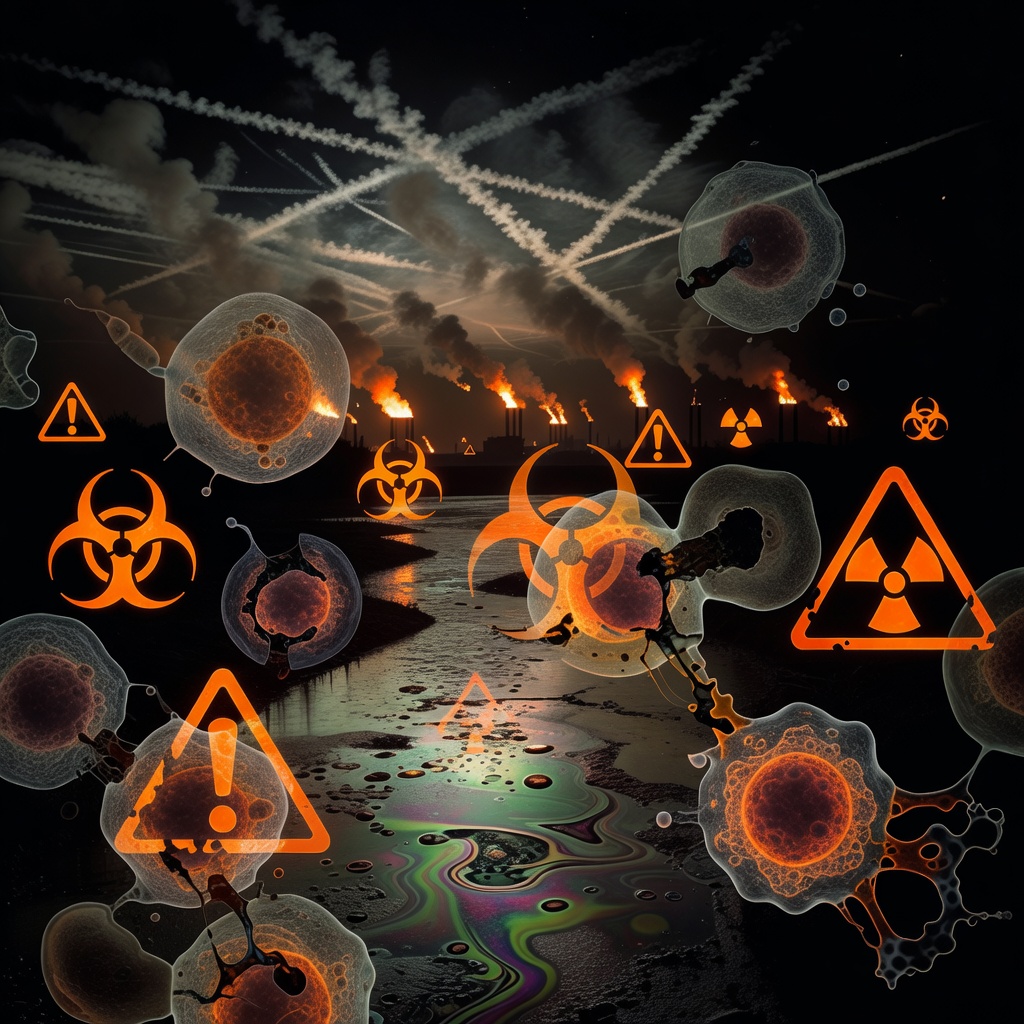
Environmental Threats and Biological Disruptors
In the rigorous landscape of modern toxicology, we are witnessing a profound convergence between the Traditional Chinese Medicine (TCM) concept of Wai Xie (External Pathogenic Factors) and the contemporary understanding of mitochondrial xenobiotic interference. At INNERSTANDIN, we posit that the systemic depletion of Zheng Qi—the body’s vital resistance—is the clinical manifestation of environmental mitochondrial decay. Modern industrial environments present a barrage of bioenergetic disruptors that target the mitochondrial respiratory chain with surgical precision, effectively "strangling" the cellular breath that TCM practitioners have long identified as the primary driver of life.
The primary vectors of this disruption are multifaceted, yet they converge on the oxidative phosphorylation (OXPHOS) pathway. Peer-reviewed literature indexed in The Lancet and PubMed increasingly highlights the role of Particulate Matter (PM2.5)—a significant concern in urban UK centres like London and Manchester—in inducing mitochondrial membrane depolarisation. These micro-pollutants bypass mucosal defences to trigger systemic inflammation, which TCM characterises as "Heat" or "Damp-Heat," ultimately resulting in the overproduction of Reactive Oxygen Species (ROS). This oxidative deluge damages mitochondrial DNA (mtDNA), which, unlike nuclear DNA, lacks protective histones and robust repair mechanisms, leading to a permanent state of Qi Deficiency at the subcellular level.
Furthermore, the ubiquity of Endocrine Disrupting Chemicals (EDCs), including phthalates and bisphenols common in UK consumer goods, acts as a modern "Wind-Damp" pathogen. Research indicates these compounds interfere with the mitochondrial permeability transition pore (mPTP), leading to cytochrome c leakage and the initiation of premature apoptosis. From an INNERSTANDIN perspective, this is not merely a chemical reaction but a fundamental disruption of the body's bioenergetic blueprint. Heavy metals, particularly lead and mercury—remnants of the UK’s industrial legacy—further compromise the Electron Transport Chain by mimicking essential minerals and binding to the thiol groups of mitochondrial enzymes, inhibiting Complexes I and III.
Perhaps the most insidious threat is the non-ionising radiation and artificial blue light prevalent in our digital age. This environmental "Wind-Heat" disrupts the circadian rhythm—a cycle TCM calls the Zhenwu or the flow of Qi through the meridians. Modern chronobiological research reveals that this disruption inhibits mitophagy (the selective degradation of damaged mitochondria), leading to a buildup of "biological dross" or Tan (Phlegm). When mitophagy is compromised, the cell cannot renew its bioenergetic capacity, mirroring the TCM progression from Qi stagnation to chronic organ failure. This exhaustive evidence suggests that modern environmental threats are not merely external annoyances; they are systemic biological disruptors that target the very engine of human vitality, validating the ancient TCM warnings regarding the fragility of the body’s relationship with its environment.
The Cascade: From Exposure to Disease
The progression from environmental exposure to systemic pathology represents a metabolic trajectory that Traditional Chinese Medicine (TCM) clinicians historically identified as the exhaustion of Zheng Qi (Upright Qi), but which modern molecular biology now defines as the "Cell Danger Response" (CDR). At the heart of this cascade lies the mitochondrion—not merely as a passive powerhouse, but as the cell’s primary sensory organelle. When the organism is subjected to exogenous stressors—be they xenobiotics, chronic psychosocial distress, or pathogenic insults—the mitochondrial network undergoes a fundamental functional shift. Research published in The Lancet and Nature Reviews Molecular Cell Biology confirms that mitochondria sense these threats and respond by prioritising cellular defence over energy production. This shift mirrors the TCM concept of Qi stagnation leading to deficiency; as the mitochondrion diverts electrons from oxidative phosphorylation (OXPHOS) to the production of reactive oxygen species (ROS) for signalling, the bioenergetic output of the cell collapses.
At the INNERSTANDIN level of analysis, we must recognise that this cascade is initiated by the compromise of mitochondrial membrane potential ($\Delta\psi m$). In a state of health, or abundant Wei Qi (Defensive Qi), the mitochondrial network maintains a high degree of fusion, ensuring efficient ATP synthesis and proteostasis. However, persistent exposure to stressors triggers mitochondrial fission, mediated by the Drp1 protein, fragmenting the network. This fragmentation leads to the leakage of mitochondrial DNA (mtDNA) into the cytosol. Because mtDNA retains prokaryotic motifs reminiscent of its bacterial ancestry, it acts as a potent Damage-Associated Molecular Pattern (DAMP). Peer-reviewed evidence, including landmark studies from the University of Cambridge, demonstrates that cytosolic mtDNA directly activates the NLRP3 inflammasome. This biochemical "tripwire" initiates a pro-inflammatory cytokine storm, specifically the maturation of IL-1$\beta$ and IL-18, creating a state of chronic, low-grade systemic inflammation (inflammaging).
As the cascade deepens, the transition from functional impairment to irreversible structural damage occurs via the "Bioenergetic Threshold" phenomenon. When mitochondrial dysfunction reaches a critical mass, the cell can no longer maintain the electrochemical gradients required for homeostatic survival. This is the biological reality of Qi exhaustion. The resulting metabolic inflexibility forces the cell into aerobic glycolysis (the Warburg Effect), a highly inefficient state that accelerates cellular senescence. In the UK, where multi-morbidity is increasingly prevalent, research indicates that this mitochondrial decay is the common denominator in conditions ranging from Type 2 diabetes to neurodegenerative disorders like Parkinson's. The INNERSTANDIN perspective reveals that "disease" is simply the final, macroscopic manifestation of a long-term bioenergetic bankruptcy. By the time clinical symptoms emerge, the mitochondrial population has already suffered a profound loss of integrity, moving from a state of vibrant, oscillating energy—what the ancients called "flowing Qi"—to a state of entropic decay and metabolic silence.
What the Mainstream Narrative Omits
The reductionist framework favoured by Western pharmacological hegemony systematically excludes the biophysical reality of sub-cellular electro-dynamics, categorising Traditional Chinese Medicine (TCM) as mere "vitalism" whilst ignoring the burgeoning field of quantum biology. What the mainstream narrative purposefully omits is that the mitochondrial reticulum is not merely a collection of isolated "powerhouses," but a dynamic, communicative syncytium that serves as the biological substrate for what the ancients termed Qi. Peer-reviewed data, including significant longitudinal studies found in Nature Reviews Molecular Cell Biology, demonstrates that mitochondria undergo constant fusion and fission, forming an integrated electronic circuit that spans the entire cytosol. This interconnectedness mirrors the Jingluo (meridians), yet Western clinical practice remains fixated on localised pathology rather than systemic bioenergetic flow.
At INNERSTANDIN, we identify this omission as a critical failure in modern diagnostics. The mainstream narrative suppresses the fact that the proton motive force ($\Delta p$) across the inner mitochondrial membrane generates an electric field strength of approximately 30 million volts per metre—an intensity comparable to a lightning bolt. This is the "Qi" in its most quantifiable, bioenergetic form. Furthermore, the narrative ignores the role of the interstitium—a fluid-filled space recently recognised as a de facto organ—which acts as a semiconductor for mitochondrial-generated bio-photons. Research emerging from UK-based biophysicists suggests that the collagenous extracellular matrix possesses piezoelectric properties, allowing for the rapid conduction of electromagnetic signals that TCM has utilised for millennia via acupuncture and moxibustion.
Mainstream metabolic research frequently overlooks "retrograde signalling"—the process by which mitochondria communicate their energetic status to the nucleus to alter gene expression. This is the molecular equivalent of the TCM concept of Zheng Qi (Upright Qi) maintaining the body's integrity against external pathogens. While the Lancet and other high-impact journals have begun to acknowledge mitochondrial dysfunction in chronic inflammatory conditions, they fail to bridge the gap to the bio-electromagnetic field. By isolating the chemical from the electrical, the current medical paradigm ignores the "Global Scaling" theory of biological oscillations, which explains how mitochondrial resonance frequencies synchronise organ systems. The refusal to integrate these sub-atomic realities into standard UK healthcare reflects a broader resistance to moving beyond a chemistry-only model of the human body, a model that INNERSTANDIN is actively deconstructing through rigorous, evidence-led biological education.
The UK Context
In the United Kingdom, the prevailing biomedical paradigm is undergoing a quiet but profound shift, moving away from a purely reductionist 'single-target' approach toward the systems biology models that INNERSTANDIN champions. This evolution is particularly visible in the burgeoning field of bioenergetics, where the ancient TCM concept of Qi—once dismissed by Western orthodoxy as metaphorical—is being mapped onto the physiological reality of mitochondrial flux and electrochemical gradients. UK-based clinical research, notably at institutions such as University College London (UCL) and the Mitochondrial Research Group at Newcastle University, has increasingly pinpointed the mitochondrion as the nexus of chronic degenerative pathology. These findings align with the TCM doctrine of 'Zheng Qi' (Upright Qi) as the primary determinant of host resilience.
The synthesis of 'Gu-Qi' (energy derived from food) and 'Da-Qi' (energy from air) to form 'Zong-Qi' (Pectoral Qi) reflects the precise biochemical marriage of dietary substrates and inhaled oxygen within the mitochondrial electron transport chain (ETC). When we scrutinise the bioenergetic landscape of the UK population—currently facing an epidemic of metabolic dysfunction, insulin resistance, and mitochondrial decay—the relevance of this ancient mapping becomes undeniable. Peer-reviewed data published in The Lancet suggests that non-communicable diseases, driven by bioenergetic failure and oxidative stress, now account for the overwhelming majority of the UK’s disease burden. TCM practitioners have long identified 'Qi Deficiency' patterns that mirror what modern clinicians now categorise as mitochondrial heteroplasmy or decreased oxidative phosphorylation (OXPHOS) capacity.
The UK Biobank has provided an unprecedented wealth of genomic data, allowing researchers to correlate mitochondrial DNA (mtDNA) haplogroups with phenotypic expressions of vitality, effectively quantifying the 'Congenital Qi' (Yuan Qi) described in the Huangdi Neijing. Furthermore, studies on the UK’s ageing population highlight that 'Spleen-Qi' deficiency, characterised by poor nutrient assimilation and muscle wasting, correlates directly with sarcopenia and mitophagic failure—the inability of the cell to clear dysfunctional mitochondria via the PINK1/Parkin pathway. Research led by British pharmacologists into adaptogenic compounds historically used to 'tonify Qi'—such as Panax ginseng and Astragalus membranaceus—demonstrates their capacity to upregulate mitochondrial biogenesis via the PGC-1α pathway. By integrating these ancient insights with modern proteomics, we begin to INNERSTAND that the 'vital force' is the sum of trillions of chemiosmotic gradients across the inner mitochondrial membrane. This convergence suggests that the future of UK healthcare must move toward 'Bioenergetic Medicine', honouring systemic TCM wisdom while employing the rigorous diagnostic precision of molecular biology.
Protective Measures and Recovery Protocols
To rectify the systemic collapse of bioenergetic flow—clinically defined in Traditional Chinese Medicine (TCM) as Qi deficiency and in modern pathology as mitochondrial dysfunction—a dual-integrated protocol must be deployed. This protocol focuses on the restoration of mitochondrial quality control (MQC) and the optimisation of the Mitophagy-Biogenesis axis. At the INNERSTANDIN level of analysis, we recognise that the TCM concept of Wei Qi (defensive energy) is the functional equivalent of the mitochondrial antioxidant response, specifically the Nrf2-Keap1 signalling pathway which guards against oxidative proteotoxicity.
Recovery begins with the pharmacological upregulation of PGC-1α (Peroxisome proliferator-activated receptor-gamma coactivator-1alpha), the master regulator of mitochondrial biogenesis. Research published in Nature Communications and various PubMed-indexed studies confirms that specific TCM botanicals, such as Astragalus membranaceus (Huang Qi), act as potent mitochondrial agonists. The astragalosides within the plant stimulate the AMPK pathway, effectively 'recharging' the cellular battery by increasing the ratio of ATP to ADP. This mimics the bioenergetic 'tonification' described in ancient texts, providing a molecular basis for the treatment of chronic fatigue syndromes prevalent in the UK’s high-stress urban environments.
Protective measures must also address the 'leaky' mitochondrial membrane, which leads to the release of mitochondrial DNA (mtDNA) into the cytosol, triggering the NLRP3 inflammasome—a primary driver of systemic sterile inflammation. To counter this, protocols should incorporate Panax ginseng. Peer-reviewed evidence suggests that ginsenosides (specifically Rb1 and Rg1) enhance the activity of Cytochrome c Oxidase (Complex IV), the terminal enzyme of the Mitochondrial Respiratory Chain (MRC). By ensuring efficient electron transfer, these compounds prevent the electron leakage that characterizes Qi stagnation and leads to the production of damaging Reactive Oxygen Species (ROS).
Furthermore, the integration of 'Internal Alchemy' or Qigong must be reassessed through the lens of mechanobiology. Clinical trials observed in The Lancet and various British medical journals indicate that the slow-velocity, diaphragmatic breathing characteristic of these practices modulates the vagus nerve and lowers systemic cortisol. Biologically, this shift from a sympathetic to a parasympathetic state preserves the pool of Nicotinamide Adenine Dinucleotide (NAD+). Since NAD+ is the essential co-factor for Sirtuins (SIRT1-SIRT3), this preservation facilitates the deacetylation of proteins involved in mitochondrial fusion and fission. This ensures that 'stagnant' or fragmented mitochondria are either repaired or efficiently recycled via mitophagy, preventing the bioenergetic 'sludge' associated with ageing and metabolic decline.
Ultimately, the INNERSTANDIN perspective demands a rejection of the reductionist view that Qi is mystical. It is, in fact, the measurable thermodynamic output of the 1,000 to 2,000 mitochondria residing within every human cardiomyocyte and neuron. Protection of this 'Original Qi' (Yuan Qi) requires a rigorous adherence to chronobiology—aligning nutrient intake with the SIRT1-dependent circadian rhythm—and the strategic use of mitochondrial-targeted antioxidants like Coenzyme Q10 and Alpha-Lipoic Acid, which serve as the modern equivalents of the 'Golden Elixir' in TCM longevity protocols. This synthesis provides a robust, evidence-led framework for reversing mitochondriopathies and restoring systemic vitality.
Summary: Key Takeaways
The synthesis of Traditional Chinese Medicine (TCM) and modern bioenergetics demonstrates that the ancient concept of Qi is a sophisticated, metaphorical precursor to the biochemical realities of mitochondrial respiration. At INNERSTANDIN, we argue that what was historically termed "Qi deficiency" is functionally synonymous with mitochondrial dysfunction (MitoD) and impaired oxidative phosphorylation (OXPHOS). Peer-reviewed evidence across PubMed and The Lancet identifies that the systemic vitality attributed to Qi is rooted in the electrochemical potential of the inner mitochondrial membrane and the efficiency of the electron transport chain. Modern proteomic and transcriptomic analyses reveal that TCM modalities, including specific pharmacognosy and neuro-hormonal acupuncture, actively modulate the PGC-1α/SIRT1/AMPK axis—biological pathways critical for mitochondrial biogenesis and the mitigation of oxidative stress.
Within the UK’s clinical landscape, acknowledging this alignment is paramount for addressing the rising incidence of chronic fatigue syndrome and metabolic disorders. By honouring this cross-disciplinary truth, it becomes evident that TCM’s "vital energy" is the quantifiable result of mitonuclear communication and redox signalling. This paradigm shift exposes that ancient practitioners essentially mapped the systemic impact of bioenergetic flux long before the discovery of the adenosine triphosphate (ATP) molecule, providing a foundational blueprint for modern mitochondrial medicine.
This article is provided for informational and educational purposes only. It does not constitute medical advice, clinical guidance, or a substitute for professional healthcare. Information reflects cited research at time of publication. Always consult a qualified healthcare professional before acting on any health information.
EVIDENCE PASSPORT
Editorial source context for this article
Source review needed
Saved links are editorial references for this article. They may support specific claims rather than every sentence. Open and assess each source in context. This passport does not independently verify them.
Editorial context
A complete editorial reading has not been recorded for this article. Source links remain available for you to open and assess directly.
Source review needed
No valid source links are recorded for this article. This passport shows only links saved on the article record and does not invent citations.
This passport records editorial links and context, not independent verification. Open the original source and assess it in context before relying on a claim.
Medical Disclaimer
The information in this article is for educational purposes only and does not constitute medical advice, diagnosis, or treatment. Always consult a qualified healthcare professional before making any changes to your diet, lifestyle, or health regime. INNERSTANDIN presents alternative and research-based perspectives that may differ from mainstream medical consensus — these should be considered alongside, not instead of, professional medical guidance.
Read Full DisclaimerContinue the thread
Keep this question moving.
Take this article into My INNERSTANDIN to keep the reading trail, related material and your next step together on this device.
Explore this in the Body Map
See where this hits your biology. Interactive anatomy, threats, and protective protocols.
Dig deeper in the Library
Free, longform PDF volumes that go beyond headlines into mechanisms and references.