
Mitochondrial Dysfunction: Why Stem Cells Lose Their Power
Updated May 2026
The health of a stem cell is directly tied to the efficiency of its mitochondria. Explore how environmental stressors cause metabolic failure in the cells responsible for lifelong tissue maintenance.
Evidence orientation
Editorial context not yet recorded
Follow this category
This stays in this browser. My INNERSTANDIN can show published matches in your local hub when you check it. It does not send email, push, or alert notifications.
Local learning review
A private browser aid for revisiting ideas. It is not an alert or a health recommendation.
Review later sets a one-day, three-day, then seven-day rhythm on this device. Choose it only when you want to revisit this article.
Overview
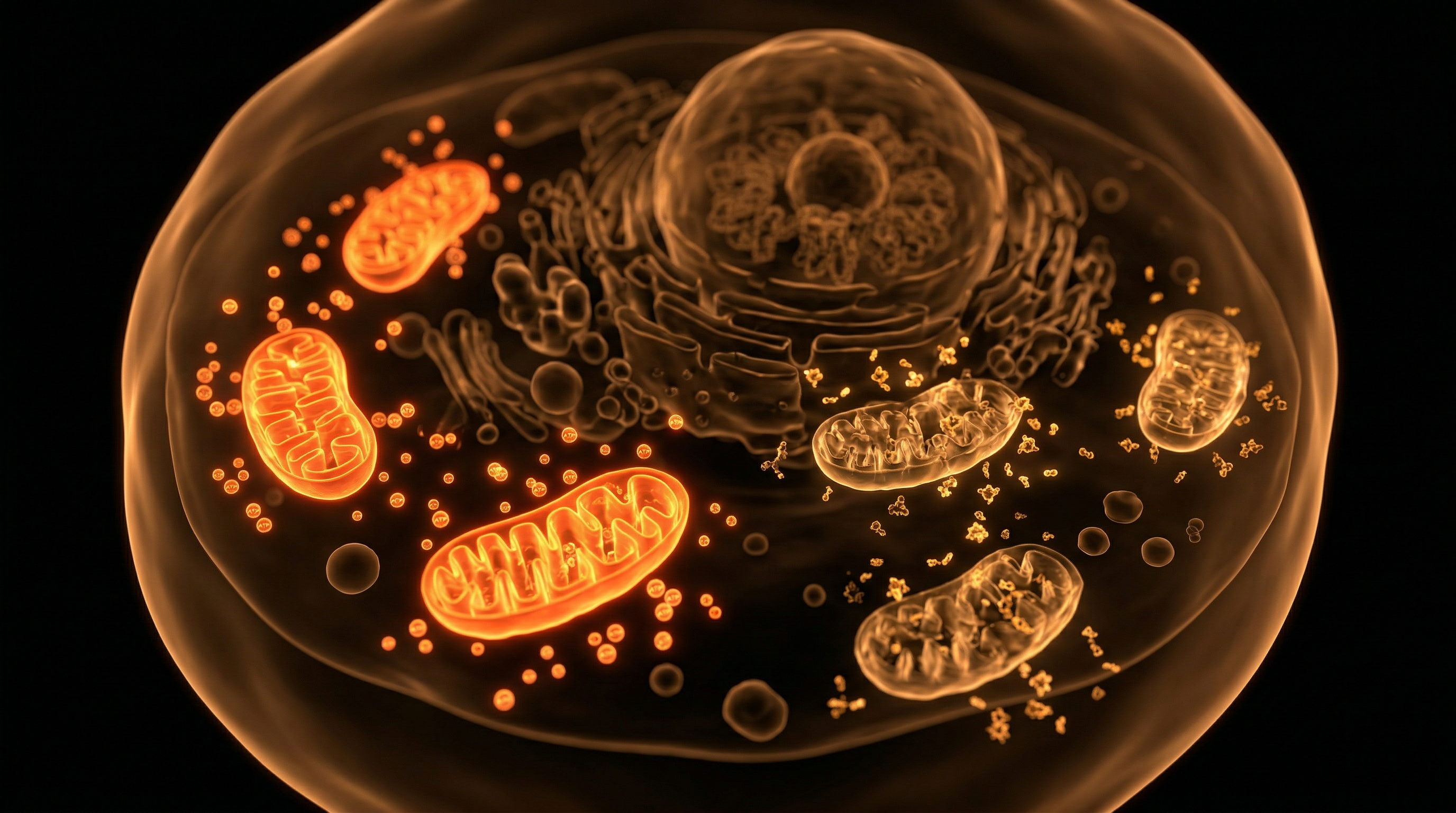
In the hierarchy of biological importance, the stem cell sits upon a precarious throne. These are the master architects of human physiology, the undifferentiated biological units capable of regenerating tissue, repairing injury, and maintaining the structural integrity of the human organism over a lifetime. However, the true power behind this throne is not found in the nucleus, where the genetic blueprint resides, but within the mitochondria—the ancient, semi-autonomous organelles that dictate the life-cycle, potency, and fate of every stem cell in the body.
For decades, the mainstream medical establishment viewed mitochondria merely as "powerhouses"—static batteries producing Adenosine Triphosphate (ATP). We now know this is a reductionist fallacy. Mitochondria are, in fact, the sophisticated sensory hubs of the cell. They monitor environmental signals, regulate intracellular calcium, manage redox balance, and, most crucially, decide whether a stem cell remains in a state of youthful "quiescence" or matures into a specialised cell.
When mitochondria fail, the stem cell loses its "stemness." This process, termed Mitochondrial Dysfunction, is the silent engine driving systemic ageing and chronic disease. As we navigate an increasingly toxic world—defined by electromagnetic interference, synthetic chemical exposure, and disrupted circadian rhythms—our mitochondrial health is being systematically eroded. This article explores the profound bioenergetic link between the organelle and the master cell, exposing the mechanisms of failure and the environmental forces that the mainstream narrative conveniently overlooks.
The Biology — How It Works
To understand why a stem cell loses its power, one must first understand the unique bioenergetic requirements of these cells. Unlike mature, differentiated cells (such as skin or muscle cells), stem cells exist in a state of metabolic suspension known as quiescence.
The Metabolic Switch: Glycolysis vs. OXPHOS
Stem cells typically reside in "niches"—specific microenvironments that are low in oxygen (hypoxic). In this state, they do not rely on oxidative phosphorylation (OXPHOS), the oxygen-heavy process mitochondria use to produce massive amounts of ATP. Instead, they utilise anaerobic glycolysis.
- Quiescent State: Low mitochondrial activity, high reliance on glucose, minimal production of Reactive Oxygen Species (ROS).
- Activated State: When tissue needs repair, the stem cell "wakes up." It shifts its metabolism to OXPHOS, ramping up mitochondrial activity to fuel the rapid division and differentiation required for healing.
Callout Fact: A stem cell's transition from a dormant state to an active state requires a 200% to 300% increase in mitochondrial mass and activity within a matter of hours.
The Endosymbiotic Engine
The mitochondria are unique because they possess their own DNA (mtDNA), inherited exclusively through the maternal line. This DNA is circular, reminiscent of its ancient bacterial origins (the Endosymbiotic Theory). Because mtDNA lacks the protective histone proteins found in nuclear DNA, it is incredibly vulnerable to damage. In a stem cell, the integrity of this mtDNA is the primary determinant of the cell's longevity. If the mitochondrial genome becomes mutated or degraded, the stem cell loses its ability to communicate with the nucleus, leading to a state of mitonuclear imbalance.
Mitochondrial Dynamics: Fusion and Fission
Mitochondria are not static beans; they are a dynamic, social network. They constantly undergo two processes:
- Fusion: Two mitochondria merge to share resources and dilute damaged components.
- Fission: A mitochondrion splits, often to isolate a damaged section for disposal (mitophagy).
In a healthy stem cell, these dynamics are balanced. In a dysfunctional stem cell, fission dominates, leading to fragmented, inefficient mitochondria that cannot support the energetic demands of tissue regeneration.
Mechanisms at the Cellular Level
Mitochondrial dysfunction is not a single event; it is a cascade of failures that strips the stem cell of its regenerative capacity.
1. The ROS Paradox and Redox Signaling
Mitochondria are the primary source of Reactive Oxygen Species (ROS)—by-products of energy production often labeled as "toxins." However, at low levels, ROS act as essential signaling molecules. They tell the stem cell when to divide.
When mitochondria become dysfunctional, they leak excessive ROS. This creates Oxidative Stress, which damages the very proteins and lipids the cell needs to function. Instead of a controlled signal, the stem cell is drowned in "noise," leading to premature senescence—a state where the cell neither dies nor functions, but instead lingers, secreting inflammatory cytokines.
2. Mitophagy Failure: The Accumulation of "Biological Trash"
The cell has a quality control mechanism called mitophagy—the targeted destruction of defective mitochondria by lysosomes. As we age, or when exposed to specific environmental stressors, the "sensors" that trigger mitophagy (such as the PINK1/Parkin pathway) become blunted.
- The result is an accumulation of "zombie" mitochondria.
- These dysfunctional organelles continue to consume resources while producing minimal ATP and maximum heat/toxins.
- Stem cells filled with these "broken engines" lose their potency and can no longer regenerate tissues like the gut lining or the heart muscle.
3. Epigenetic Remodelling
Mitochondria produce the metabolites required for epigenetic modifications—the "tags" on our DNA that turn genes on or off. Specifically, the Krebs cycle produces alpha-ketoglutarate and Acetyl-CoA, which are necessary for DNA demethylation and histone acetylation. When mitochondrial metabolism is compromised, the stem cell's "epigenetic landscape" shifts. It essentially "forgets" how to be a stem cell, losing its multi-potency and becoming stuck in a semi-differentiated, useless state.
Key Term: Mitohormesis. This is the biological principle where low-level mitochondrial stress (such as through exercise or fasting) actually strengthens the stem cell's resilience. Modern living has largely eliminated these "healthy stressors," replacing them with chronic, low-grade toxic stress.
Environmental Threats and Biological Disruptors
This is where the mainstream narrative often falls silent. The failure of stem cells is not merely an "inevitable consequence of time." It is an accelerated process driven by specific environmental disruptors that target mitochondrial function.
Non-Ionizing Radiation and Voltage-Gated Calcium Channels (VGCCs)
The work of researchers like Dr Martin Pall has highlighted how Electromagnetic Fields (EMFs)—from Wi-Fi, 5G, and mobile devices—interact with the cell membrane.
- EMFs trigger the Voltage-Gated Calcium Channels (VGCCs), causing an influx of calcium into the cell.
- Excess intracellular calcium floods the mitochondria, leading to a burst of nitric oxide and superoxide, which combine to form peroxynitrite—a highly reactive free radical.
- Peroxynitrite destroys mtDNA and inhibits the enzymes of the Electron Transport Chain, effectively "suffocating" the stem cell's power source.
The Blue Light Hazard
Mitochondria are light-sensitive. The Cytochrome c oxidase enzyme in the mitochondrial respiratory chain is a photoreceptor for red and near-infrared light. In a natural environment, the sun provides a balance of blue (stimulating) and red (healing) light. Modern artificial lighting and screens are "blue-rich" and lack the regenerative infrared spectrum. This chronic exposure to artificial blue light, especially at night, disrupts the production of mitochondrial melatonin. Unlike the melatonin produced by the pineal gland, mitochondrial melatonin is produced inside the organelle to neutralise ROS. Depriving stem cells of this internal antioxidant leads to rapid mitochondrial decay.
Glyphosate and the "Shikimate" Deception
While the chemical industry claims the herbicide glyphosate is safe because humans lack the shikimate pathway, they ignore its impact on the Manganese levels required for mitochondrial enzymes (SOD2). Furthermore, glyphosate acts as a glycine analogue, potentially misincorporating into mitochondrial proteins, leading to structural failures in the respiratory chain.
Heavy Metals and Fluoride
- Aluminium and Mercury: These metals have a high affinity for the mitochondrial membrane, disrupting the flow of electrons and causing "leakage."
- Fluoride: Often found in UK tap water, fluoride is a known mitochondrial poison. It inhibits the Krebs cycle enzyme aconitase and interferes with the respiratory chain, reducing ATP production in the very stem cells meant to repair the brain and bones.
The Cascade: From Exposure to Disease
When stem cells lose their mitochondrial power, the body enters a state of regenerative bankruptcy. The symptoms of this bankruptcy are what we commonly call "chronic diseases."
Neurodegeneration
The brain is the most metabolically active organ. Neural stem cells in the hippocampus rely on pristine mitochondrial function to create new neurons (neurogenesis). When these mitochondria fail, neurogenesis halts, leading to cognitive decline, "brain fog," and eventually conditions like Alzheimer’s and Parkinson’s. These are not diseases of "plaque"; they are diseases of bioenergetic failure.
Cardiovascular Collapse
Heart muscle cells have the highest density of mitochondria in the body. The cardiac stem cells responsible for repairing minor damage to the myocardium are highly sensitive to oxidative stress. Mitochondrial dysfunction here manifests as heart failure and ischaemic heart disease—the leading causes of death in the Western world.
Immune Senescence
The "Stem Cell Exhaustion" caused by mitochondrial decay also affects the bone marrow. Hematopoietic stem cells produce our white blood cells. As their mitochondria fail:
- The immune system loses its "memory" and its ability to respond to new threats.
- Chronic inflammation (Inflammaging) sets in.
- The body becomes unable to clear away "zombie" cells, creating a vicious cycle of further tissue damage.
Metabolic Syndrome and Obesity
Mitochondria are the furnaces where fats and sugars are burned. When the mitochondria in mesenchymal stem cells (which can become bone, cartilage, or fat) become dysfunctional, they are biased toward becoming white adipose tissue (fat) rather than bone or muscle. This shift contributes to the global epidemic of obesity and osteoporosis.
What the Mainstream Narrative Omits
The current medical paradigm treats disease as a series of isolated symptoms to be managed with pharmaceutical interventions. This "one drug, one target" approach is fundamentally flawed because it ignores the bioenergetic foundation of life.
The Pharmaceutical Suppression of Mitochondria
Many commonly prescribed drugs are actually "mitotoxins."
- Statins: These block the production of Coenzyme Q10 (CoQ10), an essential component of the mitochondrial electron transport chain. By lowering CoQ10, statins can inadvertently cause the very muscle wasting and cognitive decline they are often meant to prevent.
- Antibiotics: Because mitochondria evolved from bacteria, many antibiotics (specifically fluoroquinolones and tetracyclines) target mitochondrial ribosomes, causing severe damage to stem cell populations.
- Metformin: While touted as an anti-ageing "wonder drug," it works by inhibiting Complex I of the mitochondria. While this can mimic calorie restriction in the short term, the long-term effects on stem cell potency are still a subject of intense debate among bioenergetic researchers.
The Profitability of "Management" vs. "Cure"
There is no "Big Pharma" profit in mitochondrial restoration. You cannot patent red light, fasting, or clean water. The mainstream narrative focuses on "Stem Cell Therapy"—injecting expensive, often processed cells into the body—while ignoring the fact that if the patient's internal environment is mitochondrially toxic, the new stem cells will suffer the same fate as the old ones within weeks.
Callout Statistics: Estimates suggest that over 80% of modern chronic diseases are linked to mitochondrial dysfunction, yet less than 1% of UK medical research funding is dedicated to primary mitochondrial bioenergetics.
The UK Context
In the United Kingdom, the crisis of mitochondrial health is particularly acute due to a combination of environmental, dietary, and systemic factors.
The "Sick Man of Europe" and the NHS Burden
The UK has some of the highest rates of chronic fatigue, obesity, and autoimmune disorders in Europe. The NHS is currently buckled under the weight of "lifestyle diseases" that are, at their core, mitochondrial in origin. However, the UK's clinical guidelines (NICE) rarely incorporate mitochondrial assessment. Patients are often told their "labs are normal" because standard blood tests do not measure mitochondrial membrane potential or intracellular ATP levels.
Water Quality and Post-Industrial Pollution
- Fluoridation: Unlike many European neighbours, parts of the UK continue to fluoridate public water supplies, contributing to systemic mitochondrial inhibition.
- Old Infrastructure: Lead and copper piping in older UK cities contributes to a "heavy metal soup" that burdens the stem cell niches of the urban population.
- The "British Diet": High in ultra-processed foods (UPFs) and seed oils (omega-6 linoleic acid), the modern British diet provides the wrong "fuel" for mitochondria. Seed oils are particularly dangerous; they integrate into the mitochondrial membrane (cardiolipin), making it highly susceptible to oxidation and "leakage."
The "Indoor" Culture
The UK's climate and modern work culture mean the average citizen spends 90% of their time indoors under artificial light, shielded from the beneficial infrared rays of the sun. This "light malnutrition" is a primary driver of the mitochondrial decay seen in the UK's ageing population.
Protective Measures and Recovery Protocols
Understanding the "why" of mitochondrial failure is useless without the "how" of restoration. To reclaim the power of your stem cells, you must adopt a Bioenergetic Defence strategy.
1. Photobiomodulation (PBM)
Red and near-infrared light (600nm to 1000nm) can penetrate the skin and reach stem cell niches.
- Action: PBM stimulates Cytochrome c oxidase, increasing ATP production and lowering ROS.
- Protocol: Seek 20 minutes of early morning sunlight (rich in infrared) or use a high-quality LED red-light device. This "charges" the mitochondrial battery.
2. Circadian Discipline
To protect mitochondrial melatonin, you must align with the natural day/night cycle.
- Action: Wear "blue-blocking" glasses after sunset.
- Action: Avoid screens at least two hours before bed.
- Result: This allows the mitochondria in your stem cells to undergo "repair mode" (mitophagy) during the night.
3. Nutritional Bioenergetics
Stop feeding the "zombie" mitochondria and start supporting the healthy ones.
- Eliminate Seed Oils: Replace sunflower, canola, and vegetable oils with stable fats like butter, tallow, or coconut oil. These protect the mitochondrial membrane.
- Increase Co-Factors: Supplement with Magnesium, CoQ10 (Ubiquinol), PQQ, and B-vitamins, which act as the "gears and oil" of the electron transport chain.
- Periodic Ketosis: Shifting from burning glucose to burning ketones (through fasting or a ketogenic diet) "cleans" the mitochondria by forcing the cell to use a more efficient fuel source.
4. Environmental Remediation
- Water Filtration: Use a high-quality filter (Reverse Osmosis or Distillation) to remove fluoride and heavy metals from your drinking and bathing water.
- EMF Mitigation: Turn off Wi-Fi routers at night, use "Airplane Mode" on phones, and avoid using "smart" wearable tech directly against the skin where stem cell niches (like the bone marrow in the wrist) are located.
- Grounding (Earthing): Physical contact with the Earth allows for the transfer of electrons into the body. These electrons act as natural antioxidants, helping to neutralise the "leakage" from dysfunctional mitochondria.
5. Cold Thermogenesis
Short exposure to cold (cold showers or ice baths) triggers a process called mitochondrial biogenesis. The stress of the cold signals the stem cells to create new, more efficient mitochondria to produce heat. It is one of the fastest ways to "upgrade" your cellular engine.
Summary: Key Takeaways
The vitality of the human body is a direct reflection of the bioenergetic state of its stem cells. When we talk about "ageing" or "disease," we are often simply describing the visible manifestation of Mitochondrial Dysfunction.
- Stem cells are bioenergetic sensors: Their ability to repair your body is entirely dependent on the efficiency of their mitochondria.
- Metabolic flexibility is key: The switch from glycolysis to OXPHOS must be seamless. Chronic toxicity and poor nutrition "jam" this switch.
- Environment is the master regulator: The "invisible" stressors of the modern world—EMFs, blue light, and chemical toxins—are direct mitochondrial poisons that the mainstream narrative largely ignores.
- Restoration is possible: Through light hygiene, nutritional interventions, and environmental remediation, we can support mitochondrial dynamics and restore the "power" to our stem cells.
The path to Innerstanding involves recognising that you are not a victim of your "bad genes." You are the steward of an ancient, complex microbial ecosystem living inside your cells. By protecting the mitochondria, you protect the blueprint of life itself. The choice is clear: continue to allow the erosion of your cellular power, or take the radical steps necessary to fuel the master cells that keep you alive.
This article is provided for informational and educational purposes only. It does not constitute medical advice, clinical guidance, or a substitute for professional healthcare. Information reflects cited research at time of publication. Always consult a qualified healthcare professional before acting on any health information.
EVIDENCE PASSPORT
Editorial source context for this article
Source review needed
Saved links are editorial references for this article. They may support specific claims rather than every sentence. Open and assess each source in context. This passport does not independently verify them.
Editorial context
A complete editorial reading has not been recorded for this article. Source links remain available for you to open and assess directly.
Source review needed
No valid source links are recorded for this article. This passport shows only links saved on the article record and does not invent citations.
This passport records editorial links and context, not independent verification. Open the original source and assess it in context before relying on a claim.
Medical Disclaimer
The information in this article is for educational purposes only and does not constitute medical advice, diagnosis, or treatment. Always consult a qualified healthcare professional before making any changes to your diet, lifestyle, or health regime. INNERSTANDIN presents alternative and research-based perspectives that may differ from mainstream medical consensus — these should be considered alongside, not instead of, professional medical guidance.
Read Full DisclaimerContinue the thread
Keep this question moving.
Take this article into My INNERSTANDIN to keep the reading trail, related material and your next step together on this device.
Explore this in the Body Map
See where this hits your biology. Interactive anatomy, threats, and protective protocols.
Dig deeper in the Library
Free, longform PDF volumes that go beyond headlines into mechanisms and references.