
Brown Adipose Tissue: The Thermogenic Anatomy of Metabolic Resilience
Updated May 2026
An investigative look at Brown Adipose Tissue (BAT), the 'good fat' that burns energy to produce heat and regulates metabolic health.
Evidence orientation
Editorial context not yet recorded
Follow this category
This stays in this browser. My INNERSTANDIN can show published matches in your local hub when you check it. It does not send email, push, or alert notifications.
Local learning review
A private browser aid for revisiting ideas. It is not an alert or a health recommendation.
Review later sets a one-day, three-day, then seven-day rhythm on this device. Choose it only when you want to revisit this article.
Overview
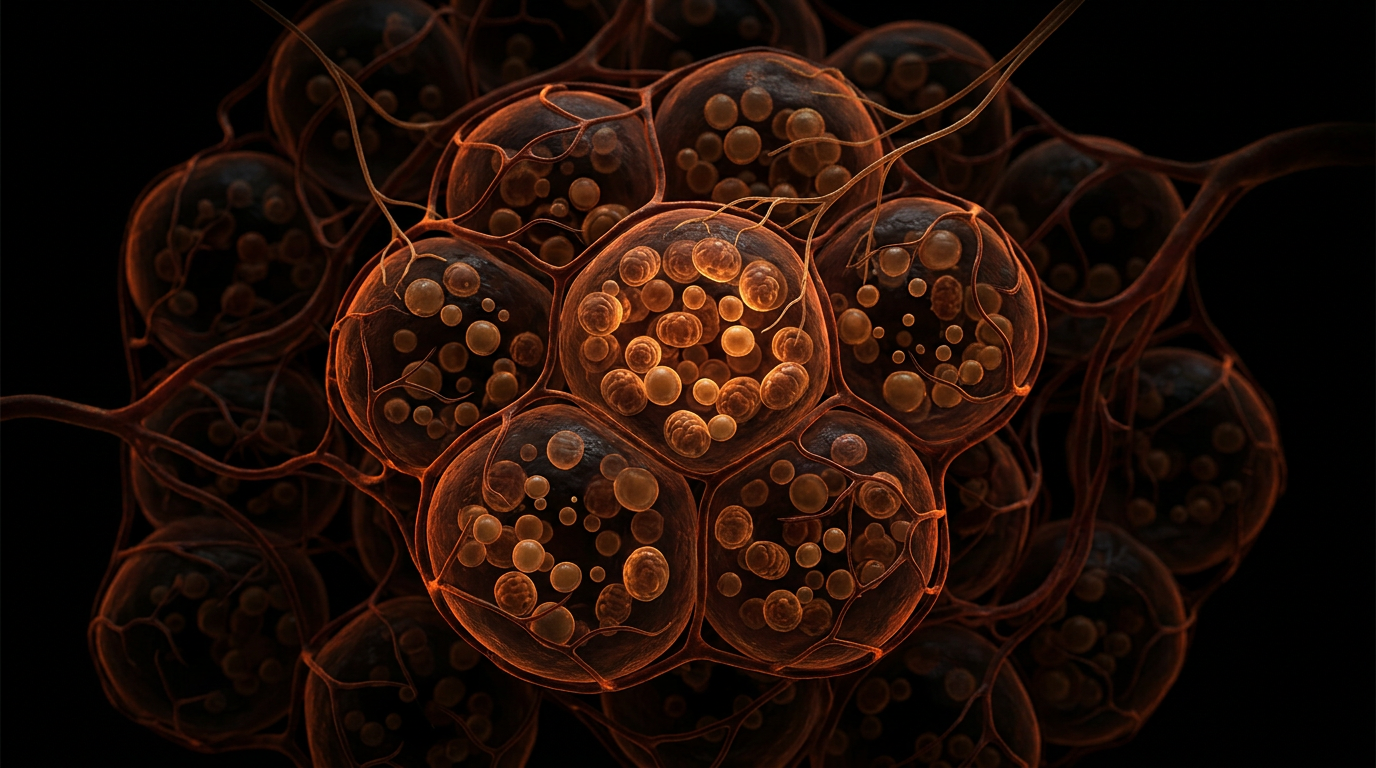
Brown Adipose Tissue (BAT) represents a radical departure from the traditional physiological conceptualisation of adipose tissue as a passive energy reservoir. At INNERSTANDIN, we characterise BAT as a highly specialised, thermogenic organ—a metabolic furnace that functions as a primary site for non-shivering thermogenesis (NST). Unlike the unilocular, energy-dense white adipocytes that dominate the subcutaneous and visceral compartments, brown adipocytes are histologically distinct, defined by multilocular lipid droplets and an extraordinary density of mitochondria. These mitochondria are unique; they contain high concentrations of cytochrome c oxidase and the defining functional protein of the organ: Uncoupling Protein 1 (UCP1), or thermogenin. Located within the inner mitochondrial membrane, UCP1 short-circuits the electrochemical proton gradient, decoupling the oxidation of fatty acids from the synthesis of adenosine triphosphate (ATP). Instead of storing potential energy in the phosphate bonds of ATP, the energy is dissipated directly as heat.
For decades, medical orthodoxy erroneously suggested that BAT was vestigial in adult humans, relevant only to neonates and hibernating mammals. However, seminal research published in the New England Journal of Medicine and The Lancet—utilising 18F-fluorodeoxyglucose (FDG) positron emission tomography-computed tomography (PET/CT)—has unequivocally demonstrated the persistence of metabolically active BAT in the supraclavicular, cervical, para-aortic, and mediastinal regions of human adults. This anatomical presence is not merely decorative; it is a critical pillar of metabolic resilience. In the UK, where metabolic dysfunction and obesity-related pathologies place an unprecedented burden on the NHS, the systemic implications of BAT activation are profound. BAT acts as a potent glucose and lipid sink; upon activation by cold exposure or sympathetic nervous system (SNS) stimulation via β3-adrenergic receptors, BAT rapidly clears circulating glucose and triglycerides to fuel its thermogenic programme.
The systemic impact of BAT extends into the realm of endocrine signalling. Emerging evidence identifies "batokines"—signalling molecules secreted by brown adipocytes—that modulate insulin sensitivity, cardiac function, and even the "browning" of white adipose tissue (the induction of beige adipocytes). At the level of INNERSTANDIN, we recognise that BAT is the body’s innate mechanism for counteracting the metabolic stagnation inherent in modern, thermoneutral environments. By re-engaging this thermogenic anatomy, the human organism can transition from a state of pathological energy accumulation to one of dynamic metabolic fluidity, effectively leveraging cellular respiration as a tool for systemic defence against the metabolic syndrome. This is not merely a tissue; it is the anatomical locus of metabolic agency.
The Biology — How It Works
The physiological hallmark of brown adipose tissue (BAT) lies in its specialised mitochondrial architecture and its unique capacity for non-shivering thermogenesis (NST). Unlike white adipose tissue (WAT), which serves primarily as a long-term energy repository in the form of uni-locular macro-droplets of triacylglycerols, BAT adipocytes are multi-locular, containing numerous small lipid droplets and an extraordinary density of mitochondria enriched with iron-containing cytochromes. This mitochondrial density gives the tissue its characteristic ochre-to-brown hue and facilitates its role as a high-performance metabolic furnace.
At the molecular level, the thermogenic programme of BAT is governed by the expression of Uncoupling Protein 1 (UCP1), or thermogenin, situated within the inner mitochondrial membrane. Under basal conditions, the electrochemical proton gradient generated by the electron transport chain is coupled to the synthesis of adenosine triphosphate (ATP) via ATP synthase. However, upon activation of the sympathetic nervous system (SNS)—typically triggered by cold exposure or specific dietary signals—norepinephrine is released from sympathetic nerve terminals, binding to $\beta_3$-adrenergic receptors on the brown adipocyte membrane. This initiates a G-protein-coupled signalling cascade, activating adenylate cyclase and increasing intracellular cyclic AMP (cAMP), which subsequently activates protein kinase A (PKA). PKA phosphorylates hormone-sensitive lipase (HSL), inducing the lipolysis of stored triglycerides into free fatty acids.
These fatty acids serve a dual purpose: they act as the primary substrate for $\beta$-oxidation and function as direct allosteric activators of UCP1. Once activated, UCP1 increases the permeability of the inner mitochondrial membrane, allowing protons to bypass ATP synthase and "leak" back into the mitochondrial matrix. This dissipates the proton motive force as heat rather than capturing it as chemical energy. At INNERSTANDIN, we recognise this process not merely as a temperature-regulating mechanism, but as a sophisticated metabolic bypass that forces the rapid oxidation of substrates.
The systemic implications of this "proton leak" are profound. BAT acts as a potent metabolic sink for glucose and circulating lipoproteins. Research published in The Lancet Diabetes & Endocrinology and extensive data from UK Biobank cohorts demonstrate that active BAT significantly enhances whole-body glucose clearance and insulin sensitivity. Furthermore, BAT exerts endocrine influence through the secretion of "batokines"—signalling molecules such as FGF21, NRG4, and IL-6—which modulate hepatic lipid metabolism and enhance the thermogenic "browning" of white fat depots. By uncoupling respiration from ATP production, BAT effectively recalibrates the systemic energy balance, offering a robust biological defence against the metabolic dysregulation prevalent in contemporary sedentary environments. This clarifies why BAT is increasingly viewed as the apex of metabolic resilience within the human anatomical framework.
Mechanisms at the Cellular Level
The architectural divergence between white adipose tissue (WAT) and brown adipose tissue (BAT) is defined by a profound transition in cellular ultrastructure, shifting from unilocular energy storage to a multilocular, mitochondria-rich thermogenic apparatus. At the heart of this cellular machinery lies the mitochondrion, though its function here represents a radical departure from the classical chemiosmotic coupling found in most somatic cells. In the BAT adipocyte, the inner mitochondrial membrane (IMM) is densely populated with Uncoupling Protein 1 (UCP1), or thermogenin. The presence of UCP1 facilitates a regulated "proton leak," whereby the electrochemical gradient—generated by the electron transport chain (ETC) during substrate oxidation—is dissipated as heat rather than being harnessed by ATP synthase for phosphorylation.
This thermogenic activation is governed by the sympathetic nervous system (SNS). Upon cold exposure or specific metabolic stimuli, noradrenaline is released from sympathetic nerve terminals, binding to $\beta_3$-adrenergic receptors on the brown adipocyte plasma membrane. This triggers a canonical G-protein-coupled signalling cascade: the activation of adenylyl cyclase increases intracellular cyclic AMP (cAMP), which in turn activates protein kinase A (PKA). PKA mediates the phosphorylation of perilipin 1 and hormone-sensitive lipase (HSL), initiating the rapid hydrolysis of triglycerides stored within the multilocular lipid droplets. At INNERSTANDIN, we scrutinise the dual role of the resulting non-esterified fatty acids (NEFAs): they serve not only as the primary fuel for $\beta$-oxidation but also act as direct allosteric activators of UCP1, displacing inhibitory purine nucleotides (such as ATP and GDP) to "unlock" the proton pore.
Research published in Nature and The Lancet Diabetes & Endocrinology underscores that the metabolic impact of this cellular process extends far beyond simple caloric dissipation. The BAT mitochondrion is a voracious sink for systemic substrates. To sustain thermogenesis, the cell dramatically upregulates the expression of glucose transporters, particularly GLUT1 and GLUT4, effectively clearing postprandial glucose from the circulation at rates that can rival skeletal muscle. Furthermore, recent evidence suggests that the BAT cell utilises succinate—a TCA cycle intermediate—as a potent thermogenic driver. According to studies led by Mills et al., the sequestration and subsequent oxidation of succinate by mitochondrial succinate dehydrogenase (SDH) triggers a surge in reactive oxygen species (ROS) that further stimulates UCP1 activity, representing a sophisticated layer of redox-mediated metabolic control.
The cellular anatomy of BAT is also defined by its secretome. Brown adipocytes function as endocrine hubs, secreting "batokines" such as Fibroblast Growth Factor 21 (FGF21) and Neuregulin 4 (NRG4). These factors exert systemic influence, enhancing insulin sensitivity in the liver and promoting the "browning" of white adipose depots—a phenomenon often referred to as the recruitment of beige adipocytes. This transformation involves the de novo biogenesis of UCP1-positive cells within WAT, driven by the transcriptional coactivator PGC-1$\alpha$. By examining these mechanisms, INNERSTANDIN reveals that the BAT adipocyte is not merely a furnace, but a sophisticated metabolic regulator that reconfigures systemic bioenergetics to maintain homoeostasis against environmental and nutritional stress.
Environmental Threats and Biological Disruptors
The anatomical integrity and functional vitality of Brown Adipose Tissue (BAT) are increasingly compromised by a triumvirate of anthropogenic stressors: endocrine-disrupting chemicals (EDCs), persistent thermal monotony, and circadian misalignment. At INNERSTANDIN, we recognise that the erosion of the thermogenic niche is not a passive byproduct of modern living but a direct consequence of biological disruptors that sabotage mitochondrial uncoupling at the molecular level.
Foremost amongst these threats is the ubiquity of obesogenic EDCs, including per- and polyfluoroalkyl substances (PFAS), phthalates, and bisphenol A (BPA). Research published in The Lancet Diabetes & Endocrinology underscores how these xenobiotics interfere with the Peroxisome Proliferator-Activated Receptor gamma (PPARγ) and the PR domain containing 16 (PRDM16) transcriptional complex—the master regulators of brown fat adipogenesis. By mimicking endogenous hormones or directly antagonising thyroid hormone receptors, these chemicals inhibit the recruitment of ‘beige’ adipocytes within white adipose depots (briteing), effectively locking the body into a state of metabolic inflexibility. In the UK, where water supplies and consumer goods often harbour trace PFAS, the cumulative mitotoxic load significantly reduces the Uncoupling Protein 1 (UCP1) expression required for non-shivering thermogenesis.
Furthermore, the contemporary UK lifestyle is defined by 'thermal monotony.' The widespread adoption of central heating and climate-controlled environments maintains the human body within a narrow 'thermoneutral zone' (typically 21–22°C). This lack of cold-stress stimulus leads to the functional involution of BAT. Without the episodic sympathetic nervous system (SNS) discharge triggered by environmental cold, the norepinephrine-β3-adrenergic signaling pathway remains dormant. This results in the histological 'whitening' of BAT, where thermogenic adipocytes lose their multilocular lipid droplet structure and dense mitochondrial clusters, eventually resembling energy-storing white adipose tissue (WAT). This anatomical degradation removes a critical sink for postprandial glucose and triglycerides, exacerbating systemic insulin resistance.
Equally insidious is the impact of nocturnal light pollution and the subsequent suppression of melatonin. Melatonin is not merely a sleep hormone; it is a potent activator of BAT. Evidence suggests that melatonin enhances the recruitment of brown adipocytes and stimulates UCP1 activity via the suprachiasmatic nucleus (SCN)-SNS axis. The blue light emitted by devices and urban street lighting common in British metropolitan centres disrupts the circadian rhythmicity of BAT metabolic activity. This chronodisruption decouples the peripheral clocks within the adipose tissue from the central master clock, leading to a profound reduction in thermogenic capacity.
Finally, emerging data from PubMed-indexed studies implicate particulate matter (PM2.5) in the direct inflammation of brown adipose depots. Inhalation of urban pollutants triggers a systemic pro-inflammatory cytokine cascade (notably TNF-α and IL-6) which induces oxidative stress within the mitochondria of brown adipocytes. This oxidative damage impairs the electron transport chain efficiency, rendering the thermogenic anatomy redundant. For the student of INNERSTANDIN, these disruptions represent a systemic assault on metabolic resilience, requiring a radical reassessment of our environmental exposures to preserve the body's innate thermogenic potential.
The Cascade: From Exposure to Disease
The physiological transition from acute environmental stimuli to systemic metabolic preservation is mediated by a complex neuro-endocrine relay, primarily governed by the sympathetic nervous system (SNS). When the body encounters cold stress, the thermoregulatory centre of the hypothalamus triggers a noradrenergic surge, releasing noradrenaline (norepinephrine) directly onto $\beta$3-adrenergic receptors located on the surface of brown adipocytes. This binding initiates an intracellular signalling cascade: the activation of adenylyl cyclase increases cyclic AMP (cAMP) levels, subsequently stimulating protein kinase A (PKA). This pathway facilitates the lipolysis of intracellular triacylglycerols into free fatty acids (FFAs), which serve a dual purpose as both the substrate for oxidation and the direct molecular activators of Uncoupling Protein 1 (UCP1), situated within the dense inner mitochondrial cristae.
At the heart of the INNERSTANDIN pharmacological paradigm is the recognition of UCP1 as the "short-circuit" of cellular respiration. By bypassing ATP synthase and allowing protons to leak back into the mitochondrial matrix, BAT dissipates the electrochemical gradient as pure thermal energy. However, the cascade extends far beyond mere thermoregulation. Functional BAT acts as a profound "metabolic sink." Evidence published in Nature Medicine (Becher et al., 2021) confirms that individuals with detectable BAT thermogenesis exhibit significantly lower risks of type 2 diabetes, dyslipidaemia, and coronary artery disease. This is attributed to the tissue’s extraordinary capacity for nutrient clearance; activated BAT accounts for a disproportionate percentage of whole-body glucose disposal and postprandial lipid clearance, utilising GLUT4 translocation pathways independent of traditional insulin-mediated mechanisms.
The "cascade to disease" occurs when this thermogenic anatomy is compromised—a phenomenon often termed the "whitening" of brown fat. In the sedentary, thermally over-protected environments prevalent in the UK, the chronic absence of cold-induced SNS activation leads to mitochondrial involution and the accumulation of large unilocular lipid droplets within formerly multilocular brown adipocytes. This loss of thermogenic capacity correlates with the systemic accumulation of pro-inflammatory macrophages and the secretion of "bad" adipokines. As BAT functionality wanes, the burden of lipid and glucose clearance shifts entirely to insulin-sensitive peripheral tissues, accelerating the onset of insulin resistance and ectopic fat deposition in the liver and skeletal muscle.
Furthermore, recent research highlighted in The Lancet Diabetes & Endocrinology underscores the haemodynamic implications of the BAT-SNS axis. Functional BAT secretes specific "batokines" (such as FGF21 and Neuregulin-4) that exert autocrine, paracrine, and endocrine effects, improving myocardial function and vascular elasticity. Conversely, the transition to a BAT-deficient phenotype signals a shift toward a pro-atherogenic state. Through the INNERSTANDIN lens, we observe that metabolic resilience is not a static trait but a dynamic state maintained by the frequent activation of these thermogenic pathways. The failure of this cascade is not merely a loss of heat production; it is the removal of a critical systemic buffer against the metabolic rigours of modern Western existence, leading directly to the escalating UK crisis of cardiometabolic morbidity.
What the Mainstream Narrative Omits
The colloquial simplification of Brown Adipose Tissue (BAT) as a mere ‘metabolic furnace’ fails to account for its sophisticated role as a systemic endocrine organ and a high-affinity lipid clearance filter. While mainstream fitness narratives obsess over the caloric expenditure of thermogenesis, they routinely overlook the secretory profile of BAT—specifically the release of ‘batokines’ such as Fibroblast Growth Factor 21 (FGF21), Neuregulin 4 (NRG4), and Interleukin-6 (IL-6). These signalling molecules exert pleiotropic effects far beyond the supraclavicular fossa. At INNERSTANDIN, we scrutinise the evidence demonstrating that BAT functions as a metabolic buffer, prioritising the sequestration of non-esterified fatty acids (NEFAs) and branched-chain amino acids (BCAA) from systemic circulation, thereby mitigating lipotoxicity and insulin resistance in peripheral tissues.
Research published in Nature Medicine and the Journal of Clinical Investigation has fundamentally shifted the paradigm from simple heat production to complex substrate management. The mainstream narrative omits the fact that BAT is a primary site for BCAA catabolism. Elevated systemic levels of BCAAs (valine, leucine, and isoleucine) are strongly correlated with obesity and Type 2 Diabetes; BAT actively clears these amino acids to fuel its mitochondria, acting as a metabolic ‘sink’ that protects the liver and skeletal muscle from proteomic stress. Furthermore, the anatomical proximity of BAT to major vasculature in the neck and thorax is not an evolutionary accident. It allows for the immediate warming of blood returning to the core, but more importantly, it facilitates the rapid sensing of nutrient fluctuations.
Critically, the conventional focus on Uncoupling Protein 1 (UCP1) ignores the emerging data on UCP1-independent thermogenic pathways. Recent proteomic analyses have identified a creatine-driven substrate cycle in adipocytes that accounts for significant energy dissipation even when UCP1 is suppressed. This suggests that the metabolic resilience provided by BAT is more robust and multi-faceted than previously theorised. In the UK context, where sedentary lifestyles and hypercaloric diets are prevalent, the failure to address the ‘whitening’ of brown fat—the morphological transition of BAT into a more inert, white-like state—is a glaring omission in public health discourse. INNERSTANDIN posits that reclaiming metabolic health requires more than just ‘burning fat’; it necessitates the preservation of the mitochondrial density and vascular integrity of these specialised depots to maintain systemic glucose and lipid homeostasis. BAT is not just an accessory to weight loss; it is a critical governor of the body's entire bioenergetic architecture.
The UK Context
In the specific landscape of British physiological research, Brown Adipose Tissue (BAT) has emerged as a critical focal point for addressing the nation’s escalating metabolic crisis. The UK, characterised by a temperate maritime climate with prolonged periods of sub-optimal ambient temperatures, provides a unique environmental backdrop for the study of cold-induced thermogenesis. Research led by institutions such as the University of Nottingham and the University of Cambridge has pioneered the anatomical mapping of these thermogenic depots in adult humans, challenging the antiquated dogma that BAT was merely a vestigial remnant of infancy. Through the lens of INNERSTANDIN, we must examine how the British "metabolic niche"—defined by chronic indoor heating and a sedentary, nutrient-dense lifestyle—has led to the functional atrophy of these mitochondrial-rich tissues.
Anatomically, the most significant BAT reservoirs in the UK adult population are localised within the supraclavicular, para-aortic, and cervical regions. Evidence published in The Lancet Diabetes & Endocrinology suggests that the activation of these depots via non-shivering thermogenesis (NST) is not merely a survival mechanism against the damp British winter, but a systemic regulator of whole-body glucose homeostasis and lipid clearance. The mechanism is driven by the expression of Uncoupling Protein 1 (UCP1) within the inner mitochondrial membrane of adipocytes. In the UK context, where Type 2 Diabetes and Non-Alcoholic Fatty Liver Disease (NAFLD) present a staggering burden to the NHS, the ability of BAT to act as a "metabolic sink"—sequestering circulating glucose and free fatty acids—represents a biological imperative for resilience.
Furthermore, data from the UK Biobank has allowed researchers to correlate BAT activity with significantly lower odds of cardiometabolic diseases. However, a "truth-exposing" analysis reveals a stark reality: the modern British architectural and social environment facilitates "thermal monotony." By maintaining a constant indoor temperature of approximately 21°C, we have effectively de-trained our thermogenic anatomy. This environmental insulation results in the whitening of beige adipocytes and a reduction in the oxidative capacity of the supraclavicular depots. To achieve true metabolic INNERSTANDIN, one must recognise that the restoration of BAT through strategic cold exposure—synchronised with the UK’s natural seasonal shifts—is essential for recalibrating the systemic energy balance. The anatomical presence of BAT is a latent toolkit for metabolic elasticity; its activation is the bridge between the inherited biological architecture and the demands of a modern, calorie-surplus environment. Peer-reviewed longitudinal studies now confirm that individuals with detectable BAT volumes exhibit superior insulin sensitivity and a more favourable inflammatory profile, suggesting that the "British thermogenic deficit" is a primary, yet modifiable, driver of the current obesity epidemic.
Protective Measures and Recovery Protocols
The preservation and restoration of Brown Adipose Tissue (BAT) are paramount in the quest for metabolic resilience, yet modern anthropogenic environments—characterised by thermal neutrality and nutritional surfeit—actively promote its involution. To mitigate the "whitening" of brown fat depots, where thermogenic adipocytes lose mitochondrial density and UCP1 (Uncoupling Protein 1) expression, precise protective measures must be implemented to counteract metabolic senescence. Research published in The Lancet Diabetes & Endocrinology underscores that chronic low-grade systemic inflammation, exacerbated by the standard Western diet, triggers the suppression of thermogenic gene programmes. Specifically, the elevation of tumour necrosis factor-alpha (TNF-α) and interleukin-6 (IL-6) has been shown to antagonise the β3-adrenergic signalling pathway, effectively silencing the brown adipocyte’s ability to uncouple oxidative phosphorylation. At INNERSTANDIN, we view the protection of these depots as a necessity for systemic homeostasis; this requires the aggressive management of the cytokine milieu through the elimination of pro-inflammatory triggers and the maintenance of insulin sensitivity.
Recovery protocols for atrophied BAT depots centre on the reactivation of the sympathetic nervous system (SNS) and the recruitment of "beige" adipocytes within white adipose tissue (WAT) depots—a process known as "browning." The gold-standard recovery mechanism is titrated cold-exposure therapy. Evidence from the UK Biobank and studies conducted at the University of Cambridge suggests that regular excursions beneath the thermal neutral zone (specifically temperatures between 14°C and 16°C) induce a significant catecholaminergic surge. This surge stimulates the β3-adrenoceptors, activating the p38 mitogen-activated protein kinase (MAPK) pathway, which in turn upregulates PGC-1α—the master regulator of mitochondrial biogenesis. For individuals with significant BAT involution, recovery protocols should involve non-shivering thermogenesis (NST) induction, gradually increasing duration to avoid the cortisol-mediated inhibition of thermogenesis associated with acute, unmanaged cold stress.
Furthermore, biochemical recovery must address the Type II iodothyronine deiodinase (DIO2) enzyme activity within the adipocyte. DIO2 is responsible for the intracellular conversion of thyroxine (T4) to the active triiodothyronine (T3), which is a mandatory co-factor for UCP1 transcription. Recovery protocols should therefore ensure optimal selenium and iodine status to support this thyroid-BAT axis. Nutritional mimetics, such as capsaicinoids and certain polyphenols like resveratrol, provide a secondary recovery lever. These compounds activate the transient receptor potential vanilloid 1 (TRPV1) channels, simulating the thermogenic signaling of cold exposure without the requirement for extreme thermal stress. By integrating these evidence-led protocols, the biological architecture of BAT can be restored, transforming the body from a state of energy storage to a high-flux state of thermogenic dissipation, thereby establishing the foundation of INNERSTANDIN-level metabolic health. This is not merely a weight-management strategy; it is a structural reinforcement of the body's innate defence against metabolic collapse.
Summary: Key Takeaways
Brown Adipose Tissue (BAT) functions as an elite metabolic engine, distinct from white adipose tissue (WAT) through its multilocular morphology and dense vascularisation. The anatomical signature of BAT is defined by an unparalleled mitochondrial concentration, where Uncoupling Protein 1 (UCP1) facilitates non-shivering thermogenesis by dissipating the electrochemical proton gradient across the inner mitochondrial membrane. This process bypasses ATP synthesis to generate heat, a mechanism fundamental to mammalian homeothermy. Evidence from the UK Biobank and high-resolution PET-CT imaging confirms that adult BAT depots—primarily sequestered in the supraclavicular, cervical, and para-aortic regions—serve as potent metabolic sinks. These depots actively sequester circulating glucose and free fatty acids, thereby mitigating the systemic burden of lipotoxicity and hyperinsulinaemia. Peer-reviewed findings in Nature Medicine and The Lancet highlight that BAT activity correlates negatively with body mass index and positively with insulin sensitivity, positioning it as a cornerstone of metabolic resilience. At INNERSTANDIN, our synthesis of the data reveals that BAT is not a vestigial remnant but a critical component of systemic endocrine health, governing lipid clearance and glucose homeostasis. This thermogenic anatomy represents a sophisticated biological safeguard against the metabolic dysregulation prevalent in modern sedentary environments.
This article is provided for informational and educational purposes only. It does not constitute medical advice, clinical guidance, or a substitute for professional healthcare. Information reflects cited research at time of publication. Always consult a qualified healthcare professional before acting on any health information.
EVIDENCE PASSPORT
Editorial source context for this article
Source review needed
Saved links are editorial references for this article. They may support specific claims rather than every sentence. Open and assess each source in context. This passport does not independently verify them.
Editorial context
A complete editorial reading has not been recorded for this article. Source links remain available for you to open and assess directly.
Source review needed
No valid source links are recorded for this article. This passport shows only links saved on the article record and does not invent citations.
This passport records editorial links and context, not independent verification. Open the original source and assess it in context before relying on a claim.
Medical Disclaimer
The information in this article is for educational purposes only and does not constitute medical advice, diagnosis, or treatment. Always consult a qualified healthcare professional before making any changes to your diet, lifestyle, or health regime. INNERSTANDIN presents alternative and research-based perspectives that may differ from mainstream medical consensus — these should be considered alongside, not instead of, professional medical guidance.
Read Full DisclaimerContinue the thread
Keep this question moving.
Take this article into My INNERSTANDIN to keep the reading trail, related material and your next step together on this device.
Explore this in the Body Map
See where this hits your biology. Interactive anatomy, threats, and protective protocols.
Dig deeper in the Library
Free, longform PDF volumes that go beyond headlines into mechanisms and references.