
Mitochondrial Memory of UK Food Insecurity
Updated May 2026
Nutritional deficits in the UK's most deprived regions lead to mitochondrial dysfunction that acts as a somatic record of scarcity. We discuss how cellular energy centers retain the biological signature of metabolic trauma.
Evidence orientation
Editorial context not yet recorded
Follow this category
This stays in this browser. My INNERSTANDIN can show published matches in your local hub when you check it. It does not send email, push, or alert notifications.
Local learning review
A private browser aid for revisiting ideas. It is not an alert or a health recommendation.
Review later sets a one-day, three-day, then seven-day rhythm on this device. Choose it only when you want to revisit this article.
Overview
In the contemporary landscape of the United Kingdom, a nation paradoxically defined by its immense historical wealth and its burgeoning queues at community food banks, a silent biological record is being inscribed into the very fabric of the population. As a senior researcher for INNERSTANDING, my objective is to peel back the veneer of socio-political discourse and expose the raw, cellular reality of deprivation. We are not merely witnessing a social crisis; we are observing a multi-generational biological restructuring.
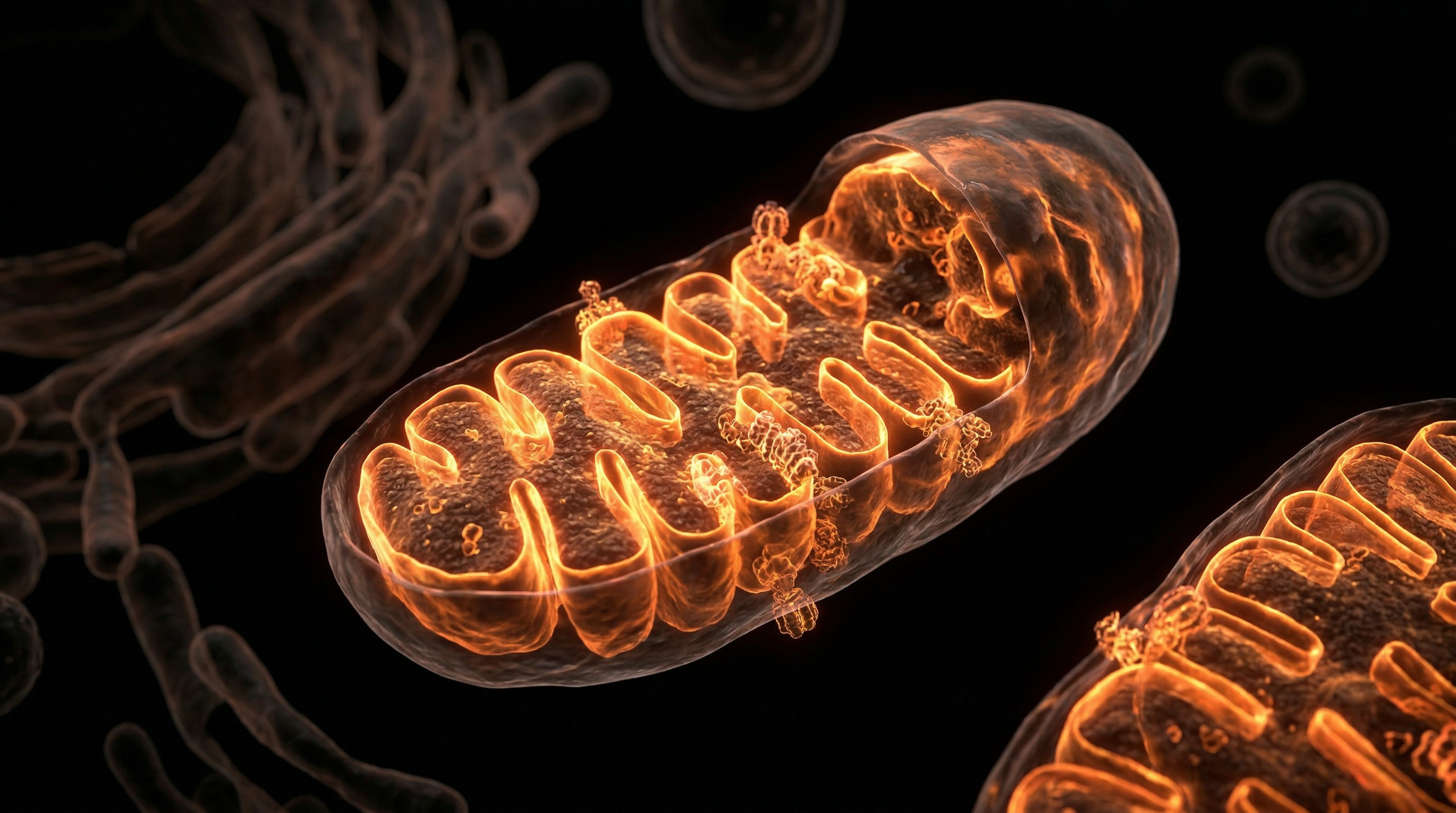
The concept of Mitochondrial Memory posits that our cellular energy centres—the mitochondria—function as sophisticated environmental sensors. They do not simply produce Adenosine Triphosphate (ATP); they archive the history of our metabolic environment. When an individual in a deprived region of the UK, such as the deindustrialised hubs of the North or the neglected estates of East London, experiences prolonged nutritional scarcity or the ingestion of nutrient-void, ultra-processed "filler" foods, their mitochondria undergo a functional and structural shift.
This is the Somatic Record of Scarcity. It is a biological signature that persists long after a meal is finally consumed. It is a state of "metabolic trauma" where the cell, anticipating future deprivation, enters a defensive, pro-inflammatory posture. This article explores how food insecurity in the UK is driving a nationwide epidemic of mitochondrial dysfunction, effectively "programming" the British working class for chronic illness and premature senescence.
The Biology — How It Works
To understand mitochondrial memory, one must first appreciate the unique status of the mitochondrion within the human cell. Derived from ancient proteobacteria through endosymbiosis, mitochondria possess their own circular DNA (mtDNA), which is separate from the nuclear DNA (nDNA) housed in the cell's nucleus. Unlike nDNA, mtDNA lacks the protective coating of histone proteins and possesses limited repair mechanisms, making it exquisitely sensitive to oxidative stress and nutritional fluctuations.
The Sensor-Signaller Paradigm
Mitochondria are the only organelles that sit at the intersection of metabolism and gene expression. They are not passive furnaces; they are active "interpreters" of the external world. When nutrient availability is low, or when the "fuel" provided is of poor quality (high-sugar, high-fat, low-micronutrient), the Electron Transport Chain (ETC)—the series of protein complexes that generate energy—begins to "leak" electrons.
These leaked electrons form Reactive Oxygen Species (ROS). In a healthy state, low levels of ROS act as vital signalling molecules. However, under the chronic stress of food insecurity, ROS production becomes a torrential flood. This flood triggers a cascade known as Retrograde Signalling, where the mitochondria send urgent "emergency" signals to the nucleus, demanding changes in gene expression to survive the perceived famine.
Metabolic Imprinting
This process leads to metabolic imprinting. The cell "remembers" the period of scarcity by altering the methylation patterns of both nuclear and mitochondrial DNA. This is a survival mechanism designed to slow down the metabolism to conserve energy—a phenomenon known as the "Thrifty Phenotype." However, in the modern UK environment, where high-calorie but nutrient-poor food is the cheapest option, this "thrifty" programming becomes a death sentence, leading to rapid fat storage and systemic insulin resistance.
Fact: Mitochondria produce approximately 90% of the energy required by the human body, but they also generate 90% of the body's internal free radicals, making them the primary site of both life and biological decay.
Mechanisms at the Cellular Level
The "memory" of food insecurity is stored through several distinct cellular mechanisms that alter how the body processes energy for decades.
1. mtDNA Heteroplasmy and Damage
Under conditions of nutritional neglect, the mitochondrial genome undergoes mutations. Because a single cell contains hundreds or thousands of mitochondria, a mix of healthy and mutated DNA can exist—a state called heteroplasmy. Scarcity increases the ratio of "broken" mitochondria. These damaged organelles are less efficient at burning fuel, leading to a state of chronic cellular fatigue that no amount of sleep can rectify.
2. Mitophagy Failure
In a healthy body, a process called mitophagy (cellular recycling) identifies and destroys dysfunctional mitochondria. However, the chronic stress associated with poverty and food insecurity inhibits the PINK1/Parkin pathway, which governs this recycling. The result is a build-up of "zombie" mitochondria that do not produce energy efficiently but continue to leak pro-inflammatory signals into the cytoplasm.
3. The Bottleneck of the Krebs Cycle
The TCA (Krebs) Cycle requires a specific suite of micronutrients to function: Magnesium, Thiamine (B1), Riboflavin (B2), and Iron. The UK's "hidden hunger"—where individuals are calorie-sufficient but micronutrient-deficient—causes a bottleneck in this cycle.
- Pyruvate Dehydrogenase (PDH) becomes inhibited.
- The cell shifts toward Glycolysis (anaerobic metabolism) even when oxygen is present.
- This is the "Warburg-like" shift typically seen in cancer cells, but here it is driven by the structural deprivation of the British food system.
4. Epigenetic "Scars"
Mitochondrial stress influences histone acetylation in the nucleus. By limiting the availability of Acetyl-CoA (a key metabolic intermediary), nutrient scarcity prevents the "opening" of genes associated with growth and repair, keeping the body in a permanent "defensive" or "stunted" genetic state.
Environmental Threats and Biological Disruptors
The mitochondrial memory of scarcity in the UK is not solely a result of missing calories; it is exacerbated by the presence of "biological disruptors" prevalent in low-income food environments.
Ultra-Processed Foods (UPFs) as Mitochondrial Toxins
In the UK, the cheapest calories are found in UPFs, which now make up over 50% of the national diet—the highest in Europe. These foods contain emulsifiers, artificial sweeteners, and industrial seed oils that directly impair the mitochondrial membrane's integrity. High fructose corn syrup, common in cheap British snacks, causes fructolysis in the liver, which bypasses the usual metabolic "brakes" and causes an immediate, damaging surge of ATP depletion in the mitochondria.
The Glyphosate Factor
UK industrial agriculture relies heavily on glyphosate-based herbicides. Research suggests glyphosate can act as a mitochondrial uncoupler, disrupting the delicate proton gradient across the inner mitochondrial membrane. For those living in "food deserts" where fresh, organic produce is economically inaccessible, the cumulative load of these residues acts as a persistent chemical stressor that reinforces the "memory" of environmental hostility.
Psychosocial Stress and Cortisol
Mitochondria possess receptors for glucocorticoids (stress hormones). The chronic anxiety of "heat or eat" decisions, common in millions of UK households, keeps cortisol levels chronically elevated. Cortisol directly enters the mitochondria and inhibits the expression of mtDNA-encoded genes. This creates a feedback loop: the stress of poverty damages the mitochondria, and damaged mitochondria reduce the brain's resilience to stress, locking the individual in a state of physiological and psychological exhaustion.
Statistic: According to the Food Foundation, approximately 17% of households in the UK experienced food insecurity in 2023, a figure that rises significantly in households with children and those in the lowest income decile.
The Cascade: From Exposure to Disease
The mitochondrial signature of scarcity does not remain a silent cellular record; it cascades into the clinical pathologies that define the UK’s modern health crisis.
The Pro-Inflammatory State
Damaged mitochondria release their DNA into the cytoplasm. Because mtDNA resembles bacterial DNA (due to its endosymbiotic origins), the cell’s innate immune system (the cGAS-STING pathway) mistakes it for an invading pathogen. This triggers a state of sterile inflammation. This is why poverty in the UK is so closely linked to "inflammaging"—the premature aging of the immune system and the onset of inflammatory diseases like rheumatoid arthritis and cardiovascular disease in young adults.
The Insulin Resistance Trap
When mitochondria are "programmed" for scarcity, they become resistant to burning fuel. When a person who has experienced food insecurity finally eats a meal high in carbohydrates (the cheapest fuel), their mitochondria cannot "flex" to oxidise the glucose. This leads to metabolic inflexibility. The glucose is shunted into adipose tissue (fat), but because the mitochondria in those fat cells are also dysfunctional, the fat becomes "inflamed," leading to Type 2 Diabetes.
Neurological Erosion
The brain is the most energy-demanding organ, containing the highest density of mitochondria per cell. The mitochondrial memory of deprivation is a primary driver of the "brain fog," depression, and cognitive decline seen in areas of high social deprivation. When the "power plants" of the neurons are damaged by early-life scarcity, the result is a reduced capacity for neuroplasticity and an increased vulnerability to neurodegenerative diseases in later life.
What the Mainstream Narrative Omits
The mainstream medical and political narrative in the UK consistently fails to address the mitochondrial dimension of poverty, opting instead for a rhetoric of "individual responsibility" and "lifestyle choices."
The Myth of "Caloric Balance"
Public health campaigns like "Eat Well" or "Change4Life" focus almost exclusively on calories in vs. calories out. This ignores the qualitative impact of nutrients on mitochondrial signalling. You cannot "balance" the damage done by glyphosate-laden, micronutrient-stripped wheat with a few minutes of jogging. The damage is structural and epigenetic; it is a "memory" that dictates how every calorie is processed.
The Transgenerational Silence
One of the most suppressed truths is that mitochondrial memory is heritable. Since mitochondria are inherited exclusively from the mother, the nutritional stress experienced by a woman in a deprived UK borough is passed directly to her children through the oocyte (egg cell). We are seeing the "biological debt" of the 1980s and the 1990s deindustrialisation manifesting in the current generation’s metabolic health. This is not "bad genetics"; it is inherited metabolic trauma.
The Industrial Complicity
The UK food industry has designed products to be "hyper-palatable," which specifically targets the mitochondrial reward pathways. By stripping fibre and micronutrients, they ensure that the body never feels truly "fed" at a cellular level, regardless of how many calories are consumed. This creates a cycle of "cellular starvation" amidst a sea of caloric surplus—a nuance the government refuses to regulate for fear of economic fallout.
The UK Context
The UK presents a unique case study in mitochondrial memory due to its extreme regional inequalities and the legacy of "Austerity" (2010–present).
The North-South Divide
In regions like the North East of England and parts of Scotland, life expectancy is stalling or falling. This is often attributed to "lifestyle," but biological research suggests a deeper "regional epigenetics." The cumulative impact of decades of economic neglect has created a "somatic atmosphere" where the mitochondria of the population are conditioned for a state of permanent "emergency."
The "Heat or Eat" Dilemma and Winter Metabolism
The UK’s current energy crisis adds another layer. Mitochondria are the primary source of thermogenesis (body heat). When individuals cannot afford to heat their homes, their mitochondria are forced to redirect energy away from cellular repair and toward maintaining core temperature. When this is coupled with food insecurity, the "metabolic drain" is doubled. This winter-time deprivation leaves a lasting "epigenetic scar" that persists even into the warmer months.
The "Glasgow Effect"
The unexplained high levels of poor health in Glasgow, even when compared to cities with similar levels of deprivation like Liverpool or Manchester, may be explained through the lens of mitochondrial trauma. The combination of chronic vitamin D deficiency (due to latitude), poor diet, and intense psychosocial stress creates a "perfect storm" for mitochondrial collapse, leading to a population with a biologically older age than their chronological years.
Callout: In some of the most deprived wards in the UK, healthy life expectancy is nearly 20 years shorter than in the most affluent areas. This gap is not just social; it is a measurement of mitochondrial decay.
Protective Measures and Recovery Protocols
While the "memory" of scarcity is deep-seated, the mitochondria are remarkably plastic. Recovery is possible, but it requires a departure from mainstream advice.
1. The Micronutrient Rescue
To "reset" the mitochondrial memory, the body must be flooded with the co-factors it was denied.
- Magnesium Bisglycinate: Essential for all ATP-related reactions.
- Active B-Complex (Methylated): To bypass the metabolic bottlenecks in the Krebs cycle.
- Coenzyme Q10 (Ubiquinol): To support the Electron Transport Chain and reduce electron leakage.
2. Hormetic Stress (The Good Stress)
To purge the "zombie" mitochondria, one must induce mitophagy.
- Intermittent Fasting: Unlike the uncontrolled fasting of food insecurity, controlled fasting (16:8) allows the body to activate the AMPK pathway and clear out damaged organelles.
- Cold Exposure: Brief exposure to cold (e.g., cold showers) stimulates the production of "brown fat," which is rich in healthy, thermogenic mitochondria.
3. Red Light Therapy (Photobiomodulation)
Mitochondria contain a light-sensitive enzyme called Cytochrome c Oxidase. Exposure to near-infrared light (found in natural sunlight or specialized lamps) can stimulate ATP production and reduce inflammation, effectively "jump-starting" the cellular engine that was stalled by nutritional trauma.
4. Policy as Medicine
At a senior level, we must advocate for "Mitochondrial Food Security." This means moving beyond "cheap calories" and ensuring that the most vulnerable have access to nutrient-dense, bioavailable foods. The fortification of flour with folic acid (recently implemented in the UK) is a start, but it is insufficient. We need a "Soil-to-Cell" revolution that restores the mineral density of British produce.
Summary: Key Takeaways
- Mitochondria are Biological Archives: They do not just produce energy; they store a chemical record of nutritional scarcity and environmental stress.
- The UK Scarcity Crisis is Cellular: Food insecurity in the UK is causing widespread mitochondrial dysfunction, leading to a "thrifty phenotype" that causes obesity and diabetes when combined with cheap, ultra-processed foods.
- The Damage is Heritable: Maternal nutritional stress in the UK's deprived regions is passed down via mtDNA, creating a transgenerational cycle of poor health.
- Hidden Hunger: Caloric sufficiency does not mean nutritional health. The UK suffers from "cellular starvation" where the body has plenty of fuel but lacks the micronutrients (magnesium, B-vitamins) to burn it.
- Inflammation is the Result: Damaged mitochondria trigger the immune system, leading to the "inflammaging" and chronic disease characteristic of the UK's lower-income populations.
- Recovery Requires Specific Intervention: Resetting mitochondrial memory requires controlled hormetic stress (fasting/cold), targeted micronutrient therapy, and a rejection of the ultra-processed food system.
The "Mitochondrial Memory of UK Food Insecurity" is more than a scientific observation; it is a cellular indictment of a system that treats nutrition as a luxury rather than a fundamental biological right. As researchers, our duty is to expose these somatic truths, for the record of scarcity is written in a language that the body never forgets.
This article is provided for informational and educational purposes only. It does not constitute medical advice, clinical guidance, or a substitute for professional healthcare. Information reflects cited research at time of publication. Always consult a qualified healthcare professional before acting on any health information.
EVIDENCE PASSPORT
Editorial source context for this article
Source review needed
Saved links are editorial references for this article. They may support specific claims rather than every sentence. Open and assess each source in context. This passport does not independently verify them.
Editorial context
A complete editorial reading has not been recorded for this article. Source links remain available for you to open and assess directly.
Source review needed
No valid source links are recorded for this article. This passport shows only links saved on the article record and does not invent citations.
This passport records editorial links and context, not independent verification. Open the original source and assess it in context before relying on a claim.
Medical Disclaimer
The information in this article is for educational purposes only and does not constitute medical advice, diagnosis, or treatment. Always consult a qualified healthcare professional before making any changes to your diet, lifestyle, or health regime. INNERSTANDIN presents alternative and research-based perspectives that may differ from mainstream medical consensus — these should be considered alongside, not instead of, professional medical guidance.
Read Full DisclaimerContinue the thread
Keep this question moving.
Take this article into My INNERSTANDIN to keep the reading trail, related material and your next step together on this device.
Explore this in the Body Map
See where this hits your biology. Interactive anatomy, threats, and protective protocols.
Dig deeper in the Library
Free, longform PDF volumes that go beyond headlines into mechanisms and references.