Red Light Therapy: Photobiomodulation for Targeted Follicle Stimulation
Photobiomodulation uses specific wavelengths of red light to increase ATP production within follicle cells. This non-invasive method is proving effective for stimulating new growth and increasing density.
Overview
In the modern era, we are witnessing a quiet but devastating crisis of biological degeneration. Nowhere is this more visible—literally—than in the escalating rates of premature hair loss, thinning, and follicular miniaturisation currently sweeping through the United Kingdom. While mainstream dermatology frequently dismisses hair loss as an inevitable consequence of genetics or "normal" ageing, the reality is far more complex and, fortunately, more controllable.
As a senior biological researcher for INNERSTANDING, my objective is to peel back the layers of superficial topical treatments and look directly into the engine room of the cell. The solution to follicular revitalisation does not lie in toxic chemicals or invasive surgeries, but in the fundamental language of life itself: light.
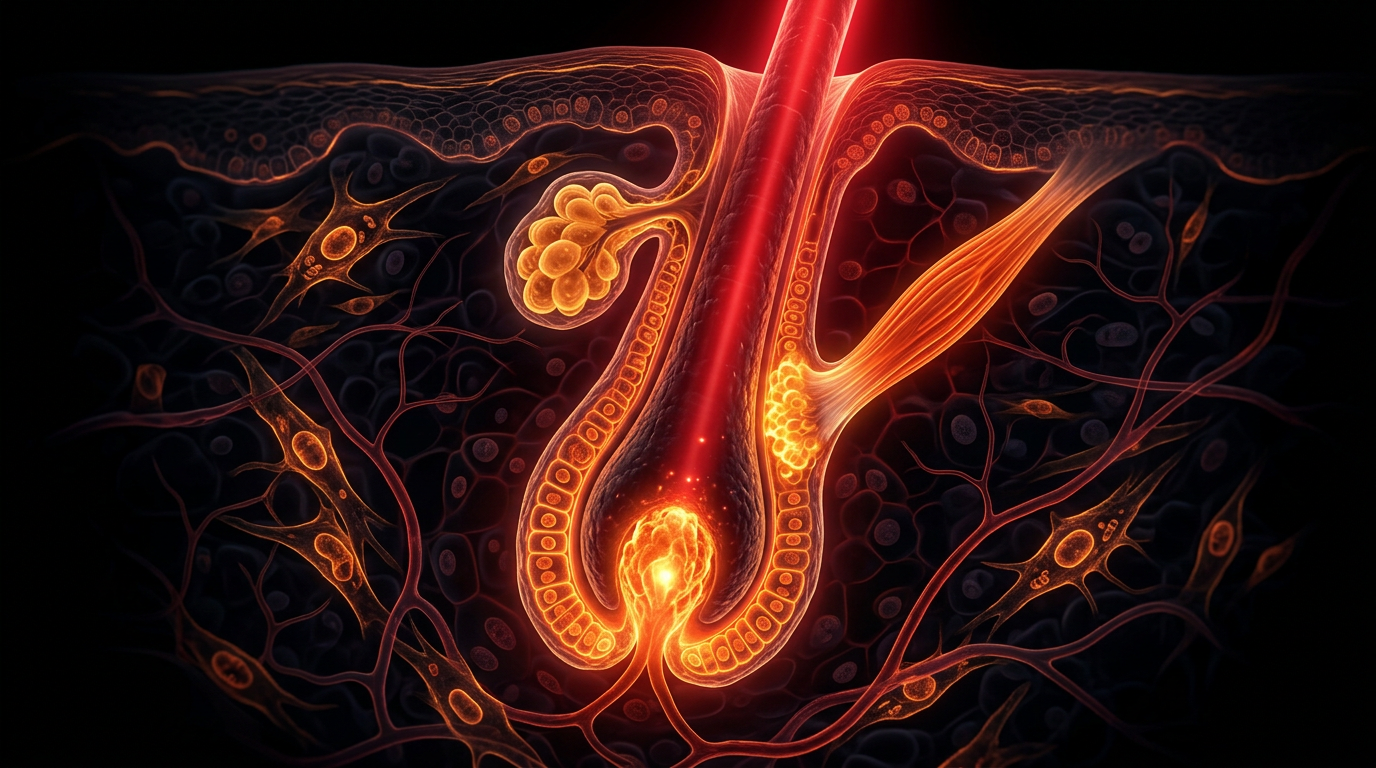
Photobiomodulation (PBM), or Red Light Therapy (RLT), represents a monumental paradigm shift in how we approach hair health. It is the process of using specific, coherent wavelengths of light—typically in the red (630–670nm) and near-infrared (810–850nm) spectrum—to communicate with the mitochondria within the hair follicle. This is not "alternative" medicine; it is quantum biology in action. By bypassing the digestive system and the blood-brain barrier, red light delivers energy directly to the dermal papilla cells, the "command centre" of the hair follicle.
We are currently living through a "light famine." Our ancestors evolved under the full spectrum of the sun, yet modern Britons spend upwards of 90% of their time indoors under "junk light" (LEDs and fluorescents) that is devoid of the regenerative red frequencies. This article serves as a comprehensive dossier on why your follicles are starving for light, how PBM can reignite the growth cycle, and why the mainstream narrative has kept you in the dark about this cellular revolution.
The Biology — How It Works
Methylene Blue – Advanced Cellular Chemistry
A pharmaceutical-grade compound designed to optimise mitochondrial function and cellular energy production. This high-purity formula supports metabolic efficiency and mental clarity by acting as a powerful electron donor within your cells.
Vetting Notes
Pending
To understand why red light is the "master key" to hair growth, we must first understand the hair follicle's unique biological demands. The hair follicle is one of the most metabolically active "mini-organs" in the human body. To produce a single strand of hair, the follicle must engage in rapid cellular division, protein synthesis (keratinisation), and constant cyclical remodelling.
The Hair Growth Cycle
The follicle operates in three distinct phases:
- —Anagen (Growth Phase): The active phase where the follicle is deeply rooted and rapidly producing hair. This can last 2–7 years.
- —Catagen (Transition Phase): A short period where the hair stops growing and the follicle shrinks.
- —Telogen (Resting Phase): The hair is eventually shed, and the follicle remains dormant before re-entering Anagen.
In cases of Androgenetic Alopecia (AGA) or Telogen Effluvium, the Anagen phase is progressively shortened while the Telogen phase lengthens. This leads to miniaturisation, where the hair becomes thinner, shorter, and eventually ceases to break the surface of the scalp.
The Role of the Dermal Papilla
At the base of the hair follicle lies the dermal papilla (DP). These specialised fibroblasts are the architects of the hair. They control the size of the hair shaft and the duration of the growth cycle. The DP cells are exceptionally sensitive to oxidative stress and energy depletion. When the DP cells lose their mitochondrial efficiency, they can no longer signal the surrounding stem cells to divide. This is where Photobiomodulation intervenes. It provides the "bio-energetic" spark required to kick a dormant follicle out of Telogen and back into a robust, prolonged Anagen phase.
Callout Fact: According to the British Association of Dermatologists, approximately 50% of men over the age of 50 and 50% of women over the age of 65 experience significant hair thinning. However, emerging data suggests these figures are shifting significantly toward younger demographics due to environmental stressors and "light deficiency."
Mechanisms at the Cellular Level
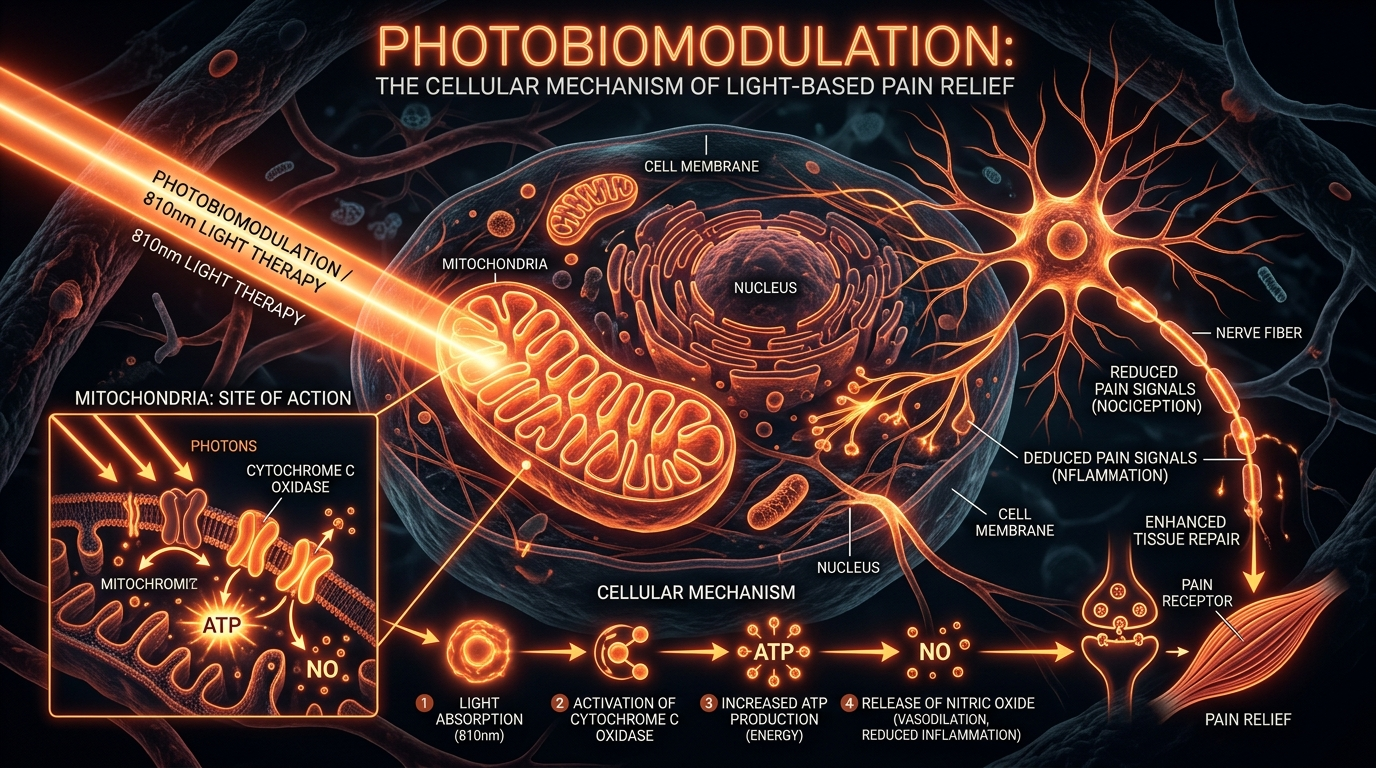
The magic of PBM is not magic at all—it is hard biochemistry. The primary target of red and near-infrared light is a protein within our mitochondria called Cytochrome C Oxidase (CCO).
Cytochrome C Oxidase and the Electron Transport Chain
The mitochondria are the "power plants" of our cells, responsible for creating Adenosine Triphosphate (ATP), the universal energy currency of life. Within the mitochondria, the Electron Transport Chain (ETC) moves electrons to create this energy. CCO is the last enzyme in this chain.
Under conditions of stress, illness, or toxic exposure, Nitric Oxide (NO) binds to CCO. When NO is bound to CCO, oxygen is displaced, and the production of ATP grinds to a halt. The cell enters a state of "metabolic hypoxia." Red light wavelengths (specifically between 600nm and 900nm) have the unique ability to "photodissociate" or knock the Nitric Oxide off the CCO molecule. This allows oxygen to rush back in, restoring the flow of electrons and dramatically increasing the production of ATP.
The "Retrograde Signalling" Effect
The increase in ATP is only the beginning. The process triggers a cascade of secondary messengers:
- —Reactive Oxygen Species (ROS) Modulation: While high ROS is damaging, PBM produces a brief, low-level pulse of ROS that acts as a signalling molecule, activating "survival genes" and antioxidant defences.
- —Release of Growth Factors: PBM has been shown to increase the expression of Vascular Endothelial Growth Factor (VEGF), which encourages the formation of new capillaries (angiogenesis) around the follicle, ensuring a better supply of oxygen and nutrients.
- —Transcription Factor Activation: PBM activates NF-kB and other transcription factors that promote cell proliferation and inhibit apoptosis (programmed cell death) in the follicle.
By increasing cellular energy, we are effectively giving the follicle the "funding" it needs to complete its construction project (hair growth) rather than abandoning the site due to a lack of resources.
Environmental Threats and Biological Disruptors
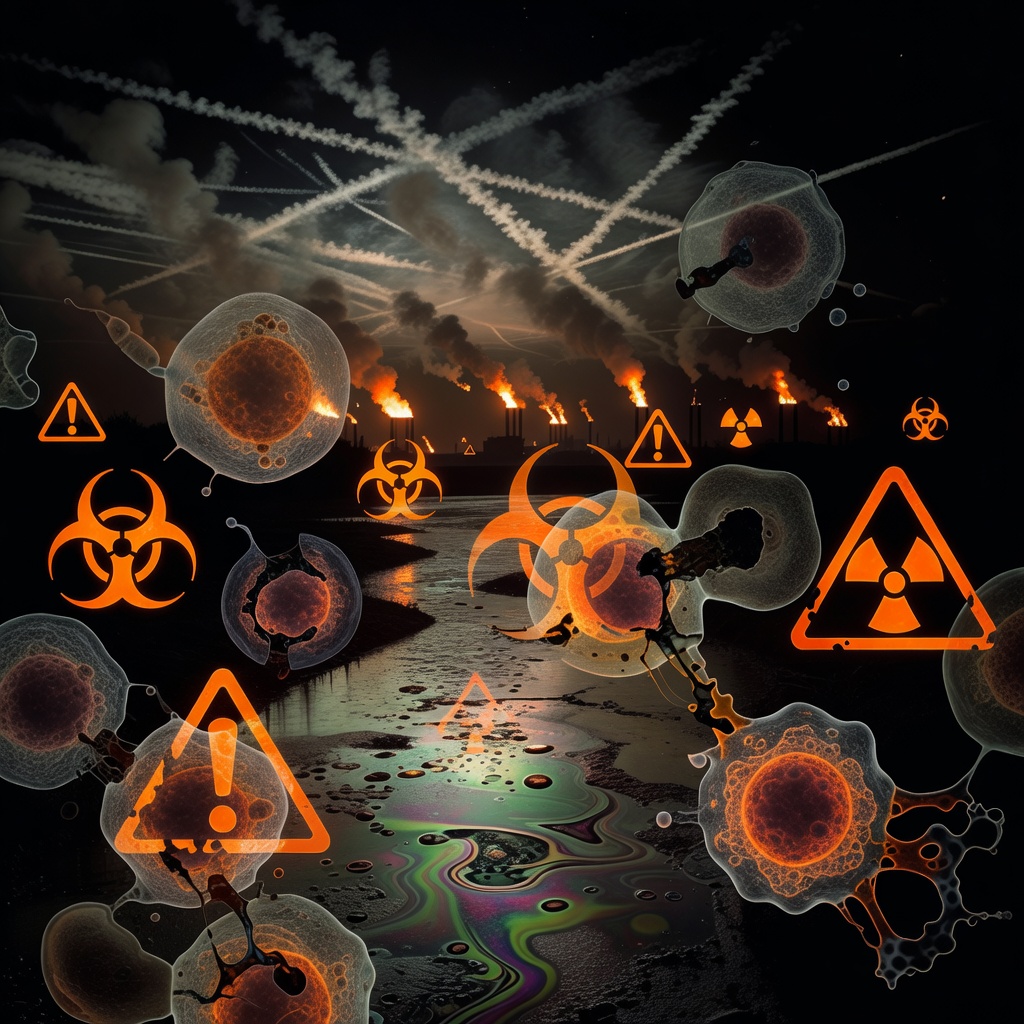
We must address a critical question: why do we need "therapy" for something that should be natural? The answer lies in the hostile biological environment of the 21st century. Our follicles are under siege from factors that specifically target mitochondrial health.
The "Junk Light" Epidemic
Modern humans are the first species in history to spend their lives under artificial, narrow-spectrum lighting. Standard LED and fluorescent bulbs found in UK offices and homes are heavily weighted in the blue spectrum. Blue light, while useful during the day for circadian rhythms, is high-energy and oxidative. Crucially, artificial lights lack the protective, healing red and infrared frequencies found in sunlight. We are effectively living in a state of chronic "red light malnutrition."
Electrosmog and EMFs
The UK is one of the most densely saturated environments for Electromagnetic Fields (EMFs) from Wi-Fi, 5G, and smart devices. Independent research suggests that non-ionising radiation can disrupt the voltage-gated calcium channels (VGCCs) in cell membranes. This leads to a calcium overflow into the cell, which triggers massive oxidative stress and mitochondrial dysfunction. The hair follicle, being so metabolically active, is often the "canary in the coal mine" for this systemic stress.
Chemical Toxicity in Haircare
The average Briton applies a cocktail of endocrine disruptors to their scalp daily. Sulfates, parabens, and synthetic fragrances found in "mainstream" shampoos penetrate the scalp and can cause micro-inflammation at the follicular level. This chronic low-grade inflammation (often called "inflammaging") is a primary driver of follicle miniaturisation.
The Cascade: From Exposure to Disease
When the environmental threats mentioned above meet a biologically predisposed individual, a destructive cascade begins. It is rarely a single event that causes hair loss; it is the cumulative burden of mitochondrial failure.
- —Mitochondrial Arrest: Due to junk light and EMFs, the CCO enzyme becomes inhibited by Nitric Oxide. ATP levels drop.
- —Oxidative Overload: The cell can no longer clear waste products. Reactive Oxygen Species (ROS) begin to damage the DNA of the follicle stem cells.
- —Micro-inflammation: The body’s immune system detects the cellular distress and sends inflammatory cytokines to the scalp. This is often felt as "scalp dysesthesia" or a burning/tingling sensation.
- —Miniaturisation: The dermal papilla, starved of energy and smothered by inflammation, begins to shrink. The hairs produced become thinner ("vellus hairs") until eventually, the follicle undergoes fibrosis—it scars over and becomes "clinically dead."
Callout Fact: Research published in the *Journal of Cosmetic and Laser Therapy* demonstrated that PBM increased hair density by an average of 39% over a 16-week period. This is comparable to, and often exceeds, the results of pharmaceutical interventions, without the systemic risks.
The mainstream medical establishment often waits until Step 4 (follicle death) to intervene, usually by suggesting a hair transplant. At INNERSTANDING, we believe in intervening at Step 1 and 2, using red light to reverse the cascade before the follicle is lost forever.
What the Mainstream Narrative Omits
The multi-billion pound hair loss industry is built on a foundation of "maintenance through dependency." If you are cured, you are no longer a customer.
The Problem with Pharmaceuticals
The two "Gold Standard" treatments offered by the NHS and private clinics are Minoxidil and Finasteride.
- —Minoxidil: A vasodilator that increases blood flow. While effective for some, it does not address the underlying mitochondrial energy deficit. Furthermore, once you stop using it, the "chemical life support" is withdrawn, and the hair sheds rapidly.
- —Finasteride: A 5-alpha reductase inhibitor that blocks DHT (dihydrotestosterone). While DHT plays a role in hair loss, Finasteride carries the risk of "Post-Finasteride Syndrome," involving persistent sexual dysfunction, depression, and cognitive impairment.
The mainstream narrative focuses almost entirely on hormones (DHT), while completely ignoring bio-energetics. They view the follicle as a victim of testosterone, rather than a victim of energy failure. By focusing on light, we address the "foundational" layer of health upon which hormones act. A metabolically healthy follicle can often withstand "normal" levels of DHT without miniaturising.
The Suppression of "Light as Medicine"
Light therapy was a cornerstone of early 20th-century medicine (Heliosis). However, with the rise of the petrochemical-based pharmaceutical industry, light-based treatments were pushed to the fringes. It is only now, through the work of pioneers like Dr Michael Hamblin of Harvard University, that the undeniable truth of PBM is returning to the public consciousness.
The UK Context
The United Kingdom presents a unique set of challenges for hair health, making Red Light Therapy not just an "option," but a biological necessity for many.
The "Sunlight Deficit"
The UK’s geographical position means that for at least six months of the year (October to March), the sun is too low in the sky for the atmosphere to allow significant amounts of therapeutic Near-Infrared (NIR) light to reach our skin. Combine this with the British weather and our indoor-centric lifestyles, and you have a population that is functionally "light-starved."
Water Quality and the "London Scalp"
Large swathes of the UK, particularly London and the Southeast, have "hard" water. The high calcium and magnesium carbonate content in this water can react with soaps to form a "scum" that deposits on the scalp. More importantly, the high chlorine and fluoride content in UK tap water acts as a pro-oxidant, further damaging the mitochondrial membranes of the hair follicle during every shower.
The Stress of the "Modern Britain"
Psychological stress is a major trigger for Telogen Effluvium. The UK has seen a sharp rise in stress-related hair loss over the last decade, exacerbated by economic instability and the "always-on" digital culture. Stress hormones like cortisol are directly toxic to the hair follicle and accelerate the transition into the shedding phase.
Callout Fact: A study by *Mint* revealed that British men spend approximately £100 million annually on hair loss products. Despite this, rates of dissatisfaction remain high, as many products fail to address the cellular "root" of the issue.
Protective Measures and Recovery Protocols
If you are experiencing thinning or wish to prevent it, a "pro-metabolic" approach to light is essential. Here is the INNERSTANDING protocol for follicular recovery using PBM.
1. Wavelength Precision
Not all red lights are created equal. To reach the hair follicle, which sits 3–5mm below the skin surface, you need specific "bio-active" wavelengths:
- —660nm (Red Light): Ideal for scalp health, reducing inflammation, and treating the skin's surface.
- —850nm (Near-Infrared): Has a deeper penetration depth, reaching the dermal papilla and the stem cell niche of the follicle.
2. Dosing and Consistency
PBM follows a "Biphasic Dose-Response" (the Arndt-Schulz Law). Too little light has no effect; too much light can actually inhibit the cells.
- —The Protocol: 10–20 minutes of exposure, 3–4 times per week.
- —Power Density (Irradiance): Ensure your device provides at least 50mW/cm² at the scalp. Many "cheap" LED caps found on mass-market websites are underpowered and will yield no results.
3. Creating a "Dark" Environment
To maximise the effects of red light, you must reduce your exposure to "junk" light.
- —Swap out bright white LEDs in your home for "warm" or amber bulbs.
- —Use blue-light-blocking software (like Iris or f.lux) on all screens.
- —Wear a hat when under heavy industrial LED lighting.
4. Nutritional Cofactors
Light is the "spark," but you still need the "fuel." The hair follicle requires specific nutrients to build the hair shaft once the mitochondria are activated:
- —Biologically Available Copper: Essential for the CCO enzyme to function. (Found in beef liver, oysters).
- —Silica and Biotin: The structural building blocks of keratin.
- —Magnesium: Required for all ATP-related reactions. Most Britons are chronically deficient.
5. Managing the "Scalp Environment"
Install a high-quality shower filter (Vitamin C-based filters are best for chlorine removal) to prevent oxidative damage during washing. Use only "ancestral" haircare products—look for ingredients you could theoretically eat.
Callout Fact: The NHS does not currently offer Red Light Therapy for hair loss, categorising it as a "cosmetic" concern. This leaves patients to navigate a complex private market, where INNERSTANDING seeks to provide the necessary biological clarity.
Summary: Key Takeaways
The path to follicular regeneration is not found in a pill or a chemical foam; it is found in the restoration of your cellular "light environment."
- —Mitochondria are the Master Controllers: Hair loss is fundamentally an energy crisis at the cellular level.
- —Red Light is Bio-Fuel: Wavelengths between 630nm and 850nm "unlock" the mitochondria by removing Nitric Oxide and boosting ATP production.
- —Environment Matters: Modern "junk light," EMFs, and toxic water are direct inhibitors of hair growth. We must actively shield ourselves from these disruptors.
- —PBM is a Long-Game: Hair grows slowly. While the cellular changes happen instantly, visible density increases typically take 12 to 24 weeks of consistent application.
- —Truth Over Profit: The mainstream industry relies on your ignorance of mitochondrial health. By understanding the biology of light, you take the power back from Big Pharma and the surgical industry.
Callout Fact: In a 2014 meta-analysis of clinical trials, PBM was found to be effective for both male and female pattern hair loss, with 0% reported "serious" side effects—a stark contrast to the pharmaceutical alternatives.
At INNERSTANDING, we advocate for a return to biological reality. Your hair is a reflection of your internal energetic state. Feed your cells the light they evolved to consume, protect your scalp from the modern environment, and watch as your biology responds with the vitality it was always designed to possess.
This article is provided for informational and educational purposes only. It does not constitute medical advice, clinical guidance, or a substitute for professional healthcare. Information reflects cited research at time of publication. Always consult a qualified healthcare professional before acting on any health information.
RESEARCH FOUNDATIONS
Biological Credibility Archive
Low-level laser therapy stimulates hair growth by promoting the transition of hair follicles from the telogen phase to the anagen phase.
Photobiomodulation at specific wavelengths enhances mitochondrial ATP production, leading to increased cellular proliferation in the hair follicle bulge.
Red light therapy modulates the Wnt signaling pathway to induce follicle regeneration and improve hair density.
Controlled clinical trials demonstrate that 655 nm red light significantly increases terminal hair counts by improving microcirculation around the dermal papilla.
Photobiomodulation optimizes mitochondrial respiration in dermal papilla cells, increasing the bioavailability of growth factors required for hair cycle progression.
Citations provided for educational reference. Verify via PubMed or institutional databases.
Medical Disclaimer
The information in this article is for educational purposes only and does not constitute medical advice, diagnosis, or treatment. Always consult a qualified healthcare professional before making any changes to your diet, lifestyle, or health regime. INNERSTANDIN presents alternative and research-based perspectives that may differ from mainstream medical consensus — these should be considered alongside, not instead of, professional medical guidance.
Read Full DisclaimerReady to learn more?
Continue your journey through our classified biological research.
DISCUSSION ROOM
Members of THE COLLECTIVE discussing "Red Light Therapy: Photobiomodulation for Targeted Follicle Stimulation"
SILENT CHANNEL
Be the first to discuss this article. Your insight could help others understand these biological concepts deeper.
THE ARSENAL
Based on Hair Health & Follicle Biology — products curated by our research team for educational relevance and biological support.
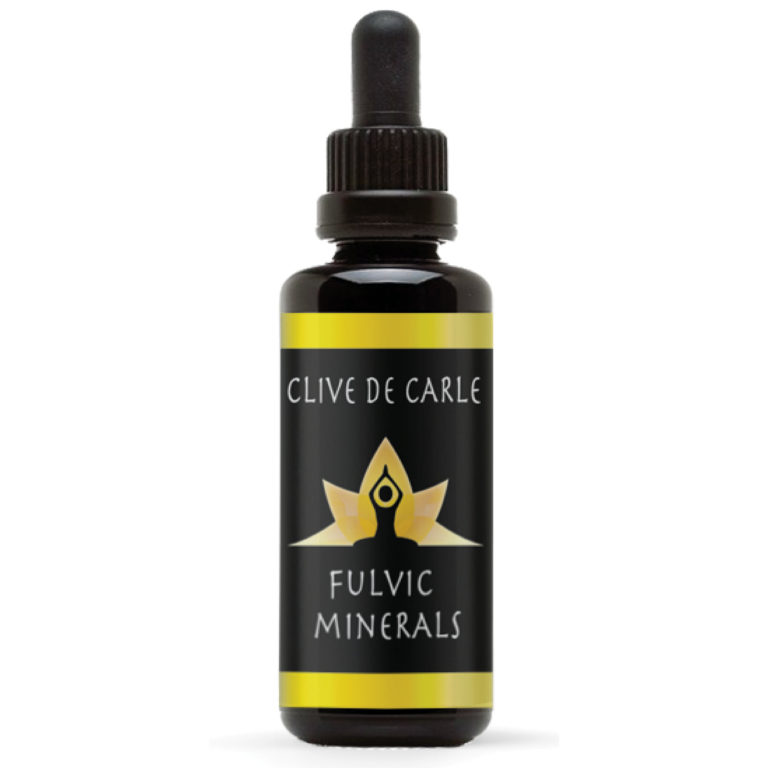
Fulvic Minerals – Natural Rare Earth Minerals. The essential trace elements missing from modern processed foods.
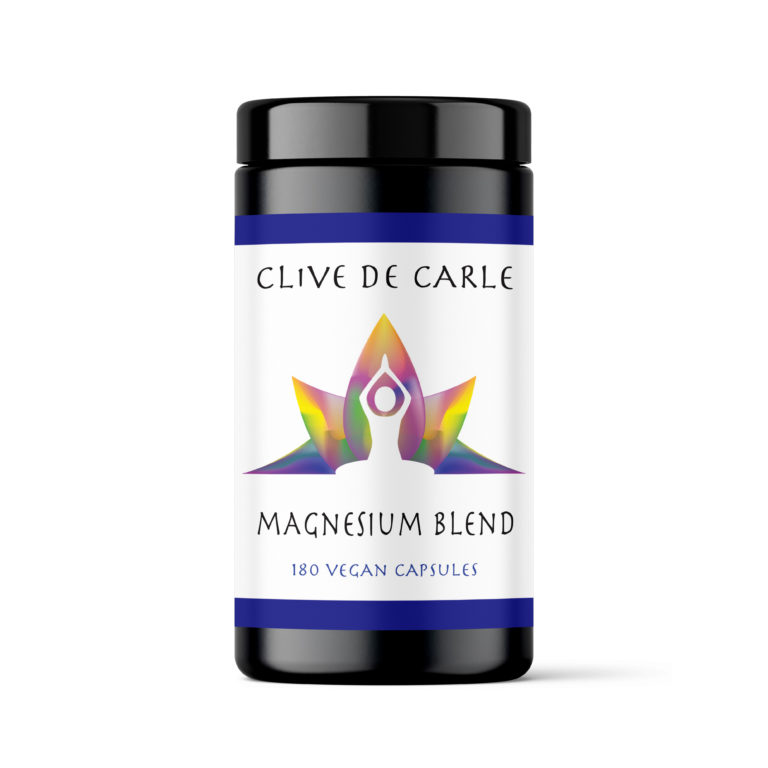
Magnesium Blend – The Most Important Mineral
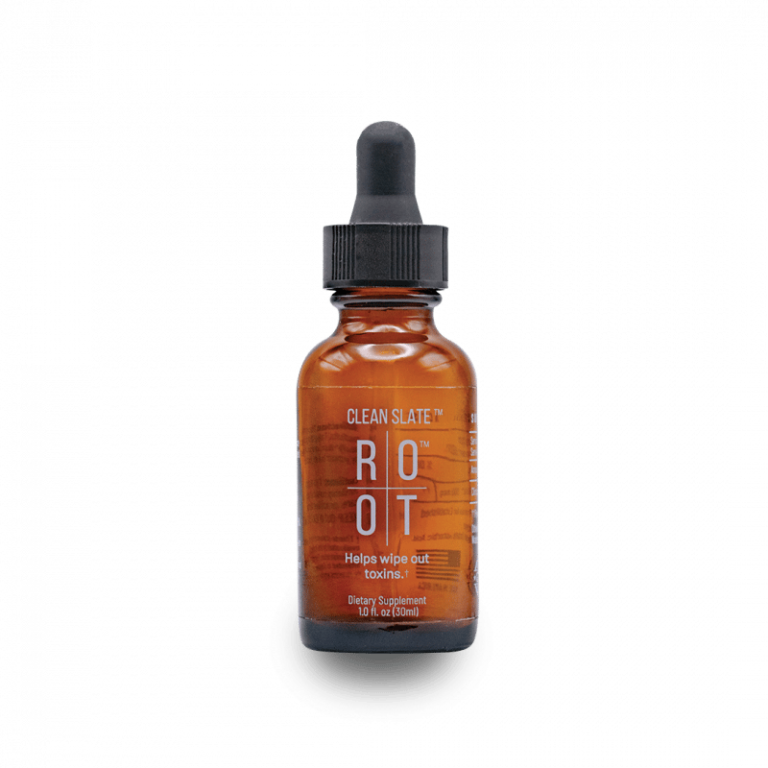
Clean Slate – Detoxes thousands of chemicals,heavy metals, pesticides, allergens, mold spores and fungus
INNERSTANDING may earn a commission on purchases made through these links. All products are selected based on rigorous educational relevance to our biological research.
RABBIT HOLE
Follow the biological thread deeper