
CoQ10 Infusion: Mitochondrial Bioenergetics and Heart Health
Updated May 2026
While typically fat-soluble, specialized IV formulations of Coenzyme Q10 target heart tissue directly. We analyze the efficacy of CoQ10 drips for patients with mitochondrial dysfunction.
Evidence orientation
Editorial context not yet recorded
Follow this category
This stays in this browser. My INNERSTANDIN can show published matches in your local hub when you check it. It does not send email, push, or alert notifications.
Local learning review
A private browser aid for revisiting ideas. It is not an alert or a health recommendation.
Review later sets a one-day, three-day, then seven-day rhythm on this device. Choose it only when you want to revisit this article.
Overview
In the realm of advanced metabolic medicine, few molecules hold as much critical importance—and yet suffer from as much clinical neglect—as Coenzyme Q10 (CoQ10). Known scientifically as ubiquinone, this lipophilic (fat-soluble) benzoquinone is the literal spark plug of the cellular engine. While the mainstream medical establishment remains fixated on pharmaceutical interventions that often merely suppress symptoms, the frontier of bioenergetic medicine is turning its focus toward the restoration of mitochondrial integrity through intravenous (IV) delivery systems.
The human heart is the most metabolically demanding organ in the body. It never rests, beating approximately 100,000 times a day, fueled almost entirely by the Adenosine Triphosphate (ATP) generated within its dense population of mitochondria. When mitochondrial function falters, heart failure follows—not as a primary disease, but as a symptom of energetic exhaustion.
This article delves into the transformative potential of IV CoQ10 infusions. While oral supplementation is common, its efficacy is severely hampered by poor bioavailability and the complex mechanics of the digestive tract. By bypassing these barriers, specialized IV formulations deliver high-potency ubiquinol directly to the myocardium, offering a bio-identical rescue for the failing heart. We will explore the biochemical mechanisms, the environmental factors depleting our natural stores, and the systemic suppression of nutrient-based protocols that could redefine cardiovascular care in the United Kingdom and beyond.
The Biology — How It Works
To understand CoQ10, one must understand the mitochondrial inner membrane. CoQ10 is not a vitamin in the traditional sense, as the body can synthesise it; however, the biosynthetic pathway is incredibly complex, requiring at least 12 genes and a host of micronutrient cofactors (including Vitamin B6, B12, and Folate).
The Mevalonate Pathway
The synthesis of CoQ10 shares the same initial steps as the production of cholesterol. Both are derived from the mevalonate pathway. An enzyme called HMG-CoA reductase serves as the gatekeeper for this process. When this enzyme is inhibited—most notably by statin medications—the production of both cholesterol and CoQ10 is throttled. This is a foundational biological conflict that mainstream cardiology frequently overlooks: in the quest to lower LDL cholesterol, we are inadvertently starving the heart of the very fuel it needs to pump.
The Redox Cycle: Ubiquinone vs. Ubiquinol
CoQ10 exists in two primary states within the body:
- Ubiquinone: The oxidised form, essential for ATP production.
- Ubiquinol: The reduced, antioxidant form, which protects membranes from damage.
In a healthy system, the body shifts CoQ10 between these two states thousands of times per second. This redox cycling is what allows electrons to flow through the Electron Transport Chain (ETC).
Why IV Delivery is Superior
The primary challenge with CoQ10 is its size and solubility. Being a large, fat-soluble molecule, oral absorption is notoriously low—often less than 3% reaches the systemic circulation. Furthermore, many oral supplements are sold as ubiquinone, which the body must then reduce into ubiquinol using enzymatic resources that may already be depleted in sick patients.
Fact: Intravenous CoQ10 bypasses the "first-pass metabolism" of the liver and the absorption limits of the small intestine, achieving plasma concentrations that are physically impossible to reach through oral dosing alone.
Mechanisms at the Cellular Level
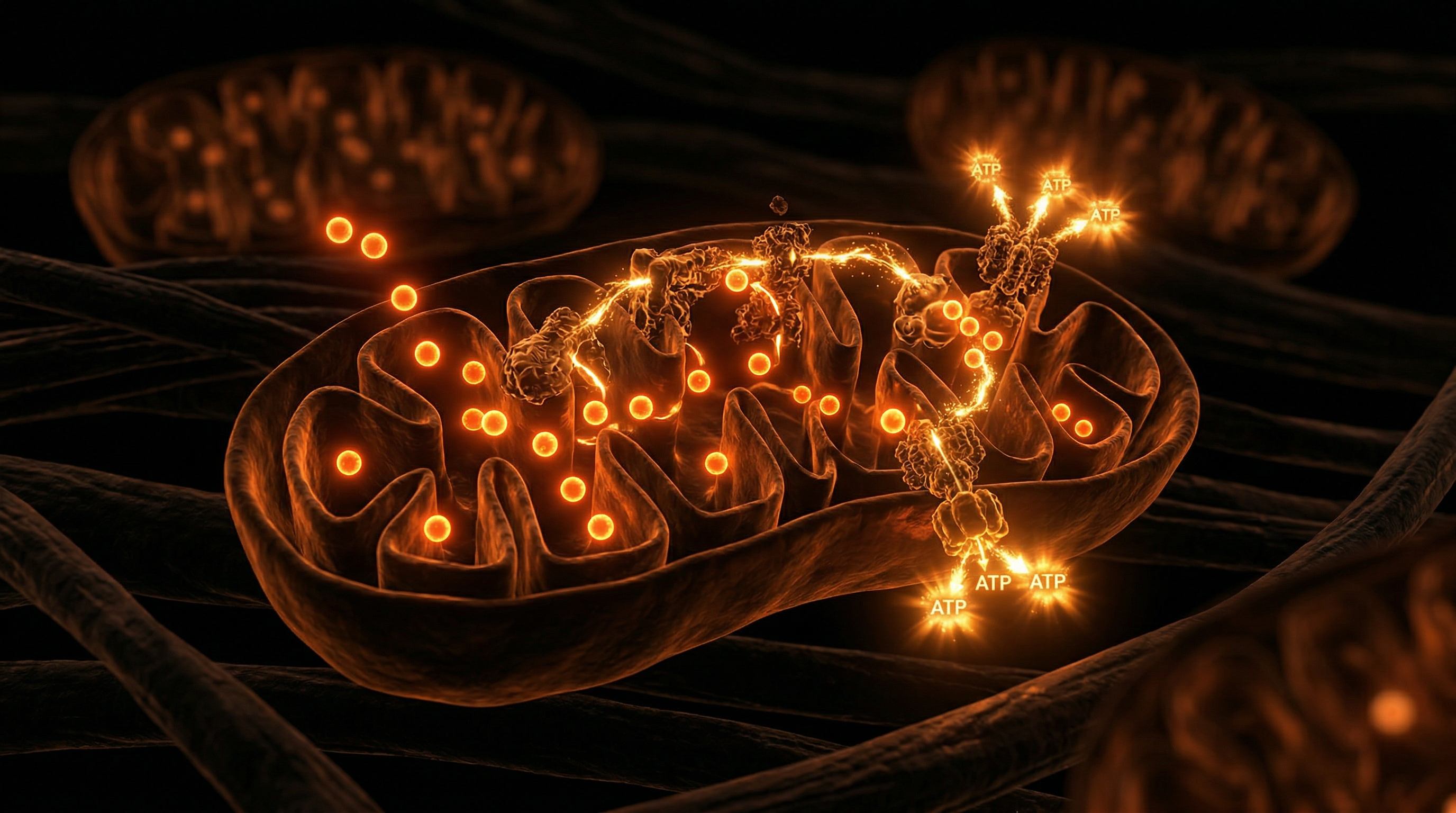
At the core of every cardiomyocyte (heart muscle cell) are thousands of mitochondria. The primary function of CoQ10 here is to act as a mobile electron carrier within the Electron Transport Chain.
The Electron Shuttle
The ETC is a series of protein complexes (I through IV) located on the inner mitochondrial membrane.
- Complex I (NADH dehydrogenase) and Complex II (Succinate dehydrogenase) extract electrons from the food we eat.
- CoQ10 acts as the "courier," accepting these electrons and transporting them to Complex III (Cytochrome bc1 complex).
- This flow of electrons creates a proton gradient, which ultimately powers ATP Synthase, the molecular turbine that produces ATP.
Without sufficient CoQ10, the electron flow stalls. This is known as electron leakage. When electrons leak before reaching their destination, they react with oxygen to form Superoxide, a highly reactive and damaging free radical.
Membrane Stabilisation
Beyond its role in ATP production, CoQ10 is a potent lipophilic antioxidant. It is the only endogenously synthesised antioxidant that protects the lipid bilayer of the cell membranes from lipid peroxidation. By maintaining the structural integrity of the mitochondrial membrane, CoQ10 ensures that the "leaky gut" equivalent does not happen at the cellular level, preventing the spill of pro-inflammatory signals into the cytoplasm.
Gene Expression and Inflammation
Emerging research suggests that CoQ10 also functions as a signalling molecule. High levels of CoQ10 have been shown to downregulate the expression of NF-κB (Nuclear Factor kappa-light-chain-enhancer of activated B cells), the master regulator of inflammation. By suppressing NF-κB, CoQ10 infusion acts as a systemic anti-inflammatory agent, specifically targeting the vasculature and heart tissue.
Environmental Threats and Biological Disruptors
We live in an era of unprecedented mitochondrial toxicity. The decline in cardiovascular health across the Western world cannot be attributed solely to diet and exercise; it is driven by environmental disruptors that specifically target the mevalonate pathway and the ETC.
The Statin Paradox
As mentioned, statins inhibit HMG-CoA reductase. While they are the "gold standard" for lipid management in the UK, they are also potent CoQ10 depletors. Patients on long-term statin therapy frequently report myalgia (muscle pain) and fatigue—classic symptoms of mitochondrial failure. The heart, being a muscle, is not immune. This creates a "prescribing cascade" where the side effects of the drug mimic the progression of the disease it is meant to prevent.
Pesticides and Glyphosate
Modern industrial agriculture relies heavily on Glyphosate and other organophosphates. These chemicals have been shown to chelate (bind) essential minerals like manganese and zinc, which are required for mitochondrial enzyme function. Furthermore, glyphosate can disrupt the cytochrome P450 enzymes, further compromising the body’s ability to synthesise and utilise CoQ10.
Heavy Metal Accumulation
Exposure to Mercury, Cadmium, and Lead (often found in the UK's ageing water infrastructure and industrial emissions) has a high affinity for the thiol groups in mitochondrial proteins. These metals displace the natural cofactors required for CoQ10 to function, effectively "clogging" the Electron Transport Chain and leading to chronic Oxidative Stress.
EMF and Voltage-Gated Calcium Channels
The proliferation of non-ionising radiation (5G, Wi-Fi) is an emerging concern for bioenergetic researchers. Studies by Dr. Martin Pall suggest that EMFs activate Voltage-Gated Calcium Channels (VGCCs), leading to an influx of calcium into the cell. This calcium overload triggers the production of Peroxynitrite, a devastating free radical that depletes CoQ10 and damages mitochondrial DNA (mtDNA).
The Cascade: From Exposure to Disease
The journey from a healthy heart to heart failure is often a slow, progressive "browning out" of the cellular power grid. When CoQ10 levels drop below a critical threshold—typically defined as a 25% deficiency—pathological changes begin to manifest.
Stage 1: Bioenergetic Deficit
Initially, the heart compensates for reduced ATP by increasing its heart rate or slightly enlarging (hypertrophy). The patient might experience mild shortness of breath or "brain fog" as the brain, another energy-intensive organ, also feels the shortage.
Stage 2: Oxidative Damage and Fibrosis
As electron leakage increases due to lack of CoQ10, Reactive Oxygen Species (ROS) begin to damage the proteins and lipids within the cardiomyocyte. The body attempts to repair this damage with fibrous scar tissue. This fibrosis makes the heart muscle stiff, leading to Diastolic Dysfunction (the heart can't relax properly to fill with blood).
Stage 3: Heart Failure with Reduced Ejection Fraction (HFrEF)
Eventually, the damage becomes structural. The heart can no longer contract with sufficient force. This is the stage where mainstream medicine typically offers diuretics and beta-blockers—medications that manage the volume of fluid but do nothing to address the bioenergetic collapse at the heart of the condition.
Warning Statistic: According to the British Heart Foundation, there are nearly 1 million people in the UK living with heart failure. A significant portion of these patients exhibit sub-clinical CoQ10 deficiency that is rarely tested for in standard NHS lipid panels.
What the Mainstream Narrative Omits
The suppression of CoQ10’s clinical importance is one of the most glaring omissions in modern cardiology. While the evidence for its benefits is robust, it faces several "structural" barriers within the current medical-industrial complex.
The Patentability Problem
Because CoQ10 is a naturally occurring coenzyme, it cannot be patented. This means there is zero incentive for large pharmaceutical companies to fund the multi-centre, billion-dollar Phase III trials required to change "Standard of Care" guidelines. Consequently, CoQ10 is relegated to the "supplement" category, despite its fundamental biological necessity.
The Q-SYMBIO Study Suppression
The Q-SYMBIO trial, a landmark double-blind study, demonstrated that CoQ10 supplementation reduced major adverse cardiovascular events by 50% and significantly lowered mortality in heart failure patients. Despite these staggering results, the study is rarely mentioned in UK clinical guidelines. Critics often point to the "variability" of oral absorption in the study—an argument that actually supports the use of IV CoQ10 to ensure consistent therapeutic levels.
The Myth of "Sufficient" Levels
Mainstream medicine often suggests that we get enough CoQ10 from our diet (organ meats, beef, sardines). However, to achieve the therapeutic doses used in clinical trials (300mg - 600mg), one would have to consume several kilograms of heart or liver daily. For a patient with an existing mitochondrial defect or someone on statins, dietary intake is mathematically insufficient to overcome the deficit.
The UK Context
In the United Kingdom, the approach to heart health is heavily centralised through the National Health Service (NHS) and guided by NICE (National Institute for Health and Care Excellence).
The NICE Gap
NICE guidelines focus heavily on cost-effectiveness and large-scale pharmaceutical data. Because nutrient infusions like CoQ10 do not fit the traditional "drug-target" model, they are often excluded from the subsidised formulary. This leaves UK patients in a position where they must seek "Alternative" or "Functional" medicine practitioners for what is, in reality, essential biological support.
The Rise of Private IV Clinics
We are seeing a surge in private IV therapy clinics in hubs like London, Manchester, and Birmingham. While many of these clinics focus on "wellness" and "hangover cures," a new tier of medically-led clinics is offering Mitochondrial Support Protocols. These centres use specialised solubilised CoQ10 or nanomicellar formulations that allow for safe intravenous administration, providing a lifeline for those the NHS has termed "untreatable" beyond palliative care.
Regulatory Hurdles
The MHRA (Medicines and Healthcare products Regulatory Agency) maintains strict controls on how CoQ10 can be marketed. It cannot be sold as a "cure" for heart disease. This leads to a linguistic dance where clinics must use terms like "supporting energy metabolism" or "reducing oxidative stress," which can sometimes obscure the life-saving potential of the therapy for the average consumer.
Protective Measures and Recovery Protocols
For those looking to restore their mitochondrial bioenergetics, a multi-faceted approach is required. IV CoQ10 is the "heavy hitter," but it works best within a comprehensive protocol.
The IV CoQ10 Protocol
Therapeutic IV CoQ10 is not a one-off treatment. For patients with cardiovascular concerns, a "loading" phase is typically recommended:
- Dosage: 50mg to 200mg of specialised IV CoQ10 (water-soluble/solubilised).
- Frequency: 2-3 times per week for a period of 4-6 weeks.
- Monitoring: Plasma CoQ10 levels should be monitored to reach a therapeutic target of >3.5 µg/mL.
Essential Co-Factors
Mitochondria do not run on CoQ10 alone. An effective infusion protocol should be supported by:
- PQQ (Pyrroloquinoline Quinone): Promotes mitochondrial biogenesis (the creation of new mitochondria).
- L-Carnitine: The shuttle that brings fatty acids into the mitochondria to be burned for fuel.
- Magnesium: Required for the stability of the ATP molecule.
- D-Ribose: The structural backbone of the ATP molecule itself.
Lifestyle Synergies
- Photobiomodulation (Red Light Therapy): Specifically at 660nm and 850nm, red light can stimulate Cytochrome c Oxidase (Complex IV), enhancing the effects of CoQ10.
- Cold Exposure: Increases brown adipose tissue and triggers mitochondrial efficiency.
- Circadian Alignment: Mitochondria have their own internal clocks. Eating and sleeping in alignment with natural light cycles reduces the metabolic stress on the heart.
Addressing the Statin Issue
For those required to remain on statins, CoQ10 supplementation (preferably via IV for rapid restoration) should be considered mandatory, not optional. It is the ethical responsibility of the practitioner to co-prescribe CoQ10 to mitigate the known depletion of the mevalonate pathway.
Summary: Key Takeaways
- The Heart as an Engine: Cardiovascular health is fundamentally a question of mitochondrial bioenergetics. If the cellular power plants fail, the heart fails.
- The Bioavailability Barrier: Oral CoQ10 has poor absorption. IV Infusions provide a direct route to the heart tissue, bypassing the gut and achieving therapeutic concentrations that oral pills cannot match.
- The Electron Shuttle: CoQ10's primary role is transporting electrons in the ETC and preventing the leakage that leads to oxidative stress and heart failure.
- The Statin Conflict: Mainstream cholesterol medications directly block the body's ability to produce CoQ10, necessitating external replacement.
- Environmental Impact: Modern toxins like glyphosate and EMFs create an "energy tax" on our mitochondria, making CoQ10 support more critical today than ever before.
- The UK Landscape: While the NHS lags behind in adopting mitochondrial therapies, private medical clinics in the UK are increasingly using IV CoQ10 to treat the root causes of chronic fatigue and cardiomyopathy.
- Holistic Recovery: For maximum efficacy, IV CoQ10 should be paired with PQQ, Magnesium, and lifestyle interventions like red light therapy to foster a "mitochondrial rebirth."
The shift from pharmaceutical management to bioenergetic restoration represents the next great leap in cardiology. By recognising CoQ10 not as a supplement, but as a core component of human life, we can begin to reverse the epidemic of heart failure and reclaim the energetic vitality that is our biological birthright.
This article is provided for informational and educational purposes only. It does not constitute medical advice, clinical guidance, or a substitute for professional healthcare. Information reflects cited research at time of publication. Always consult a qualified healthcare professional before acting on any health information.
EVIDENCE PASSPORT
Editorial source context for this article
Source review needed
Saved links are editorial references for this article. They may support specific claims rather than every sentence. Open and assess each source in context. This passport does not independently verify them.
Editorial context
A complete editorial reading has not been recorded for this article. Source links remain available for you to open and assess directly.
Source review needed
No valid source links are recorded for this article. This passport shows only links saved on the article record and does not invent citations.
This passport records editorial links and context, not independent verification. Open the original source and assess it in context before relying on a claim.
Medical Disclaimer
The information in this article is for educational purposes only and does not constitute medical advice, diagnosis, or treatment. Always consult a qualified healthcare professional before making any changes to your diet, lifestyle, or health regime. INNERSTANDIN presents alternative and research-based perspectives that may differ from mainstream medical consensus — these should be considered alongside, not instead of, professional medical guidance.
Read Full DisclaimerContinue the thread
Keep this question moving.
Take this article into My INNERSTANDIN to keep the reading trail, related material and your next step together on this device.
Explore this in the Body Map
See where this hits your biology. Interactive anatomy, threats, and protective protocols.
Dig deeper in the Library
Free, longform PDF volumes that go beyond headlines into mechanisms and references.