
Heart Rate Variability: The Mitochondrial Signal Mainstream GPs Overlook
Published April 2026
Heart Rate Variability (HRV) is more than a fitness metric; it is a primary indicator of the body's energetic capacity and parasympathetic efficiency. This investigative piece links the high-frequency components of HRV to the electrochemical efficiency of the mitochondrial electron transport chain. We discuss why a low HRV is not just a sign of stress, but a signal of impending cellular energy failure that conventional diagnostics often ignore.
Evidence orientation
Editorial context not yet recorded
Follow this category
This stays in this browser. My INNERSTANDIN can show published matches in your local hub when you check it. It does not send email, push, or alert notifications.
Local learning review
A private browser aid for revisiting ideas. It is not an alert or a health recommendation.
Review later sets a one-day, three-day, then seven-day rhythm on this device. Choose it only when you want to revisit this article.
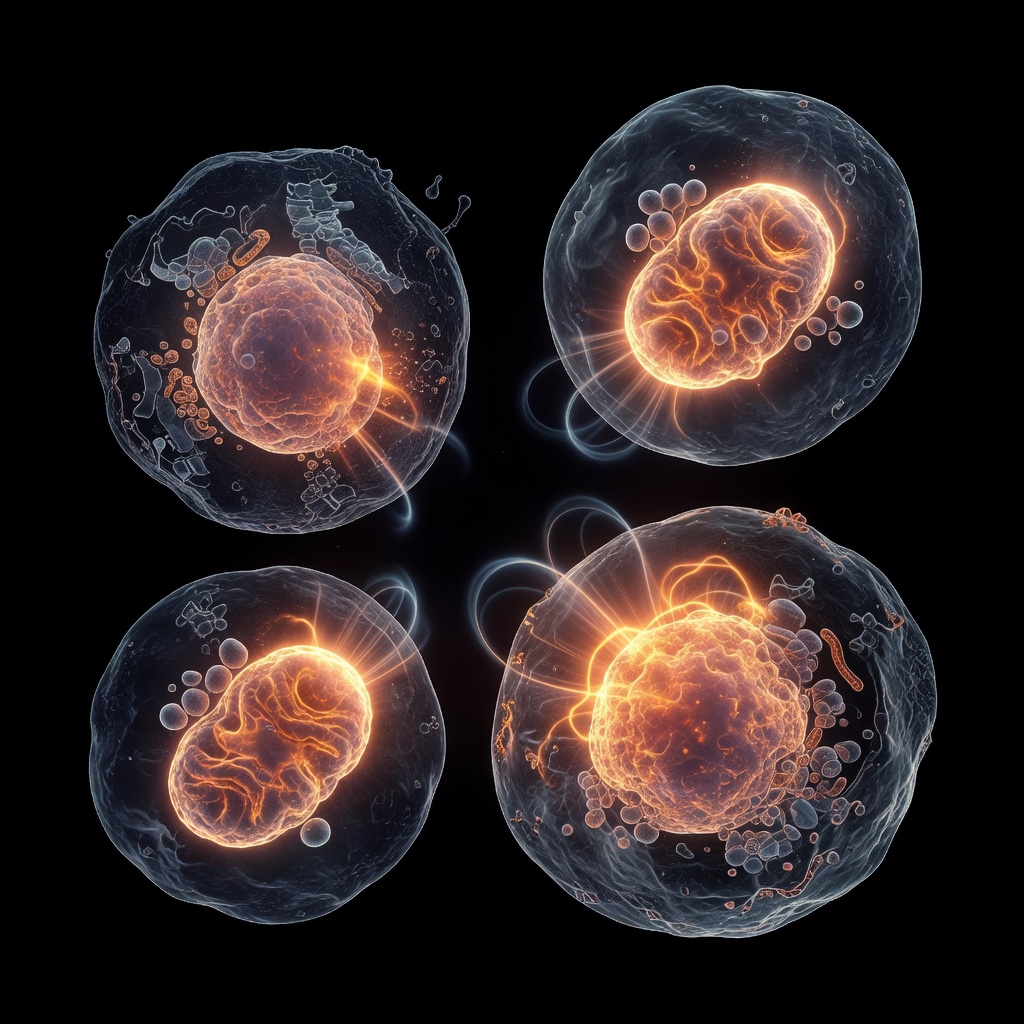
Heart Rate Variability (HRV) measures the variation in time intervals between consecutive heartbeats, a rhythm governed by the complex interplay of the sympathetic and parasympathetic nervous systems. While many UK clinicians still view a steady, metronomic pulse as a sign of health, biological reality suggests the opposite: a highly variable heart rate is the hallmark of a resilient autonomic nervous system. The parasympathetic branch, via the vagus nerve, exerts a 'tonic' inhibitory influence on the heart’s sinoatrial node, allowing for the rapid adjustments necessary for homeostasis. Beneath this macro-level rhythm lies a profound connection to mitochondrial function. Mitochondria are not merely power plants; they are environmental sensors.
When the mitochondrial electron transport chain is operating efficiently, it produces the ATP necessary for the rapid repolarization of neural membranes. Low HRV is increasingly recognized as a clinical proxy for mitochondrial dysfunction and oxidative stress. When cellular energy is depleted, the parasympathetic nervous system is the first to be 'de-funded' by the body, as its restorative functions are energy-intensive compared to the survival-oriented sympathetic response. Conventional medicine overlooks this, often attributing low HRV to vague 'lifestyle factors' rather than seeing it as an early warning system for bioenergetic collapse. Scientific evidence, including spectral analysis of heart rhythms, shows that the High Frequency (HF) band of HRV is directly related to vagal activity and respiratory sinus arrhythmia.
Environmental toxins, particularly heavy metals like mercury and lead which inhibit mitochondrial enzymes, are direct antagonists to a high HRV. To restore parasympathetic dominance, we must address the mitochondrial substrate. This includes targeted supplementation with CoQ10 and PQQ, the use of red light therapy (photobiomodulation) to stimulate cytochrome c oxidase, and strict adherence to a ketogenic or low-carb framework to reduce the oxidative burden of glucose metabolism. By viewing HRV through the lens of mitochondrial capacity, we can quantify the success of parasympathetic restoration interventions with precision.
This article is provided for informational and educational purposes only. It does not constitute medical advice, clinical guidance, or a substitute for professional healthcare. Information reflects cited research at time of publication. Always consult a qualified healthcare professional before acting on any health information.
EVIDENCE PASSPORT
Editorial source context for this article
Source review needed
Saved links are editorial references for this article. They may support specific claims rather than every sentence. Open and assess each source in context. This passport does not independently verify them.
Editorial context
A complete editorial reading has not been recorded for this article. Source links remain available for you to open and assess directly.
Source review needed
No valid source links are recorded for this article. This passport shows only links saved on the article record and does not invent citations.
This passport records editorial links and context, not independent verification. Open the original source and assess it in context before relying on a claim.
Medical Disclaimer
The information in this article is for educational purposes only and does not constitute medical advice, diagnosis, or treatment. Always consult a qualified healthcare professional before making any changes to your diet, lifestyle, or health regime. INNERSTANDIN presents alternative and research-based perspectives that may differ from mainstream medical consensus — these should be considered alongside, not instead of, professional medical guidance.
Read Full DisclaimerContinue the thread
Keep this question moving.
Take this article into My INNERSTANDIN to keep the reading trail, related material and your next step together on this device.
Explore this in the Body Map
See where this hits your biology. Interactive anatomy, threats, and protective protocols.
Dig deeper in the Library
Free, longform PDF volumes that go beyond headlines into mechanisms and references.