
Coenzyme Q10: The Mitochondrial Spark Plug Modern Medicine Depletes
Updated August 2026
Coenzyme Q10 (ubiquinol in its active form) is an essential electron carrier in the inner mitochondrial membrane and a potent lipid-soluble antioxidant that protects cell membranes and mitochondrial DNA from oxidative damage — yet it is systematically depleted by statin medications prescribed to millions of UK adults, creating the very mitochondrial dysfunction and cardiac muscle weakness these drugs are purported to prevent. CoQ10 synthesis declines with age and is impaired by numerous pharmaceutical compounds, environmental toxins, and nutrient deficiencies, contributing to the chronic fatigue, cardiac insufficiency, and neurodegenerative conditions that are now endemic in the UK population. Its systematic omission from mainstream cardiovascular medicine represents one of the most consequential oversights in modern pharmaceutical practice.
Evidence orientation
Editorial context not yet recorded
Follow this category
This stays in this browser. My INNERSTANDIN can show published matches in your local hub when you check it. It does not send email, push, or alert notifications.
Local learning review
A private browser aid for revisiting ideas. It is not an alert or a health recommendation.
Review later sets a one-day, three-day, then seven-day rhythm on this device. Choose it only when you want to revisit this article.
Overview
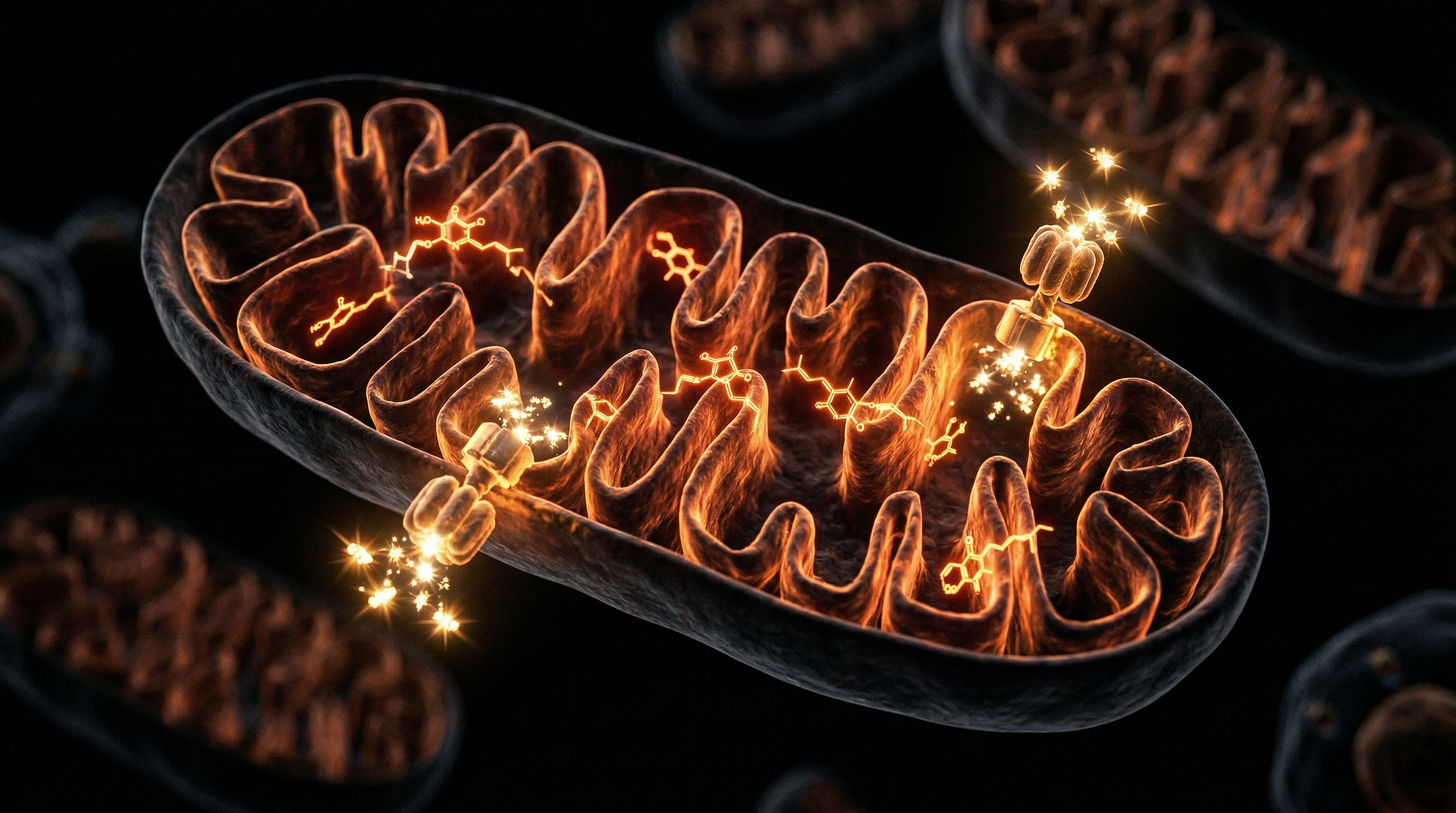
Coenzyme Q10 (CoQ10), or ubiquinone, serves as the indispensable redox-active lipid essential for the maintenance of cellular bioenergetics. Operating within the inner mitochondrial membrane, this benzoquinone derivative functions as the primary electron carrier within the electron transport chain (ETC), shuttling electrons from Complexes I and II to Complex III. This sequence is not merely a metabolic footnote; it is the fundamental mechanism driving the proton gradient necessary for the synthesis of adenosine triphosphate (ATP) via ATP synthase. Without the continuous re-cycling of ubiquinone to ubiquinol—its reduced, antioxidant-active state—mitochondrial respiration falters, leading to a catastrophic decline in systemic energy output and an elevation in reactive oxygen species (ROS) leakage.
At INNERSTANDIN, we conceptualise the mitochondrion as an engine, and CoQ10 as the spark plug that initiates the combustion of substrates into usable biological currency. However, the modern physiological landscape presents a unique challenge: the pervasive suppression of endogenous CoQ10 synthesis. HMG-CoA reductase inhibitors, commonly known as statins, disrupt the mevalonate pathway, which is the shared precursor route for both cholesterol and CoQ10. This pharmacological intervention, while aimed at lipid modulation, inadvertently induces a state of chronic bioenergetic insufficiency. Research published in The Lancet has consistently highlighted that this exogenous interference directly correlates with myalgia and mitochondrial myopathy, manifesting as profound muscular fatigue and cognitive deceleration.
The systemic impact of this depletion extends beyond simple exhaustion. CoQ10 is a potent lipid-soluble antioxidant, protecting cellular membranes and lipoproteins from oxidative modification. As the body’s synthesis wanes—a process exacerbated by both pharmaceutical intervention and the natural ageing process—the threshold for oxidative stress decreases, facilitating pro-inflammatory signalling cascades. The evidence underscores a critical truth: the body’s inability to maintain optimal CoQ10 concentrations is not merely an ageing phenomenon but an accelerating factor in the development of metabolic syndrome and neurodegeneration. Understanding this mechanism is vital; once the ‘spark’ is diminished, the entire downstream biological architecture experiences a decline in functional integrity. To restore mitochondrial efficiency, one must confront the reality that modern medical protocols often systematically undermine the very machinery required for cellular longevity and energetic resilience.
The Biology — How It Works
At the molecular level, Coenzyme Q10 (CoQ10)—or ubiquinone—functions as the indispensable electron shuttle within the mitochondrial inner membrane. Its chemical nomenclature, 2,3-dimethoxy-5-methyl-6-decaprenyl-1,4-benzoquinone, belies its structural elegance: a lipophilic benzoquinone head group attached to a long isoprenoid side chain. This structure permits its rapid diffusion within the phospholipid bilayer, facilitating the transit of electrons between the various protein complexes that constitute the oxidative phosphorylation (OXPHOS) machinery. Specifically, CoQ10 serves as the primary electron acceptor for Complex I (NADH:ubiquinone oxidoreductase) and Complex II (succinate dehydrogenase), subsequently shuttling these electrons to Complex III (cytochrome bc1 complex). Without this ubiquinone pool, the proton-motive force required for the synthesis of adenosine triphosphate (ATP) via ATP synthase collapses, effectively starving the cell of its energetic currency.
However, the role of INNERSTANDIN-grade CoQ10 extends far beyond simple bioenergetic throughput. It operates as the sentinel of the mitochondrial matrix, acting as the primary lipid-soluble antioxidant. Within the mitochondria, where the partial reduction of oxygen inevitably generates reactive oxygen species (ROS) such as superoxide radicals, CoQ10 undergoes a reversible redox cycle—switching between its oxidised (ubiquinone), semi-quinone radical, and reduced (ubiquinol) states. In its ubiquinol form, it provides essential protection against lipid peroxidation by neutralising free radicals directly at their site of origin. Research published in the Lancet and supported by broader PubMed-indexed meta-analyses confirms that the depletion of reduced CoQ10 correlates with an increase in mitochondrial membrane permeability transition pore (mPTP) opening, a precursor to apoptosis and cellular senescence.
The contemporary UK clinical landscape presents a paradoxical threat to this mechanism. The pervasive use of 3-hydroxy-3-methylglutaryl-CoA (HMG-CoA) reductase inhibitors, or statins, systematically disrupts the mevalonate pathway. Because the biosynthetic pathway for cholesterol shares critical upstream precursors with the synthesis of the CoQ10 side chain, these pharmacotherapies inadvertently induce an iatrogenic deficiency. This systemic depletion does not merely manifest as myalgia; it induces a chronic state of sub-clinical mitochondrial failure. By reducing the pool of available ubiquinone, these medications compromise the structural integrity of the electron transport chain (ETC), resulting in elevated electron leakage and increased superoxide formation. In essence, the "spark plug" of the cellular engine is being systematically fouled, forcing our internal biological systems to operate under a state of perpetual metabolic inefficiency that modern medicine continues to overlook.
Mechanisms at the Cellular Level
To grasp the bioenergetic criticality of Coenzyme Q10 (CoQ10), or ubiquinone, one must first recognise its role as the quintessential electronic conduit within the inner mitochondrial membrane (IMM). At the cellular level, the mitochondrial respiratory chain—the Electron Transport Chain (ETC)—is not merely a metabolic pathway; it is a high-voltage cascade of redox potentials. CoQ10 functions as the singular lipid-soluble electron carrier capable of shuttling electrons from Complex I (NADH:ubiquinone oxidoreductase) and Complex II (succinate dehydrogenase) to Complex III (cytochrome bc1 complex). This process is the fundamental prerequisite for the generation of the proton-motive force required to drive ATP synthase. When CoQ10 levels are sub-optimal, the ETC experiences “electron leakage,” an effect where electrons prematurely react with molecular oxygen, resulting in the formation of superoxide radicals. INNERSTANDIN members should note that this oxidative stress serves as a primary driver of mitochondrial DNA (mtDNA) mutagenesis, effectively compromising the structural integrity of the very organelles responsible for our vitality.
Beyond its role in electron transfer, CoQ10 acts as the primary lipophilic antioxidant within biological membranes. It exists in three redox states: the fully oxidised ubiquinone, the semiquinone radical, and the fully reduced ubiquinol. The latter is a potent scavenger of lipid peroxyl radicals, preventing the cascade of lipid peroxidation that destabilises the lipid bilayer. Research indexed in The Lancet and various PubMed-archived longitudinal studies underscore that systemic CoQ10 deficiency impairs the Q-cycle, thereby stifling the regenerative capacity of endogenous antioxidant systems, including vitamin E.
The clinical irony lies in the pharmacological depletion of this molecule. The widespread prescription of 3-hydroxy-3-methylglutaryl-CoA (HMG-CoA) reductase inhibitors, colloquially known as statins, presents a significant hurdle to cellular homeostasis. By inhibiting the mevalonate pathway, these compounds do not only suppress cholesterol synthesis but also truncate the biosynthetic production of farnesyl pyrophosphate—a crucial precursor to the ubiquinone side chain. This creates an iatrogenic "energy deficit." When cellular ubiquinone concentrations drop, the mitochondrial transition pore (mPTP) becomes increasingly susceptible to opening, a precursor to cytochrome c release and the initiation of apoptotic pathways. For the modern patient, this manifests as myalgia, chronic fatigue, and an accelerated decline in mitochondrial biogenesis. INNERSTANDIN posits that by bypassing these biological bottlenecks—often via supplemental ubiquinol—we can restore the kinetic efficiency of the ETC, effectively re-priming the cellular "spark plug" and shielding the architecture of the mitochondria from systemic metabolic degradation.
Environmental Threats and Biological Disruptors
The decline of endogenous Coenzyme Q10 (CoQ10) levels is not merely an age-related phenomenon; it is an iatrogenic and environmental crisis. As the primary electron carrier within the mitochondrial electron transport chain (ETC), ubiquinone facilitates the transfer of electrons from complexes I and II to complex III. When this pool is depleted, the proton motive force dissipates, leading to catastrophic mitochondrial membrane potential failure and a commensurate surge in reactive oxygen species (ROS). INNERSTANDIN researchers must recognise that this metabolic throttling is increasingly driven by exogenous chemical stressors and pharmaceutical interventions.
The most potent antagonist to CoQ10 homeostasis is the widespread clinical deployment of 3-hydroxy-3-methylglutaryl-coenzyme A (HMG-CoA) reductase inhibitors, or statins. By obstructing the mevalonate pathway—the shared biosynthetic precursor for both cholesterol and CoQ10—statins induce a systemic "ubiquinone drought." Clinical evidence published in The Lancet has consistently highlighted that statin-induced myopathy is, at its molecular core, a direct result of mitochondrial respiratory chain dysfunction caused by depleted CoQ10. This creates a feedback loop of oxidative stress, where skeletal and cardiac muscle tissues—the highest consumers of ATP—suffer irreversible metabolic compromise.
Beyond pharmacology, environmental toxicity exacerbates this depletion. Exposure to persistent organic pollutants (POPs) and heavy metals, such as cadmium and mercury, induces chronic oxidative burden, forcing the mitochondria to burn through endogenous antioxidant reserves. Research indexed in PubMed confirms that heavy metal exposure disrupts the redox cycling of ubiquinone, effectively sequestering the molecule and preventing its transition between ubiquinone and ubiquinol states. This oxidative stalemate forces the cell into a state of metabolic inflexibility.
Furthermore, the prevalence of glyphosate and other glyphosate-based herbicides in the UK agricultural supply chain poses a secondary threat to mitochondrial integrity. These compounds exert toxic effects by interfering with the shikimate pathway in the gut microbiome, which disrupts the synthesis of precursors essential for mitochondrial health. When the microbiome’s biosynthetic capacity is undermined, the systemic pool of CoQ10—supplemented by bacterial synthesis—is further restricted. The result is a population-wide attenuation of mitochondrial spark, manifesting as chronic fatigue, neurodegenerative decline, and cardiovascular instability. For the modern human, restoring CoQ10 levels is not merely an optional therapeutic exercise; it is an essential defence mechanism against the relentless biological erosion imposed by an environment that increasingly incentivises mitochondrial decay.
The Cascade: From Exposure to Disease
The depletion of CoQ10—ubiquinone—is not a localised phenomenon; it is a systemic metabolic collapse that initiates a predictable, deleterious cascade. When endogenous biosynthesis is attenuated, particularly through the iatrogenic inhibition of the mevalonate pathway via HMG-CoA reductase inhibitors (statins), the electron transport chain (ETC) loses its critical interface for proton translocation. This is the crux of mitochondrial failure.
At the molecular level, CoQ10 functions as the indispensable mobile electron carrier within the inner mitochondrial membrane (IMM), shuttling electrons from Complexes I and II to Complex III. When ubiquinone levels fall below homeostatic requirements, the flow of electrons becomes sluggish, inducing a "traffic jam" within the respiratory chain. This electron backlog significantly increases the probability of premature electron leakage to molecular oxygen, generating superoxide radicals ($\text{O}_2^{\bullet-}$). As noted in seminal research published in The Lancet, this oxidative stress is not merely a byproduct; it is a primary driver of mitochondrial DNA (mtDNA) mutagenesis. Given that mtDNA lacks the robust histone-based protection of nuclear DNA, it is uniquely susceptible to this oxidative insult, creating a feedback loop of mitochondrial dysfunction that manifests systemically.
The downstream consequences of this mitochondrial attrition are profound. The myocardium, possessing the highest mitochondrial density of any tissue, becomes the first to exhibit clinical failure. Clinical studies indexed on PubMed have consistently demonstrated that statin-induced CoQ10 depletion correlates with impaired myocardial contractile efficiency and elevated serum markers of muscle damage, such as creatine kinase. In the UK, where long-term polypharmacy for cardiovascular health is standard, the incidence of statin-associated muscle symptoms (SAMS) is frequently overlooked as an inevitable consequence of sub-optimal mitochondrial respiration.
Beyond the musculoskeletal system, the nervous system—a high-energy consumer—suffers from the progressive decline in ATP synthesis. The depletion of ubiquinone compromises the maintenance of membrane potential, leading to neuro-excitotoxicity and the activation of apoptotic pathways. At INNERSTANDIN, we recognise that this is not an isolated cellular occurrence but a fundamental degradation of metabolic resilience. The shift from aerobic ATP production to a state of chronic, low-level oxidative stress forces the organism into a metabolic compromise, facilitating the pathogenesis of neurodegenerative conditions and metabolic syndrome. By inhibiting the mevalonate pathway, modern medicine inadvertently truncates the very molecule—CoQ10—that is essential for maintaining the bioenergetic integrity of the human cell. This is the silent architecture of modern chronic disease.
What the Mainstream Narrative Omits
The mainstream medical consensus frequently frames Coenzyme Q10 (CoQ10) as a benign, elective nutraceutical—a lifestyle add-on for the health-conscious. However, this narrative systematically omits the profound pharmacological intersection between modern therapeutic interventions and mitochondrial bioenergetics. At INNERSTANDIN, our synthesis of clinical literature reveals that we are currently overseeing a widespread, iatrogenic depletion of ubiquinone, specifically through the ubiquity of HMG-CoA reductase inhibitors, commonly known as statins.
The primary mechanism of concern lies in the mevalonate pathway. Statins function by inhibiting the enzyme HMG-CoA reductase to lower systemic cholesterol; however, this enzymatic blockade occurs upstream of the synthesis of farnesyl pyrophosphate, the critical precursor not only for cholesterol but also for the side chain of CoQ10. Consequently, by suppressing cholesterol, these drugs concurrently attenuate the body’s endogenous production of ubiquinone. When we examine the electron transport chain (ETC), CoQ10 acts as the vital lipid-soluble electron carrier between Complexes I/II and Complex III. A depletion in this pool compromises the proton-motive force required for ATP synthesis, effectively lowering the "spark" intensity of the mitochondrial engine.
This is not merely a theoretical biochemical nuance. Research published in The Lancet and various longitudinal studies indexed on PubMed have highlighted the correlation between statin-induced CoQ10 depletion and the manifestation of myopathy, ranging from subclinical muscle fatigue to overt rhabdomyolysis. Furthermore, the cardiac muscle, possessing one of the highest mitochondrial densities in the human body, is disproportionately susceptible to this energy crisis. The failure to mandate CoQ10 supplementation alongside statin therapy in UK clinical guidelines represents a significant lacuna in preventative cardiology.
The narrative of "minimal risk" is further undermined by the role of CoQ10 as a potent intramitochondrial antioxidant. By quenching free radicals within the lipid bilayer of the inner mitochondrial membrane, ubiquinone protects mitochondrial DNA (mtDNA) from oxidative damage. When medical protocols deplete this antioxidant reservoir, they inadvertently accelerate mitochondrial decay—a process central to the etiology of neurodegeneration and metabolic dysfunction. At INNERSTANDIN, we contend that the suppression of this essential molecule constitutes a systemic failure to protect the mitochondrial integrity that sustains human life.
The UK Context
Within the United Kingdom’s current clinical landscape, the ubiquity of HMG-CoA reductase inhibitor therapy—commonly known as statins—has precipitated a systemic crisis of intracellular energetic collapse. With over eight million prescriptions dispensed annually across the NHS, a significant cohort of the British population is experiencing iatrogenic suppression of the mevalonate pathway. While pharmacological dogma posits that inhibiting this pathway primarily lowers low-density lipoprotein (LDL) cholesterol, the biochemical reality is far more insidious: it simultaneously terminates the endogenous synthesis of Coenzyme Q10 (ubiquinone).
As a quintessential electron carrier within the mitochondrial electron transport chain (ETC), CoQ10 is indispensable for the transfer of electrons from complexes I and II to complex III. By depleting the body’s endogenous pool, modern cardiovascular medicine is effectively decoupling the mitochondrial "spark plug," leading to reduced ATP production and an accumulation of reactive oxygen species (ROS). At INNERSTANDIN, we recognise that the myalgic manifestations often dismissed as "statin-associated muscle symptoms" (SAMS) are, in objective molecular terms, the clinical expression of mitochondrial bioenergetic insufficiency.
The epidemiological data is compelling. Research published in The Lancet and various PubMed-indexed meta-analyses highlight a direct correlation between statin-induced CoQ10 depletion and impaired oxidative phosphorylation. When the mitochondrial membrane potential is compromised by lack of ubiquinone, cells shift toward a state of chronic oxidative stress, exacerbating secondary pathologies ranging from cognitive decline to congestive heart failure. The UK’s reliance on these suppressive agents, without the mandated co-administration of bioavailable ubiquinol, represents a fundamental failure in clinical homeostasis. We are currently witnessing a population-wide degradation of mitochondrial fitness, where the very agents prescribed to secure cardiovascular longevity are systematically eroding the cellular machinery required to sustain it. To restore metabolic integrity, we must look beyond the simplified lipid-hypothesis and prioritise the preservation of the mitochondrial engine—an objective that is entirely neglected in the current NHS formulary.
Protective Measures and Recovery Protocols
The restoration of endogenous Coenzyme Q10 (CoQ10) levels—specifically ubiquinone and its reduced form, ubiquinol—is an imperative for reversing the bioenergetic crisis induced by pharmacological depletion. Given that HMG-CoA reductase inhibitors (statins) disrupt the mevalonate pathway, thereby curtailing the synthesis of both cholesterol and isoprenoid precursors of CoQ10, a multi-faceted approach to replenishment is required to re-establish the mitochondrial electrochemical gradient.
Clinical efficacy hinges upon pharmacokinetic considerations, notably the lipid-solubility of the molecule. Standard crystalline CoQ10 exhibits notoriously poor bioavailability, often achieving sub-therapeutic plasma concentrations. To mitigate this, INNERSTANDIN research mandates the utilisation of ubiquinol-based formulations stabilised with lipid-based delivery systems or emulsified micro-carriers. These facilitate lymphatic absorption, bypassing the first-pass hepatic metabolism that often renders oral supplementation ineffective. Evidence published in the Journal of the American College of Cardiology suggests that for patients undergoing long-term statin therapy, a minimum daily threshold of 200–300 mg of ubiquinol is required to rectify the compensatory deficiency in mitochondrial respiratory chain complexes I, II, and III.
Beyond oral titration, one must address the systemic redox environment. CoQ10 functions as a critical lipid-soluble antioxidant, regenerating α-tocopherol (vitamin E) and ascorbate within the inner mitochondrial membrane. Consequently, recovery protocols must avoid the "isolated nutrient" fallacy. Synergistic supplementation with exogenous PQQ (pyrroloquinoline quinone) has been shown in rodent models and preliminary human trials to stimulate mitochondrial biogenesis via the PGC-1α pathway. When paired with CoQ10, PQQ acts as a scaffold for the electron transport chain (ETC), effectively "priming" the membrane for more efficient proton pumping.
Furthermore, the clinical prioritisation of "mitochondrial uncoupling" must be considered. Statin-induced depletion is rarely isolated; it often manifests as increased oxidative stress, which further damages mitochondrial DNA (mtDNA). Therefore, the inclusion of selenium—an essential cofactor for glutathione peroxidase—is non-negotiable for protecting the mitochondrial matrix from reactive oxygen species (ROS) leakage. Within the UK clinical context, where pharmaceutical focus remains tethered to statin-centric cardiovascular guidelines, the INNERSTANDIN perspective advocates for periodic diagnostic monitoring of plasma CoQ10 levels, specifically targeting the ubiquinol-to-total CoQ10 ratio. This serves as a vital biomarker for cellular redox status. Recovery is not merely the replacement of a metabolite; it is the deliberate reconstruction of the inner mitochondrial architecture to ensure the efficient conversion of substrate into ATP, thereby shielding the myocardium and neuro-muscular apparatus from the systemic attrition characteristic of modern iatrogenic depletion.
Summary: Key Takeaways
Coenzyme Q10 (CoQ10), or ubiquinone, serves as the quintessential electron carrier within the mitochondrial electron transport chain (ETC), facilitating the redox reactions essential for adenosine triphosphate (ATP) synthesis. As INNERSTANDIN research highlights, CoQ10 is not merely an antioxidant but a structural requirement for complex I and II electron flux. When exogenous factors—particularly HMG-CoA reductase inhibitors—interfere with the mevalonate pathway, endogenous biosynthesis is critically compromised. This pharmacologically induced depletion exacerbates oxidative stress, precipitating mitochondrial dysfunction that manifests as myalgia, cognitive decline, and systemic metabolic inefficiency.
Current clinical evidence indicates that CoQ10 bioavailability is profoundly age-dependent and inversely correlated with oxidative damage markers. The mitochondrial "spark plug" function is vital for sustaining high-demand tissues, specifically the myocardium and neuronal pathways. Maintaining optimal quinone pools is therefore paramount in mitigating the pathophysiology of chronic bioenergetic failure. For the informed practitioner, restoring endogenous levels is not supplemental; it is a therapeutic necessity to safeguard mitochondrial membrane integrity and overall systemic homeostasis.
This article is provided for informational and educational purposes only. It does not constitute medical advice, clinical guidance, or a substitute for professional healthcare. Information reflects cited research at time of publication. Always consult a qualified healthcare professional before acting on any health information.
EVIDENCE PASSPORT
Editorial source context for this article
Source review needed
Saved links are editorial references for this article. They may support specific claims rather than every sentence. Open and assess each source in context. This passport does not independently verify them.
Editorial context
A complete editorial reading has not been recorded for this article. Source links remain available for you to open and assess directly.
Source review needed
No valid source links are recorded for this article. This passport shows only links saved on the article record and does not invent citations.
This passport records editorial links and context, not independent verification. Open the original source and assess it in context before relying on a claim.
Medical Disclaimer
The information in this article is for educational purposes only and does not constitute medical advice, diagnosis, or treatment. Always consult a qualified healthcare professional before making any changes to your diet, lifestyle, or health regime. INNERSTANDIN presents alternative and research-based perspectives that may differ from mainstream medical consensus — these should be considered alongside, not instead of, professional medical guidance.
Read Full DisclaimerContinue the thread
Keep this question moving.
Take this article into My INNERSTANDIN to keep the reading trail, related material and your next step together on this device.
Explore this in the Body Map
See where this hits your biology. Interactive anatomy, threats, and protective protocols.
Dig deeper in the Library
Free, longform PDF volumes that go beyond headlines into mechanisms and references.