
Fructose-Induced Hyperuricemia: The Mitochondrial Hijack
Published April 2026
Unlike glucose, fructose metabolism in the liver bypasses regulatory checkpoints, leading to rapid ATP depletion and the generation of intracellular uric acid. This process triggers mitochondrial oxidative stress and shuts down fatty acid oxidation, directly contributing to non-alcoholic fatty liver disease (NAFLD). This article explores why the metabolic source of purines matters more than the dietary load of meat or seafood.
Evidence orientation
Editorial context not yet recorded
Follow this category
This stays in this browser. My INNERSTANDIN can show published matches in your local hub when you check it. It does not send email, push, or alert notifications.
Local learning review
A private browser aid for revisiting ideas. It is not an alert or a health recommendation.
Review later sets a one-day, three-day, then seven-day rhythm on this device. Choose it only when you want to revisit this article.
The mainstream narrative surrounding uric acid often centers on high-purine foods like organ meats and shellfish. However, biochemical analysis reveals a far more insidious culprit: refined fructose. The metabolic pathway of fructose is unique; it is phosphorylated by fructokinase C (ketohexokinase), an enzyme that has no feedback inhibition. This results in the rapid consumption of adenosine triphosphate (ATP) in the liver cell. As ATP is depleted, the resulting adenosine monophosphate (AMP) enters the purine degradation pathway, leading to a massive spike in intracellular uric acid production.
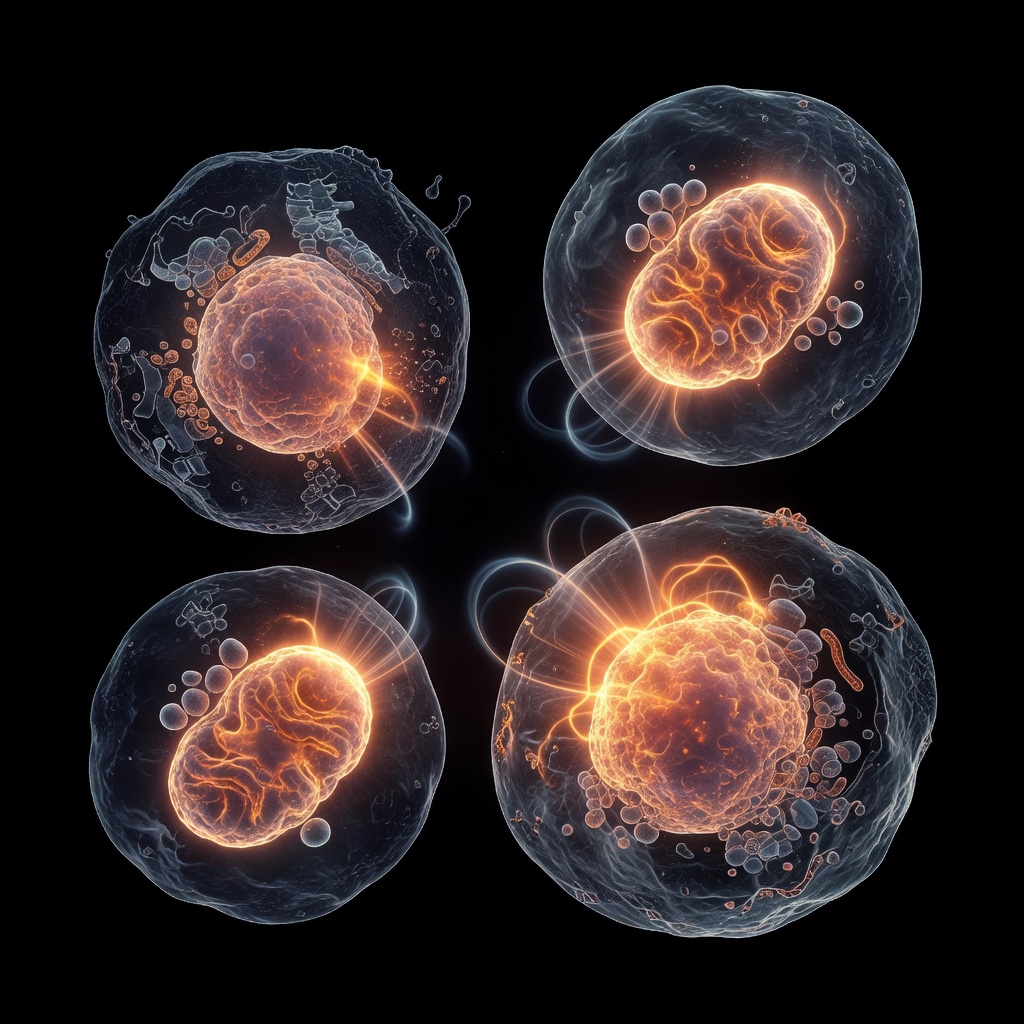
This is the 'Mitochondrial Hijack.' While extracellular uric acid can act as an antioxidant, the uric acid generated inside the hepatocyte acts as a pro-oxidant. Specifically, it targets the mitochondria, inducing oxidative stress that impairs the function of aconitase in the Krebs cycle. This mitochondrial dysfunction causes a shift in metabolism where the cell stops burning fat and starts producing it—a process known as de novo lipogenesis. Conventional medical advice often misses this link, suggesting 'low purine' diets that may still be high in processed sugars and fruit juice, inadvertently worsening the metabolic state. Research has shown that fructose-induced hyperuricemia is a primary driver of insulin resistance and the development of fatty liver.
Furthermore, the uric acid produced in this pathway activates the NLRP3 inflammasome, a multi-protein complex that triggers the release of pro-inflammatory cytokines like IL-1β. This chronic inflammatory state is what links sugary diets to the broader spectrum of metabolic syndrome. To combat this, biological education must prioritize the restriction of liquid fructose and the stabilization of ATP levels. Utilizing nutritional co-factors like Vitamin C can assist in the renal excretion of urate, but the most profound impact comes from stopping the intracellular ATP depletion at its source. Understanding this mechanism empowers individuals to see beyond the 'steak and gout' myth and address the true biochemical drivers of purine-related metabolic decline.
This article is provided for informational and educational purposes only. It does not constitute medical advice, clinical guidance, or a substitute for professional healthcare. Information reflects cited research at time of publication. Always consult a qualified healthcare professional before acting on any health information.
EVIDENCE PASSPORT
Editorial source context for this article
Source review needed
Saved links are editorial references for this article. They may support specific claims rather than every sentence. Open and assess each source in context. This passport does not independently verify them.
Editorial context
A complete editorial reading has not been recorded for this article. Source links remain available for you to open and assess directly.
Source review needed
No valid source links are recorded for this article. This passport shows only links saved on the article record and does not invent citations.
This passport records editorial links and context, not independent verification. Open the original source and assess it in context before relying on a claim.
Medical Disclaimer
The information in this article is for educational purposes only and does not constitute medical advice, diagnosis, or treatment. Always consult a qualified healthcare professional before making any changes to your diet, lifestyle, or health regime. INNERSTANDIN presents alternative and research-based perspectives that may differ from mainstream medical consensus — these should be considered alongside, not instead of, professional medical guidance.
Read Full DisclaimerContinue the thread
Keep this question moving.
Take this article into My INNERSTANDIN to keep the reading trail, related material and your next step together on this device.
Explore this in the Body Map
See where this hits your biology. Interactive anatomy, threats, and protective protocols.
Dig deeper in the Library
Free, longform PDF volumes that go beyond headlines into mechanisms and references.