
Mitochondrial Dysfunction: The Effect of Preservatives on Cellular Energy
Updated May 2026
An analysis of how vaccine preservatives like phenoxyethanol can impair mitochondrial respiration. It highlights the consequences for high-energy organs like the heart and brain.
Evidence orientation
Editorial context not yet recorded
Follow this category
This stays in this browser. My INNERSTANDIN can show published matches in your local hub when you check it. It does not send email, push, or alert notifications.
Local learning review
A private browser aid for revisiting ideas. It is not an alert or a health recommendation.
Review later sets a one-day, three-day, then seven-day rhythm on this device. Choose it only when you want to revisit this article.
Overview
In the contemporary landscape of modern medicine, we are witnessing a silent, microscopic crisis—a gradual erosion of the very foundations of human vitality. At the heart of this crisis lies the mitochondrion, an ancient organelle that serves as the primary engine of cellular life. While mainstream clinical discourse frequently focuses on symptomatic management and macro-level pathology, it often ignores the bioenergetic catastrophe occurring at the molecular level.
As a senior researcher at INNERSTANDING, my objective is to peel back the layers of industrial complacency surrounding vaccine preservatives, specifically phenoxyethanol, and their profound impact on mitochondrial respiration. We are told these additives are "inert" or present in "negligible" quantities. However, the laws of biochemistry suggest a far more sinister reality. When we bypass the body's natural mucosal barriers through injection, we introduce synthetic compounds that possess a high affinity for lipid membranes.
The consequences are not merely local or transient. Because the heart and brain are the most metabolically demanding organs—consuming the lion’s share of cellular energy—they are the first to falter when mitochondrial integrity is compromised. This article explores the intersection of bioenergetics and toxicology, exposing how modern preservation methods may be inadvertently sabotaging the human "battery," leading to a cascade of chronic illnesses, neurological deficits, and systemic fatigue.
The Biology — How It Works
To understand why preservatives like phenoxyethanol are so detrimental, one must first grasp the elegant complexity of the mitochondrion. These organelles are not merely "power plants"; they are the primary environmental sensors of the cell, regulating everything from calcium signalling to programmed cell death (apoptosis).
The Architecture of Energy
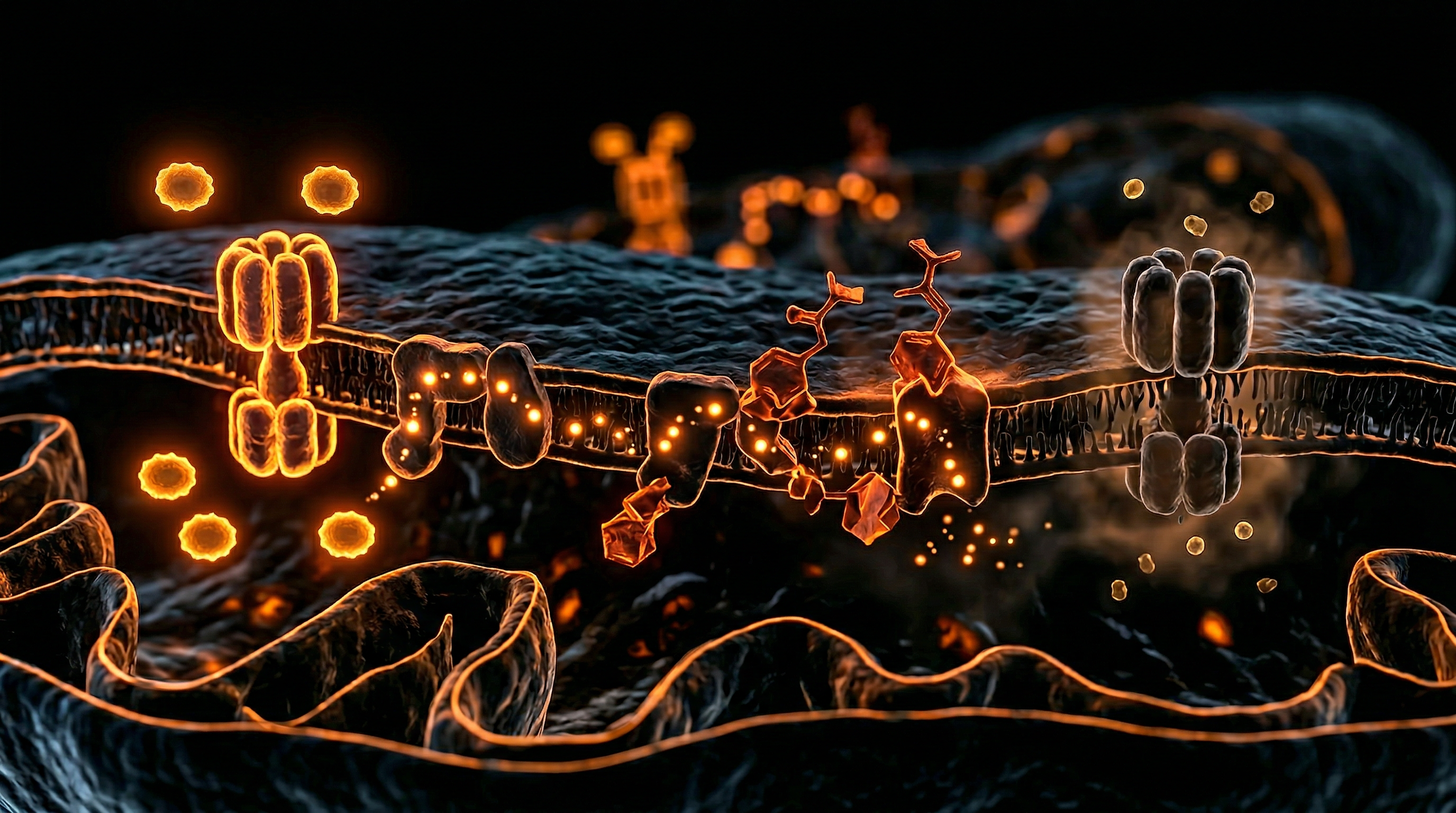
The mitochondrion consists of a double-membrane structure. The inner mitochondrial membrane (IMM) is folded into numerous cristae, providing a massive surface area for the Electron Transport Chain (ETC). This chain is a series of protein complexes (Complex I through V) that facilitate the transfer of electrons derived from the food we eat.
Fact: The surface area of the inner mitochondrial membranes in a healthy human adult is equivalent to approximately 14,000 square metres—nearly the size of three football pitches.
The Electrochemical Gradient
As electrons move through these complexes, protons ($H^+$) are pumped from the mitochondrial matrix into the intermembrane space. This creates an electrochemical gradient—a biological tension similar to water behind a dam. The flow of these protons back through ATP Synthase (Complex V) generates Adenosine Triphosphate (ATP), the universal energy currency of life.
The Role of Bioenergetics
In a state of health, this process is highly efficient. However, it is also incredibly fragile. The IMM is the most protein-dense membrane in the body, and its fluidity is essential for the mobility of electron carriers like Cytochrome c and Coenzyme Q10. Any substance that disrupts this membrane fluidity or interferes with the delicate protein complexes will immediately result in a "bioenergetic deficit."
Mechanisms at the Cellular Level
The central protagonist of our investigation is 2-Phenoxyethanol (2-PE), a glycol ether commonly used as a preservative in vaccines like the DTaP (Diphtheria, Tetanus, and acellular Pertussis) and various IPV (Inactivated Poliovirus) formulations. While marketed as a safer alternative to mercurial compounds like Thimerosal, its molecular behaviour tells a different story.
Lipophilicity and Membrane Penetration
Phenoxyethanol is an aromatic ether. Its chemical structure allows it to be both water-soluble and lipid-soluble. This "amphiphilic" nature is exactly what makes it a potent preservative—it can easily penetrate the cell walls of bacteria to destroy them. Unfortunately, the membranes of our mitochondria are evolutionarily derived from bacteria.
When phenoxyethanol enters the systemic circulation via injection, it does not remain at the injection site. It seeks out lipid-rich environments. The mitochondrial membrane is its primary target.
Uncoupling Oxidative Phosphorylation
One of the most devastating effects of glycol ethers is their ability to act as uncouplers. An uncoupler allows protons to leak back across the IMM without passing through ATP Synthase.
- The gradient is dissipated.
- ATP production plummets.
- The energy is instead released as wasted heat.
This leads to a state of cellular "starvation" despite the presence of oxygen and nutrients. The cell is working harder and harder, but producing less and less usable energy.
Generation of Reactive Oxygen Species (ROS)
When the Electron Transport Chain is disrupted—a state known as mitochondrial electron leakage—electrons do not reach their final destination (oxygen to form water). Instead, they escape and react prematurely with oxygen to form Superoxide ($O_2^-$) and other free radicals.
These Reactive Oxygen Species (ROS) are highly destructive. They cause:
- Lipid Peroxidation: The literal "rusting" of the mitochondrial membrane.
- Protein Carbonylation: The warping of the ETC complexes themselves.
- mtDNA Damage: Mitochondria have their own DNA, which lacks the protective histone proteins found in nuclear DNA. Phenoxyethanol-induced ROS leads to mutations in mitochondrial genes, creating a permanent cycle of energy failure.
Statistic: Mitochondrial DNA mutates at a rate 10 to 100 times higher than nuclear DNA due to its proximity to the site of free radical production.
Environmental Threats and Biological Disruptors
While phenoxyethanol is a primary concern, it rarely acts in isolation. The modern pharmaceutical and environmental landscape presents a "synergistic toxicity" that overwhelms the body’s compensatory mechanisms.
The Synergistic Effect of Adjuvants
In many vaccine formulations, phenoxyethanol is paired with aluminium salts (aluminium hydroxide or aluminium phosphate). Aluminium is a known neurotoxin and a potent disruptor of mitochondrial enzymes, particularly α-ketoglutarate dehydrogenase.
- Aluminium interferes with the body's ability to utilize iron.
- Phenoxyethanol increases membrane permeability.
- This "one-two punch" allows aluminium to bypass the blood-brain barrier and the mitochondrial membrane more effectively than it would on its own.
The Preservative Paradox
Regulatory bodies often evaluate the safety of these ingredients based on "LD50" (the dose required to kill 50% of a test population) or acute toxicity. This is a flawed metric for mitochondrial health. Sub-lethal toxicity—doses that do not kill the cell but permanently impair its energy production—is rarely accounted for in safety trials.
Common Sources of Exposure
It is vital to recognise that phenoxyethanol is ubiquitous. It is found in:
- Vaccines (preservative/stabiliser)
- Cosmetic creams and "natural" skincare
- Wet wipes and sanitising gels
- Industrial solvents
The cumulative load, or total toxic burden, means that a child receiving a scheduled series of injections is being exposed to these mitochondrial disruptors at a time when their "mitochondrial biogenesis" (the creation of new mitochondria) is at its most critical developmental peak.
The Cascade: From Exposure to Disease
Mitochondrial dysfunction is not a single disease; it is the "root of the root." When the power fails, every system in the house begins to malfunction. However, certain tissues are more susceptible to this "brownout" than others.
The Neurological Connection (The Brain)
The human brain represents only 2% of body weight but consumes 20% of the body’s total oxygen. Neurons are incredibly dense with mitochondria, particularly at the synapses where neurotransmitters are released.
- Synaptic Failure: Without ATP, neurons cannot maintain the ion gradients necessary for firing.
- Neurodevelopmental Delay: Impaired mitochondria in infants can lead to "oxidative stress-induced neuro-inflammation," a hallmark of autism spectrum disorders and ADHD.
- Microglial Activation: When mitochondria fail, they release "DAMPs" (Damage-Associated Molecular Patterns). These signals trick the brain's immune cells (microglia) into a state of chronic inflammation, leading to "brain fog" and cognitive decline.
The Cardiovascular Burden (The Heart)
Like the brain, the heart is a high-energy organ. Cardiac myocytes contain thousands of mitochondria.
- Cardiomyopathy: If phenoxyethanol impairs the ATP production in heart cells, the contractile force of the heart diminishes.
- Arrhythmias: The electrical pacing of the heart depends on precise ion channel function, which is an energy-dependent process.
Systemic Metabolic Collapse
Mitochondria are the site of the TCA Cycle (Krebs Cycle). When these are disrupted, the body shifts from efficient aerobic metabolism to inefficient anaerobic glycolysis. This leads to:
- Lactic Acidosis: A buildup of lactate in the tissues, causing chronic pain and fibromyalgia.
- Insulin Resistance: Mitochondria are responsible for burning glucose. When they are dysfunctional, glucose remains in the blood, leading to metabolic syndrome and Type 2 Diabetes.
What the Mainstream Narrative Omits
The refusal of regulatory agencies to acknowledge the "Mitochondrial Threshold" is one of the greatest oversights in modern medical history. There are several key "omissions" that the public must understand:
1. The Absence of Chronic Bioenergetic Testing
Vaccine safety trials typically last for days or weeks. However, mitochondrial decay is a slow, cumulative process. A preservative may cause 5% mitochondrial loss today, which doesn't show up as a "reaction" in a clinic, but it lowers the individual's "bioenergetic ceiling," making them susceptible to illness years later.
2. The "Inert Ingredient" Myth
The term "excipient" or "preservative" implies that these substances do not interact with human physiology. This is biochemically impossible. Every molecule introduced into the biological system must be metabolised, and many of these synthetic molecules are "metabolic sand," clogging the machinery of the cell.
3. Individual Variability (The Genetic Wildcard)
Mainstream narratives assume every child reacts to phenoxyethanol identically. In reality, individuals with pre-existing mitochondrial DNA mutations (which occur in roughly 1 in 2,500 people) or those with poor methylation (MTHFR gene variants) are far more likely to suffer catastrophic failure from a "standard" dose of preservatives.
Callout: Modern medicine treats the patient as a statistical average, but mitochondrial health is an individualised biological reality.
The UK Context
In the United Kingdom, the National Health Service (NHS) and the Medicines and Healthcare products Regulatory Agency (MHRA) oversee the administration of vaccines containing these preservatives.
The "Green Book" and Transparency
The UK's "Green Book" (Immunisation against infectious disease) lists the ingredients for all vaccines used in the British schedule. However, few parents are encouraged to read it, and fewer still are warned about the potential for 2-Phenoxyethanol to interfere with the cellular respiration of their infants.
The Rise of Chronic Fatigue in Britain
Over the last two decades, the UK has seen a staggering increase in cases of Myalgic Encephalomyelitis (ME) and Chronic Fatigue Syndrome (CFS). While various triggers are cited, many researchers are beginning to point toward "mitochondrial exhaustion" as the common denominator. The widespread use of glycol-ether-based preservatives in both the medical and cosmetic industries in the UK mirrors the rise of these energy-deficit conditions.
Regulatory Capture
The MHRA is funded largely by the pharmaceutical industry. This creates an inherent conflict of interest. When safety signals regarding mitochondrial disruption are raised, they are often dismissed as "theoretical" because the cost of re-formulating vaccines without these cheap, stable preservatives would be in the billions of pounds.
Protective Measures and Recovery Protocols
If exposure has already occurred, or if one is living in a high-toxin environment, the focus must shift from "avoidance" to mitochondrial rescue and resilience.
1. Nutritional Co-Factors
To bypass a damaged Complex I or Complex II, we can provide the mitochondria with the "parts" they need to repair themselves:
- Coenzyme Q10 (Ubiquinol): A vital electron carrier that is often depleted by preservatives.
- PQQ (Pyrroloquinoline Quinone): Shown to stimulate "mitochondrial biogenesis"—the growth of new mitochondria.
- N-Acetyl Cysteine (NAC): A precursor to glutathione, the body's master antioxidant, which protects mtDNA from oxidative "rusting."
- Magnesium: Essential for the stability of the ATP molecule itself.
2. Dietary Interventions
- Ketogenic Principles: Burning fats (ketones) instead of glucose can sometimes bypass certain defects in the Electron Transport Chain, providing a cleaner fuel source with fewer ROS byproducts.
- Intermittent Fasting: This triggers mitophagy—the biological process of "culling" weak or damaged mitochondria so that healthy ones can proliferate.
3. Environmental Mitigation
- Red Light Therapy (Photobiomodulation): Specific wavelengths of red and near-infrared light are absorbed by Cytochrome c Oxidase (Complex IV), enhancing the flow of electrons and boosting ATP production.
- Avoiding Glycol Ethers: Read the labels on all personal care products. If it contains Phenoxyethanol, 2-Phenoxyethanol, or Ethylene Glycol Phenyl Ether, it is a mitochondrial toxin.
4. The Detoxification Pathway
Supporting the liver's Phase II detoxification is critical for clearing phenoxyethanol. This involves ensuring adequate sulphur intake (from cruciferous vegetables) and maintaining high levels of glycine and taurine.
Summary: Key Takeaways
The evidence is clear: the preservatives used in modern medicine are not neutral bystanders. They are active participants in the bioenergetic health of the human species.
- Mitochondria are the primary targets: Substances like phenoxyethanol are lipophilic and migrate toward the inner mitochondrial membrane, where they uncouple energy production.
- The Heart and Brain pay the price: Organs with the highest energy requirements are the most vulnerable to preservative-induced "power failures."
- The "Dose" is a lie: Even small amounts of uncouplers can cause significant oxidative damage to the unprotected mitochondrial DNA (mtDNA).
- Regulatory negligence: Current safety standards focus on acute death rather than the chronic, slow-motion decay of cellular vitality.
- Recovery is possible: Through targeted supplementation (CoQ10, PQQ), dietary shifts, and environmental awareness, we can protect and even regenerate our cellular "engines."
We must demand a transition toward Bioenergetic Medicine—a paradigm that treats the mitochondrion as the sacred core of human health. Until the pharmaceutical industry prioritises mitochondrial safety over shelf-life and profit, the responsibility for cellular integrity remains in our own hands. Knowledge of these mechanisms is the first step in reclaiming our energy, our health, and our future.
This article is provided for informational and educational purposes only. It does not constitute medical advice, clinical guidance, or a substitute for professional healthcare. Information reflects cited research at time of publication. Always consult a qualified healthcare professional before acting on any health information.
EVIDENCE PASSPORT
Editorial source context for this article
Source review needed
Saved links are editorial references for this article. They may support specific claims rather than every sentence. Open and assess each source in context. This passport does not independently verify them.
Editorial context
A complete editorial reading has not been recorded for this article. Source links remain available for you to open and assess directly.
Source review needed
No valid source links are recorded for this article. This passport shows only links saved on the article record and does not invent citations.
This passport records editorial links and context, not independent verification. Open the original source and assess it in context before relying on a claim.
Medical Disclaimer
The information in this article is for educational purposes only and does not constitute medical advice, diagnosis, or treatment. Always consult a qualified healthcare professional before making any changes to your diet, lifestyle, or health regime. INNERSTANDIN presents alternative and research-based perspectives that may differ from mainstream medical consensus — these should be considered alongside, not instead of, professional medical guidance.
Read Full DisclaimerContinue the thread
Keep this question moving.
Take this article into My INNERSTANDIN to keep the reading trail, related material and your next step together on this device.
Explore this in the Body Map
See where this hits your biology. Interactive anatomy, threats, and protective protocols.
Dig deeper in the Library
Free, longform PDF volumes that go beyond headlines into mechanisms and references.