
Mitochondrial Mutiny: Fungicide Residues in British Soft Fruits
Updated May 2026
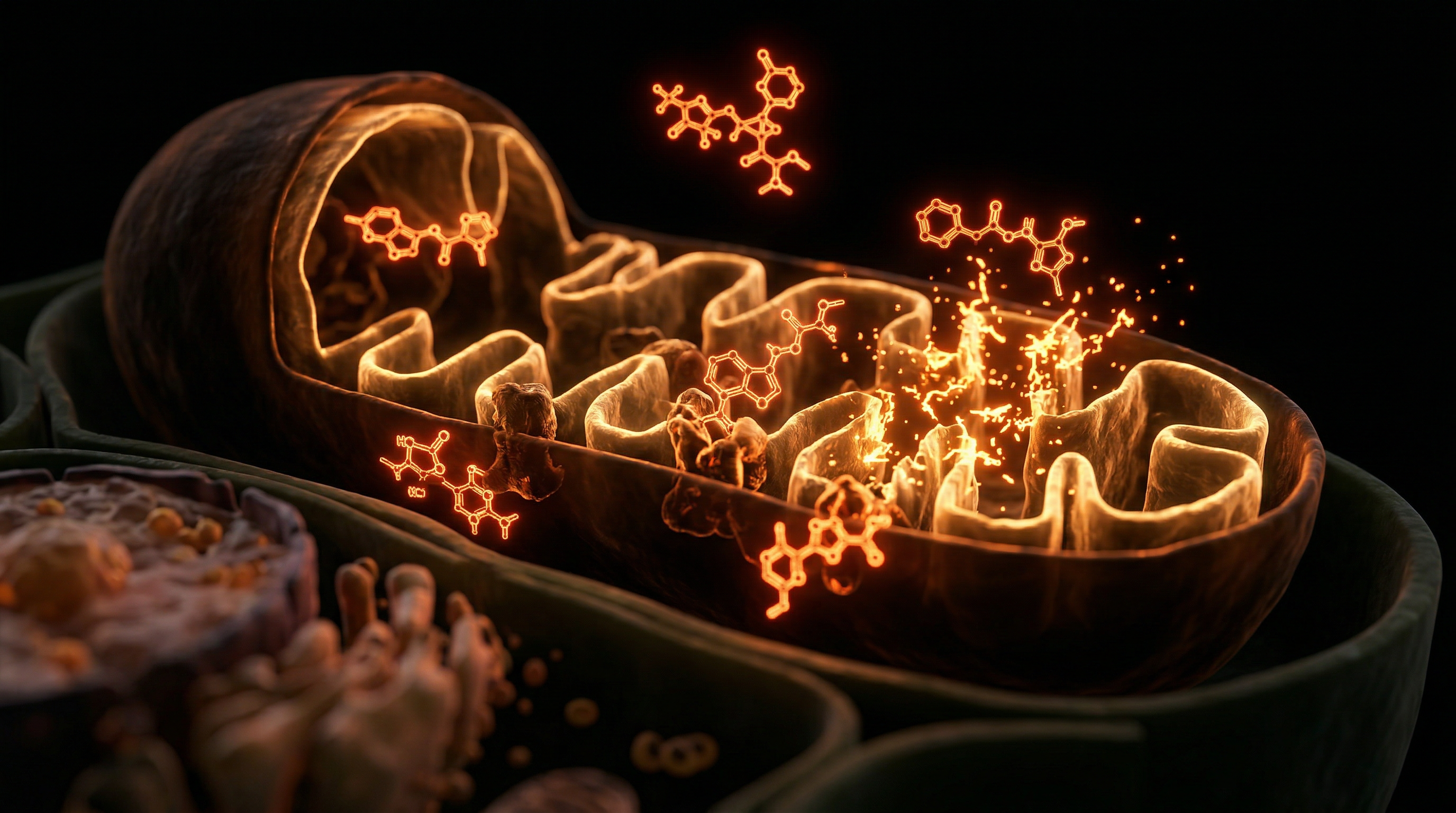
Modern fungicides used in UK berry production can inhibit mitochondrial respiration in human cells. This cellular stress is associated with chronic fatigue and metabolic dysfunction.
Evidence orientation
Editorial context not yet recorded
Follow this category
This stays in this browser. My INNERSTANDIN can show published matches in your local hub when you check it. It does not send email, push, or alert notifications.
Local learning review
A private browser aid for revisiting ideas. It is not an alert or a health recommendation.
Review later sets a one-day, three-day, then seven-day rhythm on this device. Choose it only when you want to revisit this article.
Overview
In the verdant fields of Kent and the polytunnels of Scotland, a silent biochemical insurrection is taking place. To the average consumer, the British strawberry represents the pinnacle of summer—a vibrantly red, antioxidant-rich "superfood" synonymous with health and vitality. However, beneath the glossy exterior of these soft fruits lies a complex residue of synthetic chemistry that is increasingly being linked to a fundamental breakdown in human cellular energy production. This is not a matter of acute poisoning in the traditional sense, but rather a subtle, chronic "mitochondrial mutiny."
Modern industrial viticulture and soft fruit production in the United Kingdom rely heavily on a class of chemicals known as Succinate Dehydrogenase Inhibitors (SDHIs). These fungicides are designed to protect crops from pathogens like Botrytis cinerea (grey mould) by essentially suffocating the fungi at a cellular level. They do this by targeting the mitochondria—the "powerhouses" of the cell. The prevailing regulatory assumption has long been that these chemicals are specific to fungal biology. Yet, emerging research in molecular biology and toxicology suggests that the "lock and key" mechanism these fungicides employ is far less discriminating than we were led to believe.
As a senior biological researcher, it has become increasingly clear that the rising tide of idiopathic chronic fatigue, metabolic syndrome, and neurodegenerative decline in the UK population may be partially rooted in the pervasive contamination of our food supply. When we consume soft fruits—raspberries, strawberries, and blueberries—laden with SDHI residues, we are inadvertently introducing mitochondrial disruptors into our own biological systems. This article will dissect the molecular mechanism of this disruption, the regulatory failures that allow it to persist, and the cascading health implications of a life lived under mitochondrial siege.
The Biology — How It Works
To understand the threat, one must understand the mitochondrion. Mitochondria are the ancestral remnants of alphaproteobacteria that entered into a symbiotic relationship with our cells billions of years ago. They possess their own DNA and are responsible for producing Adenosine Triphosphate (ATP), the universal energy currency of life.
The process of creating ATP occurs via the Electron Transport Chain (ETC), a series of four multi-protein complexes (I, II, III, and IV) located in the inner mitochondrial membrane. The ETC functions like a relay race, passing electrons from one complex to the next, which in turn pumps protons to create an electrochemical gradient. This gradient drives the "turbine" of ATP synthase.
The Universal Machinery
The critical biological fact that pesticide manufacturers often downplay is the conservation of the ETC across species. Whether you are a fungus, a fruit fly, or a British citizen, the basic machinery of cellular respiration is remarkably similar. Specifically, Complex II (Succinate Dehydrogenase) is a vital component that links the Krebs cycle directly to the electron transport chain.
Key Fact: Succinate Dehydrogenase is the only enzyme that participates in both the Citric Acid (Krebs) Cycle and the Electron Transport Chain, making it a "master switch" for cellular energy production.
SDHI fungicides work by binding to the ubiquinone-binding site of Complex II in fungi. This blocks the flow of electrons, halts the production of ATP, and leads to the death of the fungal cell. The "mitochondrial mutiny" occurs when these chemicals, consumed as residues on soft fruits, exert the same inhibitory pressure on human Complex II.
Mechanisms at the Cellular Level
The interference of fungicides with human mitochondria is not a theoretical abstraction; it is a measurable biochemical event. When a human cell is exposed to SDHI residues, several pathological processes are initiated.
Competitive Inhibition of Complex II
Fungicides like Boscalid, Fluopyram, and Isopyrazam (all common in UK fruit production) are designed to fit into the molecular pocket of the Succinate Dehydrogenase enzyme. Because the structure of this enzyme in humans is structurally homologous to that in fungi, these chemicals can "plug" our own cellular machinery. This is known as competitive inhibition. Even at low doses, the presence of these molecules can reduce the efficiency of ATP production, forcing the cell into a state of metabolic stress.
The Leakage of Reactive Oxygen Species (ROS)
When the flow of electrons through the ETC is blocked or slowed by a fungicide, electrons do not simply vanish. Instead, they "leak" out of the chain and react with oxygen to form Reactive Oxygen Species (ROS), such as superoxide radicals.
- Oxidative Stress: An excess of ROS overwhelms the cell's antioxidant defences (glutathione, superoxide dismutase).
- Mitochondrial DNA (mtDNA) Damage: Unlike nuclear DNA, mtDNA is not protected by histones and is highly susceptible to oxidative damage.
- Membrane Peroxidation: ROS attack the lipid bilayer of the mitochondria, further compromising its integrity.
Mitophagy and Cellular Senescence
In a healthy state, damaged mitochondria are cleared away via a process called mitophagy. However, chronic exposure to low-level fungicides can create a "stalemate" where the rate of mitochondrial damage exceeds the cell's ability to recycle them. This results in a population of "zombie" mitochondria that produce little energy but high amounts of inflammatory waste. This state is a hallmark of cellular senescence, contributing to premature ageing and tissue dysfunction.
Environmental Threats and Biological Disruptors
The UK's climate—often damp and temperate—is a breeding ground for fungal pathogens. Consequently, British soft fruit production is among the most chemically intensive sectors of agriculture.
The "Pesticide Cocktail" Effect
Regulatory bodies typically assess the safety of fungicides based on single-chemical exposures. However, the UK's Pesticide Residues in Food (PRiF) reports consistently show that a single punnet of strawberries can contain residues of up to ten different pesticides, including multiple SDHIs.
Statistic: According to recent PAN UK analysis of government data, nearly 90% of strawberries sampled contained residues of multiple pesticides, with SDHIs being among the most frequent "cocktail" components.
The synergy between these chemicals is rarely studied. One fungicide might inhibit the liver enzymes (cytochrome P450) responsible for detoxifying another, leading to a much higher internal dose than predicted by standard models.
Persistence and Systemic Action
Modern fungicides are often systemic, meaning they are absorbed into the plant's vascular system. They aren't just on the skin; they are in the flesh of the fruit. This makes the traditional advice of "just washing your fruit" largely ineffective against the chemical burden sequestered within the cells of the berry itself.
The Cascade: From Exposure to Disease
The jump from "mitochondrial inhibition" to "chronic disease" is not a leap of faith; it is a logical biochemical progression. Because every organ system in the body relies on ATP, mitochondrial dysfunction is the ultimate systemic disruptor.
Chronic Fatigue Syndrome (CFS/ME) and Fibromyalgia
The hallmark of CFS is a profound lack of metabolic energy and "post-exertional malaise." Research into the plasma of CFS patients has shown significant abnormalities in the Krebs cycle and mitochondrial function. By introducing SDHI residues—which specifically target the energy-producing machinery—we are potentially lowering the "energetic ceiling" of the population. Individuals who may already have a genetic predisposition to mitochondrial sluggishness can be pushed over the edge into clinical fatigue by chronic dietary exposure.
Metabolic Dysfunction and Type 2 Diabetes
Mitochondria are the primary sites for fat and sugar oxidation. When Complex II is inhibited, the cell’s ability to "burn" fuel is compromised. This leads to:
- Intracellular Lipid Accumulation: Unburned fats accumulate inside muscle and liver cells.
- Insulin Resistance: This accumulation interferes with insulin signalling, leading to elevated blood sugar.
- Obesity: A "slow" metabolism is often simply a collection of "slow" mitochondria.
Neurodegeneration and Parkinson’s Disease
The brain is the most energy-hungry organ in the body, consuming 20% of our total ATP. It is also the most sensitive to oxidative stress. There is a long-standing scientific link between Complex II inhibition and the death of dopaminergic neurons in the brain—the primary pathology of Parkinson's Disease. In fact, a chemical called MPTP, which is used in laboratories to induce Parkinson’s in animal models, works by a mechanism disturbingly similar to that of certain fungicides.
What the Mainstream Narrative Omits
The mainstream regulatory and industry narrative maintains that pesticide residues are "within safe limits" and pose no risk to human health. However, this narrative is built on several outdated toxicological dogmas that are being dismantled by modern independent science.
The Myth of the "Safe Limit" (ADI)
The Acceptable Daily Intake (ADI) is based on the LD50 (the dose that kills 50% of lab animals) or the NOAEL (No Observed Adverse Effect Level). These metrics focus on acute, visible damage—organ failure, birth defects, or death. They do not account for sub-lethal mitochondrial impairment. A cell that is 20% less efficient isn't "dead," so it doesn't show up in traditional toxicity tests, but a human made of trillions of such cells is functionally ill.
Non-Monotonic Dose Response
Mainstream toxicology assumes that "the dose makes the poison"—that less is always better. However, endocrine disruptors and mitochondrial toxins often exhibit non-monotonic dose responses, where very low doses can have more significant effects than mid-range doses by mimicking or interfering with delicate signalling molecules.
The Conflict of Interest in Research
Much of the data used by the UK Health and Safety Executive (HSE) and DEFRA to approve these fungicides is provided by the manufacturers themselves. These studies are often kept "commercially confidential," preventing independent peer review. When independent scientists, such as the French team led by Dr. Pierre Rustin at Inserm, tested SDHIs on human cells, they found significant toxicity that the industry tests had somehow missed.
Callout: Dr. Pierre Rustin’s research demonstrated that SDHIs can inhibit the respiratory chain of human cells in vitro at concentrations that are legally allowed on our food.
The UK Context
The United Kingdom occupies a unique and somewhat precarious position regarding pesticide regulation. Following Brexit, the UK has the autonomy to deviate from EU standards—standards which, while imperfect, are among the most stringent in the world.
The British Soft Fruit Boom
The UK has seen a massive expansion in soft fruit production, with the season extended by the use of polytunnels. This intensive, high-density farming creates a humid microclimate that is ideal for fungi, necessitating a relentless spray schedule. Strawberries, in particular, are the "canary in the coal mine" for pesticide residues in the British diet.
Regulatory Divergence
There are growing concerns that the UK may become a "dumping ground" for pesticides that are facing bans or restrictions in the EU. For instance, several neonicotinoids and fungicides have been granted "emergency authorisations" in the UK despite their known environmental and biological risks. The UK’s Expert Committee on Pesticide Residues in Food (PRiF) regularly finds residues exceeding "Maximum Residue Levels" (MRLs) in imported fruits, but even homegrown produce is frequently contaminated with complex mixtures.
The Hydroponic Illusion
Many modern UK berries are grown hydroponically (in water solutions rather than soil). While this allows for greater control, it often necessitates the use of systemic fungicides to prevent root rot and fruit mould in the absence of a natural soil microbiome that would otherwise provide some level of plant immunity.
Protective Measures and Recovery Protocols
While the systemic nature of the "mitochondrial mutiny" is daunting, we are not powerless. Protective measures can be taken at both the consumer and the biological level.
1. The Organic Imperative
The most effective way to avoid SDHI fungicides is to consume Certified Organic soft fruits. Organic standards strictly prohibit the use of synthetic SDHIs. While organic produce may still have some environmental "drift" contamination, the levels are orders of magnitude lower than conventional produce.
2. Strategic Peeling and Cleaning
For fruits that cannot be peeled (like berries), a soak in a 10% bicarbonate of soda (baking soda) and water solution for 15 minutes has been shown to remove a greater percentage of surface residues than water alone. However, remember that systemic fungicides reside within the fruit tissue.
3. Nutritional Mitochondrial Support
We can increase our "mitochondrial resilience" by providing the nutrients required for the Electron Transport Chain and antioxidant defence:
- Coenzyme Q10 (Ubiquinol): This is the direct carrier of electrons between complexes in the ETC. Supplementation can help bypass "bottlenecks" caused by inhibition.
- PQQ (Pyrroloquinoline Quinone): Known to stimulate mitochondrial biogenesis (the creation of new mitochondria).
- Magnesium: Essential for the stabilisation of ATP. Most ATP in the cell is actually bound to magnesium.
- Glutathione Precursors: N-Acetyl Cysteine (NAC) and Selenium help the cell neutralise the ROS generated by fungicide exposure.
4. Hormetic Stress
Engaging in activities that promote mitochondrial health, such as High-Intensity Interval Training (HIIT) and cold exposure, encourages the body to clear out damaged mitochondria (mitophagy) and replace them with more efficient ones.
Summary: Key Takeaways
The presence of fungicide residues in British soft fruits is not merely an "environmental issue"; it is a direct assault on the fundamental engine of human life.
- Mitochondrial Target: SDHI fungicides work by inhibiting Complex II of the mitochondrial respiratory chain, a structure that is nearly identical in fungi and humans.
- Chronic Fatigue Link: By reducing ATP production and increasing oxidative stress, these chemicals contribute to the rising prevalence of chronic fatigue and metabolic disorders.
- The Cocktail Risk: UK consumers are exposed to mixtures of these chemicals, the synergistic effects of which are not currently accounted for in safety regulations.
- Systemic Contamination: Because these chemicals are systemic, they cannot be simply washed off; they are integrated into the fruit itself.
- Regulatory Failure: Current "safe limits" focus on acute death rather than chronic cellular dysfunction, ignoring the long-term implications of mitochondrial impairment.
- Actionable Defense: Prioritising organic produce and supporting mitochondrial health through nutrition and lifestyle is essential in a chemically saturated environment.
The "Mitochondrial Mutiny" is a call to rethink our relationship with industrial agriculture. As we continue to prioritise shelf-life and aesthetic perfection in our fruit, we are inadvertently compromising the very energy that sustains us. It is time for a radical transparency in the UK food chain, where the health of the human cell is given precedence over the profits of the chemical industry. Our vitality depends on it.
This article is provided for informational and educational purposes only. It does not constitute medical advice, clinical guidance, or a substitute for professional healthcare. Information reflects cited research at time of publication. Always consult a qualified healthcare professional before acting on any health information.
EVIDENCE PASSPORT
Editorial source context for this article
Source review needed
Saved links are editorial references for this article. They may support specific claims rather than every sentence. Open and assess each source in context. This passport does not independently verify them.
Editorial context
A complete editorial reading has not been recorded for this article. Source links remain available for you to open and assess directly.
Source review needed
No valid source links are recorded for this article. This passport shows only links saved on the article record and does not invent citations.
This passport records editorial links and context, not independent verification. Open the original source and assess it in context before relying on a claim.
Medical Disclaimer
The information in this article is for educational purposes only and does not constitute medical advice, diagnosis, or treatment. Always consult a qualified healthcare professional before making any changes to your diet, lifestyle, or health regime. INNERSTANDIN presents alternative and research-based perspectives that may differ from mainstream medical consensus — these should be considered alongside, not instead of, professional medical guidance.
Read Full DisclaimerContinue the thread
Keep this question moving.
Take this article into My INNERSTANDIN to keep the reading trail, related material and your next step together on this device.
Explore this in the Body Map
See where this hits your biology. Interactive anatomy, threats, and protective protocols.
Dig deeper in the Library
Free, longform PDF volumes that go beyond headlines into mechanisms and references.