
Endocrine Sabotage: Fungicides in UK Soft Fruits
Updated May 2026
Unmasking the prevalence of hormone-disrupting fungicides in popular UK berries and their link to reproductive health issues. Biological mechanisms demonstrate how these chemicals mimic natural hormones at minute concentrations.
Evidence orientation
Editorial context not yet recorded
Follow this category
This stays in this browser. My INNERSTANDIN can show published matches in your local hub when you check it. It does not send email, push, or alert notifications.
Local learning review
A private browser aid for revisiting ideas. It is not an alert or a health recommendation.
Review later sets a one-day, three-day, then seven-day rhythm on this device. Choose it only when you want to revisit this article.
Overview
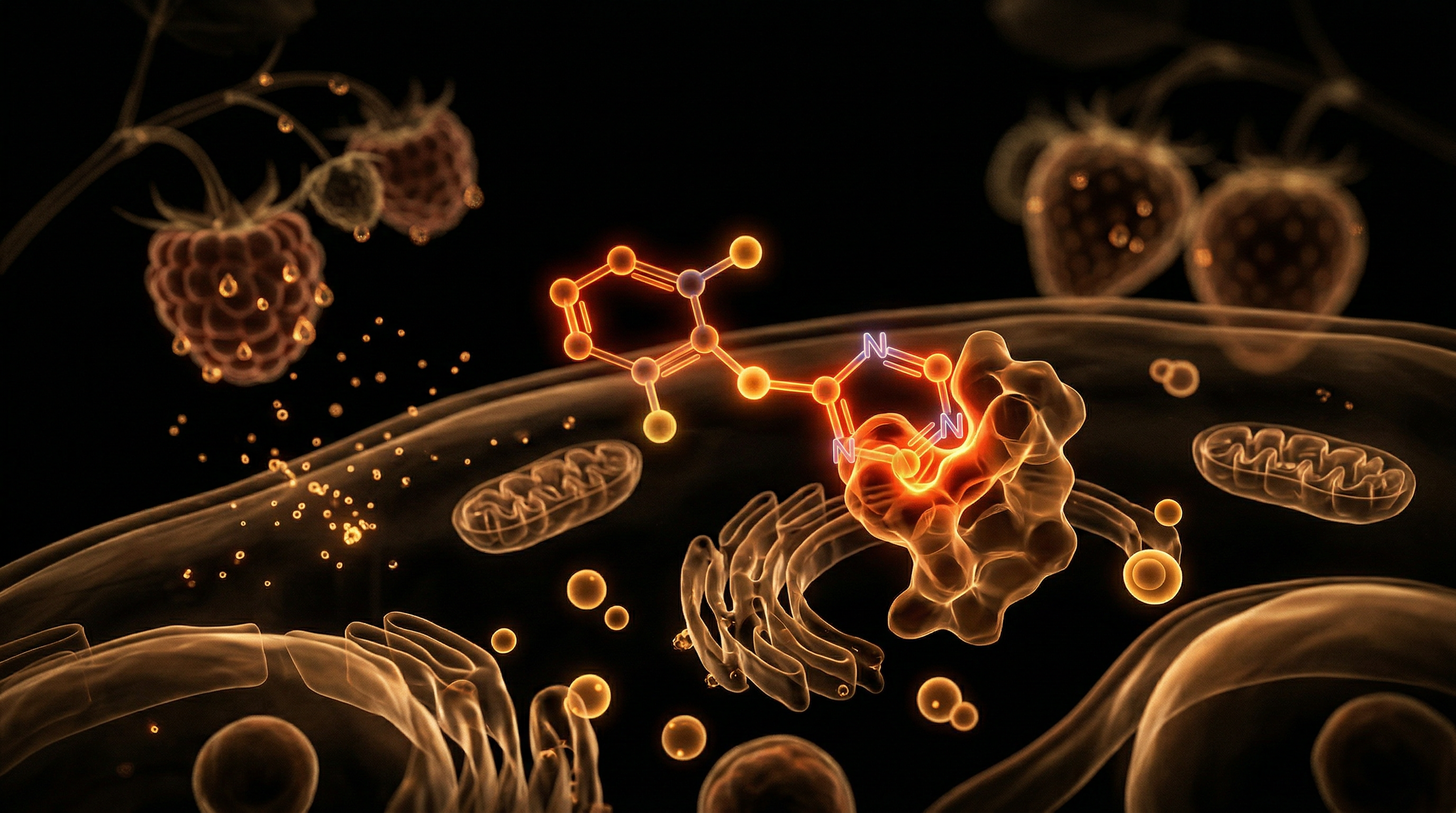
In the verdant fields of Kent and the polytunnels of Perthshire, a silent biological subversion is taking place. The British "health halo" surrounding soft fruits—strawberries, raspberries, and blueberries—has long shielded the industry from rigorous scrutiny regarding its chemical dependency. As consumers reach for these antioxidant-rich "superfoods," they are inadvertently participating in a massive, uncontrolled toxicological experiment. At the heart of this issue lies a specific class of agrochemicals: fungicides.
While herbicides like glyphosate often dominate the headlines, it is fungicides that represent the most pervasive threat to the human endocrine system within the context of the UK diet. These compounds are not merely "surface contaminants" that can be rinsed away; they are systemic agents designed to persist, often penetrating the skin and vascular system of the fruit. Recent data from the UK government’s Expert Committee on Pesticide Residues in Food (PRiF) consistently reveals that soft fruits are among the most contaminated items in the British shopping basket.
The central problem is Endocrine Disruption. The human endocrine system is an exquisite network of glands and hormones that regulates everything from metabolic rate and mood to reproductive capacity and fetal development. Unlike traditional toxins, Endocrine Disrupting Chemicals (EDCs) do not follow the classical Paracelsian dictum that "the dose makes the poison." Instead, they operate at infinitesimal concentrations—parts per trillion—mimicking or blocking natural hormones during critical windows of biological development.
This article unmasks the biological mechanisms by which common UK fungicides, such as cyprodinil, fludioxonil, and boscalid, sabotage human health. We will explore how these residues contribute to the "Great Reproductive Decline" and why the current UK regulatory framework is fundamentally ill-equipped to protect the population from long-term hormonal erosion.
Key Statistic: According to Pesticide Action Network (PAN) UK, nearly 90% of strawberries sampled in the UK contained residues of multiple pesticides, with many containing "cocktails" of four or more distinct fungicide compounds.
##
The Biology — How It Works
To understand endocrine sabotage, one must first appreciate the sensitivity of the human hormonal architecture. Hormones are the body’s primary signalling molecules, functioning through a "lock and key" mechanism. A hormone (the key) travels through the bloodstream to find its specific receptor (the lock) on a target cell.
The Fragility of the Endocrine Homeostasis
The endocrine system operates on a principle of homeostasis—a constant, delicate balancing act. Glands such as the thyroid, adrenals, and gonads communicate via feedback loops. For example, the Hypothalamic-Pituitary-Gonadal (HPG) axis governs human reproduction. When a fungicide enters this system, it acts as a "molecular imposter."
The Non-Monotonic Challenge
Traditional toxicology is built on the assumption that lower doses produce lower effects. However, EDCs exhibit non-monotonic dose-response curves (NMDRCs). This means that a fungicide might have a more profound disruptive effect at a minute concentration (mimicking a natural hormone) than at a high concentration (where it might simply kill the cell).
- Agonism: The fungicide binds to a receptor and triggers an inappropriate biological response.
- Antagonism: The fungicide sits in the receptor, blocking the natural hormone from doing its job.
- Modulation: The chemical interferes with the synthesis, transport, or metabolism of natural hormones.
The Problem of "Systemic" Fungicides
In the UK soft fruit industry, systemic fungicides are favoured. These chemicals are absorbed into the plant's tissues to protect it from internal fungal infections like Botrytis cinerea (grey mould). For the consumer, this means the chemical is not just on the skin but integrated into the flesh of the berry. No amount of washing in cold water can fully remove these internalised residues.
##
Mechanisms at the Cellular Level
At the microscopic scale, fungicides engage in a form of cellular guerrilla warfare. Their structures often contain benzene rings or halogenated groups (chlorine, fluorine) that allow them to slip through lipid-rich cell membranes.
Nuclear Receptor Interaction
Most endocrine-disrupting fungicides target Nuclear Receptors (NRs). These are a class of proteins found within cells that are responsible for sensing steroid and thyroid hormones. When a fungicide like prochloraz (a common imidazole fungicide) enters the cell, it can bind to the Androgen Receptor (AR) or the Oestrogen Receptor (ER).
- Aromatase Inhibition: Some fungicides interfere with the enzyme aromatase (CYP19). This enzyme is responsible for converting androgens (like testosterone) into oestrogens. By inhibiting aromatase, fungicides can lead to an unnatural accumulation of testosterone or a deficit in oestrogen, disrupting the menstrual cycle or fetal brain masculinisation.
- Competitive Binding: Chemicals such as vinclozolin (and its metabolites) are potent anti-androgens. They compete with testosterone for the binding site on the androgen receptor, effectively "chemically castrating" cells at a molecular level during sensitive developmental phases.
Epigenetic Reprogramming
Perhaps the most terrifying mechanism is epigenetic modification. Fungicides can alter the "tags" on our DNA—methylation and acetylation—without changing the DNA sequence itself. These tags determine which genes are turned "on" or "off."
Scientific Fact: Research indicates that exposure to certain fungicides during pregnancy can alter the epigenetic programming of the fetus's germ cells (the precursors to sperm and eggs), meaning the health effects can be passed down to the grandchildren of the exposed individual.
Mitochondrial Dysfunction and Oxidative Stress
Fungicides are designed to kill fungi by disrupting their energy production, often targeting the mitochondrial electron transport chain. Unfortunately, human mitochondria share evolutionary ancestors with fungi. Residues of fungicides like boscalid and fluopyram (Succinate Dehydrogenase Inhibitors or SDHIs) have been shown to interfere with human mitochondrial complex II, leading to the production of Reactive Oxygen Species (ROS) and subsequent cellular senescence or death.
##
Environmental Threats and Biological Disruptors
The UK's damp climate makes it a breeding ground for fungal pathogens, necessitating heavy fungicide use in the soft fruit sector. This has created a landscape saturated with persistent biological disruptors.
The "Triazole" Family
Triazoles, such as tebuconazole and myclobutanil, are mainstays of UK berry production. In humans, these chemicals are notorious for their ability to interfere with Cytochrome P450 enzymes. These enzymes are critical not only for detoxifying foreign chemicals but also for the biosynthesis of steroid hormones and Vitamin D.
The "Dicarboximide" Threat
Compounds like procymidone and iprodione (though increasingly restricted, residues still appear in imported and stored UK fruits) are potent anti-androgens. They have been linked in laboratory studies to malformations of the male reproductive tract, including hypospadias (misplaced urinary opening) and cryptorchidism (undescended testes).
The Cocktail Effect: Synergistic Toxicity
Regulatory bodies typically assess the safety of fungicides in isolation. However, a single punnet of British raspberries may contain residues of five different fungicides.
- Synergy: 1 + 1 = 10. Some fungicides, when combined, increase the toxicity of the others by inhibiting the enzymes (like P450s) that would normally break them down.
- Cumulative Burden: Even if each individual fungicide is below the "Maximum Residue Level" (MRL), the cumulative impact on the endocrine system can be catastrophic.
##
The Cascade: From Exposure to Disease
The journey from eating a contaminated strawberry to developing a chronic illness is not immediate; it is a "cascade" of biological failures that may take decades to manifest.
The "First 1000 Days" Window
The most critical period of vulnerability is from conception to age two. During this window, hormones act as the master architects of the body. If a pregnant woman consumes high levels of fungicide-laden fruit, the "chemical noise" can disrupt the delicate signalling required for organogenesis.
Reproductive Erosion in Adults
The UK is currently facing a fertility crisis.
- Sperm Quality: Fungicides are significantly implicated in the global decline of sperm counts. By mimicking oestrogen or blocking testosterone, these chemicals reduce spermatogenesis and increase sperm DNA fragmentation.
- PCOS and Endometriosis: In women, EDCs are linked to the rise of Polycystic Ovary Syndrome (PCOS) and endometriosis. These conditions are fundamentally disorders of hormonal regulation and inflammatory signalling, both of which are exacerbated by fungicide exposure.
Metabolic Sabotage (Obesogens)
Emerging science classifies many fungicides as "Obesogens." By interfering with the PPAR-gamma receptor (the master regulator of fat cell formation), these chemicals can "program" the body to create more fat cells and store more calories. This suggests that the UK's obesity epidemic is not merely a result of overeating, but also of chemical interference with metabolic signalling.
Callout: A 2022 study published in Environmental Health Perspectives found that individuals with the highest urinary concentrations of fungicide metabolites had a 45% higher risk of metabolic syndrome compared to those with the lowest levels.
##
What the Mainstream Narrative Omits
The UK public is often reassured by the "Safe Limits" (MRLs) established by the government. However, the mainstream narrative conveniently ignores several fundamental flaws in the regulatory paradigm.
The Myth of the MRL
The Maximum Residue Level (MRL) is not a safety limit; it is a "good agricultural practice" limit. It represents the maximum amount of a pesticide expected to be found if a farmer follows the label instructions. It does not account for:
- The vulnerability of infants vs. adults.
- The cocktail effect of multiple residues.
- The non-monotonic effects of endocrine disruptors.
Regulatory Capture and the "Confidential Data" Problem
The safety assessments for most fungicides used in the UK are based on studies conducted by the chemical manufacturers themselves. These "pivotal studies" are often kept secret under the guise of "commercial confidentiality," preventing independent scientists from verifying the raw data.
The Failure to Account for "Low-Dose" Effects
Regulatory toxicology is stuck in the 1970s. It relies on high-dose animal testing to determine a "No Observed Adverse Effect Level" (NOAEL). This model ignores the reality that the endocrine system is designed to respond to extremely low doses. By the time a "high-dose" effect is observed, the subtle, low-dose endocrine signalling has already been decimated.
##
The UK Context
In the post-Brexit landscape, the UK’s regulation of pesticides is at a crossroads. The Health and Safety Executive (HSE) and the Department for Environment, Food & Rural Affairs (DEFRA) are now responsible for setting standards that were previously harmonized across the EU.
The Post-Brexit Divergence
There are growing concerns that the UK may allow higher residue levels or re-authorise chemicals that are banned in the EU to support domestic farming yields. For instance, several neonicotinoids and fungicides have been granted "emergency authorisations" in the UK despite their known environmental and biological risks.
The Soft Fruit Data
According to the latest PRiF reports:
- Strawberries: Consistently rank as the most contaminated fruit. Fungicides like cyprodinil, fludioxonil, fenhexamid, and azoxystrobin are ubiquitous.
- Blueberries: Often praised for their health benefits, but samples frequently show residues of boscalid and pyraclostrobin.
- Raspberries: Highly susceptible to mould, leading to frequent late-stage spraying, which results in high residue levels at the point of sale.
The "Clean" vs "Dirty" List
While the UK doesn't officially publish a "Dirty Dozen" list like the US-based EWG, independent analysis of UK data shows a clear trend. Berries, grapes, and stone fruits are the primary vectors for fungicide exposure in the British diet.
##
Protective Measures and Recovery Protocols
Given the systemic nature of these chemicals, how can the British consumer protect themselves?
1. The Organic Imperative
The only way to significantly reduce fungicide exposure is to choose certified organic soft fruits (Soil Association or EU Organic). Organic standards prohibit the use of synthetic systemic fungicides. While organic fruit may have a shorter shelf life due to the lack of chemical preservatives, it is a small price to pay for endocrine integrity.
2. Strategic Washing (The Sodium Bicarbonate Method)
If organic is not an option, research suggests that soaking fruit in a solution of sodium bicarbonate (baking soda) and water for 12–15 minutes can remove more surface residues than plain water. However, remember that this will not affect systemic fungicides inside the fruit flesh.
3. Supporting Endocrine Resilience
One can mitigate the effects of unavoidable exposure by supporting the body’s natural detoxification pathways:
- Phase II Detoxification: Enhance the liver’s ability to conjugate toxins by consuming cruciferous vegetables (broccoli, kale, Brussels sprouts) which are rich in sulforaphane and indole-3-carbinol.
- Glutathione Support: N-acetylcysteine (NAC) and Vitamin C help maintain levels of glutathione, the body’s master antioxidant, which is depleted by fungicide-induced oxidative stress.
- Microbiome Health: A diverse gut microbiome can help break down certain pesticide residues before they enter the bloodstream. Focus on fermented foods and high-fibre prebiotic vegetables.
4. Avoiding "Off-Season" Imports
Soft fruits imported from outside the UK/EU during the winter often come from regions with even more lax pesticide regulations. Stick to seasonal, locally grown (and preferably organic) berries to minimize the "toxic mile" of the fruit.
##
Summary: Key Takeaways
The reality of "Endocrine Sabotage" in UK soft fruits is a call to action for every health-conscious individual. We must look beyond the glossy exterior of the supermarket punnet and recognize the molecular reality of modern agriculture.
- Fungicides are ubiquitous: They are the primary endocrine disruptors in the UK soft fruit supply, with strawberries being the most affected.
- The "Lock and Key" mechanism: Fungicides act as molecular imposters, blocking or mimicking natural hormones at extremely low concentrations.
- The dose doesn't make the poison: Endocrine disruptors defy traditional toxicology, showing significant effects at "safe" levels.
- Developmental vulnerability: The most significant risks are to pregnant women, infants, and those seeking to conceive.
- Regulatory inadequacy: Current UK MRLs do not account for the "cocktail effect" or the long-term impact on the human hormonal system.
- Actionable steps: Prioritise organic produce, use bicarb washes for conventional fruit, and support liver detoxification through targeted nutrition.
As we move forward, the demand for a "clean" food supply must be driven by an understanding of biological reality, not just agricultural convenience. The protection of our endocrine health is the protection of our future—a future that is currently being traded for the sake of blemish-free berries.
This article is provided for informational and educational purposes only. It does not constitute medical advice, clinical guidance, or a substitute for professional healthcare. Information reflects cited research at time of publication. Always consult a qualified healthcare professional before acting on any health information.
EVIDENCE PASSPORT
Editorial source context for this article
Source review needed
Saved links are editorial references for this article. They may support specific claims rather than every sentence. Open and assess each source in context. This passport does not independently verify them.
Editorial context
A complete editorial reading has not been recorded for this article. Source links remain available for you to open and assess directly.
Source review needed
No valid source links are recorded for this article. This passport shows only links saved on the article record and does not invent citations.
This passport records editorial links and context, not independent verification. Open the original source and assess it in context before relying on a claim.
Medical Disclaimer
The information in this article is for educational purposes only and does not constitute medical advice, diagnosis, or treatment. Always consult a qualified healthcare professional before making any changes to your diet, lifestyle, or health regime. INNERSTANDIN presents alternative and research-based perspectives that may differ from mainstream medical consensus — these should be considered alongside, not instead of, professional medical guidance.
Read Full DisclaimerContinue the thread
Keep this question moving.
Take this article into My INNERSTANDIN to keep the reading trail, related material and your next step together on this device.
Explore this in the Body Map
See where this hits your biology. Interactive anatomy, threats, and protective protocols.
Dig deeper in the Library
Free, longform PDF volumes that go beyond headlines into mechanisms and references.