
Synthetic Estrogenicity: Pesticide Mimicry in UK Dairy Feed
Updated May 2026
Pesticide residues in fodder for UK cattle can manifest as estrogenic compounds in the milk supply. This exogenous hormonal load is a contributing factor to early onset puberty in the UK.
Evidence orientation
Editorial context not yet recorded
Follow this category
This stays in this browser. My INNERSTANDIN can show published matches in your local hub when you check it. It does not send email, push, or alert notifications.
Local learning review
A private browser aid for revisiting ideas. It is not an alert or a health recommendation.
Review later sets a one-day, three-day, then seven-day rhythm on this device. Choose it only when you want to revisit this article.
Overview
For decades, the United Kingdom has positioned dairy as the cornerstone of nutritional health, a narrative fortified by post-war industrial imperatives and the "Milk in Schools" legacy. However, beneath the pastoral imagery of the British countryside lies a complex and increasingly concerning biochemical reality. The modern dairy cow is no longer merely a converter of grass into protein; she has become a biological filter for a cocktail of industrial agrochemicals.
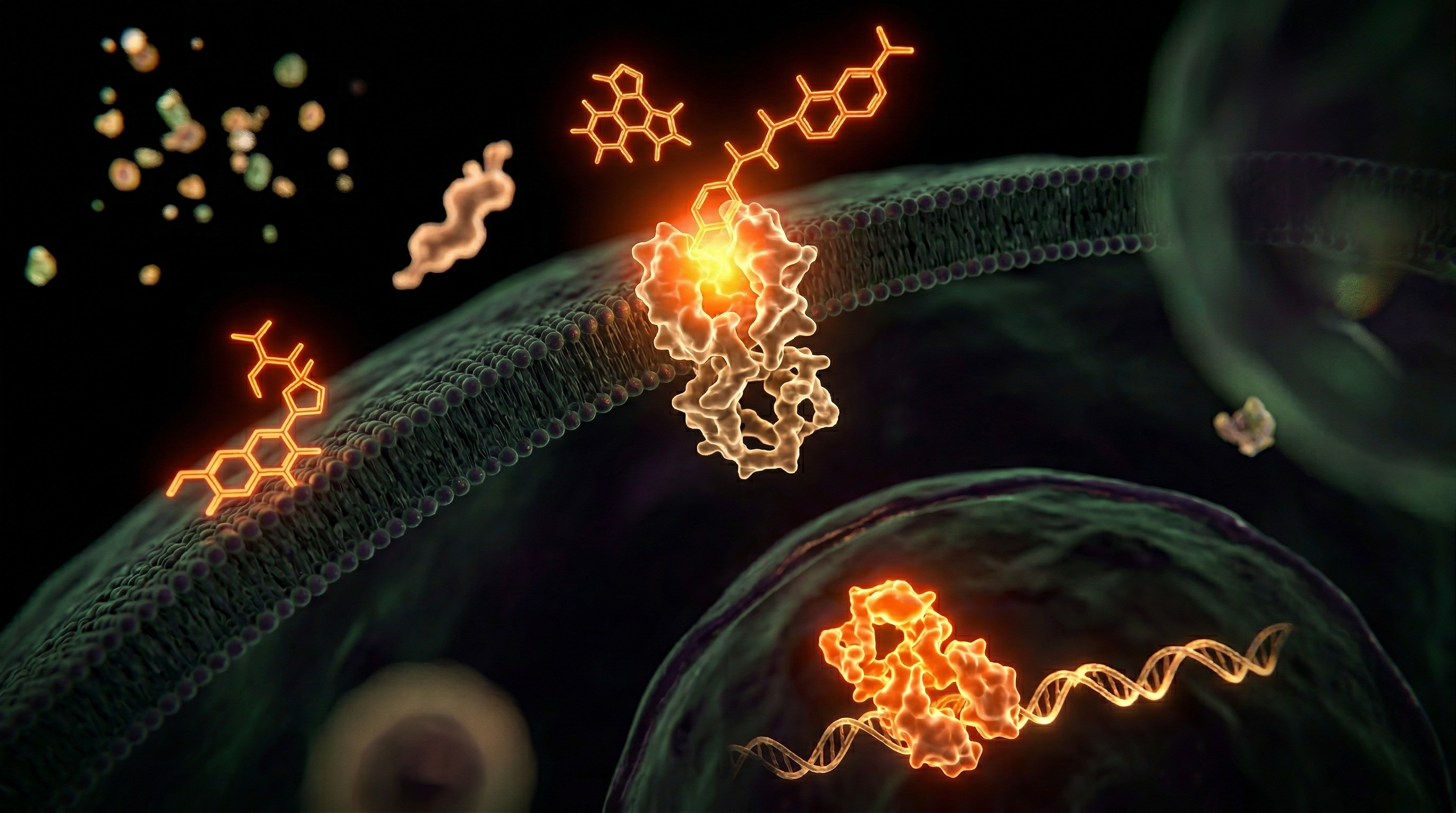
Synthetic estrogenicity refers to the phenomenon where exogenous compounds—specifically pesticide residues found in bovine fodder—mimic the molecular structure of endogenous oestradiol. These substances, known as Xenoestrogens, possess the capacity to bind to human oestrogen receptors (ERs), triggering biological responses that the body cannot distinguish from its own hormonal signals.
This article investigates the systemic infiltration of the UK milk supply by endocrine-disrupting chemicals (EDCs). We examine how the intensification of UK agriculture and the reliance on imported, chemically treated feed concentrates have created a vector for hormonal disruption. The consequences are manifest: a sharp rise in precocious puberty (early onset puberty) among British children and a broader destabilisation of the human endocrine landscape. This is not merely an environmental issue; it is a profound biological hijacking of our developmental trajectories.
Key Statistic: Since the 1970s, the average age of the onset of puberty in the UK has declined significantly, with some studies indicating that the development of breast tissue (thelarche) in girls now begins nearly a year earlier than it did four decades ago.
The Biology — How It Works
To understand how a pesticide residue in a trough of silage in Somerset ends up altering the hormonal profile of a child in London, we must first understand the primary delivery mechanism: the Bovine Bio-Accumulation Loop.
The Endocrine System: A Delicate Balance
The human endocrine system operates on a scale of parts-per-trillion. It is a highly sensitive communication network where hormones act as chemical messengers. The Hypothalamic-Pituitary-Gonadal (HPG) axis regulates everything from metabolic rate to reproductive development. When xenoestrogens enter this system, they do not act as toxins in the traditional sense; they act as "misinformation."
Milk as a Biological Vector
Milk is naturally designed to be a potent growth fluid. It contains endogenous hormones such as IGF-1 (Insulin-like Growth Factor 1) and naturally occurring bovine oestrogens. However, when a cow consumes fodder treated with persistent pesticides—such as glyphosate, organophosphates, or synthetic pyrethroids—these lipophilic (fat-soluble) chemicals are sequestered into the cow's adipose tissue and subsequently secreted into the milk fat.
The Problem of Modern Fodder
In the UK, the "pasture-fed" ideal is frequently supplemented with "concentrates." These are often comprised of:
- Imported Genetically Modified (GM) Soya: Heavily treated with glyphosate-based herbicides.
- Maize Silage: Frequently exposed to atrazine derivatives and other pre-emergent herbicides.
- Cereal By-products: Often containing residues of growth regulators and fungicides.
Because these pesticides are lipophilic, they concentrate in the high-fat medium of dairy. When humans consume whole milk, butter, or cheese, they are ingesting a concentrated dose of these environmental oestrogens, bypassing many of the body’s primary metabolic filters.
Mechanisms at the Cellular Level
The "mimicry" in pesticide mimicry is not a vague resemblance; it is a high-fidelity molecular impersonation.
Ligand-Receptor Binding
Oestrogen receptors (ERα and ERβ) are like locks, and oestradiol is the key. Many pesticides possess a phenolic ring or a similar molecular geometry that allows them to fit into the ligand-binding domain of these receptors. Once bound, they can act as agonists, meaning they turn the receptor "on" at times when the body should be "off."
Non-Monotonic Dose-Response (NMDR)
Traditional toxicology assumes that "the dose makes the poison"—that more of a substance is always worse. However, xenoestrogens follow a Non-Monotonic Dose-Response curve. This means that extremely low concentrations (similar to those found in milk residues) can sometimes cause more endocrine disruption than high doses. At high doses, the body may trigger protective cell death or shut down receptors; at low doses, the chemicals slip past the radar, subtly altering gene expression.
Epigenetic Reprogramming
Perhaps the most insidious mechanism is the ability of these synthetic oestrogens to alter DNA methylation. If a pregnant woman consumes milk laden with these mimics, the exposure can reprogram the foetal germ cells. This means the effects of the pesticides consumed today may not fully manifest until the next generation reaches puberty or attempts to conceive.
Synergistic Toxicity: The "Cocktail Effect"
- Additive Effects: Different pesticides may bind to the same receptor, magnifying the signal.
- Potentiation: One chemical may inhibit the liver's ability to detoxify another, leading to a build-up of hormonal load.
- Enzyme Interference: Many pesticides inhibit Aromatase, the enzyme responsible for converting androgens into oestrogens, or conversely, they may over-stimulate it, leading to systemic oestrogen dominance.
Environmental Threats and Biological Disruptors
While the UK has stricter regulations than some nations, the reality of global trade and industrial "efficiency" means the British dairy herd is exposed to a wide array of disruptive compounds.
Glyphosate: The Ubiquitous Disruptor
Widely used as a desiccant in feed crops, glyphosate has been shown in in vitro studies to stimulate the growth of oestrogen-dependent breast cancer cells. It interferes with the shikimate pathway in the bovine gut microbiome, which indirectly affects the cow's own hormone metabolism, leading to higher levels of endogenous oestrogens in the milk.
Organophosphates and Carbamates
These are neurotoxic insecticides that also function as endocrine disruptors. They have been linked to the suppression of testosterone and the elevation of oestrogen in mammalian models. In the UK, residues are frequently found in "animal feed grade" grains that do not meet the stricter standards for human consumption.
Atrazine and its Legacy
Although atrazine is banned for use within the EU and UK, its chemical cousins are still used, and it remains one of the most common contaminants in imported feed (especially from the US and South America). Atrazine is a potent aromatase inducer, meaning it forces the body to convert more of its natural hormones into oestrogen.
Scientific Fact: Research has demonstrated that exposure to atrazine can chemically castrate male amphibians and feminise their physical characteristics; similar, albeit more subtle, pathways are active in mammals.
Plasticisers in the Dairy Chain
It is not just the feed. The very infrastructure of modern milking—PVC tubing, plastic storage vats, and plastic-lined cartons—leaches Phthalates and Bisphenol A (BPA) into the milk. These compounds are well-documented xenoestrogens that work in tandem with pesticide residues to increase the total oestrogenic load.
The Cascade: From Exposure to Disease
The physiological result of consuming "synthetic oestrogenicity" is a cascade of systemic failures and developmental anomalies.
Precocious Puberty in the UK
The most visible sign of this hormonal load is the age of puberty. When the body is flooded with oestrogen mimics from a young age, the HPG axis is "tricked" into thinking it has reached the developmental milestone for puberty.
- Thelarche (Breast development): Occurring in girls as young as seven or eight.
- Early Menarche: Linked to higher risks of reproductive cancers later in life.
- Psychological Mismatch: Children develop adult bodies before their brains have reached cognitive maturity, leading to increased rates of depression and anxiety.
Metabolic Syndrome and Obesity
Oestrogen is a "storage" hormone. High oestrogenic loads signal the body to increase adipose (fat) tissue, particularly in the abdominal and thoracic regions. This creates a vicious cycle:
- Pesticides increase oestrogen levels.
- Oestrogen increases body fat.
- Adipose tissue produces its own oestrogen (via aromatase).
- The higher the body fat, the more pesticides are stored in the body.
The Feminisation of the Male
In the UK, male fertility is in a state of precipitous decline. Sperm counts have dropped by over 50% in the last four decades.
- Gynaecomastia: The development of breast tissue in males.
- Cryptorchidism: Undescended testes in newborn boys, linked to maternal dairy consumption during pregnancy.
- Testicular Dysgenesis Syndrome (TDS): A constellation of disorders stemming from disrupted androgen signalling during foetal development.
What the Mainstream Narrative Omits
The UK government and dairy industry bodies (such as the AHDB) maintain that milk is safe because individual pesticide residues fall below the Maximum Residue Limit (MRL). However, this narrative is built on several scientifically flawed premises.
The Fallacy of MRLs
MRLs are calculated based on the toxicity of a single chemical in isolation. They do not account for:
- Cumulative Load: The total amount of all xenoestrogens combined.
- Life-Stage Sensitivity: A "safe" level for a 100kg adult is potentially catastrophic for a 15kg child.
- Bioaccumulation: The fact that these chemicals build up in the body over years of daily consumption.
The "Safe Level" Myth in Endocrine Disruption
For endocrine disruptors, the concept of a "threshold" may not exist. Because they tap into existing physiological systems, even a single molecule can theoretically trigger a cellular response if it binds to a receptor at a critical developmental window.
Industry Influence and Regulatory Capture
The agencies responsible for monitoring UK food safety often rely on data provided by the chemical manufacturers themselves. Furthermore, the testing of milk for pesticide residues is often sporadic and focuses on a narrow range of substances, ignoring the newer, more complex "inert" ingredients in pesticide formulations that can also be oestrogenic.
The UK Context
The United Kingdom occupies a unique position in this crisis. Our agricultural landscape and post-Brexit regulatory shifts have created a "perfect storm" for synthetic oestrogenicity.
The Brexit Regulatory Gap
Following the UK's exit from the European Union, there is significant concern regarding the divergence of pesticide standards. The UK has already seen "emergency authorisations" for pesticides that were previously restricted. There is also the threat of trade deals with nations that have significantly lower standards for pesticide residues in animal feed.
The "Grass-Fed" Deception
While many UK farms claim to be "predominantly grass-fed," the reality of the British winter requires significant supplementation. During the months of October through April, the majority of the UK dairy herd is housed indoors and fed a diet of silage and concentrates. This is the period when the oestrogenic load of the milk is likely at its highest, as the cow's diet shifts from fresh pasture to chemically preserved fodder.
Soil Health and Legacy Pesticides
The UK’s history of intensive farming means that many fields are saturated with legacy organochlorines (like DDT derivatives) that, while now banned, persist in the soil and are taken up by fodder crops. These "forever chemicals" continue to haunt the British dairy supply.
The Economic Pressure on Farmers
UK dairy farmers are under immense pressure to increase yields. This leads to:
- High-Protein Feeding: Driving the cow to produce more milk than is biologically natural.
- Frequent Calving: Maintaining cows in a state of near-constant pregnancy, which naturally increases the endogenous oestrogen levels in the milk, which then synergises with the pesticide mimics.
Protective Measures and Recovery Protocols
If the dairy supply is compromised, how can the individual protect themselves and their family? The solution requires a two-pronged approach: avoidance and biological support.
Dietary Adjustments
- Prioritise Certified Organic Dairy: Organic standards in the UK strictly prohibit the use of synthetic pesticides on pasture and in feed. This is the single most effective way to reduce xenoestrogen intake.
- Grass-Fed (Purity Matters): Seek out dairy from farms that use 100% pasture-fed systems (Pasture for Life certification).
- Reduce Total Dairy Fat: Since xenoestrogens are lipophilic, they are concentrated in the fat. Using lower-fat dairy (though less nutritionally dense in other ways) can reduce the chemical load, though whole organic milk is preferable to skimmed conventional milk.
- A2 Milk: While primarily a protein distinction, many A2 producers in the UK follow more traditional, less intensive farming practices that often involve lower chemical inputs.
Biological Detoxification and Support
The body has pathways to process and excrete oestrogens, but they are often overwhelmed.
- Sulforaphane and Indole-3-Carbinol: Found in cruciferous vegetables (broccoli, kale, Brussels sprouts), these compounds support Phase II Liver Detoxification, specifically the pathway that safely metabolises oestrogen.
- Calcium D-Glucarate: Helps prevent the re-absorption of oestrogens in the gut, ensuring they are excreted.
- Fibre Intake: A high-fibre diet is essential for binding excreted oestrogens in the digestive tract.
- Iodine Levels: Iodine competes with certain EDCs and is essential for thyroid health, which is often suppressed by oestrogen dominance.
Filtration and Household Exposure
- Water Filtration: Pesticide runoff from feed crops often enters the water table. Use high-quality (Reverse Osmosis or Berkey-style) filtration to ensure you aren't drinking the same chemicals found in the feed.
- Avoid Plastics: Do not heat milk in plastic containers and avoid buying milk in plastic bottles where possible; choose glass-bottled delivery.
Summary: Key Takeaways
The presence of synthetic estrogenicity in the UK dairy supply is an overlooked public health crisis that strikes at the very root of our biological development.
- Pesticide Mimicry: Agrochemicals used in cattle feed act as molecular mimics of oestradiol, binding to human receptors and disrupting the endocrine system.
- The Delivery Vector: Dairy fat acts as a concentrated delivery system for these lipophilic xenoestrogens, bypassing normal metabolic safeguards.
- The Clinical Outcome: This exogenous hormonal load is a primary driver of precocious puberty, declining male fertility, and the rise of hormone-sensitive cancers in the UK.
- Regulatory Failure: Current UK "Maximum Residue Limits" are inadequate as they ignore the synergistic "cocktail effect" and the non-monotonic nature of endocrine disruption.
- The Action Plan: To mitigate risk, consumers should pivot to certified organic, 100% grass-fed dairy and support their internal detoxification pathways through specific nutrition.
In the pursuit of industrial efficiency, we have allowed the foundational beverage of the British diet to become a carrier for chemical disinformation. True "Innerstanding" of our health requires us to look beyond the carton and demand a dairy industry that respects the delicate hormonal symphony of the human body. The health of the next generation—their development, their fertility, and their future—depends on our ability to purge these synthetic mimics from our food chain.
This article is provided for informational and educational purposes only. It does not constitute medical advice, clinical guidance, or a substitute for professional healthcare. Information reflects cited research at time of publication. Always consult a qualified healthcare professional before acting on any health information.
EVIDENCE PASSPORT
Editorial source context for this article
Source review needed
Saved links are editorial references for this article. They may support specific claims rather than every sentence. Open and assess each source in context. This passport does not independently verify them.
Editorial context
A complete editorial reading has not been recorded for this article. Source links remain available for you to open and assess directly.
Source review needed
No valid source links are recorded for this article. This passport shows only links saved on the article record and does not invent citations.
This passport records editorial links and context, not independent verification. Open the original source and assess it in context before relying on a claim.
Medical Disclaimer
The information in this article is for educational purposes only and does not constitute medical advice, diagnosis, or treatment. Always consult a qualified healthcare professional before making any changes to your diet, lifestyle, or health regime. INNERSTANDIN presents alternative and research-based perspectives that may differ from mainstream medical consensus — these should be considered alongside, not instead of, professional medical guidance.
Read Full DisclaimerContinue the thread
Keep this question moving.
Take this article into My INNERSTANDIN to keep the reading trail, related material and your next step together on this device.
Explore this in the Body Map
See where this hits your biology. Interactive anatomy, threats, and protective protocols.
Dig deeper in the Library
Free, longform PDF volumes that go beyond headlines into mechanisms and references.