
Red Light Therapy & Photobiomodulation: The Science of Healing With Light
Updated May 2026
Photobiomodulation is one of the most evidence-backed therapeutic modalities available, with over 5,000 peer-reviewed studies confirming its effects on mitochondrial function, cellular repair, and systemic health. This definitive guide covers the mechanisms, wavelengths, protocols, and conditions it addresses.
Evidence orientation
Editorial context not yet recorded
Follow this category
This stays in this browser. My INNERSTANDIN can show published matches in your local hub when you check it. It does not send email, push, or alert notifications.
Local learning review
A private browser aid for revisiting ideas. It is not an alert or a health recommendation.
Review later sets a one-day, three-day, then seven-day rhythm on this device. Choose it only when you want to revisit this article.
Overview
Humanity is currently facing a biological crisis of unprecedented proportions, yet the root cause remains largely obscured from public consciousness. We have transitioned from an outdoor, light-saturated existence to a subterranean-style indoor lifestyle, illuminated by artificial, biologically incongruent light sources. This shift has severed our connection to the most fundamental nutrient for human health: photons. Photobiomodulation (PBM), often referred to as Red Light Therapy, is not merely a "biohacking" trend or a cosmetic luxury; it is a sophisticated, evidence-backed therapeutic intervention that restores the energetic foundations of life.
The term Photobiomodulation describes the use of non-ionising electromagnetic energy to trigger photochemical changes within cellular structures. Specifically, it utilises the Visible Red (600–700nm) and Near-Infrared (700–1100nm) spectrums to interface with mitochondrial biology. While the mainstream medical establishment remains tethered to a chemical-first paradigm—prioritising synthetic pharmaceuticals that often merely mask symptoms—the science of PBM reveals a deeper truth: our bodies are electromagnetic systems that require specific frequencies of light to maintain homeostasis and bioenergetic efficiency.
With over 5,000 peer-reviewed studies now published, the efficacy of PBM is no longer a matter of debate. It has been shown to accelerate wound healing, reduce systemic inflammation, enhance cognitive function, and reverse the markers of cellular aging. At INNERSTANDING, we recognise that the suppression of this information is not accidental. A population that understands how to repair its own mitochondria using the power of light is a population that is less dependent on the multibillion-pound pharmaceutical industry. This guide serves as the definitive exposure of the mechanisms, the biological imperatives, and the practical applications of healing with light.
##
The Biology — How It Works
To understand why red and near-infrared light are so vital, one must first understand the concept of the Optical Window. This is a specific range of the electromagnetic spectrum where light can penetrate human tissue most deeply. While blue and green light are largely absorbed by surface pigments like melanin or haemoglobin, light in the 600nm to 1100nm range bypasses these barriers, reaching muscles, nerves, and even bone.
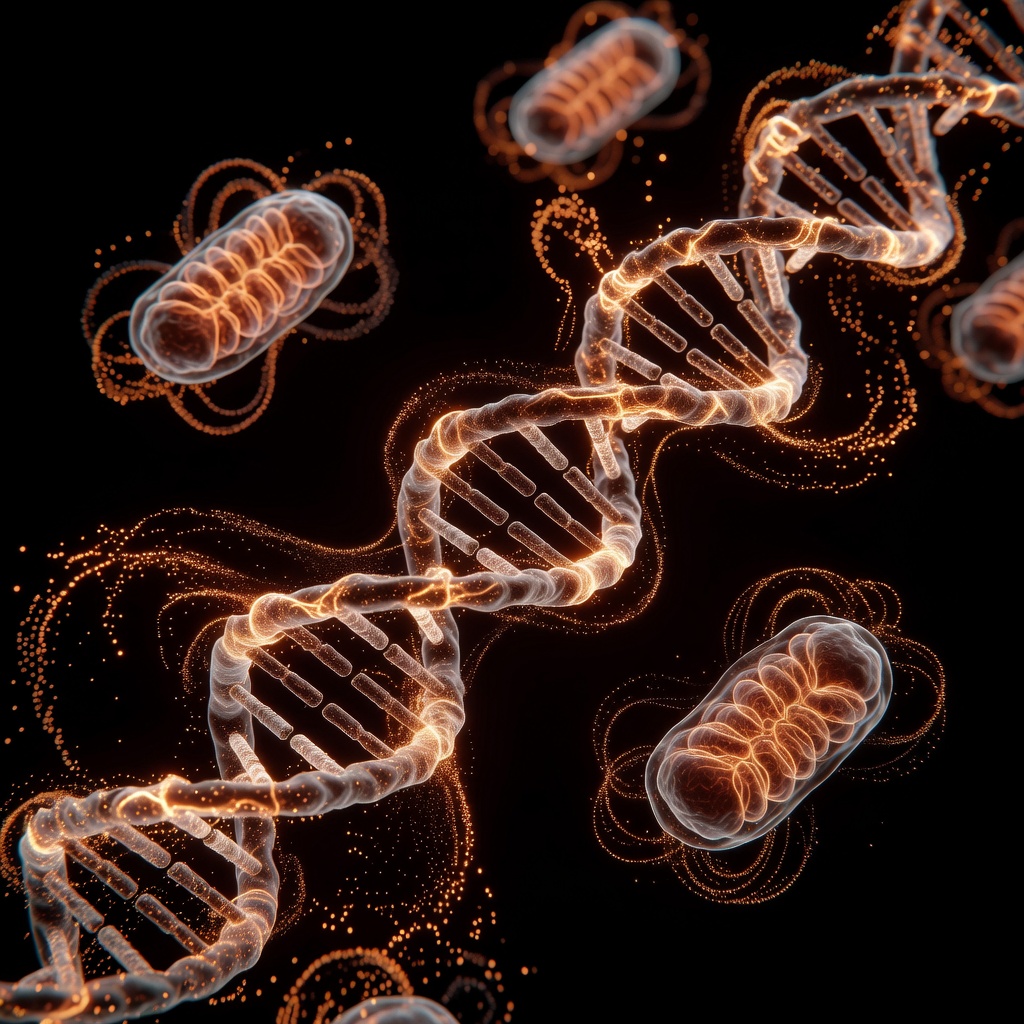
The human body does not merely "reflect" light; it metabolises it. We are, in a very literal sense, photochemical beings. Every cell in the human body contains mitochondria—the ancient, symbiotic organelles responsible for producing Adenosine Triphosphate (ATP), the universal energy currency of life. The efficiency of your mitochondria determines the quality of your health, the speed of your recovery, and the rate at which you age.
The Specific Wavelengths of Life
Not all light is created equal. The biological effects of PBM are highly wavelength-dependent:
- Red Light (600nm – 670nm): These wavelengths are primarily absorbed by the skin and superficial tissues. They are exceptionally effective for collagen synthesis, skin rejuvenation, and wound healing.
- Near-Infrared Light (800nm – 850nm): These wavelengths penetrate deeper (up to several centimetres), reaching the brain, internal organs, and deep muscle tissue. This is where the most profound metabolic and anti-inflammatory effects occur.
The "Optical Window" (600nm-1100nm) allows photons to penetrate deep into the body, reaching depths that were previously thought impossible without invasive procedures. This allows for the non-invasive modulation of deep-seated biological tissues.
##
Mechanisms at the Cellular Level
The primary mechanism by which PBM exerts its effects is through the activation of a specific enzyme in the mitochondrial respiratory chain: Cytochrome c Oxidase (CcO). This is the "light receptor" of the cell.
The Displacement of Nitric Oxide
Under conditions of stress, illness, or aging, the mitochondria produce Nitric Oxide (NO). While NO has beneficial roles in the body, in the context of mitochondrial respiration, it is a competitive inhibitor of oxygen. It binds to Cytochrome c Oxidase, effectively blocking the cell’s ability to use oxygen to produce energy. This state of "cellular suffocation" leads to a drop in ATP and an increase in oxidative stress.
When photons of red and near-infrared light hit the CcO enzyme, they cause the photodissociation of Nitric Oxide. The NO is kicked out, allowing oxygen to rush back in and resume the production of ATP. This is the "ignition switch" for cellular repair.
The Production of ATP and ROS
By restoring oxygen consumption, PBM significantly boosts the production of ATP. Increased ATP means the cell has the "cash on hand" to perform essential repairs, synthesise proteins, and maintain the membrane potential necessary for life.
Furthermore, PBM triggers a brief, controlled burst of Reactive Oxygen Species (ROS). While chronic high ROS is damaging, this acute burst acts as a signalling molecule. It activates transcription factors like NF-kB and Nrf2, which in turn trigger the body’s internal antioxidant defence systems and the expression of over 100 protective genes. This process is known as hormesis—a beneficial stress response that makes the cell more resilient to future insults.
Interfacial Water and the "EZ" Layer
A more advanced and often overlooked mechanism involves the structuring of interfacial water. Our cells are not just bags of liquid; the water within them exists in a fourth state, often called Exclusion Zone (EZ) water or structured water. This water acts as a battery, storing charge. Near-infrared light has been shown to expand this EZ layer around biological membranes and within the mitochondria. This reduces the viscosity of the water, allowing the ATP synthase motor to spin with less resistance, significantly increasing energetic efficiency.
Mitochondrial Melatonin
Recent research has shattered the mainstream view that melatonin is only produced in the pineal gland at night. We now know that 95% of the body’s melatonin is produced within the mitochondria during the day, specifically in response to Near-Infrared light. This mitochondrial melatonin does not enter the bloodstream to make you sleepy; instead, it acts as a "master antioxidant" directly inside the mitochondria, neutralising the oxidative damage produced during energy production. This is why indoor environments, devoid of NIR, lead to rapid mitochondrial decay.
##
Environmental Threats and Biological Disruptors
The modern human is "malilluminated." We are the first generation in history to spend nearly 90% of our time indoors, behind glass that filters out the healing wavelengths of the sun. We are simultaneously bombarded by biological disruptors that exacerbate the need for light-based repair.
The Blue Light Hazard
Standard LED and fluorescent lighting are heavily skewed toward the blue end of the spectrum. Unlike the sun, which always balances blue light with a massive amount of infrared, artificial lights provide "naked" blue light. This high-energy visible (HEV) light is phototoxic; it damages the retina and creates massive oxidative stress in the skin and mitochondria without providing the infrared "antidote" required for repair.
EMFs and Voltage-Gated Calcium Channels
The proliferation of non-ionising radiation from Wi-Fi, 4G/5G, and smart devices has a direct impact on our bio-electromagnetic health. Studies have shown that Electromagnetic Fields (EMFs) can prematurely open Voltage-Gated Calcium Channels (VGCCs) in the cell membrane. This causes a massive influx of calcium into the cell, which triggers the production of peroxynitrite—a highly damaging free radical. PBM helps counteract this by reinforcing the mitochondrial membrane and boosting the cellular antioxidant capacity.
Glyphosate and Mitochondrial Poisoning
In the UK, the widespread use of glyphosate in agriculture (often sold as Roundup) poses a significant threat to mitochondrial health. Glyphosate can act as an analogue to the amino acid glycine, potentially incorporating itself into mitochondrial proteins and disrupting the electron transport chain. By enhancing CcO activity, PBM provides a vital defence mechanism against the metabolic "drag" caused by environmental toxins.
Over 90% of modern humans are "malilluminated," suffering from a chronic deficit of near-infrared light while being overexposed to phototoxic artificial blue light.
##
The Cascade: From Exposure to Disease
The loss of mitochondrial integrity is not a localized issue; it creates a systemic cascade that leads to the modern epidemics of chronic disease. When the "power plants" of the cells fail, every system in the body begins to degrade.
- Neurological Decline: The brain is the most energy-hungry organ in the body. When mitochondrial function drops due to a lack of light and an excess of toxins, we see a rise in "brain fog," depression, and neurodegenerative conditions like Alzheimer’s and Parkinson’s. PBM has been shown to increase Brain-Derived Neurotrophic Factor (BDNF), encouraging the growth of new neurons.
- Metabolic Syndrome: Mitochondrial dysfunction is at the heart of insulin resistance and Type 2 diabetes. Without enough ATP, the body cannot effectively manage glucose, leading to systemic inflammation and weight gain.
- The Inflammatory Spiral: Chronic inflammation is the common denominator in almost all Western diseases. By shifting the body from a "pro-inflammatory" (M1) macrophage state to an "anti-inflammatory" (M2) state, red light therapy breaks the cycle of chronic pain and tissue destruction.
##
What the Mainstream Narrative Omits
The mainstream medical narrative, largely influenced by the MHRA and pharmaceutical lobbyists, continues to classify Photobiomodulation as an "alternative" or "complementary" therapy. This is a strategic misclassification. By keeping PBM out of the standard of care, the system ensures a steady stream of patients for chronic disease management.
The Suppression of Bio-energetic Medicine
Mainstream medicine is based on the "lock and key" model of pharmacology—find a chemical to block a receptor. PBM operates on the bio-energetic model, which recognises that the body is a self-healing system if given the correct energetic inputs.
There is no profit in sunlight. There is no recurring revenue in a red light device that lasts 10 years and requires no prescription. This is why you will not find PBM panels in every NHS GP surgery, despite the overwhelming evidence of their efficacy.
Furthermore, the mainstream narrative ignores the Biphasic Dose Response (the Arndt-Schulz Law). This law states that low doses of light stimulate biological processes, while excessively high doses can inhibit them. By failing to teach this in medical schools, the establishment can point to poorly designed studies with incorrect dosing as "proof" that the therapy is inconsistent.
##
The UK Context
In the United Kingdom, the need for Photobiomodulation is particularly acute. Our geographical position and climate create a unique set of biological challenges.
- The Latitude Problem: From October to March, the UK receives virtually no meaningful UV light for Vitamin D production. More importantly, the levels of beneficial Near-Infrared light from the sun are significantly reduced due to cloud cover and the low angle of the sun.
- Indoor Culture: The UK’s "indoor-centric" work culture and energy-efficient building regulations (which mandate double or triple glazing) ensure that the British public is almost entirely shielded from the NIR spectrum. Standard window glass blocks almost 100% of the healing NIR wavelengths.
- Regulatory Hurdles: While the NHS has begun to use PBM for specific conditions like oral mucositis (a side effect of chemotherapy), the rollout for broader applications like chronic pain or depression is non-existent. The FSA (Food Standards Agency) and MHRA maintain strict controls on the "claims" made by light therapy manufacturers, often preventing them from stating the proven biological benefits of their devices.
##
Protective Measures and Recovery Protocols
To harness the power of Photobiomodulation and protect oneself from the environmental "light-void," a structured approach is required. It is not enough to simply sit in front of a red light; one must understand the parameters of Irradiance, Fluence, and Timing.
Selecting a Device
To be effective, a device must deliver a high irradiance (the power of the light hitting the skin). Many cheap, battery-powered "wands" or "masks" sold on major retail sites do not have the power necessary to penetrate deep into the tissues.
- Power Density: Look for devices that provide at least 100mW/cm² at a distance of 10-15cm.
- EMF Shielding: Ensure the device is low-EMF and low-flicker, as high-flicker LEDs can stress the nervous system.
- Wavelength Precision: The device should have peak emissions at approximately 660nm and 850nm.
The Protocol for General Health
For systemic mitochondrial support and inflammation reduction:
- Frequency: 3 to 5 times per week.
- Duration: 10 to 20 minutes per session.
- Distance: 15cm to 30cm from the body.
- Target: Expose as much skin as possible. Light has systemic effects; treating the torso can benefit the brain through systemic signalling.
Protocols for Specific Conditions
- Brain Health (Transcranial PBM): Apply Near-Infrared light (850nm) to the forehead and top of the head. This has been shown to improve cerebral blood flow and reduce neuroinflammation. Use for 5-10 minutes.
- Thyroid Function: There is emerging evidence that PBM can assist in cases of Hashimoto’s Thyroiditis. Applying red light directly to the thyroid gland for 5 minutes can reduce the need for levothyroxine by improving glandular health.
- Joint and Muscle Pain: Use NIR light at close range (5-10cm) for 15 minutes to allow for maximum penetration into the joint capsule or muscle belly.
Environmental Light Hygiene
Beyond using a PBM device, one must "clean up" their light environment:
- Replace LEDs: Swap "cool white" LEDs for incandescent bulbs or "warm" LEDs with high CRI (Colour Rendering Index) and low blue light.
- Blue Blockers: Wear high-quality orange-tinted glasses after sunset to protect the circadian rhythm and prevent the suppression of pineal melatonin.
- Morning Sunlight: View the sunrise or early morning sun. This contains a high ratio of NIR, which "primes" the skin and mitochondria for the day’s stressors.
##
Summary: Key Takeaways
The science of Photobiomodulation represents a paradigm shift in how we understand human health. We are not merely chemical machines; we are photo-electric organisms whose vitality is inextricably linked to the light environment.
- Mitochondria are the target: PBM works by "unsticking" Nitric Oxide from Cytochrome c Oxidase, restoring ATP production and cellular respiration.
- NIR is a nutrient: Near-Infrared light is essential for the production of Mitochondrial Melatonin, the body’s most potent internal antioxidant.
- The modern environment is toxic: Our reliance on artificial blue light and the filtering of NIR by glass has created a state of chronic cellular energy deficiency.
- Systemic Healing: The effects of PBM are not just local. By treating the skin, we initiate a cascade of signalling molecules that travel through the blood, reducing inflammation and improving function throughout the entire body.
- Autonomy through Light: By integrating PBM into our daily lives, we reclaim our biological autonomy. We move away from the "pill for every ill" mentality and toward a model of health based on fundamental biological truths.
The era of ignoring the biological impact of light is over. Photobiomodulation is the key to unlocking a level of human resilience and vitality that the modern world has forgotten. It is time to step back into the light.
This article is provided for informational and educational purposes only. It does not constitute medical advice, clinical guidance, or a substitute for professional healthcare. Information reflects cited research at time of publication. Always consult a qualified healthcare professional before acting on any health information.
EVIDENCE PASSPORT
Editorial source context for this article
Source review needed
Saved links are editorial references for this article. They may support specific claims rather than every sentence. Open and assess each source in context. This passport does not independently verify them.
Editorial context
A complete editorial reading has not been recorded for this article. Source links remain available for you to open and assess directly.
Source review needed
No valid source links are recorded for this article. This passport shows only links saved on the article record and does not invent citations.
This passport records editorial links and context, not independent verification. Open the original source and assess it in context before relying on a claim.
Medical Disclaimer
The information in this article is for educational purposes only and does not constitute medical advice, diagnosis, or treatment. Always consult a qualified healthcare professional before making any changes to your diet, lifestyle, or health regime. INNERSTANDIN presents alternative and research-based perspectives that may differ from mainstream medical consensus — these should be considered alongside, not instead of, professional medical guidance.
Read Full DisclaimerContinue the thread
Keep this question moving.
Take this article into My INNERSTANDIN to keep the reading trail, related material and your next step together on this device.
Explore this in the Body Map
See where this hits your biology. Interactive anatomy, threats, and protective protocols.
Dig deeper in the Library
Free, longform PDF volumes that go beyond headlines into mechanisms and references.