
The NAD+/NADH Ratio: Redefining Mitochondrial Efficiency Beyond ATP
Modern diagnostic frameworks focus on absolute values, yet the redox state—the ratio of NAD+ to NADH—is the true arbiter of metabolic health. A low ratio signifies a 'reductive stress' state where the electron transport chain becomes stagnant, leading to reactive oxygen species production. We examine how SIRT1 and SIRT3 activity depends on this ratio to regulate DNA repair and antioxidant defenses.
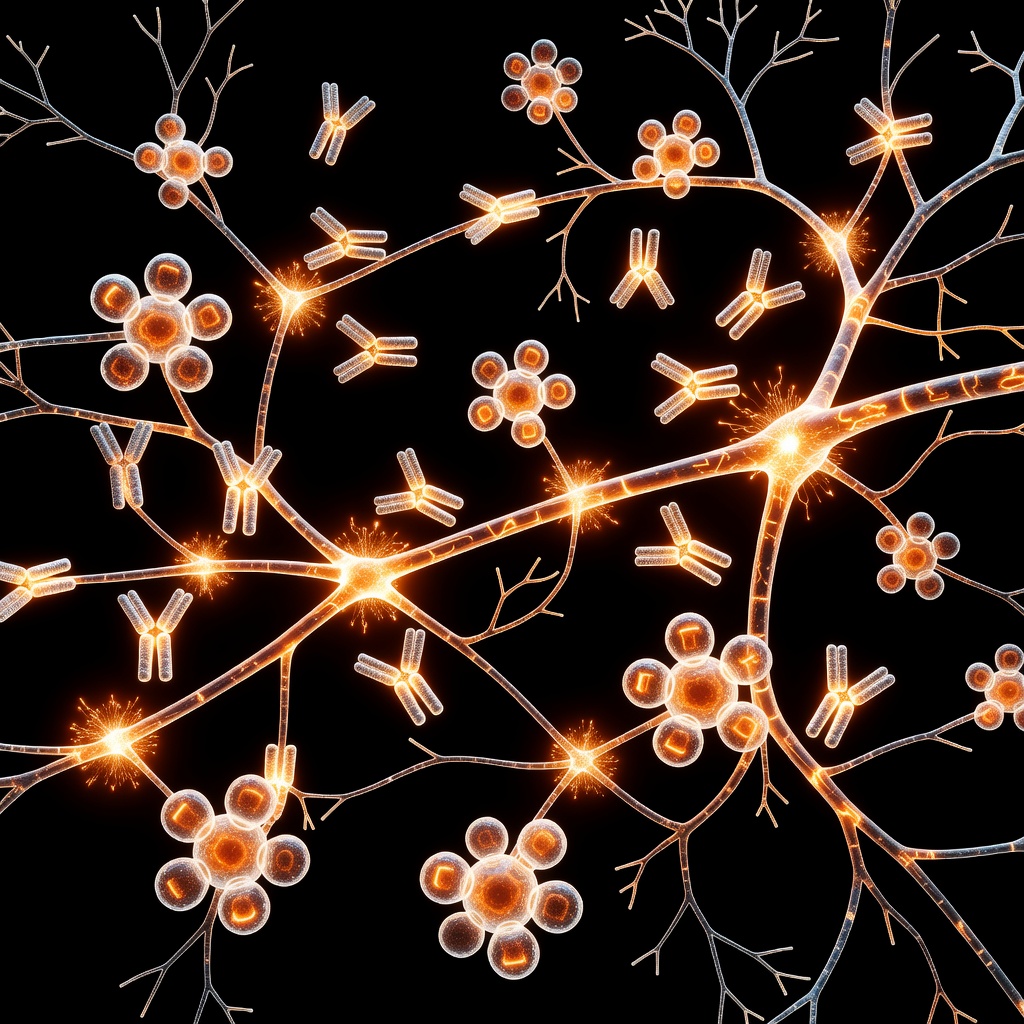
The concentration of total NAD+ is less significant than the ratio between its oxidized (NAD+) and reduced (NADH) forms. This ratio, ideally 700:1 in the cytoplasm and significantly lower in the mitochondria, dictates the thermodynamic 'pull' for energy production. When we consume excess calories—particularly refined carbohydrates—without adequate physical output, we flood the system with electrons, converting NAD+ into NADH faster than the electron transport chain can utilize it. This results in a low NAD+/NADH ratio, a state known as reductive stress. Conventional UK medicine lacks a standardized test for this ratio, yet it is the primary driver of insulin resistance and mitochondrial dysfunction.
Sirtuins, the longevity-linked proteins, are NAD+-dependent deacetylases. They cannot function when NADH levels are too high, as NADH acts as a competitive inhibitor. Consequently, even if a patient has 'normal' B3 levels, their sirtuins may be dormant due to an unfavorable redox state. This suppresses SIRT1's ability to activate PGC-1alpha for mitochondrial biogenesis and SIRT3's ability to quench mitochondrial ROS. The result is a downward spiral of declining energy and increased DNA damage.
Research into 'Redox medicine' suggests that interventions like cold exposure, fasting, and intense exercise are effective because they force the oxidation of NADH back into NAD+, restoring the ratio. Furthermore, the use of exogenous ketones or small molecules like Methylene Blue can act as electron cyclers to bypass blocks in the electron transport chain. For the sophisticated health consumer, the goal is not just 'more NAD+' but a higher oxidative capacity. This requires a shift from chronic over-nutrition to a lifestyle that promotes 'metabolic flexibility,' allowing the cell to maintain a high NAD+ pressure that keeps the sirtuins active and the mitochondria resilient against the oxidative stressors of modern life.
This article is provided for informational and educational purposes only. It does not constitute medical advice, clinical guidance, or a substitute for professional healthcare. Information reflects cited research at time of publication. Always consult a qualified healthcare professional before acting on any health information.
RESEARCH FOUNDATIONS
Biological Credibility Archive
NAD+ levels decline with age and affect the activity of sirtuins, which are crucial regulators of mitochondrial health and systemic metabolism.
Nicotinamide riboside increases the intracellular NAD+ pool, enhancing mitochondrial respiration and improving insulin sensitivity in metabolic models.
Manipulating the NAD+/NADH ratio using an engineered enzyme demonstrates that the redox state directly influences glycolytic flux and oxidative stress response independent of ATP levels.
Declining nuclear NAD+ levels disrupt communication between the nucleus and mitochondria, leading to impaired oxidative phosphorylation and metabolic decline.
NAD+ metabolism functions as a central hub integrating nutritional signals with cellular homeostasis through its roles as both a coenzyme and a substrate for signaling enzymes.
Citations provided for educational reference. Verify via PubMed or institutional databases.
Medical Disclaimer
The information in this article is for educational purposes only and does not constitute medical advice, diagnosis, or treatment. Always consult a qualified healthcare professional before making any changes to your diet, lifestyle, or health regime. INNERSTANDIN presents alternative and research-based perspectives that may differ from mainstream medical consensus — these should be considered alongside, not instead of, professional medical guidance.
Read Full DisclaimerReady to learn more?
Continue your journey through our classified biological research.
DISCUSSION ROOM
Members of THE COLLECTIVE discussing "The NAD+/NADH Ratio: Redefining Mitochondrial Efficiency Beyond ATP"
SILENT CHANNEL
Be the first to discuss this article. Your insight could help others understand these biological concepts deeper.
THE ARSENAL
Based on NAD+ & Nicotinamide Biology — products curated by our research team for educational relevance and biological support.
Methylene Blue – Advanced Cellular Chemistry

Fulvic Minerals – Natural Rare Earth Minerals. The essential trace elements missing from modern processed foods.
INNERSTANDING may earn a commission on purchases made through these links. All products are selected based on rigorous educational relevance to our biological research.
RABBIT HOLE
Follow the biological thread deeper