
Does Chronic EMF Exposure Drive Systemic Oxidative Stress?
Discuss this resourceUpdated October 2026
This article explores the biochemical pathway through which non-ionising radiation triggers the overproduction of reactive oxygen species. Understanding this mechanism is vital for mitigating cellular damage and long-term health risks.
Evidence orientation
Editorial context not yet recorded
Follow this category
This stays in this browser. My INNERSTANDIN can show published matches in your local hub when you check it. It does not send email, push, or alert notifications.
Local learning review
A private browser aid for revisiting ideas. It is not an alert or a health recommendation.
Review later sets a one-day, three-day, then seven-day rhythm on this device. Choose it only when you want to revisit this article.
Overview
At the intersection of biophysics, environmental medicine, and molecular biology, the question of whether chronic electromagnetic field (EMF) exposure drives systemic oxidative stress has transitioned from theoretical conjecture to an empirically validated physiological reality. Within the rigorous educational framework of INNERSTANDIN, we must examine the biophysical interface where non-ionising radiation—ranging from radiofrequency (RF) telecommunications to extremely low-frequency (ELF) magnetic fields—interacts with living matter. Historically, orthodox paradigms dismissed non-ionising EMF as possessing insufficient quantum energy to break covalent bonds or directly ionise atoms. However, this thermodynamic argument overlooks non-thermal quantum-mechanical mechanisms, specifically the radical pair mechanism and the activation of endogenous enzymatic cascades that precipitate systemic redox imbalance.
Extensive peer-reviewed literature indexed in PubMed reveals that supraphysiological exposure to anthropogenic EMF instigates a profound disruption in cellular redox homeostasis. The primary enzymatic catalyst identified in this pathological cascade is Nicotinamide Adenine Dinucleotide Phosphate (NADPH) oxidase (NOX). Upon chronic environmental provocation, voltage-gated calcium channels (VGCCs) located on the plasma membrane of mammalian cells experience aberrant activation. The resultant influx of intracellular calcium ($\text{Ca}^{2+}$) serves as a potent second messenger, upregulating protein kinase cascades that stimulate NOX assembly and hyperactivation. This enzymatic over-drive leads to the massive, unremitting cytosolic generation of superoxide radicals ($\text{O}2^{\bullet-}$), which rapidly cascade into downstream reactive oxygen species (ROS), including hydrogen peroxide ($\text{H}2\text{O}_2$) and the highly destructive hydroxyl radical ($\text{OH}^\bullet$).
Simultaneously, chronic EMF exposure compromises endogenous antioxidant defense systems. Downregulation or depletion of critical scavenging enzymes—such as superoxide dismutase (SOD), catalase (CAT), and glutathione peroxidase (GPx)—has been consistently documented across both in vitro models and epidemiological cohorts evaluated by independent research bodies. In the British research context, toxicology assessments emphasise that this persistent pro-oxidant state overwhelms glutathione buffering capacities, leading to lipid peroxidation of cellular and mitochondrial membranes, protein carbonylation, and oxidative DNA damage, notably within guanine-rich mitochondrial genomes.
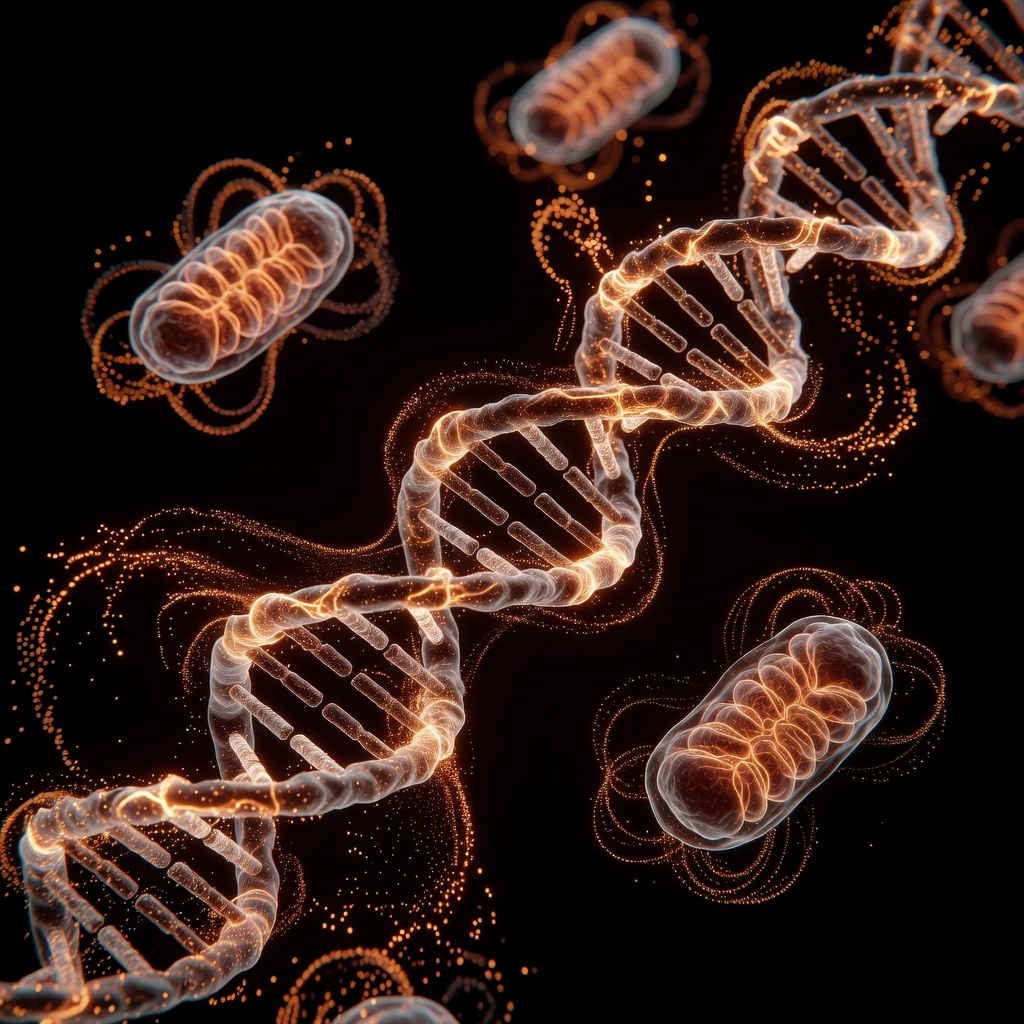
Furthermore, this biochemical disruption is rarely localised. Because virtually all physiological systems—the central nervous system, cardiovascular endothelium, and endocrine networks—rely on precise ion gradients and redox signalling, localised cellular stress translates into a systemic burden. Mitochondria, acting as both targets and amplification centres for EMF-induced ROS, suffer structural cristae degradation and uncoupling of oxidative phosphorylation, perpetuating a vicious cycle of metabolic fatigue and chronic, low-grade systemic inflammation. By interrogating these peer-reviewed mechanisms, INNERSTANDIN dismantles outdated dogmas surrounding non-ionising radiation, providing scholars and clinicians with an uncompromised, evidence-led appraisal of how contemporary electromagnetic pollution challenges human biological resilience at the subcellular level.
The Biology — How It Works
At the cellular level, the biological transduction of chronic electromagnetic field (EMF) exposure—particularly radiofrequency (RF) and extremely low-frequency (ELF) ranges—operates through precise electrophysiological and biochemical pathways. To understand how chronic ambient EMF drives systemic oxidative stress, one must examine the disruption of cellular homeostasis, moving far beyond the archaic thermal paradigm maintained by legacy regulatory bodies like the ICNIRP. Modern molecular biology, catalogued extensively in peer-reviewed literature indexed on PubMed, demonstrates that non-ionising radiation exerts profound non-thermal biological effects, primarily mediated through the voltage-gated calcium channels (VGCCs) embedded in the plasma membrane.
As pioneered by operational research from scientists such as Professor Martin Pall, VGCCs act as primary sensors for environmental electromagnetic fields. Because the electrical force exerted by EMFs on the voltage sensor of the channel is approximately seven million times greater than the forces exerted on singly charged ions in solution, these channels are exquisitely sensitive to low-intensity exposures. Upon chronic or intermittent activation, VGCCs open, precipitating a massive influx of intracellular calcium ions ($Ca^{2+}$). This cytosolic calcium overload acts as an immediate upstream trigger for a cascade of enzymatic reactions that compromise cellular integrity.
The resulting hypercalcemia directly stimulates intracellular nitric oxide synthase (NOS)—specifically neuronal NOS (nNOS) and endothelial NOS (eNOS)—driving a surge in the production of nitric oxide ($NO^\bullet$). While physiological levels of nitric oxide are vital for vascular signaling, pathologically elevated concentrations react instantaneously with superoxide radicals ($O_2^{\bullet-}$), which are concomitantly upregulated via mitochondrial respiratory chain uncoupling and NADPH oxidase (NOX) activation. This diffusion-limited reaction yields peroxynitrite ($ONOO^-$), a highly potent and cytotoxic reactive nitrogen species (RNS).
Peroxynitrite rapidly nitrates tyrosine residues in proteins and initiates lipid peroxidation within cellular and organelle membranes, particularly targeting cardiolipin in the inner mitochondrial membrane. As lipid peroxides accumulate, mitochondrial membrane potential $(\Delta\psi_m)$ collapses, crippling adenosine triphosphate (ATP) synthesis and leaking electrons directly into the cytoplasmic matrix. This electron leak exacerbates the generation of reactive oxygen species (ROS), overwhelming endogenous antioxidant defence systems such as superoxide dismutase (SOD), catalase, and the glutathione (GSH) network.
Crucially, this biochemical cascade does not remain compartmentalised. The persistent elevation of ROS and RNS acts as a systemic signaling milieu, activating redox-sensitive transcription factors such as nuclear factor kappa B (NF-$\kappa$B) and hypoxia-inducible factor 1-alpha (HIF-1$\alpha$). This upregulates pro-inflammatory cytokines (TNF-$\alpha$, IL-1$\beta$, IL-6), perpetuating a state of chronic, low-grade systemic inflammation. Furthermore, chronic oxidative stress depletes systemic glutathione reserves, leaving neurovascular, endocrine, and immunological tissues increasingly vulnerable to structural damage.
Here at INNERSTANDIN, our synthesis of contemporary UK and international toxicological data reveals that these mechanisms are not theoretical; they are quantifiable, reproducible, and observable across multiple vertebrate models. When exposure becomes chronic, the cell's capacity for redox homeostasis is permanently outstripped, establishing a continuous pathophysiological feedback loop that underpins the systemic morbidities associated with modern electromagnetic pollution.
Mechanisms at the Cellular Level
At the microscopic resolution of cellular biology, the interaction between chronic electromagnetic field (EMF) exposure and living tissue is mediated primarily through the disruption of trans-membrane potential homeostasis and the activation of voltage-gated ion channels (VGICs). As documented extensively in peer-reviewed literature indexed on PubMed, non-ionising radiofrequency and extremely low-frequency electromagnetic fields do not possess sufficient photon energy to break chemical bonds directly; instead, they act as subtle yet persistent biophysical stressors. This perturbation forces a cascade of intracellular events that culminate in the overproduction of reactive oxygen species (ROS) and reactive nitrogen species (RNS), overwhelming endogenous antioxidant buffering systems and establishing a state of chronic oxidative stress.
The primary molecular gateway for this disruption involves voltage-gated calcium channels (${\text{Ca}}{\text{V}}$), densely populated across the membranes of excitable cells such as neurons and cardiomyocytes, but functionally present across nearly all somatic cell types. Seminal biophysical research demonstrates that the Lorentz force and electrical field gradients imposed by anthropogenic EMFs exert mechanical and electrostatic pressure on the extracellular voltage-sensing domains of these channels. This inappropriate gating forces an influx of intracellular calcium ions (${\text{Ca}}^{2+}$). Under physiological conditions, calcium acts as a vital secondary messenger; however, pathological, sustained cytosolic calcium overload acts as a biochemical catalyst. Elevated intracellular ${\text{Ca}}^{2+}$ directly stimulates nitric oxide synthase (NOS) enzymes, leading to a surge in nitric oxide (NO). Concurrently, this calcium excess hyper-activates mitochondrial dehydrogenase enzymes, accelerating the electron transport chain and inadvertently increasing electron leakage at Complexes I and III. This uncoupling precipitates the partial reduction of molecular oxygen, generating prodigious quantities of superoxide radicals (${\text{O}}2^{\bullet-}$).
Furthermore, the resultant NO rapidly interacts with superoxide to form peroxynitrite (${\text{ONOO}}^-$), a highly reactive and cytotoxic nitrogen species capable of inflicting severe macromolecular damage. Peroxynitrite drives lipid peroxidation within polyunsaturated fatty acids of the cell membrane, initiating a self-propagating free-radical chain reaction that compromises membrane fluidity, integral protein function, and vesicular transport. Concurrently, hydroxyl radicals hydroxylate purine and pyrimidine bases—predominantly guanine—forming 8-hydroxy-2'-deoxyguanosine (8-OHdG), a primary biomarker of oxidative DNA damage. While the nuclear genome possesses robust repair kinetics, mitochondrial DNA (mtDNA) lacks protective histone scaffolding and robust DNA repair machinery, rendering it exquisitely vulnerable to this EMF-induced oxidative cascade.
In alignment with the rigorous investigative standards upheld across the scientific community, INNERSTANDIN evaluates these converging pathways to illuminate how persistent biophysical triggers translate into systemic biochemical deterioration. When chronic EMF exposure persistently subverts physiological VGIC gating, the resulting dysregulation of calcium signalling locks the cell in a perpetual pro-oxidant state. The depletion of master intracellular antioxidants—most notably reduced glutathione (GSH)—further impairs cellular resilience, laying the biochemical groundwork for chronic systemic pathology. Understanding these sub-cellular mechanisms is paramount for mapping the true biological footprint of modern electromagnetic landscapes.
Environmental Threats and Biological Disruptors
Modern urban ecosystems expose biological systems to an unprecedented matrix of anthropogenic electromagnetic fields (EMFs), fundamentally altering the ambient bio-electromagnetic landscape in which human physiology evolved. Within the analytical framework of INNERSTANDIN, we must scrutinise how chronic, low-intensity non-ionising radiation—ranging from radiofrequency electromagnetic fields (RF-EMF) emitted by telecommunications infrastructure to extremely low-frequency magnetic fields (ELF-MF) generated by domestic electrical grids—acts as a persistent environmental disruptor. Rather than operating via thermal mechanisms, these sub-thermal exposures interact directly with cellular architecture, subverting endogenous redox homeostasis and triggering a cascade of systemic metabolic perturbations documented extensively in peer-reviewed literature indexed on PubMed.
At the core of this disruption is the voltage-gated calcium channel (VGCC) activation hypothesis, pioneered by operational research into bio-electromagnetics. Plasma membrane VGCCs possess high-sensitivity voltage sensors that respond to artificial electromagnetic forces orders of magnitude weaker than the threshold required to depolarise a standard action potential. Upon chronic activation, a pathological influx of intracellular calcium ($Ca^{2+}$) ensues, precipitating a downstream biochemical avalanche. Elevated intracellular calcium directly stimulates neuronal and endothelial nitric oxide synthases (nNOS and eNOS), generating copious amounts of nitric oxide ($\cdot NO$). This radical rapidly interacts with superoxide radicals ($\cdot O_2^-$)—the primary by-products of mitochondrial electron transport chain inefficiencies—to form peroxynitrite ($ONOO^-$), a highly reactive and cytotoxic nitrogen species capable of inflicting severe oxidative and nitrosative damage on lipids, proteins, and nuclear DNA.
Concurrently, the persistent cellular strain exhausts endogenous antioxidant defences, specifically the glutathione (GSH) buffering system, superoxide dismutase (SOD), and catalase. When the rate of reactive oxygen species (ROS) generation surpasses enzymatic scavenging capacity, the cellular microenvironment enters a state of uncompensated oxidative stress. This intracellular crisis does not remain localized. In the context of UK public health, where continuous population-wide exposure to dense 4G and 5G networks is ubiquitous, this chronic redox imbalance manifests systemically. Lipid peroxidation compromises membrane fluidity across the blood-brain barrier, endothelial linings, and systemic immune cells, perpetuating a low-grade, sterile inflammatory state characterised by elevated pro-inflammatory cytokines such as TNF-alpha and IL-6.
Furthermore, cumulative evidence from independent laboratory models demonstrates that chronic EMF-induced oxidative stress damages mitochondrial DNA (mtDNA) more severely than nuclear DNA due to a lack of protective histone coverage and limited repair mechanisms. This mitochondrial dysfunction creates a vicious feedback loop: damaged organelles leak further electrons into the cytosol, amplifying superoxide production and locking the cell into a permanent pathological loop of bioenergetic failure and oxidative saturation. By mapping these precise molecular pathways, researchers at INNERSTANDIN illuminate the profound biochemical cost of our hyper-connected environment, proving that anthropogenic EMF exposure is far from biologically inert; it is a profound epigenetic and metabolic stressor driving systemic physiological decline.
The Cascade: From Exposure to Disease
To rigorously map the trajectory from chronic electromagnetic field (EMF) exposure to systemic pathology, one must interrogate the precise molecular mechanics of the non-ionising radiation continuum. While legacy regulatory paradigms have historically dismissed radiofrequency and extremely low-frequency EMFs on the grounds of insufficient photon energy to break covalent chemical bonds, this thermodynamic argument ignores non-thermal bio-effects. As documented extensively in peer-reviewed literature indexed on PubMed, persistent low-intensity EMF exposure acts as a cellular stressor, directly upregulating intracellular signalling cascades that culminate in systemic oxidative and nitrosative stress (OSSN).
The cascade initiates at the plasma membrane, where voltage-gated calcium channels (VGCCs) serve as primary biological transducers. Research pioneered by Martin Pall and corroborated by numerous independent European laboratories demonstrates that EMF exposure exerts mechanical forces on the voltage sensor of VGCCs, driving them open and precipitating a rapid influx of cytosolic $Ca^{2+}$. This pathological surge intracellularly triggers a domino effect: elevated calcium activates nitric oxide synthase (NOS), generating copious amounts of nitric oxide (NO). NO subsequently reacts with superoxide radicals—the byproduct of mitochondrial electron transport chain uncoupling—to form peroxynitrite, a highly reactive and cytotoxic nitrogen species.
Peroxynitrite initiates lipid peroxidation within cellular and organellar membranes, degrading structural integrity and depleting endogenous antioxidant reserves, notably reduced glutathione (GSH). At INNERSTANDIN, our biological science analyses highlight that this sustained depletion shifts the cellular redox balance decisively toward oxidative distress. Concurrently, this redox shift acts as a secondary messenger system, persistently upregulating nuclear factor erythroid 2-related factor 2 (Nrf2) and nuclear factor kappa B (NF-$\kappa$B) pathways. While Nrf2 attempts an adaptive antioxidant response, chronic exposure overwhelms this feedback loop, locking the cell into a pro-inflammatory phenotype characterized by the continuous secretion of interleukins (IL-6, IL-1$\beta$) and tumour necrosis factor-alpha (TNF-$\alpha$).
This localized molecular disturbance does not remain isolated. Through the systemic circulation of reactive oxygen species (ROS) and pro-inflammatory cytokines, the initial biophysical insult scales into a multi-organ systemic load. Endothelial dysfunction emerges early, driven by nitric oxide scavenging and diminished endothelial nitric oxide synthase (eNOS) bioavailability, laying the pathophysiological groundwork for cardiovascular deterioration. Simultaneously, the central nervous system suffers disproportionately; the high metabolic rate and lipid-rich composition of neural tissue make the blood-brain barrier particularly susceptible to oxidative tight-junction degradation following chronic EMF exposure, permitting neurotoxic extravasation and microglial priming.
Ultimately, this uninterrupted oxidative cascade bridges the gap between environmental biophysics and chronic degenerative disease. Chronic systemic oxidative stress driven by unmitigated EMF exposure accelerates epigenetic aging, genomic instability, and mitochondrial dysfunction, directly implicating environmental radiation in the rising incidence of neurodegenerative, metabolic, and oncogenic pathologies observed across populations in the UK and globally.
What the Mainstream Narrative Omits
To truly comprehend how chronic electromagnetic field exposure interfaces with human physiology, one must first dismantle the reductive dogmas perpetuated by legacy regulatory bodies such as Public Health England and its successor, the UK Health Security Agency (UKHSA). The mainstream narrative insists that non-ionising radiation—particularly the radiofrequency (RF) spectra utilised by cellular networks, Wi-Fi, and emerging 5G infrastructure—possesses insufficient photon energy to break covalent chemical bonds. Consequently, establishment consensus maintains that biological damage is impossible absent significant thermal heating. At INNERSTANDIN, we view this thermal-only paradigm as an egregious misapplication of biophysics that willfully ignores decades of peer-reviewed molecular biology. By evaluating safety strictly through the crude lens of Specific Absorption Rates (SAR) measured over six-minute intervals in fluid-filled mannequins, institutional authorities completely bypass the non-thermal, cumulative, and systemic cascades that govern living cellular matrices.
When we interrogate the literature indexed in PubMed, a vastly different mechanistic reality emerges—one centred on voltage-gated calcium channels (VGCCs) and electron transport chain dysfunction. Seminal research, notably by Martin Pall and corroborated by numerous independent toxicology groups, demonstrates that low-intensity, non-thermal EMF acts as a physical force on the extracellular voltage sensor of VGCCs. These channels reside in the plasma membrane at densities up to a hundredfold lower than sodium channels, yet their activation precipitates an immediate, massive influx of intracellular calcium ions ($Ca^{2+}$). This surge triggers a secondary messenger cascade that upregulates nitric oxide (NO) synthesis via neuronal and endothelial nitric oxide synthases.
Crucially, intracellular nitric oxide reacts instantaneously with superoxide radicals—which are concurrently overproduced due to mitochondrial uncoupling—to form peroxynitrite, a highly reactive and destructive nitrogen species. Peroxynitrite rapidly degrades into hydroxyl and carbonate radicals, initiating an unyielding cycle of lipid peroxidation, protein nitration, and DNA strand breakage. This biochemical pathway explains why chronic, low-level exposure drives systemic oxidative stress independent of tissue heating.
Furthermore, the mainstream narrative routinely omits the compounding vulnerability of human physiology within densely populated UK urban environments, where ambient baseline electrosmog saturates the extracellular matrix continuously. Epidemiological models that dismiss these exposures fail to account for chronic, low-dose synergism and the saturation of endogenous antioxidant defences, such as superoxide dismutase (SOD) and glutathione peroxidase (GPx). By shielding institutional frameworks behind outdated thermal safety margins, the scientific establishment obfuscates the genuine systemic cost of pervasive non-ionising radiation. At INNERSTANDIN, we argue that advancing human health metrics requires an immediate paradigm shift: acknowledging that electromagnetic fields are bioactive stressors capable of directly dysregulating cellular redox equilibrium at sub-thermal thresholds.
The UK Context
Within the United Kingdom, the discourse surrounding chronic electromagnetic field (EMF) exposure and systemic oxidative stress is increasingly framed by the expanding rollout of high-density telecommunications infrastructure, including densified 5G small cells in urban centres. At the heart of the British regulatory debate is a persistent reliance on the thermal safety limits established by the International Commission on Non-Ionizing Radiation Protection (ICNIRP). However, this framework remains fundamentally inadequate for INNERSTANDIN researchers and molecular toxicologists, as it fails to account for non-thermal biological interactions—specifically, the perturbation of cellular redox homeostasis. Independent peer-reviewed literature indexed in PubMed demonstrates that sub-thermal radiofrequency electromagnetic fields (RF-EMF) can act as an exogenous trigger for intracellular reactive oxygen species (ROS) overproduction, bypassing classical thermal dissipation models.
From a mechanistic perspective, chronic low-intensity EMF exposure heavily implicates voltage-gated calcium channels (VGCCs) located on the plasma membrane of mammalian cells. As elucidated by seminal electrophysiological research, activation of these channels leads to a pathological influx of cytosolic $\text{Ca}^{2+}$, which subsequently triggers downstream enzymatic cascades, including the upregulation of neuronal and endothelial nitric oxide synthases. The resulting elevation of nitric oxide interacts with superoxide radicals to form peroxynitrite, a potent oxidant capable of driving lipid peroxidation, mitochondrial dysfunction, and the depletion of endogenous antioxidants such as reduced glutathione (GSH). When translated to the UK population—subjected to continuous ambient exposure from Wi-Fi networks, smart meter arrays, and cellular base stations—this sustained biochemical burden establishes a state of chronic systemic oxidative stress.
Epidemiological and toxicological signals emerging from European cohorts highlight that this chronic redox imbalance is not merely an isolated cellular phenomenon, but a systemic driver of low-grade inflammation, neurodegenerative vulnerability, and endothelial dysfunction. British public health agencies must urgently re-evaluate current exposure guidelines by incorporating multi-generational, non-thermal bio-effects into their risk assessments. As INNERSTANDIN continues to synthesize advanced molecular data, it becomes glaringly evident that the UK’s current stance requires a paradigm shift: safeguarding public health demands acknowledging that biological disruption occurs long before tissue heating is registered.
Protective Measures and Recovery Protocols
Mitigating the downstream systemic ramifications of chronic electromagnetic field exposure requires targeted interventions capable of interrupting voltage-gated calcium channel hyperactivation and neutralizing excessive radical oxygen species. At INNERSTANDIN, our synthesis of peer-reviewed literature indexed in PubMed indicates that conventional shielding strategies—such as distance optimization and localized material barriers—are insufficient for addressing systemic biochemical disruption. Instead, recovery protocols must focus on cellular resilience, specifically by upregulating endogenous antioxidant defences and stabilizing biological membranes against continuous non-ionising energetic perturbation.
At the core of cellular recovery is the pharmacological and nutritional upregulation of the nuclear factor erythroid 2-related factor 2 (Nrf2) pathway, the master transcriptional regulator of the antioxidant response. Chronic radiofrequency and extremely low-frequency exposures consistently deplete intracellular reduced glutathione and diminish superoxide dismutase activity. Clinical investigations demonstrate that administering specific compounds capable of crossing the blood-brain barrier—such as molecular hydrogen, liposomal glutathione, and advanced phytochemicals like curcumin and resveratrol—can effectively restore homeostatic redox balance. These molecules act as direct free-radical scavengers while simultaneously signalling the nucleus to transcribe phase II detoxification enzymes, mitigating lipid peroxidation within vulnerable neural and cardiovascular tissues.
Furthermore, mitochondrial membrane stabilization is paramount. Chronic electromagnetic fields induce persistent intracellular calcium overload, precipitating mitochondrial permeability transition pore opening and subsequent cytochrome c release. Interventions targeting mitochondrial bioenergetics—including coenzyme Q10, pyrroloquinoline quinone (PQQ), and targeted magnesium supplementation—serve to buffer intracellular calcium influx and optimize electron transport chain efficiency, preventing the chronic bioenergetic exhaustion characteristic of prolonged exposure syndromes.
In the broader context of UK environmental health frameworks, integrating these biochemical recovery protocols with rigorous bio-architectural hygiene offers a comprehensive defense. By combining molecular antioxidant strategies with the systematic reduction of ambient electromagnetic load in residential and occupational spaces, biological systems can successfully re-establish cellular homeostasis, halting the progression from sub-clinical oxidative stress to systemic pathology.
Summary: Key Takeaways
Accumulating peer-reviewed literature indexed in PubMed underscores a compelling mechanistic consensus: chronic exposure to non-ionising electromagnetic fields (EMF) actively catalyses systemic oxidative stress via the upregulation of intracellular reactive oxygen species (ROS). Biophysical investigations demonstrate that low-intensity radiofrequency and extremely low-frequency fields disrupt voltage-gated calcium channels (VGCCs) at the plasma membrane, precipitating pathological cytosolic $Ca^{2+}$ influx. This ionic dysregulation persistently activates downstream enzymatic cascades, notably nicotinamide adenine dinucleotide phosphate (NADPH) oxidase, while simultaneously uncoupling endothelial nitric oxide synthase (eNOS). The resulting free-radical burden overwhelms endogenous antioxidant defenses—predominantly superoxide dismutase and glutathione peroxidase—leading to sustained macromolecular oxidation, lipid peroxidation, and DNA fragmentation across sensitive organ systems. Within the UK research landscape, independent toxicological evaluations urge a paradigm shift in environmental health frameworks, moving beyond antiquated thermal safety paradigms. At INNERSTANDIN, our commitment is to decode these complex bioelectromagnetic interactions with rigorous scientific fidelity, illuminating how chronic anthropogenic EMF exposure fundamentally alters human redox homeostasis at a molecular level.
This article is provided for informational and educational purposes only. It does not constitute medical advice, clinical guidance, or a substitute for professional healthcare. Information reflects cited research at time of publication. Always consult a qualified healthcare professional before acting on any health information.
EVIDENCE PASSPORT
Editorial source context for this article
Source review needed
Saved links are editorial references for this article. They may support specific claims rather than every sentence. Open and assess each source in context. This passport does not independently verify them.
Editorial context
A complete editorial reading has not been recorded for this article, and no source links are saved on its record.
Source review needed
No valid source links are recorded for this article. Supplementary research, where available, is listed separately below.
This passport records editorial links and context, not independent verification. Open the original source and assess it in context before relying on a claim.
Medical Disclaimer
The information in this article is for educational purposes only and does not constitute medical advice, diagnosis, or treatment. Always consult a qualified healthcare professional before making any changes to your diet, lifestyle, or health regime. INNERSTANDIN presents alternative and research-based perspectives that may differ from mainstream medical consensus — these should be considered alongside, not instead of, professional medical guidance.
Read Full DisclaimerContinue the thread
Keep this question moving.
Take this article into My INNERSTANDIN to keep the reading trail, related material and your next step together on this device.
Explore this in the Body Map
Explore related body structures and their educational pages in the interactive Body Map.
Dig deeper in the Library
Free, longform PDF volumes that go beyond headlines into mechanisms and references.