
Mitochondrial Stress: The Cellular Mechanics of Preeclampsia
Updated May 2026
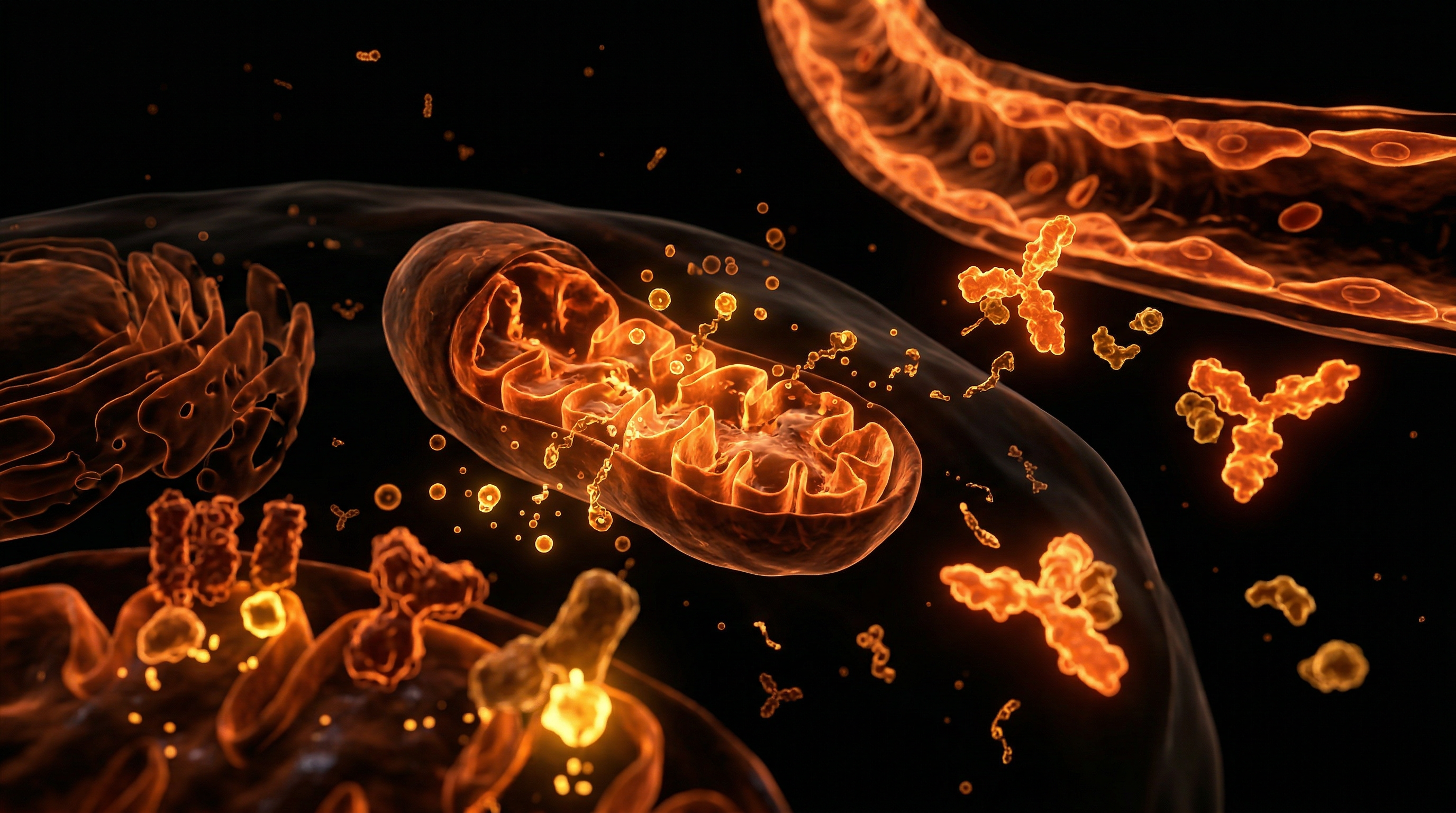
Preeclampsia is rooted in mitochondrial dysfunction within the placental cells during the early stages of pregnancy. Environmental stressors in the UK contribute to this cellular energy failure.
Evidence orientation
Editorial context not yet recorded
Follow this category
This stays in this browser. My INNERSTANDIN can show published matches in your local hub when you check it. It does not send email, push, or alert notifications.
Local learning review
A private browser aid for revisiting ideas. It is not an alert or a health recommendation.
Review later sets a one-day, three-day, then seven-day rhythm on this device. Choose it only when you want to revisit this article.
Overview
Preeclampsia is frequently described in clinical textbooks as a "disease of theories." For decades, the medical establishment has viewed it primarily through the lens of maternal symptoms—hypertension, proteinuria, and oedema. However, this symptomatic approach misses the profound biological reality: preeclampsia is a systemic bioenergetic failure originating in the mitochondria of the placental trophoblast.
At INNERSTANDING, we recognize that the surge in preeclampsia cases across the United Kingdom and the developed world is not a biological accident. It is the result of a catastrophic collision between delicate evolutionary biology and a modern environment saturated with mitochondrial disruptors. Preeclampsia is the outward manifestation of a cellular energy crisis. When the placenta—an organ with metabolic demands exceeding even those of the heart—cannot generate sufficient Adenosine Triphosphate (ATP) or manage oxidative byproducts, the resulting "cellular scream" triggers the systemic maternal inflammatory response we call preeclampsia.
This article provides an exhaustive examination of how mitochondrial dysfunction serves as the primary driver of this condition, how environmental toxins in the UK exacerbate this fragility, and why the current medical narrative fails to address the root causes of this perinatal crisis.
Key Statistic: Preeclampsia affects approximately 3% to 5% of pregnancies in the UK, contributing to significant maternal morbidity and remains a leading cause of preterm birth and neonatal intensive care admissions.
The Biology — How It Works
To understand preeclampsia, one must first understand the unique metabolic status of the placenta. The placenta is not merely a filter; it is a highly active metabolic engine. From the moment of implantation, the placenta must perform the functions of the lungs, kidneys, liver, and endocrine system for the developing foetus.
The Role of the Trophoblast
The fundamental unit of the placenta is the trophoblast. These cells are responsible for invading the maternal uterine lining (the decidua) and remodelling the maternal spiral arteries. This remodelling is a high-energy process. It requires trophoblasts to transition from a low-oxygen environment to one of high nutrient flow.
Mitochondrial Primacy in Pregnancy
Mitochondria are the primary sites of energy production via oxidative phosphorylation (OXPHOS). However, in the context of the placenta, they also serve as:
- Oxygen Sensors: Regulating the cellular response to hypoxia.
- Steroid Hubs: Facilitating the synthesis of progesterone and oestrogen.
- Apoptotic Regulators: Determining when cells should live or undergo programmed cell death.
In a healthy pregnancy, placental mitochondria adapt to the increasing metabolic demands of the growing foetus. In a preeclamptic pregnancy, this adaptation fails. The mitochondria become "leaky," inefficient, and ultimately, sources of cellular poison rather than energy.
Mechanisms at the Cellular Level
The transition from a healthy placenta to a preeclamptic one is defined by specific biochemical failures within the mitochondrial matrix and the electron transport chain (ETC).
Oxidative Stress and the Electron Transport Chain
The Electron Transport Chain (ETC) is a series of protein complexes located in the inner mitochondrial membrane. Its job is to pass electrons to oxygen, creating a proton gradient that drives ATP synthesis. In preeclampsia, the ETC—particularly Complex I and Complex III—becomes dysfunctional. Electrons "leak" out of the chain and react with oxygen to form Reactive Oxygen Species (ROS), such as superoxide radicals.
While low levels of ROS act as signalling molecules, the excessive production seen in preeclampsia leads to:
- Lipid Peroxidation: The destruction of the mitochondrial membrane's fatty acids.
- Protein Carbonylation: Damage to the enzymes required for metabolism.
- mtDNA Damage: The destruction of the mitochondria's own genetic blueprint.
Mitochondrial DNA (mtDNA) Depletion
Unlike nuclear DNA, mtDNA is not protected by histones and is situated directly next to the site of ROS production. In preeclamptic placentas, researchers observe significantly higher rates of mtDNA mutations and a lower copy number (the amount of mtDNA per cell). When mtDNA is damaged, the cell cannot replace broken ETC proteins, creating a vicious cycle of energy decline and increased oxidative stress.
The Failure of Mitophagy
Healthy cells utilise a process called mitophagy—a specialized form of autophagy where damaged mitochondria are identified and destroyed. In preeclampsia, the "quality control" mechanisms (governed by proteins like PINK1 and Parkin) are often overwhelmed or inhibited. This results in the accumulation of "zombie" mitochondria that produce no energy but continue to spew pro-inflammatory signals into the maternal circulation.
Calcium Signalling and the mPTP
Mitochondria act as a buffer for cellular calcium. Under extreme stress, the Mitochondrial Permeability Transition Pore (mPTP) opens. This causes the mitochondria to swell and burst, releasing cytochrome c and other "damage-associated molecular patterns" (DAMPs) into the cytoplasm. This is the "detonator" for cell death and systemic inflammation.
Environmental Threats and Biological Disruptors
The sudden rise in mitochondrial-driven preeclampsia cannot be explained by genetics alone. We are witnessing the impact of an environment that is increasingly hostile to mitochondrial health.
Particulate Matter (PM2.5) and Air Pollution
In the UK, urban air quality is a significant driver of placental stress. PM2.5 (fine particulate matter) can cross the lung-blood barrier, enter the maternal circulation, and accumulate in the placenta. Studies have shown black carbon particles on the foetal side of the placenta. These particles directly inhibit Mitochondrial Complex IV, effectively "suffocating" the cell at the molecular level.
Endocrine Disrupting Chemicals (EDCs)
The modern world is saturated with synthetic chemicals that mimic or interfere with hormones.
- BPA and Phthalates: Common in plastics and food packaging, these chemicals have been shown to disrupt the mitochondrial membrane potential in trophoblast cells.
- PFAS (Forever Chemicals): Widely used in non-stick cookware and waterproof fabrics across the UK, PFAS interfere with fatty acid oxidation—the primary way mitochondria fuel themselves during later pregnancy.
Glyphosate and the Gut-Placenta Axis
The widespread use of glyphosate-based herbicides in UK industrial agriculture has depleted the soil of essential minerals. More importantly, glyphosate acts as a chelator, binding to minerals like manganese and magnesium, which are essential co-factors for mitochondrial enzymes (such as Superoxide Dismutase (SOD)). Without these minerals, the mitochondria have no "shield" against oxidative stress.
Electromagnetic Fields (EMF) and Voltage-Gated Calcium Channels
Emerging research suggests that non-ionizing radiation from mobile devices and Wi-Fi may impact cellular calcium signalling. By over-activating Voltage-Gated Calcium Channels (VGCCs), EMF exposure can lead to calcium overload in the mitochondria, triggering the opening of the mPTP and premature cellular senescence in the placenta.
The Cascade: From Exposure to Disease
Preeclampsia does not appear overnight; it is a "slow-motion train wreck" that begins in the first trimester.
Stage 1: Poor Placentation (Weeks 0–20)
Early in the pregnancy, the mitochondrial failure in trophoblasts prevents them from invading the maternal spiral arteries deeply enough. Instead of becoming wide, high-conductance vessels, the arteries remain narrow and muscular. This results in ischaemia-reperfusion injury, where the placenta is periodically deprived of blood and then flooded with it, creating massive "bursts" of ROS.
Stage 2: The Systemic Scream (Weeks 20+)
As the foetus grows, the oxygen and nutrient demand increases, but the narrowed arteries cannot keep up. The mitochondria in the placenta reach a breaking point. They begin to shed:
- Syncytiotrophoblast Microparticles (STBMs): Tiny fragments of dead placental cells.
- Cell-free foetal DNA (cffDNA): Which acts as a potent inflammatory trigger.
- Anti-angiogenic factors: Specifically sFlt-1 and Soluble Endoglin.
Important Fact: sFlt-1 is a protein that "soaks up" Growth Factors (VEGF and PlGF) in the mother’s blood. Without these growth factors, the mother’s own blood vessels begin to leak and constrict, leading to the clinical symptoms of high blood pressure and kidney damage.
The Role of Endothelial Dysfunction
The mother’s entire vascular system becomes inflamed. The endothelium (the lining of the blood vessels) loses its ability to produce Nitric Oxide (NO), the molecule that keeps vessels relaxed. This is a direct consequence of the mitochondrial "distress signals" sent out by the failing placenta.
What the Mainstream Narrative Omits
The current medical approach to preeclampsia is reactive rather than proactive. At INNERSTANDING, we believe the following truths are being sidelined by the pharmaceutical-heavy industrial complex.
1. The Nutritional Deficiency Crisis
The "standard" prenatal vitamin is woefully inadequate for mitochondrial support. Preeclampsia is strongly linked to deficiencies in:
- Magnesium: Essential for ATP stability.
- Coenzyme Q10 (CoQ10): The primary electron shuttle in the ETC.
- Selenium: A necessary component of glutathione peroxidase, the body’s master antioxidant.
Mainstream medicine ignores these because they are not "patentable" solutions.
2. The Metabolic Link
Preeclampsia is often referred to as "Gestational Hypertension," but it is more accurately described as "Gestational Metabolic Syndrome." Insulin resistance, driven by high-carbohydrate ultra-processed diets, directly impairs mitochondrial function. High insulin levels inhibit PGC-1alpha, the "master regulator" of mitochondrial biogenesis.
3. The Iatrogenic Factor
Many standard medical interventions, including the overuse of certain medications and the induction of labour with synthetic oxytocin (Pitocin) without considering the mother's metabolic state, can further strain already struggling mitochondria.
The UK Context
The United Kingdom presents a unique set of challenges for maternal mitochondrial health.
The "Vitamin D" Problem
Due to our northern latitude and frequent cloud cover, a vast majority of pregnant women in the UK are Vitamin D deficient. Vitamin D is not just for bones; it is a critical regulator of mitochondrial function and the immune response. Low Vitamin D levels are a primary risk factor for the development of early-onset preeclampsia in the UK.
Urban Toxicity and "The London Effect"
In major UK cities like London, Manchester, and Birmingham, the combination of "canyon-style" streets and diesel exhaust creates a toxic microclimate. Data suggests that women living near major A-roads in the UK have a significantly higher risk of placental abruption and preeclampsia due to the constant inhalation of mitochondrial-toxic nano-particles.
Soil Depletion and the "Empty Calorie"
The UK’s agricultural shift toward high-yield, chemically intensive farming has resulted in produce that looks "perfect" but contains 30-40% fewer minerals than it did in the 1940s. A UK mother may be "well-fed" in terms of calories but "starving" in terms of the micronutrients required for mitochondrial OXPHOS.
Protective Measures and Recovery Protocols
If preeclampsia is a disease of mitochondrial stress, then the solution must focus on Mitochondrial Rescue.
Preconception Priming (The 4-Month Window)
Mitochondria take time to repair. Both the egg and the emerging placenta benefit from a "clean-up" period before conception.
- Eliminate EDCs: Switch to glass storage, avoid fragrances (phthalates), and use high-quality water filtration to remove PFAS.
- Optimise Light Hygiene: Mitochondria are light-sensitive. Increasing morning sunlight exposure and reducing blue light (from screens) at night helps regulate the circadian rhythm, which in turn governs mitochondrial repair (melatonin is a potent mitochondrial antioxidant).
Targeted Mitochondrial Nutrients
To support the Electron Transport Chain and reduce ROS, the following should be considered (under clinical supervision):
- Ubiquinol (Active CoQ10): Supports Complexes I, II, and III.
- PQQ (Pyrroloquinoline Quinone): Promotes the growth of new mitochondria (biogenesis).
- Magnesium Bisglycinate: Essential for over 300 enzymatic reactions, most of them occurring within the mitochondria.
- L-Carnitine: Facilitates the transport of fatty acids into the mitochondria for fuel.
Dietary Strategy: The Mitochondrial Fuel Plan
- Prioritise "Bio-available" Fats: Mitochondria in the placenta prefer high-quality fats. Focus on grass-fed butter, tallow, and omega-3s from low-mercury fish.
- Reduce Glucose Spikes: Constant spikes in blood sugar create "metabolic gridlock" in the mitochondria. Focus on a whole-food, protein-forward diet.
- Glutathione Support: Consume sulfur-rich foods (cruciferous vegetables, pasture-raised eggs) to support the placenta's natural detoxification pathways.
Post-Birth Recovery
For women who have experienced preeclampsia, the mitochondrial damage does not always resolve with the birth of the placenta. These women are at a higher risk of cardiovascular disease later in life.
- Post-Partum Mitophagy: Utilizing intermittent fasting (once breastfeeding is established and stable) can help "clear out" damaged mitochondria.
- Red Light Therapy (Photobiomodulation): Using specific wavelengths of red and near-infrared light can help stimulate Complex IV and speed up vascular repair.
Summary: Key Takeaways
- Mitochondria are the Engine: Preeclampsia is not just high blood pressure; it is a bioenergetic crisis within the placental cells.
- The Modern Environment is the Trigger: Air pollution (PM2.5), EDCs, and glyphosate act as direct mitochondrial poisons, explaining the rising incidence of the disease.
- The UK Vulnerability: Latitude-driven Vitamin D deficiency and urban pollution make the UK population particularly susceptible to mitochondrial-driven birth trauma.
- The "Two-Stage" Failure: Early mitochondrial failure leads to poor blood vessel growth, which later causes a systemic inflammatory "explosion" in the mother.
- Beyond the Mainstream: To truly prevent preeclampsia, we must move beyond blood pressure monitoring and toward metabolic and mitochondrial optimization before and during pregnancy.
- Empowerment through Knowledge: By understanding that the placenta is an energy-dependent organ, mothers can take proactive steps to protect their cellular health through nutrition, light hygiene, and environmental toxin reduction.
Preeclampsia is a "canary in the coal mine" for the health of our species. When our environments become so toxic that the very organ responsible for nurturing new life can no longer generate the energy to function, we must stop looking for pharmaceutical "band-aids" and start addressing the fundamental mechanics of cellular life. Mitochondrial health is the foundation of a safe birth and a healthy next generation.
This article is provided for informational and educational purposes only. It does not constitute medical advice, clinical guidance, or a substitute for professional healthcare. Information reflects cited research at time of publication. Always consult a qualified healthcare professional before acting on any health information.
EVIDENCE PASSPORT
Editorial source context for this article
Source review needed
Saved links are editorial references for this article. They may support specific claims rather than every sentence. Open and assess each source in context. This passport does not independently verify them.
Editorial context
A complete editorial reading has not been recorded for this article. Source links remain available for you to open and assess directly.
Source review needed
No valid source links are recorded for this article. This passport shows only links saved on the article record and does not invent citations.
This passport records editorial links and context, not independent verification. Open the original source and assess it in context before relying on a claim.
Medical Disclaimer
The information in this article is for educational purposes only and does not constitute medical advice, diagnosis, or treatment. Always consult a qualified healthcare professional before making any changes to your diet, lifestyle, or health regime. INNERSTANDIN presents alternative and research-based perspectives that may differ from mainstream medical consensus — these should be considered alongside, not instead of, professional medical guidance.
Read Full DisclaimerContinue the thread
Keep this question moving.
Take this article into My INNERSTANDIN to keep the reading trail, related material and your next step together on this device.
Explore this in the Body Map
See where this hits your biology. Interactive anatomy, threats, and protective protocols.
Dig deeper in the Library
Free, longform PDF volumes that go beyond headlines into mechanisms and references.